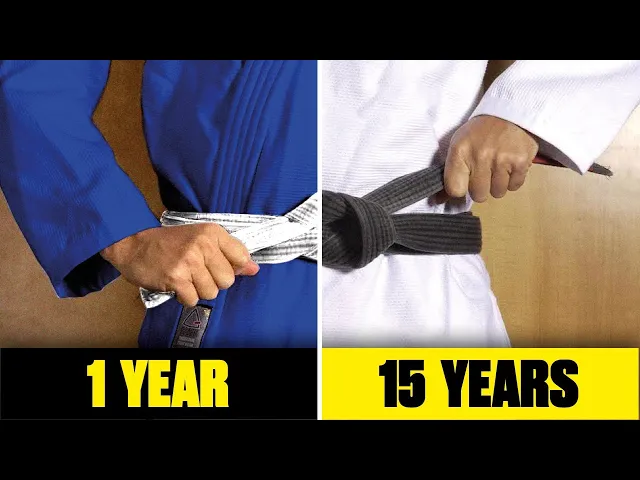
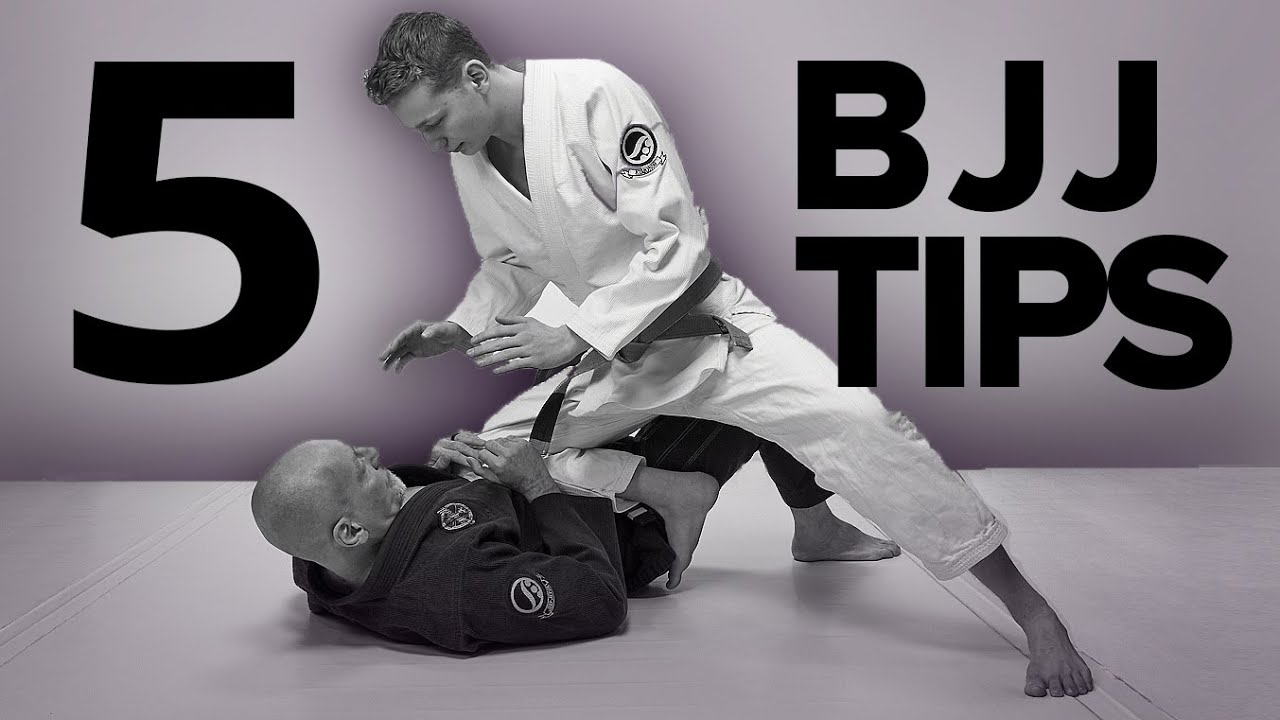
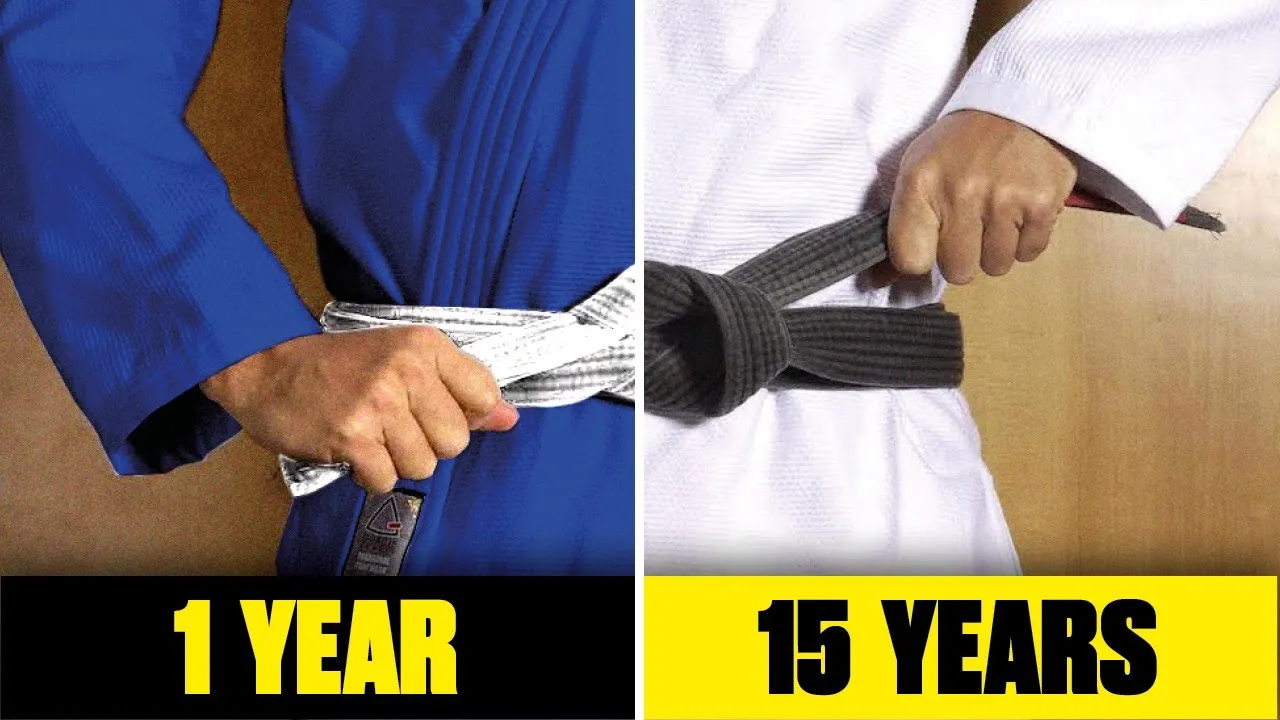
all right so it took me about 15 years of mat time to get my black belt into Brazilian J jetsu and that's a long time I had some injuries and some time out because of work and family stuff in there but I also trained a lot and there's a bunch of stuff that if I'd known it when I started I probably would have learned faster so I thought I'd put a bunch of that together in a video and if you normally like this channel because it's about learning and productivity more generally then do feel free
to skip this one because it is kind of specific to jiujitsu but also I do think there's a bunch of stuff in it that's like broadly applicable to a lot of skills so if you do have a spare 6 minutes why not just watch it anyway let's go lesson number one keep showing up is not enough so you hear this advice a lot from grizzled old Veterans of Jiu-Jitsu and while it's not completely wrong I do think it doesn't tell the full story I think you hear it a lot from people who are sick of
white belts looking for the like magic technique or mystical training style that's going to make them suddenly get a black belt in 3 years and that's where I think the truth of it comes in if you want to get good you do have to settle in for the Long Haul and when you're very new just show up is probably good advice everything is so new to you that anything you learn will actually make you better and over complicating things is actually just going to slow you down a bit and this is actually similar to a
lot of disciplines like in working out a lot of people are looking for the magic training method that will make them get better faster when all they really need to do is like squat every time they go to the gym for the first 3 months of their training and showing up will definitely get you a long way if you've got a good teacher who's very invested in your progress and wants to see you improve where it isn't accurate is that just showing up isn't going to be enough over the long term I would argue that
probably after about the onee mark Or maybe like a hundred training sessions you should probably start thinking about taking a more active role in your own progress and a good example of that is rule number two you need a go-to plan from everywhere so something John danaher and his team say a lot is that escapes matter most and I definitely agree with that if you know that you can escape from any bad position you've got more confidence in going for your sweeps and submissions because you've always got faith that if anything goes wrong you can
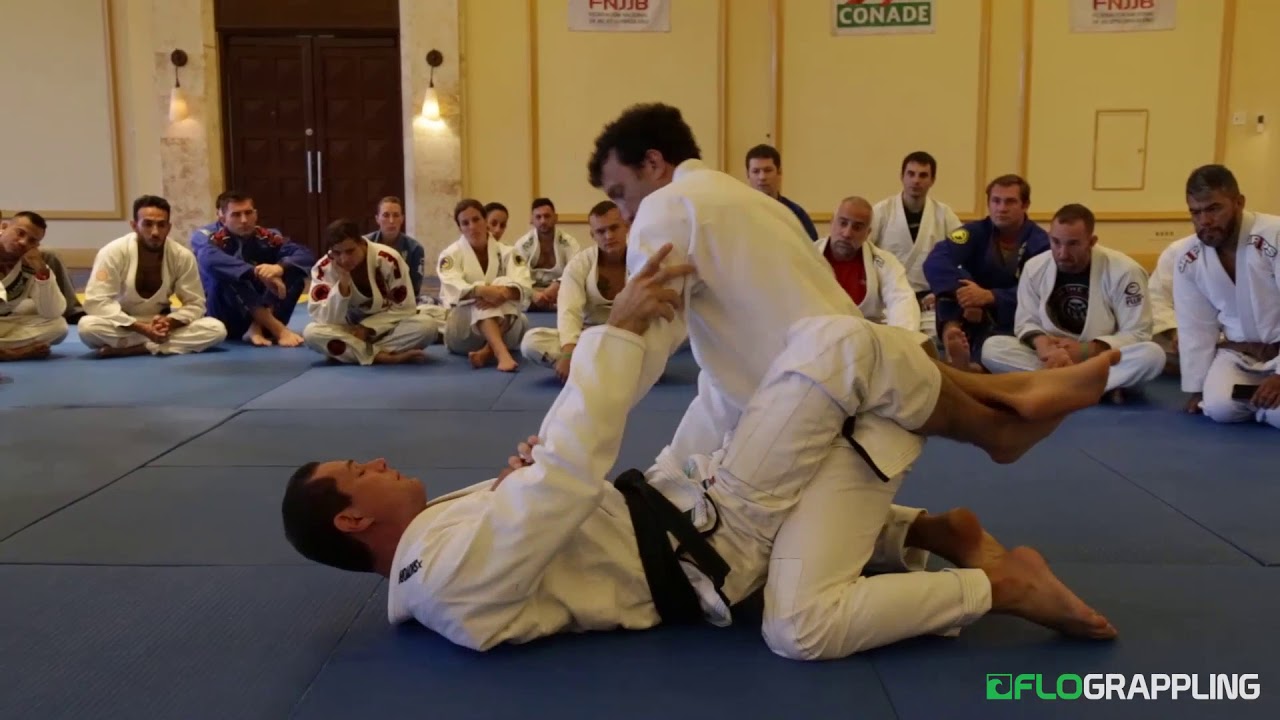
still get back out of a bad situation but something that I think is also so important to get your head around relatively early is that you need a solid plan from each of the major positions both top and bottom and Roger agrees with me you have to practice everything but you have to be equally strong in every position they all exact the same so in another video I've talked quite a lot about how your goal with any kind of training should be to divide the skill into lots of different sub areas and get into the
like flat bit of the learning curve in all of them so in BJJ a very basic level what that means is you should have a solid plan for what to do when you're in Mount side contol control a bunch of the basic guards maybe neon belly and turtle and then you can move on to the more esoteric positions as you get more confident so a useful exercise at this stage is to sit down with a notebook list out all the positions and go okay what is my actual go-to strategy in this situation if you don't
have one it's time to work on it and that brings us to rule three you learn the most outside class time now this doesn't mean you should do all your learning through instructional videos although there is definitely a bunch of stuff out there that would have been helpful to know when I first started what I actually mean by this is that progress does not come from just showing up to class drilling the two or three moves that are shown that day and then sparring some of my biggest breakthroughs from Jiu-Jitsu came from hanging around on
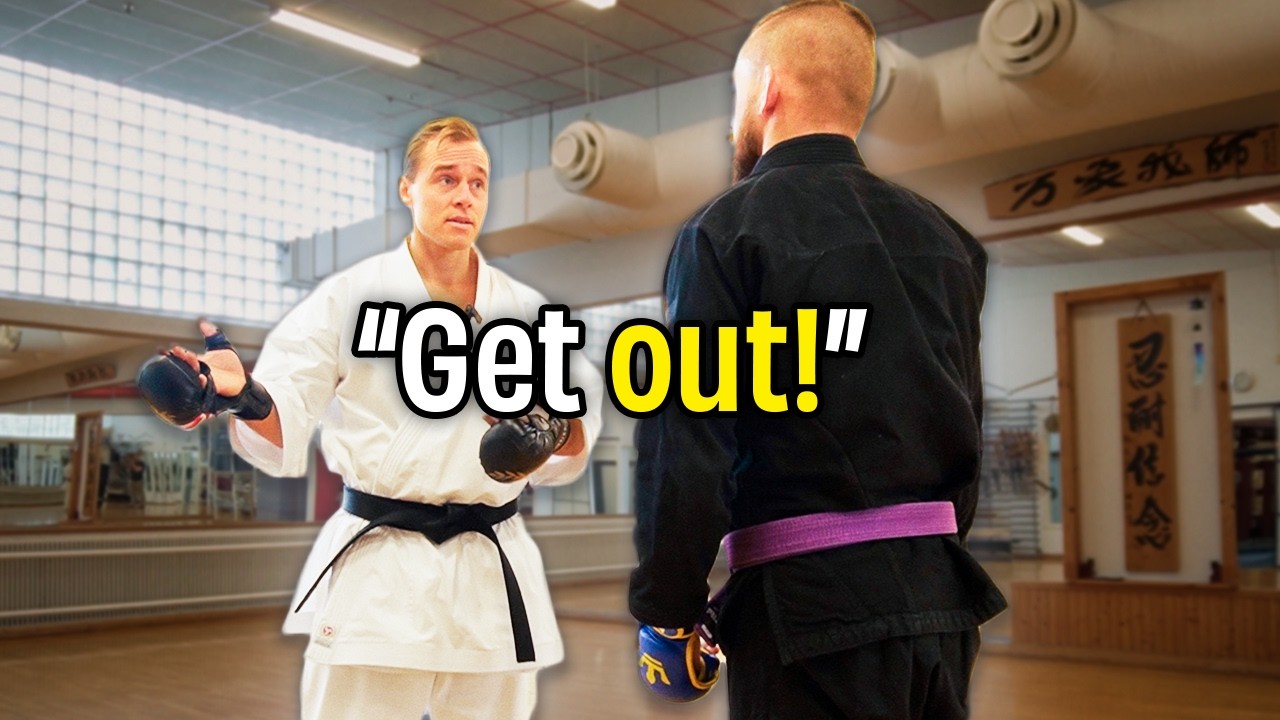
the matap after class and asking my instructor or the higher grades why I was getting caught in some of the stuff I was getting caught in what I should be doing about it and sometimes how I could finish a submission that I seem to be losing a lot this also comes down to a little subl lesson that I've talked about before which is that it pays to be polite in Brazilian jiu-jitsu classes as Ryan Hall says basically any higher grade who gives you their time to teach you stuff is doing you kind of a favor
when you're a white belt so get used to saying please and thank you asking sensible questions and being quite humble on the map it's just a good way to behave anyway and a side note to this is that good training partners are hugely important obviously it's important to have a good instructor and the quality of teaching that you get is going to make a huge difference to your progress but I would argue that it's actually equally important to have good training Partners not just cuz they're going to smash you and sparing John Dan talks about
the fact that good drilling actually incorporates increasing amounts of resistance you can't really learn most moves on someone who's just flopping around like a fish and giving you no resistance against any of the stuff you're trying but it also doesn't really work to try and learn a new thing against somebody who's giving you 100% resistance and trying to get out the whole time I think there's actually a good reason that a lot of brothers get good at Jiu-Jitsu and that's because they've got someone constantly in their life probably in their house who is always there
to give them the resistance they need on the moves that they're working on so if you can it makes sense to find a tightnit little group of training Partners who is serious about the sport and will give you the resistance you need to get your moves right when you're drilling they don't need to be amazing at the sport they just need to be committed to practicing properly you have to do positional sparring okay I feel like a lot of people don't like positional sparring and I kind of understand why it's not as much fun as
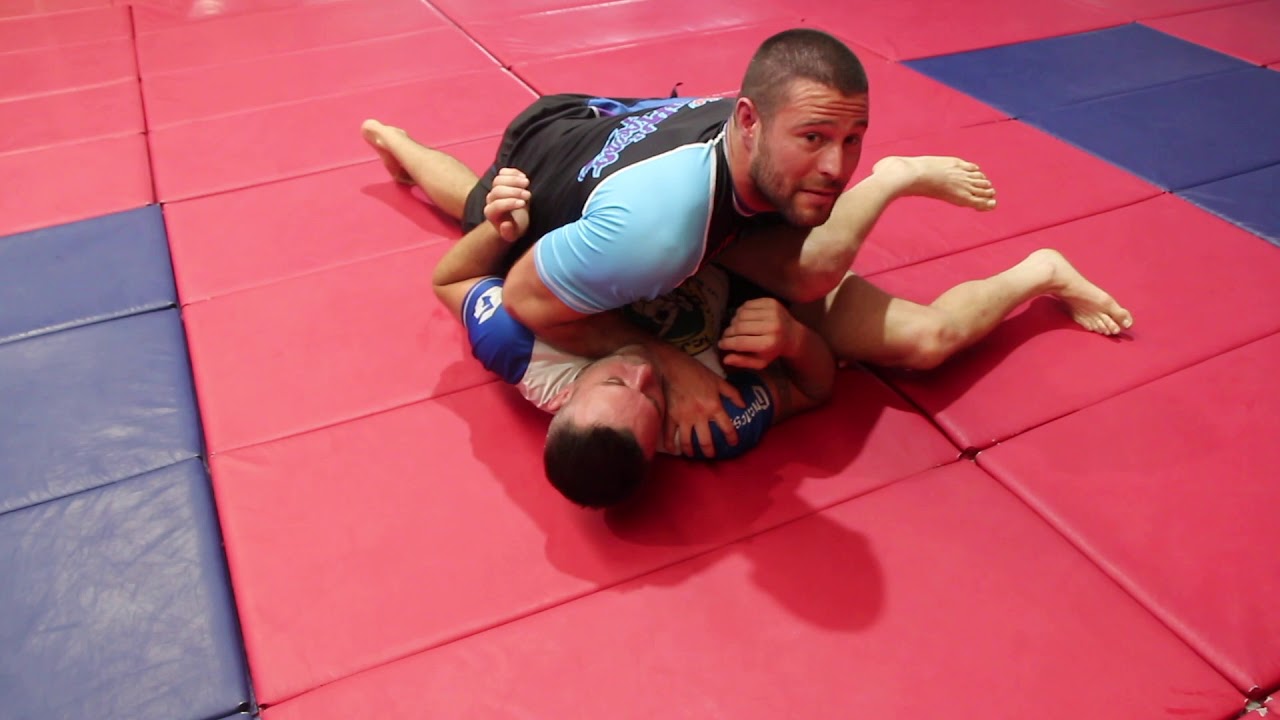
just rolling around on the floor and if you're in the bottom position it absolutely sucks but Roger Gracie in particular credits positional sparring with a lot of his SU success and I do think it's super valuable you can kind of compare it to piano it's actually pretty rare that you play an entire piece all the way through you spend most of your practice time breaking it down into little chunks so you can get a lot of repetitions on the same sections of stuff over and over again and BJJ is very similar especially in the early
going it can be quite difficult to go from like a mount escape to a pass to the armar you've been working on and although there is a case to be made for that it's called interleaving practice and we'll talk about in another video it's not necessarily the best way to learn the correct response in any given position so what positional sparring does is that you get a whole load of reps in in any given position with quite a lot of resistance also there's no pressure I see people glancing over at me all the time while
we're doing sparring but I promise you that no decent coach cares whether you get Tapped Out 10 times in a like positional Spar from side control as long as you're using the feedback that you get to make yourself better so positional sparring is the time to experiment in normal sparring if you get your guard passed you might spend the entire rest of the round getting smashed from Mount in positional sparring you get your guard past and you just start again so it's the time to work on new moves without worrying that you're going to end
up defending the rest of the round whenever I teach a new technique we start the rolling from the position that you would hit it from and I honestly think you should be doing positional sparring every time you train principles are better than moves when you start out in BJJ collecting moves Feels Like the Way Forward you learn one thing then you learn another thing and every new little trick that you learn lets you catch more people out and win more roles but as you improve you realize that there are more movements in Brazilian jiu-jitsu than
you can ever hope to learn and so what's crucial is to learn the principles that let you adapt to any new situation no matter what the specifics of it are and some of these are pretty easy I spend loads of time telling white belts to keep their elbows close to their body I talk a lot about the value of keeping inside position in things like take Downs or leg locks and I'm constantly going on about the value of underhooks and over hooks but if you can learn the basic principles behind the moves you're trying to
learn and the physiological reasons for them then you are going to learn a lot faster and the last thing that I wish I'd known when I started Jiu-Jitsu is you should try to enjoy the whole journey when you start out Jiu-Jitsu you just want to get as good as you can as quick as you can you want to get your blue belt you want to get your purple belt you're thinking about all the years it's going to take to get your black belt and you will do anything to get better faster but although it's fun
to tap people out the real Joy of Jiu-Jitsu is in the process of learning and the stuff you do along the way I think of it like climbing a mountain that goes on forever after the Foothills it's kind of slow going and there are all these dead ends and and plateaus and places that you don't think you're ever going to be able to move on from and there are going to be times when you stop and wonder why you're doing this in the first place sometimes you look down and see how far you've come you
look at all the wrong turns you've taken and you think if only I had had this perspective during the climb it might have gone faster easier better most days you can barely even remember what it was like to be down at the bottom of the mountain but occasionally those clouds part and you get a glimpse of the Foothills and it all comes rushing back and maybe you can use those memories for the next big push nobody really gets to the top nobody can ever rest satisfied that they've perfected the art or learned everything it has
to offer the ascent never ends and that is why you have to enjoy the climb thank you for watching please watch this video about rja jetu