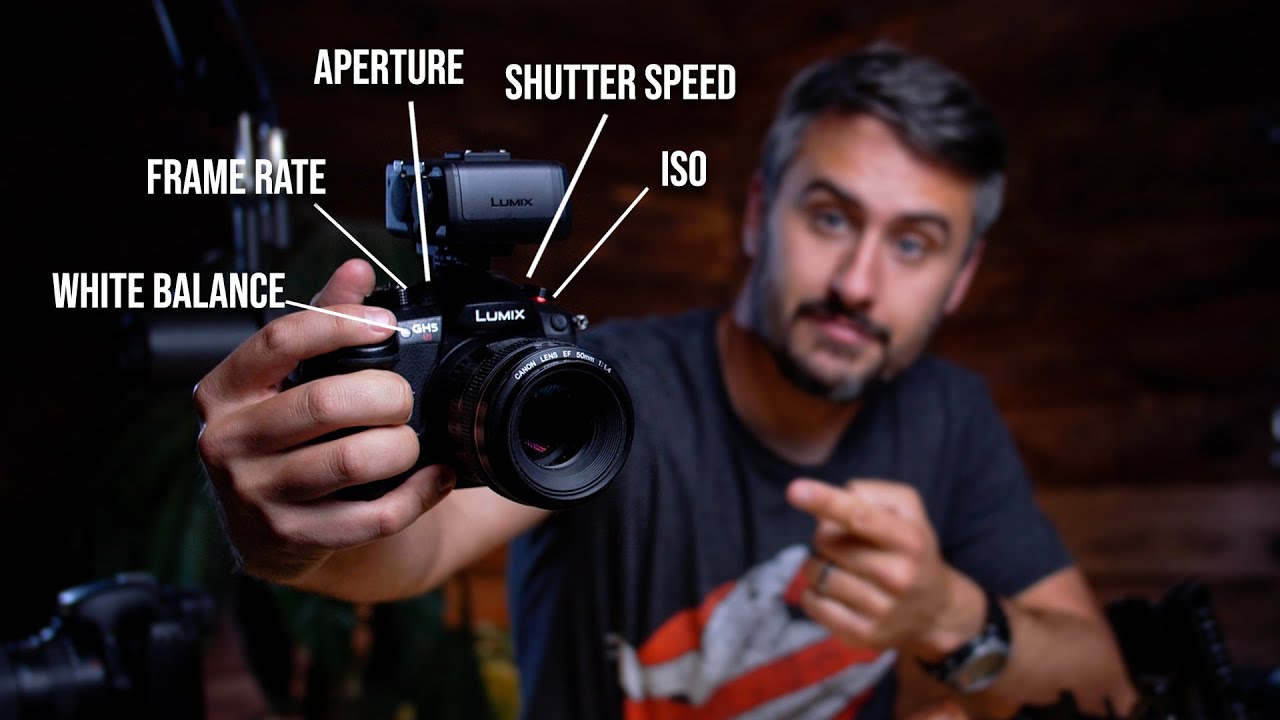
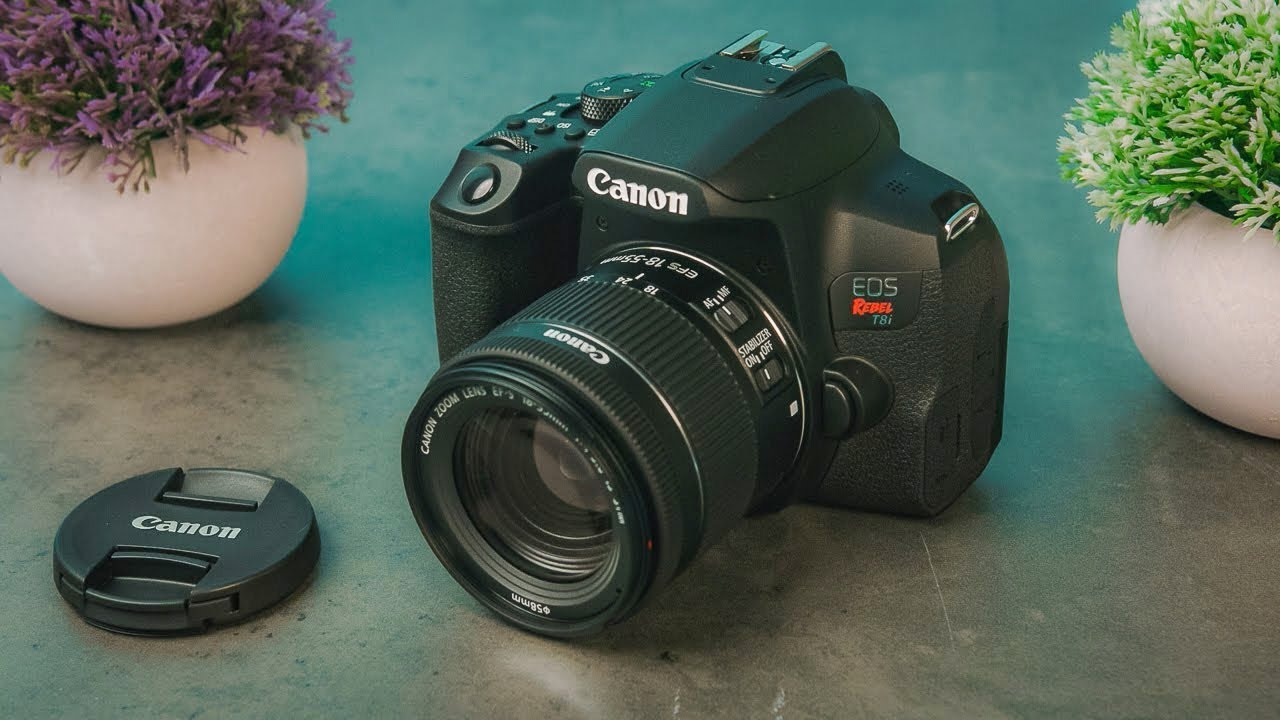
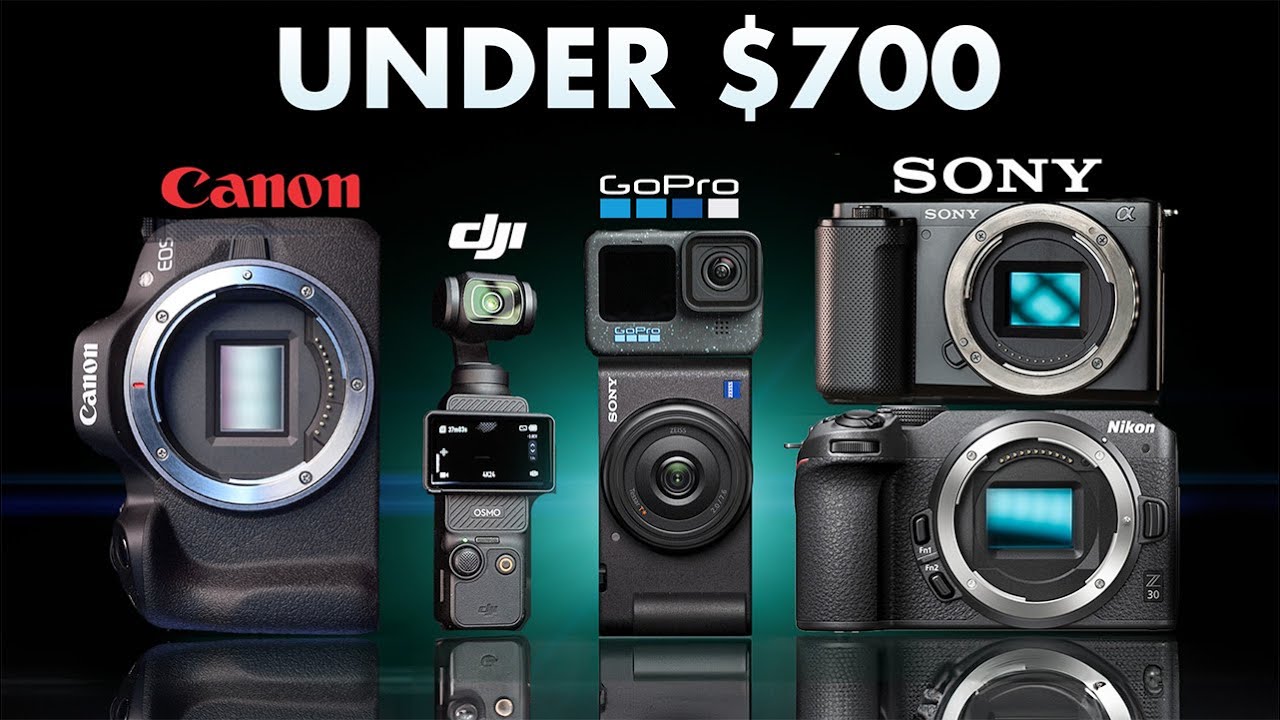
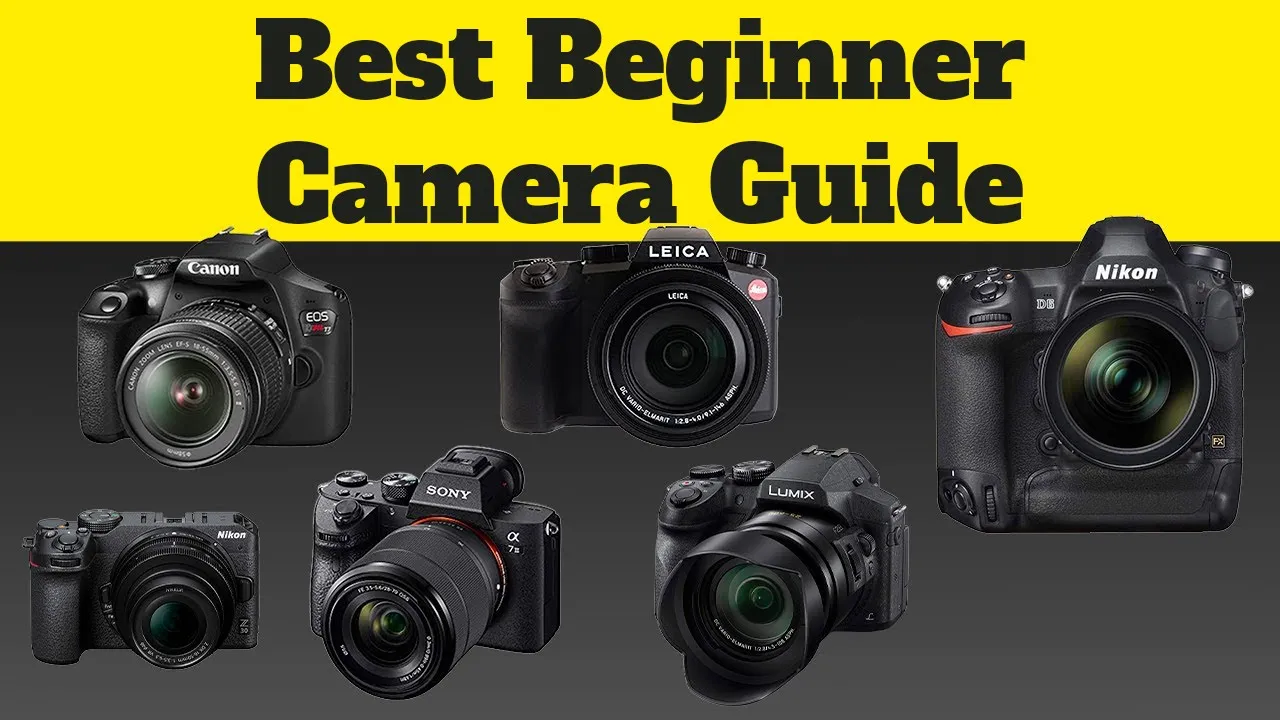
buying the wrong camera is like burning your money get it right and you'll have the perfect camera for your photography needs so you're going to discover which camera is right for you and how to get it regardless of your budget which brand to buy whether it's Nikon Canon Sony or something else and you'll be shocked at which camera photography beginner should buy regardless of your budget let's first dive into the first two questions you have to answer before you buy anything and it's not your budget although that's important there's something else that's more important all
right so I remember my last year in high school my sister decided she wanted to pursue being a model after her first photo shoot which lasted about an hour she showed me the contact sheet to see which photos I liked best but I was more interested in knowing how much she paid for this service and I was floored when she said had $150 not bad for an hour's work since I was only making $335 bagging groceries at the time so the following day I went to the local camera store and I maxed out my credit
card because I was going to be a pro photographer and my choice of camera was this Nikon 8008 and my decision was solely influenced by ads I'd seen before which was my first mistake the second mistake was choosing a camera based on how much money I had and not considering the features I needed based on the type of tography I was interested in my choice might have been different if I had asked a sales clerk what kind of camera and features do you recommend to photograph models and portraits so the first thing you need to
ask yourself is what type of Photography are you interested in portraits Landscapes Wildlife or something else or maybe in combination of two or more like wildlife and Landscapes now your choice will help you narrow down the features that you need and in today's digital world we have features that were impossible 30 years ago like eye tracking that autofocuses on your subject's eyes as they move or the ability to shoot 10 20 30 or more images per second and there are also many more features to consider not just for the type of Photography you want to
shoot but whether you're going to go pro or if it's just going to be a hobby like the build quality of a camera should be exceptional if you're going pro since it will get beat up more so than if you're shooting casually now this camera right here where is it the D300 right here this camera was set up on a tripod during a wedding serum cery and a guest knocked it over and cracked the body in two places here and here and at the time this was considered a highquality camera built with strong materials and
I was able to still use it after it was cracked and it's still usable today however if it was made with plastic like this camera here then it probably wouldn't have lasted as long or possibly not at all after the initial drop so the other question is is your passion for photography just for fun or do you desire to be a pro your decision will change what type of features are best for you now there's no reason to buy that $5,000 camera even if you have the money for it if it includes features you don't
need or maybe you can go without certain features like a metal body versus a plastic body since photography will be just a hobby or you may only want to photograph landscapes in that case you don't need eye Focus tracking or the ability to shoot dozens of images per second those features are better for portrait Sports and Wildlife photographers now the million-dollar question is how much money should you invest in buying a new camera should you invest every dollar you have or is there a better option or what if your budget doesn't allow you to buy
the camera for your needs we're going to go over those options as well also I would advise considering your camera purchase as an investment whether it's a hobby or a future profession and that's because your digital camera isn't made to last forever it's not going to last as long as a film camera like this one from 1989 and the main reason is that the shutter in DSLR cameras depending on the make and the model have a life expectancy of around 100 to 300,000 photos before that shutter wears out and breaks then you'll have to either
get it fixed or invest in a new camera now hundreds of thousands of photos seems like a lot right but it's easy to shoot hundreds and sometimes thousands of images in a single day when you're starting out and you could wear out the shutter in a year or two or more depending on how much you shoot and I'm going to share a pro tip in a moment and how to find out how many photos were taken with a DSLR but when it comes to a mirrorless camera it does not have a shutter and you won't
have to worry about where wearing it out like you do with a DSLR but a mirrorless camera has a lot more Electronics inside of it and if you've ever experienced Electronics breaking like a desktop or laptop computer or maybe a computer chip in your car you know they don't last forever so these are additional things to consider when you're ready to buy or I should say invest in a new camera so how much money should you invest in a camera well before we get into the actual dollar amount let's see what you get for your
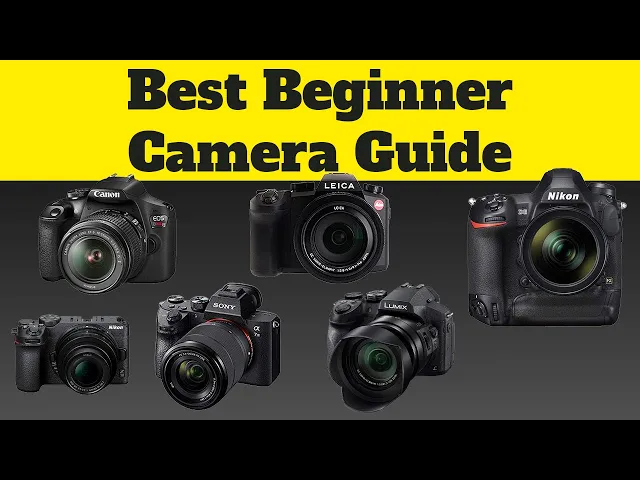
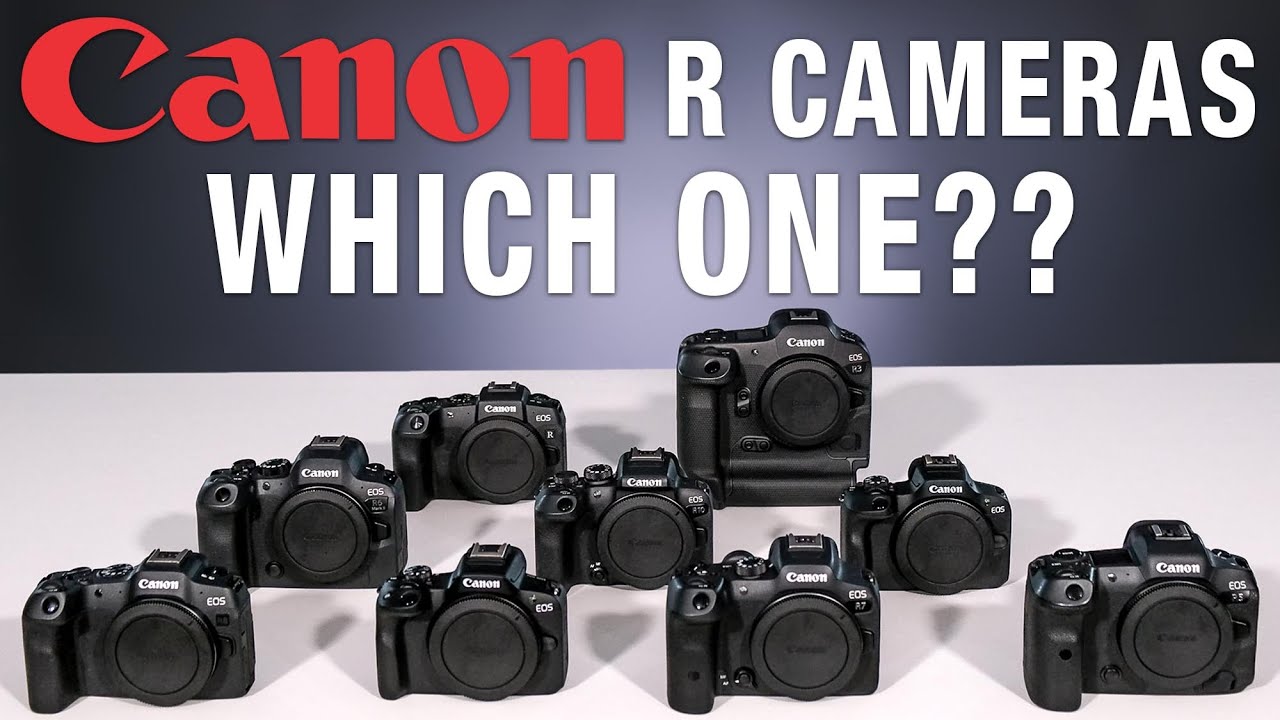
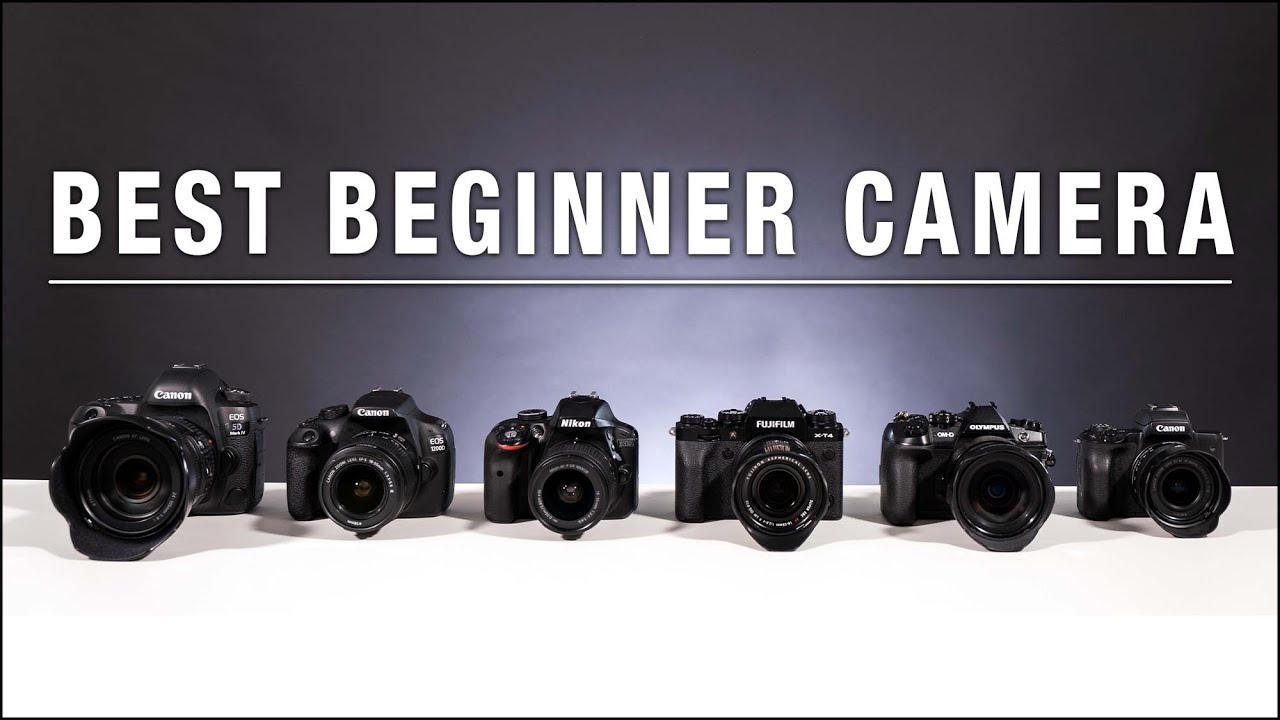
money based on these three budget categories so in the low range these digital cameras are typically under $11,000 and include cameras like the Fuji xt30 Canon EOS RP and the Nikon zfc to name a few now typically these cameras have fewer options than more expensive ones and the build quality is not as great however if you're careful with your gear they should last a few years and the quality of the images are pretty good as well now in the mid-range which is around 1 to $2,000 and maybe a little bit more like 2500 you'll find
these cameras have a few more options and the build quality is much better in the higher range of around 3,000 and up you'll find the best build quality and all the features you'll ever need now due to the sheer number of digital cameras and each range it's going to be impossible to cover every make and model in terms of features and quality this is why I recommend going through all the buying steps mentioned in this video to narrow down your choice and at the end I'll provide how much you should invest especially if you're new
to photography all right so before you decide on a camera you have to make three more critical decisions the first one is the brand of the camera is it going to be Nikon Sony Canon Pentax Fuji Panasonic or something else how are you going to choose well within Brands there are three things to consider now unlike 30 years ago it's much harder to narrow down this specific question of brand or is it for example you could post a comment on social media and you'll get dozens of recommendations for one brand or another but you're going
to be wasting ing your time and here's why so let's say the majority of photographers recommend Canon and you decide to invest in one now after purchasing online it arrives you unpack it and you hold it in your hand for the first time but maybe it's too small or maybe it's too big either way it feels uncomfortable now sure you'll probably get used to it after a while like when I first bought my first mirrorless camera not this one here but it was much smaller versus what I was used to over the previous 20 years
but let's say you have a friend of yours that has an Nikon and it feels better in your hands well you've probably already invested a lot of money in Canon with the purchase of multiple lenses and now you can't switch because it's going to cost too much to make that switch so before you invest in your digital camera I recommend going to a local camera store and getting a feel for each of the different brands now if I was starting fresh today I'd take it a step further because I remember buying my first film camera
and asking the clerk for a role of film and his reply was which one I'm like I don't know so he goes on and says we have Kodak Velva which is I think this one here no this cenia uh codc borra AKA Fuji and other brands as well and I'm like all right so what's the difference between all of these different films so he explained and I was surprised that each type of film was designed for specific situations or subjects in the colors and contrast that each film produced enhanced those subjects and Kodak portra which
I bought that day was the go-to film for photographing people now once I realized shooting models was not my cup of tea I tried landscape photography for a little bit and I went into more portraits as well and I loved the vibrant colors and contrast with Fujifilm for Landscapes versus Kodak so if I were starting new today I'd want to choose a digital camera that provides the right colors for my subjects and my personal preference now yes we can edit the colors after the fact with your editing software of choice however I love the colors
created by Sony cameras straight out of the camera more so than Nikon or any other camera so I'd spent some time looking at images from different brands to see which one appeals to you the most now another vital part of your decisionmaking is the size of the camera sensor and the megapixels now just like in the film days when our choices were 35mm medium and large format film a digital camera sensor size will affect the quality of your image the same can be said about the megapixels of the camera more is better or is it
now before I answer that let's review sensor size options so the most popular are crop sensors and there are two varieties apsc and M micro 4/3 the third option is fullframe cameras and a fullframe camera has a sensor size equivalent to 35 mm film now in general larger provides better image quality but that doesn't mean you need larger it all depends on what you're shooting and why so in 2002 my first digital camera was this Fuji S2 and I used it professionally as a wedding photographer and I had no problems getting quality print enlargements up
to 20 by 30 and this has an apsc cropped sensor and you might be surprised as well that the Fuji S2 only has 6 megapixels now that's three to five times smaller than today's digital cameras like my Nikon Z8 so more megapixels doesn't necessarily mean better sometimes less is more especially when considering the file size so back then when I bought this camera My First Media card the size was only take a look at this 4 GB also look at the size of this thing so only 4 gigb needed for the Fuji S2 but today
for my Nikon Z8 I'm using a 500 GB card so should you choose a fullframe or a cropped sensor well what I'm about to share is important to know as well before you buy your digital camera and this information will help you narrow down to the right camera for you and that's because the size of your sensor cropped or fullframe will alter what you can capture or create so how can that be well let's say you want to use this 50 mm lens on a fullframe camera when doing so that camera will create an image
equivalent to what your eyes see regarding the field of view so as you look ahead the things in front of you are in Focus within this limited view or your field of view which is between my hands now outside of that we can still see stuff but it's not in Focus so it's outside of the field of view and when you put your 50 mm lens on a camera with a crop sensor your field of view shrinks okay so instead of this it's smaller and more like this this is known as the crop factor now
depending on the type of sensor the amount of cropping will be up to two times so 1.5 1.6 or 2x so in other words if you want a field of view of 50 mm which is here and your sensor has a crop factor of two that means your field of view is now shallower since you're shooting with the equivalent of a 100 mm lens and to get this 50 mm field of view you're going to need a 25 mm lens instead so 25 * 2 is 50 mm now cropped or full frame which one is
right for you that's not an easy answer since we all have different needs and expectations now if you want the Best of Both Worlds you may want to consider full frame since most of them include a feature that resembles a crop sensor and for Nikon it's called DX mode and when you switch to it you'll get a crop factor of 1 and a half so a 50 mm lens becomes 75 so this is ideal for those who shoot far away subjects like sports and Wildlife photographers all right so after you're considering everything we've covered so
far you've narrowed your camera choice to a specific brand with the exact features and the sensor that's perfect for you but what if you don't have the money to buy that camera what can you do or if you do have the money should you spend all of it well either way would you like to save some money well there's an option to consider and I'll explain why it's the perfect choice for photographers of all levels from beginners to those with more experience and it's something I wish was available at the time of my first digital
camera purchase but back then digital cameras were only a few years old and were in high demand but if I could go back 30 years I would have been better off doing this option as well now before I reveal it let me share an old saying that says everyone with the camera is a phot photographer technically that's true anyone can take a photo with a camera but that doesn't mean it's a good photo it's the person behind the camera that creates amazing images now here's another example let's say we give Tiger Woods a pitching wedge
he'd probably still be most of us in a game of golf right so it's not the gear it's the person behind the gear so if you can't create amazing images with a $500 camera I guarantee you won't be able to with a $5,000 camera so you first need to learn and master the Four Keys to creating amazing images regardless of the camera that you have and I have a free 4-Hour photography course on this channel where you can learn those skills you can watch that via the link in the description below to learn the basics
of Photography so if you have a thousand $2,000 or $5,000 I wouldn't recommend spending all of it yet not until you've practiced the fundamentals and decide that you want to continue honing your photographic skills and that's because I've seen too many people take up photography as a hobby or even pursuing it as a profession only to realize it's not for them and I see all their gear up for sale in numerous Facebook marketplaces all the time now another question you have to decide on is which lens to buy which is part of your budget and
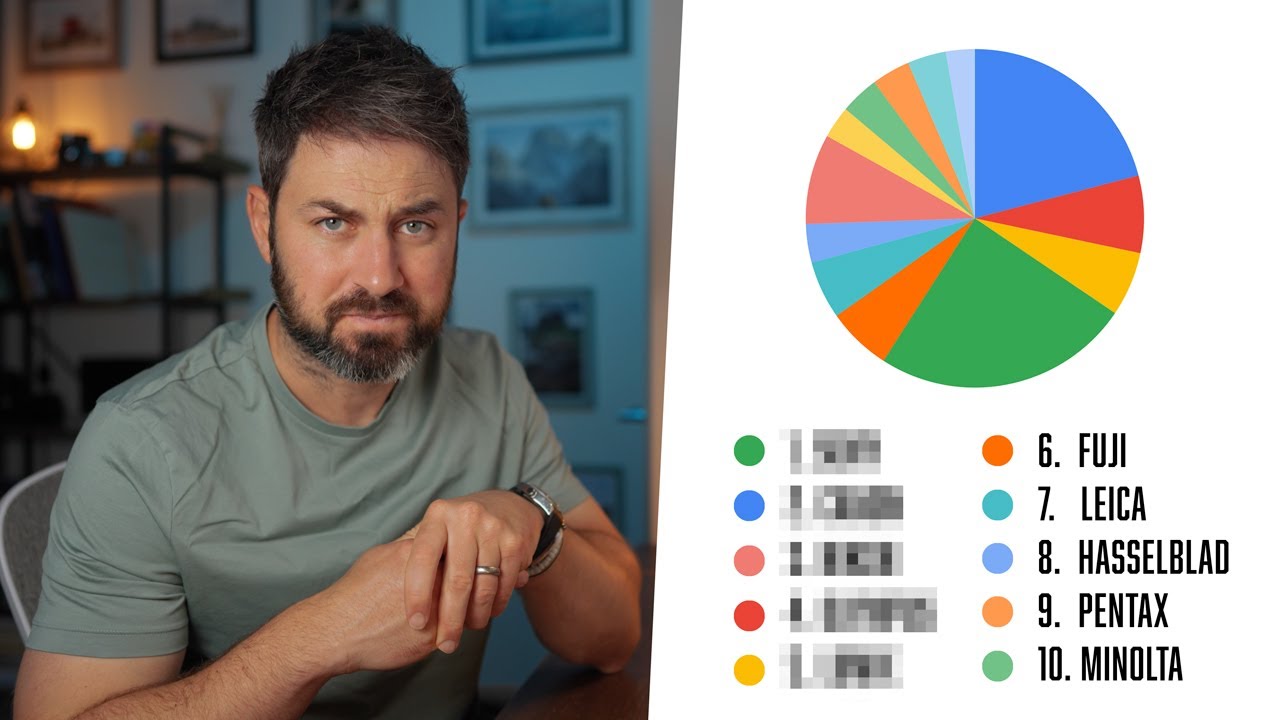
I'll share the answer to that in a second first I want to share a poll that I did in my private Facebook group to find out the questions photographers wanted to know about buying their first camera and the number one question they wanted in the answer to came from more exper experienced photographers and they wish they knew if the camera they were going to buy was the right one for their future photography goals there's only one problem with the answer to that question it's impossible to know what your future photography goals are going to be
until you become more experienced and learn the different features and other tools available to create amazing images for example when I started I wanted to be a model photographer but I failed miserably then I switched to landscapes for a short time but did mostly portraits over the next 10 years and I failed again and I was your typical starving artist now after that I switched to wedding photography and I did so successfully for 15 years it wasn't until I burned out after those 15 years that I began spending more time outdoors and I realized that
I always wanted to be a wildlife and landscape photographer so it took me 30 years to discover my future photography goals now along the way I bought dozens of different cameras based on the needs at that time and I could have saved a lot of money if I hadn't bought used but there's one major problem with used digital cameras now as I mentioned previously your DSLR cameras have a shutter with a limited life expectancy it's the same with your car the more miles you put on it the closer it is to breaking down so if
you going to buy a used DSLR get the shutter count of the camera you're interested in so most sellers know how to extract the shutter count from the camera if they don't direct them to the link in the description below and then they can get that information for you also you want to find out the life expectancy for the shutter for the make and model of the camera that you're buying because it's going to be different for every camera and let's say it's 200,000 and the digital camera already has 150,000 you might want to consider
another camera with a lower shutter count unless you can get it for really cheap and you plan on upgrading in the future anyways all right now you have to decide on which lens to buy first well there's one lens every photographer should have since it will make you a better photographer to find out which lens to buy first watching this video next