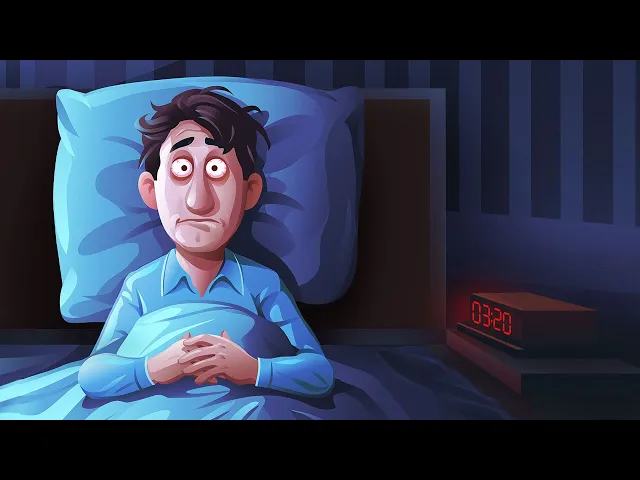
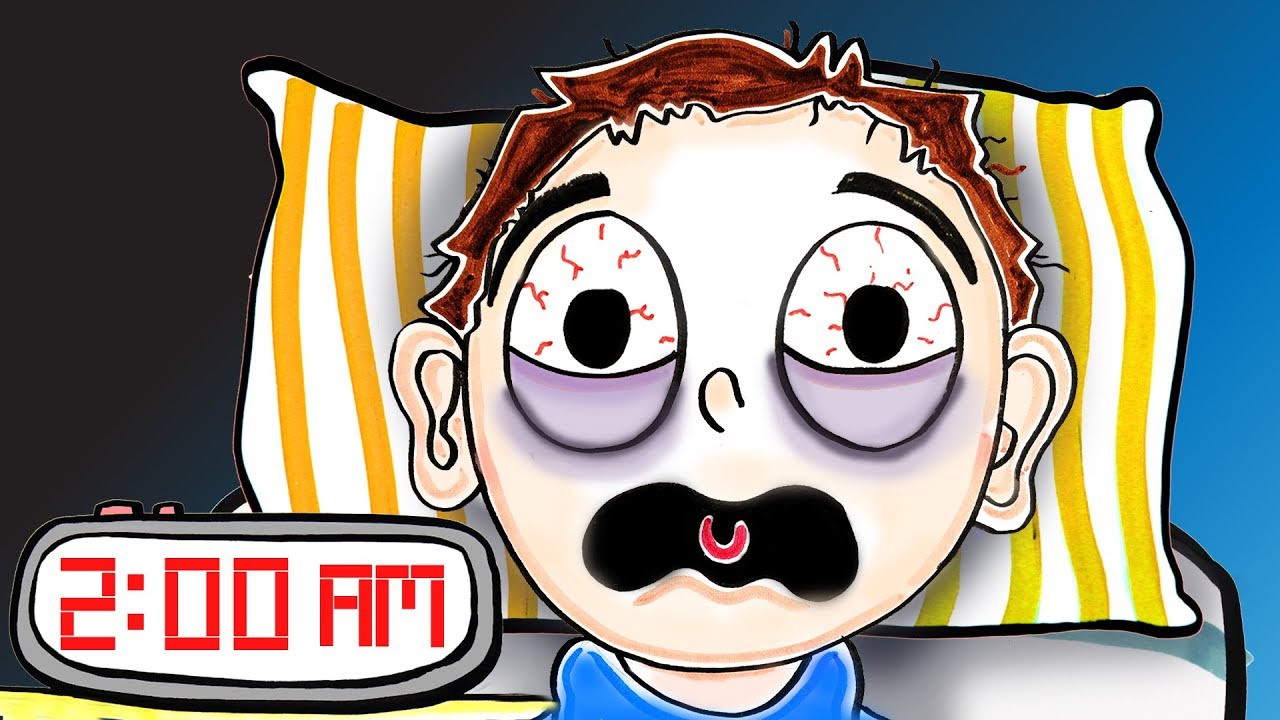
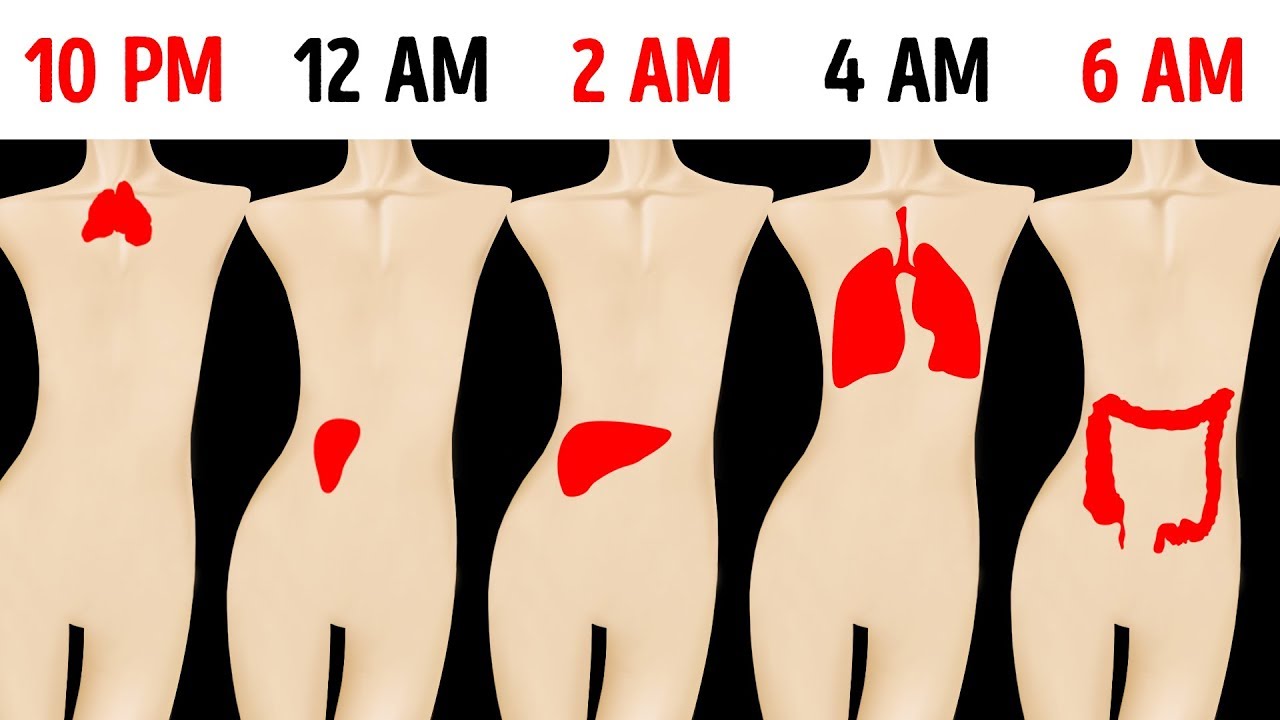
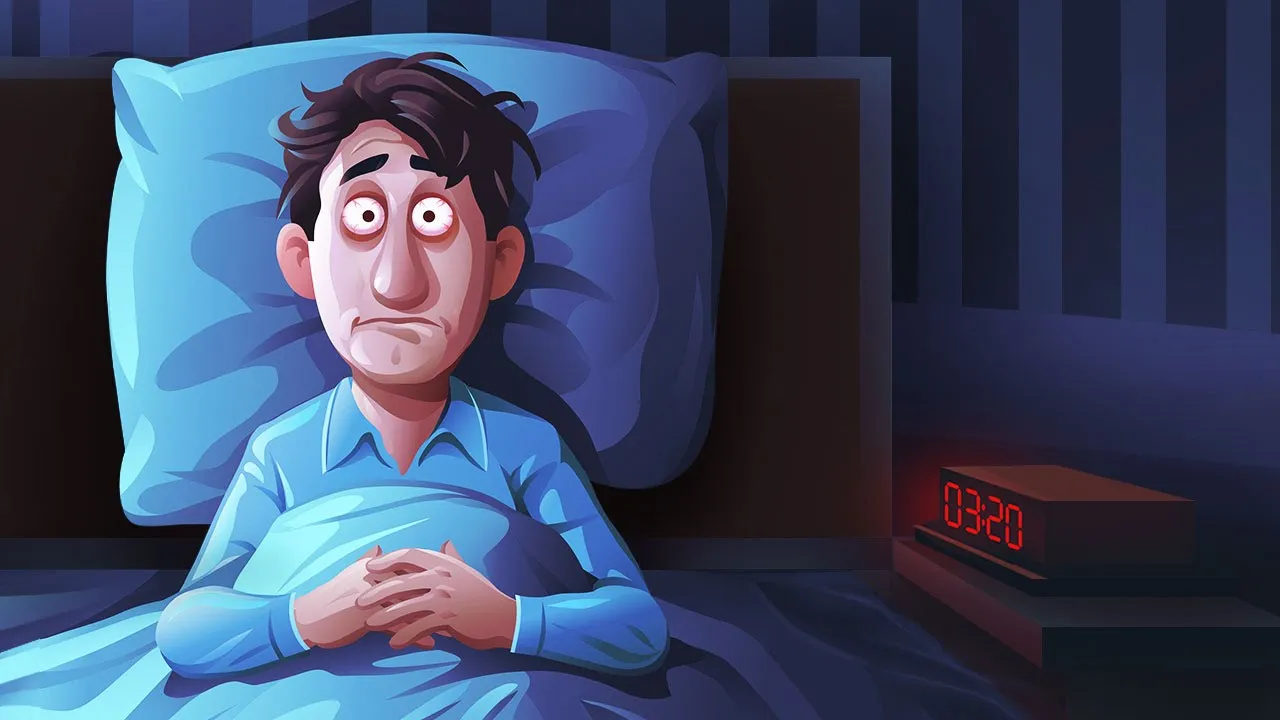
Hey everyone, and welcome to TopThink. Today, we are going to learn about what it means when you wake up between two and four in the morning. Now, let’s begin Sleep disruptions affect an astounding 35% of people on a regular basis.
At least three times per week, millions of people wake up, look at the time, and wonder, “why am I awake right now? ” For some people, this is an easy question to answer. Maybe your neighbor’s dog barks through the night.
Perhaps your partner snores louder than a boat horn. While frustrating, environmental disruptions can explain a significant percentage of irregular sleep cycles. Whether your bedroom is too loud, too hot, or simply uncomfortable, there are simple measures you can take to prevent environmental stimuli from interrupting your regular sleep schedule.
Sleeping with earplugs, for example, can reduce the likelihood of disruptive sounds waking you during the night. But what about the large percentage of people who wake up between two and four in the morning all on their own? What steps can you take to improve your sleep cycle and consistently experience a good night’s rest?
Before we can troubleshoot your sleep cycle, you need to break down how a healthy sleep cycle is supposed to function. Most people are loosely familiar with sleep-related terms like REM cycles, deep sleep, and circadian rhythms. You’ve probably heard vague recommendations like “sleep for 8 hours every night” or “wake up at the same time every day.
” For regular and consistent sleepers, this is good advice. However, irregular sleepers may need to make more significant changes, and those changes require an in-depth understanding of why your body struggles to sleep through the night. First and foremost, your sleep-and-wake cycle is regulated by an internal 24-hour clock called a circadian rhythm.
Many people think circadian rhythms are like alarm clocks that put you to sleep and wake you up in the morning. That is partially true, but the biological role of your circadian rhythm is more complex and far-reaching than most people realize. Your circadian rhythm, also known as a biological clock, tells your body when to be alert and when to fall asleep.
It controls your sleep-and-wake cycle by releasing different kinds of hormones. Those hormones are why you feel energetic in the morning and tired in the evening. But how does your circadian rhythm know when to wake you up and when you calm you down?
Your sleep-and-wake cycle depends on several important variables, some of which you can control and some of which you can’t. For example, your circadian rhythm naturally corresponds to the Earth’s day and night cycle. When the sun is shining, your body knows to wake up and be active.
But when the sun sets, your body naturally relaxes and prepares to sleep. Your circadian rhythm is impacted by the time of day, but it’s also affected by other variables, including your genetics, the place in which you live, and of course… your daily schedule. While you don’t have much control over the sunrise or your genes, you do have control over the timing and consistency of your sleep schedule.
If your nighttime routine frequently keeps you awake, there’s a good chance you will rise in the middle of the night. Let’s say you usually fall asleep between 10:00 and 11:00 PM. Around that time, your circadian rhythm releases hormones like melatonin that tell your body it’s time to sleep.
As it gets later and later, your body wants to rest, but you may choose to keep yourself awake. You might binge a TV show late into the night or lose track of time working on your hobbies. Before you know it, it’s 1:00 in the morning, and now you are wide awake.
This is what happens when you ignore your body’s natural rhythm. You exhausted the helpful hormones that would have lulled you into a sound slumber. Two hours later, your body isn’t sure whether to fall asleep or stay awake.
An unhealthy sleep cycle makes it difficult to fall asleep and stay asleep, but that doesn’t explain why you consistently wake up between two and four in the morning. To solve this problem, we need to dig deeper into the structure of your sleep cycle. Over eight hours, the average person experiences four to six complete sleep cycles, which last approximately 90 minutes each.
One sleep cycle consists of four stages, all of which contribute to your sleep duration and quality. The first stage is a very light sleep in which your body is just beginning to settle down and unwind. Your brain activity slows down as you gradually sink into a peaceful slumber.
Next, your body enters stage two, also known as light sleep. Your senses shut down. Your muscles relax, and your brain prepares for the most immersive stage of your sleep cycle, called deep or slow-wave sleep.
As you enter deep sleep, your brain waves reach their lowest frequencies, and your heartbeat slows to a gentle rhythm. Of the four stages, deep sleep is the most immersive and challenging to interrupt. If you’re suddenly woken during deep sleep, you may feel disoriented, and it may take several minutes for your brain to adjust to the world around you.
The final stage of each sleep cycle is REM sleep, which first occurs about 90 minutes after your sleep cycle begins. REM stands for rapid eye movement and describes the side-to-side motion of your eyes during this period of high brain activity. While REM sleep is considered a light or wakeful state, it’s also the stage where you’re most likely to dream.
Interestingly, REM sleep increases in duration throughout the night. Your first period of REM sleep lasts approximately 10 minutes, while the last period can last up to an hour. But how does all this information relate to your sleep cycle?
Let’s say you climb into bed around 11:00 PM. You sleep soundly from 11:00 to 2:30 AM until suddenly your eyes fly open. You may not realize it, but your body is waking up between sleep cycles.
After experiencing your first and second periods of deep sleep, your body enters wakeful sleep stages, like REM sleep or light sleep, which makes you vulnerable to common sleep disruptions. Most nighttime awakenings occur between your third and fourth sleep cycles, which take place 3-5 hours after you fall asleep. During this period, your brain is active, so you’re more likely to notice environmental disruptions, like loud noises, bright lights, or uncomfortable temperatures.
But there’s another reason why you may jolt awake in the middle of the night, and that reason is stress. Stress activates your sympathetic nervous system, which increases your heart rate and moderates your blood pressure using a hormone called cortisol. Cortisol is known for controlling your fight or flight response, but it also plays a role in your biological clock.
Like melatonin, which puts you to sleep, cortisol is responsible for waking up your body and brain. First thing in the morning, you receive a surge of cortisol, which makes you feel awake and alert. Cortisol is an essential part of your mornings, but it’s the last thing you need in the middle of the night.
However, high levels of stress can cause your body to overproduce cortisol, leading to regular disruptions to your sleep cycle. Night after night, stress-induced cortisol may be confusing your biological clock and interrupting your normal sleep cycle. In other words, you are consistently waking up during periods of light sleep because you need healthier ways to manage your stress.
If you are an irregular sleeper, the quality of your sleep may depend more on your environment and lifestyle than anything else. While you’re asleep, you can’t do much to control how well you sleep or how long, but you can make meaningful changes to your lifestyle. For example, looking at your computer screen before bed may delay the production of melatonin, which tells your brain when to fall asleep.
Unfortunately, many people get in the habit of watching TV or scrolling through social media before falling asleep. You may not realize it, but this small lifestyle choice negatively impacts your sleep quality and duration. Taking long naps can have a similarly negative impact on your sleep cycle.
People who nap for 90 minutes or more during the day may struggle to fall asleep in the evening. Taking a long nap confuses your biological clock and delays the production of valuable hormones, thus ruining the consistency of your sleep cycle. Small lifestyle changes like these can have a tremendous effect on the quality of your sleep.
In the same way, stress-relieving exercises, like yoga and meditation, can lower your daily stress levels and decrease the likelihood of waking up in the middle of the night. Ultimately, it comes down to this. If you’re consistently waking up between two and four in the morning, your body is sending you a message.
Your sleep cycle is not functioning the way it should, so you will continue to experience regular sleep disruptions until you make a change. That might mean changing your environment to create a more peaceful and comfortable place to rest. Perhaps you need to adjust your sleep schedule, improve your nighttime routine, or learn how to manage your stress better.
Chances are that you need a little bit of everything. More often than not, it’s a combination of factors that leads to nighttime awakenings and daytime drowsiness. So, don’t wait to change your relationship with your sleep.
No matter how irregular your sleep cycle seems, there are definite steps you can take to sleep more soundly every night. With a bit of time and effort, you can reap the rewards of a great night’s sleep. Thank you for watching TopThink and be sure to subscribe because more incredible content is on the way.