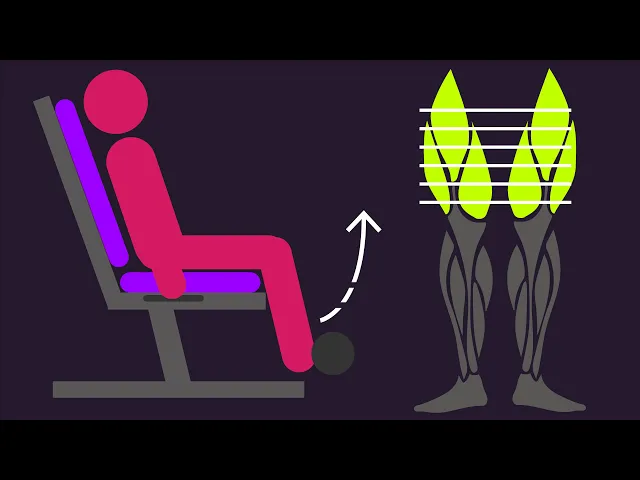
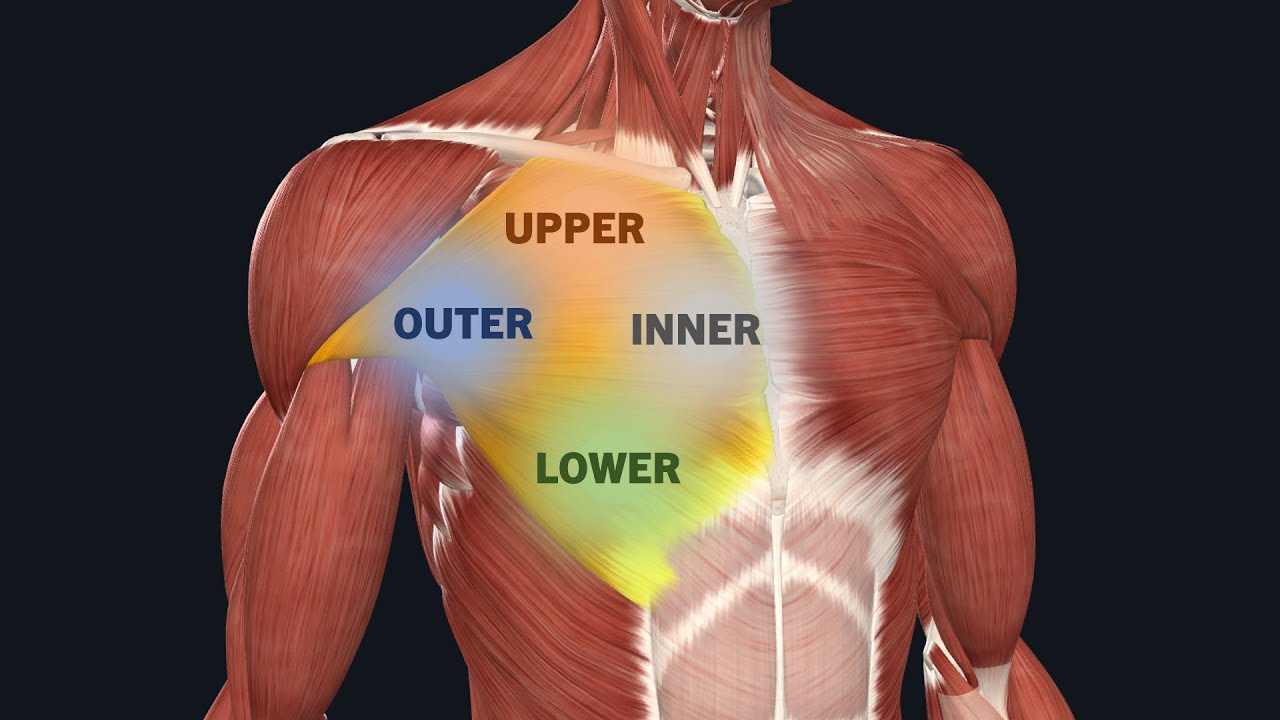
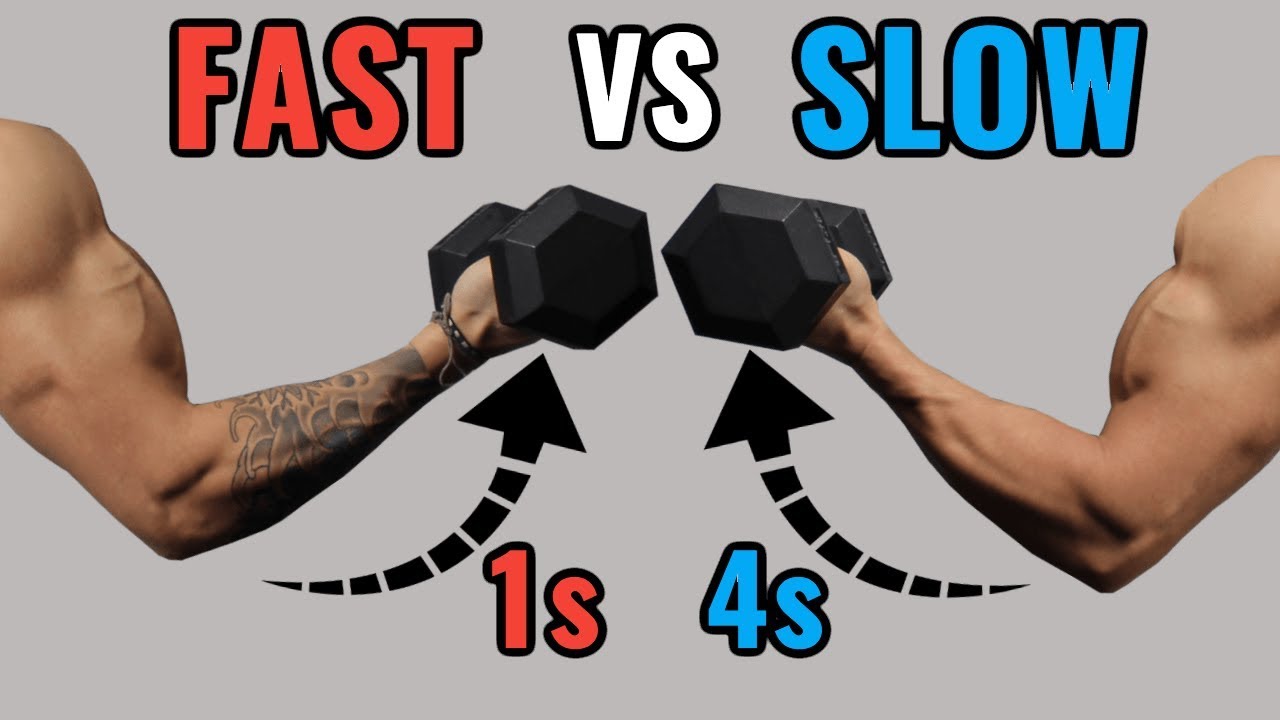
repetition tempo is probably one of the least thought about variables in a muscle building program repetition temper refers to the duration you perform the various muscle actions in an exercise as a random example you could perform an exercise with a three second eccentric phase zero second isometric and a one second concentric phase i recently came across research exploring if repetition tempo could impact regional muscle growth in other words could different repetition tempos produce different growth on parts of a muscle this could make sense it's possible that performing an exercise with a faster or slower tempo
could activate different regions of a muscle more so than others resulting in different regional hypertrophy indeed erp and colleagues compared heavy parallel back squat training using a 75 to 90 one rep max load throughout the study to jump parallel back squat training using a 30 watermax load for a regional growth of the quadriceps muscles the jump parallel back squats were performed very far from muscular failure meaning they were just explosive jumping repetitions whereas the repetitions for the heavy parallel back squat would have been substantially slower as they were training closer to muscular failure heavy parallel
back squat training produced greater upper region growth of the vastus lateralis and vastus intermedius compared to jump parallel back squat training however jump parallel back squat training resulted in greater lower region growth of the vastus lateralis and vastus intermedius given range of motion was controlled between the groups they both squatted to parallel repetition speed was probably the reason for these differences in regional growth now this study did compare strength hypertrophy style training to power style training what about the use of different repetition tempos in typical strength slash hypertrophy training programs denis and colleagues split 44
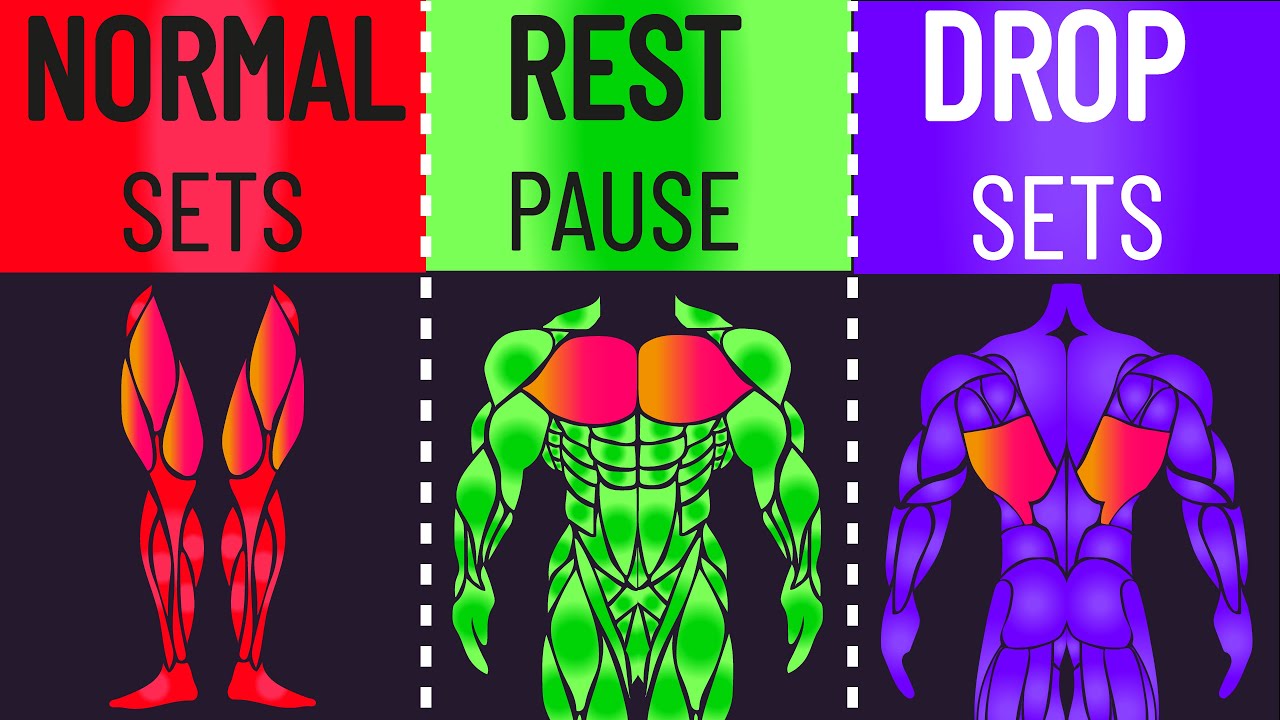
untrained women into one of four groups a five second concentric one second eccentric group a one second concentric five second eccentric group a three-second concentric three-second eccentric group or a control group the control group of course did not train and experienced no gains so we won't mention them any further the three training groups performed the knee extension for sets of six reps with a fifty percent warner max load and 180 seconds of rest between sets three times per week for ten weeks weeks one and two had the subjects perform three sets per session weeks three
and four four sets per session and weeks five to ten five sets per session the five second concentric one second eccentric group performs a knee extension with a five second concentric phase and a one second eccentric phase with a one second concentric five second eccentric group performs a knee extension with a one second concentric phase and a five second eccentric phase the three second concentric three second eccentric group performs a knee extension with a three second concentric phase and a three second eccentric phase the cross-sectional area of the rectus femoris vastus medialis vastus lateralis and
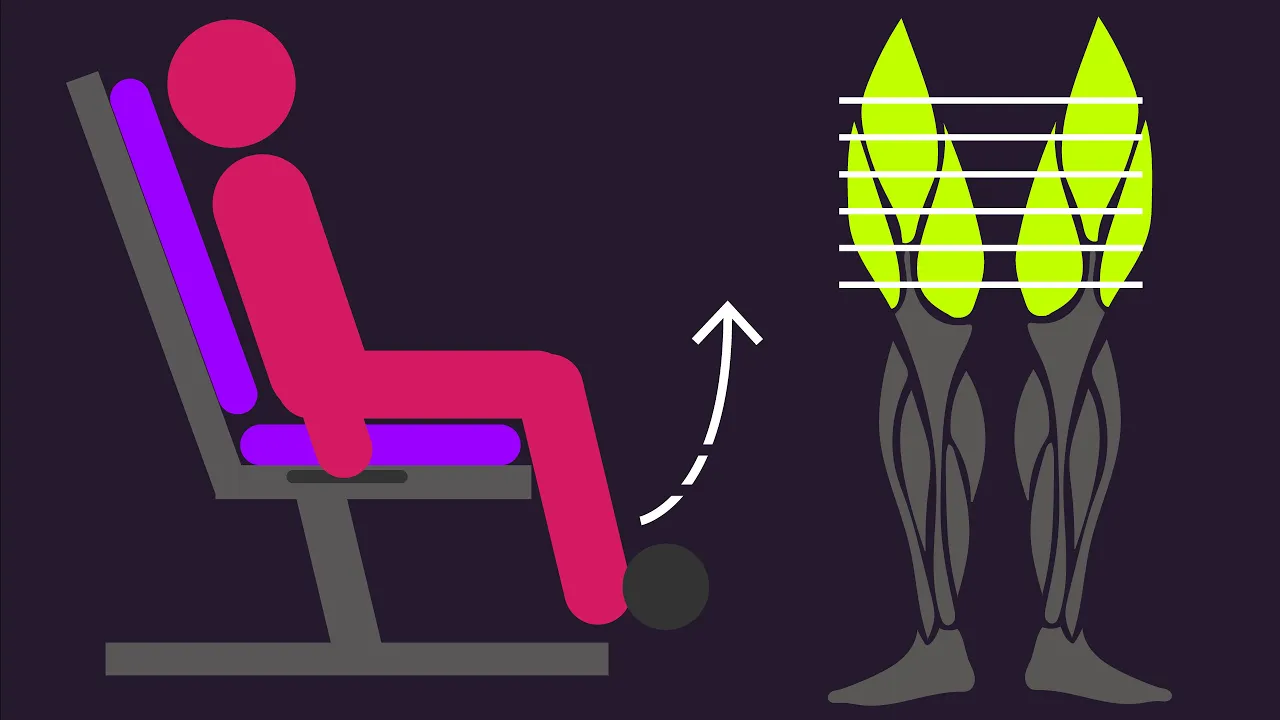
vastus intermedius was measured at 30 50 and 70 of the thigh length at fifty percent of the thigh length for the rectus femoris the five second concentric one second eccentric group and one second concentric five second eccentric group both experienced similar but statistically greater increases versus the 3 second concentric 3 second eccentric group there were no other statistically significant differences however looking at the overall data there potentially could be some other practically meaningful differences at seventy percent of the thigh length for the rectus femoris increases seem to favor the three second concentric three second eccentric
group versus the other two groups at thirty percent of the thigh length of the vastus lateralis increases seem to favor the five second concentric one second eccentric group versus the other two groups at thirty percent of the thigh length for the vastus intermedius increases seem to favor the one second concentric five eccentric group versus the other two groups at fifty percent of the thigh length of the vastus medialis increases seem to favor the three-second concentric three-second eccentric group versus the one-second concentric 5-second eccentric group finally at 70 percent of the thigh length of the vastus
medialis increases also seem to favor the three-second concentric three-second eccentric group versus the one-second concentric five-second eccentric group it is important to note that as these differences were not statistically significant we should be cautious here the observed percentage differences may just be sampling error nonetheless given there was one statistically significant difference between groups this study does suggest different repetition tempos can produce different regional growth a noteworthy limitation of this study was all three groups trained the knee extension with sets of six reps using a fifty percent wanna max load due to the differences in repetition
tempo between groups they would not have been training in equal proximity to muscular failure during typical exercises such as the knee extension you are limited by your concentric strength with all else equal so the reps unload as was the case with all three groups prolonging the concentric phase would make the exercise more difficult therefore the five-second concentric one second eccentric group would have been training the closest to failure followed by the three second concentric three second eccentric group and then the one second concentric five second eccentric group this could have confounded the results perhaps some
of the potential differences between groups were actually a result of differences in fatigue however remember at fifty percent of the thigh length for the rectus femoris increases were statistically greater for the five second concentric one second eccentric group and one second concentric five second eccentric group versus the three second concentric three second eccentric group the five second concentric one second eccentric group and one second concentric five second eccentric group would have been experiencing different levels of fatigue yet they experienced similar hypertrophy at this region and both greater than the 3 second concentric 3 second eccentric
group indicating fatigue was probably not a factor here rather it seems repetition temper was the reason let's move on to another study by pearson and colleagues 13 well-trained men with at least three years of training experience and could squat an average of two times body weight had one leg assigned to a fast eccentric condition and their other leg assigned to a slow eccentric condition they trained each leg on the unilateral leg extension twice per week for eight weeks the leg assigned to the fast eccentric condition performs the exercise with a one second concentric and one
second eccentric duration the leg assigned to the slow eccentric condition also performed the exercise with a one second concentric but they used a three second eccentric duration from weeks one to four three sets with an eight to ten rep max load was used for each leg per session from weeks five to eight four sets with an 8 to 10 rare max load was used for each leg per session as a note they alternated which leg was trained first each session thickness of the anterior thigh which included the rectus femoris and vastus medialis muscles was measured
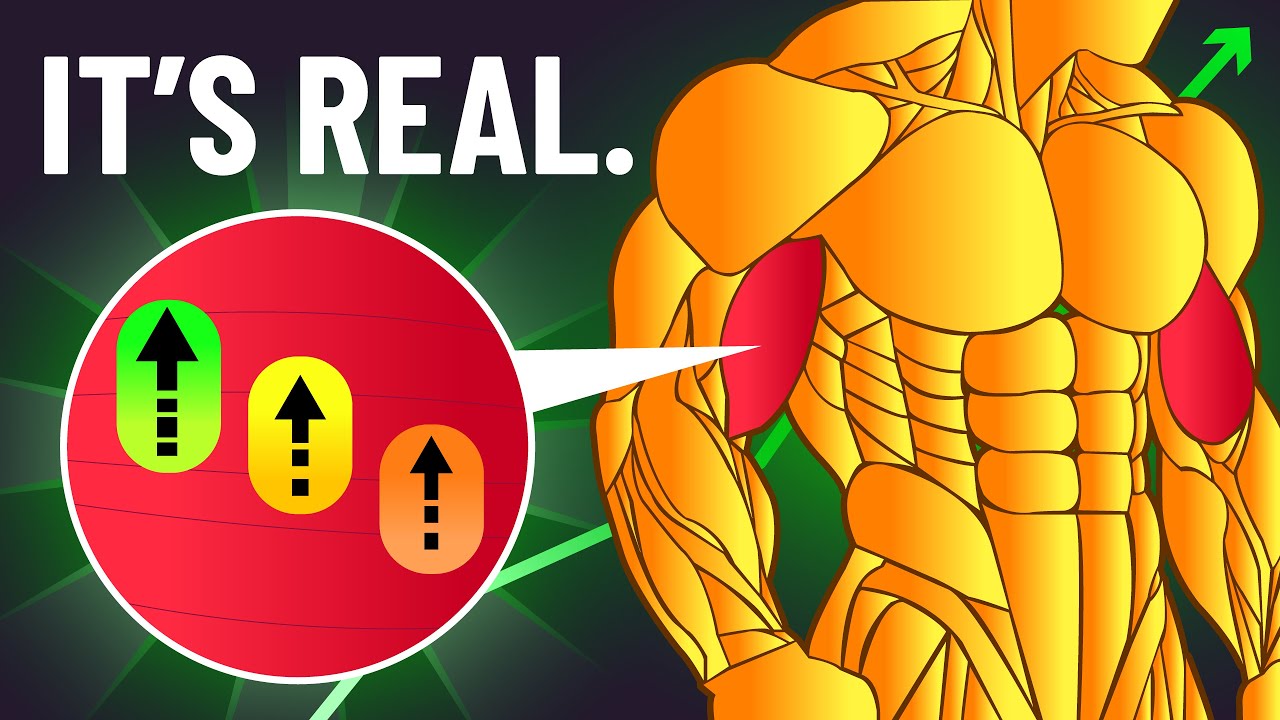
for both legs at 40 percent and 60 of the thigh length increases at 40 percent of the anterior thigh was similar between both the fast eccentric condition and slow eccentric condition however increases at 60 of the anterior thigh was statistically greater for the fast eccentric condition therefore this study suggests that one second eccentric duration on the knee extension preferentially stimulates the vastus medialis and rectus femoris at 60 of the thigh length supporting the idea different repetition tempos may induce different regional growth to sum up we do indeed have some evidence different repetition tempos can influence
regional muscle growth that said only two of them evaluated repetition tempo during standard strength slash hypertrophy training styles so it isn't overwhelming evidence however if you were to use a variety of repetition tempos in your training program at the very least muscle growth should not be harmed a meta-analysis by schoenfeld and colleagues found that so long as reps were performed too or close to muscular failure probably at least two to three reps away from failure repetition durations ranging from 0.5 seconds to 8 seconds produces similar whole muscle growth and at best as we've seen different
repetition tempos may induce different regional growth resulting in more uniform muscle hypertrophy i think this is quite an interesting area i hope more research eventually comes out here if it does happen i definitely plan to make updated videos [Music]