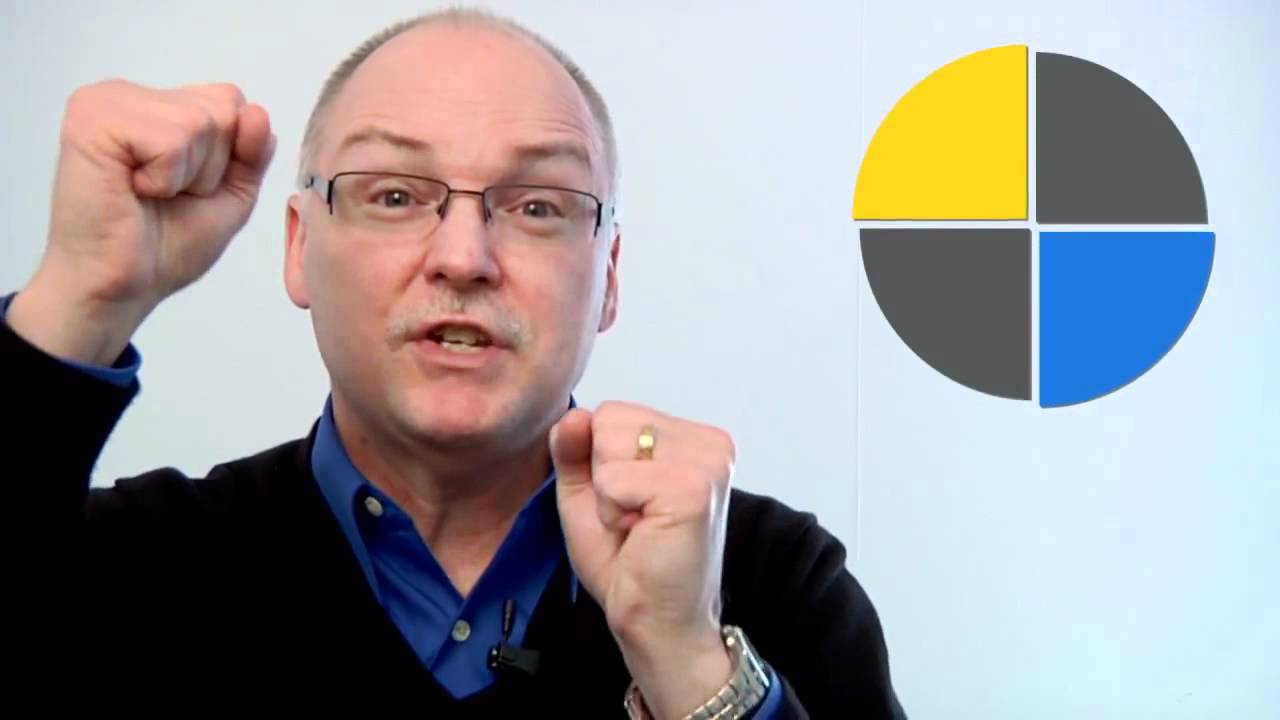
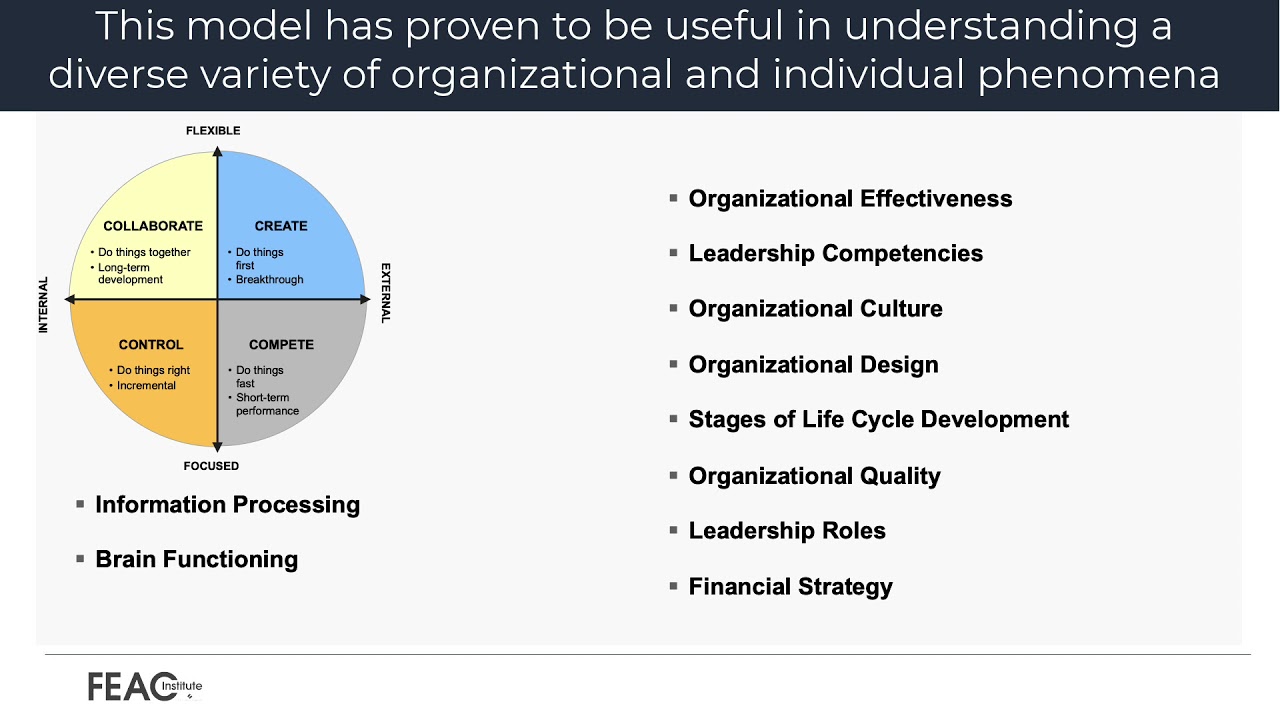
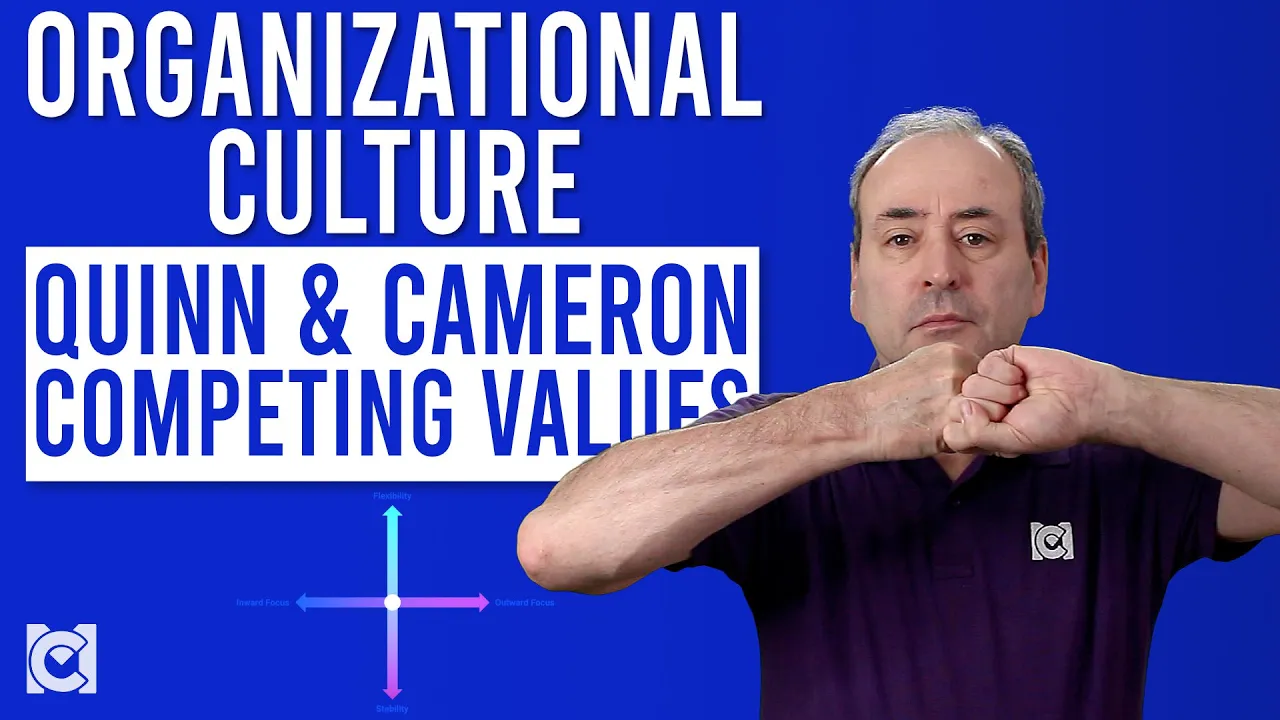
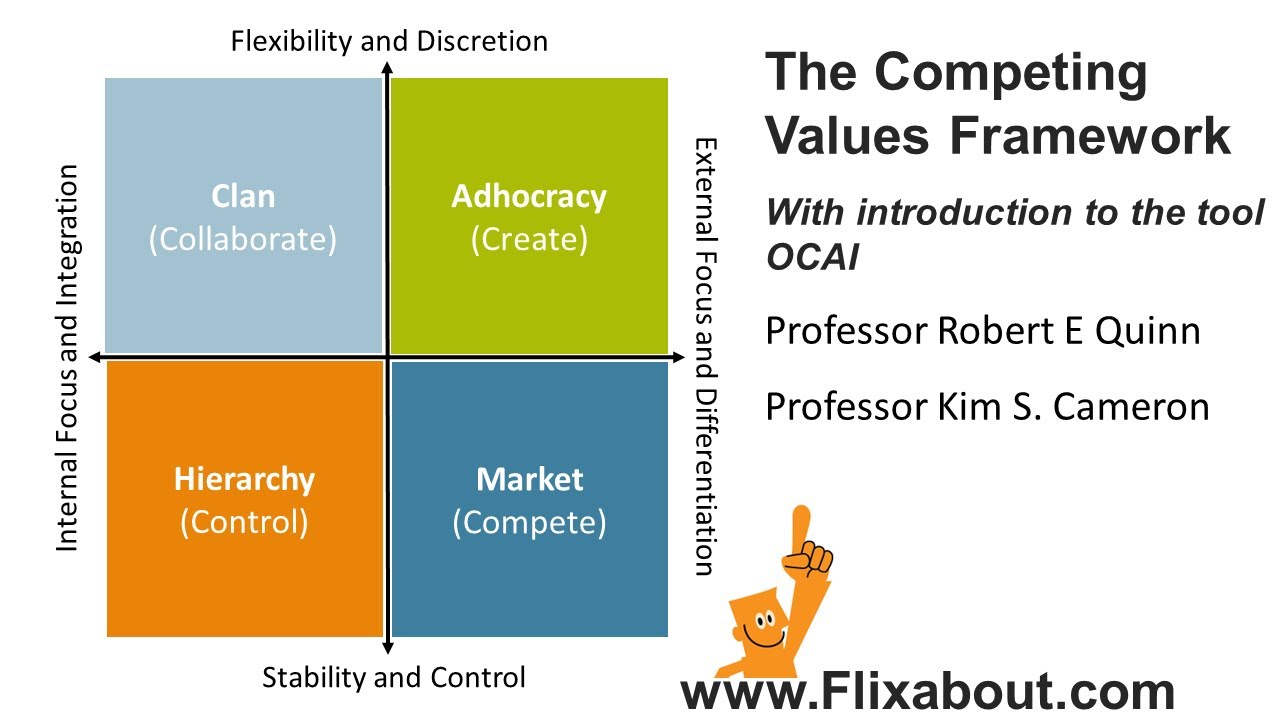
robert quinn and kim cameron created a model of four organizational cultures it's called a competing values framework because it is based on two pairs of opposite values the first pair of competing values are stability and flexibility the competition between more controlling organizations and more agile ones the second pair of competing values are an inward looking focus and an outward looking focus concerns for internal matters or external matters this gives us a classic 2x2 for box model which we'll look at in this video quinn and cameron give us four distinct quadrants or cultural types and the
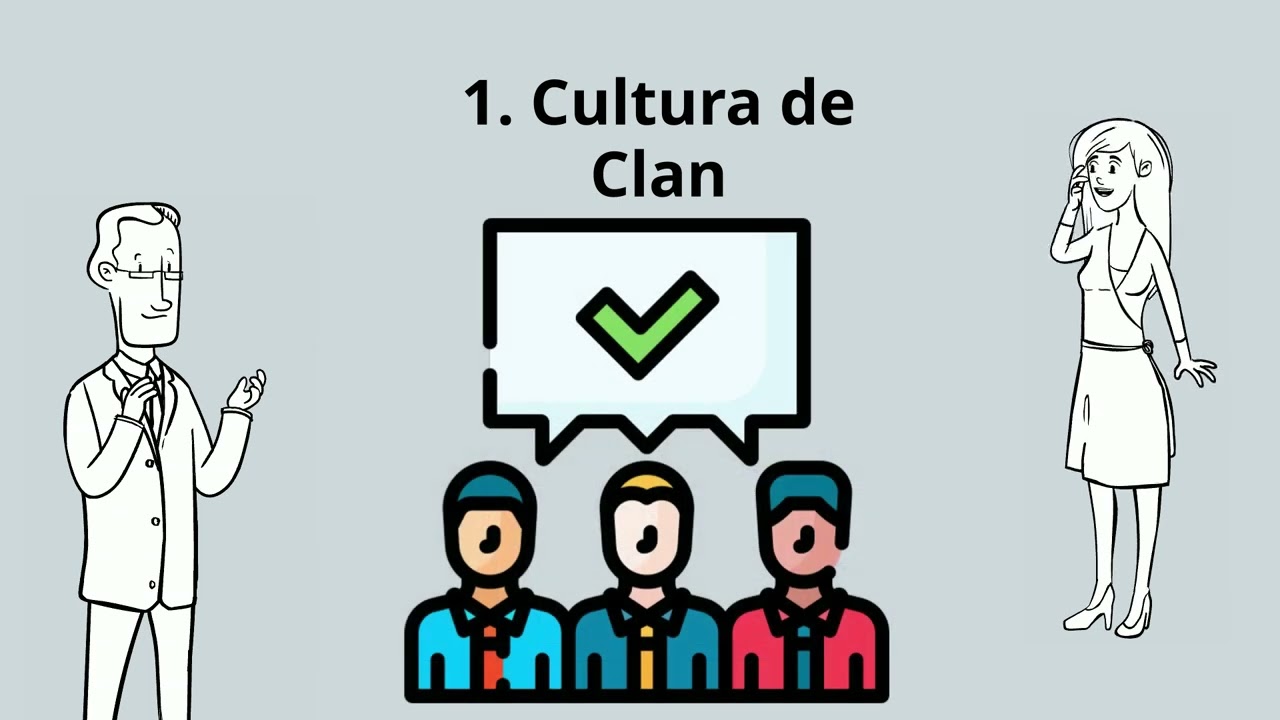
first of these is the clan culture this culture is collaborative and nurturing members of the organization see themselves as part of one big family within this culture leadership takes a light touch with a large emphasis on coaching and mentoring and support and guidance clan culture organizations tend to be values driven with strong traditions and the values that they tend to espouse are things like teamwork collaboration and support the watch word for a clan culture is let's do it together the ad hocracy culture is outward and flexible energetic creative and entrepreneurial employees within an ad hocracy
culture feel like it's okay to take risks and leaders tend to be the most innovative and entrepreneurial people in the organization to facilitate this the organization encourages experimentation and gives individuals freedom to innovate and do as they see fit core values reflect the need for innovation change and agility the watch words for an ad hocracy culture are let's do it first quin and cameron's hierarchy culture is inward and stable it has a strong structure and tends to exert a high degree of control over its members and the things that they do the work environment tends
to be formal with strict procedures processes and policies so the role of leadership is largely around coordinating the work and monitoring performance the values that matter are efficiency predictability consistency uniformity this is if you like the precise opposite of the ad hocracy culture the result is that change is very slow in hierarchical organizations and you should recognize this description in many bureaucratic and governmental organizations for them the watchwords are let's do it right quinn and cameron's fourth type of organization has a market culture it is outward focused and stable it is focused on competing with
other organizations and achieving results which means that leaders have to be tough competitive and assertive the organization comes together around a common goal of beating its rivals and sometimes to do this leaders feel they have to be demanding of the time the energy of their staff everything in market organizations is driven by a need a market share and profitability so their watch words are something like let's just do it quinn and cameron have argued that flexible organizations are more successful in the modern world than their more rigid stable cousins and this is because they can
adapt more readily to changing circumstances they can accommodate different subcultures within the organization that are needed to address particular problems because while an organization may have one dominant culture it's almost certain that in a big organization different departments different parts of the organizations will have different subcultures with different positions among these competing values for example one might expect an accounting department to have a strongly hierarchical culture whilst a development team may work much better with an ad hocracy culture quinn and cameron's model is an easy one to understand it takes two of the most important
values axes and gives us four very simple very easy to recognize cultural types if you want to think about what the culture is for your organization and for the different parts of your organization this is a great model to start with please do give us a thumbs up if you like this video there's loads more great management courses content to come so please do subscribe to our channel and of course hit that notification bell so you don't miss any of it i'll look forward to seeing you in the next video and in the meantime keep
learning
![A Thorough Introduction to Organizational Culture [Compilation]](https://img.youtube.com/vi/2JgRDRJl_Lc/maxresdefault.jpg)