hello this is the US Constitution five key concepts everyone should know part two and this is a continuation of part one which you should view first now let's move on and talk about the three branches of government and how they're designed to operate as we take a look at the three branches of government this will not be a detailed analysis of that could be a multiple hour-long course but it should be an effective overview that will give you a sense for how the branches operate and their roles and responsibilities first let's take take a look
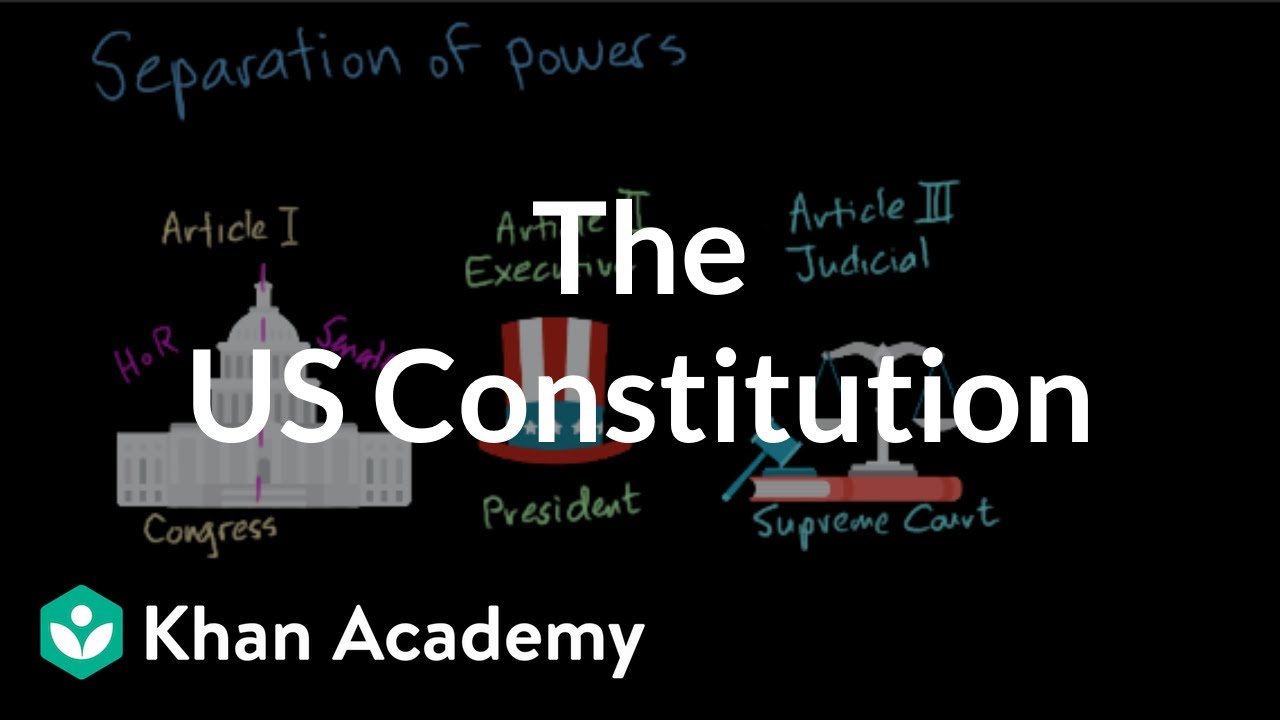
at the legislative branch Congress and as we've already said Congress has the most space dedicated in the Constitution for describing its roles and activities and here are some of them there to borrow and coin money to regulate commerce to regulate immigration to set up the post office and roads to create an environment for good commerce to maintain army-navy and militias to declare war to conduct impeachments to oversee the district of columbia and to make laws limited to the six purposes of a constitution and these areas above and you might want to make note of the
fact here that there's ten items on this list and this is a summary list there's actually a few nuanced more but I'll give you a sense for the amount of responsibility next the executive the presidential office as we've already seen there's less space dedicated to that and it's reflected in his responsibilities or her responsibilities to be commander-in-chief to appoint ambassadors judges and officers to enforce the laws of the United States to sign treaties and receive ambassadors to grant pardons and to give the State of the Union to Congress and so you can see that this
list is of items is reduced to six rather than ten thirdly the judicial branch the Supreme Court the smallest part of the Constitution dedicated to describing its functions which include to take appeals from citizens courts and States to make principled judge to ensure jury trials and to uphold the Constitution one thing that's worth noting here is you look at the fourth item on the list to uphold the Constitution it's a common mistake now to think that the Supreme Court is the final arbiter of what the Constitution says but in fact how the Constitution is set
up all three branches are to uphold and interpret the Constitution not just the Supreme Court even at the founding there was a great concern over the Supreme Court and possible judicial overreach or judicial tyranny because judges were appointed to life and there was a feeling that the accountability judges might have or not have would allow them to encroach on the other two branches of the government over time so concerned over this was even Jefferson at the founding said this the Constitution is a mere thing of wax in the hands of the judiciary which they may
twist and shape into any form they please and so as we look at the state of things today it seems as if these concerns have manifested themselves the balance of power over the court interestingly enough is that Congress actually has the responsibility for establishing the jurisdiction of the court they can limit what the court can actually rule on and then Congress also has the power to impeach judges when Congress feels like they're operating outside of constitutional bounds so in summary of these three branches Congress was designed to be just slightly more powerful in this balance
of power concept because they were closest to the people and that's the house and then the Senate and as you saw on the constitutional flow that first section dedicated to Congress has the house responsibilities listed first and then the Senate and so the even the layout of the Constitution bears out that fact the president is powerful in war and in keeping the law otherwise he plays kind of a medium role in the balance of power and the new judiciary was designed to be the checks and balances on other two branches but designed to be least
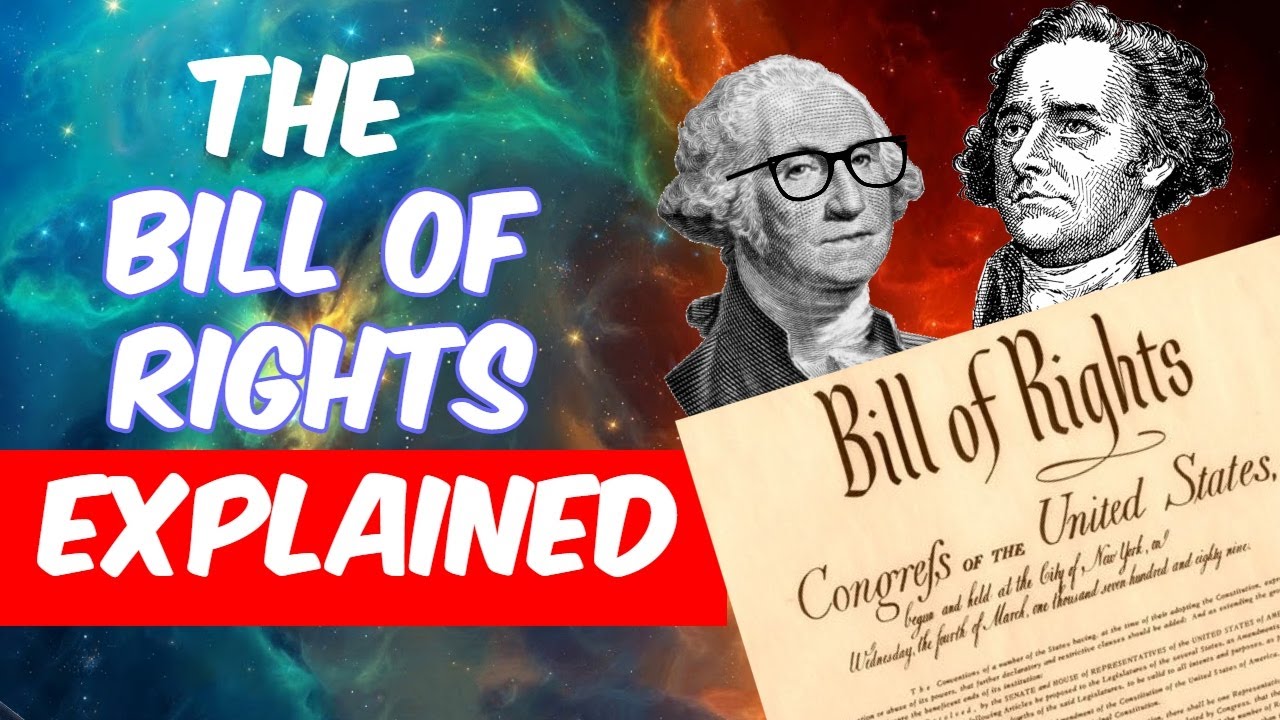
powerful with the least responsibilities because judges were in fact appointed for life and they knew that there is grave concern there with the possibility of a creeping judiciary over time the last thing we want to touch base on is the Bill of Rights and how it reaffirms and limits of the Constitution and this is just a brief remark in the Bill of Rights as there'll be another web seminar dedicated to it in more detail but the Bill of Rights has item 1 which out least mentioned here that says Congress shall make no law respecting the
establishment of religion or prohibiting the free exercise thereof that's the whole separation of church and state debate that goes on today that's not actually in the Constitution but these words here of Congress's limitation of not making a law that establishes religion is actually the constitutional phrasing and then in this first item of the Bill of Rights is also given the freedom of speech and freedom of press although I don't have it in its original language here what I want to make most note of here is article 10 of the Bill of Rights the tenth item
on the list and it says this the powers not delegate delegated to the United States are reserved for the states respectively or the people so in other words if the first 52 words don't define or the first fifty two words do define the limits and guides of how Congress the president and the judiciary should act and then each of those branches of government have their lists of responsibilities but anything beyond that our responsibilities of either the states are ultimately the people themselves on September 17 1787 the United States Constitution was signed by 39 of the
55 delegates attending the Constitutional Convention so now that you've heard this why don't you be a difference-maker one key item is to know that the Declaration of Independence and Constitution are designed to work together ask people if they know how the Declaration of Independence and Constitution work together if they don't tell them also ask people if they know the first 52 words of the Constitution that limits and guides the whole rest of the document if they don't share that with them and so you can have a better understanding of the Constitution than 90% of Americans
if you master these concepts by simply knowing these two concepts of how the two documents work together and then the fact that the first two fifty two words of the Constitution form its core don't know don't let others tell you what these documents mean when you can know it for yourself as we conclude there are some additional resources you may want to take advantage of after watching the YouTube videos on this playlist for more freedom videos check out July 4th freedom comm for tools on growing in your faith check out the 21-day faith experiment org
for complete worldview training that integrates faith and life check out biblical worldview training dot org then finally the team up with other young professionals that are making a difference in the world check out priority associates dot org my name is Craig Seibert thank you for listening
![The U.S. Constitution, EXPLAINED [AP Government Required Documents]](https://img.youtube.com/vi/1MW1eYICTzU/maxresdefault.jpg)


![The ARTICLES of CONFEDERATION, Explained [AP Government Foundational Documents]](https://img.youtube.com/vi/oct-vb367uM/maxresdefault.jpg)