there are three things that are going on now to Great extremes that have not existed since the 1930 to 45 period it affects everybody you know and so I started studying in history and it's important to know those three things and then to understand them well the first is what is going on with money and credit when you get to something like a zero interest rate and you need buying power the government needs buying power but they can't tax it so what we have is the production of a lot of debt that the Central Bank
prints money and buys that debt to spend and the last time that happened in the last few years it happened starting in 2008 interest rates hit zero they couldn't lower their interest rates so they had to print a lot of debt and the government went in and bought it okay and we're coming to the end of a debt cycle so this is a big thing like because where does the money come from and who will get what the government will now determine that and then they'll print it and it'll devalue money okay this is and
how money flows a big deal so that's number one the second one are wealth and political gaps that are causing great conflicts throughout history there's always been the main things that everybody's always fought over is money and power particularly political power so what we have is a situation when you have a large wealth Gap and you have an economic downturn particularly if you put a lot of debt having at the same time you you have for fight I mean that's been true through history and it's reflected in the political Gap so the political Gap is
it's classic political Gap Left Right capitalist socialist well how do you distribute how are you going to deal with that that becomes the other and how you fight so that's the second of the two this wealth political Gap that's causing the conflict and it's coming at a time where we don't have much money because we don't have a good financial position we're Printing and putting it out with made up money meaning what happened like covid was such a good example A lot of people and companies had Falls in their income that would be ruinous if
checks didn't go out we would have had a revolution and so those checks and how do you save everything and so on okay so and it's not like the government had real money so they made more debt and then the Federal Reserve printed it you know the checks went out which diminishes the value of money and so on and changes things so then the third thing is the rise of a great power to challenge an existing great power so the rise of China to challenge the United States in all history there are World orders what
that means are the dominant power you know you know it's like in nature almost the big bull or something anyway there's the dominant power and then what happens is in 1945 we entered the American World Order the United States won the war and then in 1945 the winners of the world carved up the world we had 80% of what was considered money at the time gold 80% of the world's money essentially we counted for half the world's economy and the rules were set in the United States basically that's why the United Nations is in New
York the World Bank and the IMF are in Washington DC because we began the American Century and then we are now at a time we've never had somebody another Power challenge in the same way there was the Soviet Union but they were always a fraction of the size economically so couldn't compete on that same basis they had nuclear weapons but they didn't have the economic power and so on but now we're dealing with China coming on as a power I spent a lot of time in China over the last 36 years by the way and
I admire how they're doing a lot of things I mean I know it's controversial to say that but in terms of like they're a power whoa like since I started going there their average income has increased by 30 times so they're a comparable power and they're also growing faster and so that has an effect so those three things are things that never happened in my lifetime before but happened before in history which led me to do the studies of what happened in history and the lessons I could gain it affects everybody you know it affects
like we know let's start with ourselves most importantly forget about the outside thing can we be healthy and strong and what do we need to do like to know you have to be in it together like if we can Row in the same direction okay if we can have thoughtful disagreement and get past that if we can be in it together like the wealthy and the poor it sounds so difficult but at the same time if you read history and you see what happens when it's not when you have a civil war like we could
be on the brink of a civil war that sounds so crazy but the truth is in most countries almost every Century there was a civil war or a revolution some form of Civil War Revolution so it's almost inevitable that we're to have something okay you either resolve it or you start fighting so badly that you really once you cross a certain line there's no coming back because you do the damage you demonize and that person such an enemy or that class of people is such an enemy that the communication's gone and the fight well you
see this in politics today another words is there a respect for the system and a mutual respect of trying to resolve these types of things or will they go to any lengths to win because a constitution or law will only carry you to so far okay there has to be an element of respect for it right you think about I want to distinguish there's big differences in Opportunities so let's say supposing you have two people of comparable opportunities the marshmallow test is you take a kid and you say okay okay uh you can have one
marshmallow now or you could have two marshmallows in 15 minutes if you don't eat the first one once you start to realize that deferred gratification is going to make you better and so on and you start to count how many days weeks months or years can I live if I don't have money come in and you start to focus it on that that's the first step okay like the marshmallow test so I want to save you got to start there then if you do that you're necessarily going to go save in what and then you'll
start to get exposure how these things are different okay then you start to care looking at one of these and one of those and you start to experience and then you start to learn and basically that's what makes the difference when it comes to the money now at that moment that you don't want it you have savings that means I want savings so the next thing inevitably that's going to come at you is where do I put it and then you get your choices and then you experience it and you learn I think first calculate
how many days weeks months or years you can live on your saving because when you do that you'll gain security so look at how much you're spending and then say how much do I need and whatever that number is you're going to need more than that because it may go down rather than go up so now do I have a year spending I think you start there then you start to think what are the things that are most important for me and then you start with your business or your residents that have a symbiotic relationship
and that you know well if you start with your business okay you're closer to that invest in yourself whatever that may end up being that may be your best investment but if you're in a job that's not the thing cuz you're in a different position and then I really think there's something good about your home a basic thing about your home because it's nice forced savings and it also means that you fix it up you're saving you find out there's oh well if I add this thing or that thing and you're enjoying it so when
you're enjoying in it and you're controlling it and it's yours and so on that's pretty good you know if they keep mortgage tax deductions and so on you know there might be some benefits to it also okay but that's not a black and white answer you know so you could take a short penible and say is it better to rent or buy okay that's a different question but by and large am I going to move you know all of those other questions so when you start with okay what is it that's close to home and
how much you need a certain amount that's liquid in other words you got it in your house you got to make a mortgage payment or something and all of a sudden you know it's not liquid and you lose your job well that can cause you trouble so how much do I have that's liquid how much do I have that's not liquid okay and you start to get those things right pretty soon you're getting yourself in good shape and then you're also having some experiences and then you go beyond that so you start to okay what's
a stock what's a bond and then you know you learn through experiences I learned through my experiences I started when I was a kid 12 I used to caddy and I took my cading money and I put it in the stock market and I was lucky what happened to me by the way is I took my cading money and I bought the only company that I ever heard of that was selling for less than $5 a share and I was really dumb I thought I'll buy more shares so if it goes up I'll make more
money and it was the only company it was a company that was about to go broke but some other company acquired it and it tripled and I thought ah this is an easy game and I like it easy money but you know you experiment and you learn you're earn $100 and you spend $105 that's misery if you earn $100 and you spend $95 you'll have a good life basically I know so many people who don't earn much but are there because if you start to think about what it is that it costs you to live
in terms of let's say the basics you know give me a sleeping give me the food let me be educated and so on so forth I think most people can get themselves in a position where they're net positive so if you can be net positive and you could do that you know that's number one then I guess it was the list that we went to you know the second is you know what do you do next in terms of what do you need what do you invest in and then avoid the following mistake the most
common mistake of investing thinking that the investment that did good is a good investment people rather more expensive the things quite often those markets that did really really well became more expensive and everybody smart money is all the time comparing them and competing so what happens is the naive money buys the thing that was hot or is hot the thing that has been terrible which might be the thing that's beaten down so I would say also an important element diversify because what I learned about this is that first of all all Investments compete and it's
not easy to tell whether one investment is better than the other because if people could do that life would be easy and everybody make a ton of money and this is a competitive game that's very difficult to compete in so it's very difficult to say which one's better worth you could take experts and do all sorts of tests and you'll find out that they can pick that and you can't tell whether the worst ones are going to be better so because of that you understand that even picking the best ones is difficult and particularly if
you're naive like we spend hundreds of millions of dollars each year on Research to try to give us an edge okay now you've got to compete with us so competing in the markets is more difficult than competing in the Olympics but there are more people who try harder in order to do that so it's a zero sum game but diversification will reduce your risk without reducing your return that's critical I started studying in history and I found out the same thing happened on March 3rd 1933 Roosevelt did the exact same thing to the exact same
reason leading to the exact same result and so studying past periods that didn't happen in my lifetime like we haven't been through a war before and we haven't been through a Civil War and we haven't been in the circumstances so the three big things that are happening in our lifetimes that we have not been through before are the creation of an enormous amount of debt and printing of money to monetize the debt that's number one and so we'll talk about inflation and where we are in that cycle and I'm like a mechanic I'm not ideological
I'm just like what are the cause effect relationships how does that Dynamic work mechanistically but it produces inflation uh the second but very interrelated to this is the large internal conflicts that we are having populism of the left and populism of the right and values differences that is producing a conflict populism means that some representative who will fight for me on my cause against the other side that means not compromise not be in the middle but to fight to win at all costs and when we have that populism brought about also by the largest wealth
Gap differences largest opportunity Gap differences and so on that type of conflict I have never seen in my life but that also happened in the 1930 to 45 period and so I needed to go back and then study that over time and then the third is the great power conflict when 1945 when this world order began at as all World orders there's a war there's a dominant power the dominant power sets the rules and when the dominant power sets the rules uh then you have a period of peace and prosperity and so the United States
in 1945 had 80% of the world's money it had half a world GDP it had a monopoly on the military power and so we came into the American World Order that Gap that power Gap has shrunk to be approximately equal with the other side and we're having a great power conflict so you have to go back to that period of time and I've seen that period of time happen repeatedly when these three things happen repeatedly it's a very dangerous set of circumstances so we are in a position on the financial one to be in a
position where you cannot rais living standards by raising money in credit in other words if you increase money then the value money is going to go down and one man's debts are another man's assets and so when they get Negative returns by holding a debt asset they're going to sell that debt asset and that produces a problem and that's over a period of time and so the Romans for example put less gold into gold coins and so you saw it in its way and that certainly produces kind of the inflation because you can't raise living
standards by printing more money so we have that going on and so there's that Dynamic of uh where is a storeold of wealth the purpose of a currency is two purposes a medium of exchange and a storeold of wealth a storeold of wealth means you buy its debt and its assets and you can save in it and people believe that cash is a safe investment but they're seeing that what happens is it's losing buying power and it will lose buying power so they start to realize it's not a safe investment inflation over last year about
8% interest rates were nothing and so there was an 8% change in buying par that kinds of changes and sort of reinforces the inflation cite we pay too much attention to one currency in relationship to another currency and not enough attention to the fact that those aren't the choices it's a choice for transactions but it's not a choice for storeold of wealth so if you're holding European euros and EUR OD denominated debt and you're getting a negative interest rate or thereabouts and the same is true in Japan and you're not making up with inflation none
of those are good and like in the 30s they all depreciated they all went down in relationship to goods and services and other asset prices so what you see is all the currencies along those lines are sort of tied to each other and they're bad stor holds of wealth and that's why you see moves to other assets it pays to borrow and or if not borrow but put your money into assets that maintain buying power so you see it happen in all the different ways so look at whether what you're holding in the form of
that cash denominate and that'll be a debt instrument that's how you hold a currency in order to have a storeold of wealth look at its real Returns the FED understands and not central banks know that when inflation is undesirably high and the econom is relatively strong you put on the brakes and that when the reverse is the case you put on the gas and they don't understand I think monetary inflation enough what has happened is that that because they put on the gas so much have allowed interest rates to be so low as I say
in many cases negative interest rates and they've made liquidity so abundant that not only didn't you have to pay interest on your debt but you didn't have to pay principal on your debt because they would have interest only loans and they would have low covenants like it's easy to not meet your debt requirement companies borrow individuals borrow interest only loans and when there's no interest rate me basically mean the stuff is free you can buy houses you can buy all sorts of things on that basis and the world has adapted to that and they did
that at a very low real interest rate a very low interest rate relative to inflation and then they printed a lot more of that money and so on and so inflation is going up so mechanistically what that means is now we have a lot more debt and we have an economy and a markets financial markets that the pricing is structured based on those very low interest rates and that amount of liquidity so when you go through the calculations when I go through the calculations and I I figure um a high enough level of interest rate
to provide a decent real return is for a holder of the debt is much too high of an interest rate for the markets in the economy but you're going to have an inflation rate that's above the interest rates and that's not going to be desirable so investors want to sell that and you could see it as interest rates rise you can see it's effects on markets you could see the effects on the capital markets uh so you see the stock market going down while the bond market is going down and that means most everything that
people own practically are going down practically because most people are in stocks and bonds that kind of thing the fed's tradeoff is going to be very difficult right now they have a very restrictive monetary policy plan I judge that by the supply and the demand for credit so the federal government is going to run large deficits so that means they will have to sell debt they'll sell treasury bills and bonds the Federal Reserve is planning to sell $1.1 trillion of debt also also private investors are inclined Pension funds and so on they're losing money while
there's inflation so they're losing buying power they're selling and there's a selling imbalance and that selling imbalance means because it has to balance with the buyers that means a contraction in private credit which means a recession so as I look through this we're in a tightening phase where it's beginning to bite but it's not really it's barely begun Because the actual rises in short rates have barely begun it's start of the other things are rising and that tradeoff between growth and inflation is going to be very difficult and that's why I believe that we've entered
a period of stagflation quite like the 1970s and then we can't look at it alone we have to look at it in light of the two other big forces in other words the internal conflict Force we don't have enough money and we don't have enough real money we have plenty of Fiat money because we could print it but you don't have enough real money and everybody says we need to spend money on this thing and that and I don't even disagree with that when I look at the social conditions and the infrastructure and I look
at okay Ukraine and do we need to be rebuild the Ukraine do we need to have greater military expenditures do we need to have these things but we don't ask how much money do we have to spend and so because of the nature of that even just the costliness we need to take care of the environment but it's going to be expensive when we take care of the environment because we haven't yet fully developed the technologies that are fully cost effective in order to do that so I think that that's the mechanical description of where
we are in a political environment so as we have inflation that's going to be a big political thing and it's going to cause greater polarity there's a risk that neither side accepts losing because of the populism and you put more financial strain and things get worse conditions are likely to be significantly worse for example than they are now just take a normal economic cycle and where you are it has the form together of what is money I mean it's Genesis what is money and how can we not only digitalize it which makes it some extent
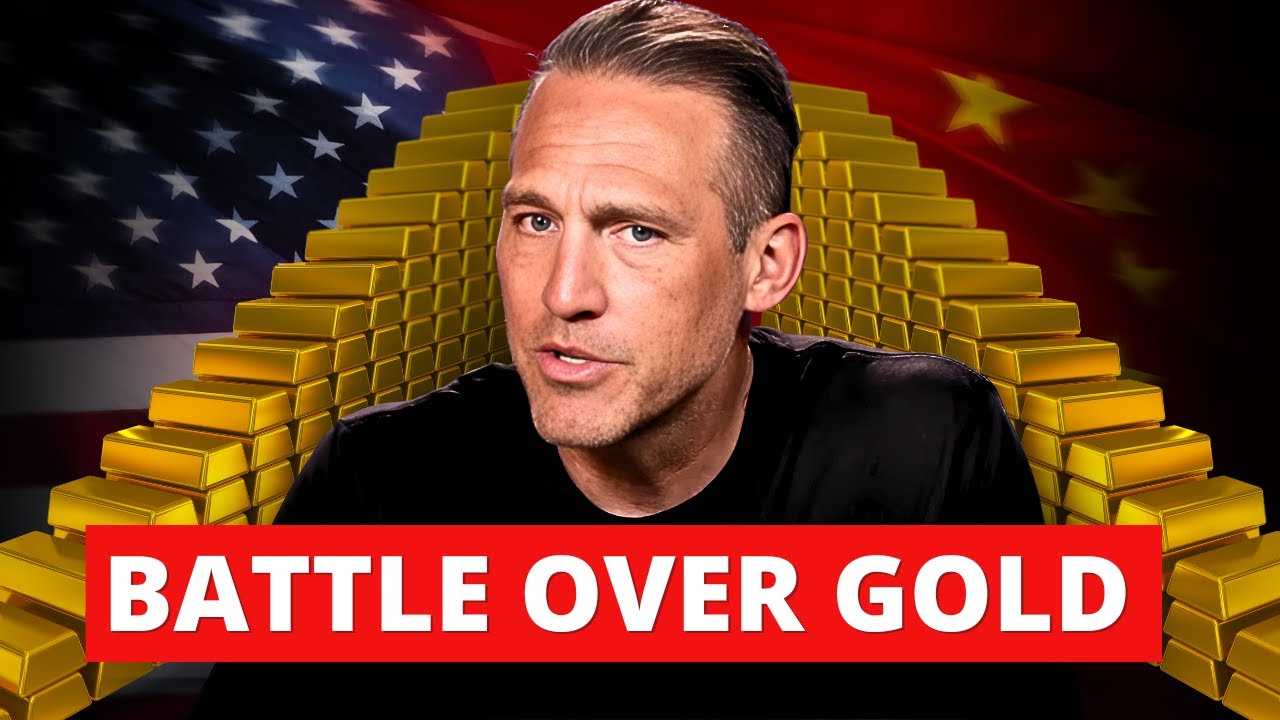
efficient but also the real questions can it maintain value so it will not be depreciated by central banks that's a key thing can it be transferred used all around the world accepted for purchases and sales all around the world then it has to do with issues like can it be private there's a saying in Gold's case which is it's the only financial asset that you can own that is private and you can move around that isn't dependent on somebody paying you money paying you something so as a medium of exchange crypto those in a Fiat
World naturally becomes a alternative consideration and the fact that it's gone on something like Bitcoin I guess about 11 years and it hasn't been hacked and it you know is working in that way has its particular appeal it has big issues it's not a private asset it is easily outlawed it doesn't constitute a high enough percentage of wealth it's um like right now for example Bitcoins worth maybe $700 billion dollar or so and which makes it a small asset by comparison to a lot of things like Microsoft is worth more than crypto is and so
it's not it hasn't reached those uh particular stages I think that people are grappling for what the new money will be in this environment and I think we don't know yet what the new money is I think we're going to see different countries put out their different versions of digital currencies and then there will be private assets and gold will play a role the important thing is we have entered an era which will carry us through the next number of years of what is the money that is widely accepted as a medium of exchange and
a viable stor hold of wealth