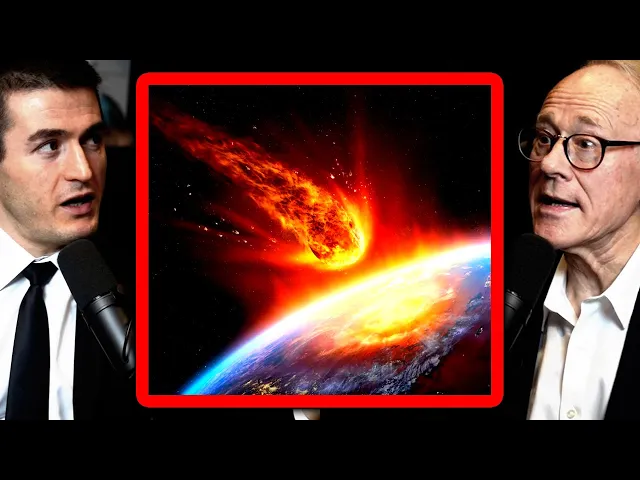
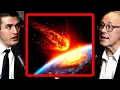
I can't help being deeply impressed and deeply puzzled by the worldwide tradition of a global cataclysm within human memory I mean we know that we know scientifically that there have been many many cataclysms in the past going back millions of years I mean the best known one of course is the kpg event as it's now called that made the dinosaurs extinct 65 million or or or 66 million years ago but has there been such a cataclysm in the lifetime of the human species um yeah the Mount Toba eruption about 70,000 years ago was pretty bad
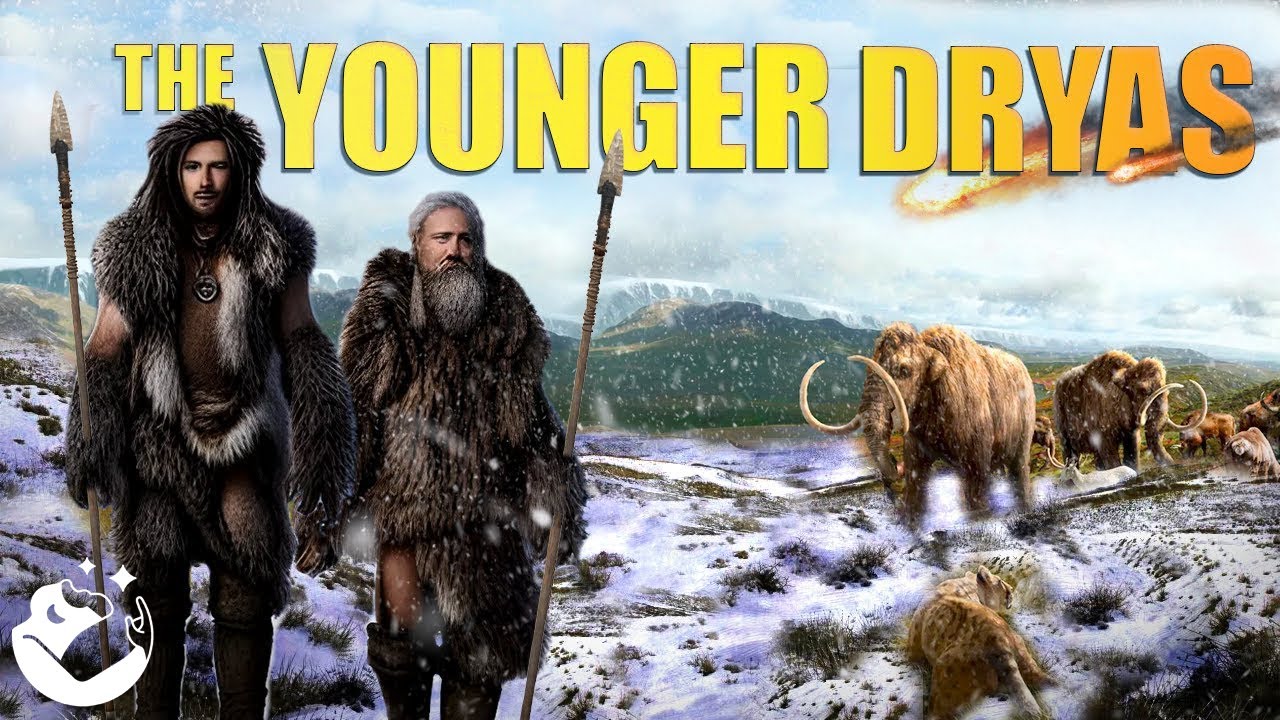
uh but a global cataclysm the younger dras really ticks all the boxes as a as as a worldwide disaster which definitely involved sea level rise both at the beginning and at the end of the younger dras it definitely involved the swallow up of lands that previously had been above water uh and I think it's a an excellent candidate uh for this worldwide tradition of a global cataclysm of which one of but not the only distinguishing characteristics was a flood an enormous flood and the submergence of lands that had previously been above water uh underwater the
fact that this story is found all around the world uh suggests to me that the archaeological explanation is look people suffer local floods all the time I mean as we're talking there's there's there's flooding in Florida uh but I I I don't think anybody in Florida is going to make the mistake of believing that that's a global flood they they know it's they know it's local um but that's the argument largely of archaeology dealing with the flood myths or that some local population experienced a a nasty local flooding event and they decided to say that
it was that it affected the whole world I I'm not persuaded by that particularly since we know there was a nasty Epoch the younger dras when flooding did occur and when the Earth was subjected to events cataclysmic enough to extinguish entirely the megap fora of the Ice Age so there is the younger D impact hypothesis that provides an explanation of what happened during this period yeah that resulted in such rapid environmental change so can you explain this hypothesis yes um the the Yodas impact hypothesis yd for short uh is is not a lunatic fringe Theory
as its opponents often attempt to write it off um it's the work of more than 60 major scientists uh working across many different disciplines including archaeology uh and and including oceanography as well um and and uh they are collectively puzzled by the sudden onset of the younger dryers and by the fact that is it is accompanied 12 4,800 Years Ago by a distinct lay in the earth uh you can see it most clearly at uh Murray Springs in Arizona for example you can you can see it's about the width of a human hand uh and
there's a a draw there that's been cut by flash flooding at some time and that draw has revealed the sides of the draw and you can you can see the cross-section and in the cross-section is this distinct dark lay that runs through the Earth and it contains evidence of wildf fires a lot of soot in it uh there are also Nano diamonds in it there is shocked Quartz in it there is quartz that's been melted at temperatures in excess of 2,200 de Centigrade um there are carbon microspherules all of these are proxies for some kind
of cosmic impact I talked a moment ago about the extinction of the dinosaurs Lewis and Walter Alvarez who who made that incredible Discovery uh initially their their Discovery was based in entirely on impact proxies just as the younger druses there was no crater and for a long time they were disbelieved because they couldn't produce a crater uh but when they finally did produce that deeply buried chicks Glo crater that's when people started to say yeah they have to be right but they weren't relying on the crater they were relying on the impact proxies and they're
the same impact proxies that we find in What's called the younger dras boundary Lair all around the world um so so it's the fact that at the moment when the earth tips into a radical climate shift it it it's been warming up for at least 2,000 years before 12,000 800 years ago people at the time must have been feeling a great sense of relief you know we've been living through this really cold time but it's getting better things are getting better and then suddenly around 12,800 years ago some might say 12,860 years ago there's a
massive Global Plunge in global temperatures and and the world suddenly gets as cold as it was at the peak of the Ice Age and and it it's almost literally overnight it's very very very rapid normally in an Epoch when the Earth is going into a freeze you would not expect sea levels to rise but there is a sea level rise a sudden one right at the beginning of the younger dryers and then you have this long frozen period from 12,800 to 11,600 years ago and then equally dramatically and equally suddenly the anger dras comes to
an end and the world very rapidly warms up and you have a a recognized pulse of meltwater at that time as the last of the glaciers collapse into the sea uh called meltwater pulse 1B round about 11,600 years ago so so this is um this is a period uh which is very tightly defined uh it's a period when we know that human populations were were grievously Disturbed that's when the the so-called Clovis culture of North America vanished entirely from the record uh during the the dryers and it's the time when the mammoths and the saber-tooth
tigers vanished from the record as well is there a good understanding of what happened geologically whether there was an impact or not like what explains this huge dip in temperature and then rise in temperature the abrupt cessation of the global meridianal overturning circulation of which the Gulf Stream is the best known part uh the main Theory that's been put forward up to now and I don't dispute that theory at all is that the sudden freeze was because was caused by the cutting off of the Gulf Stream basically uh which is part of the central heating
system of our planet so no no wonder it became cold but what's not really been addressed before is why that happened why the Gulf Stream was cut why a sudden pulse of meltwater went into the world ocean and and it was so much of it and it was so cold that it actually stopped the Gulf Stream in its tracks and that's where the younger dras impct hypothesis offers a very elegant and very satisfactory solution uh to the problem now the hypothesis of course is broader than that uh amongst the scientists working on it are for
example Bill Napier an astrophysicist and astronomer um they have assembled a great deal of evidence which suggests that the culprit in the younger dras impact event or events was what we now call the torrid meteor stream uh which the Earth still passes through twice a year it's now about 30 million kilm wide takes the earth a couple of days to to pass through it on its orbit it passed through it in June and it passes through it at the end of October the suggestion is that the torid meteor stream is the end product of a
very large comet that entered the solar system round about 20,000 years ago came in from the or Cloud got trapped by the gravity of the Sun and went into orbit around the Sun an orbit that crossed the orbit of the earth um however when it was one object the likelihood of a collision with the Earth was extremely small but as it started to do what all comets do which was to break up into multiple fragments CU these are chunks of rock held together by Ice uh and as they warm up they split and disintegrate and
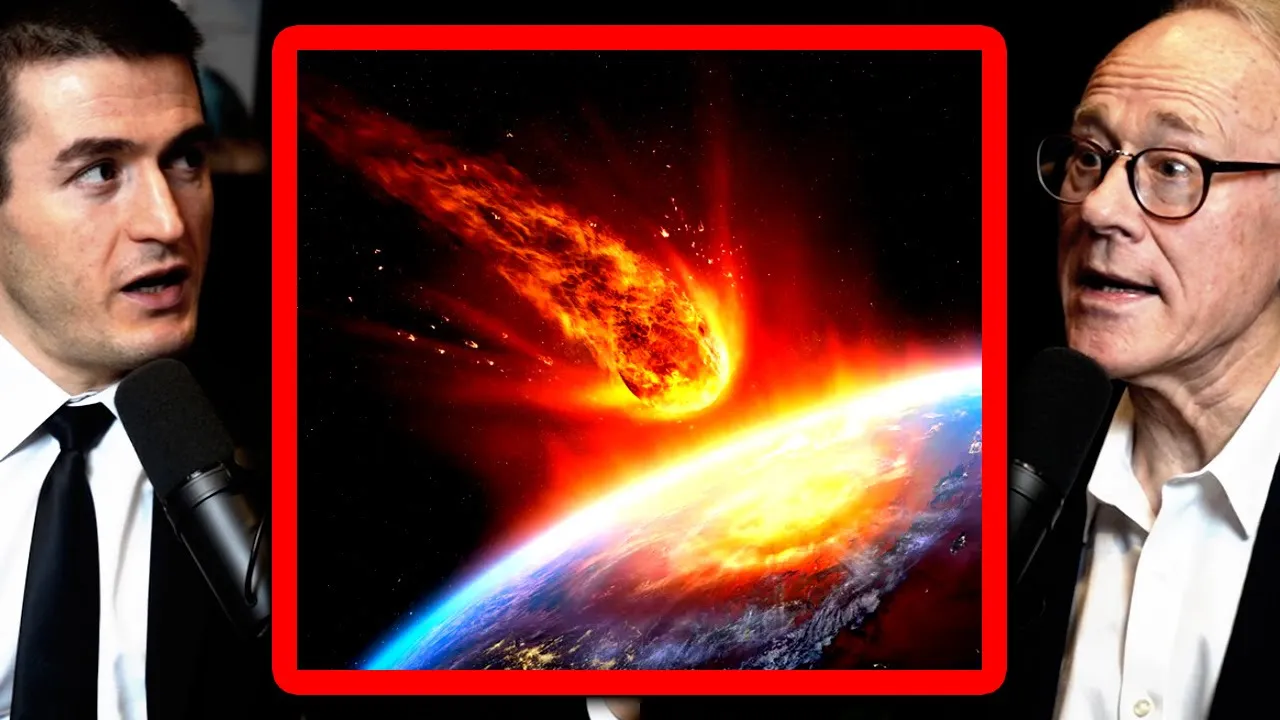
break into pieces as it passed through that its debris stream became larger and larger and wider and wider and the theory is that 12,800 years ago the earth passed through a particularly dense part of the torid meteor stream and was hit by multiple impacts uh all around the planet certainly from the west of North America as far east as Syria uh and that we are by and large not talking about impacts that would that would have caused craters although there certainly were some uh we're talking about Air Bursts well when an object is 100 or
150 m in diameter and it's coming in very fast uh into the Earth's atmosphere uh it is very unlikely to reach the Earth it's going to blow up in the sky and the best known recent example of that is the tunguska event in Siberia which took place on the 30th of June 198 the tunguska event was nobody disputes it was definitely an air burst of of of a cometary frag M and the date is interesting uh because the 30th of June is the height of the beta TDS it's one of the two times when the
Earth is going through the torid meteor stream well luckily that part of Siberia wasn't inhabited uh but 2,000 square miles of forest were destroyed if that had happened over a major city we would all be thinking very hard about objects out of the torid meteor stream and about the risk of uh Cosmic impact so the suggestion is that it wasn't One impact it wasn't two impacts it wasn't three impacts it was it was hundreds of Air Bursts all around the planet coupled with coupled with a number of bigger objects which the scientists working on this
think hit the North American ice cap largely some of them may also have hit the northern European ice cap resulting in that sudden otherwise unexplained flood of meltwater that went into the world ocean um and and uh caused the cooling that then that then took place but this was a disaster for life all over the planet and and it's interesting that one of the sites where they find the younger dras boundary and where they find overwhelming evidence of an air burst and where they find all the shocked quartz the carbon micros ferial the Nano Diamonds
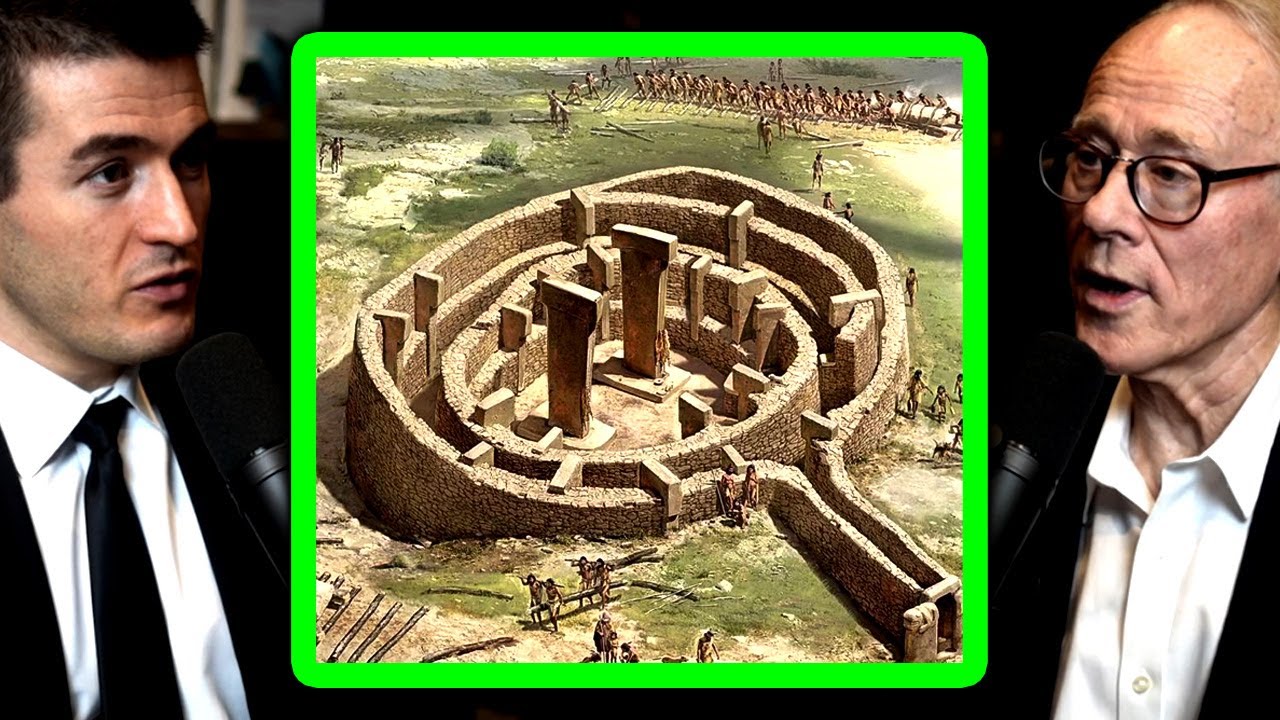
the trinitite and so on and so forth all um of of those impact proxies are found at Abu Herrera that was a a settlement within 150 miles of gockley teepe and it was hit 12,800 years ago and it was obliterated interestingly it was reinhabited by human beings within probably 5 years but it was it was completely obliterated at that time uh and it it it's difficult to imagine that the people who lived in that area would not have been very impressed uh by what they saw Happening by these massive explosions in the sky and the
the obliteration uh of of Abu hrera now this is a theory the younger dr's impact it's a hypothesis actually it's not even a theory a theory is I think considered a higher level than hypothesis that's why it's the younger dras impact hypothesis and of course it has many opponents and there are many who disagree with it uh and there there have been a series of of peer-reviewed papers that have been published supposedly debunking the younger dras impact hypothesis one I think was in 2011 it was called a a requim for the younger dras impact hypothesis
and there's one just been published a few months ago or a year ago you know called a a complete uh reputation of the younger D impact hypothesis something something like that some lengthy title um so so it's it's a hypothesis that has its opponents and even within within those of us who are looking at the alternative side of history there are different points of view uh Robert shock from Boston University the geologist who demonstrated that the erosion on the Sphinx May well have been caused by exposure to a long period of very heavy rainfall um
he doesn't go for the younger Dr impact hypothesis he think he he fully accepts that the younger dras was a global cataclysm uh and that the extinctions took place but he thinks it was caused by some kind of massive solar Outburst so there there what everybody's agreed on is the younger dras was bad um but there is dispute about what caused it I personally have found the younger dras impact hypothesis to be the most persuasive uh which most effectively explains all the evidence how important is the impact hypothesis to your understanding of um the Ice
Age Advanced civilizations so was it possible to have another explanation for environmental factors that could have um erased most of an advanced civilization during this period in a sense it's not the impact hypothesis that is Central to what I'm saying it's the younger dras that's Central to what I'm saying and the younger dras required to trigger something something caused it uh I think the younger dras impact hypothesis the notion that that we're looking at at a debris stream of a fragmenting comet and we can still see that debris stream because it's still up there and
we still pass through it twice a year uh is is the best explanation but I don't mind other explanations it's good that there are other explanations the younger dras is a big mystery and it's not a mystery that's been solved yet and that word Advanced civilization this is another word that um that is easily misunderstood and I've tried to make clear many many times that when we when we consider the possibility of something like a civilization in the past we shouldn't imagine that it's us that it's something like us we should expect it to be
completely different from us but that it would have achieved certain things so amongst the clues that intrigue me are those pressional numbers that are found all around the world and are a category of ancient maps called Panos which suddenly started to appear just after the Crusade that uh entered constant stantinople and sacked Constantinople the portelos suddenly start to appear and they're extremely accurate Maps the most of the ones that have survived are extremely accurate maps of the Mediterranean alone but some of them show much wider areas for example on these portolano style Maps you do
find a depiction of Antarctica again and again and another thing that these maps have in common is that many of the map makers state that they base their maps on multiple older Source Maps which have not survived these maps are intriguing because they have very accurate relative longitudes our civilization did not crack the longitude problem until the mid 18th century with Harrison's chronometer which was able to keep accurate time at Sea so you could have uh the time in London and you could have the local time at sea at the same time on and then
you could work out your longitude um there might be other ways of working out longitude as well but there it is the fact is these Panos have extremely accurate relative longitudes secondly some of them show the world to my eye as it looked during the Ice Age they show a much a much extended Indonesia uh and Malaysian Peninsula and the series of islands that make up Indonesia today are all grouped together into one land mass and that was the case during the Ice Age that was the that was the Sunder shelf and the presence of
Antarctica on some of these Maps also puzzles and intrigues me and is not satisfactorily explained in my view by archaeology which says oh those map makers they felt that the world needed something underneath it to balance it so they put a a fictional land mass there um I I I don't think that makes sense I think somebody was mapping the world uh during the last ice age but that doesn't mean that they had our kind of tech uh it means that they were following that exploration Instinct that they knew how to navigate they'd been watching
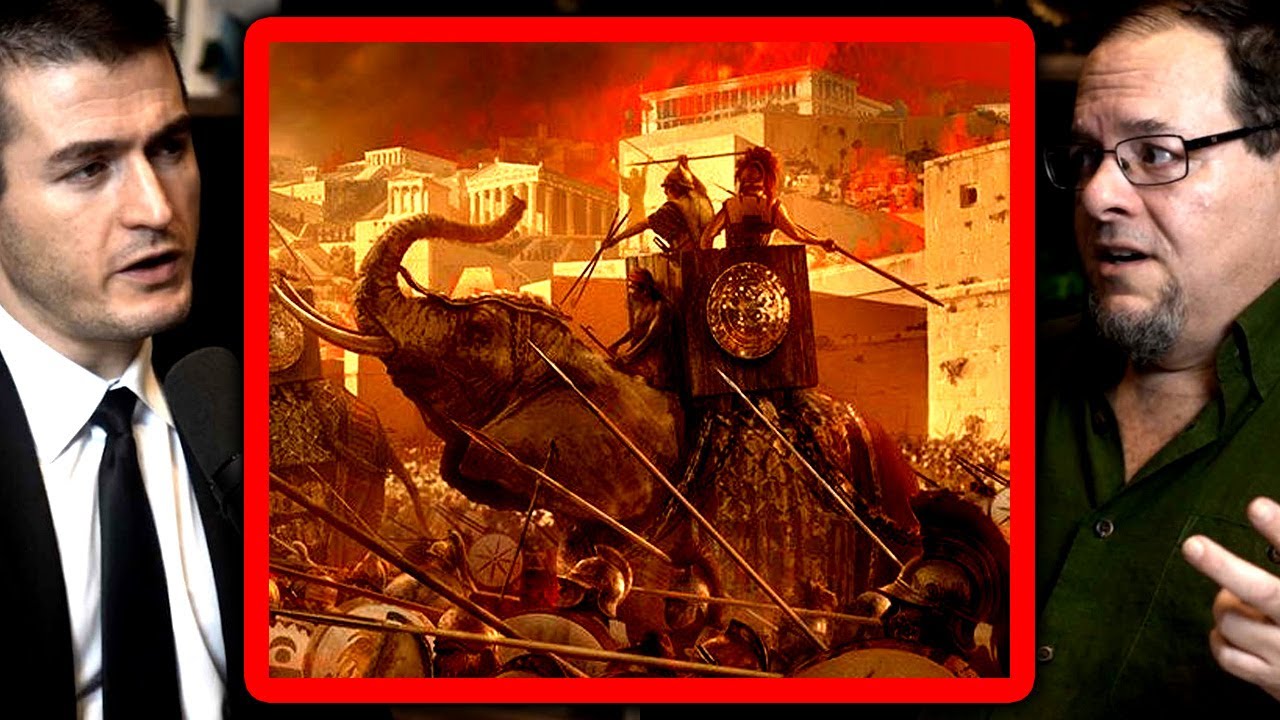
the stars for thousands of years before War they knew how to navigate and they knew how to build seagoing ships uh and they explored the world and they mapped the world those Maps very very were made a very very long time ago some of them I believe were likly preserved in the Library of Alexandria I think even then they were being copied and recopied we don't know exactly what happened to the Library of Alexandria except that it was destroyed uh I I suggest it's likely this was during the period of the Roman EMP Empire I
suggest it's likely that some of those Maps were taken out of the library and taken to Constantinople uh and uh that's where they were liberated during the Crusade and entered World culture again and started to be copied and recopied so from this perspective when uh we talk about Advanced I AG civilization it could have been a relatively small group of people with the technology of their Scholars of the stars and their expert sea fairing nav yes that's about as far as I would take it and when I say that it as I have said on
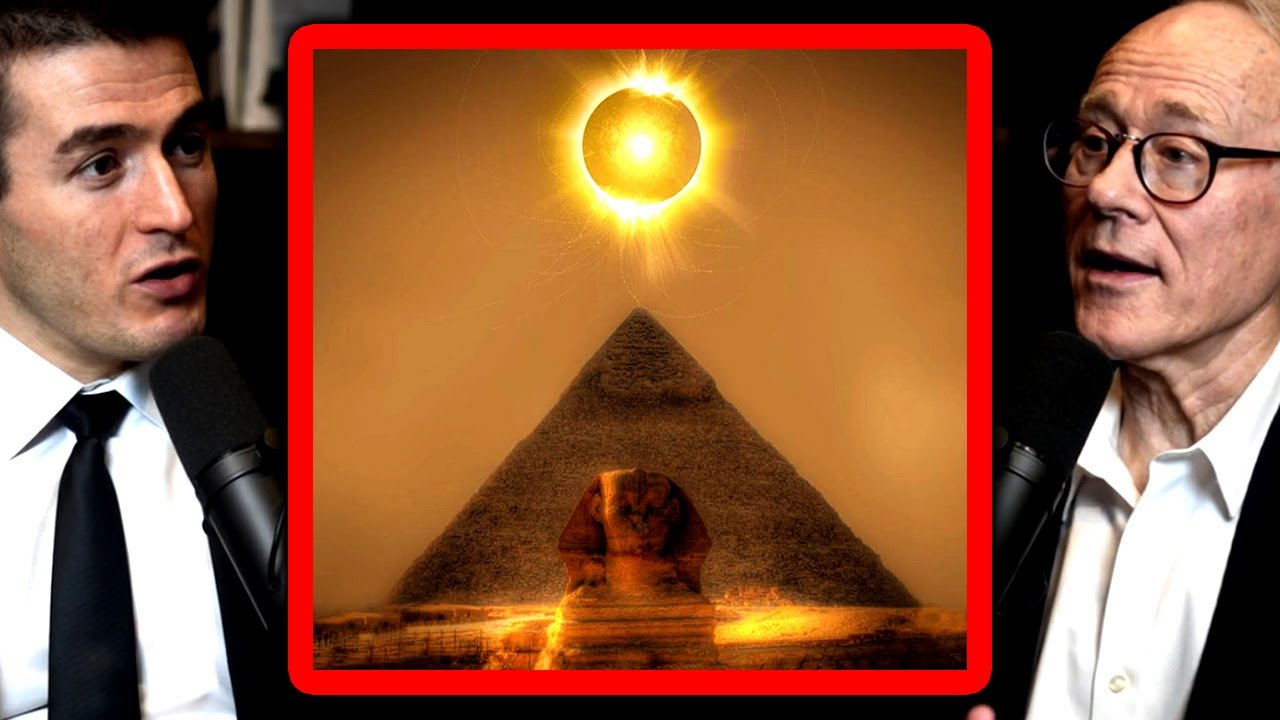
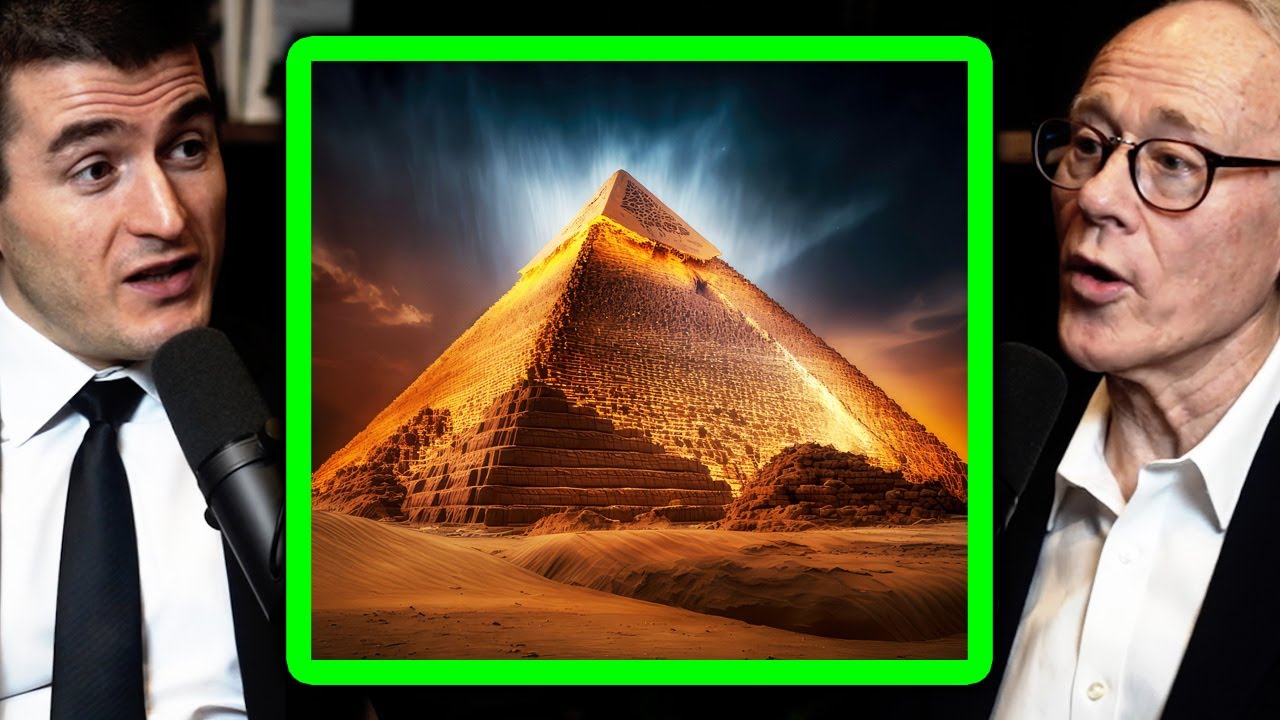
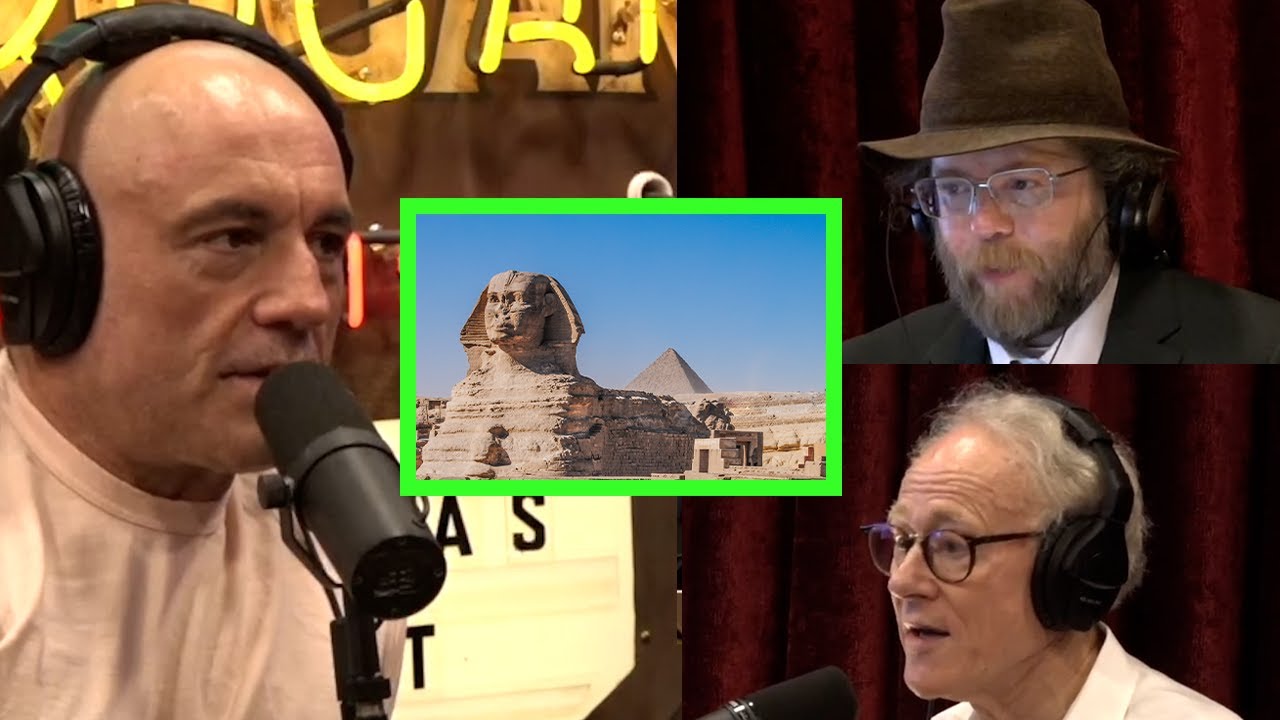
a number of occasions that it had technology equivalent to ours in the 18th century I'm referring specifically to the ability to calculate longitude I'm not saying that they were building steam engines um I don't see I don't see any evidence for that and perhaps some building tricks and skills of how to well well def definitely and this this again is where you come to a series of mysteries which are perhaps best expressed on the Giza plateau in in in Egypt with the three great pyramids and the extraordinary megalithic temples that many people don't pay much
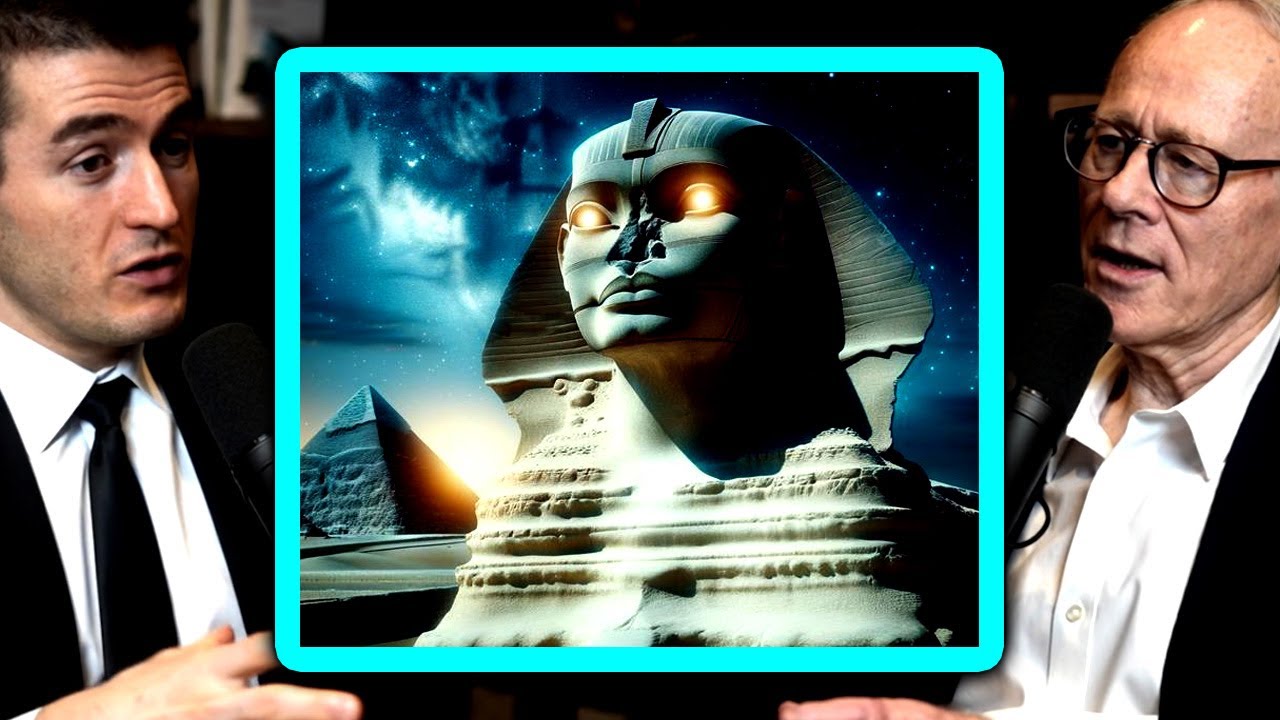
attention to uh on the Giza plateau and the Great Sphinx itself this is an area of particular importance in understanding this issue for