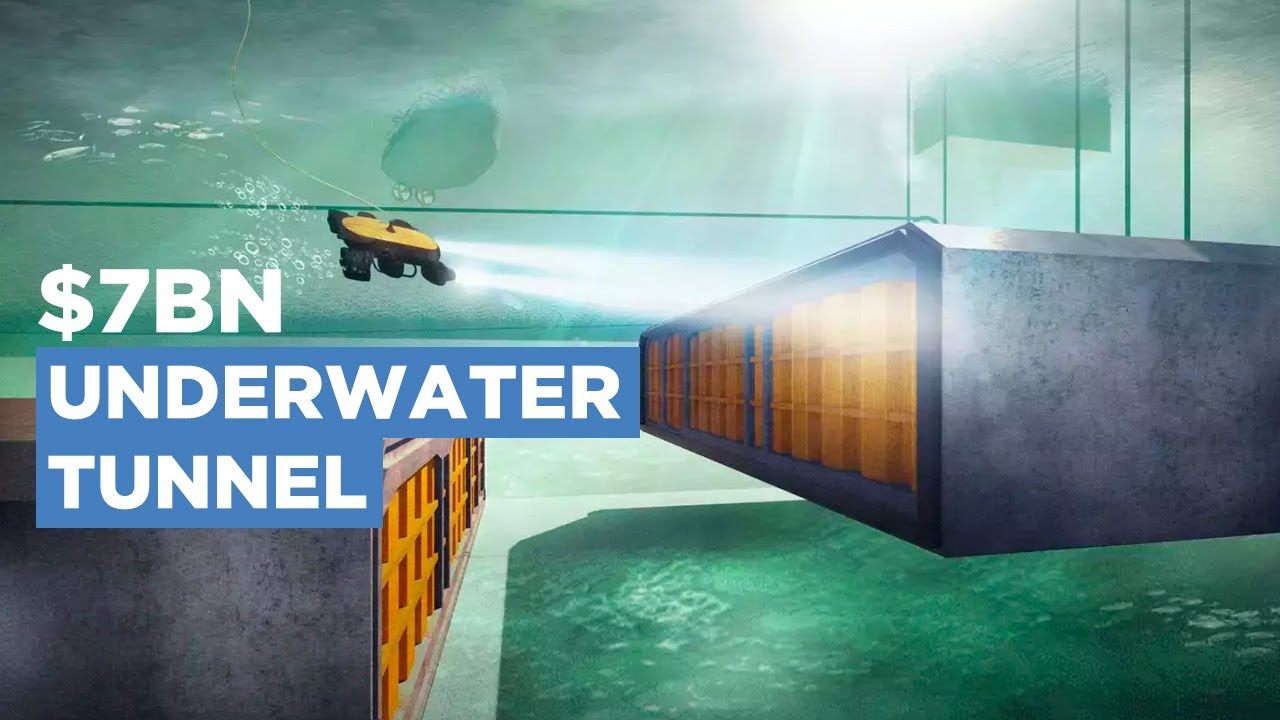
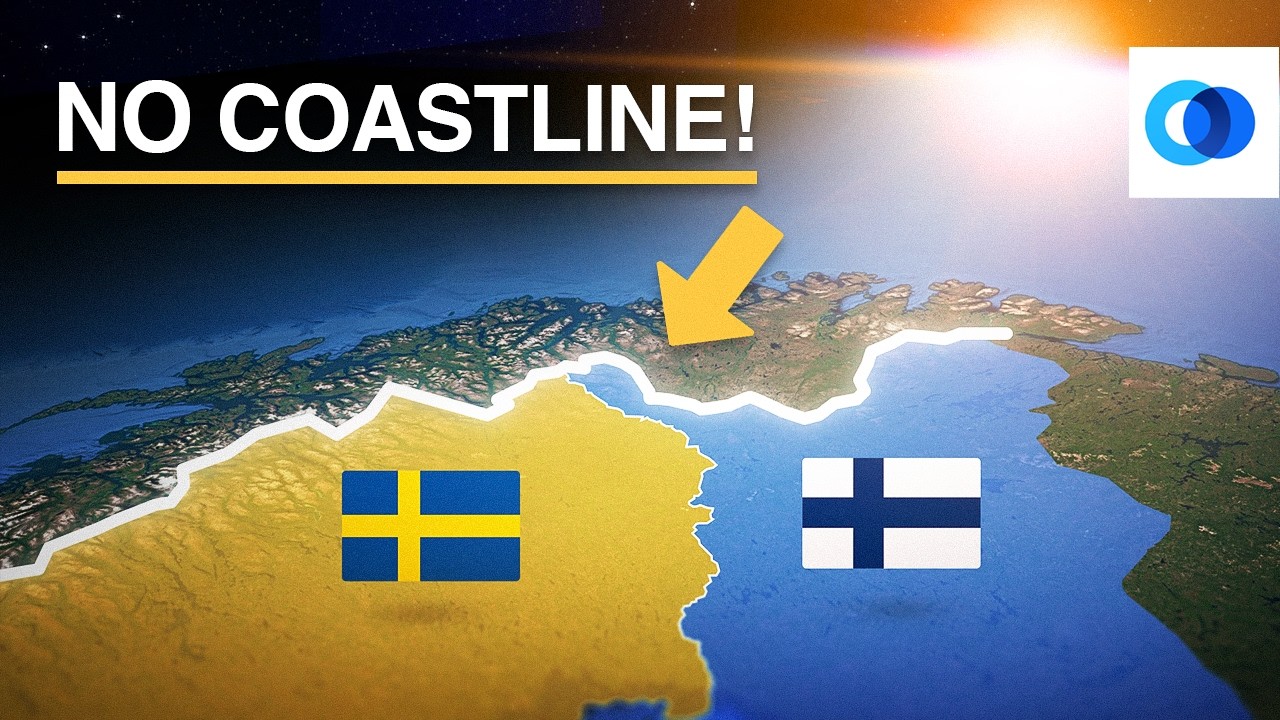
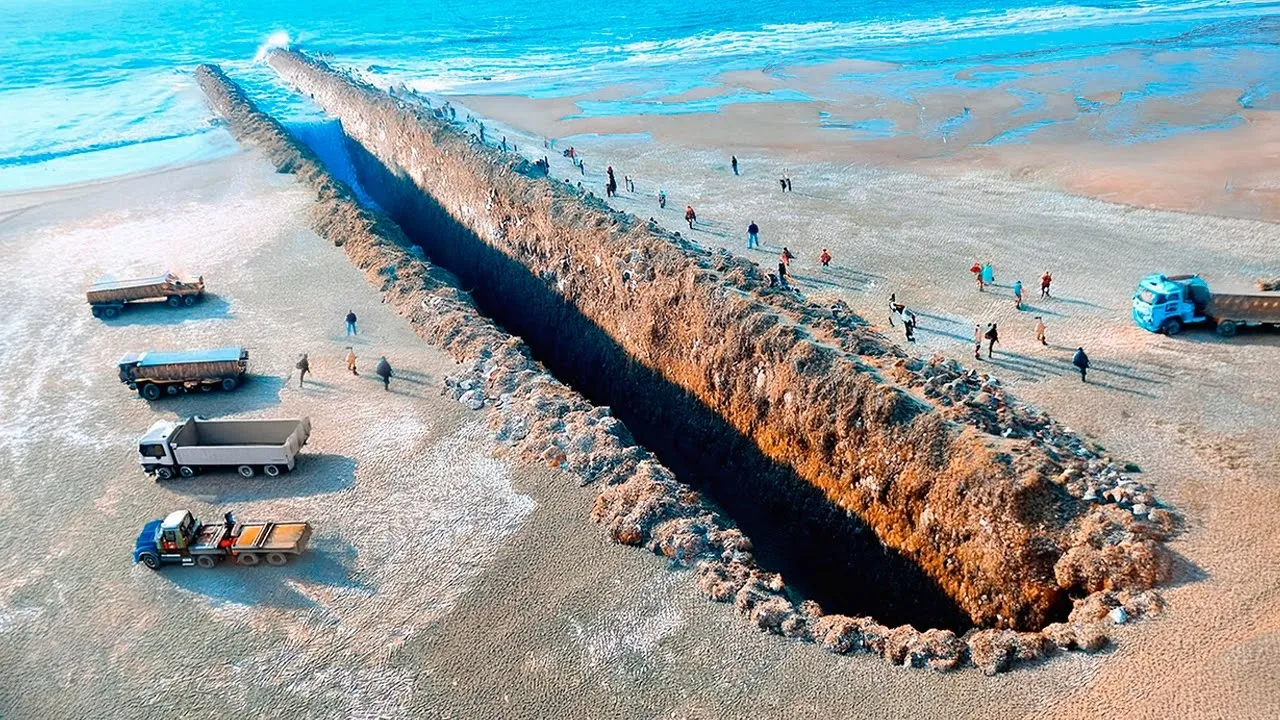
there are nine countries along the shores of the Baltic Sea but lately all eyes have been on Germany and Denmark because right on this tiny stretch between them there's been a lot of activity off the coast of the two countries artificial land has emerged with channels leading out to sea at times the horizon would be filled with as many as 70 ships and they weren't just cruising around for fun 76 million cubic feet of soil and rock were pulled up from the seabed a plant covering about 11 million square feet's been built and two harbors popped up at once able to take in nearly a 100,000 different materials a week together what's all this for especially on such a massive scale well it's one of the biggest infrastructure projects in Europe's history set to break several records and requiring 10 billion euros in investment let's see what Germany and Denmark have come up with you know what proves a project is truly useful when people have been mulling it over for years and years so today we're talking about a project that showed up in the paperwork of engineers and top officials way back in the 90s look at the map on one side the German island of Femar on the other Land Denmark's fourth biggest island and the only link between them is a ferry that means you have to wait a bit for the water transport to show up and then it's quite a long ride yeah 45 minutes on the ferry isn't the end of the world but for many people it still feels long and on top of that fairies aren't exactly the kind of transport that's well protected from the weather so at some point the whole connection might just stop altogether leading to delays that last for hours two countries finally decided to build a bridge to avoid all the issues with ferry service according to the plan it was supposed to be a 12mile cable stage structure with a four-lane highway plus two electrified rail tracks they also planned four pylons at the base of the bridge around 919 feet tall with a vertical clearance of about 213 feet so ocean vessels could pass underneath and this bridge was also supposed to be a record-breaker the plan called for free spans of 2375 ft the longest ever built for the combined use of road transport they even set a completion date 2018 and the design work was assigned to the company FEMA as then they said it'd be better to build a tunnel why the thing is back in 2010 Femeras said the tunnel would pose fewer construction risks since it wouldn't be pushing the limits of current technology the way a cable stayed bridge with massive spans would in short the designers officially said a bridge like that is just too complicated they also added that costwise there wouldn't be much difference the bridge was estimated at 5. 2 billion and the tunnel at 5. 5 billion and then the construction time was about the same they planned to build the tunnel in 6.
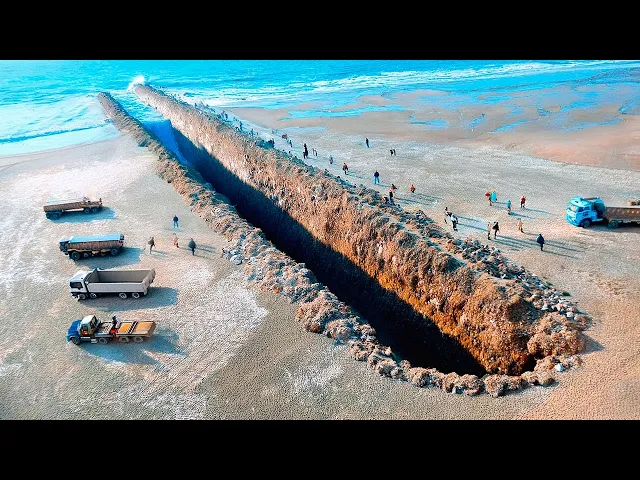
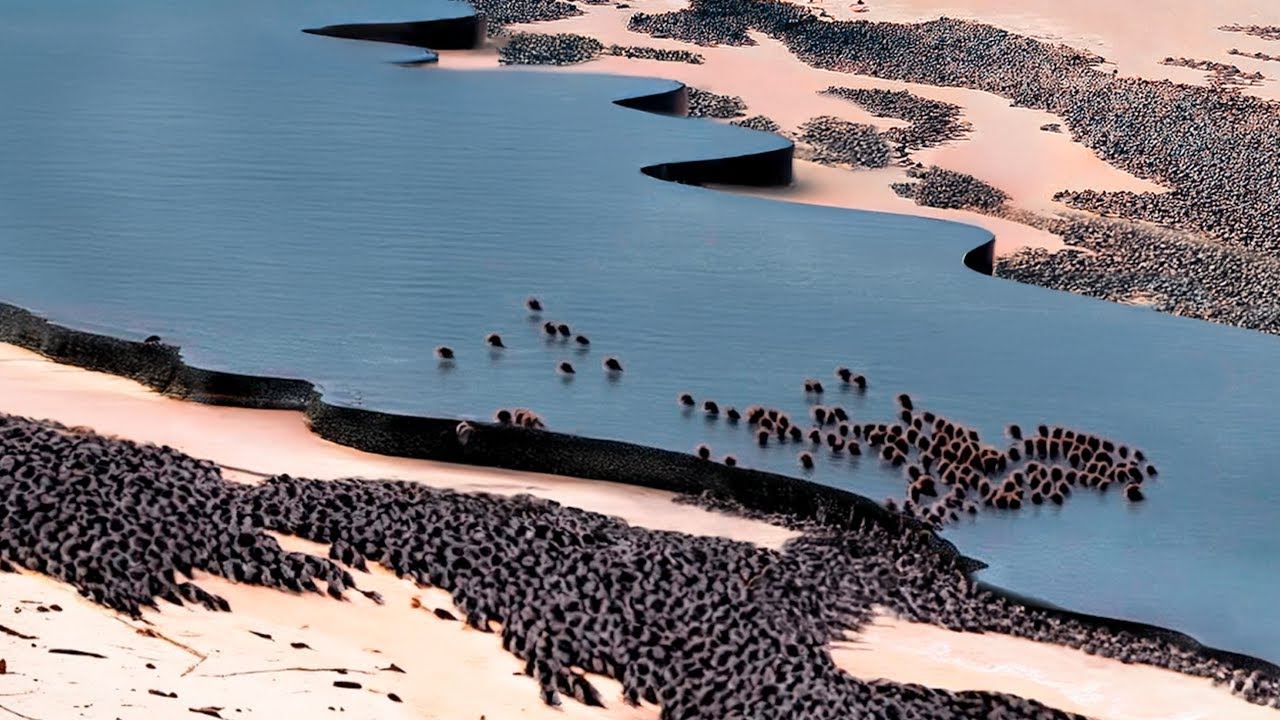
5 years and the bridge in 5. 9 years so the tunnel was the perfect solution and that's what they went ahead with the tunnel is supposed to be 11 mi long what does that mean a massive amount of building materials you can't bring all that stuff to the construction site in one go and hauling it from far away all the time takes too long and costs too much so they decided to carry out a ton of prep work which kicked off back in 2019 and aimed at setting up everything needed for building the tunnel without wasting loads of time and money this is how the plant was built yeah the project is so massive that to speed things up they had to set up a facility this big what's more the plant covers around 11 million square ft they set up six production lines there for making both standard and custom components that form the backbone of the tunnel structure by the way this is the largest plant of its kind in the world there really wasn't much choice here since every part of the future tunnel is a massive structure and hauling something like that from far away would be a real headache so each section is made of pre-cast reinforced concrete measures 712 ft long and has a rectangular cross-section roughly 131 ft wide and 33 ft tall the weight of each one is enormous 73,500 tons if that doesn't sound like much just picture this that's nearly the weight of the MS Zutteram cruise ship which carries over 2,000 passengers that one weighs 82,000 tons as stated the project needs 79 sections do you realize how difficult and timeconuming it would be to transport them to the construction site they built a factory exactly to avoid this now it stands on the island of Land so it's really close to the construction site the factory is of course a sign of how big the project is but Fermanas has even more a whole harbor this object will allow transporting a variety of materials needed for tunnel construction and creating those huge sections directly by sea to the construction site it's stone sand gravel steel all of that's required in huge quantities so the designers realized using freight transport isn't the most efficient solution just imagine the harbor was built with the original plan to handle up to 80,000 tons of raw materials per week trucks aren't really practical for such a volume on the German side in Poot Garden they also built a small harbor for transporting the materials needed for the tunnel construction in general all the infrastructure is right there plus for the workers they've set up all the conveniences large living quarters as well as office and administrative buildings from the windows of all these buildings one could see how ships like these were arriving at the construction site at its peak the number of such vessels in the area of the Femar belt tunnel reached 70 and all of them were doing one thing digging the bottom of the straight between Lawland and Femar or to put it in more professional terms they were carrying out dredging works among the ships there were dredgers of various types like grab dredggers and trailing suction ones vessels for clearing boulders and specialized pontoons all the ships had even gone through multiple special upgrades because the bottom between Denmark and Germany is a complex mix of different soil types from soft clay to solid limestone in the end dozens of ships finished all the work in 2024 the result was an 11m trench ranging from 131 to 164 ft wide and 39 to 49 ft deep a total of 76 million cubic feet of soil was removed from the bottom and instead of dumping it elsewhere they decided to use it for another project off the coast of Redbeby home creating 741 acres of new land as the project participants say over time this land will become a mix of nature and recreational areas with beaches and walking trails so what was the purpose of this trench the thing is they decided not to just lay the tunnel sections on the bottom but to place them at a depth of about 131 ft this way the underwater route will be better protected from various damage right now everything's been set up to start the tunnel construction work the factory the ports and the construction site that'll eventually turn into the entrances to the underwater tunnel one was made on the Danish side on the island of Land and the other on the island of Femar both entrances are about the same so a similar amount of effort and time went into them the first pre-fabricated tunnel sections have already left the factory in RDE home right now everyone's just waiting for the go-ahad to start laying the structure once it comes the most important part of the 10 billion euro project will begin the tunnel which is set to become the longest combined road and railway tunnel in the world it'll also be the longest underwater road tunnel in the world the deepest underwater tunnel with both road and rail traffic the second deepest concrete underwater tunnel and there are a couple of smaller records too it will all be a part of the tunnel link between FERN and Land it won't be long now femas promises that the section laying will start in 2025 two submersible pontoons like these will be used for the job they'll be attached to both ends of the section and then a small fleet of tugboats will pull them into position over the gravel-filled trench we talked about earlier the entire submersion won't be done remotely as one might expect but from a control room on board the pontoons operated by a 22 person team steel cable winches with a total length of over 124 m will handle the lowering while the stability and safety of the process will rely on ballast tanks filled with water is that all of course not because the sections also need to be properly connected to each other not just tossed next to one another for that underwater cameras and special positioning equipment will be used to guide each tunnel piece into place with an accuracy of up to. 5 in naturally rubber gaskets will be placed between the sections designed to last 120 years in the end the entire underwater route will be covered with soil that was dug out when the trench was made so basically it'll be both an underwater and an underground route and here's another fact that shows just how tricky every single task related to building the fem belt is transporting and installing a single section will take 40 hours that naturally raises the question if the project is packed with so many challenges from digging the trench to laying soil on top of the tunnel when will it actually be finished back in 2012 they were talking about 2021 then in 2014 they called 2024 the finish line a year later they said wait for 2028 and after that in 2020 they set the final date 2029 and many are eagerly waiting for that year because the record-breaking underwater route will bring loads of benefits let's start with the fact that right now to get from Land to Femar you have to catch a ferry and then ride it for 45 minutes once the project's finished all it'll take is driving into a tunnel and then just 10 minutes behind the wheel you have to admit that's a serious timesaver no car but still want to cross the straight no problem the highspeed rail will get you there with trains hitting 124 mph and covering the whole stretch in just 7 minutes tops now take a look here here's the Danish capital Copenhagen and here's a major German city called Hamburg basically these are the two key local cities and among the top spots tourists go for when visiting Denmark and Germany besides that locals often travel between these two cities for one simple reason they're the most populated in Copenhagen the capital and biggest city in Denmark there were 788,000 people as of 2024 and Hamburgg is the second most populated city in Germany home to 1.
78 million people at the moment it takes about 4 hours and 40 minutes to get from one city to the other but with the new underwater tunnel travel time will be cut down to 2 hours and 30 minutes thanks to new routes still despite the major benefits of the new underwater connection there are some issues too as is usually the case digging trenches and pouring loads of concrete takes a toll on the environment in this case we're talking about reefs which must have clearly been in the way of the trench digging ships initially it was said that their reefs wouldn't be affected by the construction in any way yes they might be near the island of Fearn but supposedly far from the tunnel construction zone however in 2020 it came out that things weren't quite as previously described researchers from Kio University showed that there are three reef flag habitat areas located close to the planned underwater route the Nature and Biodiversity Conservation Union of Germany said that there are at least four zones along the construction path that are home to seaweed sponges muscles crabs and fish and none of this was mentioned in the project documents in the end the complaints reached the Federal Administrative Court and Leipzig which in 2022 put a hold on construction in the area near the reefs but the joy of environmental groups didn't last long pretty soon all construction restrictions were lifted even though the reefs could be lost they even came up with specific numbers showing how much reef would be gone 23 acres so why was construction allowed femas promised to build 105 acres of new stone reef to the southeast of the tunnel construction site regular local folks were among the ones unhappy with the project too they claimed it would cost people their jobs you remember that without the fem belt the only way across the straight is by ferry right so there are 315 trips a week between the two islands 45 a day unfortunately fairies that sail on their own are still a thing of the future for now it's people who run them which means the ferry system offers a number of jobs you can counter this by saying that construction itself creates a huge number of jobs but that's short-term because at some point the process will be completed the economy is another issue that the project is getting blamed for some experts say the new route may not be economically justified since the forecast for passenger traffic and cargo shipments are exaggerated there's a high risk that the investments simply won't pay off of course the new route won't be free since the huge costs of€ 10 billion need to be recovered the fair still unknown with the governments of Germany and Denmark deciding on it closer to the tunnel's opening for transport however let's imagine that the price for crossing from one shore to the other will be the same as the one for traveling through the Orusund Bridge tunnel connecting Copenhagen and the Swedish city of Momo €61 seems like a small amount that'll quickly pay off and we also need to understand that the price could end up being much higher because no one knows what challenges the project might face before construction is finished here we're not just talking about the negative aspects but also the positive ones because maybe the island of Femar will get another tunnel if that happens the construction will be handled entirely by Germany since after the project is completed the new route will connect mainland Germany to Femar Island let's take a closer look as you can see there's already a bridge here connecting the island to mainland Germany the structure was built back in 1958 it's 3,160 ft long and includes an 813 ft arch bridge that holds both the road and the railway over a 4265- ft straight the main span is 72 ft above sea level which allows ships to pass underneath the width is 69 ft with 20 ft dedicated to a single track railway and the rest for a pedestrian path and a two-lane road overall nothing too extraordinary except under the access road on the mainland side there are six explosive storage bunkers that can be used in case of an invasion after all the bridge was built during the Cold War in 2023 Germany carried out a reconstruction of the bridge replacing all the steel cables but this didn't solve the main problem the structure was built in the last century with circumstances of that time in mind that is it was assumed that far fewer cars and trains would cross the bridge because there were fewer people living in Germany back then and then after a while a tunnel will appear making it easier to move between countries which will clearly attract tourists in short the bridge will clearly struggle to do its job this problem was even demonstrated back in 2010 when they tested the bridge under load at that time it was concluded that the existing bridg's structure wouldn't be able to handle the increased loads as a result there was a need to think about what could be done in this situation among the options were building a combined bridge for both the railway and the highway building two separate bridges building a combined underwater tunnel in the end as you can already guess they concluded that they needed to build a tunnel this underwater route could be considered the younger sibling of the one we talked about earlier its length will be just 5,577 ft with an estimated cost of €714 million and the construction time will be between 2.