hi I'm from Zimbabwe I've been listening to your to your podcast and I find them very very and informative the one on relevation assimilation and elevation it resonated with me bro online I look forward to hear more from your from your teachings especially those related to managing anxiety and depression you know uh bro your teachings your teachings is deeply impactful I or should I say your teachings is real gravitas you know you save reality to the people and which is good thank you very much hello family hello family this is Herbert from Zimbabwe so I
just want to start off by saying thank you so much vity for the POC for the podcast you did which you titled 2024 year of work you directly spoke to me you addressed to me and you addressed the question that I had asked of when can I know this is the time to quit my job and and start the business so thank you very much and for the message you said and what I found most resonating with me is the fact that I should change the way I see things I should put in the work
and I should know that to whom much is given so much more is expected so thank you very much this is April 2024 and I am doing the work I'm trying by all means to put in the work to change the perception and approach the work in a different view hi VY my name is Chima I'm sending this voice note from Johannesburg South kibla Parkside I am a a member of House of treasures Ministries uh and I would really just love to thank you uh for your previous podcasts they have really blessed us um especially
the one on impostor syndrome yeah that was a really dope podcast it it it has stayed with me till today so I have bu I have two businesses that I really just want to establish at this point uh the first being a media production company and the second being a clothing brand a Christian apparel clothing brand and so I have a couple of questions that I really need some clarity on of course these questions have biblical PR principles tied to them but um it would be it would be great to have uh your point of
view on these questions and so the first question is what's what are some of the found foundational principles that have kept you going in business and what are the principles that have kept you going and growing in business and the second question is how do you establish a community of people who will be invested in your vision and thirdly there there is this cancer that business people have where business people don't want to invest in quality Equipment for the best quality outcome and also investing in quality Workforce or the quality of their Workforce the the
the learning um The Learning Experience of their Workforce so these are the two cancers that I've noticed that business people don't want to invest in or they don't see a reason to invest in uh parts of their business so the third question that I have would be how do you balance saving up for equipment and being able to sustain a strong Workforce while at while while at the early stages or the beginning stages of your business um I hope you understand my questions and thank you so much I would really love these to be answered
a it's time to take your seat at the table find out how with vayo as we discuss ideas that matter a catalyst for both [Music] action hello family hello family welcome to this another episode of the VT podcast and here we talk about ideas that matter that was Chima the great video or rather a voice note there Chima talking about what to do when you are starting something new and how to plan for resources how to get people to be motivated and inspired and how to get people to invest in themselves but I like the
way you asked that question Shima kind of how you started it you said what kept you going so Chima I'm going to give you my cheat and this is just my cheat different people have different things for other people the thing that keeps them going is what the end goal looks like right and so they constantly Focus their minds on what does the end goal look like uh for other people they'll try to think about why they started in the first place and so when they're going through a difficult time they kind of dig deep
and go deep into the recesses of but why did I start doing this right end goal people tend to be focused and inspired by destination by success by outcome and the people that focus on why they did it tend to be focused by um belonging they tend to be driven by achievement they tend to be driven by results sometimes even tend to be driven by meaning and the impact that that thing will have so for you it might be a bit of both it might be what does success look like it might be what does
why did you do it in the first place I have a different way uh kind of how I deal with things when things don't go great or when I don't necessarily feel inspired or Mo motivated or any of those things and that for me is this I have learned to treat everything as a project once you start learning to treat things as a project then how those things actually plays out becomes different right and here's what I mean by that projects have a start date and end date deliverables and an outcome and the minute you
understand that then dealing with the difficulty in between it is actually not as hard as you think because you you you you begin to see that the difficulties that you're dealing with are not forever these difficulties are for that moment that time that season and they'll pass just like everything the difficulties will pass it's my favorite scripture I must tell you it came to pass those difficulties will pass right and so once I started thinking about everything as a project then the way I was approaching problems started to change and the way I deal with
problems also starts to change so what are the what are the things you need to be aware of Chima when you start thinking about things as a project first the the guys at McKenzie talk about these sesses I I use four of them when we Define projects in the organization typically because I focus on what they call the hard s's not the soft s is you can go online and find the McKenzie 7s model it's a really really great model but I like I like focusing a lot on strategy so where are we going and
remember the most important element of strategy is timing so what are we going to do and when I like focusing on structure so what is the structure that I need in the team and the organization for us to be able to execute and deliver those things I like focusing on skills so who are the people I need around me and what are the skills that they must have to execute and deliver on this thing and of course on shared value shared value is simply understanding what it is that this project will deliver for us and
what this project will deliver for the universe of people for whom we are executing on the project that's shared value so for us it might deliver new revenues it might deliver new markets new products new customers but what is it going to deliver for our customers that for me becomes the shared value right so those are the four now in your mind Chima as you're watching this you might want to start thinking about uh if I'm working on a project now uh what are the things that I need to start executing on need to start
planning for uh the things that I need to have in place already all right so if everything is a project then what are the things that I need to have in place and for those things to have to have in place I need to have an honest conversation with myself about putting those things in place so here's the first thing you need to have in place for your project results or as I call them deliverables if you're going to start something it must end somewhere um in his book these Seven Habits of Highly Effective People
now in my mind probably a classic that book is what 30 years old at least 30 years old I think written by written by the now late Dr Steven cvy he talks about begin with the end in mind right the idea is that at the beginning you should know what the end is that you want to achieve and that's effectively what it is that I'm saying to you begin with the end in mind so if I'm going to start a project I must have the end in mind I must know exactly what the outcome actually
looks like you'd be surprised how many people start a project and have absolutely no idea what the end looks like they hope you know they kind of have an estimation like well we're going to do this and we hope this is going to happen hope is not a strategy you need to have a finite executable outcome so if it's going to be you know we're starting this project to sell these new pens how many pens you going to sell you need to have an actual finite number and if it's by different states then how many
pens in which state and if it's for a different type of customer then how many of those customers in how many states and how many pens each right what I've learned over the years it's been my experience is that the more um deterministic Can finite my results from a planning perspective the better focused I am and the better focused my team is because one of the things that happens once you start on a project as you begin to meander the road of delivering your project is typically the project presents you with various hurdles that force
you to make decisions now if you're not clear on the outcome that you're driving for the minute you start making decisions as you're Meandering the road you're going to make decisions that are inconsistent with the outcome that you want I'm going to give you a really great example let's keep the pen as an example right this is a this is a premium pen was given to me by a client of mine in India great pen premium pen right now let's imagine I'm going to be selling these pens at a particular state to a particular group
of people and I get into the marketplace and I name these pens and I put my little name on them you'll notice this pen actually does have my name on it right but I'll put my little name on the pen and I start selling the pen I go into the marketplace and I'm and I'm selling these but as I'm selling these stuff changes the market changes the customer changes the desire changes or whatever happens and one of the things that starts to happen is as I'm selling these pens I realize that the customers to whom
I'm selling them can't afford this specific pen that's a hurdle on the road and it's going to force me to make decisions now what what I can do is the following I can either change the customer to whom I'm selling them so Target the pen at a customer who can afford it I can change the quality of the pen that changes the manufacturer process changes the input cost and therefore I can sell it cheaper to the same customers depending on the result I want those two forks that fork in the RO and those two options
present the Meander and I have to make decisions based on that so the first thing I'd say is is just be clear what are the results that you're going for the second thing I say is what are the resources that you're going to need in place I am fascinated but how many of us start doing work and we don't know how many resources we will require or what resources we have in place just resources the people you're going to need the infrastructure you're going to need the access you're going to need the Networks you're going
to need um the capital you're going to need and actually write those things down so I would ask of you the question have you taken we call it in our firm a Resource Bank so every time we start with a project there's literally somebody whose job it is is to is to create the Resource Bank if you ever did like accounting or Finance right in your Capital budgeting it's often the calculation you did at the beginning of your Capital budgeting the finance people will know exactly what I'm talking about but in that Resource Bank you
write down all of the resources I'm going to need and how much those resources are going to cost me I'm going to need cost or stock or inventory or people or any of those things before the project even gets started now the reason you do the Resource Bank is the following it's listen it's it's wrong to lie to the world but it's really tragic to lie to yourself and so the reason you do the resource calculation at the beginning is so that you don't lie to you think about it logically if I have an outcome
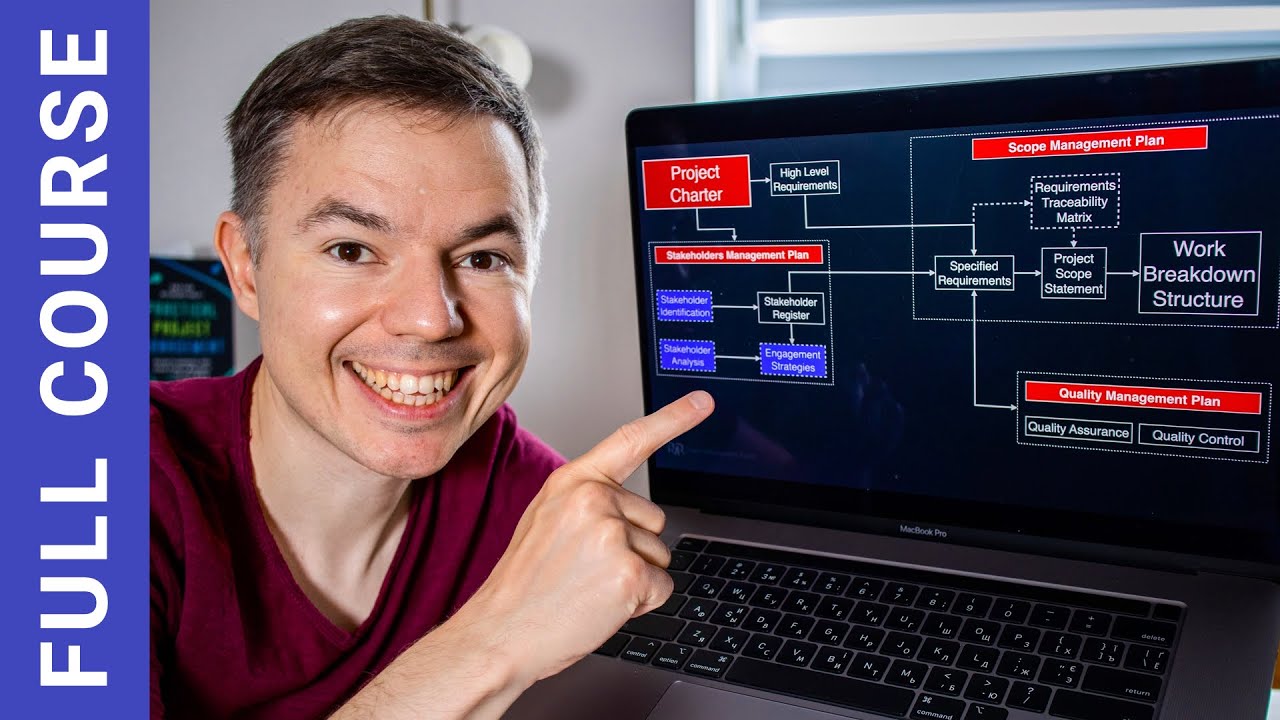
and that outcome is going to take a certain input if I lie about the input the outcome is impossible if I'm unclear about the outcome even though I've got the input the path to get there is going to be difficult so first design the outcome results deliverables then resources the input that's going to be required the third is to map stakeholders so you need to know who are the stakeholders you're going to be dealing with in executing on whatever the project is whether it's a new business or a new product or something like this who
are the stakeholders and clients and customers are one stakeholder suppliers another stakeholder the people who work for you another stakeholder but map them right and and when I say map them what I actually do and I'm not joking you can see I've got paper on my desk is I will literally draw a little map of all of the stakeholders long before I give it to my people people who digitize it and put it in the fancy project plans right but I will document all of the stakeholders that I have and how these stakeholders relate to
one another so for instance the larger the number of clients I might need more people in my team right so there was a relationship in stakeholders between the number of customers I have and the size of my team conversely if I don't hit my Targets in terms of the customers I want then I can't employ a lot of people because I'm going to be just over um uh overc capacitated from a people perspective and the costs are going to be too high relative to the outcome that I'm driving for does this make sense so just
map the stakeholders there's a there's a big stakeholder a lot of entrepreneurs I see a lot of entrepreneurs make this mistake and they often miss and that's the regulator and in every Market you're operating in there's regulation right it might be the tax man it might be the Ports Authority if you're importing things from China right the Ports Authority is going to be a stakeholder of yours it might be the shipping company if you're importing things the shipping company is a stakeholder of yours if you're buying stock using some sort of facility from the bank
then the bank is a stakeholder of yours but you want to map these stakeholders the reason you want to map the stakeholders is because one of the things I love to do once I've mapped my stakeholders is I then allocate who's responsible for dealing with whom so if we have a particular problem at shipping at the ports or we have a particular problem with a particular piece of technology we're using from the US I know exactly who in my team team whose responsibility it is to be dealing with that stakeholder you see how detailed you've
got to be so first start with results deliverables then resources then these stakeholders I'm going to be dealing with map them and know who's going to be in charge of dealing with those with those um stakeholders the fourth thing you want to put in place we call it stage gating in the company different companies call it different things the broad expression you'll find typically in large companies when they do project management is is monitoring and evaluation the idea is that at every single step of the project you want to have something that you are monitoring
to make sure you are still on course right so we call it stage gating because when we build projects we'll have stage Gates and at every single stage there is a gate and unless we've executed that stage you don't open the gate to move to the next stage stage Gates make sense but each that gate is the things we are measuring so we're going to measure these five things and once these five things all the boxes have been ticked then we move on to the next stage right it's called stage gating in in our particular
firm for you what I'd ask is what are the things you're going to be monitoring now what most people do is they go oh well I'm starting this new thing and I want to go and they have a defined outcome a defined beginning and they just go I'm hoping it works out you got to take the big project and break it into five smaller parts and each smaller part have the thing that you are executing against and monitoring against the thing that you're executing against right this is why this is why people think some people
are lucky some people think some people are lucky because they simply don't understand the methodology that those people use to arrive at the outcome and then finally and I've I've often made this mistake I've become much better at it I must tell you is having really clear and refined roles and responsibilities for my teams really clear and refined roles and responsibil for my teams as we sit and I'm recording this my team is sitting in a team meeting my team in uh South Africa in uh nam in Ghana Nigeria Kenya Philippines and Dubai are all
sitting in a meeting right now and I'm not there the reason they can have a full company meeting and talk about the goals where we are what we're executing on what next looks like who's responsible for what whether or not we've achieved our targets is because I've already done the work laid the foundation gave them a clear outcome of what must be done what resources they have mapped their stakeholders told them who's responsible for what and for every single role they have a fixed number of responsibilities now I don't have to work in the business
I can do this and they work in the business so what I would say to you if you are thinking of starting something new or you're already running something is learn the principles of project man management and the minute you think about everything as a project the game's going to change now I thought what I would do for you is give you some tools right around how to do this so there are a couple of really interesting sess tools that you can find online um clickup is a really great tool and now clickup is integrated
AI into the clickup platform you're going to click up you can create the project you can create the dependencies you can create the deliverables you can create the resources the timelines and it'll build out the full project map item for you but because they've integrated AI it's now so cool that in the olden days what you actually used to do is to go and create the project and create the users and create the deliverables and the timelines and all of those things now you can go and write the project as a sentence you can say
I am starting this particular project to do X Y and Z I want to achieve X Y and Z my resources are this this and that these are the people going to be to build a project item for me and it'll builded for you right so clickup is really really great um the inverse we use a lot of it and that's just because of of legacy is Asana ASA ASA na really great project management tool all of our projects in the company sit on Asana and the great thing is Asana is so cool and so
complex that every single document we've ever used on every single project going back now 10 years in The Firm is still there so people can come into the company leave the company join the company move on from the company whatever the case might be but the documents that manage all of our projects are still there right now we're busy working on the update of my first book the Magna Cart of exponentiality which we published 2017 now 7 years ago and I've got the team working on the research for the update of the book and guess
what I didn't have to go into like my Dropbox or my SharePoint to find the documentation I simply sent them access rights to the project they went into the project and everything was there every meeting all the meet are recorded all the notes all the research items and every single version of every single chapter that was ever written all sitting in one place just because we've been using ASO for so long if you want something simpler Trello is great um Trello is one of those that builds a board so you can kind of go beginning
middle end or Todo progress completed and then you move it across your board Trello is really great at this and of course if you're using Office 365 Microsoft projects but I'm going to give you a quick cheat give you a quick cheat sheet so Chima let's say like you've got no money and you just want to build a project sheet and you can't afford to pay anything go to smart sheet.com smartsheet e not I smartsheet.com and you'll find all the templates that you need and I think for up to three users it's completely free your
question was what keeps me going and I think you were kind of thinking I was going to come with like a motivational answer let me tell you something and if you quote me on this publicly Chima I will deny it motivation is great it's great to get started it's it's great to Spur your intent and like get you to start looking in a Direction but when it's the 14th of the month motivation isn't there man when it's month end and you've got to pay salaries and you don't have enough cash flow motivation doesn't get you
through that so one of the one of the things to be very careful of is not to be over motivated under planned and I think we live in that world today where people are over motivated and under planned and what you'll realize is the results you get are not just a function of your motivation but also a function of how thorough you are in your planning so my friend plan build everything into a project and if you use just the tips and tools I've given you here I guarantee you're going to make it all right
family that's our podcast for this week Sor hello family we love to hear from you here at the VT podcast and we've made it even easier for you to do so you can send us a WhatsApp voice note about your thoughts on our podcasts on plus 27 81505 767 that's plus 2781 55767 we look forward to hearing from you this podcast was proudly brought to you by m growth fund in partnership with sound and sounds media