about fundraising behaviors as you heard fundraising is not only about raising money but to make more devotees and to make happier devotees to make more sincere serious devotees so how do we explain the fundraising behavior the behavior of a fundraiser what is going through the mind of the donor when we approach a fundraiser what are they looking for when they want to give how do these two parties the fundraiser and the donor how do they exist in the bigger system in the bigger environment and how do we exist relative to the environment so there are
different theories that explain this fundraising behavior and we're going to go over these theories one at a time for example today we're going to talk about the systems theory the next we'll do social exchange theory then we'll talk about the concept of prestige effect and signaling then we'll do warm glow donor and an impact owner then we'll get to co-orientation model persuasion theory and the lifetime value of a donor because we want to make these donors devotees for a lifetime so let's start with the first one systems theory what does that tell us about fundraising
how can we benefit by knowing this theory so as you know iskcon does not exist in isolation we are part of a larger environment and this environment is comprised of other systems of which iskan may be one system and then your zone may be a subsystem within iskcon so what are these other systems these other systems are comprised of the society or the social system that your zone operates in it's comprised of the economic system that your zone is located in so the economy as you know goes up and down the societal values change similarly
a political system or a technological system so political system for example in india currently we have a favorable political system sometimes in some countries the system may not be so favorable so how does that affect our ability to raise funds and to make friends so we are affected by these other systems that surround us but we also have the potential to influence or affect the behavior of these other systems that surround us so our success in survival of course depends on krishna because he's the ultimate decider but it also depends upon doing our part in
fundraising and what is that part that we need to do so first we need to see how we need to operate or change in relation to the systems that i just mentioned or how we do not need to change with respect to these systems we'll talk about both type of systems so what's our choice our choice as i said is to either change in response to the changes in the environment changes in the other systems in the environment or to remain closed so that's called the open system orientation or closed system orientation so what you
see right now on the screen is an open system orientation so you see iscon in the middle of this circle that's us as a system and then there are other systems that we are interacting with that i mentioned the society the political system the technological system the ecological system etc so how do we respond to or not respond to these changes is called the that determines our orientation so if we choose to interact if we choose to recognize and adapt to the changes in our general environment which is comprised of how our economy is working
going up or down how our society is functioning these days for example we have a trend of uh yoga people and we have people doing becoming more and more vegan and so on so how can we orient our fundraising in relationship to these societal trends and then technological trends in fundraising for example there was the internet boom and then we have these days these new technologies where you can swipe your card on on you know by using that the swiper on the phone that's offered by paypal and square and and many other things so we
have to stay abreast of these various technological trends so we can be more effective in our effort to raise funds so these changes in the economy changes in technology changes in society these are all changes in our general environment the broad environment and then we have changes in our specific environment and that is comprised of your gbc your congregation your temple devotees mayor of your city president of your country etc so how do we then decide whether we should be an open system meaning we respond to these changes in the general environment and the specific
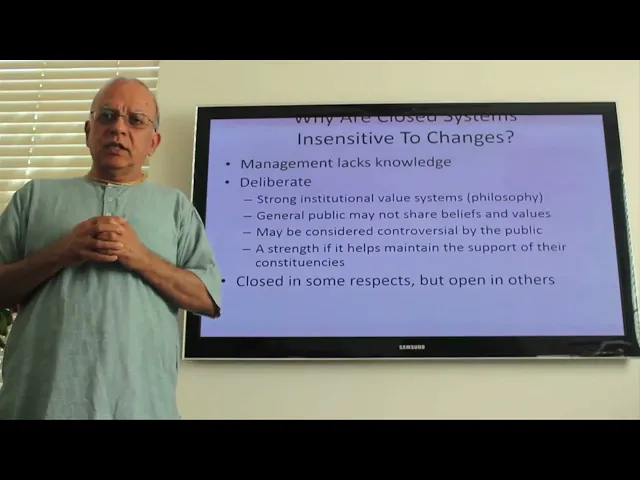
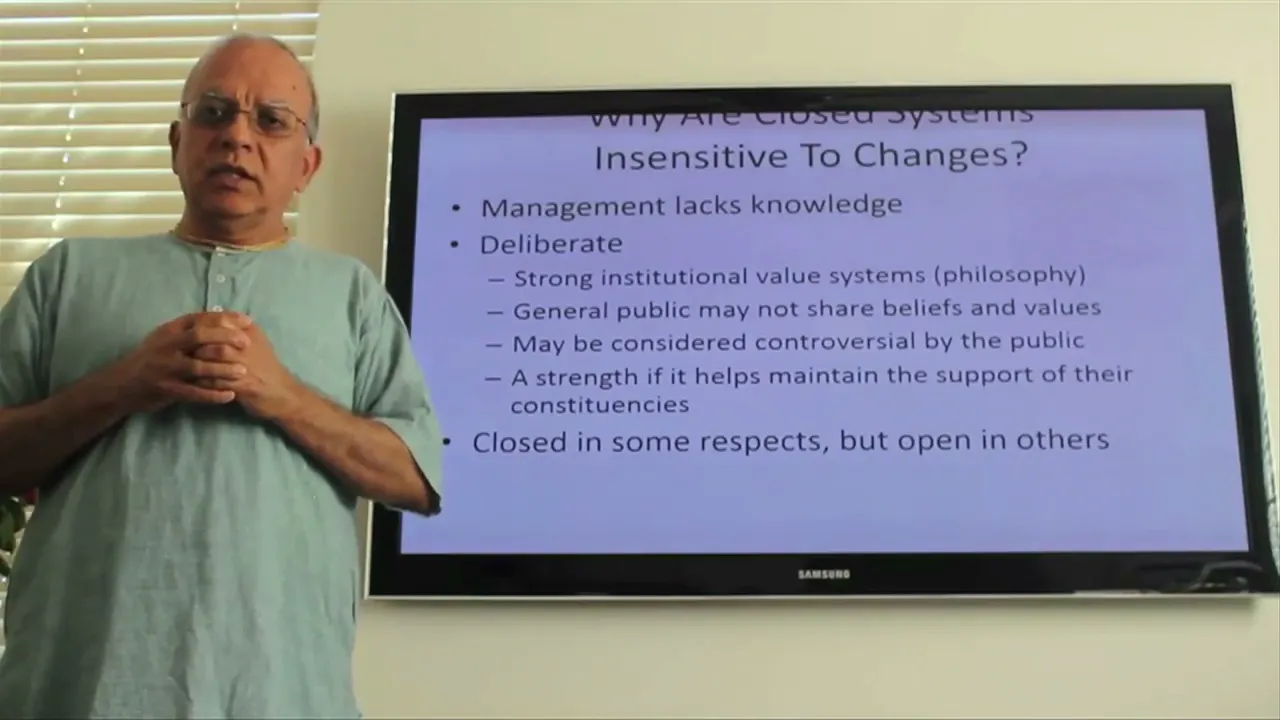
environment or we remain closed so a closed system as you know by definition is non-responsive to changes or should we walk a middle path depending upon the time place and circumstance depending on which country we are in etc we may be somewhere in the middle not fully open not fully closed so let's go to the reasons why we sometimes may choose to remain closed or insensitive to changes sometimes it may be because we are unaware of the changes in the environment we are we do not have the ability to keep track of changes in the
society we are oblivious of changes in the economy in the technology etc or as i said sometimes we may choose to ignore the changes in the society because there's a reason why we may choose to because we have a certain philosophy and that philosophy is krsna's supreme and then we follow these four regulated principles we chant the names of krishna etc so we have this strong institutional philosophy that we want to perpetuate we want to share with other people and if that becomes at stake then we may choose not to approach that section of the
society or we may choose not to adapt to that change in in in other systems so for example general public may not share some of our beliefs and values so we may choose not to go big on approaching just random people when we are fundraising sometimes some of the things some of the things that you are raising money for may be considered controversial by the public so you may not want to approach the public or certain segments of the society so sometimes deliberately ignoring or being insensitive to changes in our general environment and also sometimes
in specific environment may help to strengthen our position it may help to maintain the support of our our constituencies our close knit circles or in other words it may help us maintain the support of our regular donors it may help us to raise the maintain the support of our gbc people who are above us as well as people whom we are responsible for so for that reason we may choose to ignore certain changes or not adapt to certain changes in the n1 or as i said we may choose a middle path sometimes we may be
close in some respects but you know but open in others but we should know that when we do remain closed we run the risk of losing donations from that segment of the society of the population so how can we be effective in fundraising we should continually monitor the environment as part of our strategic development process so fundraising is not a tactic it's part of a strategic planning framework so as you already know or you will learn that in strategic planning we do environmental scan and there is a specific analysis called pest or steeple there are
different names but basically what we're doing is we are scanning our political environment we are scanning our economic environment the systems that i mentioned earlier we are so examining or scanning our sociological environment that we are a part of technological environment etc and based on that we design or we determine our fundraising strategies so we either adapt to these changes that we foresee or that are happening or that we notice witness in in other systems or we may try to change the inhospitable meaning the unfriendly elements of the environment itself i mean we are as
you know as a society we are influencing i mean as a society as ischaan society we are influencing the larger society that's how devotees come to iskcon and they adopt our values so we can do that but if we are unable to change then we should know that our zone your zone may not be able to attract support of your constituents it may not be able to attract support of the general environment that i talked about so specific environment and general environment we are targeting both of these environments to be effective in fundraising knowing well
that to attract support we need to scan both environments internal as well as external look at the trends for example in our internal environment specific environment we are becoming a congregation based society so we have to be aware of their needs we have to be aware of their values and not so much to compromise our values but to be aware of and see how we can uh we can orient ourselves to be attractive to who they are so for successful fundraising what should we do we should as i mentioned earlier we should be an open
so we should have an open orientation be open to change be always on the lookout for changes in the environment but at the same time not drift away from our mission to meet donor demands now what are these donor demands that might make you drift away from your mission from our mission for example if somebody wants to put demigods on the altar if somebody wants you to believe that krishna is not the supreme personality of god or they want to deviate from the four regulated principles and there are examples that there have been instances where
large donations were denied because those donations were considered a potential threat to our values and our continued future operation so we should be careful in accepting donations that may potentially drift us away from our mission because if we get drifted away from our basic mission then our future will be jeopardized there is a there is a reason for for our existence so our fundraising efforts should always remain in harmony with our mission and values we should not compromise our mission and values while fundraising we should at the same time so this is walking a fine
line we should at the same time include our donors and supporters in determining these strategies in in our affairs in our strategic planning so we can respond to the changing environmental needs as i said we are moving to a congregation-based model so it's very important that we keep in mind where they are coming from and what their needs are successful fundraising can also act as a catalyst for renewal and commitment what that means is it can help us it can help as a it can act as a team building exercise if we for example want
to raise funds to pay up the mortgage on our building if you have any loan on the building and we do a fundraising so it might bring the community together if they all believe in the same purpose for which we are raising funds for example recently in nepal there were earthquakes and there was fundraising done outside of iskcon through general general public so because they we share this vision with other outsiders that we want to help the victims the earthquake victims by supplying them hot meals they join hands with us and this is a this
is a way as i said we we want to expand as a society so this gives us an opportunity to reach out to people who are not part of our specific environment who are not part of our society yet you as a zone leader as his own supervisor or potential zonal supervisor what should you do you should make sure that your potential supporters persons that you're going to raise this money from they should view you as a provider of quality services now you know very well what kind of services you provide so quality services we
have defined quality before in this case especially because it's a service that you are providing quality is a function of both the receivers perception and what they get i'm sorry what they get and what they expect so perceptions minus expectations if what they get is more than what they expect then they will be a delighted supporter a delighted congregation member a delighted devotee and they will be more inspired to give you money more than what they would have given when they were when they are not inspired so it has a direct impact on fundraising to
make sure that we are being responsive you are being responsive and delivering them quality services that they expect but again remember not compromising our values and mission now the other thing we can do for being an effective fundraiser is to be effective and efficient in delivering these quality services that you have highlighted for your zone and you already know the difference between effective and efficient effectiveness when you are doing the right things delivering the right services and efficient is when we are doing it right you also make sure that your potential supporters they understand that
they accept the value system of your zone of our temple of our society because otherwise there is going to be a discord and there might be problems with fundraising if there is a discord okay so in a nutshell what is the system's theory telling us about successful fundraising that we should not remain in isolation we should consider ourselves to be a part of this bigger environment that's compar that's comprised of social system economic system political system technological system etc and we should be scanning this environment to make sure that we are aware of the trends
in these environments that might have an effect on our fundraising opportunities in the future and then i also presented that you have the choice of being an open system or being a closed system in some respects we are a closed system because we are not open to change we are not open to changing uh our values we are not open to changing our mission and some of our beliefs and but that needs to be conveyed to our potential supporters now at the same time if we remain totally closed then we will not be able to
make more devotees and perhaps not happier devotees so we need to remain open we need to engage these other stakeholders need to engage these other potential devotees if you will in this process of assessing what these trends are and how we can adapt to these trends and how we can sometimes even influence these trends in the society hare krishna