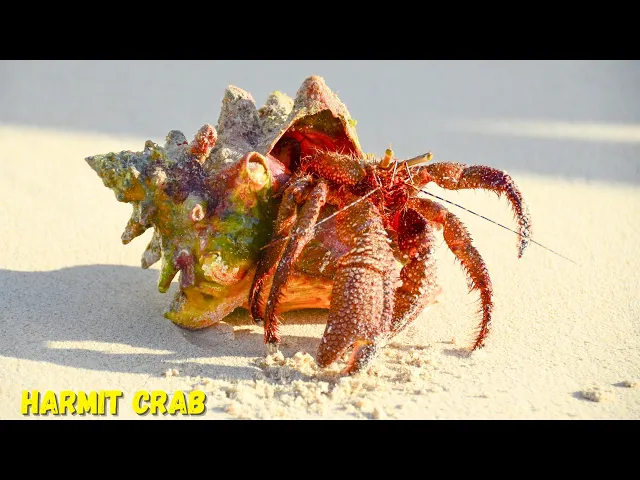
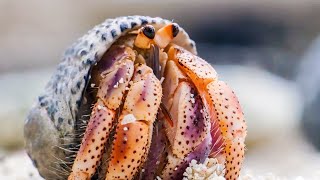
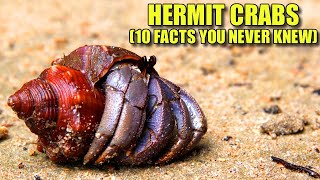
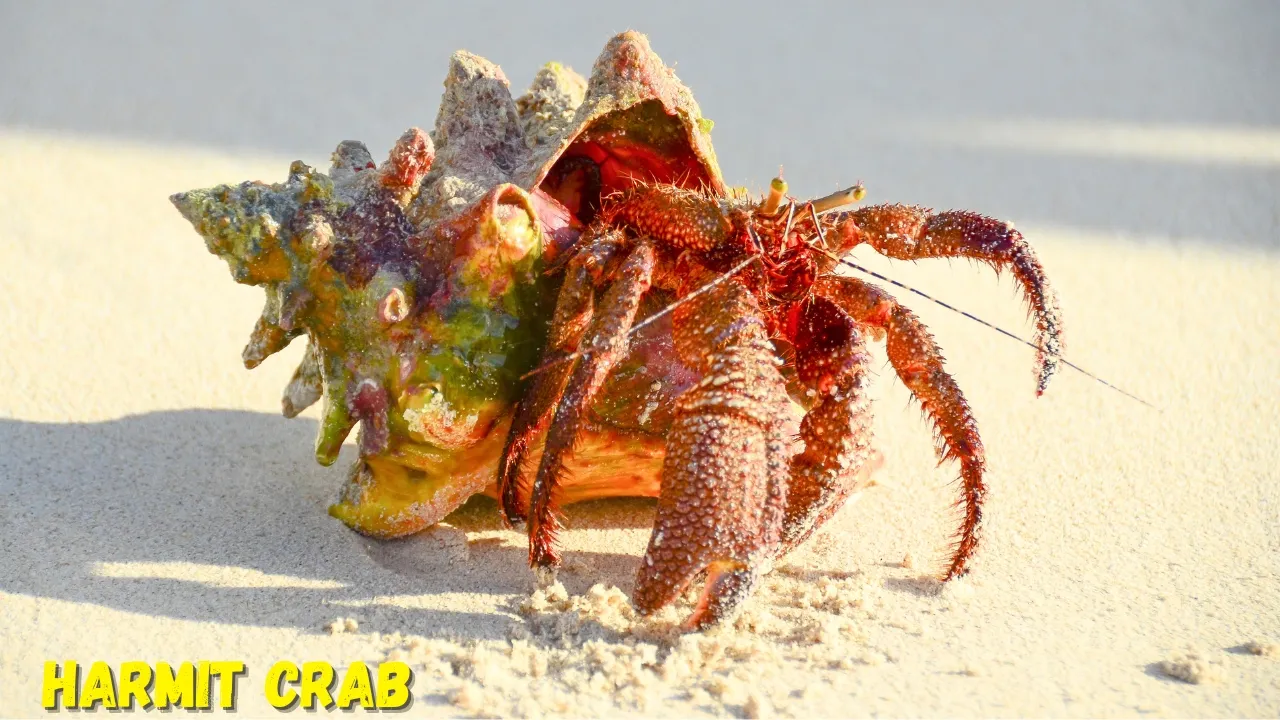
[Music] hi there welcome back to our Channel where we explore the captivating realm of animals today we're focusing on one of the most unique and Charming creatures on Earth hermit crabs these little beings are not just about their cute shells they have some truly astonishing features whether you're a hermit crab keeper an animal lover or just looking for some fun trivia you're in for a wonderful time so let's explore more about hermit crabs where they live how long they can live what they munch on and later 10 fun facts you probably didn't know hermit crabs
are incredibly adaptable creatures you'll find them in a variety of environments from sandy beaches and Rocky shorelines to Tropical forests most species are terrestrial meaning they live on land but they still need access to water to keep their gills moist so species like the Ecuadorian hermit crab are popular pets and thrive in well-maintained terrariums with the right balance of humidity and temperature hommet crabs are omnivores which means they eat both plant and animal matter in the wild they'll scavenge for fruits vegetables decaying wood and even small insects in captivity you can feed them a balanced
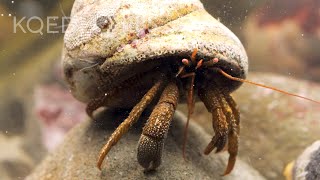
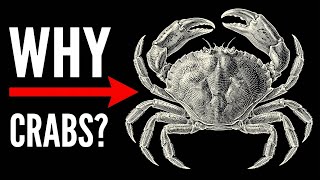
diet of commercial hermit crab food fresh fruits veggies and the occasional protein Source like boiled eggs or fish just a avoid salty spicy or processed foods they're not fans of junk food now let's begin with 10 hermit crab facts you may not know fact number one despite their name hermit crabs aren't actually true crabs they belong to the super family pidia which makes them more closely related to squat lobsters than to crabs true crabs have a hard calcified exoskeleton that covers their entire body but hermit crabs have a soft vulnerable abdomen that they protect by
borrowing empty snail shells this unique adaptation sets them apart from their crab cousins and makes them one of the most interesting crustations in the animal kingdom fact number two unlike land animals hermit crabs have gills that allow them to breathe however their gills need to stay moist to function properly which is why they require a humid environment if their gills dry out they can suffocate even on land this is why hermit crabs are often found near water sources such as beaches or Forest floors with high humidity in captivity it's essential to maintain the right humidity
levels in their enclosure to keep them healthy fact number three hermit crabs are surprisingly social animals in the wild they often live in large groups called crabitat where they interact communicate and even help each other find food and shells this social behavior is especially evident during shell exchanges where they work together to ensure everyone gets a suitable home in cap AC it hermit crabs Thrive when kept in pairs or small groups as isolation can lead to stress and health issues fact number four hermit crabs can live for an impressively long time some species can reach
30 years or more however their lifespan in captivity is often much shorter typically ranging from 5 to 15 years depending on the care they receive proper habitat setup including the right humidity temperature and diet is crucial for their longevity sadly many hermit crabs don't reach their full lifespan potential due to common care mistakes so it's important to do your research if you're considering them as pets fact number five hermit crabs are opportunistic eaters and will consume just about anything they can find in the wild their diet includes fruits vegetables decaying wood algae small insects and
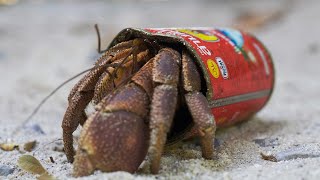
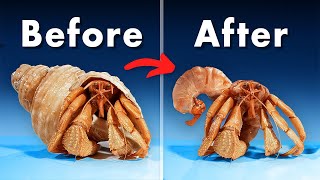
even dead animals this Scavenging Behavior makes them important cleaners in their ecos systems just avoid salty spicy or processed foods as these can be harmful to them if you loving this video please do not forget to subscribe and press the Bell icon so that you never miss our future Explorations fact number six hermit crabs don't grow their own shells instead they rely on empty shells from snails and other mollusks to protect their soft abdomen as they grow they need to find larger shells to move into which can lead to some fascinating behavior when a hermit
crab finds a new shell it will inspect it thoroughly often trying on multiple shells before settling on the perfect fit sometimes if a new shell becomes available multiple hermit crabs will line up in size order to swap shells in a process called a shell exchange chain it's like a real life game of musical chairs fact number seven hermit crabs are found in a wide range of habitats across the globe from tropical beaches and Rocky Shor lines to dense forests there are over 800 species of hermit crabs and each has adapted to its specific environment some
species like the Caribbean hermit crab are primarily marine and live in the ocean While others like the Ecuadorian hermit crab are terrestrial and live on land their adaptability and wide distribution make them one of the most diverse groups of crustaceans fact number eight one of the most incredible abilities of hermit crabs is their capacity to regenerate lost limbs if a hermit crab loses a leg or claw due to injury or a predator attack it can grow it back during its next Mt molting is a process where hermit crab shed their exoskeleton to grow a new
larger one during this time they can regenerate lost body parts although it may take several molds for the limb to fully regrow this remarkable ability helps them survive in the wild where injuries are common fact number nine hermit crabs may seem quiet but they're actually quite vocal they can produce chirping or croaking Sounds by rubbing their legs together or against their shell these sounds are a form of communication and are often used to establish dominance attract mates or signal distress if you've ever heard your pet hermit crab making noise now you know why it's their
way of talking to you or their tank mates fact number 10 hermit crabs play a vital role in their ecos systems as scavengers by feeding on dead plants animals and other organic matter they help keep their environment clean and recycle nutrients back into the ecosystem this makes them important contributors to the health of beaches forests and other habitats where they live without hermit crabs these environments could become cluttered with decaying material disrupting the balance of nature as mentioned earlier hermit crabs can live for decades in the wild but their lifespan in captivity often of depends
on the care they receive proper housing diet and humidity are key to keeping these little guys happy and healthy sadly many hermit crabs don't reach their full lifespan potential due to common care mistakes so if you're a hermit crab owner make sure to do your research and there you have it everything you need to know about hermit crabs from their unique shell swapping habits to their surprisingly long lifespans these little creatures are truly one of a kind whether you're thinking of getting a hermit crab as a pet or just love learning about amazing animals I
hope you enjoyed this deep dive into their world if you found this video informative don't forget to hit that subscribe button and ring the notification Bell so you never miss out on our Wild Adventures and hey drop a comment below tell us your favorite hermit crab fact or share your experiences with these fascinating Critters thanks for watching and until next time stay curious [Music]