welcome back everybody so glad to have you here with us again today we have a really cool collection of research all about how nature can impact our well-being yeah especially in like hospitals and schools and fascinating stuff yeah we're really going to get into it um absolutely like looking at the design side of things too the design the why the how the possibilities it's all here it is it's all here we've got studies Frameworks even real world examples you're ready we're going deep on biophilic design I'm ready okay good I have to say some of
these step are pretty mindblowing like oh yeah there's one it's from way back in 1984 but it found that people recovering from surgery H if they had a view of like trees in nature yeah healed faster than the people just staring at a brick wall isn't that interesting that's incredible so like nature actually speeds up healing it's pretty remarkable that study by oric really kickstarted a lot of research in this area and since then we've discovered that just looking at nature can lower our stress hormones things like cortisol oh wow and you know less stress
means better mood better sleep and as that study showed even faster physical recovery so it's not just about like feeling good there's actually just a feel it science behind it there's real science backing this up yeah that's amazing okay and then there's some research here about using VR oh yeah to like bring nature scenes to ICU patients right those folks are often really stuck inside what do you think about that could VR actually help people recover it's an interesting idea right using Tech to connect with nature yeah but the studies suggest that it can offer
this sort of mental escape and that can be so important especially in a sterile stressful environment like a hospital I mean for sure you're stuck in the hospital you can't get outside if you can at least see it right maybe that helps and it's still a new area of research yeah but I think VR holds a lot of promise for people who can't physically get Outdoors for sure okay and get this it's not just what we see in nature that matters it's also what we hear like there's all this research showing that just listening to
Nature Sounds things like birds singing ocean waves even just gentle rain can actually reduce pain wow and help people sleep better in hospital Well's think about it we evolved in nature our brains are wired to find those sounds calming and reassuring yeah that's true they signal safety and peace which helps our bodies relax and heal it's like a a natural loli exactly makes total sense but then it's like why aren't we using these sounds more in healthcare but like also just in our everyday lives yeah it's a missed opportunity simple but powerful integrating those soundscapes
into hospitals offices homes it could really make a difference for our well-being absolutely okay so we talked about healing but what about learning there's a ton of research here about how nature can impact kids right and it's pretty fascinating like one review highlighted how access to Green spaces even just Parks trees little gardens is linked to better mental well-being in kids it makes sense and you know it's not just about seeing those spaces it's about actually experiencing them firsthand you know climbing trees building forts getting your hands dirty in the dirt right that Hands-On interaction
that's where the real magic happens when kids engage all of their senses in nature they connect with it on such a deeper level it's like nature becomes this big playground exactly for their bodies and minds and what's interesting is that research suggests that kids from disadvantaged backgrounds might benefit even more from nature H makes you wonder if nature could be a tool to help address Health inequities yeah that's such an important point if we could create more green spaces and underserved communities it could have such a positive impact absolutely okay let's zoom out a bit
and look at the bigger picture we've got a whole stack of research here on biophilic design that's like how we can incorporate nature into the design of schools and workplaces right there's a real Art and Science to integrating nature into our buildings wouldn't you say absolutely it's more than just adding a few plants here and there it's about understanding the principles of Nature and then thoughtfully weaving them into our built environments and one key concept that kepts popping up is this idea of mediated spaces mediated spaces what does that mean so think about spaces that
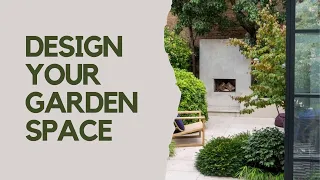
kind of blur the lines between indoors and Outdoors like a sundrenched Atrium filled with plants or a classroom that opens up right into a garden oh interesting it's about creating spaces that feel connected to Nature even though they might technically be inside oh I see it's like bringing the outdoors in exactly and now I'm picturing some of those amazing examples from the K studies like green Walls and living roofs yeah buildings that almost look like they're growing out of the landscape pretty incredible what Architects and designers are doing these days it's really inspiring isn't it
but it's important to remember that it's not just about Aesthetics right it's about designing spaces that really support how we live how we learn how we work and how we heal so it's like thinking about the whole experience the whole experience not just what it looks like exactly looking at all this research one thing that really stands out to me is this focus on engaging all of our senses yeah it's not just about visual Beauty it's about the sounds the smells the textures of nature that's so important how can we bring more of those multisensory
elements into our own homes and communities you know it doesn't have to be complicated even small changes can make a difference a few house plants a window box with some herbs even just a bird feeder outside your window oh yeah these are all simple ways to invite nature into your everyday life I like that and there's some research here that talks about using local plants right in biophilic design connecting with the nature right outside our door yeah but how can we make sure that biophilic design is also good for the environment that's a crucial point
we don't want to harm the environment while trying to connect with it right exactly it's about being Mindful and making conscious choices so things like CH choosing native plants considering biodiversity and using sustainable Landscaping practices those are all key elements okay that makes sense I'm realizing there's so much more to this than I thought it's a whole field it's not just about Aesthetics it's about creating spaces that are good for us and good for the planet that's the goal awesome this has been such a great overview so far I feel like we've just scratched the
surface oh there's so much more to uncover what will we discover next let's find out yeah there's so much more we can get into it's fascinating we're starting to understand like the mechanisms behind why nature is so good for us it's not just this vague feeling there are actual like physiologic IAL change and psychological changes happening so is it all in our heads it's not just in our heads There's real science to back up those Good Vibes exactly and researchers are even starting to try to quantify what they call the minimal effective dose of nature
like how much exposure do we actually need to see those benefits and that has huge implications for design like how we design everything from hospitals to cities wow okay I'm definitely intrigued yeah let's talk more about those design Frameworks what kind of things do they focus focus on what are some of the principles well there's one framework that focuses specifically on schools and it emphasizes creating spaces that spark wonder and exploration for kids so think classrooms with big Windows views of nature natural materials like wood and stone maybe even interior Courtyards where they can get
their hands dirty I remember one study talking about Prospect and refuge in design what is that all about ah yeah that's a really fascinating concept that has roots in our evolutionary past so Prospect refers to those spaces with open views you know like a a meadow or a Hilltop where we can see our surroundings feel safe on a mental all clear exactly and then Refuge is the opposite so it's those enclosed spaces that offer a sense of protection and privacy like think cozy Nooks or the canopy of trees even just like a comfy armchair and
a well-lit corner we need both of those things to truly Thrive yeah it's that feeling of curling up in a cozy cabin when it's raining outside but also being able to go out and see the vastness of the sky exactly we need both of those perspectives and biophilic design really tries to balance those elements bringing both Prospect and refuge into our buildings into our cities that makes me want to rethink my whole apartment it's about our deeper psychological needs not just making things look pretty right and speaking of looks another principle is incorporating natural shapes
and patterns things like fractals those repeating designs we see everywhere in nature like ferns snowflakes even coastlines bringing those into our designs can create a sense of visual Harmony so even if I can't have a forest in my living room right I can still bring those elements in through the design exactly and don't forget about the power of daylight oh yeah our bodies really crave natural light cycles and when we don't get enough of it our sleep our mood even our immune system can suffer right so biophilic design tries to maximize natural light whether through
Windows skylights or just cleverly designed spaces you know I always feel so much better when I spend time outside but I never really thought about the light specifically yeah it's like my body is literally soaking it up it's amazing how in tune our bodies are with nature yeah even when we don't consciously realize it yeah and with daylight often comes better air quality as well true so opening a window isn't just about fresh air it's bringing a bit of the outdoors inside exactly and natural ventilation combined with things like green Walls indoor plants yeah can
actually purify the air and improve our health we need to rethink how we design everything it's about creating those healthy spaces for sure okay and what about materials like think about the difference between walking barefoot on cool stone or grass yeah versus like a hard synthetic floor big difference biophilic design favors those natural materials wood Stone bamboo they just feel better yeah they feel better and they're better for the planet and they often have a lower envir environmental impact too it's about creating spaces that are good for our health and good for the planet a
win-win exactly sustainability and well-being go hand in hand you know one concept I keep seeing come up is this biophilic urbanism oh yeah it's like taking all of these principles and applying them to entire cities H that's the idea what does that actually look like so it's about creating cities that are truly integrated with nature think abundant green spaces Parks woven into neighborhoods green corridors that connect different parts of the city buildings with living walls rooftop gardens those to have concrete jungles we'd have like Urban ecosystems exactly biophilic urbanism is about recognizing that humans are
a part of nature not separate from it and when we design our cities with that in mind we create healthier more resilient more joyful places to live I love that idea but how do we actually get there it seems like such a big shift it does require a change in mind but honestly it's already starting to happen in cities around the world Singapore is a great example they're famous for their green infrastructure vertical Gardens Sky Parks they even have a super tree Grove yeah other cities like Copenhagen Vancouver they're prioritizing bike paths green spaces walkable
neighborhoods there are real examples we can learn from exactly and it's gaining momentum that's great more and more cities are realizing that investing in nature is essential yeah for a health and vibrant future this gives me so much hope for our cities it's exciting stuff what else is hiding in this research let's so before we were talking about like biophilic cities yeah such a cool concept bringing nature and urban life together yeah and it's really exciting to see it actually happening we're seeing Urban Farms popping up and these green corridors buildings with living walls rooftop
gardens it's pretty awesome it's like the idea is we need to weave nature back into our lives absolutely no matter where we live it's fundamental to our well-being City Village doesn't matter okay but let's be realistic not everybody has like a big backyard or a balcony right to create their own little nature Haven yeah what about people in apartments or those dense urban areas any tips for them you know it really is about those small doable steps even just one house plant can make a difference for your mood for the air quality you can make
a little indoor garden on a window sill or just using natural materials yeah like wood and Stone in your Decor those are great ideas but what about those of us who well don't have a green thumb I've managed to kill a cactus you laugh there are some super low maintenance options out there oh okay like snake plants ZZ plants they can handle a bit of neglect hm okay maybe I could keep one of those alive you can do it all right I'll try Switching gears a bit what about technology you know we're spending so much
time inside staring at screens right is there any way use Tech to like bridge the gap and connect with nature that's a really interesting question and it's something researchers are definitely looking into okay there's growing evidence that even virtual nature experiences can be beneficial really like what things like watching Nature Documentaries or listening to calming nature sounds even video games that have natural settings so even if we can't physically be in nature yeah we can still get some of those benefits it's not a perfect replacement for the thing right but it can be a helpful
addition I know I find those videos of ocean waves or like bird song super calming when I'm stressed yeah it makes sense those sights and sounds they tap into our evolutionary history and they trigger that relaxation response it's like a little dose of nature therapy on demand exactly and as technology keeps evolving we can expect to see even more creative more immersive ways to connect with nature virtually that's pretty amazing yeah it's like who knows what the future holds right it's it's exciting okay so as we wrap up this incredible exploration into the world of
biophilic design yeah what's the one key takeway you want our listeners to remember nature is not a luxury it's essential our connection to the natural world it's fundamental to our health our happiness our ability to really Thrive I love that so whether it's designing our spaces with nature and mind or just taking a moment each day to appreciate the beauty around us yeah let's all make an effort to nurture that connection it really is a gift absolutely cheers to that thanks for joining us on this journey everyone it's been a pleasure keep exploring the Wonders
of Nature and we'll see you next time