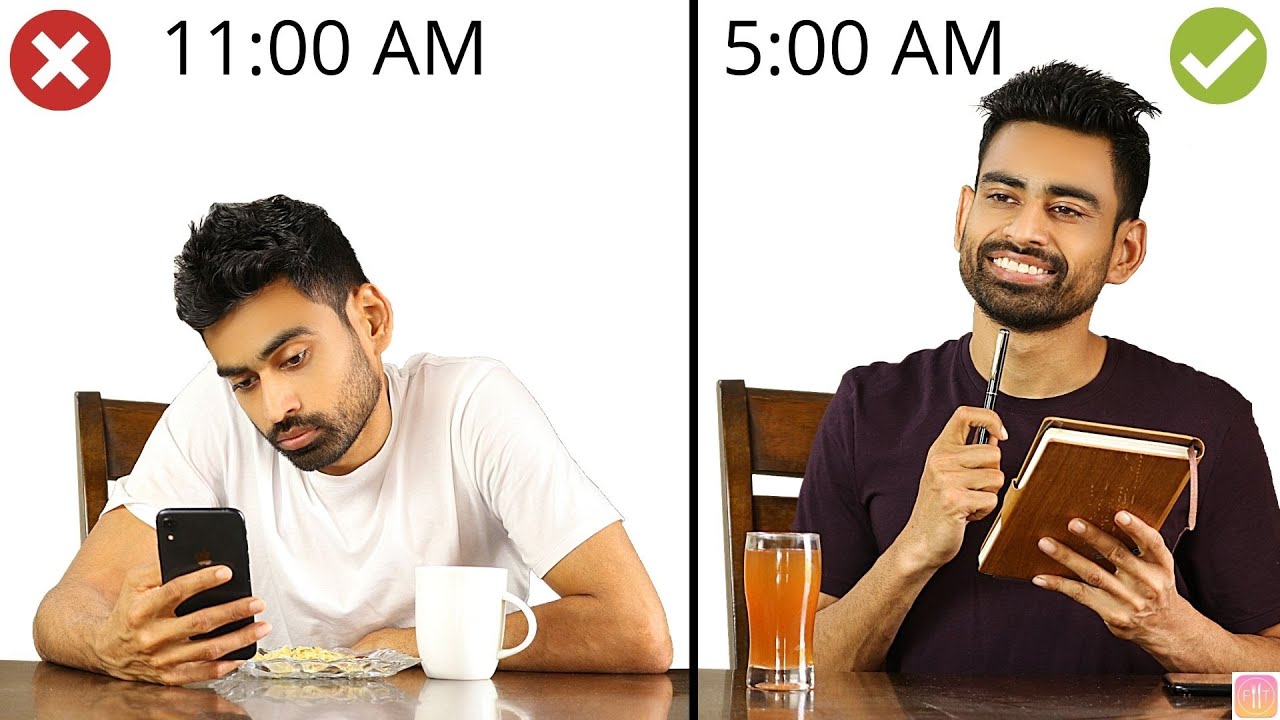
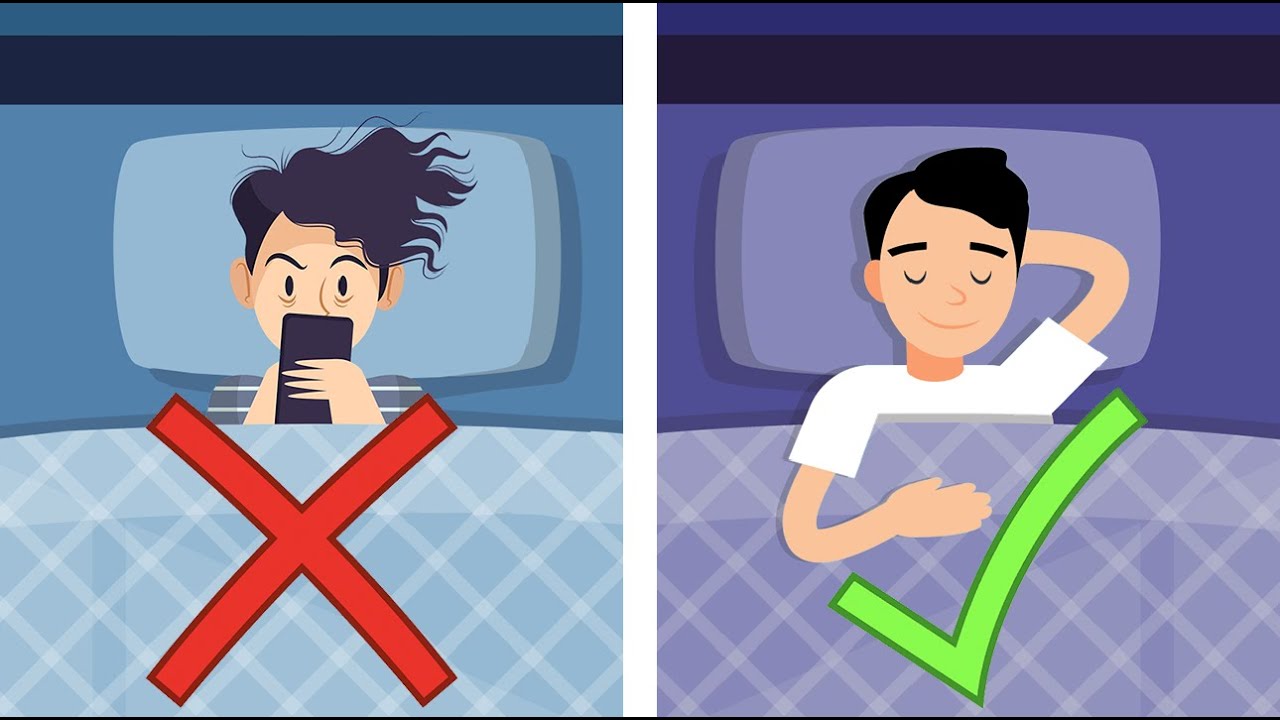
what if I told you there's a way to wake up incredibly early without feeling like garbage if you dread your alarm clock every morning this video is for you DrJubal med school insiders. com we're updating our previous how to wake up early video because over the past 5 years I've learned all I can about getting quality sleep you might say I'm obsessed with it and that's because I struggled to sleep effectively for many years of my life I believed like so many of us that I was doomed to have insomnia and be a night owl and that was that in reality I discovered the real problem was entirely behavioral and environmental here are five sleep strategies that will have you waking up on the right side of the bed no matter how early you have to get up first let's start off with the number one thing I've learned about sleep over the past 5 years cool down your body before bed temperature plays a major role in regulating our circadian rhythm the pineal gland in the brain releases more of the sleep hormone melatonin as your body body lowers in temperature set the temperature lower in your home by 1 to 3° in the evenings this may cost a little more on your AC bill in the summer but it's worth it plus you'll recoup some of that by setting your heater lower in the winter cooling down your bedroom facilitates a decrease in body temperature as you approach sleep making the room cold and piling on the blankets is much better than keeping the room warm blankets give you options when the room is cool you can stick a limb or two out from under the covers to cool down without a blanket you're unable to regulate meaning you may be stuck feeling warm unable to cool down which makes it much more likely you'll wake up in the middle of the night I also shower before bed because being in a warm shower actually cools your body as it compensates for the environmental change such as through Vaso dilation to allow the environment to extract more heat the water evaporating off your body as you exit the shower also cools you evaporative cooling also occurs whenever we sweat which is why using a sauna before bed can also be helpful the opposite is also true do not take a cold shower or ice bath before bed as your body will undergo compensatory warming mechanisms like vasal constriction making it difficult to fall asleep when you get into your comparatively warmer bed in the morning set the temperature to rise 1 to 3° before you want to wake up reducing the amount and type of light you're exposed to at night will also help you sleep as the sun setting used to be a biological sign for bedtime the blue light from TVs phones computers and other screens tells your brain that it's bright outside and messes with your circadian rhythm blue light triggers the photo receptors in our retina to send a signal to our brain to suppress the release of melatonin this seriously hinders our ability to fall asleep limiting screen time in the 60 to 90 minutes leading up to your bedtime will help you fall asleep faster and increase the quality of your sleep in short that means you feel better when you wake up ideally you don't want to use your phone at all leading up to bedtime but that's not always an option to limit the impact blue light has on your circadian rhythm lower the brightness on your screen and make it warmer there are built-in apps on newer devices that will do this for you like night shift on Mac OS and iOS or night mode on Android I've programmed my smart lights to automatically dim and turn red in the evening red light doesn't stimulate the blue light receptors when the light in my home changes from yellow to Red it reminds me to start my night routine without this kind of automatic reminder you leave your bedtime up to whims and circumstances I used to set an alarm on my phone for when it was time to wind down but I found the alarm was annoying and not all that motivating the angle of the light around you also affects your circadian rhythm if a light is low then it hits the top of your retina if it's high it hits the bottom of your retina when the bottom of your retina is stimulated from above light such as by overhead lights or the sun it stimulat Ates the Circadian rhythm to reinforce wakefulness but lights low to the ground such as a fire on the ground from our hunter gatherer times hit the top of your retina which doesn't have the same impact so making lights dim red and low to the ground is ideal floor lamps or night lights with warm yellow light or even better red light as you approach bedtime are best especially if you have to go to the bathroom in the middle of the night turning on a bright white bathroom light is the worst thing you can do as you'll be signaling to your body that it's time to wake up for the day the red light might look a little creepy at first or make you think Xenomorphs have just cut the power but at least you'll maintain your circadian rhythm when it's time for bed the red lights go off for Sleep the room should be pitch black invest in blackout curtains if street light or daylight depending on your sleep schedule creeps into your bedroom if you struggle with sleep get ruthless about light exposure even the small charging lights or onoff indicators on any device in the bedroom should be taped over with electrical tape black stickers designed for this purpose are cleaner than tape and are available on Amazon and my favorites are linked below next expose yourself to natural light in the morning I use Philips Hugh smart lights that I programmed to mimic Sunrise instead of a blaring alarm clock or phone chime this is particularly helpful when waking up before actual Sunrise but it doesn't substitute natural morning light exposure since these lights don't get anywhere near bright enough the second step to utilizing natural light in the morning is actually going outside and being exposed to it getting direct bright sunlight in the morning is essential to reinforce your circadian rhythm while at night our receptors are highly sensitive and even a little bit of light can derail us in the morning we are less sensitive and require the higher light intensity from the Sun this is foundational for both setting your sleep on set time later that evening and stimulating focus and alertness during the day plus there is the added benefit of raising your body temperature aim to expose yourself to direct natural light within 30 minutes or less after waking to stimulate a cortisol rise early in the day which again reinforces your circadian rhythm roughly 5 minutes in the morning is enough on sunny days and on cloudy days do 10 minutes don't stay out in the sun too long or look directly at it so you don't damage your skin or eyes the backbone of all of this advice is building a solid bedtime routine that you stick to every day whether or not you get quality sleep and feel refreshed in the morning and focused throughout the day depends on this routine what your routines look like will vary according to what works best for you but there are some basic science back principles to follow choose restful activities and avoid anything that exposes you to blue light or stimulates your sympathetic nervous system you could have all of your screens dimmed and be wearing blue light blocking glasses but if you're playing a video game or solving complex practice problem problems it defeats the purpose of winding down various forms of mindfulness and meditation are perfect for before bed just like cooling your body before bed meditation and deep intentional breathing also help to activate your parasympathetic nervous system making it easier to relax and fall asleep my mind used to race at night and I know that's a common problem for many of you journaling with pen and paper before bed helps slow my mind down by jotting down the thoughts and plans I had racing through my head I was able to trap them on the page and free my mind reading is another great habit for close to bedtime just make sure you're reading real physical books or ensuring you have your Kindle set to dim warm light I find fiction works better than non-fiction as non-fiction can sometimes be overly stimulating and get me motivated or inspired working against the intent to relax however you build your bedtime routine remember to do anything potentially wakeful before you begin such such as washing your face and brushing your teeth there's no point meditating before bed if you're going to Splash cold water on your face right after and in addition to a consistent bedtime routine keep in mind that successful sleep hygiene occurs throughout the day your bed is only for sleep and sex don't eat study use your laptop or watch TV in bed or you will subconsciously associate your bed with wakefulness when you wake up build going outside and getting natural light exposure into your morning routine you may be far from bedtime but exposing yourself to sunlight within the first hour of waking will have a direct impact on your Sleep Quality later that night avoid stimulants in the late afternoon and evening caffeine late in the day will likely be more trouble than it's worth the average halflife of caffeine is 5 hours and the range is 2 to 12 hours it depends on how fast you metabolize caffeine and your sensitivity to the drug everyone is different ideally you also shouldn't be consuming caffeine on a daily basis as you'll develop a tolerance it's better to cycle your caffeine consumption to optimize the boost for when you need it most videos on how to consume caffeine correctly Linked In the description I personally avoid caffeine after 1 or 2: p. m.
in the afternoon again experiment if you're having trouble falling asleep or feel you're getting poor quality sleep it could be because you need to stop consuming caffeine earlier in the day but the key to a bedtime routine is doing it every day you need to condition both your body and mind to recognize and interpret certain signals such as dimmed lights as being time for bed it's essentially pavlovian conditioning the more you practice your routine the more your body will respond instinctively to bedtime cues and the more effective it will become we saved the big one for last be consistent with your bedtime and wake time this point is by far the hardest to adopt but it's the most key factor in streamline planning your sleep process first determine what time you have to wake up in order to get to school or work on time next subtract the number of hours of sleep you'll need ideally you should be getting 7 to 9 hours each night but let's be honest that can be a challenge especially if you're a medical student or resident and keep in mind sleep doesn't begin the moment you get into bed it takes time to fall asleep and wake up and there may be moments of wakefulness at night Factor this into your calculations if you have a sleep tracker it will give you insight into the time you actually spend sleeping allocate more time than you think you need everyone's life circumstances are different there were times in my medical training when I was only able to get no more than 4 hours a night for 2 weeks in a row sometimes I got 6 hours and in other rotations I was able to get eight or nine figure out what works best for you based on your circumstances and you won't get everything perfect which is fine try to stack as many strategies as possible to increase your odds of success obsessing and stressing over sleep will just make restful sleep harder understand it's not going to get fixed overnight no pun intended and it's a process to develop with intention over the long term unless you're on call or do inconsistent shift work and you're required to wake up at different times once you've determined your bedtime and wake time stick to that every day you're going into class the hospital or the workplace even if some days you don't have to get up as early stick to your original schedule and use that extra time in the morning to get work done this will make the entire chore of waking up early that much more bearable because in essence you're never getting up early you're getting up at the same time you always get up for example on a surgical rotation once a week you'll go in an extra hour or two early because you'll have a grand rounds conference in the morning fun fact this is usually the only day of the week you're required to dress up every other day you'll be wearing scrubs instead of fluctuating your wakeup time to account for this one day of the week you have to wake up earlier wake up at that earliest time every day there is plenty you can do with that extra time in the morning I used to get to the hospital pre- Round then pump out some ay cards or get started on my reading for the day this helps to set a rhythm you're getting up and going to work at the same time every day now technically you should be doing this on weekends as well for optimal result results but you probably have a semblance of a life you're trying to live and waking up at 4:00 a. m.