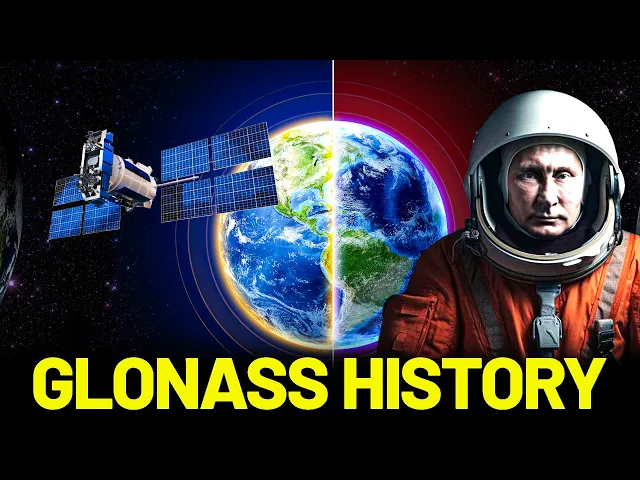
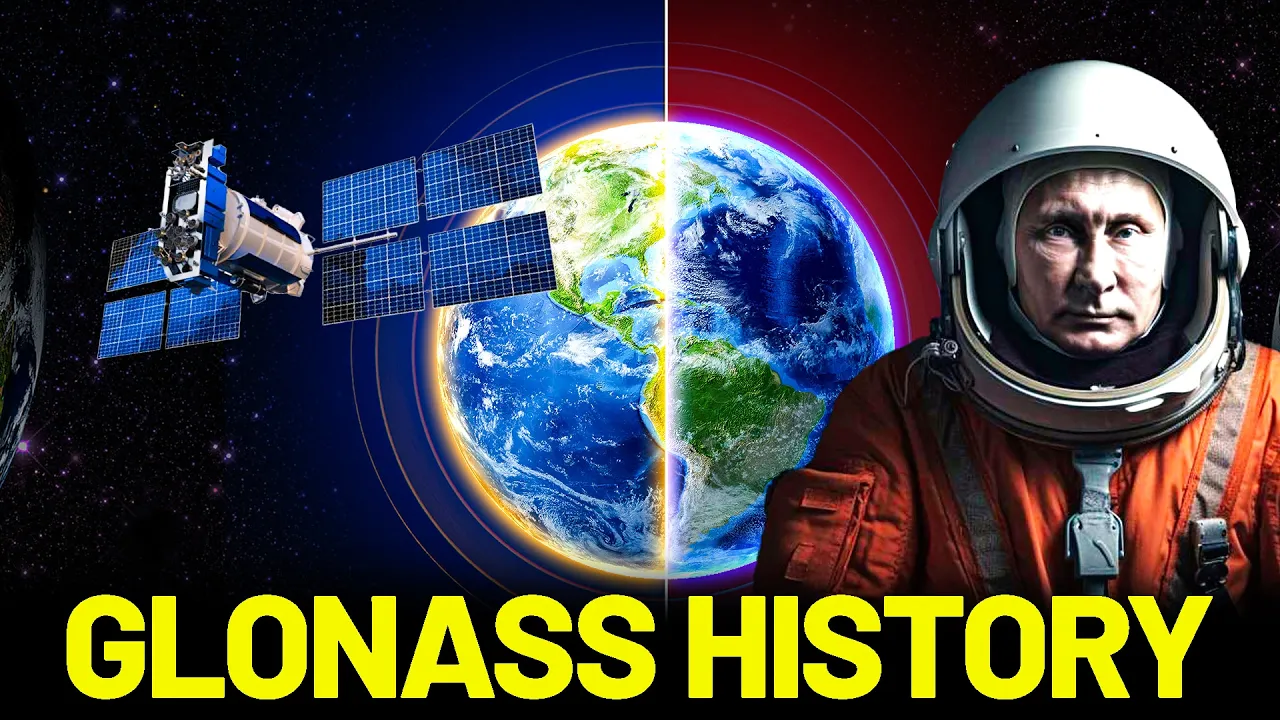
in today's video I want to do a bit of a history lesson and analyze how a certain technology made names like soia ashte Trimble Javad promark and many more household names in the surveying industry and that is glown as so last time we looked at GPS and in today's video we're going to do a bit more of a deep dive on gloz and how it changed the way we surveyed so before we can understand why those names that I mentioned became such a big deal in the surveying space we need to understand where gloz came
from and to do that we got to head back to the Cold War and specifically the early 1950s and 60s where we see the beginning of the Space Race as we all know the Soviets beat the Americans to space with sputnick and this set off a chain of events that eventually led to the development of these gnss systems we see now so when we deploy Sputnik and we send a satellite for the first time into space as a human race we start to see the potential of what can happen if we put a radio signal
on one of these satellites and the power of what we can do with it because we can use that radio signal to observe where sput is in the sky which means we can probably use that radio signal to figure out where we are on the earth so using that idea the Americans begin developing GPS and what we see is the deployment of GPS is a weapon of War it's used for military navigation for weapon deployment for all sorts of different technology on the military side of things and less so for the civilian side of things
now if you're a burgeoning superpower locked in a deadly struggle for World Supremacy you're going to need a response to that so in response to GPS the Soviets begin developing what is called glowz now I'm not a native Russian speaker so I'm not even going to try to pronounce the acronym here so you can see it below on screen but the Americans beat the Soviets to space with their positioning technology and this is a big Advantage for a number of years before the Russians can respond now the Russians do develop some local systems and some
low orbit systems but they don't have a global system quite like GPS until the early 1980s which is coincidentally when this whole positioning technology changes fundamentally so as we saw in my last video which I'm going to link to in the top right corner with the shooting down of a Korean Airlines flight we see the widespread deployment of gnss Technologies as a civilian tool now gloz as I mentioned was a little bit behind GPS so it took a longer to get to Market but as we see the Cold War start to end and the kind
of thawing of this cold war we begin to see both sides start to use each other's Technologies and integrate each other's Technologies into different forms of equipment if you like this type of content you want to learn more about surveying maybe the hemisphere s631 or anything to do with GPS technology hit the Subscribe button down below or sign up to our newsletter in the description it's with gloz that really allows us to take this rtk revolution to The Next Step without gloz we never would have been able to get to the step and in fact
the presence of glz arguably inspired people like the European Union to implement Galileo and the Chinese to put up B which is another and will be another video but another revolutionary step in rtk technology now with its illustrious beginnings and it being so important to the history of surveying gonaz is kind of falling to the Wayside as we get those aformentioned constellations active so beu and Galileo have both totally eclipsed the capabilities of gloz and that's simply because Russia is no longer the Soviet Union it doesn't have the same economic power to put the same
level of investment and spending in infrastructure development into putting up a modernized glown as system they're trying there's this glown as K program that are putting up some modernized signals but that's running into some issues so with the Russian invasion of Ukraine in February 2022 we saw International sanctions be brought against the Russian government now this is arguably good for the people of Ukraine however what this means is that the Russians aren't able to get the same Western computer chips that they are using in a lot of their advanced technology so for their advanced technology
like planes boats aircraft trains cars anything that they're building domestically they were using a lot of Western technology they can't bring that in anymore so this has put a damper on some of these modernization efforts which means as more and more time passes and the more and more these sanctions remain in place we're going to start to see a decrease in capability relative to the other systems it's still going to give us the information we need to get a solution but it's not going to perform as well under trees near buildings anything like that which
we might see some adverse conditions if you have a glown as only receiver it's going to perform the worst out of the other three constellations so unfortunately what we're seeing is gloz kind of Fading Into the background of our gnss technology which is really too bad from the beginnings that it brought us and the names that it kind of rose up in the space with over time with that being said it's important to remember you know these conflicts won't last forever these sanctions probably won't be around forever and I'm sure the Russian economy will recover
to some extent that we will see a continuing investment in this glown as technology and hopefully the restoration to what it kind of rightfully is is one of the great achievements of the 20th century and something that has changed the way we survey