if you're considering starting a ketogenic diet to treat mental illness or psychiatric symptoms you may want to prepare ahead of time with tips to make it easier in today's video we'll go over the pro tips from the experts who've been there and have worked in the field for decades to help you set yourself up for long-term success with maintaining a a nutritional ketosis program well here are their top tips and what they see as the most significant challenges and talk about the timing of starting nutritional interventions and even get into the responses when someone says
the diet is too challenging or too restrictive I love some of those answers so so I hope you'll find them helpful but first welcome back to metabolic mind where we're working to revolutionize the treatment of mental illness by providing information and resources at the intersection of metabolic health and mental health I'm Dr Brett Sher metabolic mind is a non-profit started by Roblox founder David bazuki and his wife Jan after their son Matt sent his psychiatric symptoms into remission with a metabolic intervention nutritional ketosis our goal is to help families like theirs learn about this new
approach to treating mental disorders and to offer a message of hope that freedom from the burden of mental illness is possible now if you haven't already I encourage you to watch our prior video where we go over the four main areas of concern when treating mental illness with a ketogenic diet as a quick review those four main concerns are the keto flu changes in medication levels sleep alterations and changes in energy and that's why working with an experienced professional is so important now also our channel is for informational purposes only we're not providing individual or
group medical or Health Care advice or establishing a provider patient relationship many of the interventions we discuss can have dramatic or potentially dangerous effects if done without proper supervision so consult your health care provider before changing your lifestyle or your medications therapeutic nutritional ketosis or simply starting a ketogenic diet is a powerful health and medical intervention that can change your body's metabolism and can dramatically alter brain function medication levels sleep patterns and energy levels and other physiologic functions if you have a psychiatric diagnosis or symptoms or take psychiatric medications you should not start a keto
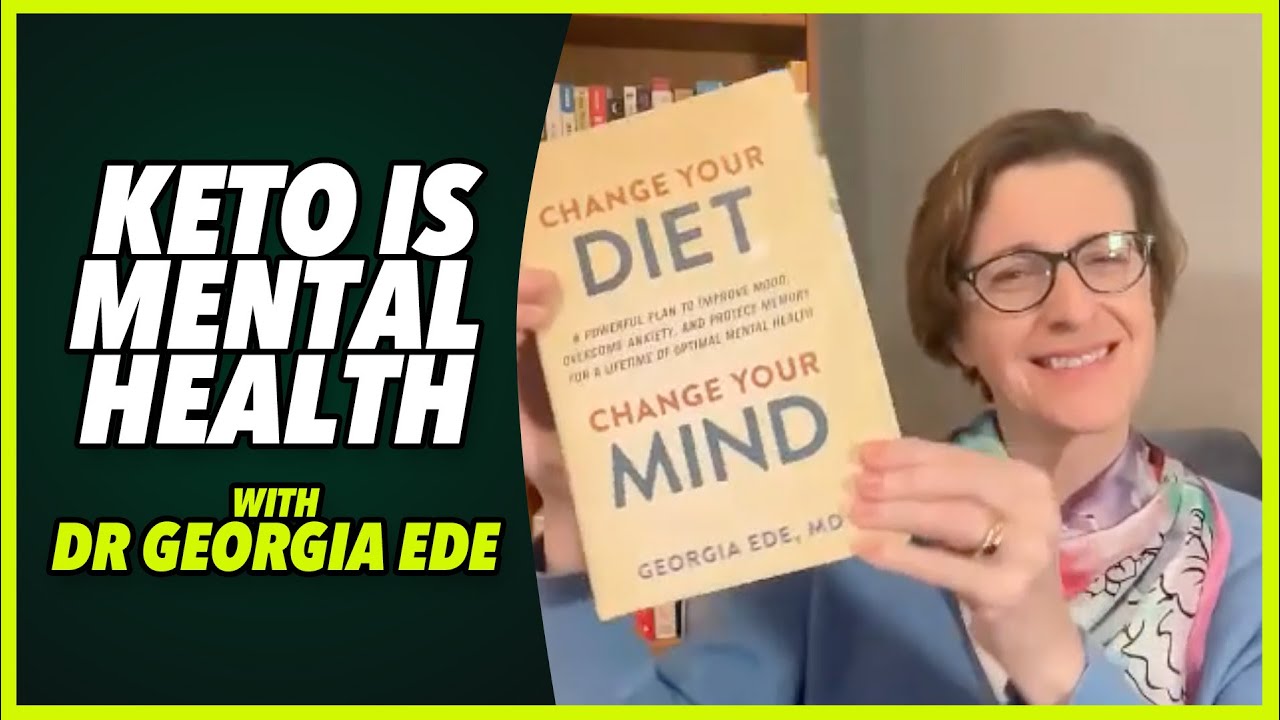
diet alone but now let's get into the tips that can help make starting a keto diet easier the first is how quickly you transition into a ketogenic diet let's hear from Harvard trained psychiatrist and metabolic Psychiatry Pioneer Dr Georgia Eid well I really like I mean I've got gradually learned over time that it is for most people much more comfortable and much more practical to to go a little bit more slowly and for a lot of different reasons but particularly when people are taking uh certain medications that affect say for example blood pressure or blood
sugar uh because blood blood pressure and blood sugar can change very quickly uh in the very uh first few days of a ketogenic diet in particular and so if you have an existing health problem if you take certain types of medications plunging yourself in from a let's say a a standard diet with you know hundreds of grams of refined carbohydrate in it to a squeaky clean ketogenic diet that's a huge shock physiologically to to the brain and to the body and you'll put yourself through unnecessary uh misery if you do that there's no what's the
hurry so if you if you go a little bit more slowly um you will it'll be a lot more comfortable and so I think for for that reason now there are some people who want to do it more quickly and for some people there's no reason why they can't but I think if I don't know you my my recommendation would be to say ease into it and that way uh it'll you know because you want to set yourself up for Success you want to be able to experience what's what's on the other side what's waiting
for you on the other side and if you don't get there you're not going to be able to to experience all the wonderful things that that are possible so why not ease yourself in and you know practice simpler strategies first and over a course of several weeks uh work your way towards towards ketosis so this goes back to one of the main concerns when starting a keto diet the keto flu but by regulating the pace of starting nutritional ketosis you may be able to avoid or reduce keto flu symptoms symptoms so next we'll hear from
Beth zupack Kanye a registered dietitian with over 30 years of experience using ketogenic diets for epilepsy and mental health these are her top tips for getting started with a keto diet well I think my my first advice to anybody that's considering keto is to First pause and not consider what they're going to take in as a diet but think of it differently think of it as a lifestyle and when you reframe it like that that you are going to be taking on a lifestyle that can change your body's metabolism improve your brain function then people
kind of give it a little bit more respect and and treat it a little bit more seriously and we often talk about again diet with ketogenic but ketogenic lifestyle includes some kind of activity or exercise if you can we can use that word um because that really improves uh um brain function for one but also your ability to stick with a diet when you you feel better when you're getting regular activity and regular exercise so that's part of that lifestyle that we talk about so that's my Approach is just to stop talking about it as
a diet but talking about we're going to change your life you are going to change your life I'm going to walk you through those steps and I assure you you're going to feel better because everybody does everyone tells me I feel better they might not get to their goal of improvement but they always tell me that they feel better whether they just wake up with a little more energy in the morning or they're able to reduce their medication a bit or a lot everyone tells me when we do this approach and go gradually and learn
over time and not jump into it but understand you have to be patient with yourself and adjust some of these bad habits into new ones people feel better they really really do I cannot believe this is why I've stuck with us for so long because people see results with this therapy that's such an important point it's a lifestyle not a diet and lifestyle changes aren't just about nutrition right well so we'll hear about what experts feel are other essential lifestyle interventions later in this video but next let's hear from Matt bazooki who used a keto
diet as a core treatment for his severe bipolar 1 disorder I would say adhere for a while and to see if it works because if it works if it works profoundly well uh that will give you the motivation to keep adhering to the diet if it works incredibly well um I got the food prepared that's important I think it's important to to make sure the food is ready whatever that looks like you know cooking or preparing the food um always have access to like some high-fat snacks yeah um you just gotta want it it's such
a uh it's such a tricky thing you know learning how to eat out on keto tracking the ketones I track my ketones every day for many months when I first went on the diet was helpful just to keep me on track um don't mess you know don't forget the electrolytes and hopefully work with a dietitian along with a psychiatrist who knows what's going on and then dig in like I uh I sort of like I'm almost a meme in my friend groups my friend group at this point because I've been doing this almost two years
but the way I did it was I just I leaned into it like this is almost part of my identity now and I'm fine with that and um I I did not cheat like that's important it's important not to cheat this is one thing like it's it has to be it has to be thought of as a treatment the same way a medication where you can't just skip a couple days of you know psychiatric medication bad things happen in the same way you can't just have ice cream it's like you've commit for 30 days 90
days I don't know but it has to be a full-on 100 commitment it was for me and and um and so rewarding like it's it's not only rewarding from the standpoint of I have stable Mental Health but just knowing that I'm doing something that's going to be good for my metabolic Health in the long term and all of the different um diseases and illnesses that we're starting to think you know this is linked to like that's really rewarding that's a huge part of it um you know get sleep work out eat keto have good skin
good cardiovascular health like that just it's good for your self-esteem man I'm convinced anyway that's all I got again those are such important points food preparation having snacks available not getting caught off guard but but I also really appreciate how he sees a ketogenic intervention it's not a diet it's even more than a lifestyle for Matt it's a medical prescription and as one of Matt's doctors Dr Chris Palmer says it's a serious treatment for a serious disorder and deserves to be seen as such next licensed mental health counselor Nicole Laurent gives her top tips for
success to answer that question it depends a little bit on the level of functioning that the person is at when they begin their ketogenic diet so some people are functioning a little bit better and preparing ahead of time behaviorally looking at meal plans figuring out your you know top seven recipes that you're going to go through for through the week in order to meal prep and maintain your ketogenic diet for some people that is that is really simple and for other people they're not functioning very well and so sometimes the behavioral piece that we need
to do is we need to uh talk about what would meal delivery service look like for you for the first few weeks in order to just ensure that you're going to be able to take care of yourself and be able to learn this new way of eating because some people they're really understandably they're very overwhelmed they're not functioning very well that's part of why they're coming to us so so making sure that they understand that we're not going to stop progress for Perfection so I can't do it perfectly I can't do it exactly the way
it's supposed to be done maybe this first you know these first few weeks I'm not functioning well enough I can't do it well here's some things that we can do with that but here's how we make it super easy so that you can get started and then as you start to feel better you will find that you are in a different place to start new behavioral strategies in order to move forward with the diet again we hear the importance of advanced preparation we just can't say that enough but how about that quote don't pause progress
for Perfection I love that wisdom but but knowing the tips for Success also means recognizing the most common challenges so here's Beth stupid Kanye again with the most common challenges she sees when starting a ketogenic diet yeah there can be several challenges and one of them is that other people try to sabotage this new lifestyle change for them by not being supportive for one um saying ah why don't you just have a little bit of this ice cream it's not going to hurt you that happened with children with epilepsy as well and unfortunately family members
uh outside of mom or dad were offending this rule all the time by feeling sorry for the child and and trying to sneak things to them so we got to warn people about the saboteurs well-meaning family and friends um and then another challenge is um setting up your environment in a different way so looking at things again in a different framework are you going to go to refrigerator and have the same things in your refrigerator all the time are we going to clean this out and put things in there that are really good for you
you know so setting up the environment also the same for lifestyle changes in terms of activity and exercise what are you going to do are you going to start taking walks every day even when it's cold out like it is now and knowing that you can do that and finding somebody that will go with you on a walk or finding an animal that can go with you on your walk I walk my neighbor's dog sometimes just to get myself out but those little lifestyle changes are huge in terms of moving forward to making you know
a different uh life plan it's so essential to control your environment to control your surroundings remember you're not an island and influences are all around you now another interesting question though is when to begin nutritional interventions for mental illness you can imagine there may be times when someone isn't receptive to changing their diet but as mappuzuki says anytime someone has support and they think they can stick to a diet that's the right time but the support part is so key let's hear from Matt I think anytime um anytime that um the person is able to
adhere probably important because going in and out can be difficult for a lot of people and anytime that the person in question can receive proper supervision during the transition period you know the first few weeks in ketosis when I went on the diet of January 3rd of 2021 um Dr Palmer was monitoring me carefully and we had people and I was watching to make sure that I didn't have any manic symptoms during the onset when I started dropping all these carbs out of my diet so I don't know if there is a wrong or right
time I mean I personally believe that if a person is symptomatic and is treatment resistant or even just started this there's no reason not to try it if if the person in question is willing to comply with the diet um it's been so remarkable and I've heard anecdotally even though we don't really have the uh we don't really have the like real um studies yet but you know anecdotally about this has worked for like hundreds of people you know and um I would uh the last thing I would add is hopefully with under the care
of a dietitian and a psychiatrist where everyone's on the same page ideally which is how I did it so I had I remember having big meetings with my parents with Dr Palmer with my main psychiatrist and with a dietitian and we were all kind of you know figuring out what was going to happen and we were on the same page which was the important thing and speaking of family support let's hear again from Harvard psychiatrist and metabolic Psychiatry Pioneer Dr Chris Palmer about the importance of family the importance of clinician support and how he responds
when someone says the diet is too difficult or restrictive I think one of the biggest issues is the one that um is is the issue of family and clinician support that if if the patient has support from both family members or friends and all clinicians so this means not just the mental health clinician or two because sometimes people are seeing a psychiatrist for medications and a psychotherapist but they're also seeing a primary care doctor and if one or more of those clinicians is downplaying the diet or is saying this diet is dangerous and risky that
sows doubt for understandable and obvious reasons and then patients become more tentative about the intervention they become more afraid and then if anything goes wrong along the way if they experience any side effects or adverse effects or just even have one or two bad days they assume that that other person was correct the diet is dangerous and they stop it um likewise if people in the home are eating highly palatable foods that the person craves right in front of them it's very difficult to get started on a diet when other people are eating your favorite
foods Foods right in front of you um so I think those are some of the situations that I've seen I do want to just comment because a lot of people do say nobody can do a ketogenic or nobody can do a weight loss diet across the board one of the interesting things is I'm getting patients with bipolar disorder schizophrenia and other chronic debilitating disabling disorders to do these diets and stick with them and I think far too often we give up on people we shortchange them in terms of what they're really capable of we underestimate
their determination and the patients that I'm dealing with are almost across the board desperate they are desperate to improve their lives and they will do anything to get better and so if they are given effective advice that helps them do this intervention they almost universally will give it a good shot and many of them are highly successful at doing it we underestimate their determination such a great quote and Denise Potter has a similar response when someone says a keto diet is too challenging or restrictive as well so let's hear from her it can be really
hard so I'm going I'm going to acknowledge that that it's that it's not easy but it really depends on someone's motivation you know it's really hard to take chemotherapy but when people have cancer they do chemotherapy right I mean that's maybe an extreme thing but we do extreme things when we're in you know having health problems and so the higher the need the higher the motivation and the more we're willing to do things I mean sometimes I'll get frustrated because you know let's say in the case of of epilepsy or um some type of situation
where someone will say oh they won't be able to do it that's too hard that that child won't eat that I'm like who are we to say what they'll do I've seen I mean these parents you know don't discount a parent that wants to help their child get well and so I think it's really unfair so I think it's also unfair in the psychiatric Community to just say they'll never do it it's too hard like I've been hearing this about epilepsy for years and that's not right and it's not fair for clinicians to make that
judgment about their patients and what they can do and can't do or are willing to do and won't aren't willing to do especially without even asking them so so yeah that's oh get me started how we frame this discussion is so important right it's not a diet it's a life sound even more it's a medical prescription for a lifestyle and that lifestyle prescription isn't only about nutrition so again let's hear from Dr Chris Palmer about what he sees as the other essential lifestyle interventions I think diet is a huge Factor so interventions like low carbohydrate
ketogenic diets are obvious but for other people it can just be eliminating sugar or junk food um uh so diet is important uh exercise is important um sleep and sleep regulation probably the fourth thing that I would highlight is eliminating substances that are toxic to your metabolism and some of those are obvious to most people heavy use of alcohol is a metabolic toxin smoking and vaping are metabolic toxins uh marijuana is a metabolic toxin so eliminating those substances or at least reducing their use is critically important and most people would consider those lifestyle interventions and
Nicole Laurent agrees with Dr Palmer's emphasis on exercise and sleep but she adds one more crucial Factor let's hear from Nicole so there's a lot of different factors so sleep is huge helping people have good sleep hygiene and prioritizing sleep and understanding that they actually need to prioritize that for their brain to work well as people get more energy on a ketogenic diet I encourage them to start exercise and a lot of people do sometimes for the very first time because they feel able to do that which is exciting some of the other things that
I tell them to do is go out and be social because humans need other humans and so for some people who have been depressed for a very long time or had social anxiety disorder getting them to do the behavioral things that they used to avoid because of their anxiety or their depression is a big piece of the therapy work that I do social interactions social interactions can be so impactful for mental health and I'm really glad she mentioned it now the last point I want to discuss in this video is the importance of circadian rhythms
which goes beyond just your sleep wake schedule it also involves your eating schedules so let's hear from Argentinian psychiatrist Dr Ignacio quarantan how he uses a focus on circadian rhythms to help his patients we all know that traditional circadian medicine research has mostly focused on this a sleep wake cycle and how we manage dark and light cycles in our everyday life but for the last 40 to 50 years there's been an uh an insistence in eating every few hours having wide eating Windows beginning at 7 A.M and finishing eating of our last bite close to
midnight sometimes as time passed and more and more research gets in in regards to how food also acts as a signal Giver for our most of the cells of our body in regards to help reinforce healthier circadian rhythms so in in some patients that they have this this disrupted circadian rhythm and maybe their their Sleep Quality is not it's not good I found that trying to alleviate ate some of the dogmatic eating eating patterns that that we are seeing among our patients eating two every two or three hours which is Possible only when uh when
you eat a high carb diet because when when you eat a a real food diet with with a very nutritious diet you start automatically spacing your eating opportunities this by itself helps patients improve both their sleeping patterns and their eating patterns and they are both a highly pre-potent biologically speaking in in helping help them regain metabolic health so this is kind of like the structure that I work with them and it's helping it's helping me work with that circadian structure a lot now those are all fantastic expert tips for starting a ketogenic diet for mental
health I I find them so helpful but remember the most important thing is working with your doctor in a controlled and safe environment but now what if your doctor isn't aware of nutritional ketosis and what do you do then I encourage you to watch our prior video about how to talk to your doctor and how to predict your doctor's concerns with a ketogenic intervention it's a potentially very important video to help you safely start your keto Journey and as always if you found this video helpful please click the Thumbs Up And subscribe buttons and make
sure to share this video with your family and friends and healthcare providers so you can help spread our message to to help as many people as possible and also please leave a comment we'd love to interact with you and hear what you found most helpful so thank you so much for watching please take care of yourself take care of others and we'll see you here again next time at metabolic mind