Doctors were astounded to learn about 10 fruits that instantly dissolve blood clots. Have you ever wondered what happens inside your body when a clot forms and whether those clumps of blood can be dissolved naturally before they cause a stroke or heart attack? Blood clots are like silent time bombs that can emerge anywhere in the body, blocking circulation and endangering your life without warning.
Many people don't realize their diet can be either a powerful ally or a hidden enemy in this fight. Certain fruits contain potent compounds that can help prevent clot formation, dissolve plaque and blood vessels, and naturally improve circulation. Today, you will learn about 10 scientifically proven fruits that help dissolve dangerous clots and support heart health.
The seventh fruit is the most surprising. And best of all, these fruits are easy to find and simple to add to your daily diet. Let's begin.
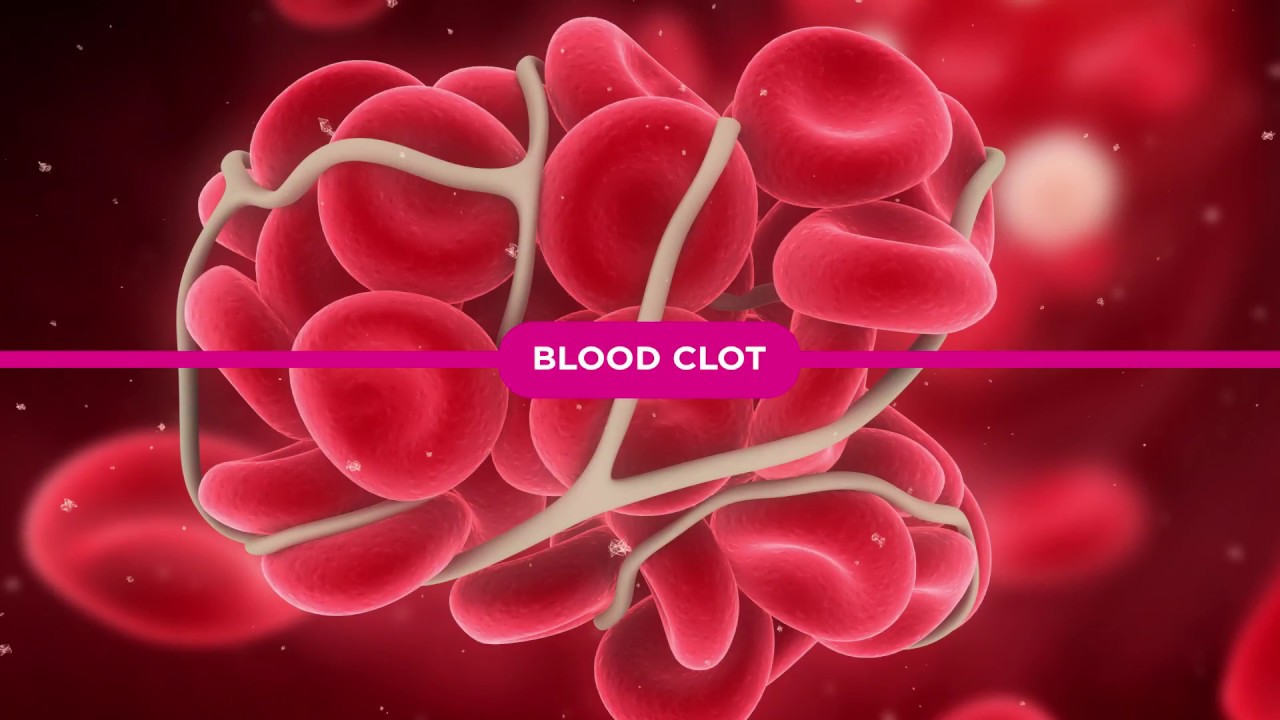
What causes blood clots? Blood clots are solid masses that form when blood coagulates excessively inside vessels. While clotting is a natural necessary mechanism for preventing blood loss, trouble starts when clots form unnecessarily blocking circulation and increasing the risk of serious complications such as thrombosis, pulmonary embolism, myocardial infarction and stroke.
But what drives the body to form these dangerous clots? One major factor is a sedentary lifestyle. Prolonged sitting, whether at work or during long trips, can reduce blood flow and foster clot formation in leg veins, a condition known as deep vein thrombosis.
Dehydration can also thicken the blood, making it more prone to clotting. Another key factor is poor diet. Excess consumption of ultrarocessed foods rich in trans fats and refined sugars raises inflammation in the body, promotes fatty plaque buildup in arteries, and increases clot risk.
A shortage of crucial nutrients such as vitamin K, omega-3s, and flavonoids can worsen blood viscosity and make clotting spiral out of control. Long-term use of certain medications like birth control pills and hormone replacement therapy can also raise clot risk, especially in smokers. The good news, some foods can help balance your circulatory system naturally and reduce formation of dangerous clots.
Among the most powerful are fruits. Now that you know what triggers clots, a big question remains. Can they truly be dissolved naturally?
Can blood clots be dissolved naturally? The idea that a clot might dissolve on its own may sound unexpected, but the human body has its own defenses. It produces enzymes such as plasmine that help break down clots.
Fortunately, research shows certain foods, especially fruits, can stimulate this process and help stave off serious complications. One of the most effective ways to fight clots is by consuming foods rich in antioxidants and natural enzymes. Fruits such as pineapple, kiwi, and papaya contain compounds that break down fibbrin, the protein essential for clot formation.
Fruits packed with flavonoids like grapes and berries help lower inflammation and improve blood vessel elasticity. Hydration is another critical point. Thicker blood has a greater tendency to clot and consuming fruits with high water content like watermelon and oranges can greatly aid healthy circulation.
Beyond nutrition and active lifestyle matters. Regular exercise stimulates blood flow and prevents stasis, lowering the risk of deep vein thrombosis. Now that you know natural strategies to reduce and prevent clot formation, let's examine the 10 most powerful fruits for maintaining healthy circulation and protecting your heart.
Grape, the secret in the peel that prevents heart attacks. Grapes aren't just delicious, they're powerful allies against clot formation and cardiovascular disease. The big secret lies in the peel, which contains resveratrol, a natural antioxidant that directly benefits heart health and circulation.
A study published in the European Journal of Clinical Nutrition found that people who drank red grape juice for 2 weeks reduced clot formation risk by up to 75%. How? Resveratrol acts as a natural platelet regulator, preventing excessive clumping and dangerous blockages in arteries.
It also improves vessel flexibility, allowing blood to flow more freely and easing strain on the heart. Grapes are also rich in flavonoids that help dilate blood vessels and lower inflammation. To reap maximum benefits, keep the peel.
Around 80% of a grapes resveratrol is concentrated there. A simple tip, freeze grapes and enjoy them as a refreshing snack. Kiwi, the fruit that works as a natural vessel cleaner.
Kiwi may look simple, but its cardiovascular impact is remarkable. It contains actinodin, an enzyme able to break down fibbrin, directly helping to dissolve existing clots and prevent new blockages. A journal of nutritional biochemistry study showed that people who ate two kiwis daily for 28 days lowered blood viscosity by 18%.
greatly reducing thrombosis, stroke, and heart attack risk. Kiwi is also an excellent source of vitamin C, potassium, and fiber, which support healthy blood vessels and balanced blood pressure. Its anti-inflammatory action reduces plaque buildup, boosting circulation.
Kiwi lowers fibbrinogen, the protein whose excess increases clot risk. For best results, eat kiwi on an empty stomach. Actinadin is most active in the mildly acidic environment of an empty stomach.
If kiwi isn't available, pineapple is a fine substitute thanks to bromelain, an enzyme with similar properties. Papaya, the clot fighting fruit you probably overlook. Famed for digestive benefits, papaya also wields powerful anti- clot effects through papign, an enzyme that breaks down arterial plaque and combats excessive clotting.
Research in the American Journal of Clinical Nutrition found that regular papaya consumers had triglyceride levels 16% lower, drastically reducing vessel blockage risk. Papayen acts as a natural cleaner, breaking down excess fat, LDL cholesterol, and fibbrin before they threaten circulation. Papaya is rich in vitamin C and beta carotene which lower vessel inflammation and prevent cholesterol oxidation, a primary driver of atherosclerosis.
To enhance papaya's effect, pair it with ginger. Gingerol inhibits clot formation and boosts blood flow. Blend papaya with a slice of fresh ginger for a tasty, heart- friendly smoothie.
Pomegranate, the red elixir that quickly thins blood. Pomegranate is among the most potent cardiovascular foods. It contains punic alligan, an exceptionally strong antioxidant that shields vessels from inflammation and prevents fatty plaque.
A study in atherosclerosis showed that people drinking pomegranate juice for 3 months reduced arterial plaque thickness by 35%. Pomegranate also stimulates nitric oxide production, relaxing and widening vessels for smoother blood flow. For extra benefit, combine pomegranate with black pepper.
Piperine boosts polyphenol absorption. Add a pinch of pepper to pomegranate juice to double effectiveness. Red berries, powerful shields against heart attacks and strokes.
Strawberries, blueberries, raspberries, and blackberries are loaded with anthosinins, potent antioxidants responsible for their vivid colors and vital in preventing clots and cardiovascular disease. Harvard researchers reported that people eating berries at least three times a week had a 32% lower stroke risk than those who rarely ate them. Anthocyanins protect vessel linings, making them more flexible and resistant to plaque.
To amplify berry power, soak them in green tea before eating. Green tea kakans combined with anthosinins, double vessel protection. Avocado, the fat that saves lives and clears arteries.
Once eyed skeptically for high fat, avocado's beneficial fats make it a top heart health food. Rich in omega-3 and monounsaturated fats, avocado lowers LDL, bad cholesterol, and raises HDL, good, preventing plaque buildup. An American Heart Association study found that people eating avocado at least three times a week had a 22% lower risk of heart disease.
Avocado is also a great vitamin K source, supporting balanced clotting. The most nutritious part of the avocado is the dark green layer next to the peel. It holds up to triple the antioxidants of the lighter flesh.
Scrape this layer with a spoon and add it to smoothies for maximum benefit. Banana, a natural pressure regulator that keeps arteries clear. Bananas are top natural potassium sources, helping balance blood pressure and prevent arterial stiffness.
According to the American Journal of Hypertension, adequate potassium intake cuts stroke risk by 20%. Potassium relaxes vessel walls, easing blood flow and heart workload. Bananas also reduce blood viscosity, lowering clot tendency, and contain vitamin B6, which decreases homocyine, a vessel damaging amino acid.
Banana peels contain natural serotonin that relaxes vessels. Dr the peel, grind it, and use the powder in tea for extra cardiovascular benefits. Orange.
Oranges are rich in vitamin C, strengthening vessels and cutting clot risk. A study in the American Journal of Clinical Nutrition reported that regular vitamin C intake lowered cardiovascular risk by 30%. Oranges also supply flavonoids like hepiden that improve blood flow and prevent arterial hardening.
High soluble fiber lowers cholesterol and keeps blood fluid. To preserve fiber, don't strain the juice. Most nutrients are in the pulp and membranes.
Add a pinch of turmeric to orange juice. Curcumin enhances anti-inflammatory effects and circulation. Watermelon, the fruit that boosts circulation and protects the heart.
Watermelon is over 90% water, helping keep blood thin. Its citraline converts to nitric oxide, relaxing vessels and lowering pressure. An American Journal of Hypertension study showed regular watermelon intake reduces arterial stiffness and improves flow.
Lycopine fights vessel inflammation. Watermelon seeds are rich in magnesium and iron. Dr, grind, and sprinkle them onto smoothies or salads.
Pineapple, the marvelous enzyme that breaks up dangerous clots. Pineapple contains bromelain, an enzyme that degrades fibbrin and hinders clot formation. The International Journal of Molecular Sciences reported that bromelain lowers blood viscosity and prevents platelet aggregation.
To heighten pineapple's anti- clot effect, mix it with turmeric and a pinch of black pepper. Piperine boosts curcumin absorption. Blood clots are silent killers behind strokes, heart attacks, and pulmonary embolisms.
Now you have an edge. You know how to protect arteries through smart eating. These 10 fruits contain natural compounds that can prevent and dissolve clots, enhance circulation, and defend your heart.
They're easy to find and simple to add to meals. Thank you for watching. Which of these fruits do you already eat, and will you add any new ones after watching?
If you haven't subscribed, please consider signing up for our channel. Your support lets us create more helpful, uplifting content.