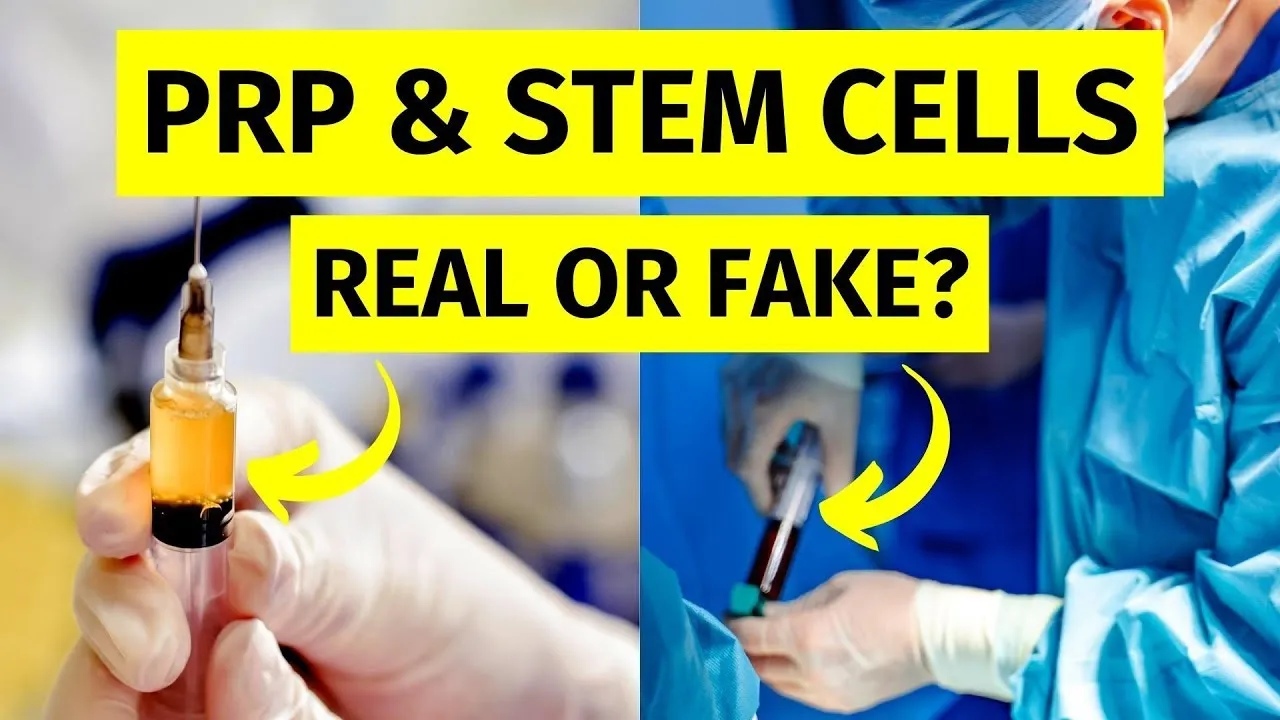
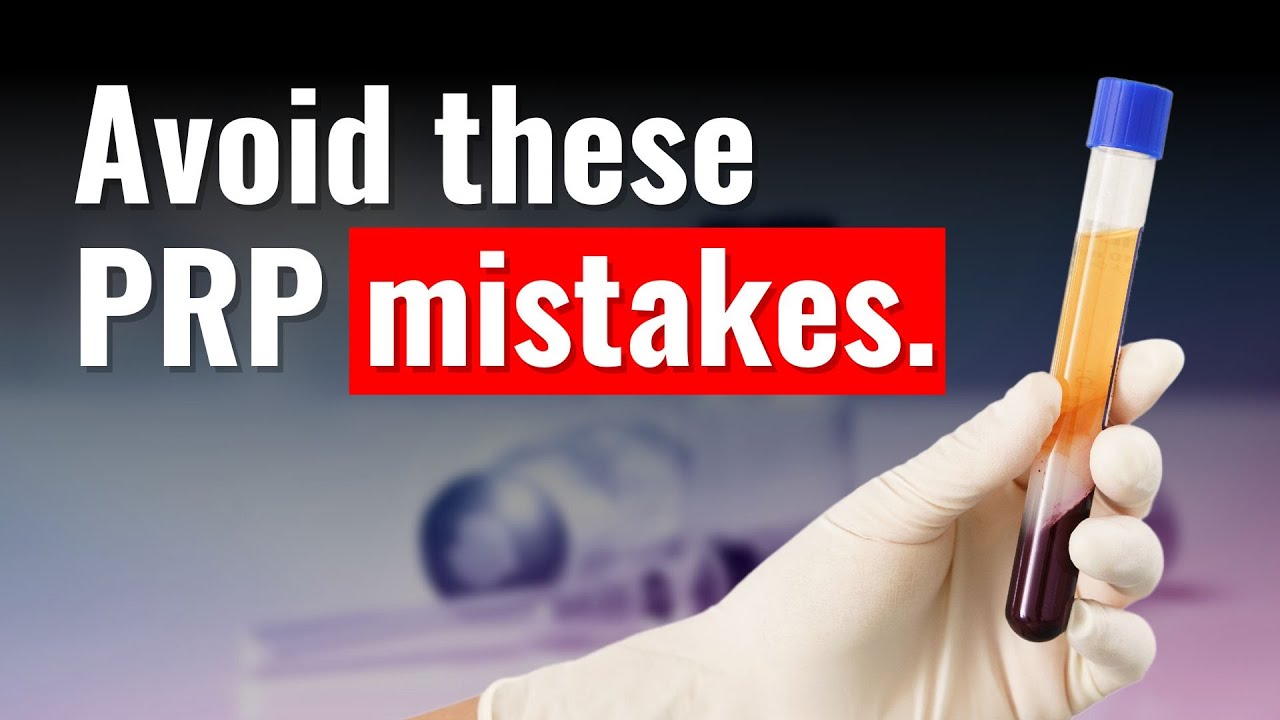
prp and stem cell therapy are increasingly becoming excellent treatment options for orthopedic conditions we've seen incredible success using ortho biologics and professional and collegiate athletes and are now using it to treat weekend warriors the industrial athlete and anyone else who has painful orthopedic conditions this video will explore why ortho biologic treatment is taking over cortisone injections as the treatment of choice in sports medicine i'll explain why and how platelet-rich plasma works as well as review the latest clinical trial data supporting the use of ortho biologics let's get started [Music] hey everyone dr jeff peng here
now if this is the first time you're watching one of my videos my goal is to help each and every one of you live an active and healthy lifestyle so if that's something you're interested in please consider subscribing to my channel i often give lectures to family medicine doctors in training sports medicine specialists in training and other practicing physicians the following is a talk discussing prp and stem cells and the use of ortho biologics in sports medicine okay so this talk is to discuss the use of prp or platelet-rich plasma as well as stem cells
in the use of sports medicine it's very quickly becoming our treatment option of choice in professional as well as collegiate athletes and the goal of this talk is to discuss why right and to kind of frame why we are switching to ortho biologics we want to first discuss the use of steroid injections so cortisone injections or steroid injections the thought behind it is to use these use the anti-inflammatory effects of corticosteroids to treat any type of inflammatory or painful condition right and so injections have quickly become the gold standard for for pain control right if
um ibuprofen or leave or tylenol none of that is controlling people's pain and they can't do exercise therapy or physical therapy because well it hurts too much to do it well then we quickly offer a cortisone injection let's try to decrease their pain so that they can get back doing exercise therapy and so for the longest time this has actually been our gold standard right when we have our treatment algorithms well if they're not doing well let's offer them a cortisone injection and you know hope for the best right so the question is should cortisone
injections actually be part of the algorithm and should it be our default gold standard so this study was published in the new england journal of medicine this was just two years ago physical therapy versus glucocorticoid injection which is a steroid injection for the treatment of arthritis of the knee and so they compared physical therapy which is eight sessions about four weeks of physical therapy or steroid injections and they can get steroid injections up to three times a year and what they found was that patients with arthritis of the knee who underwent physical therapy had less
pain and functional disability at one year than patients who received an intra-articular glucocorticoid injection so steroid injections you know they're they're actually inferior to physical therapy or exercise therapy and so you know when we start talking about you know should cortisone injections actually be our gold standard for pain control well you have um pretty good data that says exercise therapy is superior now what about side effects there's actually quite robust evidence of long-term negative effects of corticosteroid injections and i want to kind of frame this in terms of uh steroid having negative effects affecting joints
as well as steroid having negative effects affecting soft tissues such as tendons so the study was published in jama of a few years ago um effective intra articular transcendental one which is a steroid injection versus saline on knee cartilage volume and pain in patients with knee arthritis and what they found was among patients with symptomatic knee arthritis two years of intra-articular steroid compared with intra-articular saline or a placebo resulted in significantly greater cartilage volume loss and no significant difference in knee pain the authors go on to conclude these findings do not support the treatment of
steroid injections for patients with symptomatic knee arthritis so not only is cortisone not superior to exercise therapy or physical therapy steroids actually increase the risk of developing worse arthritis as evidenced by significantly greater cartilage volume loss when compared to placebo so there's actually quite profound negative effects and so well some people start asking the question okay so we start seeing decreased volume loss in people who get cortisone injections is this actually clinically relevant and the answer is yeah so this was published in the bone and joint journal two years ago and they say corticosteroid injections
seem to be associated with an increased risk of knee arthroplasty which is a knee replacement surgery in patients with or at risk of developing symptomatic arthritis of the knee these findings suggest that a conservative approach regarding the treatment of these patients with steroid injections should be recommended that was followed up with two additional studies both of these published in late 2021 and the first one concluded this study documents an association between hip steroid injection and rapidly destructive hip disease which is a extremely aggressive formation of arthritis this other study found that seven percent of people
who underwent imaging guided intra-articular steroid injection developed rapidly progressive arthritis of the hip and that is very high this is one of my patients who unfortunately kind of saw this in the knee right so on the left this is a picture of the x-ray of this patient's x-ray in october 2020 and you can see the medial aspect of the knee has um you know about grade one grade two osteoarthritis she did not have any prior knee pain um she had a steroid injection and then just one and a half years later she is now grade
three almost grade four and is contemplating a knee replacement surgery because of how progressive her arthritis is and how bad her pain is and so you know cortisone injections have profound negative effects on joint tissue and it accelerates the formation of arthritis and people seem to have worse outcome and they need to end up with a joint replacement surgery now what about steroid infect steroid injections negative effects on soft tissue so the whole concept of using cortisone to treat tendon disorders right what we call tendonitis it's meant to treat the inflammation associated with tendonitis right
so you have all these conditions right so rotator cuff tendinitis uh which implies inflammation of the rotator cuff lateral epicondylitis which is tennis elbow or medial epicondylitis which is golfer's elbow which implies an inflammatory disorder affecting the tendons in the elbows patellar tendonitis achilles tendonitis trochanteric bursitis all of these imply an inflammatory condition and that's where the naming really affects treatment right if we call it tendonitis with the itis part in latin meaning inflammation that affects how we treat right then it makes sense to use an anti-inflammatory medicine like cortisone to treat these conditions so
this study was published in the journal of bone and joint surgery in 2005 this was a long time ago and what they said at that time was that most clinicians still use the term tendonitis thus implying that the fundamental problem in tendon disorders is inflammatory and they actually say we advocate the use of the term tendinopathy as a generic descriptor of the clinical conditions in and around tendons arising from overuse and they say this because histological examination of tendinopathy shows disordered haphazard healing with an absence of inflammatory cells a poor healing response non-inflammatory intratendinous collagen
degeneration fiber disorientation and thinning hypercellularity scattered vascular ingrowth and increased intrafibular glycosaminoglycans frank inflammatory lesions and granulation tissue are infrequent and are often associated with tendon ruptures and so the takeaway from this is when you look at tissue under a microscope there actually are no signs of inflammatory cells there's actually no underlying inflammation in these disorders so then you start to ask the question if there's no signs of inflammation should we still be using steroid injections to presumably treat inflammation right and so let's ask what our dermatology colleagues say about steroids so we all know
that they use steroid injections to treat keloids and when you ask about well how do steroid injections actually treat ketoids they work by suppressing inflammation right that makes sense they inhibit leukocyte and monocyte migration and phagocytosis they reduce the delivery of oxygen and nutrients to the wound bed they inhibit keratinocytes and fibroblasts and slow re-epithelialization and mucology information and they may reduce plasma protease inhibitors thus allowing collagenase to degrade collagen and you start to ask the question what are tendons composed of tendons are composed of collagen and we just learned from our dermatology colleagues that
cortisone restricts delivery of nutrients it slows down the formation of new tissue it increases tissue degradation and damages collagen and so you start to you know you start to think about these effects and wait won't steroids actually damage the tendon based off of what we know and so this was actually studied right and this was published in the lancet in 2010 efficacy and safety of corticosteroid injections and other injections for management of tendinopathy what they found was we showed consistent findings between many high-quality randomized control trials that steroid injections reduced pain in the short term
compared with other interventions but this effect was reversed at intermediate and long terms this is a landmark meta-analysis in that it prevents presents high-level evidence that cortisone injections are harmful in the long-term treatment for tennis elbow and so we start to really ask the question are cortisone injections truly a gold standard uh form of treatment or should we do what we learned first in medical school which is do no harm right and this is again where the naming convention affects how we treat certain conditions we are trained during medical school and residency that shoulder pain
is rotator cuff tendinitis that tennis elbow and golfer's elbow is lateral epicondylitis and that implies inflammation and when we have inflammatory disorders we can treat them with steroids but the problem is we now know that these are not inflammatory disorders we need to question the naming convention so we should actually be call calling all of these things tendinopathy so instead of rotator cuff tendonitis say rotator cuff tendinopathy gopher's elbow and tennis elbow should be common extensor tendinopathy and common flexor tendinopathy patellar tendinopathy achilles tendinopathy gluteal tendinopathy and when you switch over to these naming conventions
you take away the term uh the the inference of inflammation and when you take that away then you no longer will default to saying oh yeah a cortisone injection is what's going to help this patient's pain so if we have tendinopathy and now we know that steroids can cause harm what else can we use to treat tendon disorders and that is the whole foundation of why we are looking into other types of treatment options specifically the ortho biologics and specifically prp as well as stem cells and so i want to spend some time just first
talking about what is the basic science think why does this work right so if you just stop and think about what happens when you have an injury right you got a laceration on your arm or your skin somewhere um there is an injury right you have damage to tissues you have damage to blood vessels and you go through this your body goes through this very complicated uh cascade that results in tissue healing and tissue remodeling right and so the thought process behind the biologics is can we use this complicated cascade of healing put it into
a syringe and then inject it inject it under imaging guidance into a joint that is arthritic or into a tendon that has tendinopathy which weren't that has wear and tear and the goal is to use the body's own capacity to decrease pain and decrease inflammation and and also to improve the biochemistry of an injured area and when we look at that that the results seem to be pretty good right and so what options do we have and what kinds of biologics are there there are there are many different types but the two main types that
have really got traction and has support from clinical trials is prp or platelet-rich plasma as well as mesenchymal stem cell injections and there's two types of mesenchymal stem cell injections what we call mses there's bone marrow and there's adipose tissue and i want to talk about those first so what are mesenchymal stem cells or what are mses mses are found in pretty much every type of tissue right you can get it in fat bone marrow skin heart muscle liver neurons kidneys they essentially sit on blood vessels and they have a lot of different roles they
have a role in immunomodulation this is what prevents autoimmune diseases trophic effects pain relieving effects as well as long-term potentiation of the other three um of the other three roles and so in terms of ortho biologics and what we use uh mscs for in orthopedics it's really these bottom three the trophic effects the pain really relieving effects and the long-term potentiation so what are the trophic effects of mscs so they stimulate angiogenesis they stimulate mitosis it inhibits scar tissue formation and it inhibits ischemia-induced apoptosis right so when you compare the effects of um of embassies
and compared to cortisone cortisone is the exact opposite of all of these it actually breaks tissue down and now you have the msc effect which it's the trophic effects actually stimulating uh tissue healing all of this results in tissue remodeling and tissue healing what about pain mses are incredibly effective at reducing pain mainly because they produce peptides that activate opioid receptors and so this is the main pathway for pain relief and the reason why ortho biologics are so effective is because not only do they relieve pain but they have long-term potentiation and so it's not
just like taking ibuprofen where you get pain relief but then the effects were off you actually get long-term potentiation right studies consistently show that ortho biologics provide long-term pain relief and so you can see in this chart here that corticosteroid injections or steroid injections they start to wear off at about six weeks and you know you have pain relief for six weeks and then it starts to wear off whereas on the right hand graph the effects of prp just continues to go up and up and up and that's because of this long-term potentiation so how
does that work so you have embassies they do their thing they have the trophic effects they have the pain relieving effects and then they're phagocytized by monocytes monocytes help potentiate the effects of mses and this results in long-term potentiation and this is incredibly important right and so you're like wow that sounds amazing so how do we get these emissies a lot of different ways and these are the most common ways so you can harvest them from bone marrow and the most common place when done in the office is from the iliac crest you can get
them from adipose tissue adipose being fat tissue so a lot of people really actually like this option right you get it from their abdominal cavity it's kind of like a mini liposuction or you can also get it from the buttocks the other way of getting it indirectly is through platelet-rich plasma so what is prp prp is technically defined as any plasma solution with a platelet concentration that is over whole blood baseline so what does that mean that means anywhere between 1.5 x to 30 x or potentially even higher right it's just concentrated platelet platelet-rich plasma
we still don't know what the best concentration is but what we do know is if you don't have enough platelets well then you don't have enough platelets if you have too high number of platelets that could be potentially detrimental to your tissue and so we're still studying what the best concentration of platelet platelet is right but it's very important that the number of platelets matter and we'll kind of talk about this later because all of these are what helps control tissue healing tissue remodeling and tissue proliferation and it's just like when you take blood pressure
right you can't expect a lower dose of a blood pressure medication to have the same effects of a higher dose of blood pressure medications it's just a different concentration right and so the same thing affects that if you're not using enough platelets you may not get as big of an effect so how do platelets work right when platelets degranulate and when you have when you draw someone's prp they have an incredible amount of growth factors that are just circulating around in your body right and all of these growth factors you can see here vegf pdgf
tgf beta fgf egf igf hgf all of these play a different role right all of these are super important in angiogenesis cell migration cell differentiation cell proliferation collagen synthesis tissue matrix formation specifically these three the platelet-derived growth factor tgf beta and fibroblast growth factor these have actually been shown to activate mscs and so this would be a indirect way of activating mesenchymal stem cells to do their thing to do their effects to get all of their beneficial effects so this was done this study was um this article was written by arnold kaplan and he says
ebolas of platelet-derived growth factor would have a profound effect on the resonant mesenchymal stem cells and this could account for the decreased pain and inflammation experienced in osteoarthritic joints exposed to prp so that's kind of the the science of why and how platelet-rich plasma injections work now let's look at the clinical trial data let's say real world data does this actually help people in their painful conditions so you ask the question do they work and the answer is yes for many conditions um but not all and so these are the indications where there are multiple
level 1 studies where there are systematic reviews and meta-analysis showing benefit of prp in these conditions so knee arthritis extremely well studied tennis elbow and golfer's elbow extremely well studied gluteal tendinopathy plantar fasciopathy so what i want to do is i want to use knee arthritis as a case study now i can do this with all these other conditions but knee arthritis is extremely common and it is by far the best study so what is the evidence for the use of ortho biologics and knee arthritis especially when compared to steroid injections right we already discussed
earlier that steroid injections can cause harm it can increase the risk of arthritis it's not even as good as physical therapy in controlling long-term pain so what is the use of prp and what is the evidence for stem cells so let's first talk about stem cells again let's compare bone marrow versus adipose mesenchymal stem cells which one is quote-unquote better for the treatment of knee arthritis this was published in the american journal of sports medicine just a few months ago intra-articular injections of mesenchymal stem cells for knee arthritis this included 19 studies uh in their
uh systematic review and meta-analysis and what they found was intra-articular injections of mesenchymal stem cells without any adjuvant therapies improves pain and function for arthritis significantly better outcomes were obtained with the use of bone marrow mses as compared to adipose mses so according to this systematic review and meta-analysis both of them actually worked but bone marrow actually did better than adipose stem cells so okay what about prp versus stem cells if we know bone marrow is better than adipose tissue is there a study that compared bone marrow to prp and the answer is yes this
was published very recently in the american journal of spun of american journal of sports medicine bone marrow aspirate concentrate is equivalent to prp for the treatment of knee arthritis at two years um they found that both groups had significant improved ikdc and womack scores those are functional scores for arthritis from baseline to 24 months after the injection this was only one injection that compared one injection of bone marrow stem cell and one injection of prp and they conclude for the treatment of arthritis prp and bone marrow concentrate performed similarly out to two years bone marrow
stem cell was not superior to prp what about cost stem cell injections are incredibly expensive on the orders of thousands or tens of thousands of dollars prp down into the hundreds and so when you do the cost benefit analysis prp is significantly cheaper um but it works the same as stem cell injections so then you start asking the question how does prp compare to everything else that we're doing for the treatment of knee arthritis and so this was published in cartilage this was also just a few months ago prp injections for the treatment of knee
arthritis this is a meta-analysis of 34 randomized controlled trials and they conclude the effect of prp goes beyond its near placebo effect and prp injections provide better results than other injectable options and these uh they compared steroid they compared hyaluronic acid they compared placebo they say this benefit increases over time right remember steroids decrease over time they say being not significant earlier followed by but becoming clinically significant after six to 12 months and this is what we know right when you have a laceration on your skin you don't have brand new skin right away that
takes time it takes a few months but then you have brand new skin and it doesn't hurt anymore and so prp is the same way prp you're playing the long game it becomes clinically significant after six to 12 months people do significantly better after prp injections does prp affect arthritis progression right so we know it can help treat pain and symptoms but does it affect arthritis does it affect the biochemistry of the joint so this was published just a few months ago two months ago an intra-articular injection with platelet-rich plasma compared to steroid injection or
saline solution for knee arthritis and what they found was for the womac function the prp group and steroid group were superior to saline group but the prp group showed the lowest radiographic progression of arthritis at one year of follow-up they found that the people who get the prp injection had less progression of their arthritis this was a study was titled platelet-rich plasma injections delay the need for knee arthroplasty so not only does it delay the progression of arthritis because it people's pain and symptoms are much better controlled they don't need a knee replacement surgery these
authors conclude this study suggests that the application of prp and knee osteoarthritis patients is a treatment that could delay a knee replacement surgery now they of course they kind of comment you know more studies are needed to understand and improve this therapy but this is not the only study that said this there was there are more and more studies that are looking at prp and looking at the long-term effects of prp treatment for knee arthritis and so it's really important to understand that the way we think about arthritis needs to change right arthritis is no
longer something that we tell patients just deal with it until you're ready for a knee replacement surgery we need to start thinking of it we need to start to think about it as a chronic progressive disease that needs to be actively managed just like high blood pressure just like diabetes just like high cholesterol obesity right we need to actively manage these diseases what we know with hypertension high blood pressure is if left untreated there is cardiac remodeling that results in left ventricular hypertrophy that results in heart failure right what we know about arthritis is that
if it's left untreated it gets worse and when it gets worse people end up needing a knee replacement surgery and that has profound effects on quality of life right and so how does this work right so arthritis is defined as cartilage destruction it's the overall it's the gradual wear and tear of cartilage and when you lose cartilage right you release a lot of these proteases these proteases cause inflammation within the knee joint so it activates inflammatory cells inflammatory cells release inflammatory cytokines inflammatory cytokines continue to weaken the rest of the cartilage which results in cartilage
destruction and so you just get this cycle right and this is why arthritis when left untreated is progressive it gets worse unless you do something so what is prp's hypothesized role in managing arthritis well number one it's to treat pain and decrease symptoms right after all that's what matters that's what prevents people from exercising that's what prevents people from moving is because of pain so prp will decrease pain but more importantly it helps change the biochemistry of the arthritic knee remember prp contains an incredible amount of growth factors and what these growth factors do is
it puts an end to this cycling this progression of the arthritis right it decreases the concentration of proteases which will then decrease the amount of inflammatory cells which then decreases the amount of inflammatory cytokines which then preserves or at least tries its best to keep the cartilage healthy it stops this progression and so what we're learning from all of these studies is for the treatment of knee arthritis prp results in better outcomes and less pain and again that was just knee arthritis we can go through the same explanation for tendinopathies and soft tissue but we
won't do that here because i really want to spend some time on talking about that not all types of prp are the same right there's different types of prp do you have a leukocyte rich or leukocyte poor prp do you have monocytes included in your sample what is the platelet concentration what is the method of injection um and i kind of want to frame this discussion um with this very recent study called the restore trial this was published in jama just a few months ago and let me just read the conclusion first among patients with
symptomatic mild to moderate radiographic knee arthritis intra-articular injection of prp compared with injection of saline so placebo did not result in significant difference in symptoms or joint structure at 12 months these findings do not support the use of prp for the manage of for the management of knee arthritis and this was the first study in a while that showed that prp injections actually did not work and did not show improved symptoms when compared to placebo but again this is where the importance of not all prp is the same platelet concentration vary cell count cell content
varies growth factor content varies and the reason it matters is this is the um this is the prp they were using and i circled the two most important things here their platelet concentration was 1.6x now this is actually from the manufacturer's website so you can kind of inference well if the manufacturer is reporting 1.6x platelets chances are it's anywhere between 1 to 1.5 it's probably lower than that and the same thing with monocytes they essentially have no monocytes and kind of early in the top we discussed why monocytes are so important they help with long-term
potentiation right um so platelet counts matter right again going back to that high blood pressure you can't expect a low-dose medication of for example a blood pressure medication to have the same effects of a higher dose medication um and so this is probably why they got the conclusion that they did not find any significant difference between prp and placebo at 12 months however this was their conclusion they did not write this this part which is their secondary outcomes and so despite using prp with lower platelet accounts this is their secondary one of their secondary outcomes
the number of patients in the prp group who reported global improvement overall was statistically significantly greater than in the placebo group at two months and 12 months right so even though they used a kind of lower platelet count um they still had benefits and when you kind of look at it well those benefits are still better than the side effects of steroids and chances are which is what we're seeing with all these other studies higher quality prp and better platelet concentration likely leads to better outcomes um so we can't just use the the cheapest form
of prp but even when they did use the cheapest form of prp their secondary outcomes were still better people who got the prp injections their global improvement overall was still better and this is kind of a slide of just summarizing what um current clinical trial trial data is showing for the use of prp where knee arthritis elbow tendinopathy gluteal tendinopathy plantar fasciopathy excellent excellent results rotator cuff pathology so rotator cuff tendonopathy and partial tears of the rotator cuff more of the recent studies are actually showing excellent benefit and then kind of lagging behind where we
still we're still not sure why but these conditions are just they're just very difficult to treat achilles tendinopathy and patellar tendinopathy where you still have weak or conflicting evidence for the use of prp these are those study data and you can feel free to look through them on your own and with that i will take any questions and if you're looking for more information about the use of prp in specific conditions such as tennis elbow plantar fasciopathy gluteal tendinopathy or knee arthritis check out my ortho biologics playlist in my youtube channel thanks for watching
![I JUST DID STEM CELL THERAPY: Was It Worth It? [2022]](https://img.youtube.com/vi/ueIjgbZpoqA/maxresdefault.jpg)