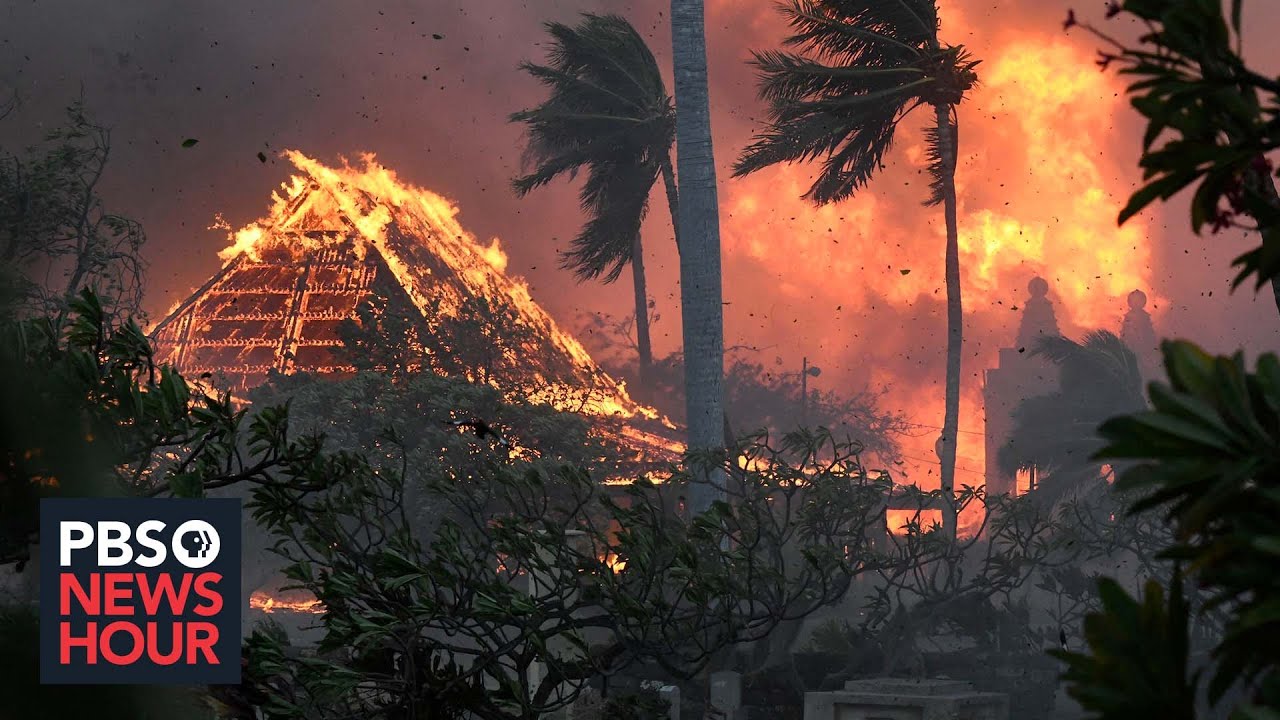
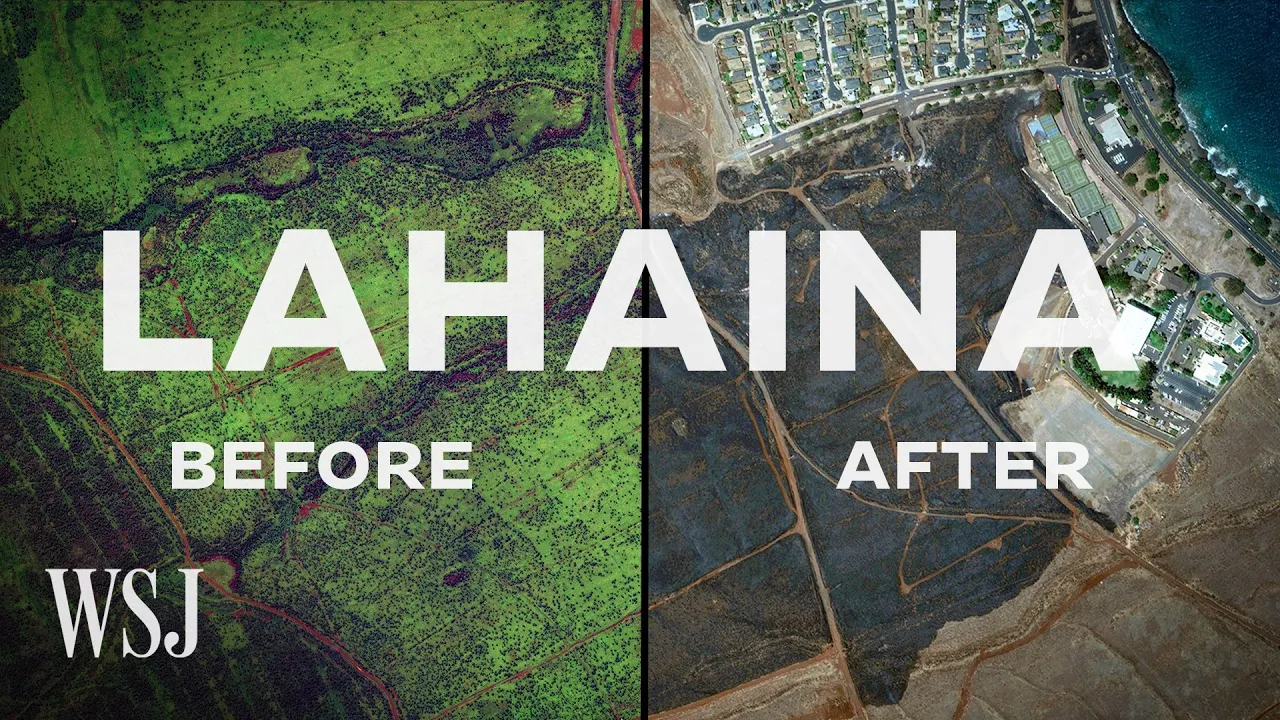
- Hawaii, California, Nevada, Brazil, and Australia. These places have one very flammable thing in common: invasive grasses. These plants are fueling more frequent and faster burning fires that are harder to put out and potentially more catastrophic to human life.
I'm gonna show you how and what's being done to fix it. Grasses are considered invasive when they take over new ecosystems where they don't belong. Cheatgrass, which now blankets the basins of the American West, originally came from either Europe or Eurasia.
And guinea and buffelgrasses, which likely played a big role in the lahaina fire are from Africa. Invasive grasses are among the most ignitable fuels for fires. - Look at the grasses.
It's like a lot of gasoline on the ground. - Unlike the leaves of trees or other plants, grass doesn't decompose very quickly. It can stick around for a long time.
Because their leaves are so thin, grasses also dry out fast, making them extra flammable. - If the air is hot and dry, they will come to zero moisture content, right? And if you have a fire coming down a mountain or a power line falling into dry grass, it's gonna ignite instantly.
- Just look back at places where we've seen intense grass-fed fires lately or even the recent fires in Canada, Greece, and Washington State. Dr weather is a huge contributor, and experts say dry seasons are becoming longer and more extreme due to climate change. Under those conditions, grasses can really show how well they thrive even in extreme environments.
Their seeds can sprout plants very, very quickly. - You get a little bit of rain, boom, they're off. - Their shallow roots also expand fast, meaning they can grab water from a large area, often way faster than native plants.
That puts native species at a disadvantage. Add fire to the mix, and that handicap grows because invasive grasses are very resilient to fire. So after it all burns.
. . - All that comes back is grass.
- That's happening a lot across the country. Without taller trees and shrubs acting like windbreakers, wind speeds go up. That fans fires and helps them move faster, making them harder to control.
In other words, invasive grass is not only fuel fires, they also make the environments they invade more fire-friendly. It's called the grass-fire cycle, but human activity is making grass-fueled fires more problematic and potentially deadly. All of a sudden, we're seeing a lot more fires in places where you wouldn't expect them, like deserts.
One big issue is land use for housing and agriculture. More people live in close proximity to areas that are fire-prone. - In California, there's a lot more people moving into lowland areas.
- [Daniela] On December 30th, 2021, the Marshall Fire started near Boulder, Colorado. - It was a fire that started in dry grass that was completely surrounding a housing development, very similar to the Maui situation that it didn't have to go very far before it hit the first house. - 1,084 houses went up in flames.
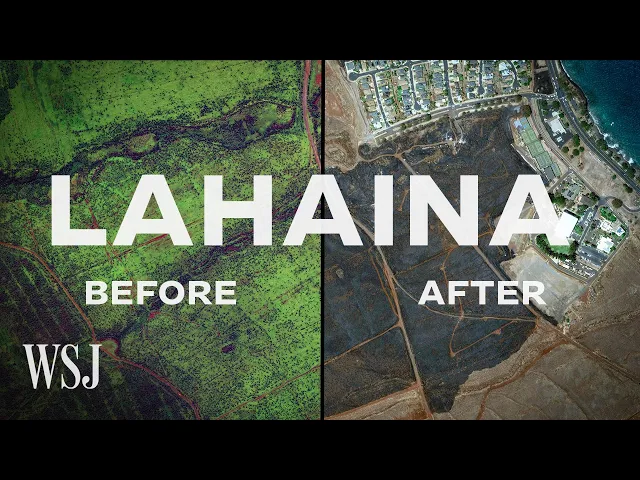
The Marshall Fire got started from burning trash and a power line that emit sparks. In Maui, abandoned pineapple and sugarcane fields filled up with guinea and buffelgrasses. These invasive grasses then likely fueled the fire that destroyed Lahaina.
Another important variable is emissions. All over the US, modern vehicles with combustion engines spread out ammonia, which is the nitrogen source that grasses love. It's the building block of nitrogen-based commercial fertilizers.
- We're creating a really nice environment for them to grow in. - So, does this mean that devastating fires like the ones in Hawaii and Colorado are going to become more common? - It's a preview of what happens when you are not prepared and when you are not planning for the extreme.
- Things like rebuilding roads to make evacuations easier and retrofitting houses to make them resilient in a more flammable world. Other survival strategies include controlled burns of grass-invaded areas and then planting less-flammable vegetation. Community preparedness is also critical.
- We need to imagine our worst-case scenario and then say, "Okay, are we ready?