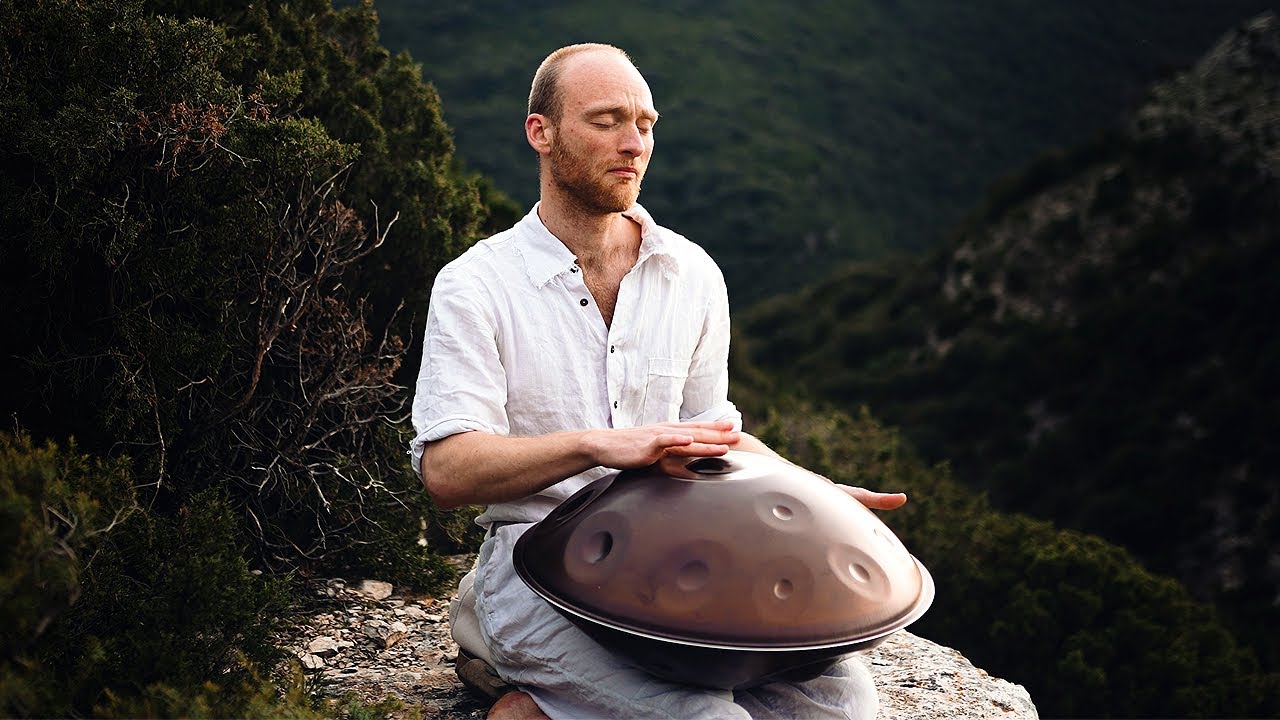
as this mountain biker heads up the trail the breakfast he ate this morning is being burned to power his bike ride his breathing rate increases as his leg muscles demand more oxygen to burn more fuel let's zoom down to where this fuel is burned our cells here the blood vessel on the Left delivers fuel and oxygen to a single muscle cell in cellular respiration energy and fuel is converted to ATP shown here as starbursts most ATP is made in the cells mitochondria ATP powers the work of the cell such as contraction let's take a closer
look at how ATP is produced from a molecule of glucose our fuel only the carbon skeleton is shown to keep things simple the first step is called glycolysis and it takes place outside the mitochondria to begin the process some energy has to be invested next the molecule is split in half now the molecule nad plus an electron carrier picks up electrons and hydrogen atoms from the carbon molecule becoming NADH keep track of the electron carriers they play an important role by transporting electrons to reactions in the mitochondria in the final steps of glycolysis some ATP
is produced but not much for every glucose molecule only two net ATP's are produced outside the mitochondrion however glycolysis has produced pyruvic acid which still has a lot of energy available let's follow this pyruvic acid molecule into a mitochondrion to see where most of the energy is extracted as the molecule enters the mitochondrion one carbon is removed forming carbon dioxide as a by-product electrons are stripped forming NADH coenzyme a attaches to the two carbon fragment forming acetyl co a coenzyme a is removed and the remaining two carbon skeleton is attached to an existing four carbon
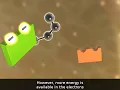
molecule that serves as the starting point for the citric acid cycle the new six carbon chain is partially broken down releasing carbon dioxide several electrons are captured by electron carriers and more carbon dioxide is released the carbon dioxide that you exhale comes from the reactions of cellular respiration two atps are produced by the citric acid cycle for each molecule of glucose at this point only a small number of ATP's have been produced however more energy is available in the electrons that are being transported by electron carriers while the citric acid cycle starts another round let's
follow an electron carrier to the next step in the process electron carriers such as NADH deliver their electrons to an electron transport chain embedded in the inner membrane of the mitochondrion the chain consists of a series of electron carriers most of which are proteins that exist in large complexes electrons are transferred from one electron carrier to the next in the electron transport chain let's take a closer look at the path electrons take through the chain as electrons move along each step of the chain they give up a bit of energy the oxygen you breathe pulls
electrons from the transport chain and water is formed as a byproduct the energy released by electrons is used to pump hydrogen ions the blue balls across the inner membrane of the mitochondrion creating an area of high hydrogen ion concentration hydrogen ions flow back across the membrane through a turbine much like water through a dam the flow of hydrogen ions spins the turbine which activates the production of ATP these spinning turbines in your cells produce most of the ATP that is generated from the food you eat the process you've just observed cellular respiration generates 10 million
80 PS per second in just one cell that ATP can power a biker up the trail or it can power your brain cells as you learn challenging biology topics











![💿 🌴 🔴 Video Game Vaporwave & Chillwave Remix Radio [24/7]](https://img.youtube.com/vi/YblDiMsPK0E/maxresdefault.jpg)