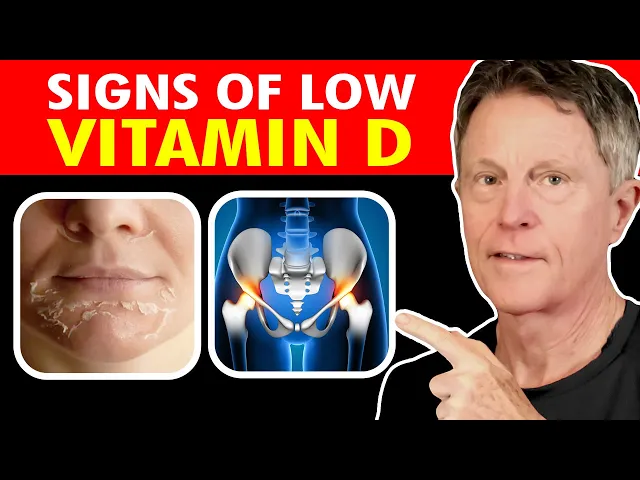
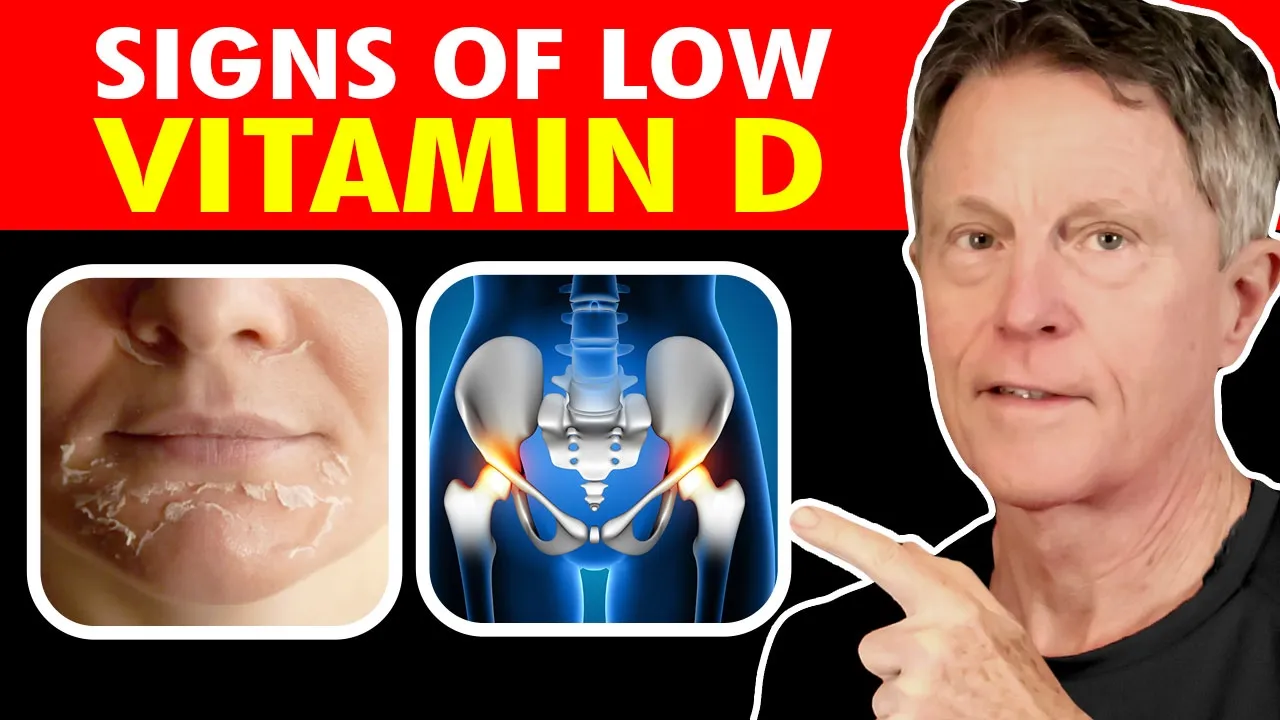
almost half of the population worldwide does not produce enough vitamin d sun exposure is just not enough the problem is most people miss the signs that their body needs more vitamin D that's really dangerous lack of vitamin D can cause a lot of problems there are seven signs everybody should know to to fix a lack of vitamin D top seven warning signs your body needs more vitamin D in this video I'll show you seven signs that your body needs more vitamin D the last sign can be life-threatening so don't miss it I'll also show you
why vitamin D causes those signs how to measure vitamin D and how to fix this problem spoiler alert it involves vitamin K2 and calcium number one one memory and mood problems are you starting to forget things well vitamin D might be involved Recent research has shown that vitamin D is essential to brain health it improves axine regeneration axin are the ner cells that make up the brain vitamin D reduces daily wear and tear on those brain neurons helping them work more efficiently decade after decade it also works as an antioxidant in the brain reducing oxidative
stress on those brain cells now you can see how a lack of vitamin D can impact your memory and mood vitamin D also regulates serotonin and dopamine remember those are key neurotransmitters neurotransmitters and disregulation of those by the way is yet another mechanism of vitamin D deficiency causing symptoms number two muscle tingling we're talking about involuntary muscle spasms low vitamin D causes muscle tingling this is actually due to low calcium vitamin D deficiency causes low levels of blood calcium this is what happens another geek alert typically 25 hydroxy vitamin D the inactive form of vitamin
D in the bloodstream enters different cells like immune cells and kidney cells transforming them 125 hydroxy vitamin D that's the active form of vitamin D pay attention to the names here calat triol sounds like calcium right calcat triol binds to various organ tissues such as the kidneys parathyroid glands intestines and Bones it promotes calcium release from the bone into the bloodstream so this is the connection low vitamin D causes low calcium now what causes the muscle tingling well for the muscles to contract or relax they need calcium a lack of calcium can cause the muscle
to have a rough transition between contraction and relaxation causing muscle tingling or spasms it's like a car engine with a faulty spark plug number three dry skin if you already use a lot of moisturizers consider checking your vitamin D levels skin is necess to create vitamin D thanks to sunlight the skin is capable of converting geek alert s dehydrocholesterol it's just a precursor of vitamin D into previtamin D3 and then into D3 which can be stored in fat or converted into 25 hydroxy remember that's the inactive vitamin D and that happens in the liver however
this skin also needs vitamin D for its Health as well the Skin's Health 125 hydroxy vitamin D the active form and calcium are essential in skin renewal vitamin D also improves the immune response in the skin and it even protects the skin from the sun dry skin can be a reflection of skin that's getting significant damage and cannot protect itself number four waddling walking that is walking like a duck this brings me back to muscles and bones and joints severe hip arthritis and spine injuries can cause this more often but low vitamin D can also
be a reason remember low vitamin D levels cause low calcium levels in severe cases low vitamin D and the resulting low calcium can even significantly weaken muscles and create weak hip bones the weak bones condition is called osteomalacia our low calcium levels in the blood again cause that weak bones osteomalacia number five fatigue there are a lot more common causes of fatigue from anemia to low thyroid but it's recently become very clear that low vitamin D can also cause fatigue a very recent study is now showing how vitamin D deficiency does this here's how Vitamin
D is necessary to decrease oxidative stress it reduces nitric oxide synthes remember our visit with Dr No Laro this is the enzyme that makes nitric oxide and if you don't remember nitric oxide you can find out all about it on that video another technical word alert be patient for just a second two more technical words they're coming up cyc oxygenase 2 and nuclear Factor Kappa here's why those are important both of these cause oxidative stress inflammation and you got it fatigue number six bone and joint pain the best bones you've ever had were when you
were 30 over time aging takes a toll and Bones will become more and more fra frile but you can slow this down vitamin D deficiency is a big culprit as you've seen already low vitamin D causes low calcium and you know what happens to bones and joints with low calcium we call that demineralization they the minerals come out they lose their strength and calcium making them fragile this is called osteoporosis vitamin D stimulates the synthesis of another geek word proteoglycan now that word proteoglycan is important because it's essential for maintaining appropriate joint cushioning it's the
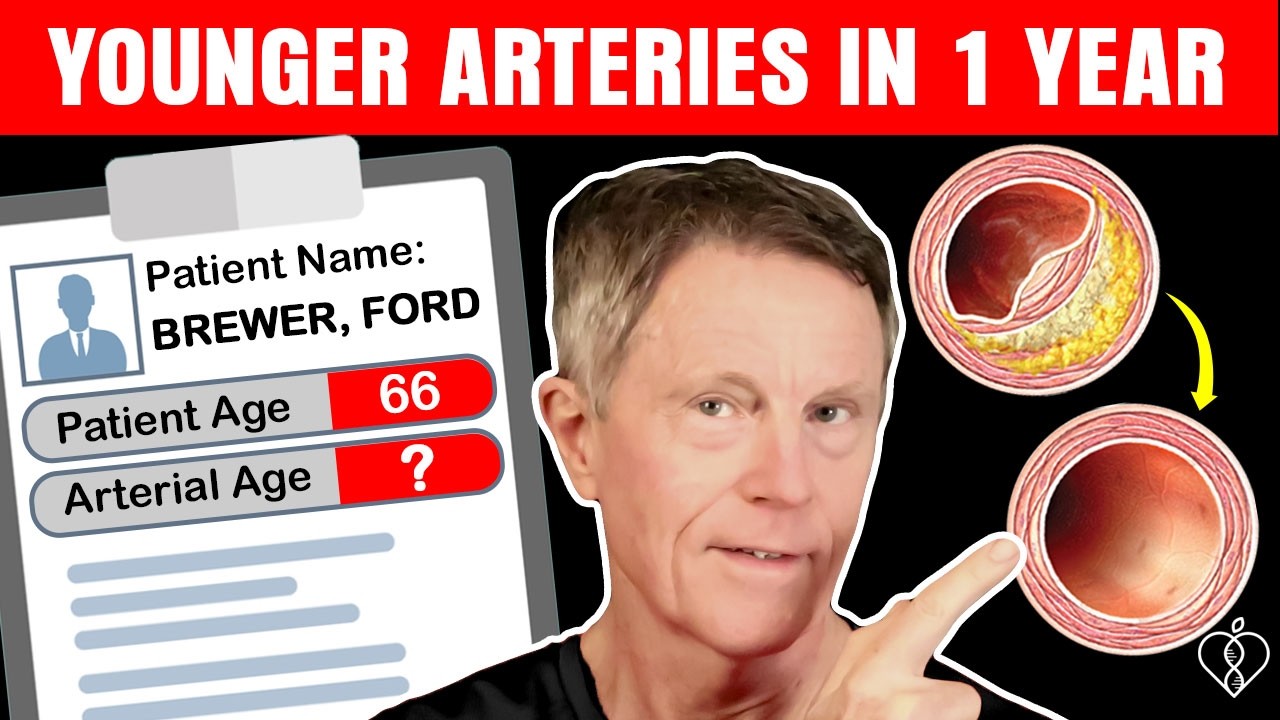
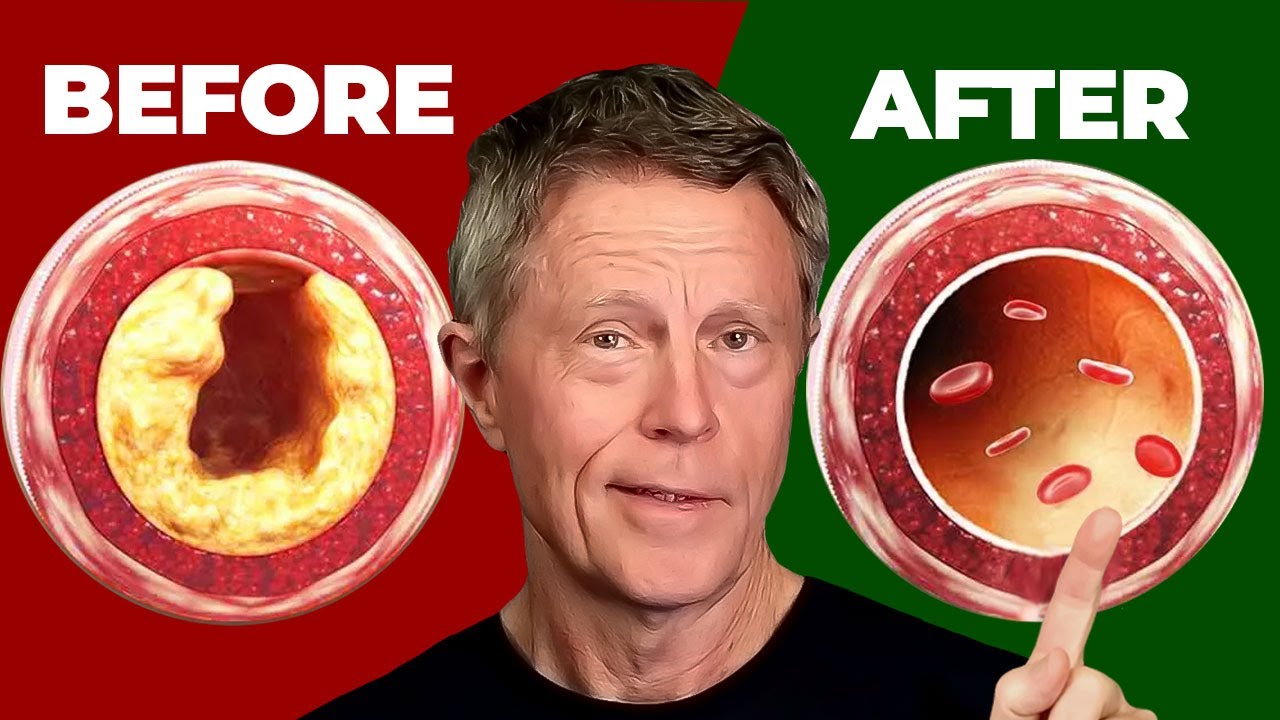
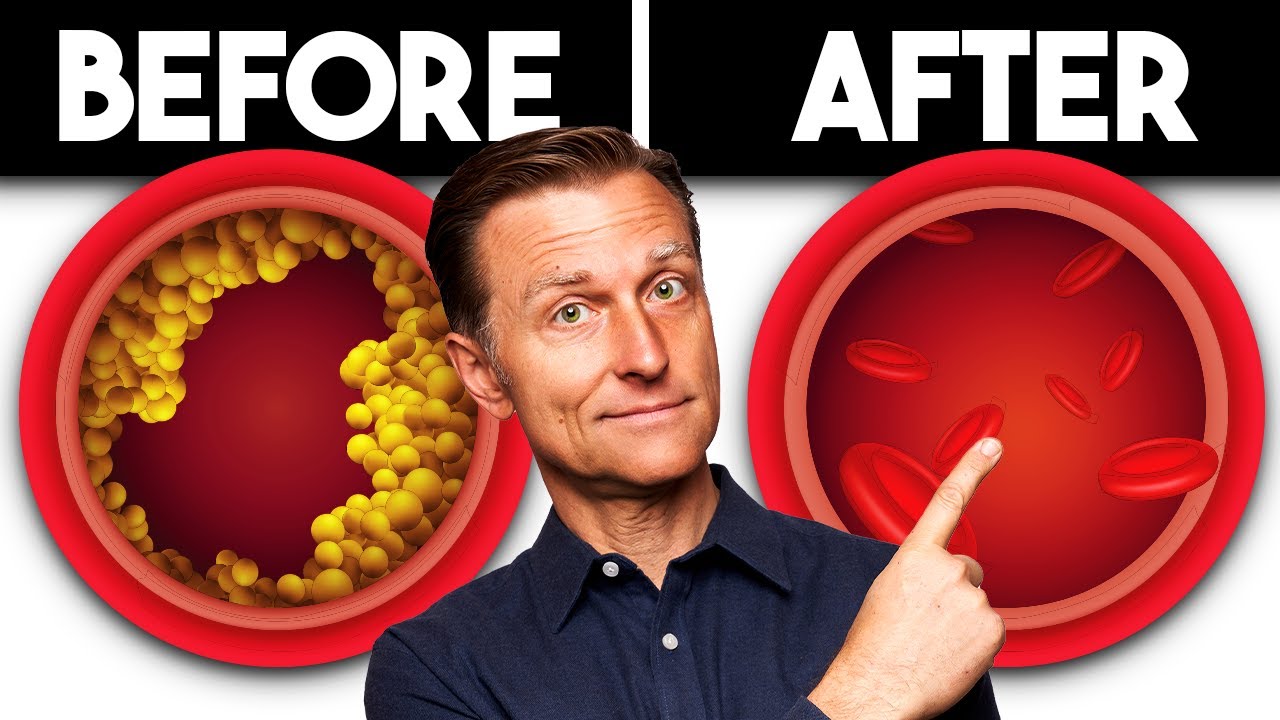
shock absorber fluid in the joint so if you in your 40s or older and deal with bone and joint pain consider vitamin D as we say test don't guess number seven and this is a critical one this is a sign you need to look for because if you have it it can be life-threatening it can kill you I'm talking about cardiovascular plaque now this is not new information but a recent article reviewed the evidence yet again behind the relationship between vitamin D deficiency and arterial plaque here's what happens vitamin D has significant anti-inflammatory antioxidant and
immune modulating functions now why is that important vitamin D can decrease the amount of two very inflammatory substances you may have heard of them tnf Alpha and il6 tisan necrosis Factor Alpha and interl lcan 6 but you again you don't need to remember those names you just need to remember that these are two major actors in arterial plaque buildup it's no wonder why people with low vitamin D develop more arterial plaque how can you know that you have plaque well there are multiple tests let's list them real quick calcium score CMT CED intim media thickness
test coronary CT angiogram CT angiogram and if you get that get the one with the AI analysis artificial intelligence you can even get some information about plaque right at home by measuring the blood pressure of your arms and your ankles and comparing that you using some standards we'll show you exactly how to do that in another video let's stop for a minute and talk more about vitamin D testing pardon the interruption but I've got something important to tell you if you're tired of your current cardiovascular prevention care and are looking for help call us 859
7211 1414 become a patient and get the level of care that you deserve now let's get back to that video I told you earlier that there are two types of vitamin D in the bloodstream the inactive form 25 hydroxy and the active form 125 hydroxy it's got another um hydroxy or oxygen and hydrogen in that one position it it may sound intuitive to measure only the active form but both are important and you should test for both vitamin D behaves a lot like a hormone it has a special attraction to Fat now here's why that
matters you can get lower serum vitamin D levels with weight gain and vice versa it also impacts test result interpretations most Labs consider deficiency at 25 hydroxy vitamin D levels below 30 nanog per milliliter however the endocrine Society the national and international osteoporosis foundation and the American geriatric Society all recommend levels between 40 and 60 they're looking for 40 and above I recommend levels even a tiny bit higher 50 why levels below 50 have been shown to increase the risk of cardiovascular plaque buildup and you know we're all about plaque because that's what kills you
high levels uh vitamin D above a 100 can cause multiple problems and even death death levels above 100 can injure the kidney the risk is higher with high calcium levels and dehydration I do recommend supplementation usually 5,000 international units once daily and no more than 10,000 international units however I only recommend supplementation while measuring vitamin D levels also remember the impact of body fat vitamin D levels in the blood might increase as you lose weight and decrease as you gain weight let's move on to K2 vitamin K2 has a significant Ro a recent metaanalysis a
study of studies has shown that when combining vitamin K2 supplementation with vitamin D Mineral bone density can increase let me repeat that combining K2 supplementation with vitamin D you can get mineral bone density increase some evidence suggest that vitamin D3 with the right amounts of vitamin K2 can activate a substance called Matrix GLA protein or MGP MGP might be able to bind to calcium and remove it from places where it's just not supposed to be like artery walls and other soft tissues however calcium might help stabilize plaque so let's not focus quite so much on
reducing or taking calcium out of our artery wall instead let's focus on reducing inflammation from those arteries fortunately vitamin K2 can help with that as well so I recommend 400 micrograms of vitamin K2 once a day as a safe supplement remember lifestyle is by far more important in preventing heart attacks and strokes lifestyle is King you cannot outs supplement a lifestyle if you want to know how else to unclog your arteries check out the top seven foods that clean them