In today's video, we're diving into one of the most intriguing and ancient subjects, the mysterious and powerful world of Babylonian magic. Imagine being able to tap into the same secrets that shaped one of the most influential empires in history. The Babylonians weren't just masters of warfare and politics.
They were also the architects of a magical tradition that has endured for thousands of years. Now, why is this important for spiritualists today? Well, the knowledge passed down by the Babylonians holds keys to understanding the mystical forces that shape our world.
From their rituals to their understanding of astrology and even their deep connection to the divine, all of this is still incredibly relevant to modern spirituality. This video will not only unravel the history and practices of Babylonian magic, but also explore how it continues to influence spiritual traditions today. So whether you're a seasoned spiritualist or just starting your journey, there's something profound waiting for you, let's begin this magical journey into the heart of ancient Babylon and uncover the wisdom that every spiritualist must know.
Babylon was one of the most powerful and influential cities in the ancient world, located in the heart of Mesopotamia, modern-day Iraq. Its history stretches back over 4,000 years, and it was the capital of several great empires, including the famous Babylonian Empire. The city itself became a symbol of power, wealth, and mystical knowledge.
And it was in this environment that the roots of Babylonian magic began to take shape. At its peak, Babylon was a thriving cultural center where art, science, religion, and magic were deeply intertwined. The Babylonians believed that the gods had the power to control every aspect of human life.
From the smallest details to the grandest events, and magic was seen as the means to communicate with these gods, predict the future, and manipulate the forces of nature. The Babylonians were also pioneers in astrology and they believed that the movements of the stars and planets could offer divine insight into the workings of the universe. Their priests and magicians studied the skies, interpreting celestial events as messages from the gods, not just for divination, but also to guide important decisions for the kingdom.
As the city grew in importance, so did its magical traditions. The Babylonians developed a complex system of rituals, spells, and incantations to honor their gods and seek their favor. Temples were built to house these rituals.
And it was here that the most powerful magicians, priests, and astrologers practiced their arts. These magical practices became a cornerstone of Babylonian culture, influencing everything from politics to personal life. It was in this environment that Babylonian magic truly flourished.
laying the foundation for mystical traditions that would spread far beyond the walls of the ancient city, eventually impacting cultures across the world. As we explore the magical practices that emerged from Babylon, it's important to remember that this was a civilization that saw magic not as a separate or isolated activity, but as an essential part of their everyday existence, intertwined with their beliefs about fate, the gods, and the very fabric of the universe itself. Babylonian magic was deeply rooted in the belief that the universe was governed by invisible forces that could be controlled and influenced through specific rituals and practices.
At the core of this belief was the understanding that everything in the world from the movements of the stars to the flow of water had its own spiritual significance. And by tapping into these forces, the Babylonians believed they could align themselves with the divine and harness its power. One of the key aspects of Babylonian magic was its strong connection to religion.
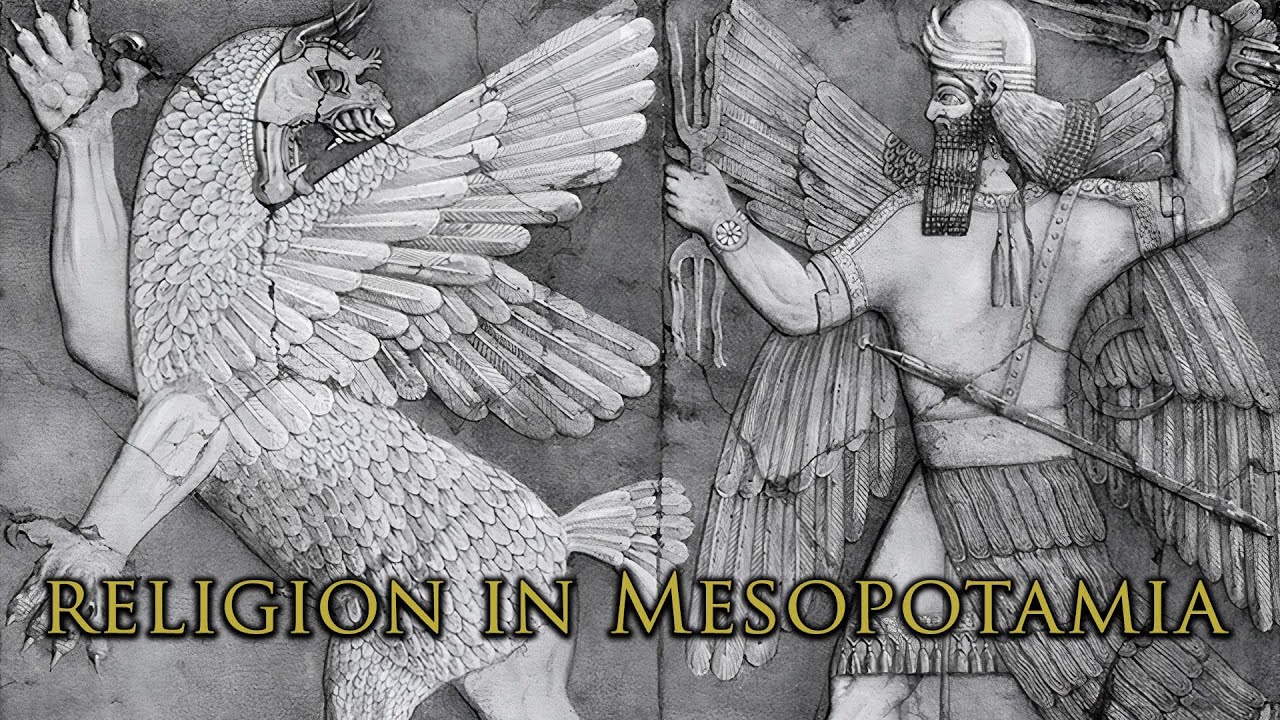
For the Babylonians, magic was not seen as a separate practice from religion, but as an integral part of it. They believed that the gods controlled everything. And through magic, they could communicate with the gods, seek their favor, and influence the outcome of events.
The Babylonians developed an elaborate system of rituals, invocations, and sacrifices to appease the gods and protect themselves from evil spirits. These rituals were often performed by highly trained priests and magicians who are regarded as intermediaries between the human and divine realms. One of the most significant elements of Babylonian magic was divination.
The Babylonians used various methods to predict the future and understand the will of the gods. Astrology played a central role in this as they believed that the position of the stars and planets could reveal important information about the future. Babylonian astrologers would study the night sky analyzing the movements of celestial bodies to interpret omens and make predictions.
This practice was not just for personal gain but was used to guide political decisions, military strategies, and even the fate of entire cities. Another important aspect of Babylonian magic was the use of incantations and spells. These were powerful words or phrases that were believed to carry magical power.
By reciting these incantations, the Babylonians could invoke divine protection, banish evil spirits, or bring about desired changes in their lives. Amulets and talismans were also commonly used. These objects were believed to hold magical properties that could protect the wearer from harm or bring good fortune.
They were often inscribed with symbols or incantations and were worn as a form of spiritual armor. The Babylonians also had a deep understanding of the forces of nature. They believed that the natural world was filled with spirits and that these spirits could be either beneficial or harmful depending on how they were approached.
They used rituals and offerings to honor the spirits of the land, the waters, and the sky. Seeking their favor and protection through these practices, the Babylonians developed a highly sophisticated system of magic, one that was deeply integrated into their daily lives. Their understanding of the universe was not just intellectual but deeply spiritual.
And it was this connection to the divine that gave their magic its power. This combination of ritual, astrology, divination, and the use of incantations and symbols form the foundation of Babylonian magic, a powerful tradition that continues to influence spiritual practices to this day. In the world of Babylonian magic, certain figures stand out as the key players who not only practiced magic but also shaped its development.
These individuals were seen as the bridges between the mortal realm and the divine. They were the ones who carried the sacred knowledge of the gods and passed it down to others. One of the most prominent figures in Babylonian magic was the high priest.
Often regarded as the most powerful individual in Babylonian society, these high priests were entrusted with the most important rituals. Their knowledge of the gods, astrology, and magic made them indispensable to the spiritual life of the city. They performed ceremonies in the grand temples, invoking divine forces, interpreting omens, and ensuring that the gods remained pleased.
Through their deep understanding of magical practices, they were able to influence the fate of individuals and even the future of entire empires. The Babylonians also revered their magicians, individuals who are highly skilled in the use of spells, incantations, and rituals. These magicians were often hired by kings, nobles, and common people alike to cast spells, create amulets, or perform divinations.
Their ability to manipulate magical forces made them incredibly valuable. They were often seen as experts in the manipulation of fate. Another key figure in Babylonian magic was the astrologer.
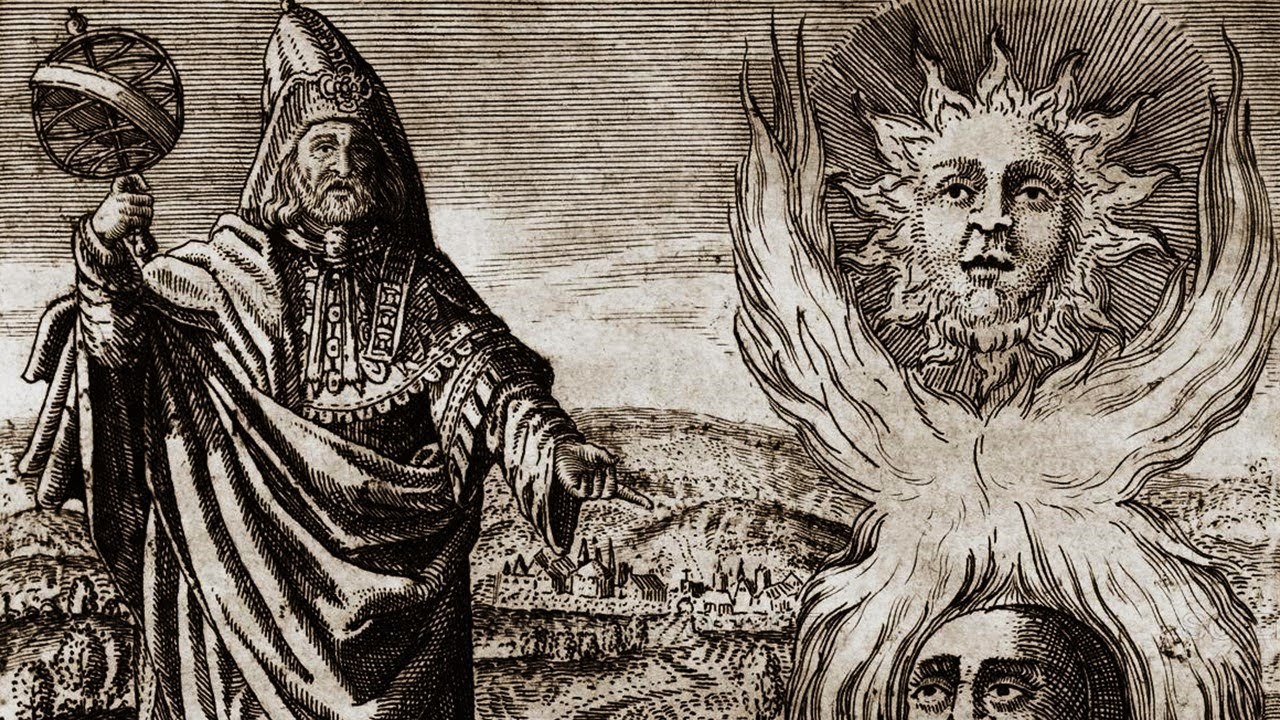
Astrology was one of the most important magical practices in Babylon. And astrologers were respected as highly knowledgeable individuals who could read the stars and interpret the will of the gods. Babylonian astrologers would chart the positions of planets and stars.
Using their observations to predict future events and offer advice to rulers in a world where fate was closely tied to the movements of celestial bodies. These astrologers were not just scientists but also spiritual guides. One of the most well-known figures associated with Babylonian astrology is the scholar Barasus.
Barasus was a priest of the god bell and a famous astrologer who lived during the hellistic period. He is said to have written several works on Babylonian astronomy and astrology including descriptions of the zodiac and its influence on human affairs. His teachings were highly influential and were spread throughout the ancient world.
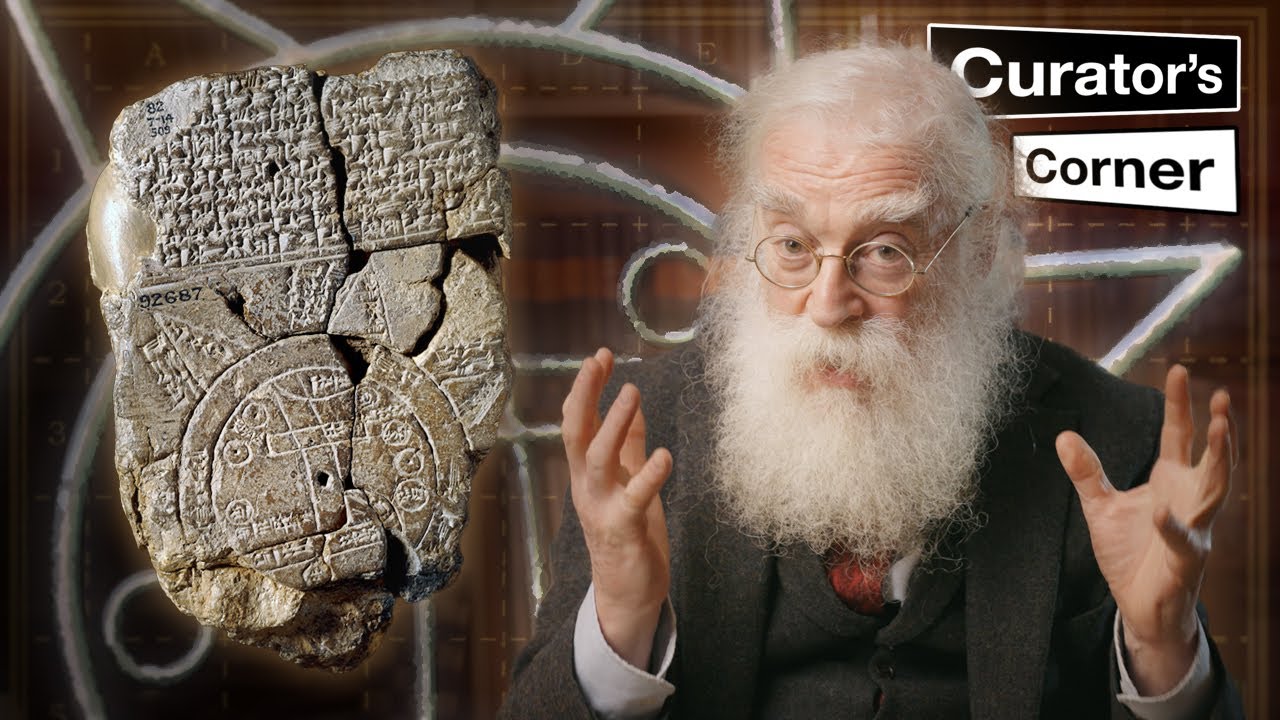
Passing down Babylonian magical knowledge to other cultures. In addition to these figures, there were also many scribes and scholars who played a crucial role in preserving the magical knowledge of the Babylonians. They wrote down magical spells, incantations, and religious texts on clay tablets.
Many of these texts have survived to this day, allowing modern scholars to gain insight into the magical practices of the Babylonians. These figures were their priests, magicians, astrologers, or scholars were all key to the development and preservation of Babylonian magic. Through their teachings, practices, and written records, they ensured that the knowledge of Babylonian magic continued to influence generations long after the fall of the Babylonian Empire.
The influence of Babylonian magic stretched far beyond the borders of ancient Mesopotamia. As one of the most powerful civilizations of its time, Babylon's magical practices were absorbed, adapted, and transformed by many neighboring and distant cultures. Over time, the Babylonians deep understanding of astrology, divination, and rituals spread throughout the ancient world, reaching regions such as Egypt, Persia, Greece, and even the Roman Empire.
The impact of Babylonian magic can be seen in the way these civilizations adopted and incorporated Babylonian astrological knowledge. In fact, many of the foundational principles of Western astrology can be traced back to Babylonian practices. The Babylonians were among the first to divide the sky into zodiac signs and to associate specific planetary movements with human affairs.
These concepts were passed on to the Greeks who refined them and made them central to their own understanding of the cosmos. Another area where Babylonian magic had a significant impact was in the development of the occult and mystical traditions of ancient Egypt. Egyptian magicians and priests were deeply influenced by Babylonian rituals and magical practices.
Particularly in their use of amulets, spells and divine invocations. Both cultures believed in the power of the gods to control fate. And both used magic as a tool to communicate with these deities.
In Persia, Babylonian magic was similarly integrated into the religious and philosophical systems of Zoroastrianism. Zoroastrian priests known as magi were heavily influenced by Babylonian divination techniques and astrology. They also adapted Babylonian rituals to suit their own religious beliefs, creating a unique fusion of Babylonian and Persian magical traditions.
Perhaps one of the most enduring influences of Babylonian magic was on the ancient Greek world. The Greeks were fascinated by Babylonian astronomy and astrology and figures like Plato and Pythagoras were known to have studied Babylonian texts and teachings. The Greeks took many of these ideas and incorporated them into their own systems of philosophy and science, particularly in their understanding of the cosmos as Greek philosophers.
and mathematicians explored the nature of the universe. They built upon Babylonian models of the heavens and the stars. The mystical practices of Babylon also had a profound effect on later spiritual movements, particularly in the development of Gnosticism, early Christian mysticism and even medieval alchemy.
The use of symbols, incantations, and rituals found in Babylonian magic can be seen in these later spiritual traditions which sought to understand the divine and unlock hidden knowledge. As a result, Babylonian magic didn't just influence the cultures of its time, but left a legacy that would continue to shape mystical thought for centuries. It is through these cultural exchanges and adaptations that Babylonian magical knowledge was preserved and passed down through history, influencing generations of magicians, philosophers, and spiritual seekers who look to Babylon as a source of divine wisdom and mystical power.
The ancient practices of Babylonian magic offer valuable lessons for spiritualists today. Although these traditions were developed thousands of years ago, their insights into spirituality, the divine, and the natural world remain incredibly relevant. One of the key lessons that we can learn from Babylonian magic is the importance of connection.
In Babylon, magic was never just an individual pursuit. It was deeply intertwined with religion, community, and the natural world. The Babylonians believed that everything was connected from the stars in the sky to the soil beneath their feet and that by understanding and aligning with these forces, they could live in harmony with the universe.
For modern spiritualists, this idea of interconnectedness can be incredibly powerful. It reminds us that we are not isolated beings, but part of a larger divine web and that our actions, thoughts, and energies influence the world around us. Another lesson from Babylonian magic is the value of ritual.
In ancient Babylon, rituals were not just about performing actions. They were about creating a sacred space, a time to focus, to connect with the divine, and to direct magical energies. Whether it was through prayers, incantations, or offerings, rituals allowed the Babylonians to engage with the spiritual realm.
For today's spiritualists, rituals can provide structure and meaning. They help us ground our spiritual practices and make space for connection with the divine, whether through meditation, sacred ceremonies, or personal invocations. Another crucial aspect of Babylonian magic that we can apply today is the power of divination.
The Babylonians were masters of astrology, using the stars and planets to guide their decisions. Their understanding that the movements of the celestial bodies could reflect deeper truths about life is a practice that still resonates with many spiritual seekers today. Astrology remains a popular and useful tool for gaining insight into our own lives, understanding our purpose, and aligning with the natural rhythms of the universe.
Just as the Babylonians believe the heavens could offer guidance, modern spiritualists can look to astrology, tarot, or other forms of divination to connect with the unseen forces of the world. Babylonian magic also teaches us about the importance of intention. Every spell, incantation, or ritual performed by the Babylonians was driven by a clear intention, whether it was to heal, protect, or gain insight.
The focus on intention allowed the practitioner to direct their energy in a purposeful and effective way. For spiritualists today, setting clear intentions is just as important. When we practice magic, meditation, or any form of spiritual work, the clarity of our intention directs our energy and helps manifest our desires in alignment with the universe.
Finally, Babylonian magic teaches us about the ongoing relationship with the divine. The Babylonians didn't view their connection with the gods as a one-time event. It was a continuous practice, one that required regular offerings, rituals, and spiritual focus.
Today, spiritualists can learn from this ongoing relationship with the divine by committing to regular practices. Whether it's through meditation, prayer, or ritual, we cultivate a deep personal connection with the spiritual realm, just as the Babylonians did. These lessons from ancient Babylonian magic offer timeless wisdom that can help modern spiritualists strengthen their practices and connect with the divine by embracing the interconnectedness of all things.
The power of ritual, the insights from divination, the importance of intention, and the ongoing relationship with the divine, we can enhance our spiritual journeys and tap into the powerful forces that govern our world. In conclusion, the ancient magic of Babylon offers a wealth of knowledge and insight for spiritualists today. While its practices were developed thousands of years ago, the lessons they impart remain relevant and powerful.
From the deep connection with the universe to the sacred rituals and the use of divination, Babylonian magic encourages us to live with intention and alignment with divine forces. It teaches us the importance of rituals as tools for spiritual connection and the power of astrology and other forms of divination in understanding our place in the world. As spiritual seekers, we can learn much from the wisdom of the Babylonians.
Their belief in the interconnectedness of all things reminds us that we are not isolated but part of a larger cosmic web. As we move forward in our own spiritual practices, we can apply their teachings in our daily lives. Whether it's through setting clear intentions, practicing rituals, or embracing the divine guidance available to us, Babylonian magic shows us that the ancient world had a deep understanding of spiritual forces.
And by honoring these teachings, we too can tap into the mystical powers that are still at work today. Thank you for joining me on this journey through the full story of ancient Babylonian magic. May the wisdom of the past illuminate your spiritual path.