these ancient walls have stood the test of time bearing witness to centuries of History conflict and culture for today's video we're going to count down 15 incredible ancient walls that still exist starting with number 15 the theodosian wall built between 408 and 413 CE under Emperor theodosius II the theodosian walls are a lasting symbol of the Byzantine Empire's ambition and strength these walls which still stand as modern-day istan buul were designed to protect Constantinople from growing threats today they offer a fascinating glimpse into the past and raise an intriguing question how have they endured for
over, 1600 years well the walls were engineered with one clear purpose to make Constantinople nearly impossible to conquer military Architects and Engineers created a two-tier defense system the inner wall made of limestone and red brick stood 36 to 46 ft High and over 15 ft thick after an earthquake damaged the original structure an outer wall and a deep mop were added defensive Towers some as tall as 66 ft provided Clear Sight lines for spotting Invaders and strategic positions for Archers and soldiers to defend the city from all angles the secret to the Wall's longevity lies
in the construction they were built with high quality materials like Limestone brick and marble and they were designed to withstand seismic activity too they were remarkably durable the defense Towers also played a critical role serving as a focal point for repairs and maintenance over the centuries as the surrounding area developed buildings and modern infrastructure provided additional protection against the elements today large sections of the theodosian walls still stand including the iconic adern aopi gate a reminder of constantinople's strategic importance and the Ingenuity of its Builders number 14 The Great Zimbabwe walls in Southeastern Zimbabwe the
Great Zimbabwe walls stand as a powerful reminder of one of Africa's greatest ancient civilizations built by the shown up people between the 11th and 15th centuries this incredible site was once the heart of a thriving Kingdom that lasted for over 300 years today these walls are constructed with remarkable Precision continue to inspire awe and curiosity and offer a window into the past and they raise questions about the durability of ancient building techniques the walls were built over several Centuries with sections added or expanded as needed and what makes them truly extraordinary is their construction they
were built without mortar relying entirely on the careful stacking of large Granite Stones the shown up people quarried the granite from nearby Hills shaping and arranging the stones with such Precision that the walls have remained solid and stable for over 500 years the secret to their longevity lies in this ingenious construction method the tightly stacked Stones create a structure resilient to wear and tear even as they shifted slightly over time the granite itself is a tough and durable material and that's played a key role too well despite centuries of exposure to rain heat and wind
the stone has eroded slowly helping the walls endure however the site hasn't been immune to damage in the late 19th century European explorers and treasure Hunters plundered the area destroying parts of the wall in their search for gold well despite that much of the structure remains intact an example of the SK and foresight of the Shona Builders number 13 the walls of deenik the city of Dubrovnik historically known as Ragusa was founded as a defensive settlement especially after refugees from nearby towns like epidor sought Refuge from Invaders from the 8th Century the city's first Limestone
forts began to rise setting the foundation for what would later become a powerful citystate the walls around the brnik were essential for the city's survival and growth they were built over centuries from the 9th to the 17th initially the defensive walls were simple structures however as the brnik expanded and gained prominence its defenses grew more elaborate by the 13th century the walls began to take their current shape enclosing the city in an unbroken chain of stone with numerous towers bastions and fortifications added to bolster defense the walls thickness varies but in some sections they are
near nearly 20 ft thick designed to resist both Siege tactics and the wear and tear of time but the most impressive section of the walls is the section surrounding the harbor where land is less defensible this area includes three circular Towers Four quadrangular Towers and several bastions each carefully placed to create a nearly impenetrable defense the largest of these fortifications is the St John's Fortress which was critical for the city's protection the walls of De brnik stretch over 6,300 ft and with more than 120 cannons strategically placed along the walls the brvenik was well equipped
to defend itself against any Naval attacks number 12 the kumbalgarh [Music] akumba the ruler of the mayir the purpose was to protect the fort which housed not only a Royal Palace but also more than 300 temples spanning over 22 mies the wall is the second longest continuous wall in the world after China's Great Wall now unlike the crumbling ruins of many ancient fortifications this wall is still remarkably well preserved running through valleys and clinging to mountain ridges in some sections it stretches up to 49 ft high and is 49 ft thick making it an impos
opposing barrier against any wouldbe Invaders how has this wall withstood the centuries of natural wear and tear political changes and time well the answer lies in both its construction and its location the thick strong design is resisted erosion while its placement in the terrain of the aravali range has made it less susceptible to attacks over the years the Wall's significance and scale have earned it a spot as part of the UNESCO world heritage site designation known as the hill forts of rajastan though somewhat off the beaten path the fort and its towering walls are becoming
an increasingly popular destination for travelers who seek out historical sites with a rich Legacy number 11 the walls of Shian the Shian City wall is one of China's most significant historical and Architectural landmarks it was built during the early 14th century this wall was part of the defense system of Shian which was the then capital of the Ming Dynasty the project was advised by shuang a sage who recommended that before establishing his Empire the emperor should build a strong wall and a stockpile food following this advice the emperor laid the foundation for what would become
one of the most impressive City walls in history originally constructed from tamped Earth this wall was later reinforced with bricks in the 16th century to provide additional strength and durability over time the fortifications were expanded and refined with features like drainage systems and kennels for shooting projectiles today the wall stands as a striking and well-preserved example of ancient military engineering the walls dotted with about 98 ramp Parts baced about every 400 ft each with its own Sentry building to monitor any potential threats and the ramp parts were strategically placed like this to prevent enemies from
scaling the wall soldiers could then use them to defend the city from any direction the four main gates of the wall were the only entry points into the City and they were heavily fortified to withstand attack as Shon grew over the years the Wall's import shifted from military defense to a historical symbol marking the boundaries of the city's ancient districts in 1983 the wall underwent a significant refurbishment to ensure its preservation and since it's been recognized as a National Historical and cultural unit number 10 the moat and walls of the Forbidden City at the heart
of Beijing lies the Forbidden City a breathtaking power complex that is stood the test of time built between 1406 and 1420 under the Ming Dynasty's yungal Emperor this Grand structure served as the Imperial home and political Center for Chinese Emperors for over 500 years its wall and moat were not just practical defenses but also symbols of The Emperor's supreme authority and the sacred divide between his world and the outside the Forbidden City's most striking features are its massive walls and surrounding moat the walls made of sturdy red brick stand 33 ft tall and stretch over
2 mi the color red symbolizing prosperity and power dominates the complex reinforcing the emperor's Divine status the moat is nearly 180 ft wide and 3 Mi long and add an extra layer of protection making invasions nearly impossible and it emphasizes the separation between the emperor's realm and the rest of the world these fortifications were more than just physical barriers they were statements of Imperial power the walls and created an imposing boundary ensuring only those with permission could enter over time the forbidden city became more than a royal residence it was the heart of the Chinese
governance and a symbol of the Empire's strength the durability of the structures here is an example of the quality of materials and craftsmanship that were used the walls were built with carefully selected bricks while the palace's iconic wooden architecture featuring intricate dong brackets showcase both structural integrity and artistic skills but the bidden City's design went beyond practicality it was a cosmic representation of The Emperor's place at the center of the universe the palace symbolized the Earth surrounded by walls and a moat like the heavens reflecting the emperor's divine right to rule number nine Sakai Haman
perched above Cusco in Peru Sakai Haman stands as one of the most impressive examples of ancient Incan construction built in the 15th century likely under Sapa Inca pachakuti and his successors this fortified complex was once a part of a larger Citadel that dominated the landscape today its massive stone walls remain as an example of the Inca's extraordinary engineering ability now the most striking feature here is the precisely cut stone walls made of irregularly shaped Stones weighing several tons the walls fit together so tightly that no mortar was needed the stones are arranged in three Terrace
layers each custom shaped to fit perfectly the Precision here is so remarkable that not even a piece of paper can slide between them but the purpose of Sak Haman is still debated while some believe it was a fortress or military stronghold others argue it served as a ceremonial site its position and alignment with the landscape suggest that it may have played a role in Incan cosmology reflecting their deep connection to the land much of the complex was destroyed by the Spanish during their conquest of the Inca Empire in the 16th century they repurposed many stones
for their own buildings in Cusco but the massive size of the remaining ones made them difficult to move as a result the lower walls here have endured standing strong despite the centuries of weathering and seismic activity they were built at an altitude of over 12,000 ft suak Haman faced challenges like high altitude erosion and earthquakes yet the walls remain remarkably intact the methods used allow the walls to flex and shift with out collapsing showcasing the Builder Ingenuity in 1983 it was designated as a UNESCO world heritage site for its cultural significance and today it draws
visitors from around the world offering a glimpse into the Brilliance of the Inca civilization number eight the floden wall the floden wall which still stands today amid the bustling streets of Edinburgh in Scotland offers a quiet reminder of a city on edge in the 16th Cent Century completed in 1560 this defensive structure was built in response to a real though unfulfilled fear after Scotland's loss at the Battle of floden in 1513 in which King James IV was killed edinburgh's leaders faced another potential attack by the English who had just defeated the Scottish Army as a
result they decided to build a formidable wall to protect their City standing 2 24 ft tall the wall once encircled an area of 140 Acres home to around 10,000 people although the Wall's original purpose was to defend against a feared English Invasion that never materialized it did become a key feature in the city's defenses during the turbulent times of the 16th century the walls with stod various efforts to breach the city including the use of a massive Cannon mons Meg which was employed to destroy enemy positions outside the wall built of stone it was designed
not only to be a defensive barrier but a symbol of the city's resilience the walls were a physical manifestation of a city that was trying to maintain its independence and Safeguard its people from external threats however the Wall's usefulness began to wne over the centuries by the 18th Edinburgh had grown Beyond its old boundaries the wall once a critical defense became an obstruction to the city's expansion roads were built over portions of it and new buildings like the University of edinburgh's old College were constructed at top what had once been a protective barrier well despite
the Wall's gradual Decay remnants of it still stand today as protected monuments offering a tangible link to edinburgh's past the most well-known fragment though is the stretch surrounding gry fries kirkyard where it remains a distinctive feature of the city's landscape moving on to number seven the walls of Stan the walls of Stan stand as an example of centuries of defense and strategic importance on the dation coast of Croatia stretching over 5 km this imposing fortification once protected to the city of Stan and its smaller neighbor malistan built in the 14th century during the reign of
the Republic of Ragusa the walls of Stan were primarily constructed to safeguard the valuable salt pans in the region salt was a vital commodity for the Republic and it contributed to the wealth and economic power of dnik to protect this resource from threats like the Ottoman Empire which had expanded into their territory the walls were erected to create secure perimeters around the Two Towns the design of the walls was as much about practicality as it was about visual impact with 40 towers and a massive fortress perched on top the walls were an imposing feature of
the landscape the construction of the walls used local Limestone making them blend in seamlessly over time as the Republic maintained and reinforced these walls they began to symbolize not just military protection but also the wealth and prosperity of the city Austrian authorities who took control of the region repurposed the materials to build schools public buildings and even a triumphal arch in honor of the visit by Austrian emperor in 1884 well despite the setbacks the walls of Stan continued to stand all being in a diminished state but one of the biggest threats to the Wall came
not from human hands but from the forces of nature in 1996 a devastating earthquake caused extensive damage the destruction while tragic sparked a restoration effort that has since brought back the walls to life today visitors can walk along them exploring the towers and taking in the views of the sea below the fortification once built to ward off Invaders now attract a different kind of crowd tourists eager to trace the steps of History while enjoying the stunning beauty of the Croatian Coastline number six the walls of AIA the walls of AA are a reminder of that
City's Rich medieval history stretching over 1 and a half miles they stand as one of the most well-preserved examples of medieval fortifications in Europe built at the end of the 11th Century they were a necessary defense against the threat posed by the moish armies during a turbulent time in Spanish history the construction began around 1090 driven by the need to protect that growing Christian population as they pushed further Southward reclaiming land that had long been a Battleground between Islamic caliphates of the South and the Christian Kingdoms in the north The Province once a desolate nomad's
land between these two forces had begun to see a repopulation effort by the northern kingdoms however this area remained fraught with tension leading to the construction of a mighty fortification to Shield the people within made primarily of granite the walls are pretty thick about 9.8 ft in many sections and rise to an impressive height of about 39 ft these walls reinforced by 88 semicircular Towers were built with practical defense in mind the towers were placed strategically to allow for surveillance and defense from attackers despite the ravages of time though they've remained remarkably intact the layout
includes an area of roughly 77 Acres enough to protect a thriving town from the uncertainty of that era the walls also stand in stark contrast to the growth and modernization of the city around them even today visitors can walk along the sections of the wall and imagine the medieval soldiers who once patrolled them the history of these walls has been recognized and preserved earning the city a UNESCO world heritage status in 1985 number five the aelian walls the aelian walls have stood in Rome for over 1700 years they were constructed between 271 and 275 ad
during the reign of Emperor aelan these walls were a direct response to the escalating threats Rome faced during the turbulent 3rd Century they were more than a mere line of defense they marked a turning point in Roman history when even the Eternal City could no longer rely on its reputation and army by the 3rd Century Rome's expansion had f outstrip the boundaries of its earlier fortifications the cian wall which dated back to the 4th Century BC for centuries Rome remained unfortified its citizens secured in the Pax Romana and the strength of the Roman Legions however
a combination of internal strife and external invasions revealed a new vulnerability Emperor raan commissioned the walls as a protective measure not just for the City's population but also to secure Rome's role as the heart of the Empire The Walls enclosed 3,500 Acres of urban and rural land including the famous Seven Hills of Rome the campus morius and parts of the tresta district across the Tyber River the walls stretch about 12 Mi and they enclose an area of about 5.3 Square mil the original structure was 11 ft thick and stood 26 ft high with square watchtowers
positioned every 97 ft modifications under Emperors like maxentius and honorius doubled the height of certain sections to 52 ft enhancing that defensive capability but by 500 AD the circuit included over 380 Towers 18 main gates and a numerous small poster Gates they were made of a blend of lime volcanic ash and Rubble that was set into a solid Mass this material was not only strong but also resistant to the elements the walls continued to Define Rome's boundaries until the 19th century even during the unification of Italy in 1870 when Rome was captured by the Kingdom
of Italy the breach at portopia underscored the enduring significant ific of those ancient defenses number four the walls of Constantinople the walls of Constantinople made to Shield the city from Invaders and protect its inhabitants remain one of the most remarkable achievements of antiquity built over several centuries these defenses reflect a layered history of construction Innovation and strategic Ingenuity though the city they were built to defend has transformed into modern day Istanbul the walls still stands as a powerful symbol of resourcefulness and adaptability the initial phases of construction began under emperor Constantine the Great in the
4th Century ad when he declared Byzantium the new capital of the Roman Empire this first wall was a singled layered structure reinforced with regularly spaced Towers now its design offered a sturdy defense against military threats of its time but as Constantinople grew so to did the need for more sophisticated defenses a second more elaborate set of fortifications was constructed further west known today as the theodosian walls this system consisted of three layers an outer wall and inner wall and a massive moat together they created one of the most complex defense systems ever built in Antiquity
the inner wall was about 40 ft high and 15 ft thick and it was interspersed with imposing Towers spaced about 180 ft apart behind it stood the outer wall slightly shorter but equally robust the moat measuring up to 60 ft across in some areas was often flooded to add yet another obstacle to potential Invaders the walls proved their worth repeatedly the successfully withstood sieges from an array of attackers including the avars the Arabs the bulgars and the Rus for over a thousand years these fortifications made Constantinople one of the most impregnable cities in the world
even the Advent of gunpowder Siege cannons in the 15th century posed challenges though It ultimately contributed to the city's fall to the Ottomans in 1453 by the 19th some sections were dismantled to make way for more modern infrastructure however substantial portions survived and restoration efforts have been ongoing since the 1980s the durability of the wall raises an important question how could such ancient structures last so long when so many others have crumbled well part of the answer lies in the design the staggered layers of the walls and Towers distributed the weight and absorbed impacts reducing
the risk of collapse the builders also employed a method of alternating brick and Stone layers creating a bit of flexibility in the structure that allowed it to withstand any seismic activity and finally ongoing maintenance and repairs performed over the centuries helped ensure its survival number three the walls of Babylon the walls of Babylon are among the most legendary fortifications in ancient History built in Mesopotamia they once surrounded Babylon the capital of Babylonia symbolizing the City's power though only fragments remain today these walls continue to Fascinate historians and archaeologists for their scale and endurance most famously
associated with King Nebuchadnezzar II these walls were part of a long tradition of fortification in Babylon earlier defenses were built by King hamurabi in the 18th century BC but Nebuchadnezzar expanded them into these three concentric walls ancient accounts like those of Herodotus claim the walls were over 300 ft high and 25 ft thick though those figures are likely exaggerated even so the walls were undeniably massive and formidable constructed primarily of mud bricks that were kill and fired for durability these walls were practical and beautiful key sections like the Ishtar gate were adorned with glazed blue
bricks and intricate reliefs of lions dragons and Bulls showcasing babylon's cultural and religious identity the Euphrates river which flowed through Babylon was spanned by walls with metal gates to prevent Invaders from entering by water watchtowers and multiple inner walls created layers of Defense making the city nearly impregnable despite their strength though the walls were breached by Cirrus the great of Persia in 539 BC unable to overcome the defenses Cirrus diverted to the Euphrates lowering the water level and allowing his troops to March into the city along the riverbed today fragments of the walls remain preserved
by the Region's arid climate and the durability of kilf fired bricks modern reconstructions though sometimes criticized for or historical inaccuracies keep the legacy of babylon's walls alive reminding us of the Ingenuity of the ancient world number two the city walls of carcasson the city walls of carcasson are a stunning example of medieval architecture and one of the best preserved fortified cities in the world perched on a hill overlooking the OD River and Southern France these walls have protected the city for over two Millennium blending Roman VI Gothic and medieval construction techniques the walls date back
to the Gallow Roman period with the Romans building a castellum in the 3rd Century CE over time the Visigoths and later rulers expanded and reinforced the walls adding semicircular towers and gateways by the 12th century under the traval family carcasson became a thriving medieval stronghold the city's strategic importance led to conflict during the albigensian Crusade in 129 after falling to the Crusaders carcasson was Ed annexed by the French Crown in 1247 prompting the addition of a second outer wall this double layered defense featuring rounded towers and arrow slits made the city nearly impregnable built from
local Limestone and Sandstone the walls have endured centuries of warfare and weathering regular maintenance and periodic rebuilding kept them strong but by the 19th century they were in disrepair thanks to the efforts of historian prosper marame and architect Eugene vuk the walls were stored preserving carcasson as a symbol of medieval Europe today the walls stretch nearly 2 mies and feature 52 Towers designated UNESCO world heritage site in 1997 gason draws visitors from around the world offering a glimpse into a time when cities were built to withstand both war and time number one the walls of
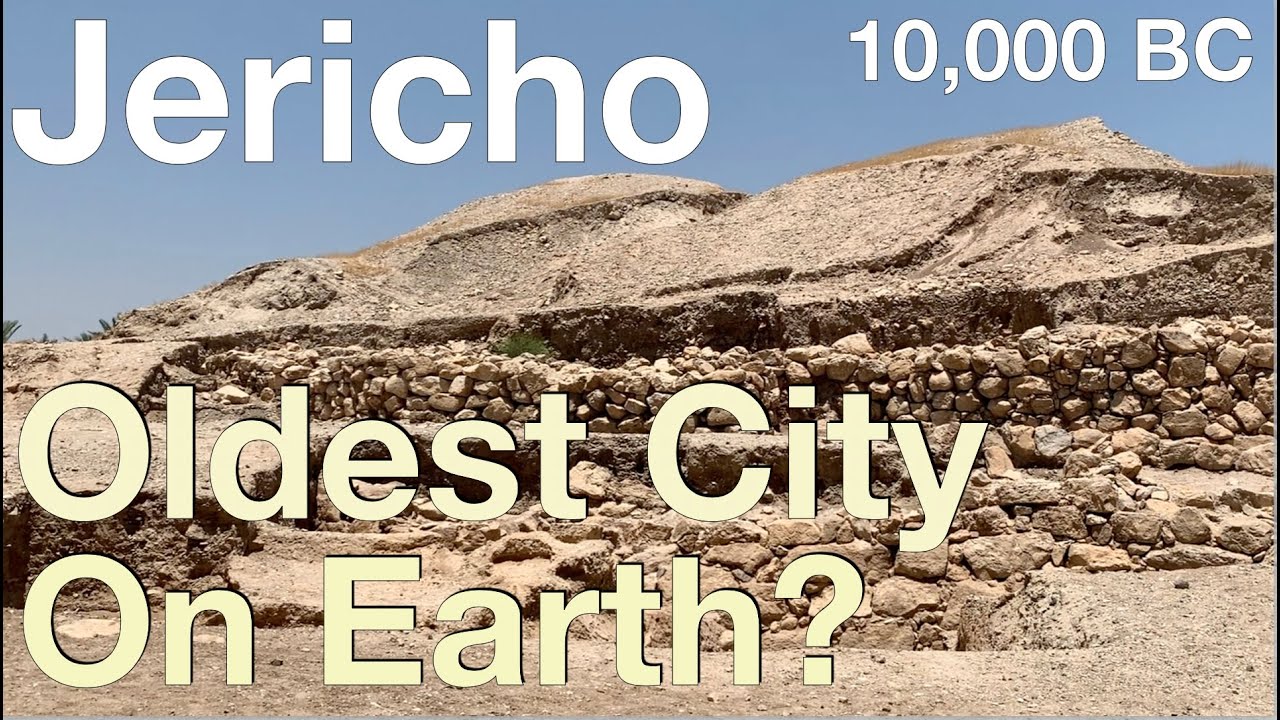
Jericho the ancient city of Jericho located near the Jordan River in the West Bank holds an unparalleled place in human history it's known as the oldest continually inhabited city on earth its root stretches back nearly 14,000 years predating the construction of the pyramids and many of History's other great civilizations the walls of Jericho were born from necessity the naian people a semi-nomadic hunter gatherer Society were among the first to recognize the potential of that Lush Oasis drawn to the area's fertile soil natural springs and proximity to trade routs along the Jordan River these early settlers
transition from a nomadic existence to a more permanent way of life the city's resourcer Farmland Dependable water supplies and a prime strategic location made it a target for rival groups to safeguard their settlement the people undertook the ambitious task of constructing walls a first in human history built around 8,000 BCE during the pre-pottery Neolithic Age these walls stand as the oldest known Urban fortifications ever discovered rising to a height of about 12 to 13 ft and measuring about 6 ft thick the walls were constructed from locally sourced clay and stone surrounding them was a ditch
27 ft wide and 9 ft deep carved into solid Bedrock now that was a Monumental feat of engineering for the time the significance of Jericho's walls extend beyond their function they're deeply entwined with the city's culture and Legacy the most famous account of these walls comes from the Bible where they're said to have collapsed during the Israelite conquest of Canaan according to the story the Israelites marched around the walls for 7even days blowing trumpets and shouting until the walls came down this tale recorded in the Book of Joshua has cemented Jericho's walls as an enduring
image in religious and cultural narratives however archaeological evidence complicates this story excavations at tell utan the site identified as biblical Jericho reveal that the city experienced multiple cycles of Destruction and rebuilding over thousands of years but no sett ement has been conclusively linked to the time of the biblical account Scholars now view the story as more symbolic than historical reflecting the culture and political context of later periods the construction of the walls marked the transition from survival to stability from wandering to permanence even today the ruins of these ancient walls offer valuable insights into the
Ingenuity and resilience of our ancestors as well as their ability to adapt to the changes of their environment Jericho remains a living City home to roughly 20,000 people who carry on its Legacy as the oldest continually inhabited settlement though much of its ancient walls now lie in Ruins their presence continues to spark the Curiosity of archaeologists historians and travelers they serve as a bridge between the past and the present reminding us of the enduring power of human stories and the Ingenuity that's driven our species forward thanks for exploring with me everybody I'll see you next
time thank you to our channel members