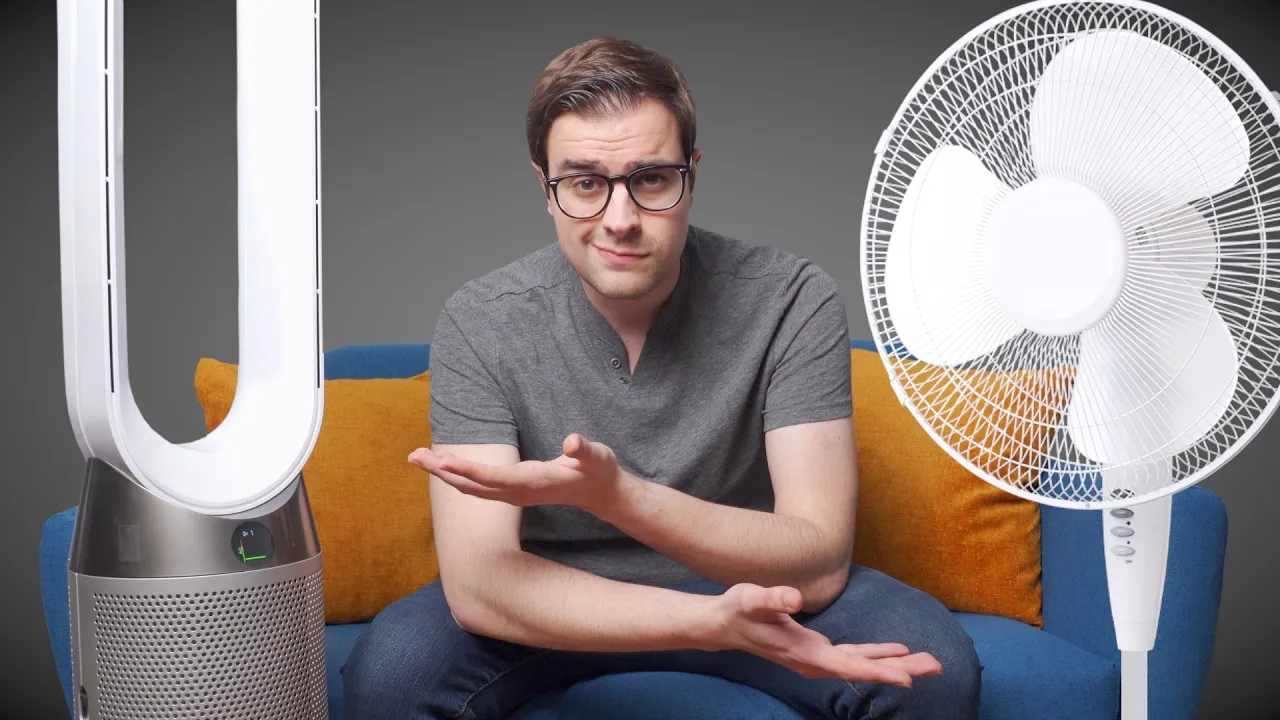
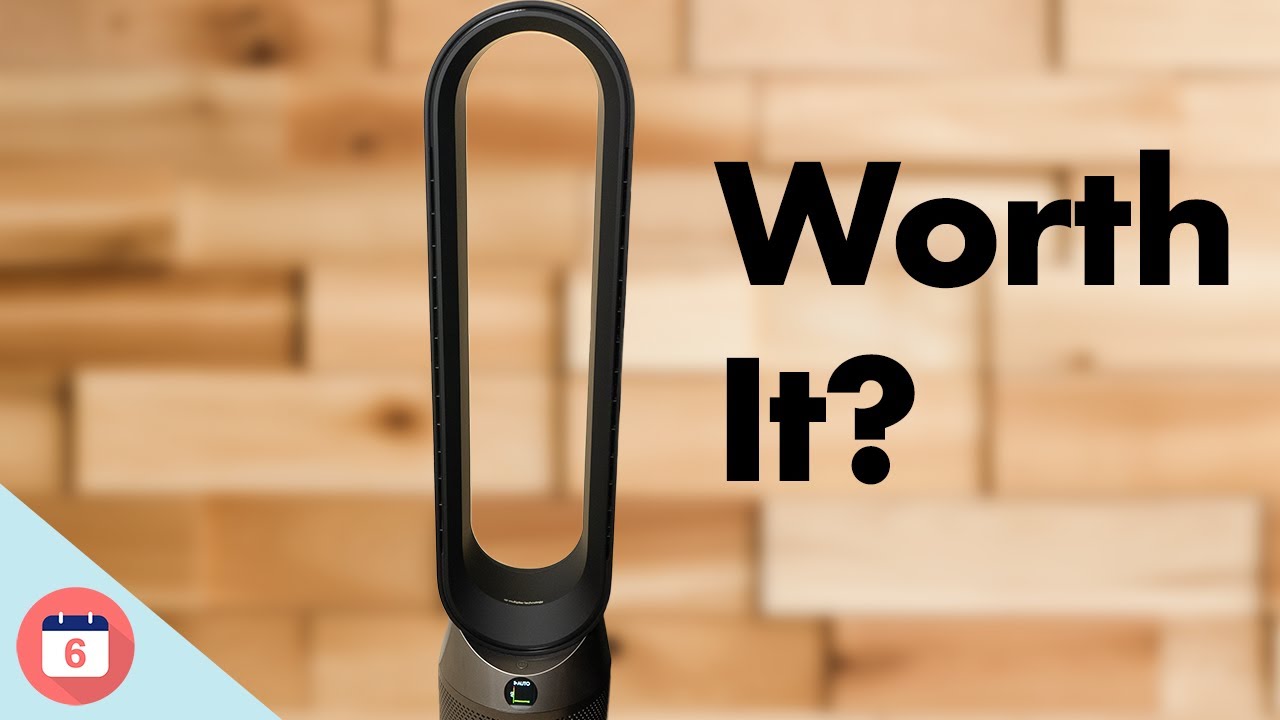
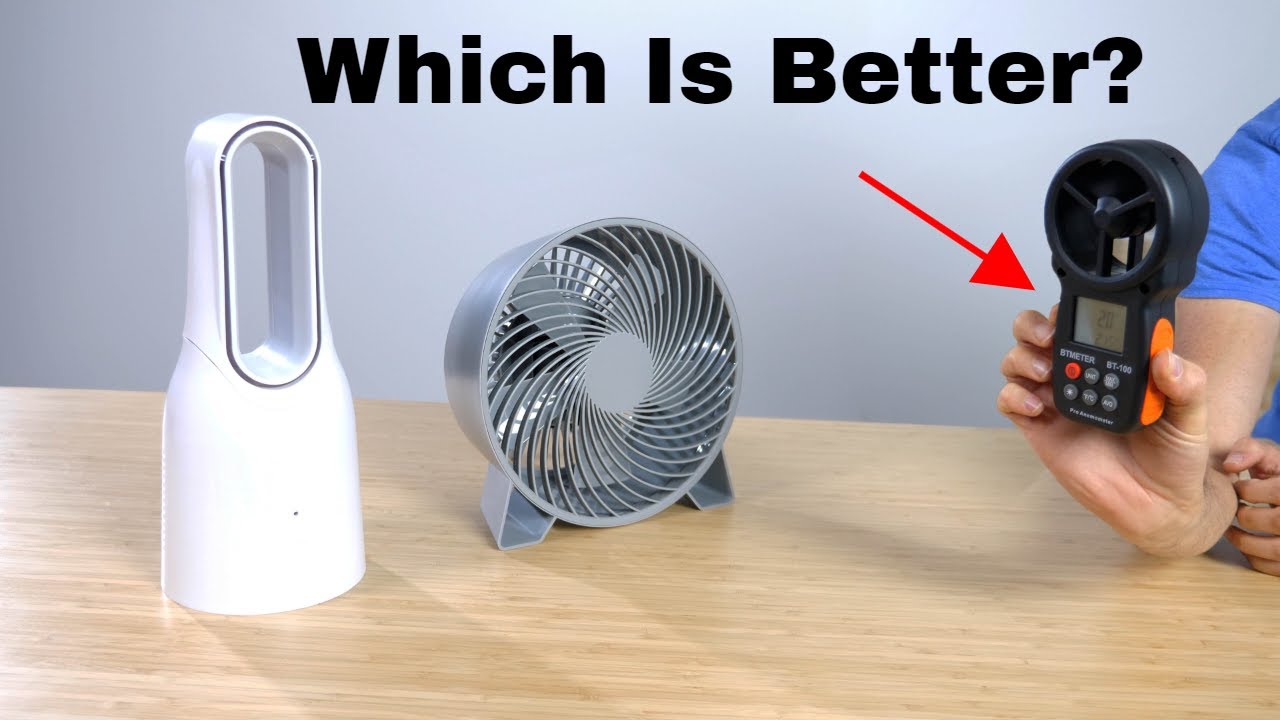
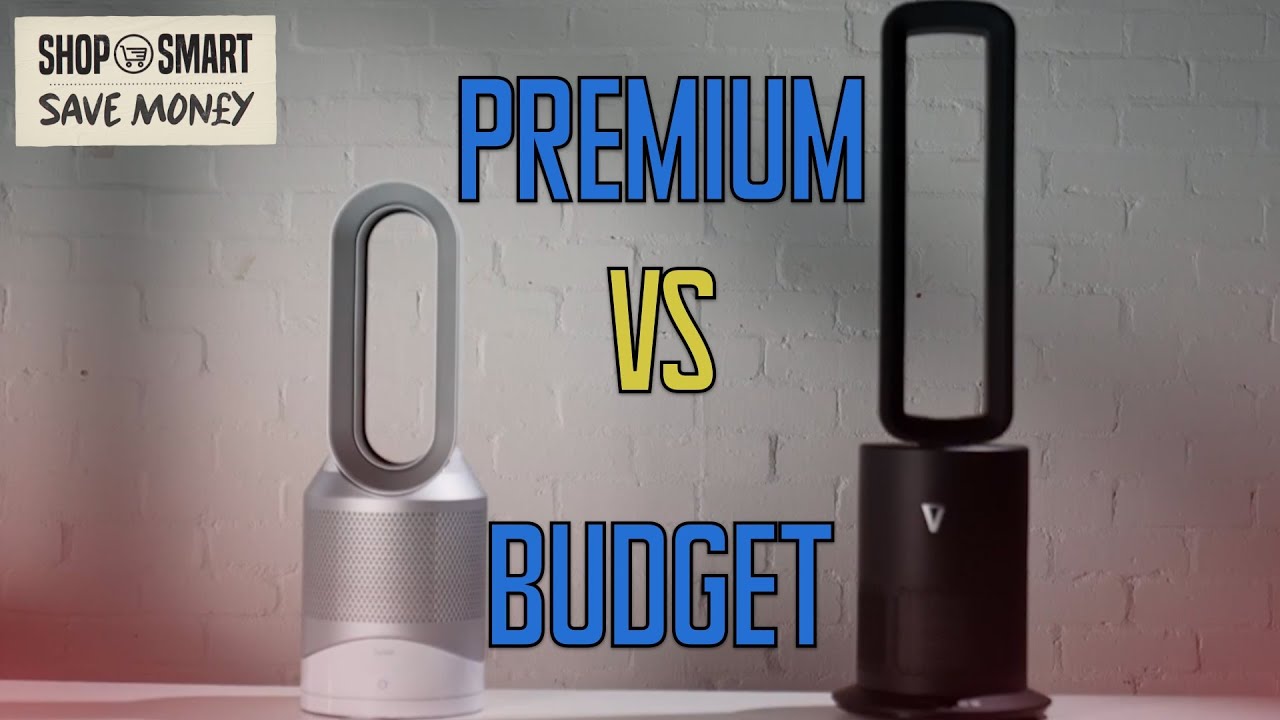
when i was about 13 years old the first fan made by dyson was released into the world called the dyson air multiplier a bladeless air pusher that looks crazy futuristic for its time and super cool these things popped up in stores everywhere and every time i saw one i got a little bit excited about owning one someday well today some 12 years later is that day i bought this dyson pure cool smart fan for a whopping 650 canadian dollars or just over 500 us dollars for my american friends and i'm going to be comparing it to this 15 cheapo fan that i bought from walmart that i was using previously now you might think that this is a bit of an unfair fight given that the dyson fan costs about 43 times as much or something like that but when i tested each of these fans using some scientific measuring tools the results were not at all what i was expecting first though let's talk about what exactly you get for your 650 dollars with this dyson fan the dyson purecool is a combination of two different products a tower fan and an air purifier the base of the fan is a cylinder that contains two glass hepa filters and two activated carbon filters that are able to capture things like pollen bacteria ozone and other harmful airborne things that you really don't want floating around your house whenever the filter detects the presence of something in the air it'll notify you on the small lcd panel right now my air quality is good but if i spray some deodorant nearby it's like oh no there's bad stuff in your air it'll filter out the chemicals and the air quality will go back to normal pretty basic air purifier stuff the fan connects to the dyson link app where you can see your air quality over time and use the remote button to control the fan speed oscillation airflow direction and timer of course you can also use the small aluminum remote that comes with the fan if you don't want to keep taking out your phone every time when controlling the fan any button you press will be mirrored on the lcd panel so you know exactly what you're doing if you want to change the direction of airflow for example pressing that button will display a little bit of an animation showing exactly which direction the air is now moving in you can also toggle through a selection of information windows that will display the different air quality types temperature humidity and filter life then there's the fan itself now this is the part that had me a little bit excited as a kid there are no exposed blades here like on a traditional fan and it makes the fan look a lot more modern it's also a lot safer for small children or pets but here's my number one question is this air multiplier design actually better than the traditional fan with exposed blades that we're all used to to answer that question i enlisted the help of two different scientific instruments an anemometer and a sound meter the anemometer measures the wind speed of air passing through a turbine the turbine will spin and the anemometer will count the number of times the blades spin per second and it'll convert that data into wind speed in miles or kilometers per hour the sound meter is basically just a very sensitive microphone that will tell us exactly how loud each of these fans are at the various fan speeds the best fans will naturally have the highest wind speeds from the anemometer and the lowest decibel rating from the sound meter first up the wind speed test i put the anemometer on a tripod and measured the wind speed at maximum power of both fans at three foot and six foot distances the dyson hit wind speeds of 4. 9 miles per hour at 3 feet and 3. 1 miles per hour at six feet i repeated the test at all power levels one through ten and these are the results i got at both distances now these numbers looked pretty okay to me until i compared it to the walmart fan at maximum power the 15 walmart fan had wind speeds of 6.
5 miles per hour at 3 feet and 5. 1 at 6 feet which means on average this cheapo fan was between 25 and 40 percent faster than the 650 dyson fan i also repeated this test at half power for both fans and minimum power of both fans the dyson fan has 10 levels of power whereas the cheap fan only has three as you might expect the dyson fan has a wider range of speeds with its lowest setting hitting about 0.











![Air Circulators vs Traditional Fans [WHICH One is BETTER?]](https://img.youtube.com/vi/ljEOQMuFYw0/maxresdefault.jpg)