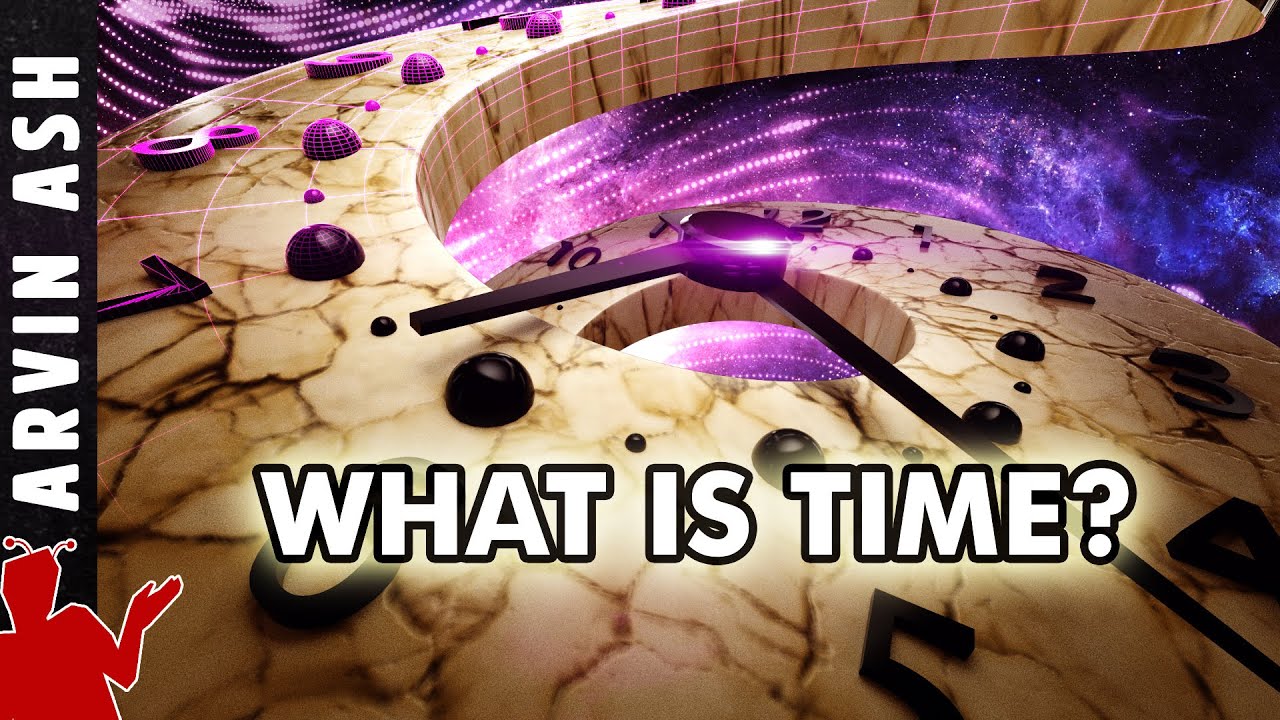
we all feel its existence it makes sense of our world it's elusive fluid and dynamic time it has baffled thinkers for millennia yet no one knows what it actually is time is the most familiar quality of experience because there's nothing that takes place that doesn't take place within an interval of time and yet at the same time it is perhaps the most mysterious quality of the world so it's a wonderful confluence of the familiar and the deeply mysterious all in one little package if you were to ask me what is time i don't really know
i don't think anybody does i can say what time gives us it allows us the language for talking about change it allows us to envision the events of the universe being spread out in this temporal timeline and in that way allows us to see the patterns that unfold within time allows us the structure and the organization to think about things in that kind of a progression but what actually is it i don't really know and that's so strange because we can measure it there are laboratories in the world that measure this thing called time to
spectacular precision but you know if you go up to the folks and say what is it that you're actually measuring i don't know that they can really articulate the kind of answer that you would expect from those who are engineering a device that can measure something called time to that level of precision so it's a very curious combination as a general definition time is the continued sequence of existence and events that occur in an apparently irreversible succession from the past through the present into the future time has long been an important subject of study in
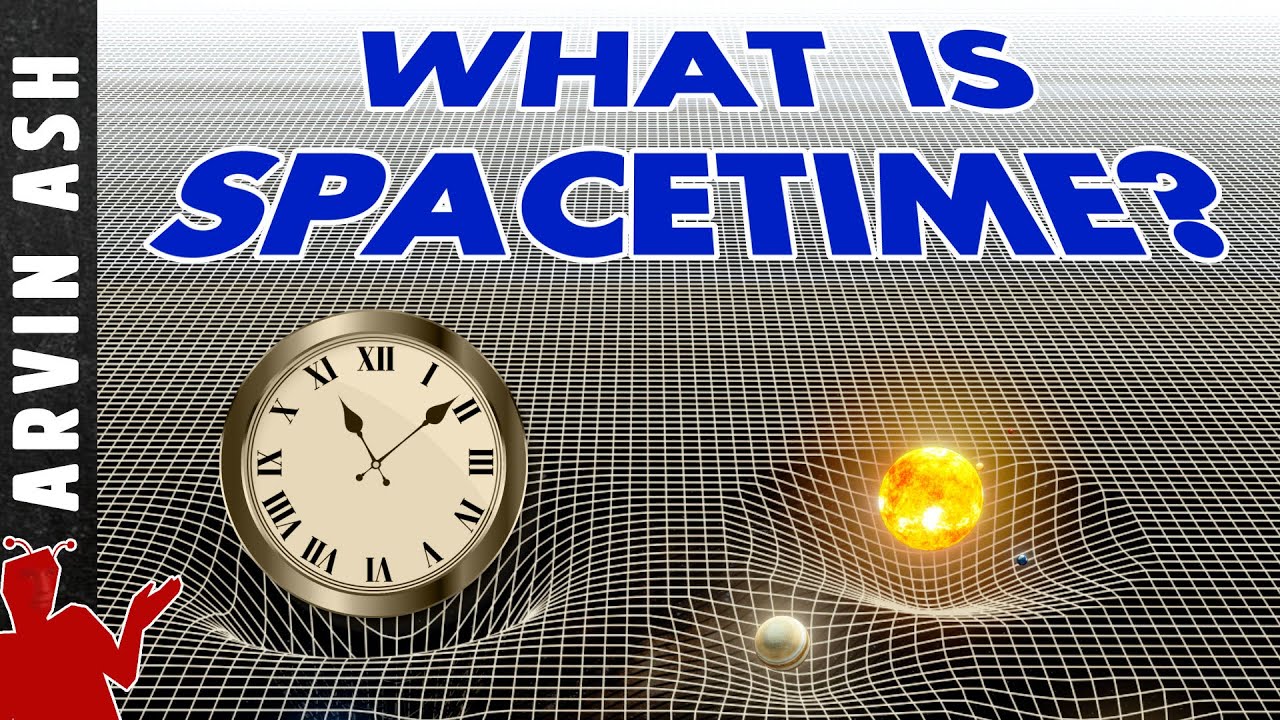
science but defining it in a manner applicable to all fields without circularity has consistently eluded scientists in general relativity the physical nature of time is addressed with respect to events in space time for example the collusion of two particles the explosion of a supernova or the arrival of a rocket ship and time is one of our most precious commodities perhaps the most precious commodity i mean we enter the world we're given a certain allotment of time we don't know how much time we're given now we have spent countless hours decades centuries pondering the nature of
time and there is a lot we understand about time but if we even reflect on the starting point where you would imagine that we begin our exploration of time the definition of time we still are hard pressed to give that definition right time certainly has to do with change that's how we recognize that time has elapsed but trying to really get at the heart of what time actually is proves extraordinarily difficult john wheeler one of the great physicists of our age he famously said that time is nature's way of ensuring that everything doesn't happen all
at once and certainly that is a quality of time but trying to get at the heart of what it is is difficult what we have done to try to get a handle on time over the course of many centuries is devise ever better ways of measuring the passage of time we try to find processes out there in the natural world that are cyclical that are repetitive and we have improved upon it by making use of atomic clocks in which for instance this is an example where a cesium atom can be excited by bombarding it with
laser pulses and then it itself will pulse and in fact we now define the second by counting the number of vibrations of the radiation that comes out of this cesium 133 atomic species so this is a a wonderful progression in the history of trying to measure this thing called time because atomic clocks they are so accurate they're so reliable in their repetitive process their cyclical process that some of these devices will lose less than a second in a million or 10 million years in ancient greece some philosophers thought that time is not a reality but
a concept even some theoretical physicists today think that time is nothing but an illusion until einstein's reinterpretation of the physical concepts associated with time and space time was considered to be the same everywhere in the universe with all observers measuring the same time interval for any event but nothing could be further from the truth theories were devised for the possibility of absolute time but the physicists working on these problems found that the idea was even more counter-intuitive than einstein's relativity equations one of the most frequent questions people wonder when thinking about time is whether it's
physically possible to go back in time [Music] but a central problem with time travel the past is the violation of causality i do think that at the macroscopic level there is a fundamental notion of causality that does emerge from a starting point that may not have causality built in so i certainly would allow that at the deepest description of reality when we finally have that on the table we may not see causality directly at that fundamental level but i do believe that we will understand how to go from that fundamental level to a world where
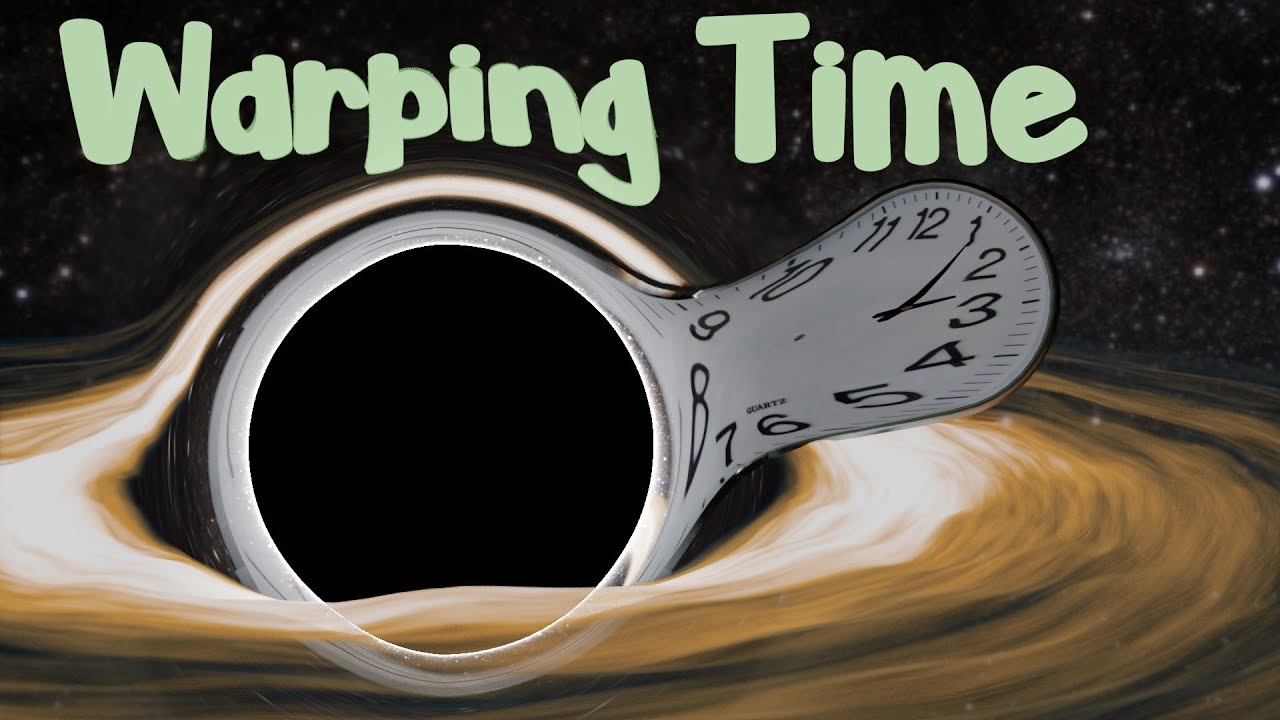
at the macroscopic level there is this notion of a causes b a notion that einstein deeply embraced in his special theory of relativity where he showed that time has qualities that we wouldn't expect based on experience you and i if we move relative to each other our clocks tick off time at different rate and our clocks is just a means of measuring this thing called time so this is really time that we're talking about time for you and time for me are different if we're in relative motion he then shows in the general theory of
relativity that if we're experiencing different gravity to more precisely different gravitational potentials time will elapse for us at different rates these are things that are astoundingly strange that give rise to a scientific notion of time travel this is how far einstein took us in wiping away the old understanding of time and injecting a new understanding of its qualities so there's so much about time that's counterintuitive but i do not think that we're ever going to wipe away causality if we universally agree on cause and effect einstein showed in his thought experiments the people travel at
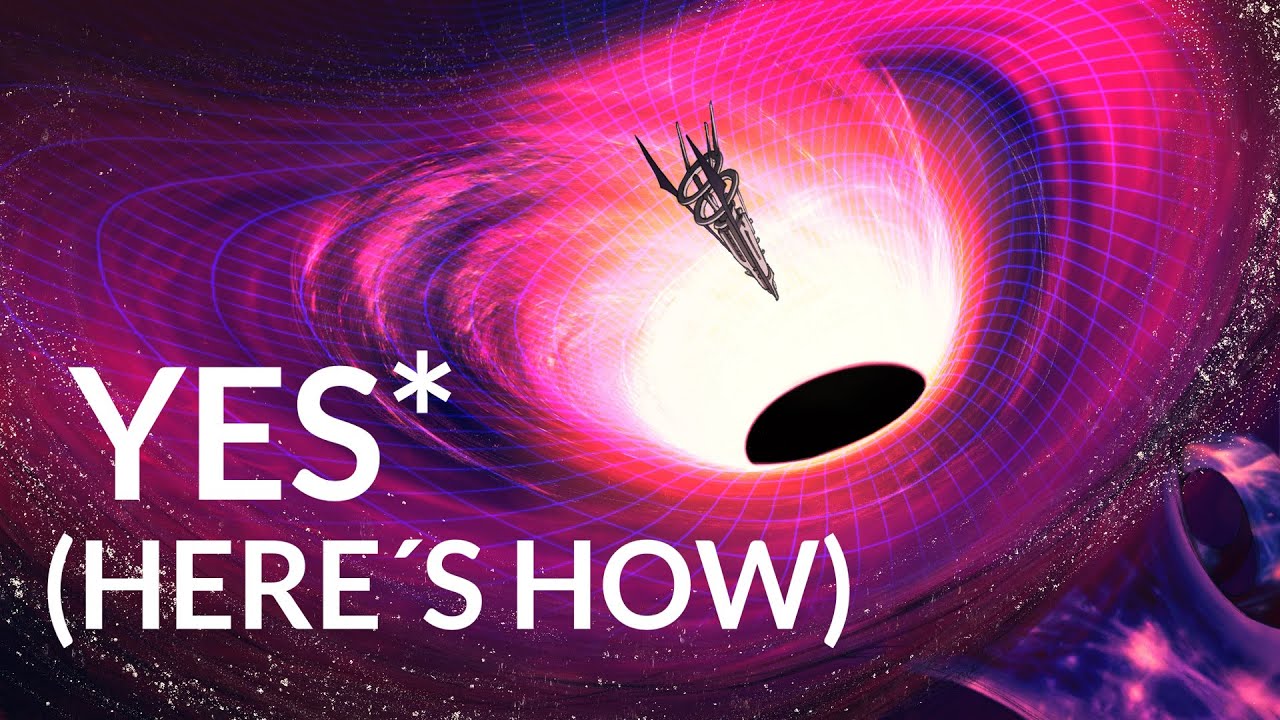
different speeds though these effects are typically minuscule in the human experience they become much more pronounced for objects moving at relativistic speeds approaching the speed of light the predictions of the theory of relativity for time dilation have been repeatedly confirmed by experiment so if you keep wondering if time travel into the future is possible the answer is absolutely yes an individual can follow an einsteinian strategy and propel themselves into the future in some sense more quickly so if if i wanted to see what's happening on planet earth 1 million years from now einstein tells me
how to get 1 million years from now build a ship that can go out into the universe near the speed of light turn around and come back let's say it's a six month journey out a six month journey back and einstein tells me how fast i need to travel how close to the speed of light i need to go so that when i step out of my ship it will now be one million years into the future on planet earth and this is not something where there's differences of opinion in the scientific community any scientist
who knows anything about what einstein taught us agrees with what i just said and so that kind of travel to the future is absolutely allowed by the laws of physics there are engineering challenges there are even biological challenges right they're g-forces that you're going to experience you know so there's all sorts of stuff embedded in this but those i will call the details and those details notwithstanding the universe allows this kind of travel to the future [Music] as for going back in time we've mentioned before that it is a direct violation of causality giving rise
to the possibility of a temporal paradox some interpretations of time travel resolve this by accepting the possibility of travel between branch points parallel realities or universes but we will discuss time travel into the past more extensively in another video thanks for watching did you like this video then show your support by subscribing and ringing the bell to never miss videos like this