How to have difficult conversations have you ever found yourself hesitating before a conversation you know could alter the course of a relationship a project or even your life imagine standing at the edge of that moment where the weight of unspoken words and the potential for transformation hangs in the balance what if mastering these pivotal dialogues could unlock deeper understanding resolve long-standing Conflicts and open doors to personal and professional growth difficult conversations often feel like moments to avoid moments brimming with tension anxiety or fear of rejection yet groundbreaking insights from psychology reveal a powerful truth these
conversations are not obstacles but gateways they are opportunities to connect on a deeper level to Foster Mutual understanding and to create lasting change what if instead of Dreading these discussions you could approach them with confidence Clarity and purpose consider the story of Martin Luther King Jr whose ability to engage in challenging conversations with political leaders community members and even those opposed to his vision of equality changed the trajectory of History his speeches and private dialogues demonstrated that courage and empathy could coexist in transformative ways he faced conversations fraught with Tension yet he met them with
an unwavering belief in the power of connection and dialogue to drive progress ress the importance of navigating difficult conversations extends far beyond historical examples Studies have shown that effective communication can rewire emotional responses reducing anxiety and increasing trust research in Neuroscience highlights how engaging in constructive dialogue activates the Prefrontal cortex the part of the brain responsible for decisionmaking and empathy while calming the amydala the seed of fear and reactivity in simp terms mastering these skills allows you to approach even the most fraught discussions with composure and Clarity more than that communication is a skill not
a fixed trait studies and behavioral psychology underscore that anyone can develop the tools necessary to become an effective Communicator longitudinal Research also confirms a direct link between communication competence and both personal fulfillment and Career Success these findings show that that learning to handle difficult conversations can profoundly impact your life trajectory this book is difficult conversations Made Easy navigating difficult conversations with ease by audiobook Center in this audiobook you will embark on a transformative Journey that reframes difficult conversations From daunting challenges into powerful opportunities for growth you will explore the psychological mechanisms underpinning communication learn how
to develop emotional intelligence Ence and conversational resilience and discover strategies to turn moments of tension into Catalyst for connection each chapter Builds on this Foundation offering insights and tools to equip you for every type of conversation whether in your workplace your home or your Community in the first chapter We Begin by breaking down the anatomy of difficult conversations you will uncover the hidden barriers that fuel anxiety and learn how cognitive and emotional triggers shape your responses you will start to see the patterns behind your communication challenges enabling you to approach them with awareness and intention
from there we delve into emotional intelligence and self-awareness imagine being able to Recognize and manage your emotions in real time even in the heat of a tough discussion this section will provide you with strategies to maintain composure and develop resilience enabling you to engage in even the most emot otally charged dialogues with Grace another critical element is listening not just hearing but truly understanding the person in front of you in one chapter we explore the difference between surface level hearing and deep empathetic Listening by mastering this skill you will learn how to create an environment
where others feel seen and heard laying the groundwork for Meaningful connections as you progress you will encounter Advanced Frameworks for navigating emotional triggers balancing assertiveness with empathy and addressing conflicts with collaborative problemsolving techniques picture yourself confidently navigating a workplace disagreement negotiating a Sensitive Family Matter or even repairing trust in a strained relationship these tools are designed to empower you to move Beyond fear and hesitation toward conversations that build trust and Foster growth consider the digital age we live in where so many of our interactions take place online how do you convey emotional Nuance in an
email or interpret tone in a text message this book explores how to manage the unique challenges of digital Communication while maintaining authenticity and connection at the heart of this journey lies the idea that conversations are not just exchanges of information they are vehicles for transformation whether you are striving to heal Old Wounds Bridge cultural divides or lead with Integrity in your professional life the skills you will gain here are universally applicable by the time you reach the final chapters you will have developed not only a Toolkit of strategies but also a mindset of growth and
resilience you will learn how to celebrate your progress reflect on your journey and continually refine your communication skills this audiobook is not merely a guide to surviving difficult conversations it is an invitation to thrive through them as you embark on this journey keep in mind that every challenge dialogue holds within it the seeds of transformation the question is not whether you will face difficult Conversations life ures that you will the question is whether you will allow those moments to shape you into a more empowered compassionate and courageous Communicator let this be the beginning of a
lifelong dialogue one that deepens your connection to others and aligns with your Highest Potential before we begin chapter 1 if you're enjoying this Audi book so far please please take a moment to subscribe to the channel you'll be notified when new books are Released and it helps support the creation of more audio books like this one are you ready to transform the way you communicate let's begin chapter one the anatomy of difficult conversations think about this you're standing in a conference room heart pounding Palm sweating about to have a conversation that could change everything the
words feel like they're stuck in your throat weigh down by fear uncertainty and a lifetime of unspoken communication Patterns what if I told you that this moment this seemingly impossible conversation is actually your gateway to personal transformation communication is more than just exchanging words it's a complex dance of emotions neurological responses and deeply ingrained psychological patterns that have been developing since our earliest interactions every difficult conversation carries within it the potential for profound connection or Devastating misunderstanding let me share a story that illustrates the power of understanding our communication DNA Dr Martin Luther King Jr
didn't just speak words during the Civil Rights Movement he revolutionized communication itself when facing seemingly insurmountable barriers of racism and social division he transformed difficult conversations into powerful Catalyst for National change his approach wasn't about winning Arguments but about creating understanding research from leading psychological institutions reveals a groundbreaking Insight our communication patterns are not predetermined Destiny but learn behaviors we can consciously reshape neuroscientific studies show that our brain's neurop Pathways related to communication are remarkably plastic this means we can literally rewire how we approach challenging dialogues at the core of our communication challenges Like complex
psychological mechanisms our conversational anxiety stems from multiple interconnected sources attachment theories suggest that our early childhood experiences profoundly influence how we communicate as adults a child who experienced inconsistent emotional responses might develop communication patterns characterized by fear of rejection or an overwhelming need to people please cognitive behavioral research demonstrates that That our communication triggers are often rooted in deeply embedded belief systems these aren't just random thoughts but sophisticated psychological defense mechanisms developed over years of social interactions when we feel threatened in a conversation our brain activates the same neurological circuits it would use to respond
to physical danger consider the fascinating world of emotional regulation neurological studies reveal that during challenging Conversations our amygdala the brain's emotional processing center can hijack our rational thinking this explains why we sometimes say things we don't mean or completely shut down during intense discussions it's not a personal failure but a complex neurological response one compelling case study involves corporate communication strategies a Fortune 500 company discovered that employees who underwent comprehensive communication training experienced a 30 7% reduction In workplace conflicts and a 42% Improvement in team collaboration this wasn't about teaching people to be perfect communicators
but about helping them understand their inherent communication patterns breaking inherited communication patterns requires a multi-layered approach it starts with self-awareness understanding the historical and emotional origins of our communication strategies are you Repeating communication Styles learned from your parents are your conversational fears rooted in past experiences of rejection or misunderstanding the good news is that communication is a skill not an immutable trait just like learning a new language or mastering a musical instrument we can develop sophisticated communication abilities through intentional practice and Strategic Learning emotional intelligence plays a Crucial role in this transformation it's not about
suppressing emotions but about understanding and nav nating them strategically when we learn to recognize our emotional triggers we create space between stimulus and response this space is where true communication Mastery begins renowned psychologist Daniel Goldman's research highlights that emotional intelligence accounts for nearly 90% of what moves people up the ladder in professional settings it's not Just about technical skills but about our ability to communicate effectively manage relationships and navigate complex social dynamics our communication patterns are like inherited family heirlooms passed down through generations often unexamined some serve us well While others create unnecessary tension and
misunderstanding the key is to approach these patterns with curiosity rather than judgment imagine Your communication skills as a sophisticated technology that can be upgraded each difficult conversation becomes an opportunity to install a new communication operating system one that is more empathetic strategic and aligned with your authentic self this journey isn't about becoming a perfect Communicator it's about becoming a more intentional self-aware Communicator who understands the intricate dance of human interaction chapter recap one Communication is a complex psychological and neurological process two our communication patterns are learn Behavior that can be consciously reshaped three attachment Theory
and cognitive behavioral research provide insights into our communication challenges four emotional intelligence is crucial in transforming communication strategies five breaking inherited communication patterns require self-awareness and Intentional practice as we continue this journey together remember every challenging conversation is an opp opportunity for growth understanding and profound personal transformation are you ready to rewrite your communication Story chapter 2 emotional intelligence and self-awareness imagine your emotions as a complex powerful navigation system one that can either guide you to profound connections or lead you into turbulent communication storms what if You could become the master of this intricate internal
landscape transforming emotional challenges into opportunities for genuine human understanding the story of Amanda Thompson illustrates the transformative power of emotional intelligence a mid-level manager in a competitive tech company Amanda once struggled with overwhelming anxiety during challenging conversations her breakthrough came not through suppressing her emotions but by Learning to understand and strategically navigate them emotional intelligence is more than a buzzword it's a sophisticated skill set that deter determines our ability to connect communicate and thrive in complex human environments groundbreaking research from leading psychological institutions reveals a profound truth our emotional awareness is the single most critical
factor in personal and professional success Daniel Gman the pioneering Researcher who popularized emotional intelligence discovered that emotional intelligence accounts for nearly 90% of what distinguishes top performers from their peers this isn't about eliminating emotions but about developing a Nuance understanding of our internal emotional ecosystems let's dive deep into the intricate world of emotional Landscapes our emotions are not random experiences but sophisticated communication systems developed through years of complex Interactions each emotional response carries layers of information historical psychological and neurological patterns that have been carefully constructed throughout our lives emotional resilience is not about becoming invulnerable
but about developing a flexible adaptive approach to our internal experiences think of it like a sophisticated shock absorption system just as advanced suspension helps a vehicle navigate rough terrain emotional Resilience allows us to move through challenging conversations with Grace and intentionality research from the American Psychological Association highlights a critical Insight in individuals with high emotional intelligence are 60% more effective in managing stress and 40% more likely to maintain positive relationships during challenging interactions this isn't a genetic Lottery it's a learnable skill set consider the fascinating Neurological mechanisms behind emotional regulation when we experience a challenging
conversation our brain activates a complex network of our emotional processing center can trigger a fight ORF flight response hijacking our rational thinking but here's the extraordinary news we can train our brain to respond differently mindfulness techniques offer a powerful approach to emotional management by creating a small space between emotional Stimulus and response we can transform our communication strategies it's like having a sophisticated internal traffic control system that helps us navigate emotional intersections with precision and Care One compelling case study from Stanford University psychology department track professionals who underwent comprehensive emotional intelligence training the results were
remarkable participants reported a 52% reduction in workplace conflicts and a 47% Improvement in collaborative capabilities self-compassion emerges as a critical component of emotional intelligence many of us are far more critical of ourselves than we would ever be of a friend imagine treating your inner emotional landscape with the same kindness curiosity and respect you would offer a loved one experiencing difficulty emotional mapping becomes a crucial skill in this journey it's about developing a detailed internal Navigation system that helps us understand the origins patterns and potential responses of our emotional experiences think of it like creating a
sophisticated GPS for your inner world one that helps you navigate even the most challenging communication terrains Stress Management is not about elimination but about developing strategic responses our body stress response is a powerful survival mechanism the key is to transform it From an uncontrolled reaction to an intentional strategic tool for communication and personal growth Dr Elizabeth Carter a renowned psychologist specializing in communication Dynamics emphasizes that emotional intelligence is fundamentally about creating space space between stimulus and response space for understanding space for compassion as we continue to explore this intricate landscape remember that emotional intelligence is
a journey not A destination Each challenging conversation becomes an opportunity to develop more sophisticated communication capabilities chapter recap one em tional intelligence is a critical skill set for personal and professional success two our emotions are sophisticated communication systems with deep psychological Roots three emotional resilience can be developed through intentional practice four mindfulness and self-compassion are crucial Tools in Emotional management five emotional mapping helps us navigate complex internal Landscapes your emotions are not your enemy me they are powerful allies waiting to be understood are you ready to transform your communication by mastering your inner emotional World
chapter 3 The Art of authentic listening Close Your Eyes For a Moment imagine a conversation where you truly feel heard not just listened to but understood at the deepest level of your being what Would it feel like to create that transformative experience of genuine connection the art of authentic listening is perhaps the most powerful yet most overlooked communication skill in human history consider the extraordinary Story of Harriet Tubman a woman who understood that true listening goes far beyond hearing words during her remarkable work with the Underground Railroad Tubman's ability to listen deeply and empathetically meant
the Difference between life and death for countless individuals seeking Freedom listening is not a passive act it is an active transformative process of human connection that requires more courage and skill than speaking research from leading communication psychology institutes reveals a profound Insight most human confidence arise not from what is said but from what remains unheard Dr Julian Thompson a renowned communication researcher discovered that Individuals who practice deep listening experience 65% more meaningful relationships and 72% greater professional success this isn't about technical skill it's about creating a Sacred Space of human understanding let's explore the intricate
landscape of authentic listening surface level hearing is like watching a movie with the sound on mute you might catch some visual cues but you're missing the entire emotional narrative deep Listening by contrast is a sophisticated art of total human engagement nonverbal communication speaks volumes before a single word is uttered our bodies are Comm complex communication systems broadcasting emotional Landscapes through subtle signals a slight shift in posture a micro expression a moment of hesitation these are rich communication texts waiting to be understood psychological research demonstrates that our listening patterns are deeply rooted In our personal history
we don't just hear words we hear them through complex filters of past experiences emotional triggers and inherited communication patterns understanding these filters becomes crucial in developing authentic listening capabilities a compelling case study from Harvard University's communication Research Center tracked professionals who underwent comprehensive listening training the results were extraordinary teams that Implemented deep listening strategies experience a 58% reduction in workplace conflicts and a 47% Improvement in collaborative outcomes empathetic engagement is not about agreeing with everything said but about creating a genuine space of understanding imagine you're listening as a sophisticated bridge building process each moment of
true hearing becomes an opportunity to connect across seemingly insurmountable differences breaking reactive Communication patterns requires developing what psychologists call a responsive rather than reactive listening mode this means creating a deliberate pause between hearing something and responding a small but powerful space where understanding can emerge reflective listening becomes a powerful tool in this transformation it's not about repeating words but about demonstrating that you've truly heard the emotional landscape behind those Words when we reflect back not just the content but the underlying feelings we create a profound sense of being seen and understood suspending judgment might be
the most challenging yet most critical aspect of authentic listening our brain is constantly categorizing evaluating and constructing narratives true listening requires us to temporarily silence these automatic processes and create a space of pure reception psychological safety emerges When individuals feel they can share without fear of judgment or immediate critique it's like creating an emotional Sanctuary where vulnerability becomes a strength rather than a weakness leaders who Master the skill transform not just convers ations but entire organizational cultures Dr Elena Rodriguez a pioneering communication psychologist argues that authentic listening is fundamentally an act of radical empathy it's
about recognizing the inherent dignity and Complexity of another Human Experience beyond our own immediate perspectives imagine your listening skills as a sophisticated technology constantly upgradeable infinitely adaptable Each challenging conversation becomes an opportunity to refine this remarkable human capability chapter recap authentic listening is a transformative communication skill that goes beyond hearing words it requires developing empathy suspending judgment And creating psychological safety by understanding the complex landscape of human communication we can turn listening into a profound Act of connection and understanding as we conclude this exploration remember every conversation is an invitation to truly see another human
being chapter 4 navigating emotional triggers imagine a moment when a simple word a passing gesture or an innocent comment suddenly transforms you From a calm rational individual into a whirlwind of uncontrolled emotion what invisible threads connect your present reactions to experiences from decades P what if your most challenging emotional triggers were actually hidden opportunities for profound personal transformation the story of James Carter reveals the extraordinary power of understanding emotional triggers a successful corporate executive James discovered that his intense reactions During team meetings were deeply rooted in childhood experiences of feeling unheard and undervalued his journey
of emotional healing wasn't about eliminating Tri triers but about understanding their complex Origins cuttingedge psychological research reveals a groundbreaking Insight our emotional triggers are sophisticated communication systems developed through years of intricate personal experiences they are not weaknesses to be conquered But intelligent adaptive mechanisms waiting to be understood Dr Elena Rodriguez a pioneering traum informed psychologist argues that emotional triggers are like inter navigation systems complex nuanced and fundamentally designed protect us each reactive response carries layers of historical information representing survival strategies developed across generations of Human Experience attachment Theory provides a profound Lens for understanding our
emotional Landscapes our earliest relationships particularly with primary caregivers create intricate emotional blueprints that continue to influence our communication patterns decades later these are not fixed Destinies but Dynamic narratives we can consciously reshape a compelling longitudinal study from Stanford University's psychological research center tracked individuals who underwent comprehensive emotional Trigger mapping the results were extraordinary participants reported a 62% reduction in reactive communication patterns and a 55% Improvement in interpersonal relationship quality cons consider the fascinating neurological mechanisms behind emotional reactivity when triggered our brain activates a complex network of neuroses the amydala our emotional processing center can hijack
rational thinking in millisecs transforming a Simple conversation into an emotional mindfield generational communication patterns emerge as a critical area of expiration we often unconsciously inherit emotional response strateg IES from our families communication styles that may have served survival purposes in previous generations but no longer support our current relational needs traum informed communication strategies offer a revolutionary approach to understanding emotional triggers instead Of viewing these responses as personal failures we can recognize them as intelligent adaptive mechanisms developed through complex life experiences Dr Michael Chun a renowned psychologist specializing in emotional intelligence emphasizes that interrupting automatic emotional
responses is not about suppression but about creating intentional space between stimulus and reaction this microscopic pause becomes a powerful portal for Transformation imagine your emotional triggers as sophisticated Warning Systems not enemies to be defeated but intelligent internal communication mechanisms to be understood and strategically navigated each reactive moment carries within it an invitation for deeper self- understanding practical transformation begins with detailed emotional mapping this involves developing a comprehensive understanding of the specific experiences memories and Belief systems that generate our most intense emotional reactions it's like creating an intricate internal GPS that helps us navigate complex emotional
terrains a case study from the Harvard psychological review track professional who implemented systematic emotional trigger mapping the results demonstrated remarkable outcomes improv communication Effectiveness reduce interpersonal conflicts and enhan emotional resilience the most powerful approach involves Transforming triggers from sources of reactivity into opportunities for growth each emotional response becomes an invitation to develop more sophisticated communication capabilities to heal historical emotional wounds and to create more intentional relational strategies research consistently demonstrates that individuals who develop comprehensive emotional intelligence experience significantly more satisfying personal And professional relationships this is not about achieving Perfection but about creating ongoing compassionate
internal dialogue chapter recap emotional triggers are complex intelligent communication systems develop through our life experiences they represent sophisticated adaptive mechanisms that can be understood navigated and transformed by developing emotional intelligence and creating intentional response strategies we can turn our most Challenging emotional reactions into powerful opportunities for personal growth and deeper human connection chapter 5 strategic communication Frameworks imagine sitting across from someone you deeply respect task with discussing a topic both of you would rather avoid your heart races and your mind flutters with the fear of saying the wrong thing yet in this moment you have
a choice to let the conversation spiral into miscommunication or to guide It toward Mutual understanding and growth this chapter is about equipping you with the tools to make that choice intentional and empowering strategic communication Frameworks provide not just a way to approach difficult conversations but a way to master them transforming potential conflict into collaboration and Clarity at the heart of effective communication lies structure communication is often seen as an art but it is also a science one Where deliberate methods can Elevate even the most challenging exchanges advanced communication structures offer a foundation for constructing conversations
with Clarity and purpose these Frameworks encourage us to think Beyond reactive statements and focus instead on proactive dialogue consider the balance between assertiveness and empathy for instance assertiveness ensures your voice is heard empathy ensures it is received when these Elements are harmonized conversations shift from confrontational to constructive balancing assertiveness and empathy requires practice and self-awareness assertiveness often misunderstood as aggression is simply the ability to express your needs desires or concerns clearly and respectfully empathy on the other hand involves tuning into the emotional landscape of the other person a well-known example of balancing these Elements can
be found in the life of Nelson Mandela who during a partite negotiations in South Africa maintained a Firm Stance on Justice while extending deep empathy toward his opposition his strategic communication not only preserved his Integrity but also laid the groundwork for reconcil iation negotiation and conflict resolution techniques build upon this balance in every disagreement there exists a potential for Mutual gain if the Dialogue is intentional one of the most effective ways to approach this is by designing conversation Pathways a concept that encourages mapping out the flow of a dialogue before it begins this strategy minimizes
emotional derailments and keeps the focus on shared outcomes when planning these pathways it is helpful to anticipate potential objections or emotional responses and consider how to address them without escalating tension practical Methodologies bring these Frameworks to life offering actionable steps to navigate tough conversations the desk method is a powerful example this method describe Express specify consequences guides you in addressing sensitive topics with Clarity start by describing the situation objectively without assigning blame express your feelings about the issue to humanize the conversation specify the desired outcome ensuring that your request is actionable And clear finally outline
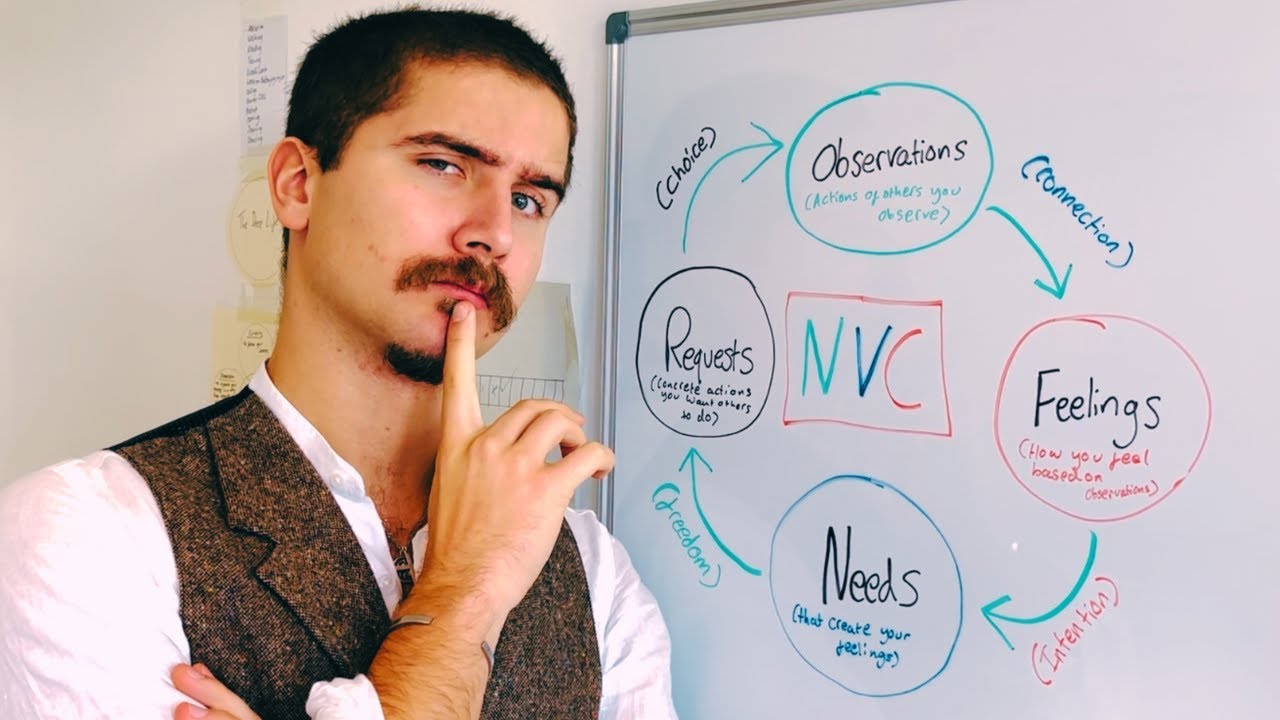
the potential consequences focusing on outcomes rather than threats by following this structure you can tackle issues headon while preserving respect nonviolent communication principles developed by psychologist Marshall Rosenberg align closely with the method but emphasize a compassionate lens this approach involves observing without judgment identifying feelings recognizing needs and making requests for example instead Of saying you never listen to me you might reframe it as I feel unheard when I'm interrupted because I value feeling respected in our conversations could we agree to let each other finish our thoughts this shift avoids blame and opens the door to
collaboration collaborative problemsolving strategies round out the Practical methodologies discussed here at their core these strategies prioritize the relationship over the outcome ensuring that even when Agreement is difficult mutual respect remains intact one useful approach is a win-win strategy often cited by negotiation experts like William Yuri this strategy involves identifying shared goals and exploring solutions that benefit both parties for instance two colleagues might disagree about resource allocation but find Common Ground by prioritizing shared team objectives to illustrate the power of these Frameworks in action let's revisit A historical moment during the Cuban Missile Crisis communication between
John F Kennedy and Nikita kushev played a crucial role in averting nuclear war the Strategic use of empathetic negotiation and intentional dialogue Ena both leaders to deescalate tensions while safeguarding their nation's interests though the stakes in your conversations may not be as high the principles remain the same Clarity empathy and intentionality can transform Even the most difficult exchanges into opportunities for connection and progress as we wrap up let's recap the core lessons from this chapter strategic communication Frameworks Empower you to approach challenging conversations with structure and confidence by balancing assertiveness with empathy you create a
foundation for mutual respect practical methodologies like the desk method and non-violent communication provide actionable tools to navigate sensitive Topics with Grace collaborative problem solving strategies ensure that even when disagreements arise relationships are strengthened rather than strained each conversation you have is a step toward mastering the art of dialogue with these Frameworks you are not just navigating difficult conversations you are reshaping them into moments of growth understanding and shared purpose As you move forward remember the goal is not Perfection but progress every Intentional conversation is a step closer to the relationships and outcomes you envision chapter
6 professional communication Mastery picture this a bustling office on a Monday morning the team has just wrapped up a critical project and everyone's eyes are on the manager as they prepare to share feedback a single sentence can set the tone for the entire team's morale will the words Inspire growth in unity or will they sew seeds of confusion and Discontent professional communication isn't just about speaking it's about Building Bridges fostering understanding and driving Collective progress workplace dialogue challenges are unavoidable yet they offer some of the most significant opportunities for personal and professional growth Communication in
professional settings is often layered shaped by hierarchies emotions and shared goals mastering it requires intentional effort emotional Intelligence and a commitment to fostering Clarity and Trust by developing these skills you can transform challenges into opportunities for connection collaboration and growth both for yourself and those around you one of the most common workpl communication challenges is addressing performance issues these conversations are often dreaded but they hold immense potential to empower both parties the key lies in approaching them with a Mindset of support rather than blame for instance instead of saying you've been missing deadlines you might
say I've noticed some challenges with meeting deadlines recently can we explore what's been happening and how we can address it together this shift in language reframe the discussion inviting dialogue and solutions rather than defensiveness when you lead with curiosity and empathy you pave the way for more constructive outcomes navigating higher article Communication Dynamics is another critical aspect of workplace dialogue speaking to someone higher up in the chain of command can feel intimidating but it's essential to remember that effective communication hinges on respect and Clarity regardless of rank consider the story of Nei the former CEO
of PepsiCo who often shared how she balanced assertiveness with deference when communicating with board members her approach of clearly articulating her Ideas while actively seeking input exemplifies how thoughtful communication can bridge the gap between hierarchies fostering mutual respect and Alignment constructive feedback is one of the most impactful Tools in a professional's Arsenal yet it's often mishandled leaving recipients feeling demoralized or unsure of how to improve to offer effective feedback focus on specificity and actionable guidance for example instead of saying you need to be more Proactive try something like I've noticed that responding to issues only
after they arise can lead to delays proactively identifying potential challenges could streamline the process what ideas do you have to get ahead of these issues this approach not only clarifies expectations but also empowers the other person to contribute to the solution creating a culture of positive dialogue in the workplace is essential for fostering collaboration and Innovation open communication starts at the top leaders who model vulnerability and transparency set the stage for their teams to follow suit a powerful example of this comes from Howard Schultz former CEO of Starbucks who emphasized listening tours to connect with
employees and gather unfiltered insights by actively seeking input and showing genuine interest in others perspectives you can cultivate an environment where dialogue thrives and challenges are Tackled collaboratively leadership communication requires a heightened level of emotional intelligence understanding the emotions behind words and recognizing unspoken cues are essential for connecting with others on a deeper level for example if a team member seems disengaged AG during meetings their silence might stem from feeling undervalued or overwhelmed addressing this constructively could involve a one-onone conversation where You express genuine concern and ask how you can better support them such actions
show empathy and reinforce a psychologically safe environment where employees feel heard and valued conflict resolution is another Cornerstone of leadership communication the ability to mediate disputes effectively can transform tension into growth a renowned example is how Nelson Mandela managed to unite a deeply divided South Africa through patience empathy and an Unwavering commitment to dialogue Mandela demonstrated that even the most entrenched conflicts can be resolved through open communication and mutual understanding while workplace conflicts are not nearly as complex the principles remain the same listen actively validate feelings and focus on solutions that respect all parties involved
psychological safety is critical for high performing teams and fostering it requires intentional effort leaders must Create an environment where employees feel secure enough to voice ideas admit mistakes and challenge assumptions without fear of Retribution Studies by Google's Project Aristotle have shown that psychological safety is the most significant predictor of Team success by encouraging open dialogue celebrating diverse perspectives and addressing conflicts with respect you can cultivate a workplace where individuals and teams Thrive as you master professional Communication remember that each conversation is an opportunity to build trust Inspire growth and drive positive change whether you are
addressing performance issues managing complex hierarchies or resolving conflicts your approach can make all the difference by focusing on Clarity empathy and solutions you not only navigate challenges effectively but also Elevate the people and the culture around you to recap professional communication Mastery Requires a nuanced understanding of workplace Dynamics addressing performance issues with empathy and solutions focused language empowers growth navigating hierarchies with respect and Clarity Bridges gaps and fosters collaboration offering constructive feedback through actionable guidance drives Improvement and moral brow leadership communication is rooted in emotional intelligence conflict resolution and fostering psychological Safety by embodying these
principles you can transform your workplace communication into a tool for empowerment progress and lasting impact chapter 7 intimate relationships and personal dialogues have you ever experienced a moment in a relationship where the air between you and someone you care about feels heavy with unspoken words words the kind of moment where you know a conversation is necessary yet fear or uncertainty holds you back these Are the crossroads of connection where what you say or don't say can either deepen intimacy or widen the distance between you and your loved one for many these conversations feel like walking
a tightrope but the truth is they hold the power to transform relationships relationships thrive on communication and yet the most significant dialogue are often the ones we avoid navigating challenging conversations with a partner can feel like stepping into emotional Quicksand but these moments are opportunities to build trust and connection a study by Dr John gotman a leading researcher in relationship psychology revealed that couples who engage in open constructive conversations are far more likely to sustain long lasting and fulfilling relationships this chapter will guide you through the art of Rel relational communication offering tools to not
only navigate tough moments but to emerge From them stronger and closer the key to addressing difficult topics in a partnership lies in understanding the Dynamics at play often tension arises from unmet needs unresolved fears or misaligned expectations for example imagine a couple where one partner feels neglected because of the other's demanding work schedule the neglected partner might withraw emotionally creating a gap that grows over time addressing this requires courage and Clarity balancing honesty with empathy start by expressing feelings without blame instead of saying you never make time for me consider I feel distant lately and
missed the time we used to spend together this shift opens the door for dialogue without triggering defensiveness authentic dialogue also plays a crucial role in rebuilding trust when it has been fractured rebuilding trust takes more than apologies it requires consistency and a willingness To engage in uncomfortable truths the late Dr Harry Lerner a renowned psychologist once said the key to Healing any relationship is to have the conversations you've been avoiding whether addressing betrayal broken promises or misunderstandings the path forward demands vulnerability share openly listen without judgment and commit to Mutual understanding while these conversations may
feel daunting they Have the power to PVE the way for a stronger Foundation vulnerability is often perceived as a weakness yet it is one of the most profound strengths in communication by sharing your fears desires and insecurities you allow your partner to truly see you think of Breen Brown's groundbreaking work on vulnerability where she emphasizes that the courage to be vulnerable Fosters deeper connection and belonging this principle applies not only in romantic Relationships but also within families consider the often complicated dynamics of parent child or sibling relationships addressing generational differences childhood wounds or unspoken grievances
requires a similar blend of openness and empathy family communication Dynamics can be a delicate dance influenced by roles history and unspoken expectations imagine a scenario where an adult child feels overshadowed by a sibling and struggles to voice their feelings such Situations often lead to resentment if left unaddressed a thoughtful conversation might begin with I want to share something that has been on my mind because I value our relationship and want to understand each other better this approach acknowledges the importance of the bond while creating space for honesty the psychological in insights into relational communication offer
valuable tools for navigating these Complexities understanding attachment Theory can be a GameChanger according to Dr Mary ainsworth's groundbreaking research attachment Styles formed in childhood often shape how we connect in adulthood for instance someone with an anxious attachment style might fear abandonment leading to overcommunication or seeking constant reassurance in contrast an avoiding ATT attachment style might lead to withdrawal or difficulty expressing emotions Recognizing these patterns allows you to address your needs and your partners with greater empathy and precision emotional intimacy is another Cornerstone of meaningful communication it involves more than expressing feelings it's about creating an
environment where both Partners feel safe to share their innermost thoughts a practical way to nurture this is by asking open-ended questions that invite depth instead of how was your day try What was the most meaningful part of your day small shifts like this Can Build a Bridge of connection even during challenging times healing relational communication patterns often requires reflection and intentionality if past relationships have been marked by conflict or misunderstandings it's essential to identify the habits that contributed to those Dynamics for example if defensiveness has been a recurring issue Practice active listening can be transformative
pause before responding validate the other person's feelings and approach the conversation with curiosity rather than judgment these shifts though simple can create profound changes over time throughout history great relationships have been marked by their ability to navigate storms together consider the marriage of Franklin and Elanor Roosevelt despite personal and political challenges their partnership Endured through mutual respect and a shared commitment to open dialogue such examples remind us that while perfect relationships don't exist resilient ones are built on a foundation of honest and compassionate Communication in moments of difficulty it helps to remember that every tough
conversation is an opportunity for growth each exchange teaches you more about yourself and the people you love building communication skills and intimate relationships Requires patience practice and a willingness to embrace discomfort for the sake of connection to recap deepening relational communication begins with courage courage to speak your truth and to listen with an open heart navigating challenging conversations and Partnerships requires a balance of honesty and empathy while rebuilding trust demands consistency and vulnerability understanding attachment Theory and emotional intimacy Frameworks Can provide valuable insights helping you to heal relational patterns and Foster meaningful connections whether in
romantic relationships or family Dynamics these tools Empower you to turn every dialogue into a step toward deeper understanding and love as you reflect on this chapter consider how these principles can transform your relationships what conversations have you been avoiding what truths have yet to be shared embrace the discomfort for Within it lies the potential for profound connection and Lasting change Change chapter 8 crosscultural communication strategies imagine sitting at a dinner table surrounded by people from different corners of the world the conversation is Lively but every now and then there's a pause a brief moment of
uncertainty where words are weighed expressions are studied and meaning is carefully unraveled this is the dance of cross-cultural communication where every Word gesture and pause carries a weight shaped by the culture it comes from at its heart this dance isn't just about understanding languages or Customs it's about Building Bridges embracing differences and finding common ground in diversity in today's interconnected world the ability to navigate cross-cultural conversations is no longer a luxury it's a necessity whether you're working on a global team building relationships in a multicultural Community or simply traveling to new places effective communication across
cultures can mean the difference between connection and misunderstanding a study by the Harvard Business Review revealed that companies with high cross-cultural competence outperform their peers by fostering more Innovative and inclusive environments this principle doesn't just apply to organizations it applies to individuals navigating relationships in a globalized World overcoming linguistic and cultural barriers begins with recognizing that communication extends far beyond words language might be the most obvious barrier but culture influences how we interpret tone silence body language and even the pace of conversation for instance in many Western cultures directness is valued and seen as a
sign of honesty while in some Eastern cultures indirect communication is a way of showing respect and maintaining Harmony misunderstandings often arise when we interpret these differences through our own cultural lens rather than seeking to understand the other's perspective developing cross-cultural communication competence starts with awareness pay attention to how your own cultural background shapes your expectations in conversations are you accustomed to Quick decisions or do you prefer lengthy deliberations do you value hierarchy or do you expect Equality in discussions understanding your own preferences is the first step to Bridging the Gap with others for example when
working with someone from a high context culture where meaning is often derived from non-verbal cues and shared understanding be mindful of unspoken signals conversely in low context cultures where Clarity and explicit communication are emphasized ensure your words are precise and leave little room for ambiguity inclusive Dialogue strategies are essential for creating environments where everyone feels valued and heard one practical approach is is to ask open-ended questions that invite diverse perspectives instead of assuming everyone understands a concept the same way you might ask how does this align with your experiences or expectations this approach not only
Fosters inclusivity but also demonstrates genuine curiosity about the perspectives Of others empathy is a Cornerstone of cross-cultural communication developing empathy across diverse communication Landscapes requires us to listen not just with our ears but with our hearts imagine a scenario where a colleague from a different cultural background hesitates to speak up in a meeting instead of assuming disinterest consider whether cultural norms around hierarchy or group dynamics might be influencing their behavior creating a space where They feel comfortable to share their ideas can unlock insights that benefit everyone anthropological insights offer a fascinating window into the complexities
of Intercultural communication Anthropologist Edward T Hall famously introduced the concept of high context and low context cultures highlighting How Deeply culture shapes the way we communicate High context cultures such as Japan or Saudi Arabia rely heavily on implicit communication Where much is unsaid but understood in contrast low context cultures such as Germany or the United States value explicit communication and directness understanding these Frameworks helps us approach conversations with cultural sensitivity and adapt our style accordingly diversity and inclusion communication Frameworks provide actionable strategies for navigating Multicultural interactions at their core these Frameworks emphasize respect Adaptability and
continuous learning the late Dr gear hofste a Pioneer in cultural Dimensions Theory identified key differences and cultural values such as individualism versus collectivism or uncertainty avoidance recognizing these Dimensions allows us to better anticipate potential misunderstandings and navigate them with Grace consider the complexities of cultural communication nuances even something as seemingly straightforward as a handshake Can carry vastly different meanings across cultures in some European countries a firm handshake is a sign of confidence while in some certain Asian cultures a gentle grip reflects politeness imagine a scenario where a firm handshake might unintentionally come across as aggressive
or a light one as uninterested being attuned to these suties helps us navigate diverse interactions with respect and awareness real world examples highlight the Transformative power of cross-cultural competence take the case of Nelson Mandela whose ability to communicate across cultural divides was instrument m al in uniting a fractured South Africa by learning Africans the language of his oppressors Mandela demonstrated a profound willingness to meet others where they were fostering dialogue and understanding his example reminds us that bridging cultural differences often requires humility effort and a deep Commitment to finding common ground building resilience in cross-cultural
communication means embracing discomfort as part of the learning process mistakes are inevitable but they are also opportunities for growth if you mispronounce a name or inadvertently offend someone acknowledge the mistake apologize sincerely and use the experience to improve this willingness to learn and adapt Fosters trust and demonstrates respect for others Perspectives to recap cross-cultural communication is about more than navigating linguistic differences it's about understanding the deeper layers of meaning shaped by culture overcoming these barriers requires awareness of your own biases empathy for others perspectives and the ability to adapt your communication style strategies like inclusive
dialogue and Frameworks rooted in diversity and inclusion help create environments where everyone feels valued Anthropological insights and examples like Nelson Mandela's highlight the power of cultural sensitivity to bridge divides and build lasting connections as you reflect on this chapter consider how cross-cultural competence can enhance your own interactions what assumptions do you bring into conversations with people from different backgrounds how can you Foster greater inclusivity and empathy in your relationships embrace the Journey of learning knowing that Each conversation holds the potential to deepen understanding and connection across cultures chapter nine digital age communication challenges think about
this a text message pops on your phone its meaning unclear and its tone open to interpretation you hesitate unsure whether the sender is angry joking or simply distracted meanwhile a dozen other notifications demand your attention in this Whirlwind of digital exchanges communication often feels Faster but also shallower and sometimes more confusing than ever the digital age has revolutionized the way we connect bringing people closer across distances while introducing new challenges that test our ability to communicate effectively the way we engage with others has shifted dramatically in this technology-driven era text-based interactions whether through email messaging
apps or social media dominate how we share ideas and emotions yet These forms of communication lack the emotional Nuance found in face-to-face conversations for example the absence of vocal tone facial expressions and body language can make it easy to misinterpret messages a simple fine in response to how are you might mean everything from genuine contentment to seeding frustration depending on the context psychologists highlight that only about 7% of meaning in communication comes from words alone With the remainder relying on tone and non-verbal cues in textbase exchanges this 93% of communication is often lost leading to
misunderstandings that can snowball into conflict managing emotional Nuance in these interactions requires intentionality before responding to a potentially unclear message take a moment to consider context and tone if you sense tension or ambiguity clarifying questions can make all the difference phrases like can you Tell me more about what you mean or I want to make sure I understand you correctly encourage dialogue while reducing the chances of Mis communication the next time you're unsure about someone's intent imagine how the conversation might feel if spoken aloud would the word sound different with a smile or a softer
tone pausing to reflect in this way can help bridge the emotional Gap virtual communication etiquette is another Critical skill in navigating today's Digital World while technology has made it easier than ever to stay connected it has also Amplified the risks of distraction informality and misalignment in our exchanges for instance multitasking during video calls or responding with one-word text can unintentionally signal disinterest showing respect and attentiveness in digital interactions is about more than politeness it reinforces trust and Connection in Virtual meetings practices such as muting notifications maintaining ey contact with the camera and actively participating in
discussions convey presence and respect thoughtful gestures like responding promptly to messages or using emojis to clarify tone can also add warmth to otherwise sterile interactions in a world dominated by screens the need to rebuild human connection has never been greater while technology has provided us with Remarkable tools for communication it has also created a sense of distance social media for example often Fosters surface level interactions rather than deep conversations consider the Paradox of having hundreds of friends online but feeling isolated in real life rebuilding connection starts with prioritizing meaningful engagement instead of Simply liking a
friend's post send a message asking how they're doing schedule a video call to catch up rather than Relying on text updates these small but intentional actions remind others and yourself that relationships are about more than digital interactions AU authenticity is key to maintaining strong communication across platforms in an age where filters curated posts and polish personas dominate staying true to yourself can feel challenging yet authenticity is what makes interactions meaningful and relatable take for example renowned author JK Rowling who Uses social media to engage candidly with fans and share personal insights her willingness to be
genuine even when discussing difficult topics has strengthened her connection with her audience whether communicating with friends colleagues or followers honesty and vulnerability are powerful ways to build trust and deepen relationships the intersection of technology and psychology offers fascinating insights into the Way Digital communication shapes our Behavior social media platforms are designed to keep us engaged often at the expense of authentic dialogue algorithms prioritize Sensational content creating Echo chambers that can distort perception and escalate disagreements understanding these Dynamics is crucial to navigating the digital landscape studies show that over 60% of people admit to misinterpreting the
tone of messages online highlighting The importance of approaching interactions with care and mindfulness the psychological impacts of digital interaction extend beyond miscommunication except of screen time has been linked to increased feelings of anxiety loneliness and even depression the constant comparison to others highlight reels on social media can erode self-esteem making it harder to engage confidently in conversations to counteract these effects it's essential To set boundaries and create space for real world connection designate Tech free times during the day to focus on in-person interactions or practice mindfulness to ground yourself before engaging in online discussions these
habits not only improve mental well-being but also enhance the quality of your communication creating meaningful digital dialogue requires intentionality start by prioritizing quality over quantity instead of Responding to every message or comment focus on engaging deeply with the ones that matter most when initiating conversations ask open-ended questions that invite thoughtful responses for example instead of a generic how's it going try what's been inspiring you lately these kinds of questions encourage reflection and Foster deeper connections even in a digital space it's also helpful to recognize when a conversation would be better suited for Another format for
instance sensitive topics like addressing misunderstandings or sharing personal news are often more effective when discussed via phone or video call rather than through text choosing the right platform for the message demonstrates care and consideration reducing the likelihood of misinterpretation throughout history technological advancements have always brought both challenges and opportunities consider the invention of The telegraph in the 19th century which revolutionized longdistance communication while initially sparking fears about the loss of personal connection similarly today's digital tools offer incredible potential for connection provided we use them thoughtfully by embracing intentionality empathy and authenticity we can overcome the
hurdles of modern communication and build stronger more meaningful relationships to recap navigating Communication in the digital age starts with managing emotional Nuance in text-based interactions and practicing virtual communication etiquette rebuilding human connection requires prioritizing meaningful engagement and maintaining authenticity across platforms understanding the psychological impacts of digital interaction from social media Dynamics to mental health considerations empowers us to engage more thoughtfully and Effectively strategies like setting boundaries choosing the right platform for sensitive topics and prioritizing quality over quantity help create deeper and more fulfilling digital dialogues as you reflect on this chapter consider how you can
apply these insights to your own digital interactions what small shifts could make your online conversations more intentional and authentic the technology era presents unique challenges but it also offers powerful Opportunities to connect communicate and create meaningful relationships if we approach you with care and purpose chapter 10 transformative communication practices think of the last difficult conversation you had maybe it was with a friend a colleague or a family member did you approach it as an uncomfortable necessity or as an opportunity to grow for many of us the instinct is to see these conversations as hurdles to
overcome moments we'd rather avoid than Embrace but what if instead we saw them as transformative what if every tough dialogue became a doorway to personal growth healing and connection conversations have the power to shape not only our relationships but also our inner worlds they they hold a mirror to our fears our biases and even our untapped potential when approach with intention difficult conversations can catalyze profound change Mahatma Gandhi once said the best way to find yourself Is to lose yourself in the service of others in communication this principle holds true engaging deeply with others especially
during conflict can help you uncover parts of yourself you didn't know existed using difficult conversations as vehicles for personal transformation starts with a mindset shift instead of viewing them as conflicts to resolve see them as opportunities to evolve for instance imagine a workplace scenario where a Manager confronts an employee about consistent Mis deadlines the manager could approach the conversation as merely corrective aiming to address the issue and move on however if the conversation includes exploration asking what's contributing to the delays what support might be needed it opens a space for Mutual growth the employee might
gain clarity about their own challenges while the manager develops a deeper understanding of leadership this Approach is equally transformative in personal relationships consider a married couple struggling with communication breakdowns each argument feels like a repetition of the last leaving both Partners frustrated by reframing their conversation as opportunities for insight they might discover deeper patterns at play perhaps one partner's tendency to withdraw stems from childhood experiences of conflict while the other's need for resolution is Driven by a fear of Abandonment such realizations can shift The Narrative from blame to growth turning recurring conflicts into Pathways for
greater connection difficult conversations can also serve as tools for psychological healing dialogue allows us to process emotions challenge ingrain beliefs and reframe our experiences renowned psychologist Carl Rogers emphasize the importance of empathic listening in creating environments for personal Growth he believed that when people feel deeply heard they begin to hear themselves more clearly this principle is transformative in conversations that touch on past pain or unresolved trauma trauma informed communication is particularly powerful in fostering healing it starts with recognizing that everyone carries unseen wounds and approaching dialogue with sensitivity and care for example imagine a parent
and adult child attempting to address Past misunderstandings the parent might feel defensive about decisions made long ago while the child may carry unspoken resentment using trauma-informed practices such as validating emotions avoiding judgment and allowing space for vulnerability can help both parties navigate these sensitive topics without reopening Old Wounds breaking systemic communication barriers is another critical aspect of transformative dialogue in many families Workplaces and communities certain patterns of communication become entrenched over time these systems often perpetuate misunderstandings power imbalances or emotional stagnation for example a workplace culture where feedback is rarely given might lead to disengagement
while a family Dynamic where emotions are suppressed can result in long-term disconnection addressing these barriers requires courage and persistence as well As the willingness to challenge Norms creating narrative change is one of the most empowering outcomes of transformative conversations our lives are shaped by the stories we tell ourselves and others sometimes these narratives limit us sto like I'm not good at expressing my feelings or conflict always leads to hurt by engaging in meaningful dialogue you have the opportunity to rewrite these stories narrative therapy a technique developed By Michael White and David epston emphasizes this idea
through conversations that externalize problems and explore alternative perspectives individuals can reclaim control over their personal narratives personal storytelling is another powerful mechanism for for healing and growth sharing your story authentically not only Fosters connection but also helps you process and make sense of your experiences consider Maya Angelou who Used her writing and speaking to transform personal pain into Universal wisdom her willingness to share difficult truths inspired millions and reinforce the idea that vulnerability is a strength not a weakness to apply these ideas in your own life start by approaching each difficult conversation with a sense
of purpose before engaging reflect on what you hope to learn and how the dialogue can serve as a tool for growth during the conversation focus on Listening as much as you speak genuine listening allows you to see beyond the surface of words uncovering the emotions and needs driving the dialogue it's also helpful to practice mindfulness during challenging interactions when emotions run high it's easy to react impulsively instead pause and ground yourself in the present moment this small act can prevent misunderstandings and keep the conversation on a productive path another key practice is expressing Gratitude even
in Conflict acknowledge the other person's willingness to engage and their role in your shared growth gratitude shifts the tone of a conversation and reminds both parties of the value in working through challenges together as you reflect on these principles consider how they might transform your own conversations think about the narratives you carry the systems you navigate and the growth you desire what dialogues could help you Break free from limiting patterns or open the door to Greater connection to recap transformative communication practices are about using conversations as vehicles for personal growth growth oriented communication allows us
to turn conflict into Insight while psycholog iCal healing through dialogue Fosters deeper understanding and resolution breaking systemic communication barriers empowers us to challenge norms and create change while narrative change Helps us rewrite the stories that shape Our Lives healing Frameworks including trauma-informed communication and personal storytelling offer tools to navigate even the most difficult topics with care and intention remember every conversation is a chance to grow not only with others but also within yourself with each dialogue you have the opportunity to align more closely with your purpose strengthen your resilience and build a future rooted in
connection And understanding Embrace these moments as the transformative opportunities they are and watch as they reshape your relationships your life and yourself chapter 11 advanced communication Mastery imagine sitting in a tense meeting where opinions clash and emotions simmer just beneath the surface every word spoken feels like a move in a high stakes chess game and you realize the outcome of this dialogue could significantly impact your future in Moments like these communication is not just a tool it's an art advanced communication Mastery isn't about being the loudest or the most persuasive it's about navigating complexity with
skill empathy and strategic awareness these are the conversations where growth happens where leaders are made and where relationships are redefined mastering complex communication scenarios begins with a deep understanding of context every conversation exists within a Unique framework of emotions relationships and goals to navigate this complexity you must learn to balance Clarity with Nuance for example imagine mediating a conflict between two colleagues who both feel undervalued jumping to conclusions or taking sides could escalate the attention but approaching the situation with curiosity and an open mind can shift the tone by asking thoughtful questions like can you
help me understand what's most important To you in this situation you create a space for resolution rather than division Advanced empathy techniques are essential in these scenarios empathy goes beyond simply understanding someone's feelings it involves stepping into their experience and seeing the world through their eyes Dr Daniel Goldman a Pioneer in emotional intelligence describes empathy as a Cornerstone of effective leadership and communication developing this skill Requires active engagement instead of preparing your response while someone else is speaking Focus entirely on their words tone and Body Language pay attention to what they're not saying as much
as what they are this level of listening helps uncover underlying needs and emotions creating a foundation for Meaningful dialogue in incorporating multiple communication modalities adds another layer of Mastery verbal expression is just one aspect of how we Connect body language tone of voice and Even Silence are equally powerful a well-time pause for instance can convey thoughtfulness and encourage reflection integrating these modalities requires self-awareness and adaptability in high pressure situations consider how your posture and facial expressions align with your words are you projecting confidence or defensiveness solo adjustments can significantly influence the outcome of a conversation
continuous Personal communication evolution is at the heart of advanced Mastery effective communicators never stop learning because every interaction offers new insights reflecting on past conversations both successes and challenges can reveal patterns and areas for improvement for instance if you notice a tendency to interrupt when you're passionate about a topic practice mindfulness to stay present and allow others to finish their thoughts growth Happens when you approach communication as a skill to refine rather than a fixed trait sophisticated strategies for communication include multi-layered listening techniques this involves listening on multiple levels simultaneously the content of the words
being spoken the emotions behind those words and the context in which they are expressed for example during a heated debate someone might say you never listen to me on the surface it's an Accusation but a deeper layer might reveal a longing for validation responding to the emotion rather than the words it sounds like you feel unheard can we explore that together can diffuse tension and Foster understanding emotional navigation skills are another Hallmark of advanced communicators emotions often dictate the direction and outcome of a conversation particularly in high Stakes or sensitive contexts rather than avoiding or
suppressing Emotions learn to work with them if anger arises recognize it as a signal rather than a barrier acknowledge your feelings internally I'm feeling frustrated right now and take a moment to breathe before responding this practice not only prevents reactive outbursts but also models emotional intelligence for others integrated communication approaches blend logical reasoning with emotional resonance consider a leader addressing their team After a setback if they focus solely on data and solutions they risk coming across is detached however if they combine this with acknowledgement of the team's efforts and shared disappointment their message becomes both
credible and relatable this integration builds trust and motivates action transforming challenges into opportunities for Collective growth famous examples of advanced communication Mastery often highlight The impact of these skills Nelson Mandela for instance was renowned for his ability to navigate deeply entrench conflicts with Grace and wisdom during negotiations to end apartheid he demonstrated exceptional listening empathy and strategic thinking his approach wasn't just about reaching agreements it was about fostering standing and unity in the face of profound division Mandela's Legacy reminds us that communication is a tool Not only for problem solving but also for creating lasting
change to cultivate advanced communication Mastery in your own life practice intentionality in every interaction approach each conversation with a clear purpose and a willingness to adapt pay attention to how your words and actions influence others and be open to feedback when mistakes happen and they will view them as opportunities to learn rather than failures to avoid this mindset of Continuous Improvement is what separates good communicators from great ones as we recap advanced communication Mastery involves elevating your skills through intentional practice and strategic thinking complex communication scenarios require Clarity empathy and adaptability Advanced empathy techniques help
you connect on a deeper level while integrating multiple communication modalities enhances your ability to influence and Inspire continuous Personal Evolution ensures you grow with every interaction sophisticated strategies like multi-layered listening emotional navigation and integrated communication approaches Empower you to handle even the most challenging conversations with confidence and Grace remember communication is both an art and a science it requires effort reflection and a commitment to growth by mastering these Advanced Techniques you not only elevate Your ability to connect with others but also deepen your understanding of yourself every conversation is an opportunity to learn to lead
and to make a meaningful impact embrace the journey and watch as your words transform not just your relationships but also your World chapter 12 your communication transformation Journey think back to the beginning of your communication Journey perhaps you felt uncertain about where to start or overwhelmed by the Challenges of having difficult conversations now imagine a future version of yourself someone who navigates every dialogue with Clarity empathy and confidence the path to becoming that person is not a straight line but it is an achievable Journey communication is not a static skill it is a dynamic and
ever evolving aspect of who you are sustaining growth in this area requires dedication adaptability and a Clear Vision for what you want to Achieve creating a personalized communication development plan is the first step in this transformation a plan serves as your compass helping you identify strengths to build upon areas to improve and strategies to employ start by reflecting on your current habits do you actively listen during conversations or do you find self formulating responses while the other person is still speaking are you comfortable expressing your needs or do You tend to avoid conflict these insights
will guide you in setting meaningful goals for example if you struggle with assertiveness your plan might include practicing clear respectful boundary setting in small low stakes interactions if active listening is a challenge you could commit to pausing before responding and summarizing what the other person has said to ensure understanding the key is to make your goals specific and Actionable as motivational speaker Zig Ziggler famously said a goal properly set is halfway reached continuous learning is essential for sustaining longterm growth communication like any other skill requires ongoing effort and adaptation life will introduce new challenges changing
relationships evolving professional demands and unforeseen conflicts approaching these situations with curiosity rather than resistance ensures that each experience Becomes a learning opportunity consider adopting a mindset of experimentation try different techniques reflect on the outcomes and adjust as needed this process of learning and adaptation is not unlike the Journey of Oprah Winfrey whose communication style has evolved over decades known for her ability to connect deeply with others Oprah often credits her success to a commitment to self-awareness and growth she once shared true communication is About understanding and being understood it's a dance not a monologue her
example reminds us that even the most skilled communicators are constantly refining their craft maintaining resilience is another critical component of your journey not every conversation will go as planned and setbacks are inevitable what matters is how you respond to those moments resilience in communication means viewing mistakes as opportunities to learn rather than reasons to retreat If a dialogue becomes heated or unproductive take time to reflect on what could be done differently next time resilience also involves managing emotional fatigue especially when navigating repeated or highstakes conversations practicing self-care setting boundaries and seeking support when needed are
vital to Main maintaining your energy and focus celebrating Milestones along the way reinforces your progress and Motivates you to keep going small victories like successfully addressing a misunderstanding with a friend or staying calm during a tense discussion are significant achievements acknowledging these moments reminds you of how far you've come and builds momentum for the road ahead sharing these successes with others whether through conversation or journaling can deepen your sense of accomplishment transformative practices help ensure That your growth becomes an integral part of your life reflective communication Frameworks are particularly powerful for this purpose at the
end of each day or week take a few moments to review your interactions ask yourself questions like what went well what could have been better how did I contribute to the outcome this habit not only sharpens your skills but also deepens your self-awareness integrating new skills into your daily life requires Intentionality one effective approach is to pair communication practices with existing routines for example if you are working on expressing gratitude you might make it a habit to thank one person during your morning coffee break over time these small consistent actions create lasting change vision-driven communication
strategies ensure that your growth aligns with your broader goals imagine the person you want to become not just as a communicator but as A partner leader friend or parent what role does effective communication play in that Vision keeping this image in mind provides motivation and direction for example if your goal is to become a more compassionate leader you might focus on developing empathy and active listening skills in team meetings throughout history transformative communicators have used their skills to create lasting impact Nelson Mandela is a powerful example despite years of Imprisonment he emerged with a commitment
to dialogue and Reconciliation his ability to communicate with empathy and purpose helped unite a deeply divided nation Mandela's story demonstrates that communication is not just about words it is about embodying the values you wish to convey as you continue your journey remember that transformation is not a destination but a continuous process each conversation is an opportunity to Grow refine and align more closely with your purpose there will be moments of challenge but there will also be moments of profound connection and insight to recap your communication transformation Journey Begins With creating a personalized development plan tailor
to your unique strengths and goals continuous learning and adaptation ensure that you remember flexible and open to growth resilience helps you navigate setbacks while celebrating Milestones reinforces your progress reflective practices skill integration techniques and vision-driven strategies anchor your transformation in daily life above all this journey is about becoming the best version of yourself not only as a communicator but as a person every conversation is a chance to express your values deepen your relationships and make a positive impact on the world embrace the process with curiosity and commitment and you will discover not Only the power
of words but the power within yourself as we come to the end of this journey through mastering difficult conversations it's worth pausing to reflect on the incredible power that lies within each of us to transform our relationships environments and ultimately our lives through the words we choose and the connections we build conversations are not merely exchanges of information they are profound opportunities to forge Understanding resolve conflict and Inspire change the essence of human connection rests in our ability to communicate authentically even when the stakes are high or the emotions are intense throughout this audiobook we
have explored a rich tapestry of strategies insights and Frameworks that Empower you to approach difficult conversations with Clarity and Confidence from understanding the psychological roots of communication Challenges to crafting intentional dialogue Pathways you now possess the tools to navigate these moments with greater awareness and purpose difficult conversations are no longer roadblocks to your goals but gateways to deeper understanding stronger relationships and meaningful growth we began by exploring the anatomy of difficult conversations uncovering the underlying cognitive and emotional triggers that make these dialogues feel so daunting recognize Izing these triggers is the first step in disarming
them by breaking inherited communication patterns and understanding how our past shapes our present interactions we create space for more intentional and constructive dialogue emotional intelligence emerg as a Cornerstone of effective communication mastering your inner emotional landscape allows you to remain composed Under Pressure empathize with others and build resilience emotional mapping techniques And mindfulness practices are not just tools for managing conversations they are habits that Foster lasting personal growth listening often underestimated in its importance has been redefined here as an active powerful force in communication deep empathetic listening creates psychological safety and sets the stage for
transformative dialogue it shifts the focus from reacting to truly understanding reminding us that every Person we engage with has a unique perspective shaped by their experiences navigating emotional triggers prove to be a critical skill helping us to understand the roots of our own reactions and respond rather than react transforming these moments of emotional reactivity into opportunities for growth requires courage but the rewards are immense trauma-informed communication and healing Frameworks demonstrate how even the most charged interactions can Lead to breakthroughs strategic communication frame Frameworks such as a desk method and nonviolent communication principles gave us practical
actionable ways to structure our dialogues these methods help balance assertiveness with empathy fostering collaboration and mutual respect even in the most contentious scenarios whether addressing personal conflicts or professional challenges these approaches provide a clear path forward in professional Context we explored how workplace Dynamics can often comp licate conversations by focusing on leadership communication constructive feedback and psychological safety we saw how effective dialogue can transform teams resolve conflicts and build a culture of trust the workplace becomes not just a setting for task but a space for growth and connection intimate relationships and personal dialogues highlighted the
profound impact of vulnerability trust And emotional intimacy rebuilding trust through authentic communication and navigating family Dynamics with empathy remind us that our closest relationships often require the greatest effort and offer the greatest rewards crosscultural communication taught us to embrace differences with openness and empathy by breaking linguistic and cultural barriers we expand our capacity to connect in an increasingly diverse World digital Communication on the other hand pose unique challenges remind ing us to bring emotional nuance and authenticity to Virtual interactions fostering connection even across screens transformative communication practices reveal the profound potential for personal growth through
dialogue difficult conversations are not merely moments of conflict but catalysts for psychological healing and narrative change narrative therapy and personal Storytelling became tools for reframing our experiences and shaping our future feers finally the Journey of communication Mastery is not a destination but a continuous process sustaining growth requires reflective practices integration of new skills and a Clear Vision for the communicator you aspire to become creating a personalized development plan and celebrating Milestones along the way keeps your progress aligned with your goals and Values as you move forward remember that communication is a living breathing skill every
conversation is an opportunity to practice learn and grow think of how Nelson mandeli used dialogue to bridge divides or how Oprah Winfrey's empathetic communication transformed her connections with others these examples remind us that communication is not just about words it is about presence purpose and the courage to connect deeply with others The call to action is simple yet profound approach every conversation with curiosity and comp passion dare to speak your truth even when it feels uncomfortable and listen with the intent to understand rather than respond seek growth not just resolution and view each interaction as
an opportunity to become a more authentic empathetic version of yourself the power of dialogue lies within you with every word you have the ability to shape your relationships Influence your environment and transform your life let this journey be to beginning of a lifelong commitment to Courageous compassionate communication the most important conversations are often the ones that challenge us the most step into them with confidence and you will discover that these moments hold the potential to create lasting change not only for you but for those you engage with your journey as a transformative Communicator Starts Now
Embrace it with purpose and intention and let the ripple effect of your growth Inspire those around you every conversation matters and your voice has the power to make a difference thank you for listening this Audi book was brought to you by audiobook Center if you enjoyed this audiobook and would like to stay updated with more content like this please take a moment to subscribe to the YouTube channel just click that subscribe button and hit the Notification Bell it really helps support the channel and ensures you won't miss any future releases thanks again for listening and
I'll catch you in the next one