the average age someone becomes a homeowner for the first time has changed over the years and the reasons why will surprise you with various factors influencing this trend we'll take a look at the shifts as well as examine why homeownership is one of the best investments you can make my name is Chris and I help teach people about money personal finance and investing if you're interested in improving your financial future make sure to subscribe to the channel and hit the like button if this video is helpful purchasing a home is a huge milestone in life
and it's often tied to various personal and financial factors such as career stability settling into a location increased disposable income and sometimes plans for starting a family but is there a specific age by which these factors should fall into place in 2022 the average age for firsttime home buyers Rose to 36 according to the National Association of rers up from 33 in 2021 back in 1981 firsttime home by ERS were usually around 29 years old but by 2022 that average age jumped to 36 a lot has changed since the early 80s like skyrocketing home prices
the average home size increasing in the weight of student loan debt making it harder for younger people to afford a home as quickly many are waiting until they're more financially secure before taking the plunge which explains why the typical firsttime home purchase now happens later in life but costs aren't the only thing influencing this trend not Sur surprisingly home ownership rates vary depending on where you are in the country in 2022 West Virginia had the highest home ownership rate in the United States with 78% of its residents owning their homes this High rate reflects the
state's more affordable housing market in a lower cost of living compared to many other regions on the opposite end of the spectrum Washington DC had the lowest home ownership rate at 45% the Steep property prices and high cost of living in the nation's capital contribute to this low rate as many residents opt to rent instead of buying younger Generations aren't prioritizing homeownership like their parents and grandparents did is these younger people tend to prioritize experiences over buying property focusing on travel personal growth and lifestyle flexibility rather than the traditional path of buying a house rather
than be burdened with the challenge of not only buying a home but taking care of it it's just more work than they want to take on in many cases many Millennial and gen Z individuals view experiences like exploring new places or pursuing passions is more enriching than owning a home which comes with long-term commitments and means being tied down to one spot this shift in priorities is partly driven by Rising home prices and other economic challenges like inflation and the rising cost of living but it also reflects a cultural change the younger Generations are placing
more value on traveling and having unique experiences rather than following in their parents' footsteps of buying a home settling down down and starting a family where those activities become much more challenging to do understandably people are becoming more and more hesitant to pursue homeownership due to the significant upkeep involved maintaining a home requires time money and effort from regular repairs and Landscaping to unexpected issues like Plumbing or Roofing problems for those already managing busy careers and social lives the demands of Home Maintenance can feel overwhelming especially if they've never dealt with that before the last
thing they want to do is deal with unexpected repairs when they get home from work by either resolving the issues on their own or vetting potential repair men to do the job yard work and household chores can also be overwhelming with busy lives the financial headache of these ongoing maintenance costs leads many younger individuals to opt for renting which provides fewer responsibilities and as a renter you know exactly how much you'll be paying each month with no surprise repair bills this reluctance to take on the upkeep associated with owning a home reflects a broader desire
for convenience in a lifestyle with fewer obligations many young people are delaying home ownership because the financial commitment is simply too overwhelming Rising home prices relatively High mortgage rates combined with increased cost of living and slower wage growth makes becoming a homeowner a major hurdle additionally mortgage payments property taxes insurance and maintenance costs add up quickly making home ownership feel Out Of Reach for many for those carrying significant student loan debt the prospect of taking on a mortgage can seem particularly daunting as a result many young adults are choosing to rent or stay with family
longer before taking on such a significant investment the Federal Reserve reports that the median home price is around $412,000 if you make a 5% down payment and have a 6% interest rate your monthly payment including average taxes and insurance without HOA fees will be over $3,100 on top of that you'll need to BU for utilities maintenance and repairs which could easily add another $500 or more each month add these two together in your over $43,000 per year just in housing cost to qualify for a mortgage and a home at this price you'd need an annual
income of about $100,000 however once you factor in income taxes and other Financial Obligations you're responsible for that $100,000 might not even be enough to comfortably afford a home of that price if you and your spouse both make $100,000 combined it's like one of your entire salaries would be going solely towards housing cost due to the size of the expense generally speaking the sooner you buy a home the wealthier you'll be provided your home ownership costs are comparable to renting when all is said and done as of 2022 the Federal Reserve reported that the media
net worth of renters was roughly $10,000 whereas homeowners had a much higher median net worth of $396,000 when you buy a home early on you're potentially jump starting your retirement and adding a substantial amount of value to your net worth owning a high quality home and a desirable growing area of course means that its value will probably increase over time if a $400,000 home increases in value just 3% per year on average that's $115,000 in year one not a bad return on a small down payment in fact it will likely dwarf any stock market return
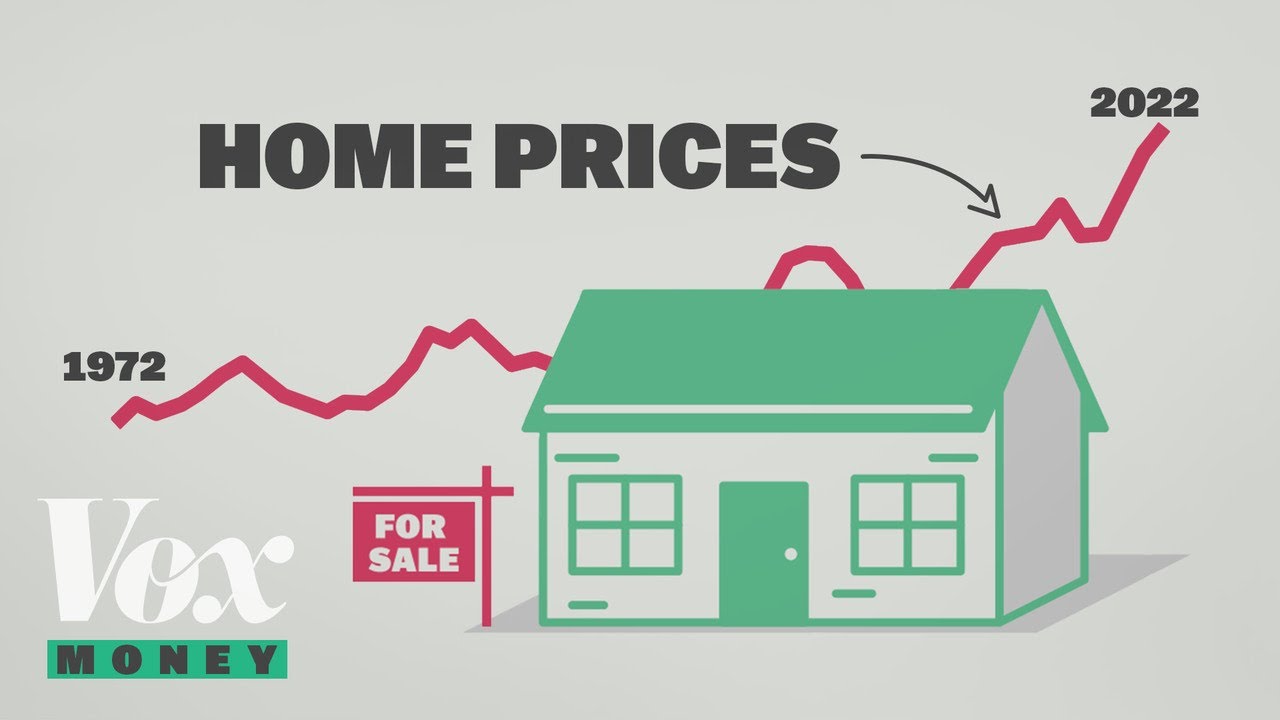
with all else being equal looking at a short time time frame like 6 months 1 year or even 2 years this isn't always the case but just take a look at home prices over the decades and you can see how much they've risen mortgage pay down is another large benefit although small at first due to the fact that mortgages are front-loaded with interest the principal pay down accelerates with every passing month inflation can really be beneficial for those with a fixed rate mortgage in several ways with a fixed rate mortgage monthly payments remain constant despite
Rising prices which which means that as inflation pushes up wages and prices the mortgage payment takes up a smaller portion of your income over time inflation erodes the real value of money so the debt you owe becomes less significant in real terms as time passes this means you're repaying your mortgage with money that's worth less than when you borrowed it moreover inflation often leads to increased property values which can boost your home's Equity potentially offering a higher return if you decide to sell as long as your income Rises with inflation the overall impact of a
fixed rate mortgage becomes more manageable and advantageous in contrast renters face steadily increasing rental prices year after year when you buy a house you don't have to handle all the expenses on your own bringing in a roommate can really help out for example let's say you buy a house with a monthly mortgage payment of $3,000 if you get a roommate and charge them $1,000 per month you're cutting your portion way down imagine the difference it could make instead of managing $3,000 on your your own you're only responsible for $2,000 even better bring in another roommate
paying $1,000 per month not only does this make homeownership much more affordable but having a roommate also means you get some extra company and shared responsibility for household chores it's a practical way to ease the financial burden and enjoy the perks of owning a home because let's be real doing it all yourself isn't easy home ownership isn't the best financial move for everyone but for those who meet the right criteria it can be a great invest M sure you have to be smart about it and play your cards wisely but it can be incredibly rewarding
paying down a mortgage with deflated dollars while owning an appreciating asset can offset many of the costs over time making it a worthwhile option in the long run