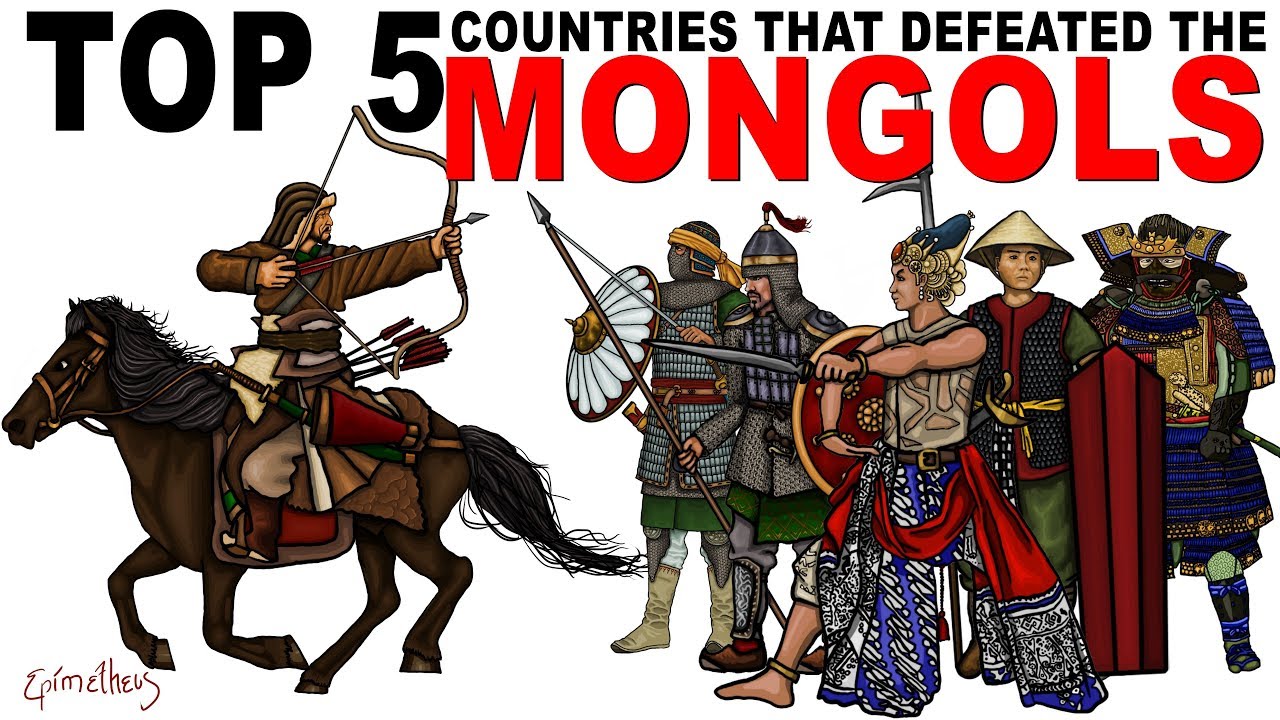
from an insignificant tribal Clan the Mongols seem to come out of nowhere to rule over the greatest Empire in the world before disappearing just as quickly three centuries later their lands reached out across the Mediterranean to the Pacific from the Arabian desert in the South to the tundra of Northern Russia and from The Forest of Poland to the mountains of China at the Empire's height the Mongols controlled a staggering 12 million square miles of territory but what was it like to live under their governance how did they treat their subjects and just why did they
almost hunt owls to the edge of Extinction welcome to Medieval Madness rise in the early days of the 13th century on the East Asian step chingis KH known as Genghis in the west meaning Universal ruler brought together the Mongols and other tribal people and began to build the largest Empire in the world the farmers of Mongolia relied on the land to support them they led a nomadic lifestyle moving their flocks of sheep horses and goats to areas with ample water and other resources always afraid of drought and disease that were disastrous for them and their
families Khan United the tribes and helped to alleviate this instability by keeping taxes under control creating rural collectives reforming the laws and bringing in a form of military feudal government a lot lot of the Mongol succcess came from genas Khan's fondness for adopting new technology from their conquered enemies using gunpowder leather armor stups and composite bows meant that the Mongol Army was way ahead of the game in advancement during combat tactics such as hit andr run batteries arrows storms psychological warfare and a reward system for loyal Warriors meant that the Mongols became the most successful
Army of their time the empire grew exponentially continually adapting as it went over a period of 162 years love to death one peculiar side effect caused by the Mongols massive territorial expansion was the hunting of owls it was so aggressive that in some regions they almost became extinct it all stemmed from a dramatic and compelling early myth long before the Mongols became all powerful conquerors they lived Beyond a Monumental mountain range there was only one way in and out of the mountains along a single road that passed through an abandoned castle The Fortress put fear
into the hearts of anyone who dared to pass through it because petrifying noises could be heard when anyone ventured too near so the Mongols remained cut off from the rest of the world one day a hunter came by he was so engrossed in catching his Quarry that he arrived unexpectedly at the castle and was filled with Terror then to his surprise he saw an owl purched on the gate the hunter dared to go inside and found that the unnatural noise was just the wind blowing through the stones in that way the only thing standing in
the way of the Mongols was erased later the Mongols revered the owl as a Celestial messenger that had shown them the way for that reason they decorated their hats with owl plumage and were happy to pay large sums to the merchants who could provide those feathers the Dominican missionary raldo of montii who was responsible for bringing back the legend of the owl in the early 14th century went on to say that quote and thus the tartar Mongols return bad for good to their friend the owl for while they say that they honor it they kill
it and skin it and make for them M themselves crowns out of the plumage conquering vast swats of land was a lucrative business and the Mongols found themselves with obscene amounts of money meaning their leaders could buy whatever they wanted with such great spending power on offer and aware of the immense profits that could be made Traders from all over the world were attracted to the Mongol court if the Mongols wanted ow feathers then they would have them and with the number of birds inside the Empire dwindling because of demand there were plenty of hunters
in the west who were happy to seek them out and so the birds were driven to the brink to Extinction everywhere Al feathers were just one of a plethora of products that the Mongols valued other Merchants such as the father of the fame Venetian explorer Marco Polo brought prized gems to the court others brought pearls the wealth and huge purchasing power of the Mongols quickly changed the lives of their new subjects and it wasn't just the commoners who had to accept their conquerors but also the elites who had to quickly adapt to the different laws
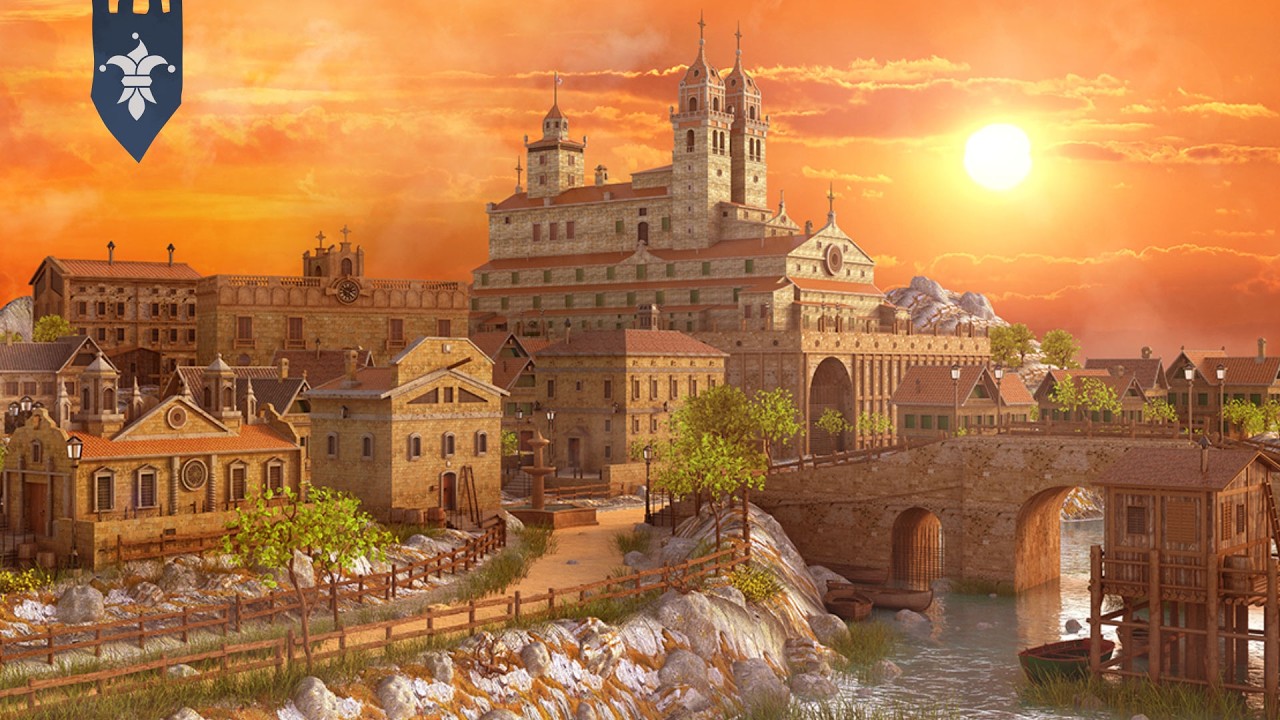
and authority of their new Masters Conquest in the Eurasia of the 13th century the Mongols were everywhere despite establishing their Capital City at karakorum their huge encampment started the landscape as they continued with their nomadic lifestyle there were thousands of large tents and hundreds of thousands more wagons for transportation The Franciscan missionary and Explorer William of rubrick wrote that he was struck with awe as the dwellings had the appearance of a large city stretching out lengthways and with inhabitants scattered around in every direction for a distance of 3 or four leagues which kind of sounds
like glastenbury the Explorer ibben batuta describes one of these campsites as a vast City on the move with its inhabitants mosques and bazaars these City camps were surrounded by millions of livestock grazing on the land if the great ruler was traveling with the encampment there would also be a golden tent where the Imperial ladies are amassed with resident populace the Mongols had an unwavering belief that they had been granted Divine consent to rule the world because of heaven after visiting the court of the second Khan ogai the Chinese Envoy panga wrote that quote in their
everyday speech they always say relying on the strength of immortal Heaven and the fortunate protection of the emperor in all Affairs that they decide to take they say heaven wants it like that regarding anything that people have already done they say heaven is aware there is no Affair that is not attributed to Heaven from The Lord of the Tartas to his Common People it is thus threat well known for their br brutality the Mongols could be merciful to those who succumbed to them quickly those communities who threw up their hands and surrendered before a military
Invasion had even begun could expect preferential treatment like the cian kingdom of Armenia for the people there life went on much the same as it had always done they just paid their taxes to a different regime but resistance to the Mongol Army meant death and desolation even Pope Innocent IV realized he was not exempt from the threat of Mongol intimidation when the Great KH guuk grandson of genis and third Kagan of the Empire sent him a message that read quote now you should say with a sincere heart we will be your subjects and if you
ignore the order of God we shall know you as my enemy and nobody wanted to be Khan's enemy The Armenian Envoy sead noted that when traveling to the Mongol Court there were many abandoned settlements on the way strewn with the bones of those who had dared to resist the Mongol armies in 1246 the same year that gak's letter had arrived the Pope's Envoy to the Khan traveled through Kiev and reported that quote the Mongols attacked Russia where they made great Havoc destroying cities and fortresses and slaughtering men and they laid Siege to Kiev the capital
of Russia after they had besieged the city for a long time they took it and put the inhabitants to death when we were journeying through that land we came across countless skulls and bones of dead men lying about on the ground Kev had been a very large and thickly populated town but now it had been reduced almost to nothing for there are at the present time scarce 200 houses there and the inhabitants are kept in complete slavery once the initial invasion was over many communities found themselves integrated into the vast Empire and taxes had to
be paid Artisans such as iron workers goldsmiths potters and Weavers along with other skilled workers such as miners were needed to grow the economy and were often spared by Mongol commanders farmers and Shepherds were always going to be needed but Craftsmen were an asset to be used if the empire was going to advance as a consequence these workers were often rounded up taken from their homes and shipped thousands of miles away to wherever the Mongols had the greatest need of them in 1241 the Mongols continued their Invasion into Poland and Hungary so they transported a
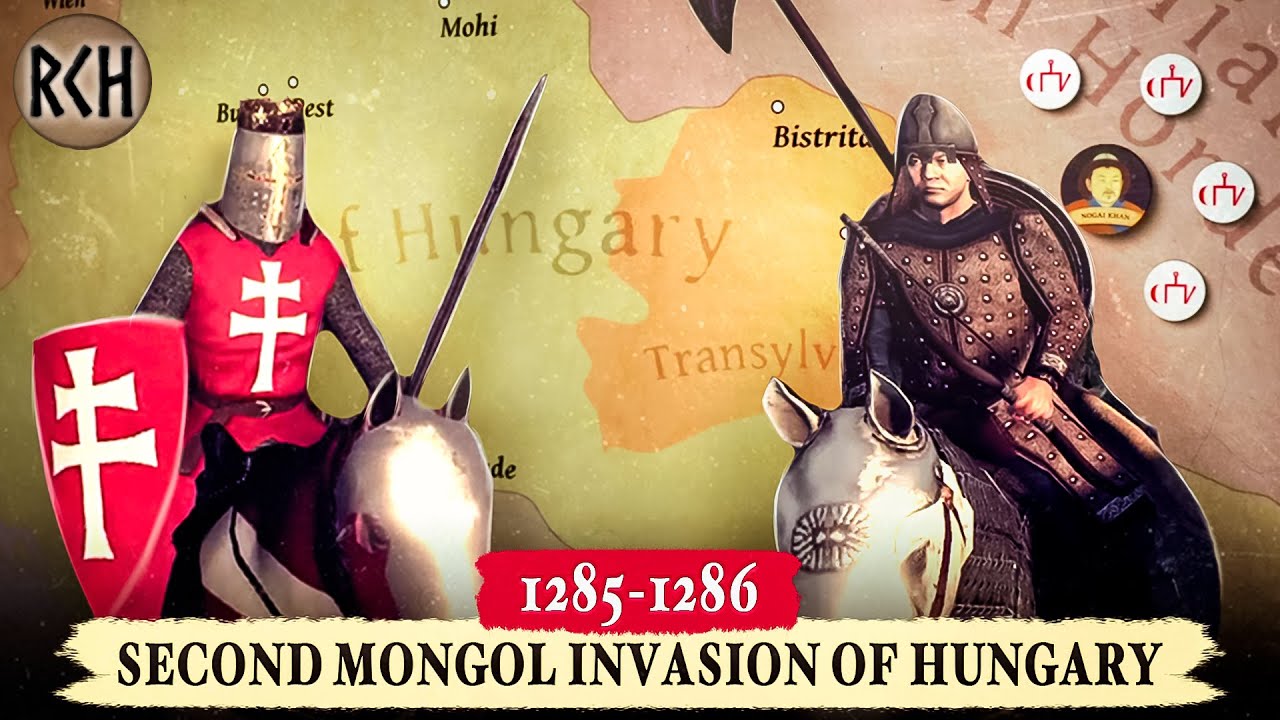
group of German miners from Transylvania far into their empire forcing the men to mine precious metals and create weapons for the offensive arts and culture after the Mongol ruler hugu brother to Mong Khan conquered Baghdad he made the place named marag his home always interested in new ideas and Technology hug surrounded himself with a group of intellectuals gathered from across his lands top of the agenda for the philosophers and scientists was the Alchemy of turning base Metals into gold and the forecasting of future events by the use of astrology hug also had an observatory built
along with a magnificent Library it was at Marth that the accomplished Pary maath physician and theology nasier aldin Atul worked overseeing the observatory and the Sufi poet aahad maragi lived until his death in 1338 as far as faith went the Mongols were pretty tolerant of other people's religions and most inhabitants across their vast Kingdom were allowed to continue practicing their beliefs uncheck but there was a condition to this the Mongols insisted that the followers of all and every religion under their control use their Divine powers for the good of the Empire religious leaders were a
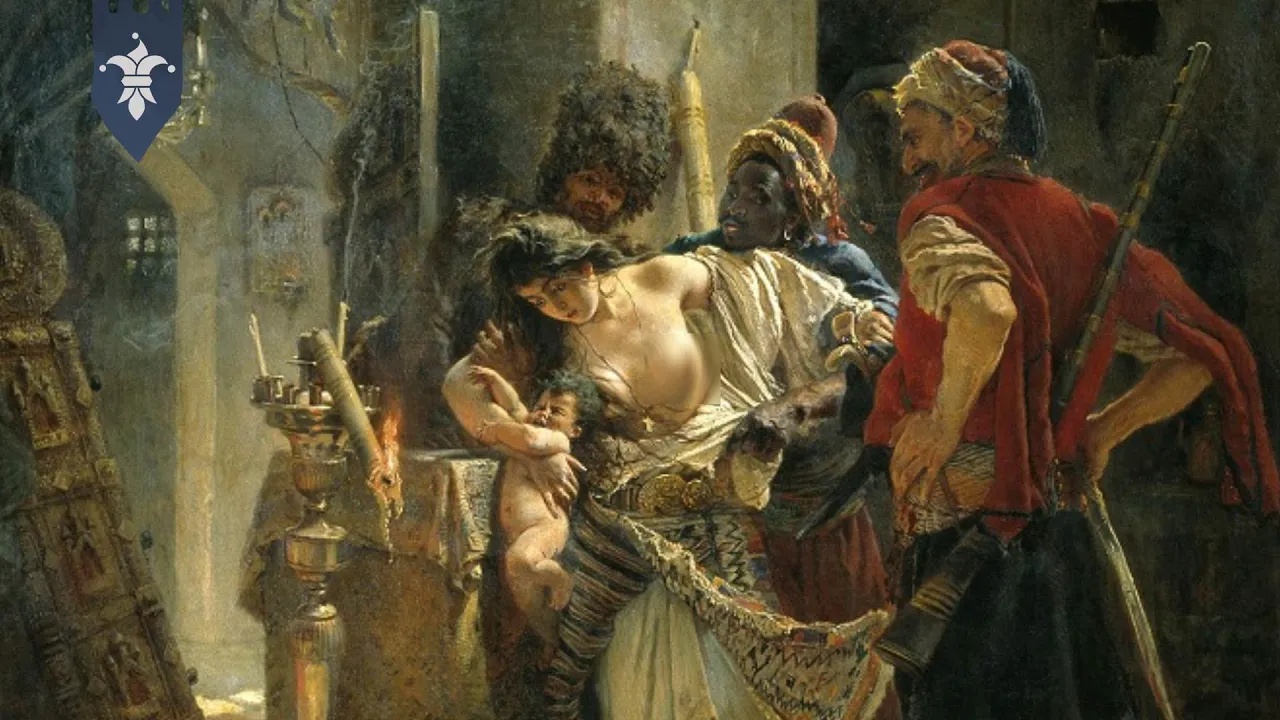
resource to be utilized like any other everyone both rich and poor Noble and lowly had to tow the line to survive under their new rulers the Mongols reputation for horrific brutality to any opposition acted as a terrant to any who dissented and it worked in the early years of the Empire there were hardly any rebellions in fact the sense of fear was palpable the historian iban al- air describes how the Mongols quote passed over the lands like clouds driven by the wind and spared none slaying women and men and children ripping open pregnant women and
killing unborn babies making the people so afraid that they froze with fear when just a single soldier would enter a village Decline and fall even though the Mongols had a reputation for Destruction and widespread murder the Empire eventually reached a period of relative peace around the year 1279 over time they absorbed the culture religions dishes and customs of the people they had conquered really the death of genas Khan in 1227 was the beginning of the end for the Empire clashes between his descendants resulted in Civil War and the Empire began to implode in on itself
ending all hopes of a global conquest by 1480 it's role in Eastern Europe was at an end but it had left a huge impact on millions of people through either culture Commerce conflict or control both within the Empire and Beyond thank you so much for watching this episode of Medieval Madness please do subscribe if you'd like to see more of these videos and I'll see you next week for another one until then I hope you have a great week cheers