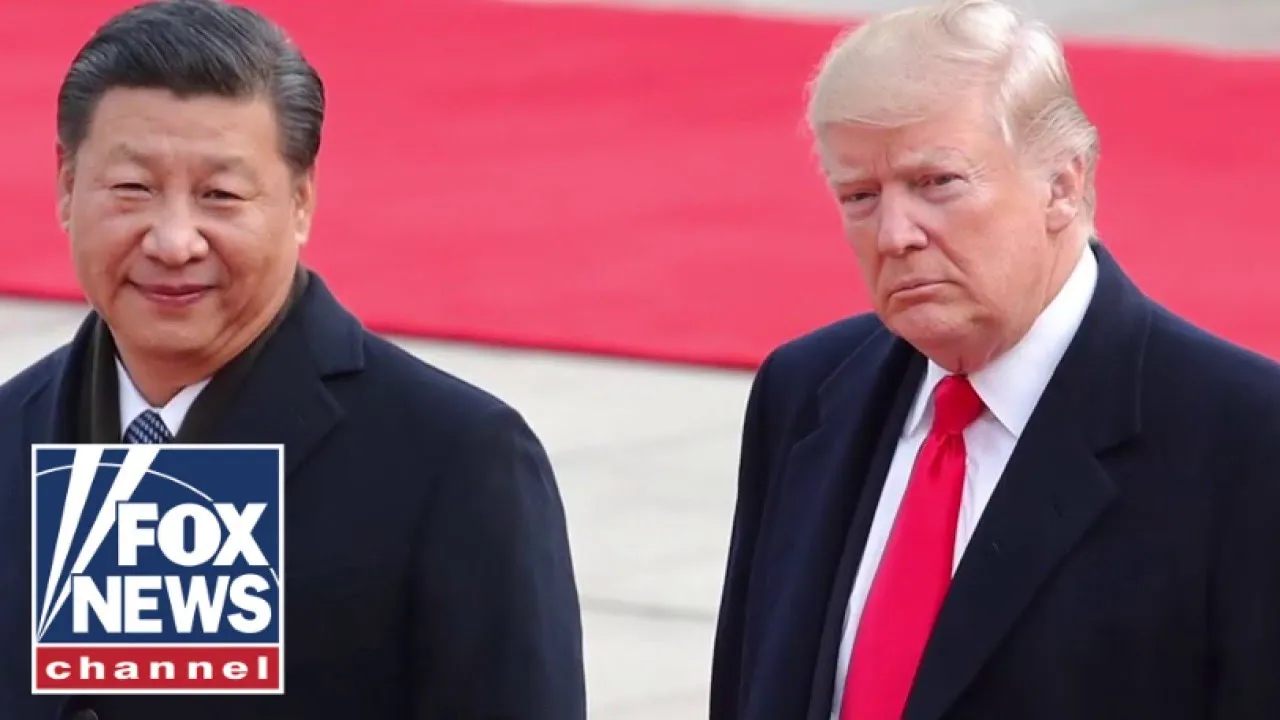
For more on this, let's bring in North Dakota Senator John Hovind. He sits on the Energy and Natural Resources Committee. Some confusion, Senator, about whether there is a deal or not.
How do you take this news? Well, first John, happy Mother's Day to my wife and all the moms out there. Great to be with you.
Look, this is very encouraging. Obviously, they're not going to have a deal fully done. You've got Jameson Greer over there, the US trade representative and the Secretary Bessant.
Uh, you know, that's the first string, no doubt about it. But they're still going to come back and talk with President Trump and all those kind of things. But the important point is they made real progress and have a framework to get to a deal.
That's huge. I mean, this is incredibly good news. It's frankly much sooner than I expected.
Uh but uh obviously just a tremendously uh good thing uh certainly for us and I think uh you know obviously for all of our allies and partners that want China to stop with their unfair trade practices. This country has had its problems going back to the Biden administration with inflation, uh egg prices, gas prices, and so on. But China's got real problems, too.
They've had something like 40 bank failures in just the last week. So, uh, would you assess that China has more reason to come to an agreement here than the United States? Yeah, to quote President Trump, huge.
I mean, huge. They sell us four just just the United States. They export to us $450 billion worth of goods every single year.
We only sell them 150 billion, which is still a lot, but that's a $300 billion deficit. Absolutely. this puts incredible pressure on their economy and the idea that they were going to go sell, you know, that 300 or that 450 billion to other people.
That's not going to happen. Other countries aren't going to just increase their purchases from China because we're not. So, yes, they're under incredible pressure.
And I think that's why you see them coming to the table the way they are coming now. But remember, they've been the worst trade abuser of all. It's not just tariffs in their case.
It's also non-tariff trade uh barriers. It's stealing our intellectual property, violating patents and copyrights, all these things. So, this is a big deal.
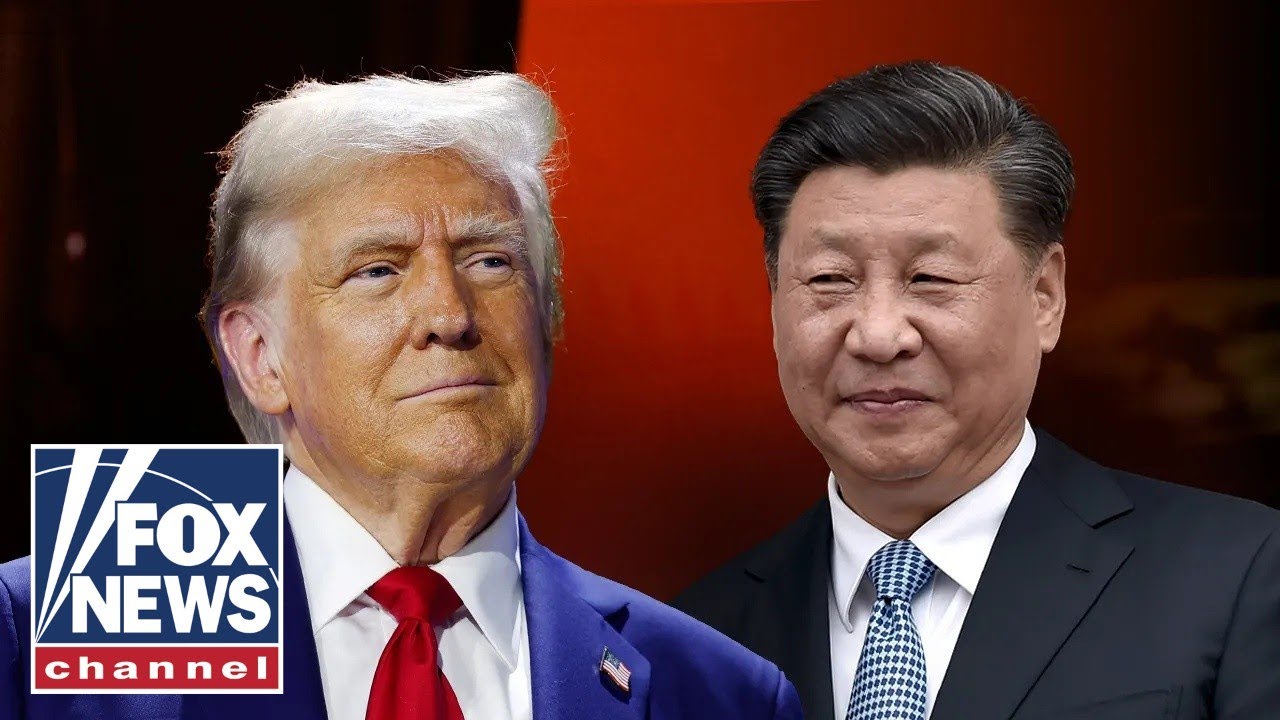
I mean, a really big deal, not just for the United States, but for the rest of the world that wants China to start trading on a fair basis. Howard Lutnik, the commerce secretary, had something to say about why the Chinese have decided to play ball with the United States. Listen, this is just a China problem right now, right?
We have 145% tariff. They have 125% tariff. Those tariffs are too high to do business.
But that's why they're talking right now. They need to do business with America. And we're using the power of our economy to open their economy to our exporters because it has been a one-way street, at least according to President Trump.
Uh China shuts out US exports and and floods our market with Chinese imports. No, that's exactly right. that that's why I just said they're the worst abuser of all, but they need our market.
Other countries need our markets, too, which is why you'll see more of these deals being announced on a regular basis. And we've always wanted a level playing field. American companies and businesses and farmers and ranchers and manufacturers and everybody else can compete very well in a global economy if they're given a level playing field.
But they we don't have one. And that's what President Trump is doing. He's leveling that play playing field so that we can compete on a fair basis.
That means not only good things for our exporters. It also means we're going to have more economic development, more manufacturing companies, more uh production of all kinds in our country as well. So, it's not just the fact that we'll export a lot more.
We're going to have more economic growth. We're going to make more things in this country. That's not only important from an economic standpoint and rising income.
It's also a national security issue when you look at steel, aluminum, drugs, and all these things that that we have to have. Senator Amy Clolobashar, your Democratic colleague from Minnesota, uh is sometimes a critic of the um tariff program that the president has instituted. Here's what she said this morning.
Listen. Sure, I'm glad they're talking, but they have assessed 10% to 25% tariffs on our allies, the very people that we would need, our friends and allies, in order to deal with China. So, to me, they've been approaching this all upside down.
targeted tariffs, yes, but they should be working within trade agreements like the Canada Mexico trade agreement with the US to strengthen that instead of these acrosstheboard tariff taxes on all Americans and now a baby tax. Do do you disagree with what Senator Clolobashar had to say there? Well, President Trump is the master negotiator and when Yeah, I do because when she talks about even our allies, they have been putting up trade barriers as well.
Certainly Canada, Mexico, look at the UK. Look at all of the trade barriers to UK. That's why you saw that deal that was just announced with Great Britain that knocked down trade barriers.
5 billion in increased export opportunities. A lot of that for agriculture, which by the way both she and I work on. So, you know, we work together on a lot of things, myself and Senator Clolobashar, but on this one we do disagree and I think that you see the results starting to come in whether it was England now this announcement with China and you're going to see more and more of these announcements.
Combine that that with what we're doing with the tax cut and jobs act extending the lower tax rates and cutting the regulatory burden and you're going to see our economy really respond. Well, this tariff battle is not over yet. Obviously, we'll see where it goes and we'll keep an eye on it.
Senator John Hovind of North Dakota. Thank you. Hey, Sean Hannity here.
Hey, click here to subscribe to Fox News YouTube page and catch our hottest interviews and most compelling analysis. You will not get it anywhere else.