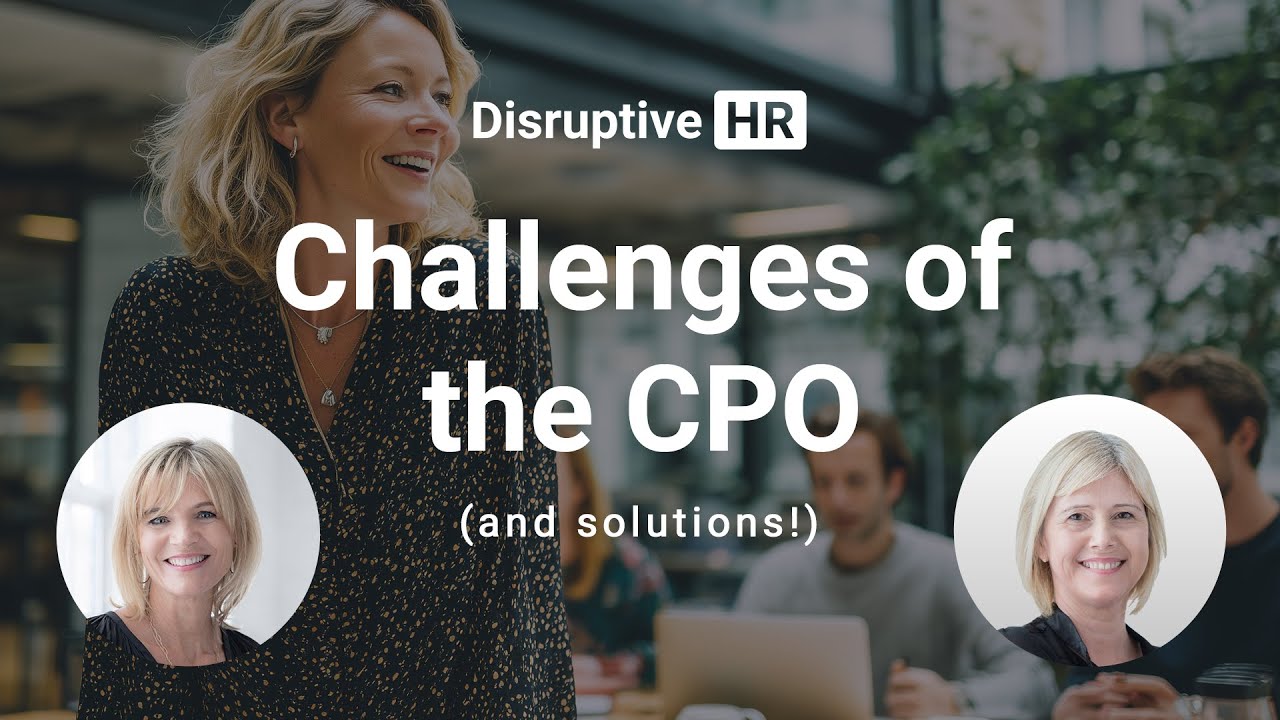
[Music] so as it's our last podcast of 2024 we thought it was a good idea to have a look at the key trends for HR for the coming year and you know of course there are tons of areas where HR is progressing and the trends that work for you will depend on the nature of your business the maturity of your lead leaders the maturity of your HR function uh but in today's episode we're going to look at the key trends that might shape your plans and I am delighted to be joined by my co-founder and
partner in shaking up outdated HR practices Karen Moran hi Karen hi Lucy I'm actually very excited about this one well because you love change don't you this is true yeah this is somebody listeners who basically changes her room round just for fun so anyway yeah so you're looking forward to this one I am because and I really feel there's a been there's a sort of a step change coming um for HR teams which I think is exciting scary um but exciting and I think that this 2025 is going to be the year that uh we
can ditch the old ways and embrace the new all right well let's have a look at some of these Trends then we're going to start with the first one which is that AI goes mainstream all right we're going to start with AI and it's obviously been a hot topic for several years now but don't you think that 2025 is is the year that it kind of finally steps up in HR and becomes just so much more than just a time saer yeah you know it's about we're starting to see HR really go beyond the basics
and help HR te team and organizations but HR teams in this context get more creative and more impactful don't you think that's the case yeah yeah I really do because I think we've all obviously already seen the last few years maybe longer that it's been taking over like those kind of admin tasks for us in HR so scheduling interviews or having chat Bots that help our people find their policies or advice but I feel like it's now becoming so much smarter that we can be much more creative with it and it's almost like finally we've
got our own personal assistant that can help us really make a difference not just in the sort of the admin area so I was thinking about um Unilever so for example they've been using it in recruitment marketing um so what they do is they use the AI to help them work out what kind of message in works for different groups of people um so they can kind of really attract their ideal candidate so I think that's a really good example of how we can now become marketing experts and it's can really help us um really
think about how we can really sell to to to candidates and I think this is where I got um when I first started interacting with AI and I know that you were much further ahead than I was I saw it as like Google you know I saw it as something where I would go to for information I would almost write Google type questions into it and and actually that kind of creativity those idea generation is something that we can use and certainly for in the in the marketing World they've been using AI for ages haven't
they I know companies like cocacola they've used AI to generate marketing copy they've used it to generate visuals for camp aigns their uh AI tools suggest like creative taglines they optimize visuals for engagement and they even test ad performance before they go live and you know this kind of Aid driven creativity could easily be applied to creating and drafting you engaging internal Communications or branding for HR initiatives yeah absolutely I think I mean we've been talking for years about HR needing to become more like marketeers so finally we've got a tool that can help us
do that so I mean IBM they're using it now to predict employees that might be thinking of leaving so their AI tool analyzes patterns like engagement surveys the amount of job moves people have had the external trends and then they're able to give managers these kind of early alerts so they can take action so it might be you know prompt have a little stay conversation with this person or think about offering them New Opportunities or you know do we need to do something with their salary so of course for them it's trying to get people
before they leave um and you know really holding on to their people so I think AI is just so good for things like that yeah and I think you know we've talked about AI sorry talked about data in HR for so long and of course we've always had metrics that have typically been lag metrics they've looked backwards hav they whereas these kind of predictive metrics actually enable us to do something about it um and I love the the way that you were saying that IBM actually uses them to prompt managers nudge managers to do things
at a time where they might be actually able to to rectify a situation or you know prevent someone becoming a flight Flight Risk whereas two often we've kind of had to go well someone's leaving let's give them some extra money to try and persuade them to stay as opposed to having the signs and indicators so I think you know all of the examples that that you've given I think are really help show how H AI is helping HR move from just getting things done to actually making a real difference and you know if you're listening
to this and you haven't started using AI yet you should definitely want to start now um where how how do kind of people even start with AI you know is it just sort of having a play what would you say is the a way of getting them to begin experimenting and just get comfortable and confident with it yeah I mean I think I would say you know we've nearly all now got AI as part of our kind of smartphones so being able to kind of use it in your own personal life is a great start
um and I think it's about just getting more confident and being able to add in the right prompts that give you what you need because I think sometimes we can have a bad example where we'll type something in it will give us something back and we'll think well that's not true or that's not me or whatever and it's about how you keep training it to prompt to have your tone of voice to think about these things a bit more deeply so I think it is just playing with it so using your own um iPhone what
whether you're on you know whether you use Google or whether you use Microsoft or whether you use the chat GPT find your little app um download it and just start playing around in your home life and then you can start seeing the impact they can have and also if you're on LinkedIn there are so many brilliant people on LinkedIn that I follow that just give me these tips where I think oh I've never thought of doing it doing that or trying that so just listening to The Experts really yeah those cheat sheets are really good
aren't they with all the prompts on there shall we move on to the second Trend then that uh we're predicting that uh it's it's a slightly more vague one here but it's all about I think the second trend is around human Centric interactions now the pandemic obviously completely disrupted how we work and while sort of hybrid and flexibility were the buzzwords for the last few were few years we're really going to see things being taken to a new level and it's kind of Way Gone Way Beyond just hybrid working now hasn't it yeah I mean
for some organizations they've they haven't even more they haven't even got to hybrid have they they've gone back ignore them because we're talking about Trends and the and and the organizations that have embraced it so yeah I think the this kind of human Centric interaction takes it much deeper and you in simple terms it's about how do we tailor the entire employee experience how do we recognize every single person is individual with unique needs um so from benefits to their career to their well-being whatever it might be but it's um it's it's really getting down
to the unique needs of each person and I think this is increasingly becoming not an optional extra I think increasingly we're seeing that employees expect the same kind of personalization that they get from say streaming services or online shopping they're expecting to get that at work you know they want that they want to feel that their Career Development and the benefits of relevant and designed for them rather than it just being a kind of one-sized fits-all offering yeah and I think again it's sort of where AI can help us because it doesn't mean as a
HR team we've got to put on all of these different choices for people you know we can we can get employees to own it for themselves so PWC have got um what they call their my plus program so the employee themselves can design their entire work experience so it might be booking extra time off they might need help with a student loan they can choose how where they when they work um they can choose their own different career paths that perhaps align with their own personal goals so PWC is very much putting it into the
power of the employee to decide what works for them and that's such a smart move and it personalization is not just just about flexibility is it it's about empowering people giving employees that level of control it sends such a powerful message which is you know we see you and we value what matters to you you know there are so many kind of creative ways that HR can develop and design a hyper personalized experience you know if you think about you know what the New York Times does it uses AI to create personalized newsletters based on
what readers engage with most and there's no reason why HR can't use similar tools to send employees tailored updates on their benefits their development opportunities even their well-being tips yeah I think it's the future and we've just got to move away from this one siiz fits all it just doesn't work if it ever did I don't think it ever did but um it's easier isn't it it's easier to scale if it's one size fits it's easier to monitor it's uh and instead it's actually about you know providing those choices so instead of seeing our people
as one big homogeneous lump it's about recognizing them as individuals so I think that human Centric design definitely is going to continue to be a major Trend in 2025 so let's move on to the third Trend and there's you know Tech is involved in this one as well but it's bigger than just technology um it's really about how organizations are kind of unlocking the potential of their Workforce so Tech driven Talent Marketplace is not just about filling roles but it's about helping employees grow res skill find their next challenge um you and I talk about
this a lot but have you got any recent Stand Out examples of this yeah I'm um I I'll call out Nova artists so they've partnered with um a provider called gloat and they now have this kind of AI powered Talent Marketplace so it's like a like a personal career conci and what I love again is that they very I love the word concierge it just makes you feel so looked after doesn't it and so but not dry cleaning services like it was back in the day yeah what I love most about their approach though is
that they again are putting employees in the driv driving seat so they want Impe their people to feel that they're able to take control of their own career to take control of developing their own skills you know I think this has massive changes for our traditional L&D functions um in the sense that employees can now do it themselves so they have this um this kind of function where they have this app um where people can go and I say for example employees is passionate about sustain ability they can go in and say you know I'm
really interested in sustainability and the system will pop up with oh did you know there's a project going on over there um with green initiatives so again it's HR is kind of providing the the environment but employees are kind of doing it for themselves and drive their own careers because you and I have talked about this a lot it's like you nobody cares about your career as much as you do and yet still there's this Reliance on line manager to tap you on the shoulder and tell you about a training program or to have a
sense of what your career path might be but increasingly that in you know employee owned employee driven career development is where it's at it's absolutely going to be um key in in this coming year so how have nov artists ensured that people are able to own their careers linked to the skills that they need yeah I think that's exactly it what they've done is they've gone for skills and by focusing on skills instead of the traditional rigid job descriptions that we've had people are a there it's easier for people to see what skills they've got
what skills they might need for other roles so that they can think about how they can get those skills better um and how they can work in different teams or explore new opportunities or get a mentor or whatever it might be so for them it's very much around skills rather than traditional job descriptions and I think also what I find exciting about this is that this approach isn't just for large corporations with big budgets is it you know smaller organizations smaller companies or companies that just you know even if they're large but just don't have
those kind of budgets um they can adopt similar principles using the tools that they've already got so things like slack and Microsoft teams and Trello they can create these internal gig boards it always used to be that you had to either be applying for a job or you might find out that there was a suc comment there was a possibility of a suc comment but actually you don't always want that you know you don't want people tied up with succumbent for years at a time the ability to tap into a a project or a short
gig um and having the facility to make those available and and for people to be able to choose those for themselves I think is just an exciting Way Forward um so uh you know people can use chat Che PT they can act as personal career coaches helping employees identify the skills gaps they can suggest projects to build those School those skills even help you draft your own development plan so it's all about impa you know how can we in HR Empower and enable employees to take charge of their own growth rather than it being um
rather than relying on your line manager to put it all out for you yeah I love those ideas and I think your point about using tools that the company's already using so I think it's really hard for us when we're at work and we're already busy to have to go to a new El learning management system or somewhere else whereas actually we've got these coms platforms we're all using things like Ms teams where we can use that as a as a place where we can kind of advertise and sell um we don't need to buy
expensive technology necessarily you know it's more about how in HR can we create a culture where people feel that they can see and explore opportunities to learn and grow yeah and I think we're seeing aren't we that kind of growth mindset that sense of we don't want to be what is it um Microsoft we don't want to be a knit all organization we want to be a learn it all organization or um I can't remember the company but they just had that sort of tagline of what will you learn today might be Schneider Electric you
know what what will you learn today it's not something that you go on a training program to do it becomes part and part of the culture of the organization is that we expect people to be curious and we expect them to seek out and own and drive their own development you and I have talked a lot about you know the benefits of popup mentoring as well doesn't have to be something with lots of Pol IES and um procedures to get a mentor just actually putting it out there that anyone anywhere in the company can reach
out to anyone else in the company to be their Mentor so that kind of I think Paramount do that so we're seeing that putting it in the hands of employees doesn't have to be Tech um it can be Tech driven but it doesn't have to be um okay let's move on to the final Trend and I think one of my favorites for 2025 is the rise of agile HR you know this is a total rethink of how HR operates it's about moving away from rigid structures to something much more Dynamic and much more adaptive yeah
I think we've still operate in these kind of silos don't we in HR we have these the centers of excellence which are um are always often different so recruitment's very separate from learning from talent management from internal coms and we know that having these silos is create so much inefficiency bottlenecks um and also we're not back to what we were talking about in terms of joining up the employee experience it doesn't help us develop skills think about internal movement all of the things that we should be thinking about as one team completely and breaking down
those sides silos and adopting a more skills-based approach just feels like a no-brainer you know instead of locking HR Talent into these static roles it's about creating a a dynamic HR marketplace where people can easily move between teams and projects based on their skills and interests yeah so have we seen much examples of agile in HR yeah I think we are and and sometimes it's not you know the whole of agile because as we know agile's got so many dimensions to it but uh we're seeing you know HR teams beginning to experiment to work in
slightly different ways so company like ing they've adopted agile ways of working across their entire organization including HR the HR teams operate in these cross functional squads and they collaborate on endtoend employeee EXP experiences rather than working in isolated functions uh listeners might have caught up with the previous episode we did uh with Katherine from nap West came out a couple of weeks ago similar thing there that kind of own owning the endtoend process and so um really it's just like you know it's much better for HR skills and it's also better for the end
product it's faster it's more collab cative and it's much more aligned to the needs of the business yeah and I think as well we're seeing this more experimenting rather than um just you know we had a kind of a tendency don't we in HR to kind of wait until our our initiatives or our products are perfect um before we roll them out and then there's no going back is there if someone criticized it it's like I remember doing that you know we did that pay and in Project didn't we and it took about n months
and then by the time we went live with it it had to succeed because we' spent all this time on it you know rather than going is this working no it's not okay let's stop it yeah and I know that um so Spotify for example they tend to kind of pil it in a small group um and then they get feedback and they tweak it before they kind of roll it out everywhere else so I think for us in HR we've got to be more comfortable that this is not about perfection um it's about progress
which I know is hard because we we often get uh you know we get a hard time don't we uh so I think we need a really hard time recently I've seen so many articles and you know we're used to being the butt of the joke in a television drama you know the the HR person in every television drama I've ever seen has never been the bright intelligent caring one you know they've either been a a complete wet blanket or they've been this EV all personified so we're kind of used to it but it does
feel it's gone up a notch recently so maybe we predict that you know 2025 is actually the year when that stops and uh people start saying some great stuff about HR it would be wonderful wouldn't it and and of course to shift the dial to change the narrative there we go there's two cliched expressions for you um if we're able to do that it's going to be a result of working in these new ways is working in very very different ways and so you know I think it's really exciting to think about how much more
impactful we can be if we embraced agile if we embraced AI if we embraced all of the trends that we're talking about and of course we're already seeing some HR teams doing it you know but even if you're not ready to embrace these new trends um I do think we've seen a step change this year haven't we you know and I think it's worth reflecting on the amazing progress that so so many of you have made this year it could be that you know you've overhauled your Performance Management you've got rid of your annual processes
and your ratings it could be that you've reviewed your employment policies and you bought in Greater levels of trust and judgment it could be that you've changed the way you've developing your leaders managing Talent or it could be that you're adopting this agile design and delivery you know Karen and I just we love it when we get to hear about the that you're making so if there's something that you've done and you're proud of do let us know you can find out how to contact us in the in the show notes yeah I think so
I think sometimes for us it feels like it's very easy for us to sort of spout from above but you know actually doing it in it's complicated It's Tricky it's really tough yeah um so well done yeah exactly exactly and here's to a fantastic 2025 yeah uh I think that's a wrap on the HR trends that that we think will shape the year yeah thank you for joining me in the last podcast of 2020 um and let's hope that you know here's to a year of bold moves big changes uh for us and and and
a bit of fun you know and don't forget if you want practical tools and resources to help you disrupt HR you can check out the website or you can join our disruptive HR club and we'll see you in 2025 happy New Year Happy New Year [Music]