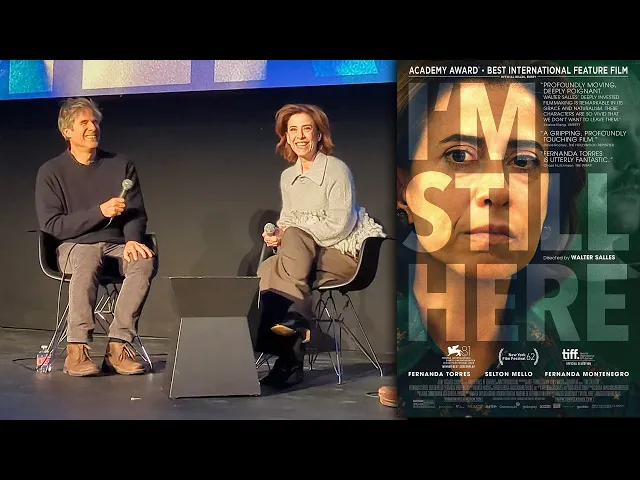
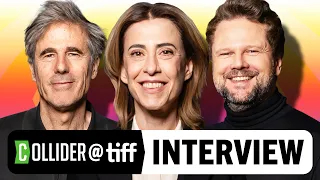
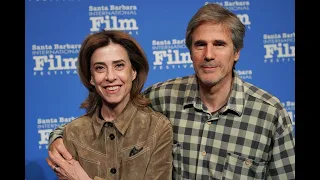
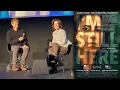
I'm still here is the latest movie from Brazilian filmmaker Walter solz who's known for his award-winning film Central Station and the Motorcycle Diaries I'm still here recounts the real life events of Unis Piva whose husband disappears amongst the political dictatorship turmoil in 1970s Brazil and playing the lead is famed Brazilian actress Fernanda Torres who as of the making of this video has already won a Golden Globe for her performance this is such an amazing year for female performances I was able to see this film during last year's New York Film Festival and had an opportunity
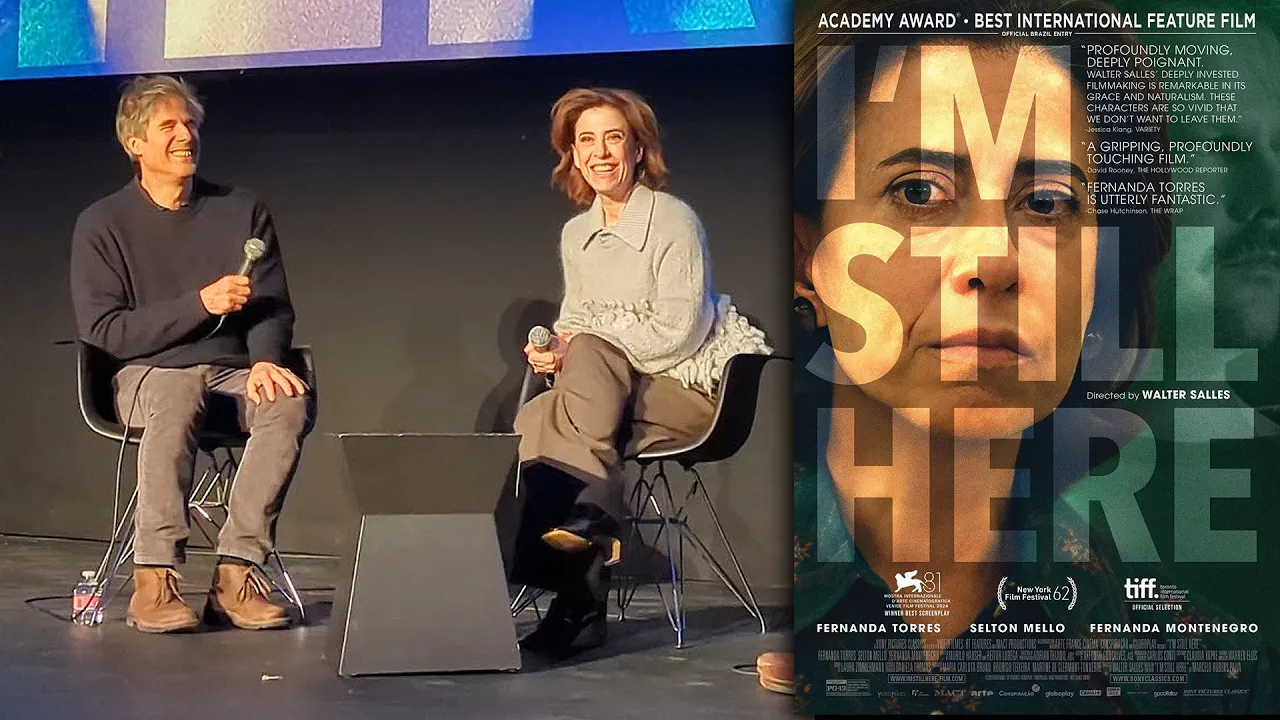
to watch it again but this time with director Walter solers and Golden Globe winter Fernanda Torres in attendance for a really great Q&A afterwards it was really great to see them in person and listen to them recount the tales of making the movie and how Fernanda responded to her recognition for her role as Unice Piva seeing this movie a second time really hammers home how tremendously strong her performance was overall and how the film is just amazingly touching and impactful I can't recommend enough and now I'm here to present to you the full Q&A session
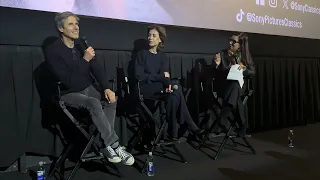
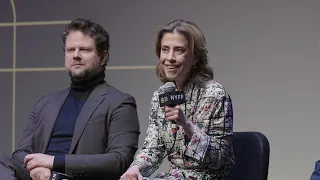
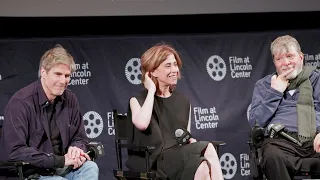
that took place at the Museum of moving image here in Queens New York now it might be best to watch this as a companion piece to the movie but regardless of how you watch it when you watch it it is always great to see the artists behind the art so sit back relax and enjoy this full conversation of I'm still here with director Walter soles and Actress Golden Globe winning actress Fernanda Torres Walter Sal and Fernand Torres [Applause] thank you so much for being here it's an absolute thrill to have you both here um and
one person who's not able to be here um is the co-chair of Museum moving in uh Michael Barker uh but he wanted to share some words uh in honor of you being in this particular house apologies for not being with you tonight to welcome Fernand Tores and MTO Sal incredible Museum Fern Fernanda Tores comes from the great acting Tores family known as the bar mores of Brazil Al cell is considered by many to be one of the world's finest independent film makers he also happens to be a copile of major proportions which matters very much
to Michael bar over 25 years ago Walter made history um with Fernando's mother Fernando Montenegro with magnificent Central Station and now we have the exceptional emotionally powerful I'm still here featuring a truly Titanic performance by Fernando Tes with this film Walter speaks to Our Moment In Time in this anxious world and to our families incisively exhibiting his Artistry cinematically as only film Master Ken it has been my great privilege to be embraced by them as family for over 25 years Walter and Fernando they Fernando his his misspelling Walter they are both Brazilian royalty and film
royalty greatness has never been this fine or warm or loving meet them and their Mastery and the Mastery of their work I sure you will adore them too [Applause] [Music] makes my job a lot easier for me um Walter you knew the family in question here which I was amazed to learn uh you knew the family and you knew that home yes first of all thank you so much for having us here we're really honored to be at the Museum of the moving image such an extraordinary Cinema so and a full Cinema so yes um
yes I you know when I was 13 years old I became friends with um the the mid sister of that family of five kids and mother and daughter and um I was enamored by that you know uh the beginning of my adolescence I was then thrown in this world where um political discussion was fascinating and open to every single generation which didn't happen in my house um music was playing all the time and was so informing I discovered a lot but Tropicalia for instance roo you know all of these guys are discovered in this house
you know um and then there was something else that really hit a cord which was the affection that was at play in that house you know I was really taken by it and I spent 2 years drifting to that house every every week weekend but I wasn't alone every a lot of people went because imagine five kids with their respected friends mother and daughter and their friends were always 30 or 40 in that house um and one day that house was shut down we arrived there and we couldn't get in um and then I realized
that you know the word would never be exactly the same from that moment on you know it was if that whole I realized that for that family to live in that with that degree of intensity was a form of resistance under the military regime you know and this is what was robbed the family was robbed of that light and as the country was robbed of a future at the exact same time I want to talk about that house but I first want to talk about you said that in your home that wasn't the case is
that because of the reality outside the home that that that that your home was different no my parents from from the interior of Brazil in Min you know um and there was this uh I would say this division between Generations very clearly but in this house here perhaps because they were five kids you know there were no barriers you know there was a a freedom of expression was there all all the time it was very polyphonic you know it was almost tactile um and I tried to bring that into the film you know that was
a house where you felt invited to be part of and then somehow in doing the film and adapting the extraordinary book by Marcel hubin the second youngest kid of the family uh I really tried to as a filmmaker to extend the invitation to the audience to all of you to kind of feel what I felt you know St house was another country this is what it was what I love about um the structure of the film is that there's fully I'm had quite time it to the moment but it's almost 45 minutes I believe where
we're in that home before the inciting incident happens which allows you it's not just one scene it's not 15 minutes before it all changes you got to spend half some film's length in that home first and that must have been from the beginning the plan to make sure that this was not just uh that wasn't just set up you know this this is where it took us seven years to shoot CU it took a long time to have the screenplay right as you can imagine because you had to in you have to really make every
single one of those characters as special as they were for me in my memory you know they had to exist so the be the the the First Act of the film you know this uh luminous part of the film defies all all the um um you know everybody who wrote about screenplays would find this too long too long not too long but but the exact opposite of what should happen because there nothing happened on minute 3 minute 5 minute 9 and and yet I think that since the very beginning since the first image you have
a woman in the sea and then there's a there's a military helic helicopter flying too low so in a way that image in Capt Ates the film as of all already in the very first image so the the I don't know how to say this in English but the beginning of the film is really about of that family the beingness in the world the way they were in the world you know and and I think it's only by understanding what what was lost that you can deal with grief and and you also understand the magnitude
of loss you know so it was very important important to structure it as we did structure it um I'm curious to hear from both of you in terms of that that house um what uh what was it I mean how did you achieve that level of beingness of placess of presence uh was it a house that you worked a lot in in advance of the filming was it also I'm curious about the way that you shot it was there a freedom of movement in the house as well first I think vter he found this house
and the film had to be postponed and he kept the house because he said without this house we don't have a movie we don't have a film so the house was there and every day I remember getting my car and driving it was not time traveling because that house looked like my house in the 70s I could be one of those children and we were living in that house and Cari the amazing amazing set designer he didn't prepare a set he prepared the house he was every day like extinguishing cigarettes in the ashtray so the
house had the smell of the house at the time and everybody smoked and the kitchen smelled like garlic and we were we had like about one month living there and rehearsing scenes that were never scenes that were cuted from the movie uh but we could like just by the pleasure of playing with it the children they were like invited to do their own rooms so that was pretty much our home yeah we tried to create texture and memories in that in that uh house you know and by rehearsing I would say what would have preceded
the beginning of the of the film without a camera we just played with with those scenes it allowed us to actually create a relationships that would you know that that that that really had the Grain and the texture that we needed for the family to truly exist and then to answer your question about um the fluidity of the the the the grammar at the beginning of the film is pretty much um influenced by the memory I had of that house you know so the camera is very agile and it goes from one group to the
other because this is how I felt you know from from that place and as we shot in chronological order which is fundamental with kids so the kids were not they they only knew what was going to happen in that specific day MH you know and we went from that for that spontaneity at the beginning of the film but also I would say we went for that spontaneity um in almost every shot we changed something in uh the dialogue or movement to make every single um take uh a complete unique take it was not take two
it was something new and also when I remember the party the party for me in the beginning is like the pck of the being in that house and all those actors they are our friends CTO is my great friend so we were really party and and the kids the kids they've never been in a movie experience and they were having this amazing experience of creating another life so it was really there is one scene the the journalist that tells me that Ruben is dead in the beginning he's a close friend and I said oh y
has a crush on him and then I was like playing with him and this is in the movie I'm like smiling at him and S takes me and said no no no no no and this was our way of being in that house was good what did that offer you as an actor because not all films offer that for you in terms of being able to both film it in sequence but also have that level of care for a space What extra does that give you it's more than care for space I remember when I
saw this film for the first time I was a bit in shock because we didn't look like we're we were acting and this is something very difficult to achieve because normally you play there is like this whole grammar for fiction so we know how to cry uh the director know how how to create tension but not in this movie in this movie was pretty much close to a documentary grammar it's not that it was improvised no but the documentary is in the so of alter so he had this antenna when all the Wardrobe or the
all the the shooting or the acting was fixtion and I've never had experience of being so real in my life and this is this was really intense is that different for you as well in terms of your process yes I think it was very much different from Central Station for instance where you sense that it's you know the the I would say the dramatic structure is more at play from the beginning to the end of the acting also um drifts from that here the you know we were um really searching for authenticity and and uh
selton says something very beautiful is that the kids um helped in that because kids never lie on camera you know and they and dogs we had both and and that honesty is is is in being you know was something quite wonderful and and I think that that kind of uh um allowed us to have a more of a sensorial layer on the film going going on you know um and that allowed us us to also capture things that were not in the screen plate to start with just one example when they are leaving the house
the family is leaving the house at the at the very end of the the first part um and the little girl is looking at the house being dismantled and she's really moved by that that is a stolen shot we were actually um shooting something else and then I realized she was in that she was perceiving that that as you say two things at the same time is that as a character she's leaving that house but also she's leaving the film as we're shooting chronologically that was the last day of her in that house and she
was watching the house being dismantled so this parallel between our experience and also the character experience was there all the time so and and the house was a character of the film very much for us but also the house represents the father that would never come back if leaving the house is also leaving somehow the father behind so that that seemed was so Central to us you know and interestingly it was shot so rapidly everything is a take one in that scene oh um uh because what was of Interest what was that was what was
happening uh a how do you say that you know really Under the Skin as you were feeling it you know it was was shot very rapidly the superate at the very end we shot it once also you know it is what it is but I would like to add just one thing I think it all happened because of someone called ill Piva because this woman emanates this kind of Truth truthful truthfulness I mean she never lied when you watch an interview by o Piva she's clear she's straight she's like um she doesn't lie she doesn't
pretend she's crying or whatever she she's a hell of a human being and we wanted to do something that uh that she would be proud of and that would emanate her soul and I think he did it did you feel a sense of of of of burden of having to somehow carry her story on her shoulders and do right by her I didn't feel burdened but I felt a big sense of responsibility I think because she never wanted to be known for what she did and she did a lot of things I mean she became
a lawyer at the age of 46 with five children and she became a lawyer uh for the human rights she was the one of I think of the first lawyers to defend indigenous rights and she's responsible for indigenous reserves that nowadays are saving the Amazon Forest because all the land that became an indigenous reserve the nature was saved and so this woman and she never wanted to be known so I didn't feel burdened I felt the responsibility that we should do something uh that she would be proud of the structure of the film also is
such that we described that the first acts and how polyic and joyous it is and then the next two Acts really do become you know n's uh story from there and you're carrying your performance carries a lot of weight from there and I'm interested in finding the right person that could do that that could absorb all of what we see in the beginning and that sense of Exile that sense of loss and basically still be a living thriving person how how did you come to to this you know I got to meet to meet theia
that part you know when I was 13 14 and then I got to see her again at the end of her life and there um what was uh really something that I never forget it was it was there was an emotional intelligence about this woman you know and there was some always something kind of Brewing inside of her but never truly spilling you know and and the whole role had to be about that even when she discovers that the husband hadn't been a a true confident and that she discovers in the first interrogation actually she
discovers many things in that scene because she discovers she she asked for a lawyer the guy said no lawyer so she discovers what is the true nature of the dictatorship there in that specific moment and then she discovers that the husband hasn't confided into what she did so that it's it's a very large moral dilemma so there's many things happening at the same time and uh what Fernando does in that scene struck really still structs me you know because there's so many things happening at the same time uh nonverbally you know um and this is
why I say she resisted that but I call her a co-author of the film because only a co-author of the film could have been able to actually relay all the layers in a scene like this where so much is said nonverbally you know and and also carry almost the same moral dilemma that the husband had to carry because she also adits things from the kids in order to protect them but still you know yeah nothing in know is just one thing that seen in the uh in prison I mean she feels betrayed she feels anger
she feels angry uh but at the same time she knows that the policeman is going to use it against her husband and so she wants to protect the husband and since the beginning vter was telling me to restrain emotion to do not show to restrain then when she gets back to uh to the bedroom scene when she gets back from prison she looks at herself and and she starts a long long journey of killing Utopia and this is so profound I mean someone who looks at herself and says that world is over and I will
start to deal what I have from now on so it's so powerful it's a woman that in reinvents or I think gives birth to herself during a tragic moment and once I asked uh Marcelo if he thinks she would become herself without losing the great man because she was raised to be the great woman of a great man she was raised to be a housewife and only through this tragedy she becomes herself even more powerful than she used to be and this journey for me was because like you said in the beginning she's just she's
an exra in the house she serves coffees she puts the children to sleep but the man is the thing and at the end she's in charge even in charge of terrible decisions like to do not tell the children what happened in a way to so to save their innocence I think on and in the other way because it was unbearable to tell five children an horrible thing that happened so she saves it from her to herself the I mean she she doesn't want this to herself but at the same time she doesn't want her children
to lose innocence because to become a victim this is beautiful that she says we are not the victim the country is a victim so it's a hell of a woman I think you want to get a couple questions from the audience we'll start that process now apologies for the strong lighting but I'll um repeat the question uh go ahead bring your first so when you uh so you talked to Mar Marcelo and he was giving you input how did he give input to both of you at the same time or was it different moments that
you got a chance to talk with him and he so he gave you input about how the story was told and how he how he remembered it and brought it out marello the son who wrote the book um his feedback he he was um closed the whole process of developing the screenplay so that took many years so that that work was uh concentrated in the two young uh very talented uh screen writers with whom we worked and and he was um somebody that always wait in uh whenever we wored out but I have to say
that during the shoot um sometimes we also had doubts and we resorted to him I remember one day when we were shooting the the moment where um the military police in civilian clothes enter the house um we the the book doesn't fully describe the the the nature of the the the acting how how uh I would say how invasive or not they were you know and and my first because of all the images I had from previous films you know I I I I I had the impression that that entrance was more brutal to start
with and and then when we shot it something didn't feel completely right so I founded him and I said Marcelo I shot it like this this and that but how would you describe them I said uhuhuh um these guys wanted to be seen as uh accountants very strange accountants yet accountant so there was a pretention of being I would say normal yes and bureaucracy of this yes yeah the bureaucrats bureaucrats of that and to do something that was matter of fact but then it wasn't so we reshot that thanks to him so he was very
much near whenever we needed him but he never interfered because he is not only um a writer an incredible artist but he is himself a writer so he also knows the difference of that and we also interviewed every one of his we conducted extensive interviews with every one of the sisters and and everyone who was still alive linked to that story this is why it took so long was he okay with the fact that it wasn't he wasn't the central character yes yes because you know in writing the book he discovered that his mother was
in fact you know the the the main hero of of the story and in reconstructing his family's um memory he was offering a reflection of Brazil's memory during that time how extraordinary was that and he he understood it you know and the film really embraced that discovery that he made by writing the book and the discovery was in the scene where she finally gets the death certificate and he describes this in the movie in the the book is in it is in the film he looks at her and he said that was the real heroin
of the family becausei first she was the Widow of Ruin and later she was the mother of Marcelo and she always a secondary character yes question um U one of the topics of this film is obviously impunity uh how do you see the issue of the amnesty law still to be Brazil the fact that nfield bed as well brought this to the Supreme Court somehow to rediscussed law doesn't make any sense to continue the question the that's very delicate we had like a a lesson with sah which is a great great uh social political think
the problem is that in Brazil the dictatorship took 21 years years to to finish and when they decided the Army decided that it was supposed to end they were in charge in Argentina for instance was the contrary it was a very terrible dictatorship but it lasted just six years and they end up with the crazy Falon war that totally destroyed the military so they were able the Civil Society was able to put them uh to to persecute them but not in Brazil so the only way for Brazil and there was like a very extremist rightwing
part of the army who didn't want it to happen the and those same people aren now recently they wer in power trying to do a good time so what happened in Brazil and that is that was there was this arrangement we pardon your sight and you forget about what happened during the dictatorship but this ghost comes to life again and came to life again so it's very impressive that now the Supreme Court used the film uh to say that wait a minutes when it disappear with the body a crime that it's still happening so it
can't be part of the administ we are starting to discuss it yeah I think that to be direct I think we fully stand by's position that the crimes of the military dictatorship should be charged and punished from stop you know as they were in Argentina and as they were in Chile but the reason that it didn't happened in Brazil is that but this is also why Kaza still being yeah because had they been judged it wouldn't be the temptation of another no and it's the same people the secretary of the the very extremist uh General
that wanted didn't want the the dictatorship to end was now in the the top land it's unbelievable the same people you said the seven years that I took to write the script and get here politically things changed a lot in Brazil now during yes you know so what was it like to work on this period film while these events were happening in pres uh it was actually fascinating because I think that when we started to do um the the the project I mean the adaptation of marcelo's book was um brought the possibility to offer a
reflection of AA that we hadn't fully invested investigated I would say and little by little as the situation changed and the country veered to the extreme right we understood that the film had a degree of urgency that had to do with our present and not only with our past and that I think gave us a lot of um focus you know and it kind of created a sense we the the the crew in people in you know the on one hand that the crew said we were so so um I I would say in in
tune because of this perception that we we're doing a film about who we were at that time but also about who we are you know there's this beautiful line about andovi you know a Soviet filmmaker his work I love and he says that the film starts to exist when everybody who is doing the film is in the the same artery of a film and when we perceived that the film was about the past but also about the present this is when we entered into the altery of the film but know there is a magic in
this movie because I I think that it would be impossible to release this movie four days four years ago it was possible because of this window uh that we had like the uh the sense that perhaps democracy will be saved and and so in this window this film happened and it happened like in a very powerful way in Brazil that people from all kinds of uh beliefs and political STS they all agreed that this can't be and it happened now and it happened like it created a kind of empathy for human beings again something that
we thought we had lost so perhaps this film will have will help in the future for the next moment of our democracy for our next uh choice and I hope it does back here right what did you both learn from the film what did you both learn from the people we both the two of you you want to stop as we are in New York B today as we're in New York I'm going to resort to one of my heroes in music Juke Ellington uh he he was he once was asked um what you know
uh how does one become a musician and he says well first thing you have to listen to musicians all the time and the second the second most important thing is to listen to yourself and I would say that that uh you know in the years that we were preparing the film I saw uh I love going to Cinemas and I love to be in a museum of the moving image so I did see a lot of films uh but I also listen to you know the memory I had as a as an adolescent you know
um and and so the film is pretty much the result of that encounter you know um and there's something also beautiful that you kington says it says that when you stop listening to other musicians so when you stop stop listening to yourself you're not into music anymore so let's continue to be into Cinema what I discovered I thought after the pandemia when everybody bought like don't know home f at home that perhaps this kind of experience the collective experience of Cinema was over that perhaps Cinemas like these were only to superheroes movies and now not
it's true I was going to to Cinemas just to have the amusement par my children but films sensitive films like this were made to be watched at home and with this film I discover the power of the collectiveness in movies that there is something going on here but Al like theater something going on with all of us and another thing that I discover is the power of restraining in acting of do not showing in everything of acting within me this you this changed me a lot um uh I'm sorry it's not a question actually but
I feel that I have to say that and um my always my dream always um was always the actress from bra and I never coulded and I I'm living now in New yor for almost 10 years to follow this dreams I'm here leing English and everything and this is why you inspired you inspire me I love I love so you don't have to say nothing very it's just such a pleasure be here in front of you go for it yep first of all thank you so much and the mve it's amazing and for youand we
as a Brazilians I'm sure we everybody is very happy to have you and I hope they also will be yours as well but she was not intimidated when they were doing the interview her and the family what was so important for her to show they were happy and smiling why was it so important to have them smiling in that family it's the victim thing because everybody wanted to portray them as victims as people who were destroyed by by the dictatorship and she this I think she's a very intelligent woman she discovered that by doing this
the dictatorship would have won and she used her smile I always say it as a weapon I mean it's a way to tell the dictatorship that she's not broken and and Marcel it's amazing because the lesson that all of them took to their lives Marcel was in a wheelchair at the age of 20 and the first book he wrote it was almost shocking that he kept his sense of humor that his soul was there and this is a lesson that this woman gave to this boy so I think this smile and and it's funny because
nowadays everybody's so angry everybody is like hating each other and even if you are progressive you are like you hate other people it's true isn't it everybody's hating everybody and then Oni tell I think she teaches us that to be civilized polite to be not soft but gentle and persuasive with a smile is much more uh much better than to fight in the same level aggressiveness I think that's what this smile is about good hi Fern hi vter first of all um congratulations is a great movie I was born in the end of the 70s
and when I watched the movie it sent me back to the beginning of the 80s and everything but my question is for you Fernanda when you finish the script and you turn the last page what was how you feel about the the script and the movie that you have to uh record in front of you and second question is when you got alone with your Golden Globe what was your feelings question can you finish the script what was your thought about first when I finished the script he gave me without telling me that he was
thinking about me so I read it just as a friend and I wasn't a with the quality first because I've read the book and the book would be like four seasons with 10 chapters to to tell the whole story sometimes we had the scene and he would say no this is for the the streaming series and I wasn't shocked how this script was able to choose the the right uh father the right uh the right elliptical narrative narrative to tell the whole story because it's a long story a lot of Europe years passes but it
was what it it was amazing I cried and I was like moved like I am now with the movie and so later he told me but I remember the last day of shooting which in a way is the last day of closing a page really and we shot in a very cold ocean and I was like freezing we all getting out and I I I look at this guy and we had the feeling that we have done something special and also the cinema photographer during the shooting one day he came to me he came to
me and said don't tell vter that I showed you don't yesterday they went to see the scene in the ice cream place when she like looked to the people and realized that life was not going to be the same and he showed me the that photograph that it's everywhere now and he he said like this look and his eyes it was full of tears and he told me I think we are doing something special so beautiful so that was a moment he never I never told you and when I came back home with my husband
Andia to our hotel we are like we like laughing the golden blo tell it's tough this because what happened is that next day we're living in a in a Biblical apocalypsis so that was really strange because we had that Hollywood night and in afan americ night because you you get first and this is very important and for Brazilian get first is so rare are real happy and that week started with the fires and like 3 days later my husband in his underwear came to the room showing me the the telephone and said the telephone was
making it's saying that we have to evacuate and then I was like backing and I had this silly silly thought should I grab the [Laughter] golden but this is so silly I to be in the street in my pajamas and I thought about the Golden Globe melting so I had this vanity moment Fain moment I must tell but then we we didn't have time to celebrate you know because everything's so terrible around yeah know and we have I mean in this moment of collective mourning really we have so many friends that uh you know lost
their houses lost memories you know um I I uh know the area also well because we edited the Motorcycle Diaries in toaga Canyon which is pretty much at the center of uh the tra and and there's so many people I admire and so many people I became friends with who who are you know um suffering this Collective pain now it's and so I mean our thoughts are definitely with them um and and at the same time you know does the fact that what we do can have a healing um effect you know uh what literature
music Cinema everything it becomes important also to reconstruct you know to to to move on you know the film is in a way about this also because um you know it's really about loss and how to overcome loss and as OD did you know she teached us on how to overcome loss and it's so life affirming that you end up believing that in even in moments like this that that you that you can pursue you can go on you know so this was a week about that you know we all all of that and we
had like a screening in oh high and I was like should we do it vter and then vter told me they really want us to do it uh and was one of the most touching screamings that we had because everybody was like left their homes and there was this film in a way they were so moved by this woman and this family that tragedy survives and and become even more stronger so that was a really touching screen it's a film where the vacity of life is on screen but it's also constantly in Peril it's a
threatened and so I think that for us to be able to have about this and to see that to appreciate that and to see what it's like to survive the is really important it's also about how fragile we are isn't it you know how fragile um we can be when there's no Freedom how how fragile we are facing nature uh when when Nature is being attacked as it is by uh this in English by those that deny glob warming and everything else you know um so yeah I I think it's it's a good time to
be together Le and to actually think about um ways to go on and and and transcend the the reality we have to face thank you both for being with us [Applause]