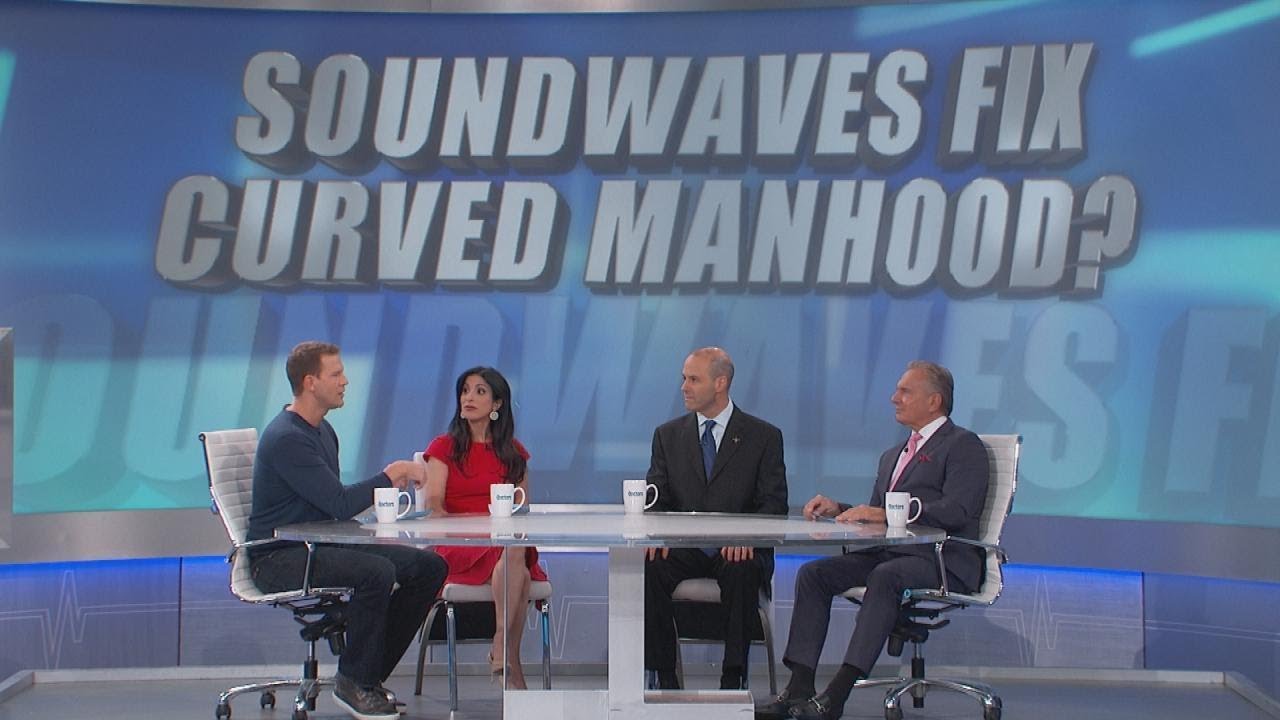
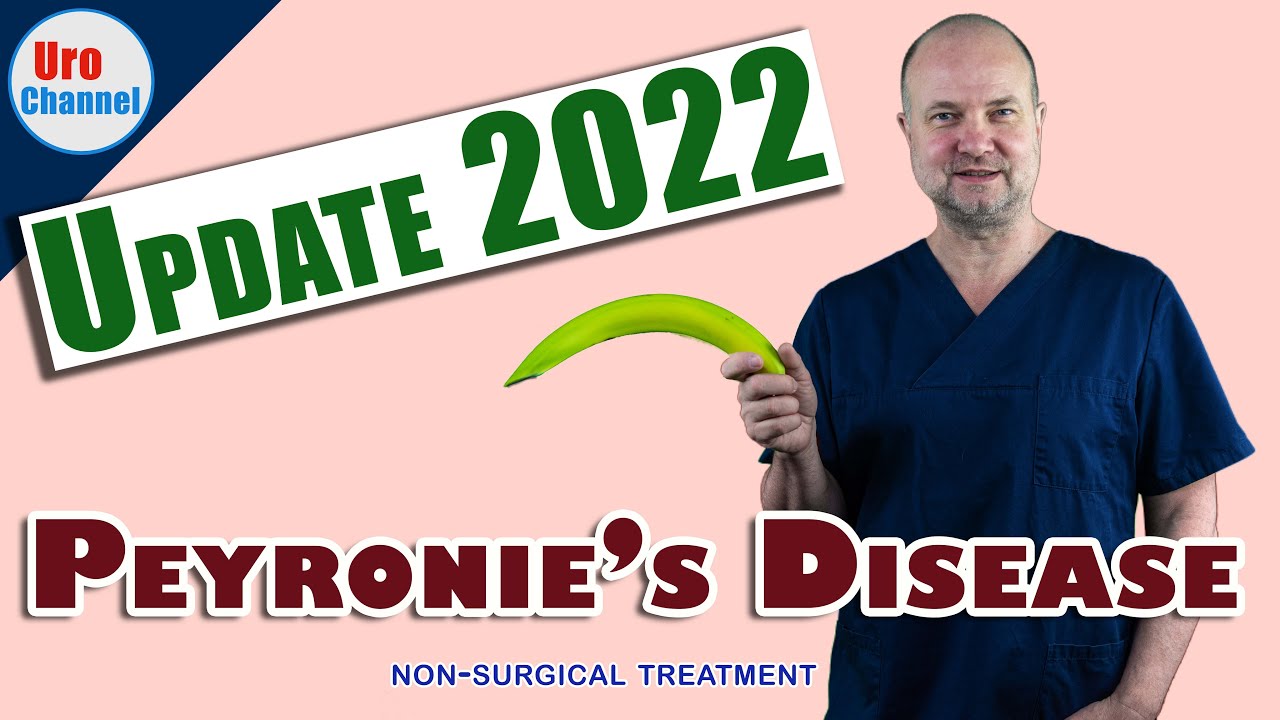
Peyronie's disease poses a real problem when it comes to treatment. Curvature is by far the most frightening symptom. But there is also pain, erectile dysfunction and penile shortening.
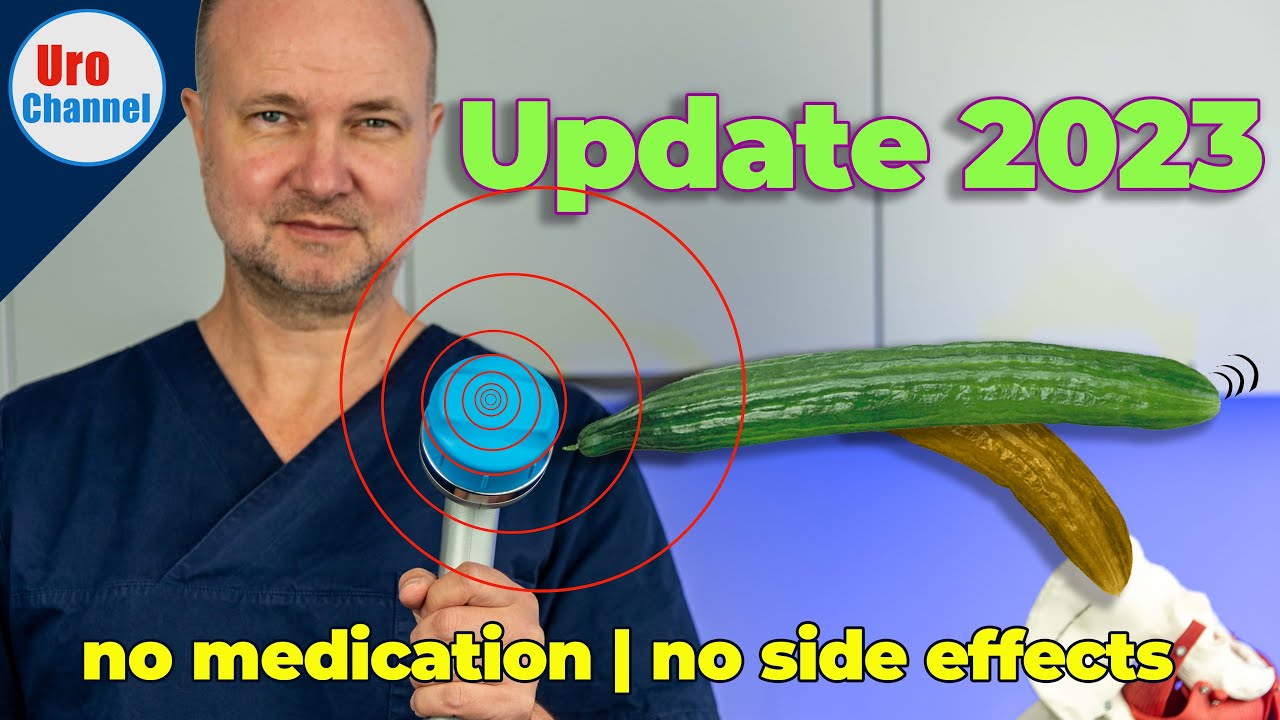
Surgery is commonly offered by healthcare providers, but many men are reluctant to approve to knives in their private area. Low-intensity extracorporeal shock wave therapy, in short ESWT, is a novel approach to treat Peyronie's disease without having to operate. With over four years experience in using ESWT in this group of patients, let me give you an overview of what to expect and what not.
Welcome to UroChannel, my name is Stefan Buntrock, I am a urologist and sexologist. Peyronie's disease is a largely unknown condition. It affects many men and these men suffer in silence because they are too embarrassed to disclose a bent penis to their doctors.
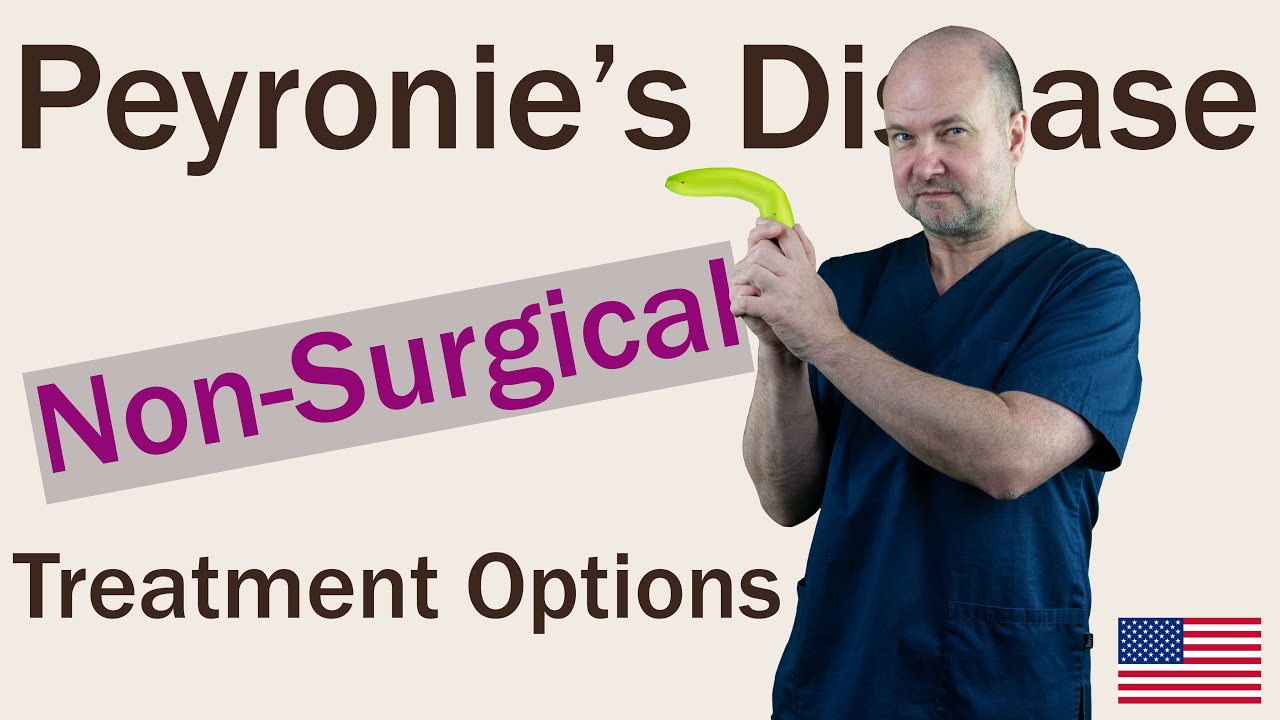
It is estimated that one out of ten men will be affected during his lifetime. Please check out my video about the signs and symptoms of Peyronie's disease! The disease runs in two stages.
Stage one is an inflammatory response of the tunica albuginea, the structure that surrounds the corpora cavernosa. In this stage a hardening of the inflamed area will cause the penis to bend at erections. In stage two, which is the stable phase, everything comes to a rest.
No further deterioration is seen. Spontaneous resolution of the deformity is very rarely seen. In the overwhelming majority of cases, it will be permanent.
According to what stage of the disease you are in, you have different treatment options. While surgery will most probably be the answer once the stable phase is reached, other strategies are necessary for the inflammatory phase. As I already pointed out in my video about non-surgical treatment options, I favor a multimodal approach because there is probably no one single therapy that will solve the problem.
Here is what I recommend: early diagnosis and immediate treatment with reduction of the inflammatory response in order to stop further deterioration. Additionally, ESWT could be worth trying for some patients. How shock waves work in Peyronie's disease is not exactly known.
There are two hypotheses: the hardened area which is called a plaque is damaged by the shock waves and a remodeling process takes place. This is the hypothesis that I favor. The other one is about forming new blood vessels, that lead to the invasion of killer cells of the body which simply degrade the plaque by eating it up.
When I apply shock waves on hardened areas, they start to get soft during the treatment. Does it affect curvature? No.
Does it last for long? Three to four days at most, then everything is back to start. But anyway, the fact that plaque texture changes during treatment is a strong argument for the direct and immediate effect upon the plaque.
In my opinion, the softening of the tissue creates a window of opportunity for stretching devices. Problem is, though, stretching devices are a nightmare to many men so many patients won't use them. And there is another thing: as soon as the plaques become visible on ultrasound because of calcification, low-intensity shockwaves don't perform well for the time being.
But it doesn't mean the plaques are unbreakable. This is a picture of a calcified plaque that has been treated with ESWL. Extracorporeal shock wave lithotripsy.
Same wave, but intended for kidney stones and different focal area, thus more effective. This plaque has been shattered to pieces and the curvature improved significantly. According to a recently published article in Sexual Medicine Reviews, in a series of 190 patients with Peyronie's disease, almost half, that is 90 patients, showed a significant improvement in plaque size (over 50%) and reduction of penile curvature (30%) after 6-12 months.
They were subjected to a multimodal approach where ESWT was one of the treatment modalities. In my own experience, curvature is a tough nut to crack. Erectile pain resolves easily, but for curvature, it takes stretching in addition to the shockwave treatment.
Let's talk about side-effects. There are hardly any. There might be minor bruising of the skin and some patients report some aching the day after, but apart from that there are no side-effects.
In Peyronie's disease, one treatment session per week is sufficient. The number of sessions needed can vary a whole lot. As a rule, I go for 12-15 sessions.
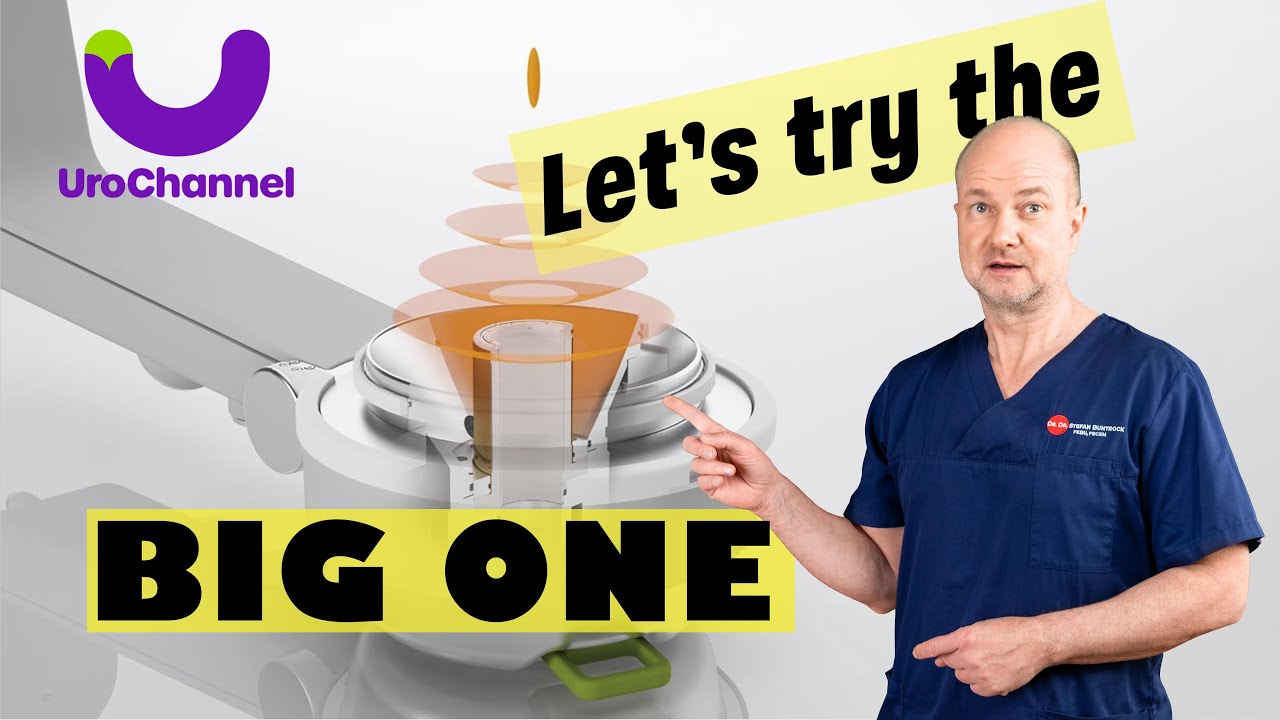
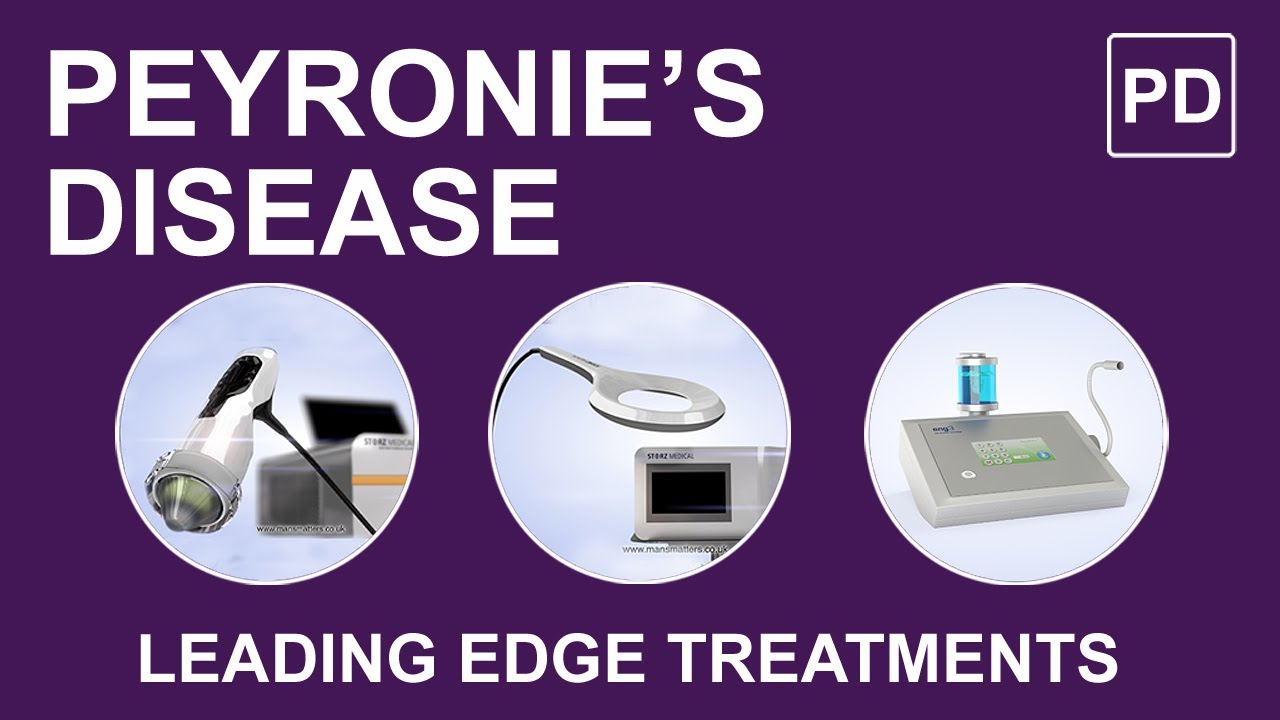
Now let's have a look at the machine itself! There are several ways to produce shock waves. This one here is electro-magnetic and it sends out a focused shock wave.
Other ways of creating shock waves are electrohydraulic or piezoelectric. This applicator is held to the penile shaft and angled down at the plaque. It sounds like this and as you might be able to hear, it is quite loud!
The procedure takes about 30 minutes, and this is pretty much it. And, here is another trick, I can do with it! Check out my other videos about Peyronie's disease.
Thanks for watching! Bye-bye!






![Shock Wave Therapy For Erectile Dysfunction - Fact or Fiction? | [UWave]](https://img.youtube.com/vi/DS1XqgLHOvc/maxresdefault.jpg)