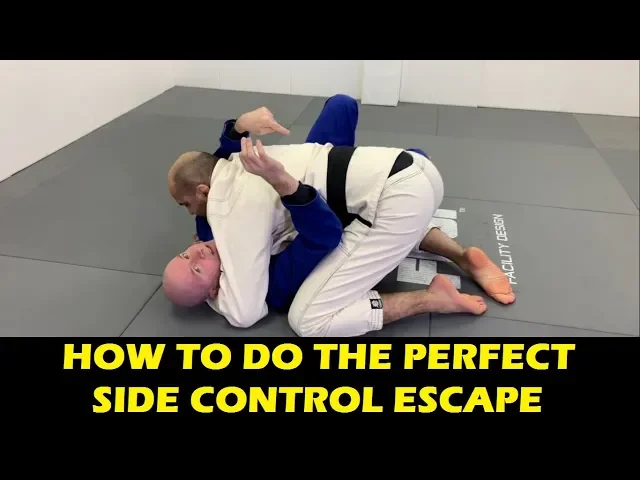
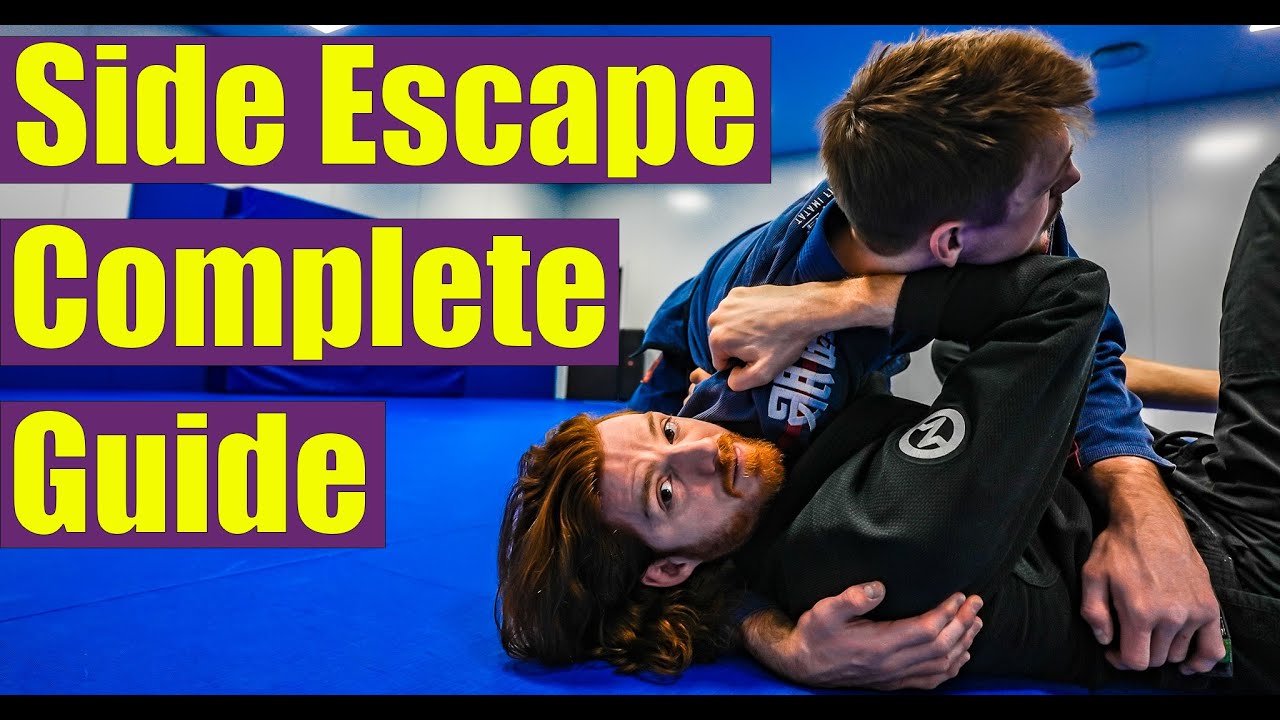
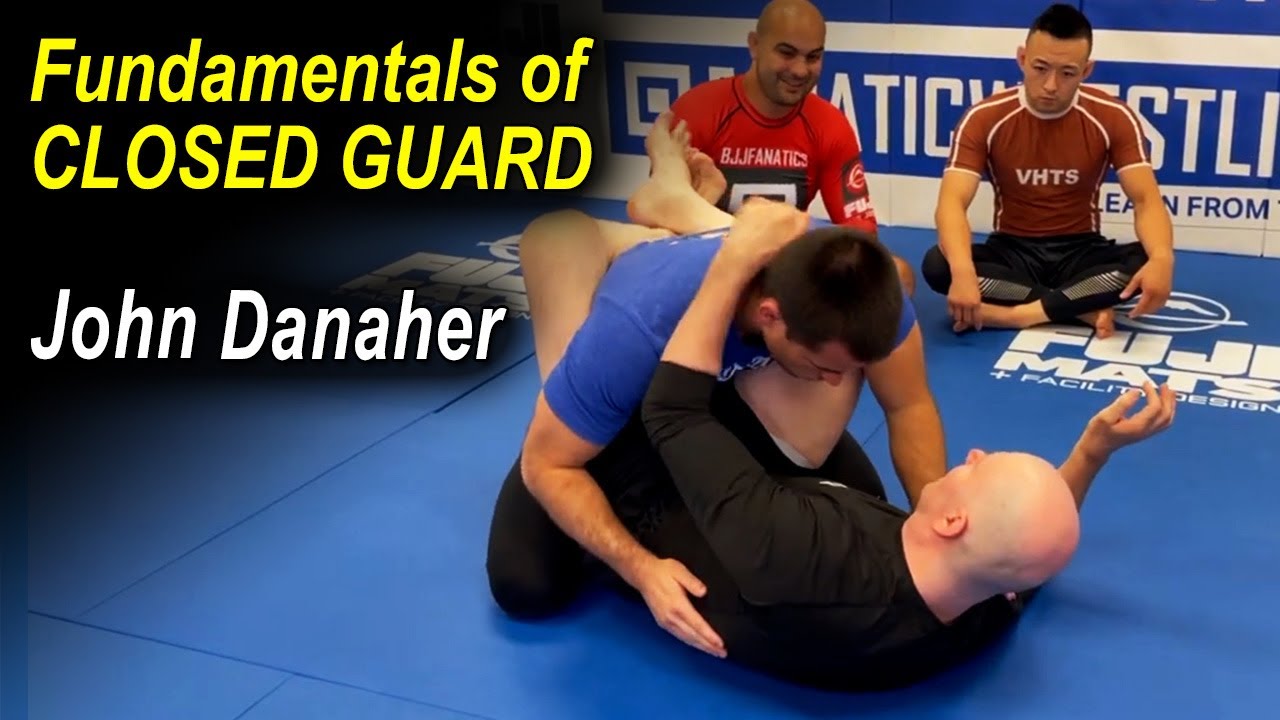
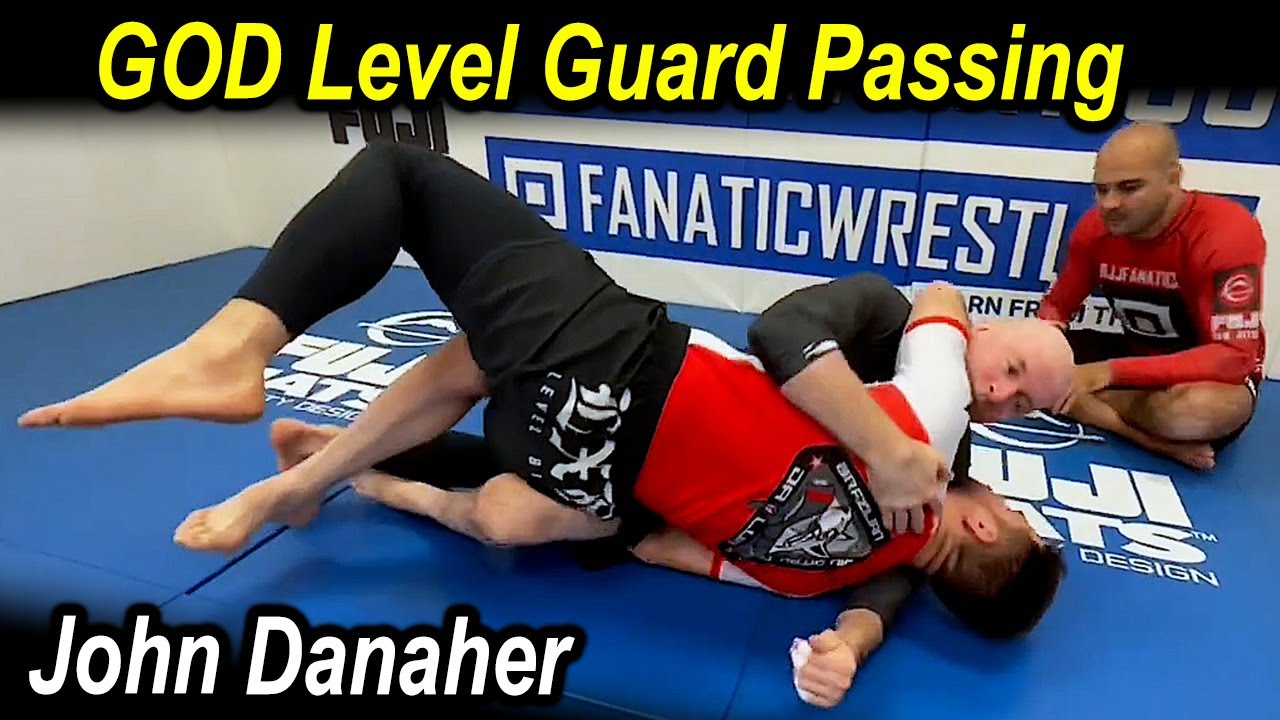
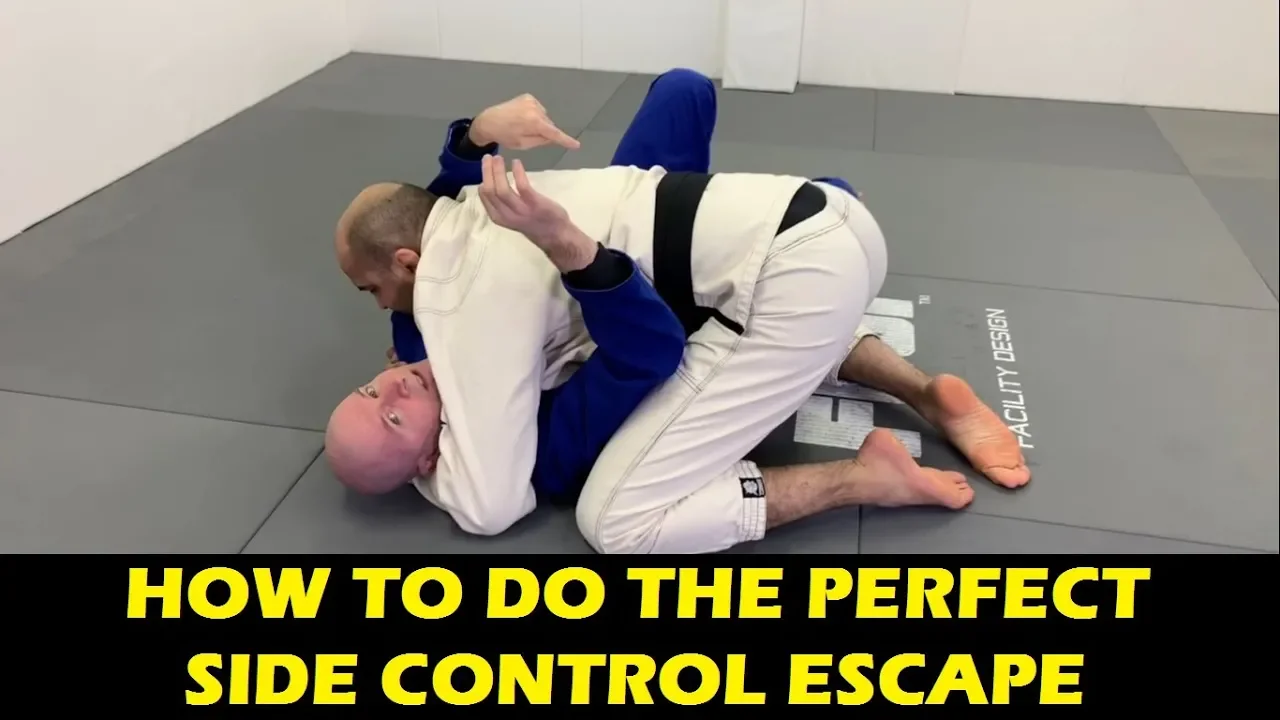
okay guys in here today for Joe Danner and huge honor for you as always I figured this point everybody also needs one of the best coach neva sheets in the world and guys today is gonna show us here how to do the perfect side control escape so I think side control is one thing that everybody is struggle right because the guy just passing regards is making pressure and isn't that so John's gonna show us how to do the perfect size control scape and I'm very excited to learn let's do it let's start off with some
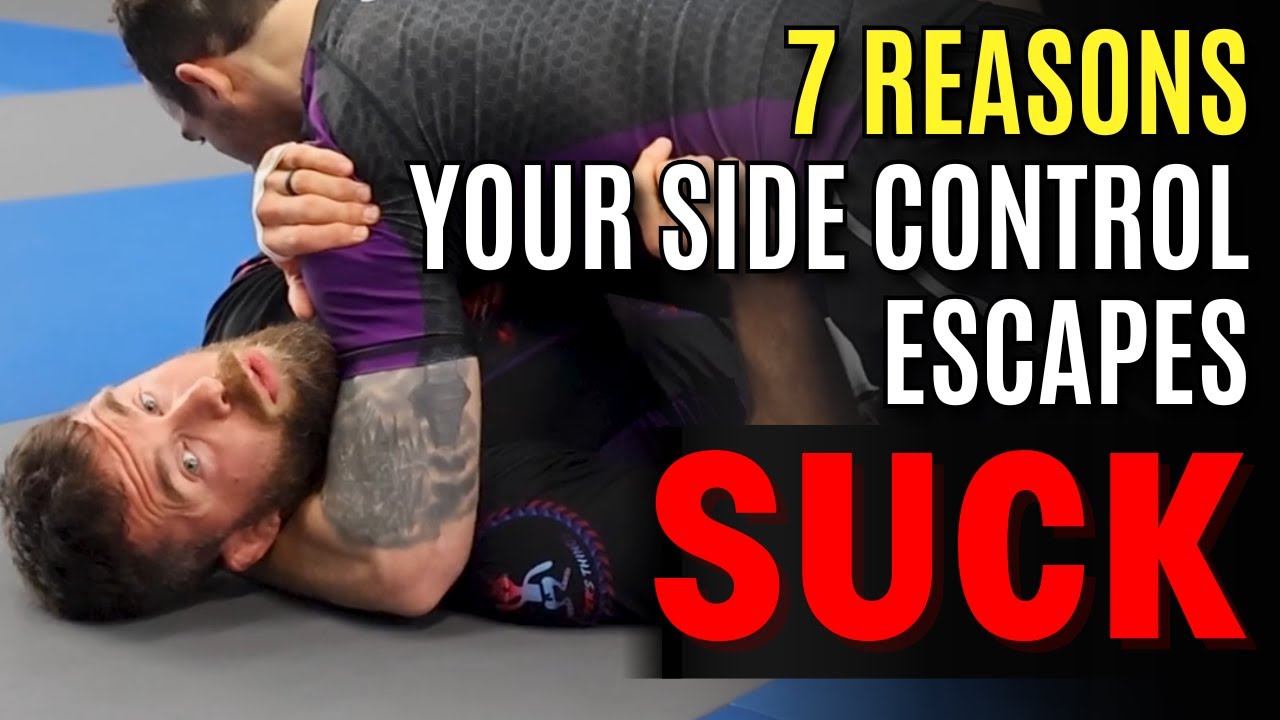
just basic insights on on getting out of bad position let's start with side control when facing a side control situation Alora perpendicularity if i want to pin someone in any situation down on the mat the single most stable position for pinning is always going to be perpendicular body position but not it lies down the more my body is lined up with my opponents there are two spines going as straight lines unless stable I'm going to be that's why a pen like the mount is inherently less stable than a side pin when I go directly across
my Trinity partner's side of an honor goes to bridge and turn to the left I feel very very stable you guys to bridge and turn to the right I feel very very stable the same can't be said if we get lined up on each other now a simple trapping of one arm because our spines are wide open the same duration has to be much less work to move my body weight from top to bottom positions and vice versa so as a general rule when we go to get out of body out of top pins the
more perpendicular the body the more it becomes difficult for us to move up on its body weight that's why for most people side pins feel inherently more stable than say for example mounted pins or even half guard situations things like that so that's the first problem working against the second big problem there's many different ways your opponent can hold you okay and your escape will have to be relative eyes to how they're holding if I'm pinning someone from top there's a whole bunch of different ways that we can find our two bodies locked up with
each other I can put myself in various kinds of postures sitting played sorta hate sitting through two the ways I can be them to knees we can transfer room to a kind of a quasi north-south position there's a multitude of different ways that I can hold myself around my opponent's body and the first question is well how is my opponent holding me because that will have a direct influence on what form of escape I go to choose when it's time to get out of this position let's also understand what exactly you fighting against what makes
something a controlling pin most people when they think about pins always attributed to body weight and gravity it's a guy is a certain body weight that's what's holding me down this body weight let's understand something it's much more complex than just that we have Bernardo in this position here I'm gonna do a simple test I'm gonna put a hundred percent of my body weight on top of Bernardo but I'm close to 100 percent of my boy weight and told moving out of I'm gonna have my hands behind my back and you're gonna see but it's
the easiest thing in the world for Bernardo to pull me back in God picks one was no waiver so I'm just gonna go cheers to cheers man been another I'm flowing here with my hands behind the back you see it's so easy it's almost a joke for him to put me back to God not even a challenge and that's strange because I really did have a high percentage of my body weight on top of them I was up on my toes the only thing on the floor for me for my body was my toes everything
else was on him so a very high percentage of my body weight was directly bored on him but you could see with your own eyes it was ridiculously easy for them to put me back in God the basis of a pin is not body weight the basis of a pin is the use of your body as a set of wedges around your opponent's body let's do that same experiment the other way around you can't really see this because my G is in the way but I'm gonna put the zero body weight on top of a
now you have to take my word for this I'm currently putting no body weight on top of Bernardo there was no contact between my chest and his but I'm gonna put on weight underneath his back on one side of his body and a wig in front of his hip on the other and a second wage in here at the hip now the Banaras is the ABC good if banana starts talking to a pursuit yep you can see there's no stress on him I'm not I'm not putting weight on him now when he says ABC ya
know you can feel his body weight okay I can't Lee have zero body weight on him but when he goes to put me back in God it's impossible how does that work how was it when I had almost a hundred percent of my body weight it was a joke for him to put me back in God then I had the zero body weight on him and he couldn't it was because in one case I was using wages around my opponent's body to inhibit movement wedging is the basis of tinning that's the problem you're trying to
overcome it's not so much body weight body weight and a pin is just a means of reinforcing the wages around your body your goal in any pin regardless of type is to get inside your opponent's wages that's the goal of Penn escapes okay and that of course is exactly what your opponent's gonna be trying to stop so we're gonna reverse positions now burnout is gonna get his POS on top of me and we're gonna figure out ways to get inside his wages okay so first I'm gonna figure out how I do these positioning the wages
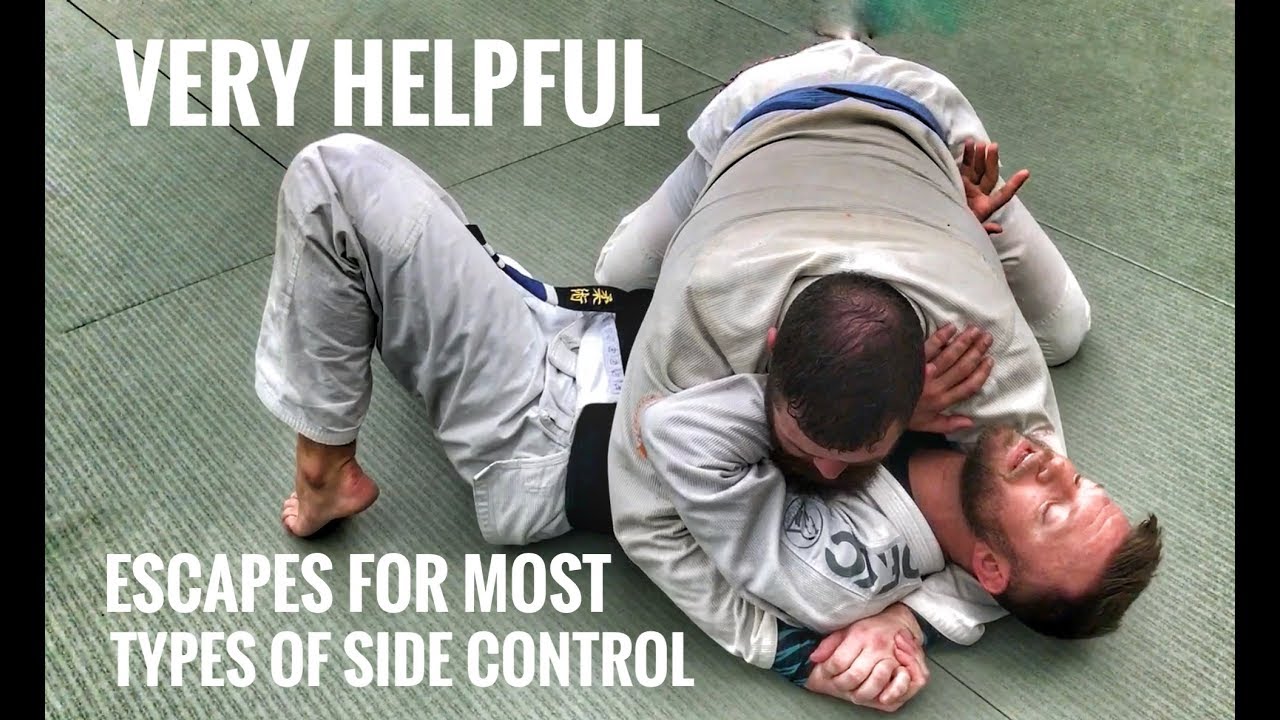
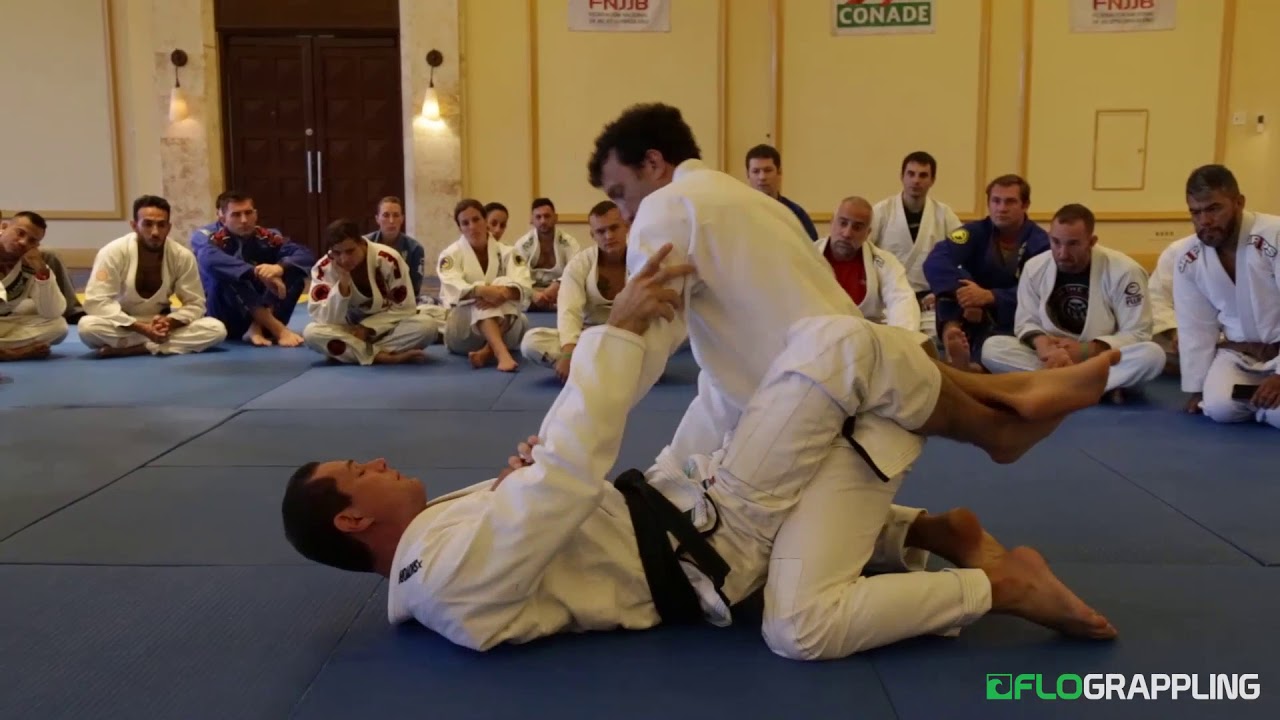
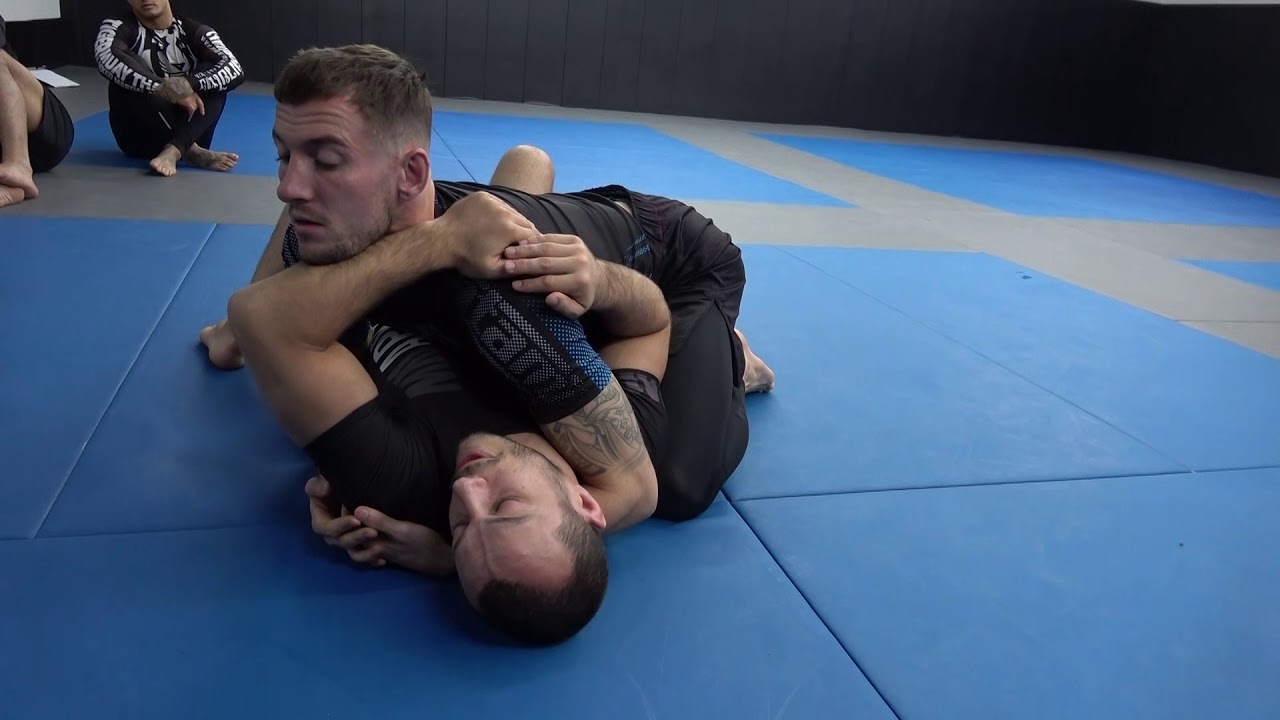
around my body I would say probably the single most common method involves the use of a cross face and an underhook and then right knee and tight to my hip and lift me and close to my chest like so like so if you look around most gyms in the United States and people get pinned across I'd I'd probably say I see this form of pity more often than any other so I'm gonna show this just because it probably is the most common form of pinning in the sport okay step number one in any pentascale reduce
your vulnerability okay I can't be trying to get out of a pin situation when my arms are the situation where you can easily start go into our walks all kinds of men or scramble holes etcetera etcetera itself first thing is reduce the vulnerability the main vulnerabilities I have our submissions usually upper body ones in this position there's a vulnerability here on the arm its vulnerabilities my neck and the second kind of vulnerability is burning him getting mountain or me to give up easy points where he gets melted and schools through the points he's already scored
on it okay so we're gonna reduce the vulnerability of the melt by putting on me in the pocket of his head just right here so when he tries to get melted it's gonna be able to be visible okay secondly we've got to start the process of getting inside his wages the number one place to start is always near side hip this is always the best place to start in the vast majority of side escapes okay so we're going to take our elbow and you can currently see I currently have no inside position but Adams completely
inside me there's right knee is inside my right knee his left knee is inside my elbow his shoulder is inside my shoulder from here his left arm is inside and underneath my arm so Bernard afluria owns all the inside real estate I'm completely shut out you can't tolerate that we need to start getting some kind of inside control around opponent and then over time get more and more inside control until I can get completely inside these wages and put them back in done so step number one we're gonna take our near side elbow and put
it in I got good news for you that's usually pretty easy if my opponent has shut my elbow out and I cannot get my elbow in then it's okay to turn away from our partner just briefly to get the elbow inside if he brings his knee and super tight to my body and I physically cannot get my elbow in I turn what seems to be the wrong way get my elbow inside once the elbow goes inside now it's about joining my knee and elbow together how am I gonna do that he's got his me inside
mine I cannot enter with my name would bring the camera this way I cannot bring my me along the floor because me is wedging inside my knee I'm not getting inside so instead I place my knee at the hip the hip is my entry point I cannot go through at the floor his knee beats my name but my knee will always beat him at the hip for every inch that I move outwards he can't follow but I have the inside position with my elbow for every inch that I move outwards like remind me in an
inch no Ranade moves away from me wakes me buddy you will see that I have formed a v-shaped frame between my elbow room a need that's what we call this one the elbow escape this V shaped frame forms a strong defensive position against my opponent if he tries to mount from here it's impossible he tries to pressure into me the frame holds his weight very very easily and said we could hold him off now from here as he tries to come in and control me in this position if I'm gonna join my two feet together
here and I'm gonna push with the strength of both legs against my opponent body he will probably try to retain control of my head I tell most people try to control pin positions hopefully through the hip so we always want to get out hand inside so again with dominating inside position we're getting inside the wedge of his bicep here as he goes to hold me into this position of my position my knee inside his hip when I shift my hips out as a result we are now aligned with our opponent we're in the perfect position
now it's not going inside and underneath our pom-poms here we can hit a forward shift and get out back fall to the floor once your back is off the floor when he goes to apply body weight to me now we're in a position where we can manage his body weight and problem here we can start getting into counter offense it's inert Sarah okay ultimately this story of every side control escape using the elbow escape method it's a story of going from perpendicular where you are heavily pinned by your opponent's body weight to parallel so your
spines line up and then you can start to manage your opponent's body weight and meaningful effective ways they said look at all that sequence again okay we've got a strong tough opponent on top then he owns all the inside real estate we're completely shut out okay from here first we've got to form a sound defensive position that involves everything coming in close and defend the mounted position by keeping his hips between my knee and my elbow then from here look how I pull the elbow to the inside position my elbow goes inside the wedge of
my training partners him if I find he's shut me out and I cannot do that it's permissible to turn what seems to be the wrong way to get inside now from here as we bring the camera on this side from here for every inch that I shrimp outwards with my left foot my right knee goes in an inch I do not enter at the knee where I get shut out I enter at the hip that's my insertion point to break everything edit form a diagonal French city ever had a diagonal frame of elbow and me
and that is my buffer between his body weight in my body weight when he goes to apply body weights we know that's the buffer that holds him off now from here I bring up my two feet together and we push so that our body start the process of alignment of that process we steel inside position of the biceps somebody goes to control my head difficult if I didn't have that he control my head he could walk past my legs a second time and from here weak in me we don't want to have to repeat the
same work twice so once we come in here and push away on that training partner we take away the control they want over right here now from here we go into and align our body with his now there's a danger if I sit up too early if he gets ahold of a body off and returns me immediately to the match okay you don't want that happening so before we come up let's make sure we get inside and underneath as a result we can quickly get to a seated position when he goes to put my body
back down to the mat he'll be doing so in a way where I can at least straighten some kind of strong offensive action from the from the boring position this general process of starting working through the elbow escape going from an initial very very heavy controlled perpendicular position to an aligned position we were in seated situation he can no longer fight body weight is that the heart and soul of the elbow skate from side let's understand what we're working against a set of wedges reinforced by my poets body weight but it's really the wedges that
you've got to work against always think in terms of inside positioning are your limbs inside his limbs or as are his limbs inside yours because that will determine how you get to to work your way out have faith in the idea that you're not going to get a situation where you've shut out of inside position into one way or in inside position it's gotta happen incrementally you're gonna get one lemon usually it's the elbow first in the knee then hand inside the bicep and we can work incrementally do we have moldings inside him and he
has inside you and that's when you can start moving people effectively from underneath and scoring so Joe if it was no do you would be pretty much a census in right yeah very similar no they were soon as because open is not much difference now if you were could be me differently say for example you started using my lapel then we go into different escapes but from the bottom person's perspective always remember it's the bottom player your number-one priority is to create space now gripping the key from bottom position you're gonna know exactly what you're
doing because you it can be a tendency if you holder things to actually stop yourself from creating space so for example you're often see in the beginners class you'll see people grab and the key here and holding on you're holding yourself in position here this is not the time to be grabbing people this is the type of pushing people away so typically in a bit fundamentals level unless you have a very specific advanced moving mind at fundamentals level I'd like to see bottom athletes working with open hands without grips and doing their pushing with elbows
and forearms rather than with hands okay so from here pits will not commit movement inside it's for this particular movement from the mid level it's a lot of gripping a bowl it's mostly open handed working with elbows and forearms okay guys very very cool because everything Joe showed here I have seen before like how to use the knee co-sleeping the knee underneath the ORP but it's amazing how it breaks down like detail by detail how he kinds of like systemized the things so I had never thought about this for edges like the the then you
hear the knee there the hand underneath there they are the boy over there and the shoulder so I knew that but I had never thought about like how one piece is connected to the other and that's what it's gonna make the person stuck inside control so I think that was very very cool just for me so much Auggie's thank you BJJ fanatics comm use the promo code youtube for you to get 10% off any instructional video improve your jiu-jitsu faster