Chat with Traders episode 90 this is your key to the minds of trading's elite performers those who profit in Relentless markets here on the chat with Traders podcast you'll hear about the skill sets and tactics that lead winning traders to win so you can level up and become a better Trader here's your host Aaron ffield all right sponsors this week's episode is sponsored by trade ofate Folks commission free Futures Trading has arrived trade ofate allows you to trade as much as you like for one flat monthly rate which starts as low as just $39 Trader
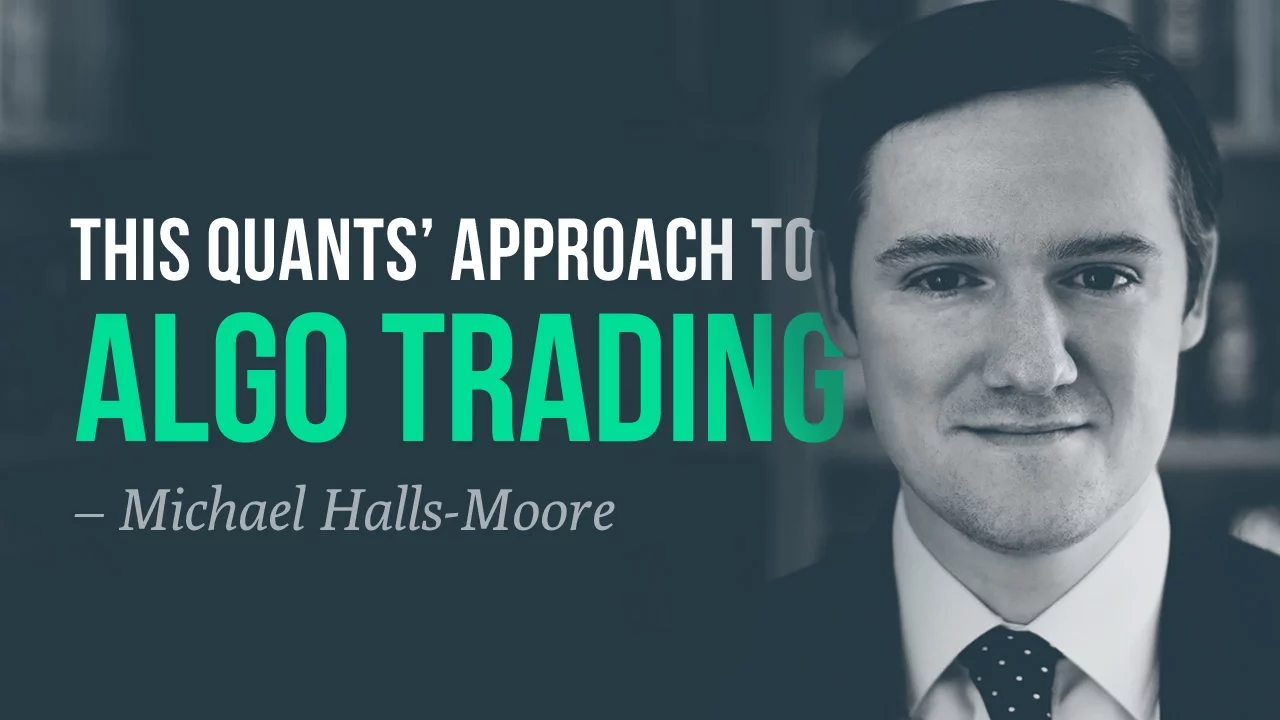
has taken the traditional model of per Trade Commission and tossed it out the door also included in the monthly membership rate is Trader's proprietary cloud-based trading platform at no extra cost to learn more visit tradovate docomo and sign up for a free 2E demo Now that's spelled TR a d o v a t e trade.com [Music] Traders what's happening guys here we go for another episode this time I'm joined by Michael hore who runs quant.com this is a site which is very popular uh very well known amongst algo Traders now just for a little background
prior to trading Michael studied computational fluid dynamics and was the co-founder of a tech startup before getting involved in A small Equity Fund as a Quant developer whereas key role there was cleansing data now I know that may not sound overly sexy but as you'll soon hear we actually get into the importance of having clean good quality data especially when you're running an automated strategy now today independently Michael trades his own short-term algorithmic strategy he consults the hedge funds on machine learning and Quant infrastructure and Also has a keen interest in space exploration we discussed
many interesting topics uh some of which include thinking about risk management from a portfolio level trading multiple automated strategies the role of common sense in parameter optimization where to start if you're interested in programming and where to turn to if you get stuck plus a whole lot more as well now I will say I was really stoked to bring Michael on like he'll tell you I've been bugging him for quite some time to try and make this happen so I do hope you'll enjoy this episode anyway guys let's get right into it here it is
my interview with Michael hore why not we most as well get started yeah sounds good to me so I mean one of the first things I I wanted to ask you about um you know as someone who lives in the UK there what's your take on the whole brexit situation well okay so I'll I'll I'll Get political for a second so I I'm not particularly Keen to that we've left I would have preferred to have stayed in um I voted to stay in um I mean I you know I did most of my sort of
professional development if you like in London and many of my colleagues uh not only at University and uh you know in the workplace and through various roles I've had of all been you know EU Nationals for the most part and so it's very natural for me to think of the UK As a um you know a kind of uh you know a sort of outward looking European country but you know obviously 52% didn't agree and uh and we you know things went a bit bit South uh certainly in the Forex market for us um so
I I hope I mean I don't know if you've heard just today but we've got a new prime minister now or we have very shortly in Teresa may and maybe this will this will calm the market somewhat a little bit but um my personal view is The damage has sort of been done really and that um you know banks are going to make good on their promises and move out to you know Dublin Frankfurt um Amsterdam lots of centers where they can you know get access to a you know much larger pool of hiring Talent
really um so that that's my my take on it so I mean what do you anticipate will change like as a result of this for someone like yourself who's living in the UK like what do you anticipate might change Moving forward okay so I think I mean first if you're an EU National your status is up in the air right now there's you know they nobody knows really what's going to happen in terms of when we're going to kick off this this article 50 process of um you know leaving the union um so you know
my my I I'd be worried um frankly especially if you're studying because a lot of a lot of quants do come from an academic background you know principally Postgraduate research or you know sort of more technical undergraduate research and they um you know they they might now be thinking well should I should I stay in the UK and I've got a lot of anecdotal stories um you know about students who are going back to their home countries in the EU now rather than staying in London so it's going to reduce uh London's sort of hiring
pool quite significantly um and I think the banks will just catch on to that and Because it's so so easy for the banks to sort of move operations these days everything is you know computerized and automated um I think we'll see a lot of Shifting out um you know Banks to to other parts and so it just makes it that bit harder for you know even the UK students to to find work because now they have to really if you like compete with the continent whereas before they didn't have to necessarily compete they had access
to it all so it just makes it That bit trickier and that just makes things a little bit more expensive and and difficult okay so uh what was I going to say so you know now that we've got the heavy stuff out of the way uh straight into it um before we get into the actual trading part of of your of your background I believe that you were involved in a couple startups before you even came to finance can you Tell us a little bit about uh some of the startups you were involved with yeah
that that's right actually so um to sort of frame this in context a bit um when I was doing postgraduate study um I was very interested in in fluid dynamics okay so um the the equations for fluid dynamics are very very similar to those that used in options pricing so the whole black skulls model and and all the um you know this the which which was really popular at the time because um in Sort of 2005 2006 because you know everyone was trying to sell mortgage back Securities and so they needed a way to price
these these um you know these Financial assets and so it's very very very uh it was quite straightforward at the time to go and work in in Quant Finance if you had any sort of background in in sort of Statistics or or you know engineering fluid mechanics that sort of thing um so I i' I'd also over a long period of time sort of Taught myself um web development and programming um and then doing more post-graduate research um learned more sophisticated programming if you like and and what I was thinking at the time is I
was either going to go into Quant Finance or going into technology startups which you know nowadays everyone in their dog wants to build an app but at the time it was a bit more of a cotage industry um and so I I started a startup straight out of um Postgraduate research with a with a friend of mine um and it was actually a social network sort of bit like Twitter but it was for building um for posting jokes um so we did quite well for a while and we did we did get some funding um
ultimately uh didn't work out after a couple of years um we we didn't really find the right business model and um so we we we parted ways um but straight after that actually one of the the investors who was who invested in this Um actually put me in touch with a friend of his who was just starting a sort of small um equities fund and they needed um a Quant developer if you like so this is uh for those who don't know Quant developer is somebody who um codes up in programming languages all of these
sort of statistical algorithms um generally derived from the sort of what would be known as the Quant Trader or the Quant researcher so it's the sort of other Half if you like of um of Quant trading and so this this uh this role which I was in for for about two years was was sort of really where I cut my teeth if you like um in learning the ropes in in in sort of institutional mindset of how of how these sort of funds actually go about their trading um so it a very very good kind
of uh baptism of fire if you like good education in in in Quant Finance okay so that was really your first introduction To trading uh was through yeah that was that was my that so up until then I'd largely been um you know sort of theoretical if you like much more interested in the sort of mathematics of it but this was our my first proper you know live trading exercise um you know at the coldface so it was um it was definitely really eye opening I think in terms of you know what happens when Theory
meets practice and then seeing what you know really happens in the in The real world you know not in the uh in the textbook if you like and I think it formed a lot of my early sort of key takeaways lessons you know um cuz we we we were you know there's a lot of volatility in that period um I think around 2011 there was some there was some pretty chunky volatility I remember uh I think that was the the era of the um uh the Japanese tsunami I think that was then and so there
was a lot of lot of turbulence going on in the markets at The time so it's very interesting to sort of work through that okay so so tell us a little bit more about what you were actually doing um you know in your role as a Quant developer with the fund like what were you doing on sort of a day-to-day basis like what would that look like okay so the the prime uh task really of a Quant developer is to build uh what they would call the trading infrastructure so these are all the um kind
of modules or components that that Form an entire endtoend automated trading system so uh a lot of that actually is um is uh is is actually to do with data obtaining data and cleaning it um so there's there's a huge amount of work probably vastly underestimated actually um in in that it goes into getting hold of good financial data and then cleaning it to make it um robust enough to be used in proper statistical analysis so a lot of my sort of early role was sort of Setting up a database and making sure that all
of the financial data from these different vendors um was clean and and by clean I mean was free of sort of uh what they would call Spikes so this would be you know the price suddenly becoming 10 times the amount just because of a typo um and then reverting right back to the normal level again or um um just making sure that corporate actions such as dividends stock splits um were all Accounted for you know obviously if you look at a raw price feed and it drops by 50% you might think the world is coming
to an end but in actual fact it's just done a you know sort of stock split and we had to make sure that all these were married up because these signals were going straight into um a live continuous algorithmic system and so we didn't want any sort of bad data going in that would obviously trigger a trade that was really um Nonsensical so a lot of work goes into this data cleansing in fact there's a sort of small anecdote um the Quant Trader that I worked with at his former role he told me that they
had about four to five phds their entire day job was just obtaining data and cleaning it for the rest of the team in a larger fund so there's a lot of investment going into Data cleansing it's not really something that's very often discussed in the kind of Quant blogger sphere if you like Because it's not really a sexy topic nobody really wants to talk about you know running through reams of terabytes of data to clean it but it's it's one of those things that's absolutely necessary in a kind of institutional setting so that was sort
of the the first part really the data cleansing and then the rest of it really involved sort of being very careful and testing each of these um components or modules that did uh a particular task so the risk Management module um the the sort of portfolio and Order management module um the execution module so all of these um were sort of isolated components that talk to each other and they all needed to be tested and a lot of that testing involved um trying to throw bad data at them in order to get them to break
in ways that you don't expect so a lot of it is really just you know coming up these sort of quirky ways that these systems might fail in the real setting And then just absolutely making sure as much as you can that they are going to be as robust as possible because once you've deployed it live you know if bad data gets in there can it can cause all sorts of Havoc as you can imagine you know um there's plenty of stories around um of of things that have gone wrong in algorithmic training so that's
roughly what I was doing just making sure these systems were um were sort of uh impervious to harm if you like okay very Good that's that's really interesting I want to ask you a little bit more about data um a little bit later too so um I've made a note of that will you ever sort of handson did you have any input on how the actual strategies traded were you involved in that aspect of the fund well we had we had quite an um uh an alternative means of actually obtaining strategy so we um what
we did is we we were sort of scouring the internet for lots of alternative data sources um not Your Trad we we did use traditional pricing data um but we also used a lot of um documentation and and uh sort of uh text Data you know natural language data and use that essentially to augment our signals so um we would take uh a lot of blogs a lot of more structured kind of data and then try and um uh sort of mix it all into a big pot if you like that um would produce us
lots of consistent and agreeing signals at which point we would We would trade based on that rather than relying too much on any one sort of indicator or any one um you know particular U mechanism so we we we tried to have you know all the stars in alignment if you like before we we um we took some trades but I I was so the way the actual um sort of trading mechanism worked is we we would have um sort of weekly meetings where the Quant Trad would present um new strategies that he had determined
and come across and then We would try and break them down into their sort of constituent components and then try and fit them into our um system so I didn't I didn't have any direct um input into the sort of development of the the trading strategies themselves but I was pretty intimately involved in their implementation if that if you like so um the Quant Trader the Quant researcher's goal was really to find new ways of um I guess you'd call it generating Alpha if you like finding Signal and my goal was to try and Slot
that mechanism into the system that we already had in such a way that it was risk managed and the position sizing would um would not be too would not sort of go outside our risk bounds if and What markets I'm just curious what markets were you mostly trading there at the fund so initially um probably like everyone else we were trading um uh very liquid kind of large cap us equities um The Brokerage that we were using was uh Was very cheap to trade those and I think um later on we actually also expanded into
what I guess would be a sort of fund of fund mentality which is where we found other funds and we we allocated a um a certain amount of our portfolio to these other funds which were doing which so a lot of were what we called ctas commodity trading advisors so uh kind of Quant Trend following funds and so we had our own internal strategies but we also had um Part of our portfolio allocated to external managers and so um that made for quite an interesting um portfolio construction and risk management approach so um probably quite
different from a lot of Quant funds which completely internalize everything but we we were trying to go for a sort of Diversified approach not you know our own strategies as well as others okay cool cool so why did you why did you leave the fund I think you mentioned you Were there for around about two years what was what led to the decision to go out and trade independently um so a couple of things um I think we we had um some difficulty trying to secure the next institutional um round of funding so we had
what I guess would be called a sort of friends and family round right at the start which you know by by technology startup standards was quite high but for Quant hedge fund startups was was uh was you Know pretty good it was average um but we needed to sort of go to the next level and really attract institutional investment and um you know we it was it was tricky it was a tricky environment to raise money in at the time and um ultimately um we didn't manage to do so so we we um we sort
of disbanded um and then I continued doing a lot of software development um at the time which is what I was really you know I was really a programmer if you like Quant programmer and so I ended up doing um a lot of Consulting in um machine learning and data science which was again at the time only just really becoming a thing if you like um and then um all all the while I was sort of building quantstart um and eventually got to the point where um Quant was was becoming a good fraction of my
sort of um income um and now I sort of only uh periodically do Consulting for um sort of smaller funds um in the kind of Machine learning and uh and software development Quant infrastructure so so i' sort of do a mix now so that's that's how I ended up where I am no that's that's really cool and are they um are they funds that are local to you there in London or are they International like who who yeah so I I've um mainly been helping uh a company that's based out in in um in Zurich
but they have a UK office um but I've also been helping a local UK fund periodically um on a sort Of advice basis to help them um get their infrastructure up and running because a lot you you'll find that a lot of um sort of early stage Quant funds are run by ex portfolio managers now they they're used to having a lot of um uh you know it infrastructure behind them you know they can pick up the phone and just ring ring the IT department or the Quant Dev department when when something goes wrong but
once they Branch out onto their own they usually You know they're very very good on the on the strategy development very very good on statistics and and portfolio management but they they lack um uh kind of infrastructure deployment skills if you like so this is how to take their strategy and put it into the cloud or or you put it against a brokerage and that's where there's a lot of um scope for for bringing a kind of Quant developer to um help them get off to the to the right start rather than building A kind
of uh House of Cards of software that you know doesn't really um isn't robust enough I mean obviously you know while this may not be a problem in retail uh trading it is a big problem in institutional that they need to be very compliant you know there's a huge amount of compliance and regulation that needs to be followed and it's it's um one of one of the big headaches of the industry is is the amount of sort of time that's spent just taking care of compliance and This is something that you you don't really have
to worry about too much in in in sort of normal retail trading settings because you know you're trading on your own account but when you're trading others money it's very different story so a lot of um you know building these systems is about making sure they're compliant and The Regulators and the new compliance is all happy let's talk a little more about how you're actually trading today like can you Share some insight to the types of strategies that you yourself are developing and trading to this day okay so I my sort of focus with trading
tends to be um probably I I'll sort of say that I tend to think much more on the portfolio level about trading rather than the individual strategy level so I will um the sort of main goal if like in Quant trading is is well in fact trading in general probably is is um you know you're ma you're trying to maximize your Um your expected returns if you like your expected uh value but you're also trying to minimize your your risk your sort of long-term risk so with those two constraints I tend to to see that
at the portfolio level and so what I would tend to do is is um put in um strategies into a kind of already existing portfolio if I believe they will either reduce the risk of the portfolio going forward or increase its um expected returns without bringing in Too much new risk okay and that is generally how institutions thinking you know um you're basically always worried about these two factors it's not you know when it's your own you know personal account it's not so much of a problem risk management because you if you've got the stomach
for it and you understand that you know the strategies you're trading are going to have chunky draw Downs at some point you just have to sit through them when you you come to See them in live trading so risk management is is different for retail but in in institutional settings it's um it's uh it's much more stringent you know there's a lot of things you can't do and you've got to be conscious of the fact that you're managing others money so um a lot of the Consulting I do is is really of the latter type
so the sort of trading I'm involved with at the moment is mainly um um making sure that a lot of stuff is risk minimized um which is Which might might sound a bit counterintuitive you know that a lot of people concentrate on the strategy and what what strategies are you running and what you know how's your Alpha generated but I would say a big piece a vastly sort of ignored piece in the kind of retail sort of Quant sphere is um is risk management because it's it's one of the ways that you can actually make
more money in my opinion to have a very good solid risk management system will Actually make you more money over the long run because you're not losing as much money I think people forget that it's not just about making money it's about preserving the money you already have um so a lot of what I do is I spend time looking at risk management um I my personal view on kind of the the strategies as you say is that they're they're very they're quite easy to find trading strategies are really abundant in in the literature they're
all over The Internet there's there's plenty of blogs and forums um um you podcasts obviously um there's there's also you know hundreds of research papers that get published um you know every day on on new trading strategies um so I don't I don't think that it's difficult if there's such to find them I think it's it's very hard to test them and make sure that they um are doing what they say on the tin but um finding them is not really is not really difficult um so I tend to stick really with with some pretty
simple stuff I tend to stick with the the sort of trend following and and and sort of mean reversion type strategies but but bear in mind that I I tend to think on a much more of a sort of portfolio level so I I I'll have a you know a few strategies running at once rather than concentrating on the sort of world's greatest Trend following strategy or the world's greatest mean reversion if you like so really Diversification across lots of different strategies that's that's my Approach okay so when you've you've you highlighted risk management there
as being you know one of the most important factors in your eyes are you looking at risk management from a portfolio level or on an individual sort of strategy level generally on the portfolio level so um obviously you know two strategies can produce opposing trades um and if they're in your portfolio at the same Time you have to decide what you do you know do you do you not trade you know if somebody wants to go long an instrument and another one wants to go short an instrument by different fractions you have to net that
out somehow um so I I tend to think of this not on the strategy level but on the on the portfolio level so I I mean the obvious tools are you know things like the sharp ratio and your maximum draw down and they're the sort of you know bread and Butter of portfolio management um but um the other sort of risk management techniques I tend to think about you know will include um at least at the institutional level in Consulting I'll be thinking a lot about um you know average volume limits so are we if
we're trading on you know more Niche markets are we likely to be hitting anywhere near a good fraction of you know the day's average volume because if you are then you're having a substantial impact On the market itself at which point all of your prior sort of analysis your back testing if you like um is essentially rendered useless because you're you're interacting with your own Market at that stage you know in a way that's heavily modifying it so um things like you know making sure we're not too sector dependent um and that you know the
risks that we don't want to take for instance are hedged out you know if if we're running a strategy that's supposed to be Neutral we don't really want to be exposed say for instance to us Equity Market broadly so you you'll hedge that out um and you know therefore you're you're only as much as you can you're trying to concentrate on the risks of your actual you know portfolio not of The Wider risks to the rest of the world if you like you don't want to be uh subject to sort of huge Market fluctuations if
that's not what you're trying to trade okay and are all these Considerations built into your risk management module or are these things that you're you know monitoring with some discretion um so I I tend to automate everything as much as I can and the reason for that is because I think it's very easy psychologically I think they they call this recency bias which it's very easy to sort of look at you know the last week or or today's you know um activity as something that is um very You know new oh we've never seen this
before it's never happened before but in actual fact if you step back through time um there are plenty of cases where sort of uh you know terrible things have happened in the markets it's just that people forget and so as a Quant you're you're constantly trying to eliminate all of these sort of psychological biases and that's kind of baked in to your risk management and and you you have to have a quite a strong element of Trust that you know what what's happened in the past will probably happen again in the future in terms of
bad things happening um and that it's not just different today um so uh it means it's the the main reason for this is It's measurable and it's objective you know you're not you're not going on hunches you're not going on gut Fields you're sort of eliminating all of your own biases as much as possible and then it's only down To the raw maths and statistics of it if you like if that makes sense absolutely no 100% makes sense and I mean that's one of the that's one of the things that attracts me you know on
a personal level to quantitative trading as well well I would say as a flip side that people do have a tendency to get very myopic as well about um you know blindly following the numbers just because the numbers say things I mean statistics is not a perfect art by any means it's um it's a Tool to help you make decisions fundamentally and sometimes you know if you've got incomplete data or you know you you're not you don't have the entire picture then statistics won't won't magically tell you that things are you know the right way
to do it it's so I think there is a there is a sort of discretion that does come into it but the discretion happens at the research phase before you implement the trading strategy I think if you like so that's Where the discretion comes in okay we'll get back to the episode in just one moment oment guys right now let's give a shout out to chatwi Traders sponsor and supporter trade of8 trade of8 are really shaking up and disrupting the landscape of Futures Trading they are the first Futures brokerage to offer commission free trading and
proprietary technology as a single or you can consume monthly subscription Trader sees traditional per Trade Commission as an Old way of doing business so they combined their brokerage and proprietary trading technology into a single service which allows customers to trade unlimited contracts commission free and only pay a flat subscription fee at the beginning of each month so it's really easy to see how the exclusive savings quickly do stack up especially when plans begin as low as just $39 and include full usage of their cloud-based platform at no additional cost tradate Also make Futures Trading very
accessible by offering low day trading margins and low account minimums now there are certainly some benefits to this but please remember what you have learned about risk management also to get more info about trade of Eight's platform pricing support free twoe trial and pretty much everything else visit trade of 8.com Traders trade of8 is spelled t r a d o v a t Trad of eight.com SL Traders You described a lot of the strategies that make up your portfolio as Trend following or or mean reversion but just the the trend following I mean often when
we hear the term Trend following we sort of think long-term trades that could go for 3 to 12 months maybe or sometimes longer are these the types of strategies you're talking about or are you talking about sort of intraday trends that you're following so I tend to trade on a sort Of more shorter time scale generally and the Consulting I do tends to be with funds that are also um thinking on a more shorter time scale now the reason for that is because um when you're trading over longer time scales while you do have um
while there is probably um more uh I guess signal per trade if you like you know that it's it's harder to predict the future much further out so if you if you are taking like a big Global macro sort of bet um Then you know it's likely it can pay off but um the problem is is that it's very difficult to to draw any conclusions from one or two or three or four um long-term trades in a in a statistical sense you can't use um traditional statistical Theory to say easily whether those trades happened by
chance or whether they were you know part of your your um you know your your skills if you like so Traders the cont Traders like shorter term Trading principally because It gives them more trades to analyze now is probably harder per trade to to sort of get some signal out of there because there's a lot of um sort of short-term fluctuation that really is not um I don't know how to say it's not really underlying signals like it's just literally short-term um Wiggles um but the thing is you have access to a lot more trades
and therefore you can start applying statistical tools that will say did These series of Trades that I placed that were profitable come about simply because I flipped a coin the right way or is it because there is some underlying profitability there that I've that I've captured so I tend to prefer working on the shorter time scale for that reason um now the the other problem with working at the shorter time scales is that you're competing with um a lot of firms funds that uh that have a lot of huge technology budget to play with And
and you know vast teams of quants that can go ahead so you have to really look for sort of more specific areas that are just unattractive for these These funds to play in because um otherwise you're not likely to have a strong Edge against them because if you think about it they they they're doing this all day every day with with tens or hundreds of people um so they they will likely know a lot of the edge so I tend to think of look for things where you There's a lot of um capacity constraints you
if they've got huge amounts of money to deploy a large um assets under management AUM then they're not going to be interested too much in low um capacity strategies because it's not worth their time to uh you know to put small amounts of money against these these sort of uh these smaller Niche markets because they need they need to deploy a lot of capital and therefore they need more liquid markets if you Like if that makes sense absolutely there was a there was a brilliant answer Mike um so so generally speaking what's the logic of
your strategies for for buying and selling like are they based upon you know traditional technical analysis are they based upon orderflow are you trading pairs or or what are some of the factors that um you know tell you or tell your strategies when to buy and sell okay so um so for meor version I guess have a look at that um I Tend to use a lot of um Time series analysis so there's a there's a huge wealth of um of uh statistical tools that you can bring to bear from from kind of econometrics Time
series analysis such as um uh co-integration and um which is you know it's quite a quite a well-known mechanism so that essentially uh states that there are that there is a sort of fundamental I guess what you'd call physical Relationship between um two assets or two or more assets and and just by virtue of them uh of how they're structured so the sort of canonical perhaps sort of slightly silly example is is when you have two share classes on the same asset okay they they are both going to be tracking um you know the underlying
movement so I think I wrote recently about Royal Dutch Shell you know the Big Oil major there's two share classes there and they will trade Slightly differently themselves but there's no sort of getting around the fact that they both have to trade the underlying performance of the company in the long term so they they share a structural relationship um now it's it's quite hard to trade something like that because the structural relationship is very tight but you know in in other situations um and a sort of good um sort of fertile field for these sort
of things is is is To be found when looking at um uh things where you have like physical Commodities as well so um I think so a lot of uh assets that track these physical Commodities will have structural dependence which can be detected if you like via these these kind of cointegration and stationarity techniques and once you've detected this over a lot of um over a lot of assets which gives you the ability to diversify you can then use pretty straightforward Actual trading signals you know they're really um not really much more complicated than you
know if if the signals diverge dramatically you know in a traditional pairs sense then then you um then you know Buy in and if they converge you sell out again so um the the the sort of secret Source if you like to this is in optimizing the parameters as to when you go when you buy and when you sell as you know as as as everyone's well aware you know the The devils in the details and and so I would spend a lot of time perhaps using simple trading strategies but but spend a lot of
time actually optimizing the parameters of those strategies in order to um not only sort of maximize the returns but also minimize the risk I mean there's a lot of risk in doing mean reversion it's uh you know if you get it wrong you can get it very wrong so um you have to be very careful and very and quite sure when you're placing a trade Um so that's roughly the process I do so I wouldn't say there's any major I don't use any really um incredibly special sort of uh mean reversion techniques I just tend
to be very cautious about my parameter optimization making sure that what I do have is very um is pretty robust if you like yeah yeah okay so just a couple things based on what you said there um time series analysis what's that actually referring to could you just um maybe explain that Give us a brief overview of of what exactly is time series analysis yeah so the the basic idea is that um you've got a set of points of data Each of which has a sort of day or or time Point associated with it and
usually the sort of obvious example is pricing data so what you might want to look at with one of these time series is you might take Google or Apple stock price and you'll say is this time series actually increasing so is is there actually an Underlying Trend there or is it just a series of random steps up or down okay because if it's the latter then it has no no predictive power whatsoever they' got it a random walk so even though um something may look like it's gone up over time there's there's actually no you
know ability if you like to to trade it there's no predictive power in its past data to give you new data so what what time series analysis is really all about is taking a kind of historical Series and saying does the does do the previous days or previous weeks of data do they tell me anything about what the likelihood of of the next day or the next week's data are going to be because if if if they don't then there's absolutely no point in in using it but generally you find that there is a little
bit of predictive capability it's not much but generally in because you know markets are very efficient but um certainly once you start looking at um More structured Niche markets you will you will certainly see that um uh well the technical term for this is autocorrelation it basically means that um You can predict partially tomorrow's price based on previous day prices and if you have what they would call a sort of positive autocorrelation then you can then you will hope that you could use that to um to exploit what is essentially an inefficiency and um and
then make a trade based on it so time Series analysis is all about um understanding the the kind of autocorrelation structure of past data so that you can use it to um predict the future structure if that makes sense yeah and I know you've written about this extensively on uh Quant start so what we might do is dig up a couple articles and we'll link to those in the show notes how does that sound yeah it sounds great so I mean there's there's obviously you Know the way to think of this really is that it's
all about modeling so you have to you you are you're coming up with a with a model which is essentially an idealization of reality that um has you know is either can be quite simplistic or it can be very complicated and you know the simpler it is the more easy it is to interpret and understand but the less it will match the real world whereas the more complicated it is is much harder to understand and much Harder to interpret but you would hope that given enough data it will it will match the real world um
a lot better better so a lot of Time series analysis is really about um understanding these different models and um accounting for different um events that happen in financial markets so shocks to the system like brexit I guess could be considered a bit of a shock you know the market was fully expecting uh a remain vote in fact you know it was it was Pretty much a dead certainty I think before the results came in and so this would be considered like a structural shock to the market and so time series and has to take
in not only you know the kind of day-to-day fluctuations but also account for these sort of um left field structural shocks if they're to be useful because otherwise if they don't take them into account and they are happening in real life then your model Is not really matching reality in any in any real sense so it won't be profitable to trade it that was a really good answer the second thing I wanted to ask you about um based off what you said just just before was uh optimizing param like how do you approach this what's
your what's your approach to optimizing parameters okay well I I'll firstly say that it is probably one of the hardest aspects of Quant Finance or Quant trading in general is is uh parameter Optimization I mean it's not only um difficult in a in a theoretical sense um but it's also very practically difficult and I mean it's it's it's quite easy to convince oneself in in back testing that you found the world's greatest strategy um simply by varying um you know your parameters so the classic example is is the you know like the moving average cross
strategy you know you might you might adjust the two um um you know moving average look Back windows um and then you might find that some particular obscure combination you know gives you a great result on that particular data set you've looked at but as soon as you put it into practice um it fails completely so that is the that's what's classically known as overfitting um which is where you've um constructed your model so closely to the to the historical data that it doesn't account for um future changes if you like very Easily and so
it falls apart and this is really common it's probably one of the biggest pitfalls in in in sort of Quant trading when people get started so so there's there's a couple of ways of of um dealing with it I guess there's no sort of way of completely eliminating it but there are ways of of uh reducing its impact if you like so the the classic um statistical mechanism is known as is known as cross validation so the basic idea with cross validation is that um You can sort of randomly partition your historical data or your
previous data into batches and then you try um you know using your model if you like on all of these different batches and then you take a kind of average of of what they produce so that it's almost like you're giving it 10 separate 10 separate universes to have a go at um rather than one big universe if you like and that that um statistically is a lot more valid and it makes it more likely That it will will perform better as it goes forward so that that that's that's the key sort of technique and
statistics and machine learning to deal with this there's a few different variants of it um but it's all related um to this rather sort of esoteric statistical concept known as the bias variance trade-off um and in trading um probably the best way to deal with parameter fitting overfitting is is with this cross validation mechanism so um there Thankfully these days it's it's quite easy to do a lot of the um Quant tools especially in programming tools that I use they they have kind of built-in systems for just performing um cross validation or CV as a
lot of people call it so it's it's much easier nowadays to um to actually come out with a much more robust back test than it was say even 10 years ago when you had to program all this stuff yourself over and over again so that That's the that's the key way I deal with parameter fitting but I also you know you also have to actually step back and look at what you're actually doing I mean you know when you when you're if you look at a sort of moving average cross for instance and you're just
randomly adjusting the look back windows until you get you know a nice result youve really got to say to yourself why is a sort of 5050 period or two you know 206 period or 138 period Moving average good what's what's special about 138 compared to 139 or 150 or 160 so you you also have to have a kind of physical intuition and say does this really make sense is there really something that is uh is is happening on a 138 day scale that is not happening 136 or 135 so you know a lot of it
has it does come down to Common Sense as well um if that makes sense yeah yeah totally so you you you dropped the word machine learning there I'd love to ask You a bit more about that okay you know that that cross validation is that a machine learning uh what's the right word tactic I mean is that it's a that is sort of comes over from a field known as statistical learning so I mean in in um Quant Finance you have or or or sort of theoretical um statistics if you like you have two camps
you've really got the sort of uh traditional statisticians and then you have the kind of computer Scientists and and and machine learning is like a marriage of these kind of Two Worlds you know one of them is very very good at data analysis and interpreting data and you know it's used extensively in things like clinical trials um you know all the kind of bread and butter statistics stuff you read about in the newspaper um and then the other is is all about you know the computer science is all about taking huge amounts of data and
sort of trying to find patterns Within it you know in a very different way and so statistical machine learning if you like it's kind of a marriage of those two worlds and cross validation is a sort of technique that was born out of that marriage I think um so it's is it's a nice kind of a sort of heuristic process for um you know doing parameter optimization that is pretty objective you know you can see the results of it it's it's not um hand wavy you know you're not just saying oh this looks Good it
is a very kind of objective approach sure and do you use machine learning and any other aspects of your trading so there we kind of talked about you know uh optimizing parameters and and you know the back testing process do you use it in any other areas of your trading as well yeah definitely I mean it's um is it's very widely used I think I think the canonical example that people have of machine learning is you know what is tomorrow's price based on Some model of all the past prices okay bit similar to time series
analysis but with different models so that that does occur certainly and I've talked about it a lot on the site but the in in institutional settings machine learning is generally used for um things which you might not expect so um you know you might be looking for so let's let's take for example um uh people who run ETFs that track stock indices so something like um the Spider ETF that that tracks the US S&P 500 so they have a kind of physical mandate to buy and sell shares in the in the S&P constituents as and
when they get knocked out okay so that is a sort of structural thing that's happening in the market and they will obviously do their best to try and minimize the impact of this this this sort of necessary trading that they have to do in large block sizes you can imagine some of the big big funds that have to Have to do this and and sell in and out so they try their best to kind of mask these these big orders so that they the hedge funds don't sort of look at them and go aha you
know we can we know what you're doing there we can we can sort of um trade based on the fact we know that you're going to be dumping a large block of shares on the market so um machine learning is a good way of finding these patterns of how the I guess there essentially execution patterns of how These big funds are um dumping or buying these shares on the market so what might not be structurally evident to the sort of naked eye um will over a long time period be very structurally evident to a kind
of machine learning tool because they can learn from these sort of huge amounts of data that you know the S&P relies on so um you know you might also find it used in situations where you're trying to predict spreads of a particular um or Stock or or or trading asset that you're interest interested in because if you can you know while you may not want to while you may obviously want to try and predict Direction it's also very useful to be able to predict spreads because if you if you know in the next time period
or the next month whatever that spreads are going to be slightly higher you may want to down vote or downway the possibility of making a trade in that period because it will be more expensive And again you know this this is a kind of um rather than increasing returns this is this is sort of decreasing costs if you like um so that's another area where it's used so it's used a lot in these kind of um non-traditional ways and by non-traditional I mean predicting tomorrow's price from kind of historical prices but the probably the final
or an additional use for it is in is in uh much more non-traditional data sources so you know there's a huge amount of of Social data videos images tweets um you know satellite data lots of what what would typically be called non numeric data you know non-pricing data and machine learning techniques they absolutely excel at kind of finding patterns Within These so you can think of a simple example where you might be you might have a you know hedge fund that's paid for a lot of real-time satellite data over crop fields in certain parts of
the world and by you Know aggregating all these sort of um uh crop images they can ascertain whether um there's going to be a good crop yield or bad yield in in the future and so that is a sort of perfect example of where machine learning techniques absolutely Excel because they'll be using that to sort of say you know this field is is not as healthy as we thought this field is a bit more healthier than we thought um and and so it's very non-traditional you're not using pricing Data at all you're really just using
um you know physical image data and that's where machine learning can really Excel I'd say yeah I was going to ask you about that because I saw you'd written about it on quantar and it and it blew my mind like I had no idea this sort of thing went on that there was satellite imagery like who would have thought that that could have been used to generate trading ideas like that's that's so wild it is wild I mean I get the thing is you Know hedge funds are so competitive nowadays there's so many of them
and it's a lot easier to start one a Quant hedge fund than it was um still very expensive and tricky but it's it's less tricky um and as such you know you've really if you're pitching to an investor you've really got to sort of say you know what is what is my secret Source what am I what are you doing differently from all the other Trend following or mean reverting funds out there you know And so in this sort of uh you know desperate quest for for for Alpha um a lot of these funds are
turning to these these kinds of sources of data so you might I think I mentioned probably the post you're referring to is um you know looking at looking at some of the car parks of some of the big retailers you know via satellite imagery and and seeing how many cars are part there because that will give you an indication as to you know what their earnings are Going to be like in the next quarter which you know again is it does blow your mind a bit to think that people are doing this but it happens
in all sorts of different ways you know there's there's a lot of websites that will track um you know aircraft and and ships around the world and so a lot of hedge funds will use this kind of Maritime traffic data to see you know whether oil is being stored or you know and therefore what the kind of Supply demand Imbalances um obviously these are all models you know they're not there's only so much you can do you're always seeing a piece of the puzzle but even that is sufficient if you like to um have have
an edge a very direct kind of clear physical Edge um over the rest of the market so that's what a lot of these hedge funds tend to specialize in and so you can imagine then the importance of obtaining cleaning and um you know sort of analyzing this data becomes a sort of First class citizen if you like yeah now that's that's really incredible so just leading on from machine learning a little bit uh to artificial intelligence I mean do you think uh artificial intelligence has a place in the future of trading I mean firstly AI
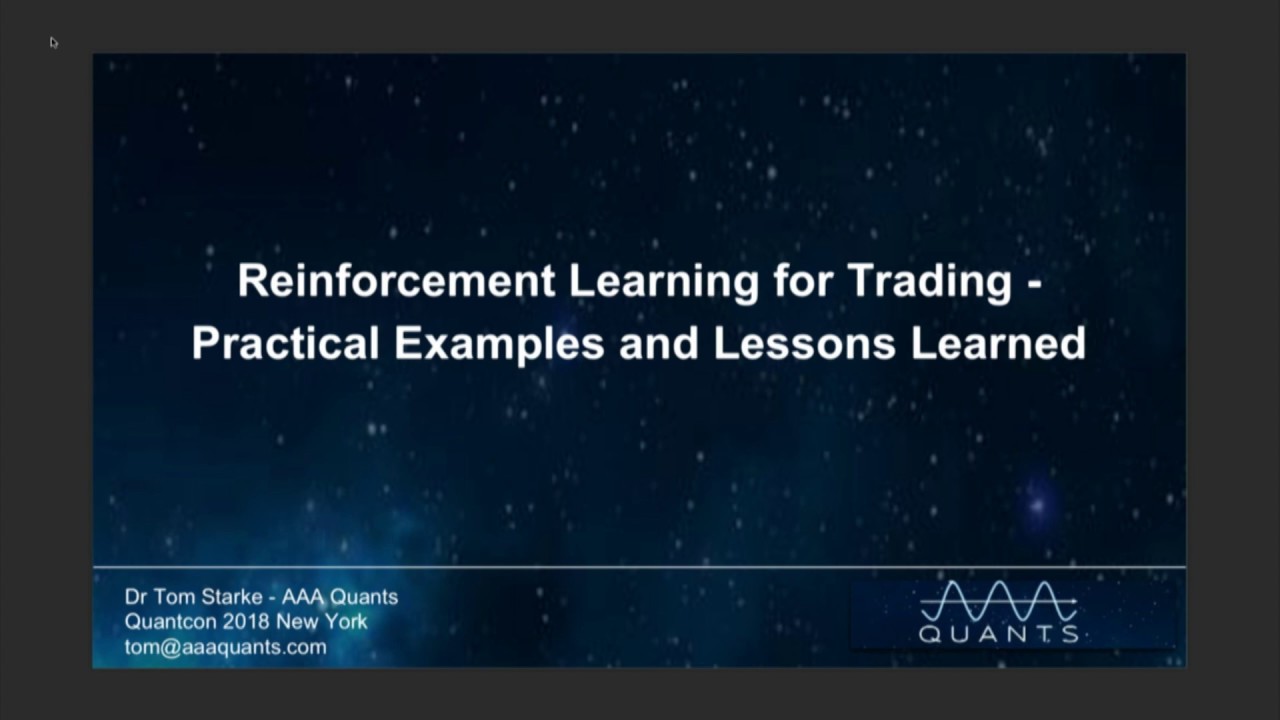
is quite a broad term but I think probably what what we're what we're talking about here is something called um well Le at least there's one specific area of AI which is probably reinforcement learning um which Has become very famous recently because of um a firm called Deep Mind which is actually based here in London um they they buil some AI tools to um to sort of defeat that sort of ancient game of Go which is a very complex strategy game um I know they are doing a lot of work about trying to um apply
that to any sort of National Health Service data here in the UK so um you know all of our hospital records anonymized hospital records um so in terms of trading they They use a process known as reinforcement learning um for this sort of stuff and what it the basic idea with reinforcement learning is that it's it's it's the sort of third pillar of machine learning and the idea is that you you have what they would call an agent who is essentially pretty dumb and sort of wanders around in whatever kind of uh space they have
um and then and tries to do stuff and they get rewarded or punished depending on what actually Occurs so um you know in trading that this would obviously be you know you'd have a a sort of stupid trading bot that would um periodically buy and sell randomly and then it would be rewarded if you like by making money and penalized by losing money so by doing that over and over and over again in a in a kind of simulated way the the the sort of reinforcement learner would would eventually and hopefully learn um through kind
of structure of what what's Going on in the in in the trading data um how to get better so I'm I'm pretty confident I'm not 100% sure but I'm pretty confident that there must be um a lot of secretive work going into this area in in some of the big Quant funds um you can sort of see because one one of the great ways to tell what Quant funds are really up to is to look at who they're hiring and what type of people they're hiring um so there's there's a few sort of Quant job
sites around and If you see what what sort of skills they're currently looking for it does give you a bit of an indication as to what kind of research areas they are they're thinking of um looking at so I I've seen a few uh you know reinforcement learning um demands so I'm assuming it is going on but as you know it's a very secretive world and uh people aren't generally willing to share too much so yeah yeah very interesting very interesting indeed um one more Subject I'd like to dive into with you is just programming
in general so you know a question uh you probably get it all the time it's it's a very common question is what language should someone use for algorithmic trading like how do you address this because I know there's not like one single one siiz fits all answers so I mean what would you suggest okay so there's kind of two answers there's the short one and the long one and I'll give both so the the short one Is that I tend to use Python which is becoming really popular these days um even in institutional settings um
principally because it's it's really easy to learn even for complete beginners who've never done any programming um and it's it's kind of fast enough for for doing things and but the main reason is that it has a lot of um what they would call libraries okay so these are sort of modules that other people have written um to do lots of Different things so there's there's a there's hardly any need usually to implement lots of um sort of simpler stuff yourself you can just find somebody else who's already done it and and usually they've given
it away for free then you can just sort of import it into your your um your projects so so that's that's the S the short answer is I would go with python for those reasons um the longer answer is really I mean it's sort of like asking what's what's The best way to you know drive from the the south of Australia to the north of Australia I mean that would depend whether you're wanting to get there really fast in which case you take a Ferrari or whether you want to carry you know 10 tons of
of uh you know food with you then you take a big hdv truck so it the question really needs to be framed in and in sort of what do you want from your algo trading I mean if you're doing high frequency trading you know sub Subsecond trading where you need really really uh rapid execution speed then you would use something like um C or C++ or even um you know some of the high frequency trading firms they they write their own custom chips you know they make their own circuit boards a lot of the time
so they're really you know they really optimize to the end degree for Speed um but if you're you know if you're doing longer term trading um you know python is pretty sufficient um I Mean it does there are areas where it doesn't do so well it's not so good at um really deep statistical analysis I mean it's not designed for that it is you know it's a general purpose programming language that um you know a lot of webites are written in it for instance and um you know scientific applications it's not a it's not a
statistical tool like um R which is you know was designed from the ground up to be kind of statistical environment R is Also very heavily used in in hedge funds for research but equally R doesn't have Python's ability to um sort of talk to everything very easily and it's not very good for actual um algorithmic trading uh infrastructure it's great for doing the research but it's not so good for for infrastructure so in some sense you use the right tool for the for the job I mean python is probably the the sort of Jack of
all trades master of some so it is a kind of Good sort of one siiz fits all language um I might to be you know I use it for all my own stuff um I use C++ occasionally for things I really need to be fast but I I almost always use Python and I have done even in institutional settings um a lot of my sort of colleagues they also all use Python um it's great for machine learning um but uh yeah it really comes down to what it is you're doing so the S the short
answer is python for pretty much Everything except hft in which case you should use C or C++ really okay so do you have any tips for how to actually learn how to program like for someone who's currently you know a non-programmer what would be the most efficient way for them to learn a new language and make sure that they're really learning the right things about that language yeah definitely um so these days it's really easy no matter what platform you're using so Mac Linux Windows whatever to actually install python um on Linux it sort of
comes with it anyway but on Windows and Mac you can download um a free tool called um Anaconda um by a firm called Continuum analytics and it basically just gives you this sort of um really easy um kind of interface to just get started with python so obviously that's a bit of a blank canvas but it does mean you don't have to worry about any of the complicated installation so once you've Downloaded that and installed it um there are quite a few resources um to go and Learn Python programming so I think if you're a
complete beginner and you've never done any programming before the best resources are some of these online mukes you know massively open online courses so there's um there's corsera and Udacity I think Udi I can't remember I think that's the name and they all have a kind of introduction to python uh course now what what that'll teach you Is the sort of bare bones basics of of how to actually program so these would be things like um uh looping so how to sort of do a procedure over and over again how to make decisions within programming
languages so what they would call branching or if else so um these are sort of you know basic programming Concepts so you'll learn all this kind of uh bread and butter programming skills but also probably be building you Know reasonably interesting um projects so I think once you've spent a few weeks maybe a month or so getting to grips of the basics you'll be at a point where you can start experimenting with with algo trading libraries um so now that some of them are very complicated you know obviously there's obviously a lot of complication in
outgo trading so um you could just get started by downloading some pricing data and then sort of trying to plot it and then Running some very simple indicators over that and I use a tool called um uh pandas or which is the python data analysis Library it's also free so all of this stuff just sorry just to clarify it's all free don't need to pay for any of it generally it's all open source um and then once once you've had a go with that you'll get used to the interface um and you can you can
start taking some of the ideas that you may have for algo trading and then applying them um in Python and thankfully there's a there's a there's a good community of people who do this and there's a great sort of Quant bloggers spere I think if people should definitely check out a website called Quant cracy which I'm sure you're pretty well aware of it's um it's a kind of uh link aggre gor if you like for for Quant Finance websites and loads of the bloggers on there um put a lot of tutorials out on how to
use R and python for doing cont trading and there's loads Of um what they call Snippets you know little pieces of code that um you can sort of just almost copy and paste if you like to to to have a go and then step through line by line to see what's actually being done and that that gives you a good start I think into into algo trading and then you can just build up from there um it's really really a never- ending Road I mean I I tend to think of myself as you know still
learning all the time you're always a Student really in Quant Finance you're never a master I think yeah yeah now that's that's really good advice and I liked your comment about just sort of going through line by line and trying to work out what's going on here I mean you know I've been learning python myself you know previously a non-programmer and I don't really quite feel comfortable calling myself a programmer yet I don't really feel like I'm I'm at that level but um definitely a lot of effort into Learning python um that's one of the
things I found really helpful was actually looking at you know some some reasonably basic algorithms that other people have written uh which I might have pulled off uh quantopian or something like that yep yep and just going through each line and just commenting you know using your um hashtag at the start of the line so it's a comment um so that the you know the that line is ignored um and just writing What actually happens each on each every on each and every line like what's actually going on there I found that really helpful so
I know that was a really good point um Python's very good for that I mean it's it's one of the most readable by Design actually it's one of the most readable programming languages it's designed to sort of almost look you know like um how you describe a recipe to somebody there's very little uh sort of hidden stuff Going on a lot of the time if that makes sense yeah yeah it does um so here's a question when you're coding a stratey or when you're coding I guess anything at all where or who do you turn
to if you get stuck right okay so um uh there's so I tend to so I um that's that's a tricky question so where do you T so I tend to have problems usually with sort of particular statistical algorithms I guess you I Presume you're talking about me or you talking about in general well yeah I did say you but I'm maybe thinking that was not the right term I maybe think it would have been better if um if someone else like if if someone learning to program um let's take it that way all right
so yeah if you buy you you mean somebody who needs help so um there are it depends generally on what sort of issue you're having I mean there are some great forums so there's um there's Obviously Reddit which has a lot of subreddits for Quant finance and Python Programming I mean it's gen it was started by the sort of computer sciency kind of side of things so there's loads of python question and answer sort of sites there's one of the best websites on the internet actually for any kind of programming or Quant related question is
something called stack Overflow or stack exchange so it's um it it's absolutely You can generally find any um question imaginable somebody will have answered it so um usually what I tend to do if I have an error or something's going wrong I just copy and paste the error straight into Google and um uh usually stack overflow will be the first link that comes out you look at it and be someone else who's had exactly the same error and they'll say what's going on here and then there'll be a brilliant usually a brilliant explanation beneath about
what It is and how you can fix it um and I know that may sound a bit um you know unstructured if you like but that I I can I can personally vouch for the fact that some of the top software developers use this method all the time you know when they need help they just Google the error message um and uh and so that's one way of getting specific help eras but if you're having trouble coding a particular algorithm um some of the best places to ask you can ask a question Yourself at stack
Overflow um but more likely there's going to be somebody who will have done this um so I tend so let's say for instance I I want to do um a mean reversion co- integration tool or whatever I've got some statistical test I'll just type the name of the test into Google followed by Python and usually in the first 10 links there will be some project or code snippet that um allows me to sort of go ah yeah okay I see how it works now I understand Um and and so that is you know that's generally
my mechanism but the I guess a lot of this sort of behavior or intuition comes from when you do re you know a sort of research degree in general you're you're kind constantly doing this so it becomes quite intuitive after um a long time to kind of search for help in this manner when you're when you're doing some kind of postgraduate course so I think you'll this is why a lot of quants tend to come from that Kind of uh academic background in general because they're quite used to sort of going and seeking help and
looking at papers and figuring out how to take those papers and put them into code so um it's a good skill that I think anyone should really try and learn even if they're not interested in in academic study I mean it's a very very good skill set for sort of retail Quant Traders is to take papers and and code from elsewhere and try and figure out What it's doing if you like absolutely and I loved your suggestion of stack Overflow too I mean I know that's got me out of trouble uh quite a number of
times it's it's such an awesome resource okay Mike well let's start to to wind this down and there was one thing I wanted to uh just try to squeeze in and you know trading aside I believe you're pretty big into space exploration I mean um I'm Keen to hear a little bit about this is it something that you're Pursuing uh you're pursuing anything in this Arena or is it more of just an interest um no it's it's uh so when I said I did fluid dynamics it was um actually in um rocketry so it's it's
an area known as computational fluid dynamics or cfd and so you're you're trying to simulate um uh you know I I was essentially trying to simulate certain type of engine like rocket rocketry engines and um uh I've actually recently been thinking about as a sort Of secondary um business to Quant start is to sort of get back into um kind of analysis again so uh cfd analysis for for kind of different situations um so yeah I'm I'm I'm mad keen on space exploration I probably I probably don't talk about it as much on quad Start
If ever but I I do make a bit of a noise about it on Twitter certainly but um yeah so you know I I I am actually possibly going to be working with a Company that does um uh is trying to do satellite design and launching um in the UK unfortunately I'm not allowed to say too much more about it at the moment but um it it's looking relatively hopeful and so I think I'll be I I won't be directly involved on a day-to-day basis um but I will I'll probably have a a sort of
advisory capacity because a lot of you know like Quant finance a lot of space exploration is really about testing testing testing you know it's You're constantly trying to manage risk you know you know in in Quant trading if you if you launch a strategy and you lose a bit of money it's it's painful and not you know it's never fun but you can yank the strategy out and turn it off whereas with rockets if you launch it and something goes wrong it blows up you know um at best nobody dies you know at worst obviously
people can be killed so you have to you know the level of risk and and Mission criticality is is Absolutely it's very different from from other Industries but I think you know Quant Finance could probably learn a lot from from space and the way they deal with risk you know they they they won't launch anything until they're pretty much certain that it's not going to fail and I think a lot of uh lot of Traders you know myself included actually could probably do with using more of that um sort of risk management mentality because I
think it would it would reduce Losses quite substantially yeah yeah well that's awesome you'll have to keep us posted on the details when you're allowed to um share a little more yeah fantastic anyway Mike do you want to share a little bit about Quant start um tell us you know what is Quant for no one who's ever checked out the site before um and and then we'll wind this down okay so um I tend to think of it as as an education portal if you like for Quant Finance in general I mean I I have
Sort of gradually steered the ship over the last three years to talk a lot more about algo trading um but I still am very interested in talking about Quant Finance careers so the site is I would say it's a mix of um Quant career advice and kind of Quant trading advice if you like and and tutorials now my kind of my my sort of key views if you like of a qu start is one is that I I like to talk about the details that most people will will not discuss not because they're Proprietary or
secret just because a lot of people think they're they're dull or boring and I I personally find that those aspects of Quant Finance are absolutely crucial for for becoming profitable you know um all the stuff we talked about today data cleansing um you know actually interacting with a broker via python how do you do it how do you install these tools you know there's not much really discussed about that there's always it's always discussion about Trading strategies and what's you know what's the next best strategy that's going to make you your millions and I personally
find that a lot of the the difficult stuff is actually you know quite dull to talk about but it's it's necessary and people have commented that they they like that approach so I sort of stick with it um the other the other aspect of it is I tend to try and share as much code as possible um so that people can just copy and paste it and Use it themselves um I don't really like people saying oh I've done this I've done that without providing an actual bit of code that because you know I've been
trained as a scientist to think of reproducibility that's what we're trained to do in The Sciences you know you want to you want to share your work and you want to make sure other people can implement it as well also helps to find bugs people can write in and say look sorry this is buggy you need to fix It and that just makes it better for everyone um so I think sharing code is a great idea um also the probably the the most important thing that I'm really keen on is to emphasize sort of continuous
learning all the time I mean you know once we leave school or leave uni most people um for for whatever reason just don't tend to want to continue learning as such you know they they think they've done school they finished uni they got their grades That's all good but I think a Quant Edge is really in their ability to continue reading all the time I mean I if if I had the ability I would probably spend about 50 to 60% of my day just reading and I know Warren Buffett is very famous for saying he
spends 70 odd per of his day just reading stuff and I think um that is probably the biggest source of edge in Quant Finance is just reading and reading and reading because you learn mistakes of other people but you Also learn about all these Niche ideas that other people just aren't willing to to find out about and it gives you an edge naturally because people just aren't willing to to go that far you know um there's there's so many resources out there not just the typical kind of flashy uh you know trading ideas but lots
of white papers on Hardware where really obscure things that you think oh hang in a minute if I exploited this little trick here I'd be able to You know and um so there I think reading is absolutely important that and qu start talks a lot about that so that's That's the basis of the site for sure well I mean anyone listening to this I I want you to check out qust start.com if you have you know even just the slightest interest in quantitative or algorithmic trading which I'm going to probably presume you do if you
if you've stuck through right to the end of this um so yeah Quant start And Mike do you want to give out your Twitter handle as well yeah so my um my Twitter handle is M Halls more so m h l LS m o o r e um so I don't I did have an originally a qust start Twitter but I tend to now do it all through my personal account now so that's my Twitter handle good one good one okay all right Michael well I've been looking forward to this interview for such a long
time so I'm glad we could make it happen um thanks so much for doing this Man I really do appreciate it yeah thanks having me on it's been absolutely Brant brilliant thanks for uh thanks for taking the time to bring at 8: in the morning UK time no trouble thank you you've reached the end of this episode of chat with Traders but rest assured there are more episodes loaded with real Market insight and zero hype on the way soon so to stay updated with each great new release subscribe to the podcast and iTunes and we'd
love it if You'd leave a rating and review we'll catch you next time on chat with Traders [Music]