Concern about the suffering of wild animals and the ways we can help them has increased a lot in the past decade. A growing number of people are now aware that the lives of animals in the wild are not idyllic, and that they face threats that dramatically impair their well-being. There is more awareness now that this affects not just a few animals, but large numbers of them.
While, in the past, concern for wild animals was mostly focused on their ecological roles or their conservation status, many people now are concerned about what happens to them as individuals, as sentient beings. Some people may think it is unfortunate that wild animal suffering occurs, but be unsure about how widespread it is or how serious it is. Others may think this is an important issue, but not know how tractable it is, or what we can do to address it.
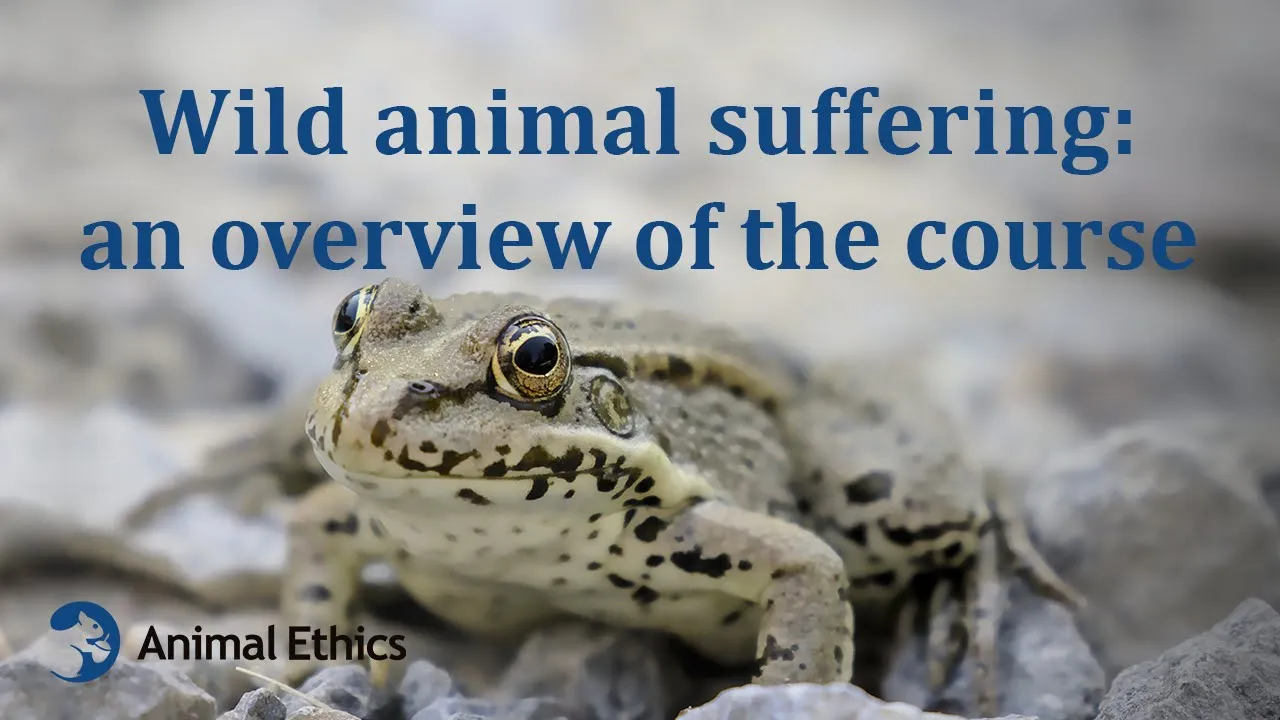
This course sheds some light on these questions, and helps give a more clear understanding of the reality of wild animal suffering, and more importantly, of what can be done about it. It is intended to provide an introduction to this question for anyone who's interested in it, and to be especially useful to those involved in animal advocacy who want to know what can be done about it. This course will also benefit people working in natural sciences with an interest in learning how their work can help animals.
The course includes three parts. Part 1 explains the ways that wild animals suffer and how we can help them. Part 2 details the arguments about the moral consideration of animals, and part 3 explores the scientific study of the situation of animals from the point of view of their well-being.
This new field of study has been called welfare biology. Each part will consist of a set of videos, about 15 minutes each, focused on some specific problems. The entire course contains 28 videos, including this presentation, which you'll see listed in the course table of contents.
The first part begins with a general presentation summarizing the question of wild animal suffering. Following this, we will clarify in more detail what the concept of "wild animal suffering" entails. The following videos will then explain the different ways in which animals can suffer in the wild.
We will see the impacts of harmful weather conditions, natural disasters, diseases, parasitism, hunger, psychological stress, conflicts between animals, and accidents. We will also see how the prevalent reproductive strategies significantly increase the proportion of suffering among wild animals. Then, we will see some of the ways to provide help to these animals, including rescues and vaccination programs.
Finally, we will see what each of us can do to make a difference for wild animals. Some people think that we shouldn't worried about wild animals because we shouldn't be concerned about what happens to animals at all. We believe this if we think for example that only humans matter.
In order to assess this concern, and to understand better how we can argue for the moral consideration of wild animals, the second part of the course presents an overview of contemporary debates about the ethics and animals. This part will begin by explaining the concepts of speciesism, as well as related concepts like moral consideration. We will next examine the main defenses of the idea that human interests matter more than equally strong interests of other animals.
We will then see the main arguments against this view. After that, we'll cover how the moral consideration of animals relates to different ethical theories. We will then examine the differences between the views defending the moral consideration of animals and those defending other criteria, such as the ones held by positions in environmental ethics.
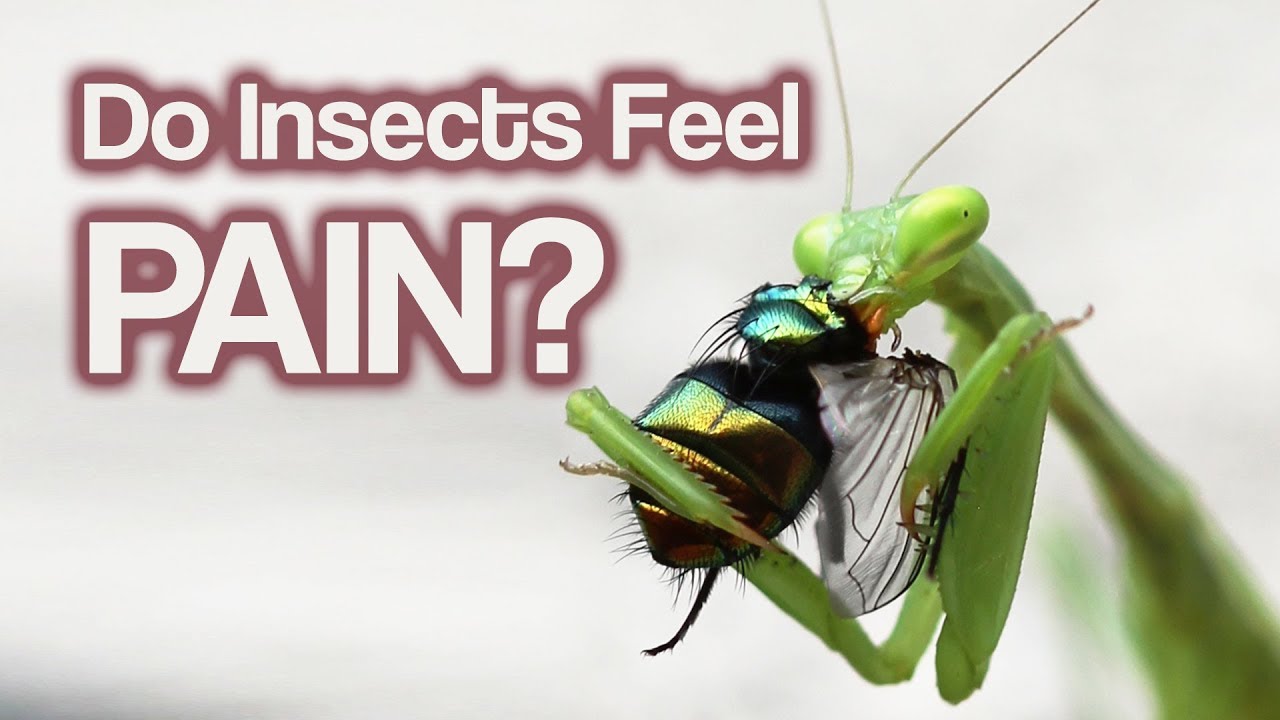
In the last part of this module we'll see what sentience is, and consider some indicators of its presence in different animals, especially invertebrates. Finally, the third part of the course will examine ways to promote research in academia about how best to help wild animals. In the videos of this module, we'll examine the concepts of well being, animal welfare and wild animal welfare.
We will also discuss welfare biology, the study of the situation of animals with regard to their well-being. We will see how it is different from other fields that currently exist. We will then see reasons to promote academic research in welfare biology, and what some promising lines of research for this field are.
We will see how welfare biology can benefit from work in other cross-disciplinary fields. In light of the work welfare biology could carry out, we will see responses to objections to helping wild animals, and we will clarify some possible confusions about what the work will focus on. Finally, we will share some ideas concerning the advance of this new field of research, and its importance, especially in the long term.
We hope this course will be interesting to you. Our intention is to help you become familiar with the issues discussed in it, and to share some tools that enable you to do further research on them. We provide information about how to take action in defense of wild animals.
If you want to learn more, you can visit our website, where you'll find more detailed information about many of the issues addressed in the course.