The air leaves his lungs in a slow hypnotic rhythm. Each exhale lasting longer than the last. His abdomen rising and falling like gentle ocean waves.
The doctors watch through the glass, their instruments flashing warning signs that should be impossible. It's day 14. No food, no water, not a single drop.
His body should be shutting down. His organs should be failing. Yet, this monk, the 83-year-old yogi locked in this sterile observation room, hasn't lost a single pound.
His skin glows. His eyes are clear. When they finally open the door on day 15, he smiles, not with the grimace of starvation, but with the serene calm of someone who has discovered a secret the modern world forgot.
That secret is breathing. Not the shallow unconscious gasps you're taking right now as you read this, but the kind of breathing your DNA remembers. The kind that doesn't just keep you alive, but makes you thrive.
Take a moment and notice your body. The chair you're sitting in. Is it forcing your spine into a question mark?
Are your shoulders hunched forward like you're carrying the weight of invisible expectations? Now bring your attention to your breath. Is it flowing deep into your belly, or is it stuck in your chest?
Quick and quiet, like you're afraid of being heard. This isn't an accident. This is biological sabotage.
It's 7:30 a. m. The alarm didn't go off.
Or maybe it did, but you hit snooze three times. Now you're racing against the clock, packing lunches, finding lost shoes, answering work emails while gulping down coffee. Your breath, it's coming in short, sharp bursts from your upper chest.
Your shoulders are creeping toward your ears. Your jaw is clenched so tight it could crack walnuts. This is how millions of parents start their day in a state of low-grade panic, breathing like they're being chased by a predator.
Except the predator is just Tuesday. The cortisol spikes, the adrenaline flows, but there's no actual threat to flee from. Just the school drop off line and a 9:00 a.
m. meeting. The damage compounds.
That rushed, shallow breathing pattern becomes your body's default setting. By the time you get to work, you're already operating at 60% capacity. The fatigue you feel by noon isn't just from being busy.
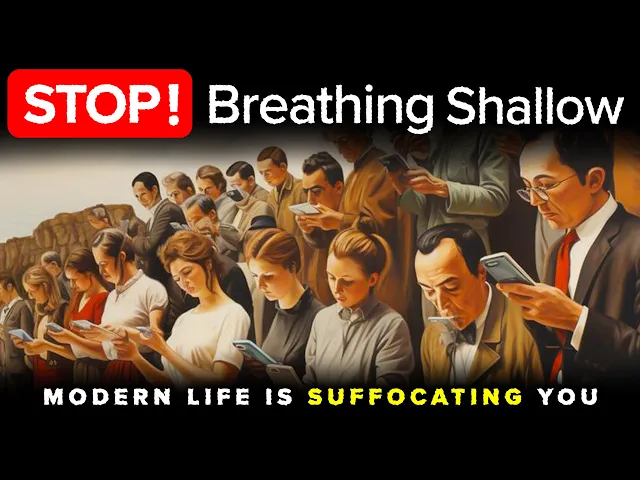
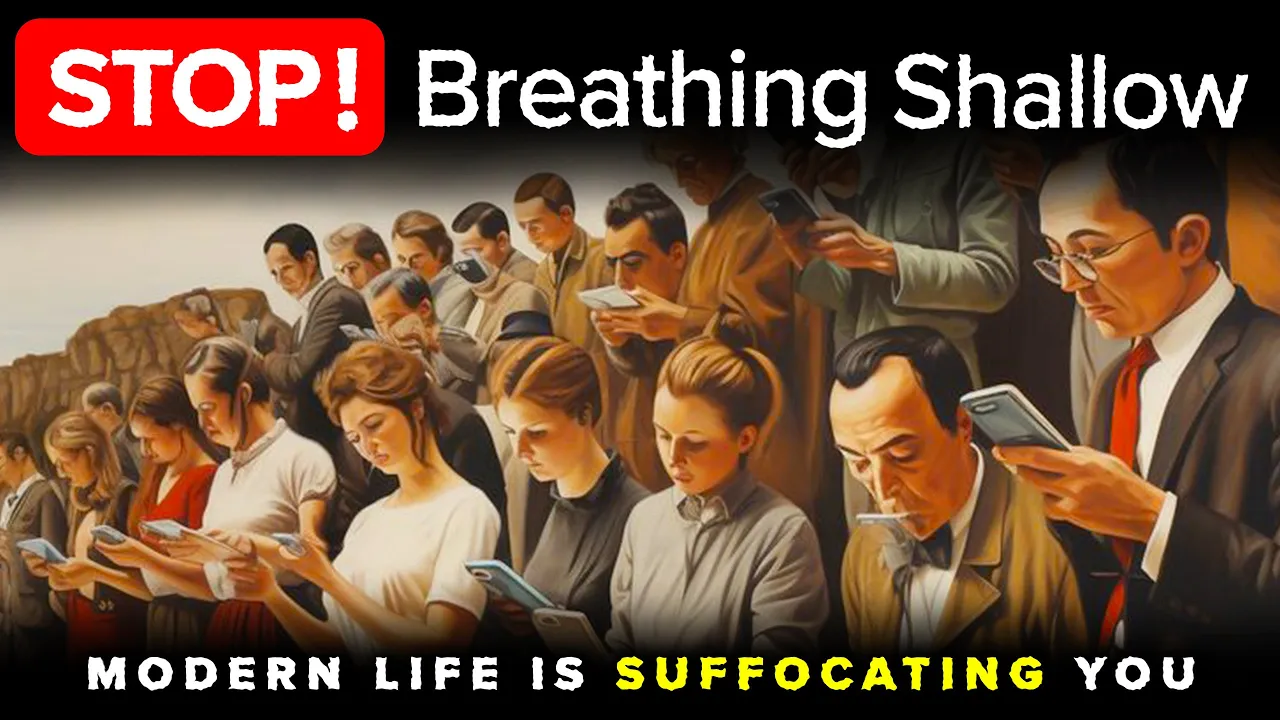
It's from oxygen deprivation. Now consider your phone habits. You pick it up to quickly check something and suddenly 30 minutes have disappeared.
Your posture collapsed. Your breathing either held completely or reduced to tiny sips of air from the top of your lungs. Researchers have a name for this phenomenon, screen apnea.
A 2021 study found that 80% of people hold or significantly alter their breathing while using digital devices. Every time you scroll through Instagram or refresh your email, your body reacts like it's facing a threat. Your breath becomes shallow and irregular.
Your shoulders tense. Your heart rate increases slightly. This wouldn't be so bad if it happened occasionally, but the average person checks their phone 150 times a day.
That's 150 micro stress events, 150 interruptions to healthy breathing patterns over weeks and months. This trains your nervous system to stay in a constant state of low-level alarm. We've all been told to just take a deep breath when stressed.
But that advice can backfire. Why? Because most people respond with a big forced inhale through the mouth, overloading the body with oxygen while failing to fully expel carbon dioxide.
The result, more tension, not less. True calm comes from longer exhales, not gulping more air. And speaking of mouth breathing, your nose isn't just for smelling.
It's a sophisticated filtration system, humidifier, and even a 20% boost to oxygen absorption. Skip it and you invite problems. Poor oxygen uptake, heightened anxiety thanks to unnecessary fight orflight triggers, higher infection risk, even dental and jaw issues over time.
But here's the biggest irony. More oxygen isn't always better. Your cells need a balance of oxygen and carbon dioxide.
Over breathing, taking in too much air, lowers CO2 levels, which actually reduces oxygen delivery to your tissues. That's why hyperventilating leaves you laded. Your cells are gasping despite all that extra air.
So if you're breathing shallow or fast, remember, slow down, nose breathe, and let your exhales lead. Your body will thank you. This simple act of breathing, something we do about 20,000 times each day without conscious thought, has become dangerously compromised in our modern world with consequences far more severe than most people realize.
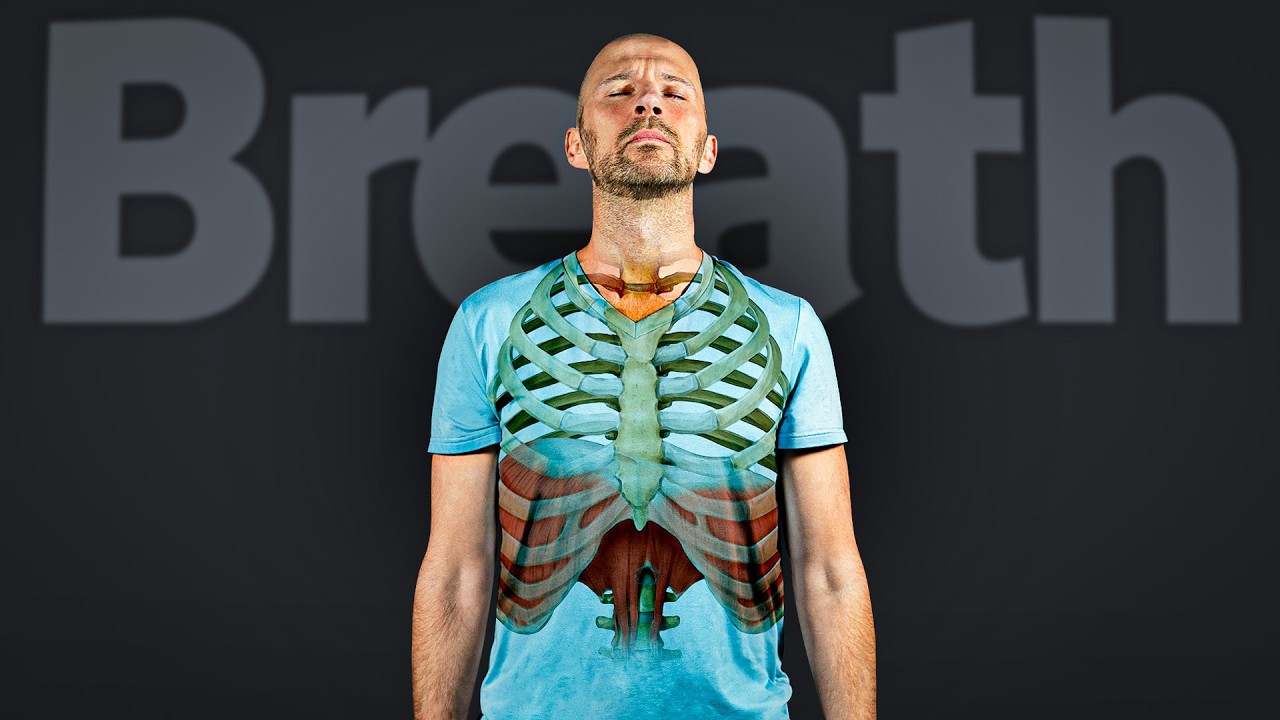
At the heart of this silent epidemic lies what we might call the energy crisis of breathing where inefficient respiratory patterns have left millions in a perpetual state of low-grade fatigue and mental fog. The problem begins with how modern lifestyles promote shallow upper chest breathing through constant sitting, stress, and poor posture, effectively disabling our diaphragm, the primary muscle responsible for efficient respiration. When we breathe shallowly, we utilize only the top portion of our lungs, reducing oxygen intake by as much as 30% compared to full diaphragmatic breaths.
This oxygen deficit creates a cascade of problems at the cellular level, forcing our mitochondria to operate suboptimally and producing excess lactic acid even during minor exertion. Office workers frequently experience this as the familiar 3 p. m.
slump where despite adequate sleep and nutrition, they struggle with concentration and energy, little realizing their breathing patterns are largely to blame. The cognitive impact is particularly concerning as the brain though just 2% of body weight consumes 20% of our oxygen. Meaning even small reductions in oxygenation can significantly impair memory, focus and decision-m.
Athletes face their own version of this crisis when poor breathing mechanics limit their performance as efficient oxygen carbon dioxide exchange is crucial for endurance and recovery. The second major consequence of modern breathing dysfunction is what we might term the aging accelerator effect where poor respiratory habits literally speed up the aging process through multiple biological pathways. When cells receive inadequate oxygen, they enter a stressed state that increases production of free radicals.
Unstable molecules that damage DNA, proteins, and cell membranes in a process called oxidative stress. Over time, this damage accumulates as visible aging in our skin with reduced collagen production leading to wrinkles and loss of elasticity. Internally, the same process affects our muscles and organs.
with the diaphragm itself becoming weaker from underuse in a vicious cycle that further impairs breathing capacity. The postural consequences are equally significant as a weakened diaphragm contributes to slumped shoulders and forward head posture, physical hallmarks of aging that many mistakenly attribute solely to times passage. Perhaps most insidious is how poor breathing interacts with our stress response system in what we can describe as the anxiety loop, where dysfunctional breathing patterns both cause and perpetuate chronic stress and anxiety.
When we breathe rapidly and shallowly from our chests, as most modern adults do, we stimulate the sympathetic nervous system, effectively telling our body we're in danger, even when we're safe at our desks. This triggers the release of stress hormones like cortisol while reducing carbon dioxide levels to the point where blood vessels constrict, further limiting oxygen delivery to the brain. Symptoms that mimic and often trigger panic attacks.
The loop completes when this physiological stress response then makes it even harder to breathe deeply, trapping individuals in a self-perpetuating cycle of anxiety and respiratory dysfunction. Many modern health complaints from insomnia to digestive issues can be traced back to this fundamental disruption of our breathing mechanics and its knock-on effects throughout the body. The good news is that this damage is reversible through conscious breathing retraining.
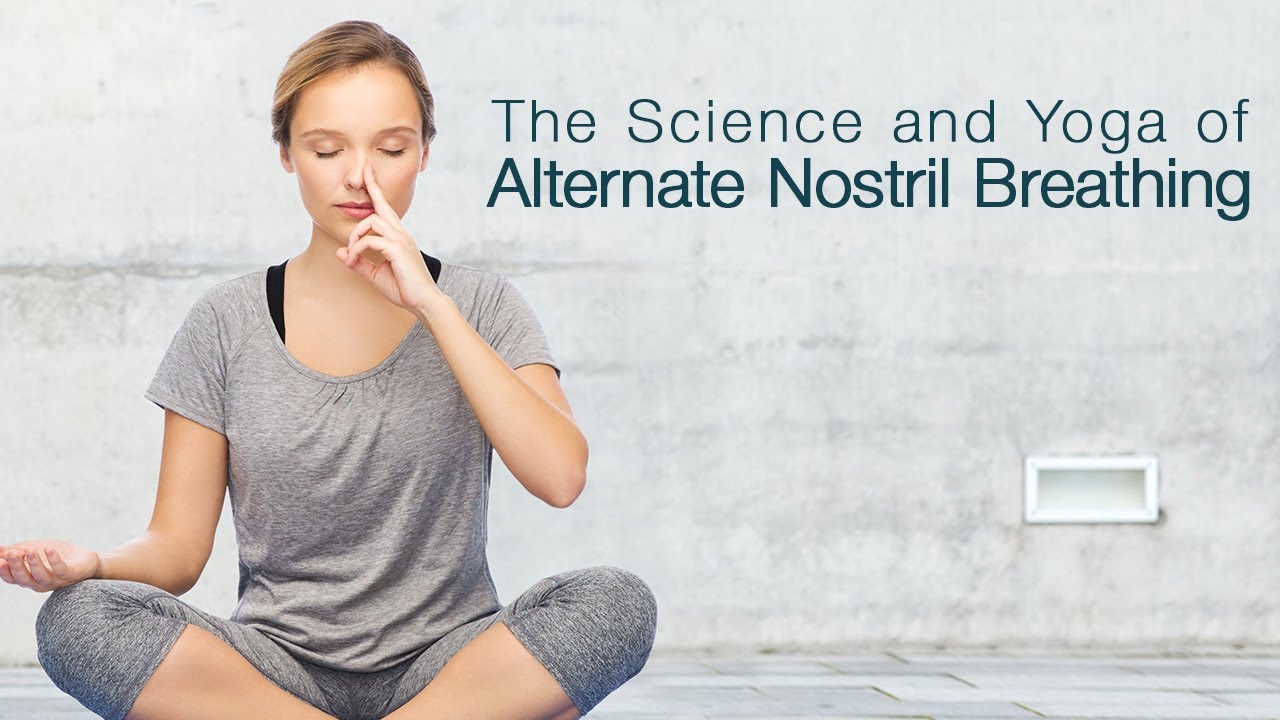
Techniques like diaphragmatic breathing, alternate nostril breathing, and paste respiration can within weeks restore proper respiratory function with benefits ranging from improved energy to better stress management. The key lies in making breathing awareness a daily practice rather than an afterthought. Something our ancestors did naturally through constant movement and upright postures that supported full, effortless breaths.
By addressing what amounts to a public health crisis of dysfunctional breathing, we have an opportunity to dramatically improve quality of life on a societal scale. Reducing health care costs and enhancing productivity while reclaiming one of our most basic birthrights, the simple healing power of a full breath. Our modern environment has quietly declared war on one of our most fundamental biological functions through a multiffront assault that amounts to a public health crisis.
The damage begins with the seemingly innocuous. The chairs we sit in for hours each day. Standard office chairs with their bucket seats and backward tilt encourage a slumped posture that compresses the abdomen and restricts the diaphragm's range of motion by up to 30%.
This forces shallow chest breathing, a habit that persists even when standing. The problem is compounded by text neck, the forward head position from phone and computer use, which tightens neck and shoulder muscles while further limiting lung expansion. The result is a population that has forgotten how to breathe properly with measurable declines in lung capacity compared to previous generations.
Fashion exacerbates the problem, prioritizing style over function in ways that directly impair respiration. Tight jeans, belts, and shapewear constrict the abdomen, reducing lung capacity by 20% or more, equivalent to mild asthma. Even poorly fitted bras, an estimated 70% of them, restrict rib cage movement, diminishing breathing efficiency.
These clothing choices create a low-grade suffocation that persists throughout the day, often leaving wearers unaware of the link between their wardrobe and chronic fatigue. Pollution, both outdoor and indoor, further assaults our respiratory systems. Urban dwellers inhale fine particulate matter that penetrates deep into lung tissue, triggering inflammation and reducing gas exchange efficiency.
Indoor air is often worse with volatile organic compounds from furniture, cleaning products, and mold spores irritating airways. Chronic nasal congestion has become the norm, forcing mouth breathing, which bypasses the nose's vital filtering and humidifying functions. This shift not only promotes stressinducing upper chest breathing, but also reduces nitric oxide production, a compound critical for immune function and oxygen uptake.
Chronic stress completes this vicious cycle. The fight or-flight response locks us into rapid shallow chest breathing meant for emergencies but now a default state. Many office workers exhibit email apnea unconsciously holding their breath or breathing shallowly while working creating repeated oxygen deprivation.
Over time, this pattern keeps the nervous system in a state of low-grade alarm, contributing to high blood pressure, digestive disorders, and reduced heart rate variability, a key marker of resilience. Even sleep offers no respit. Poor mattress support restricts nighttime breathing, while synthetic bedding harbors dust mites that trigger congestion and mouth breathing.
The cumulative effect is a population with dysfunctional breathing patterns linked to anxiety, cardiovascular disease, and even altered facial development in children. Conditions now so common they're mistaken for inevitabilities rather than preventable disorders. The solution lies first in awareness, recognizing how our modern environment sabotages this most basic function, followed by deliberate counter measures.
Simple changes like posture correction, wardrobe adjustments, air purification, and stress management can yield dramatic improvements, as can targeted breathing exercises to retrain proper diaphragmatic function. Some forward-thinking companies are beginning to address this by redesigning workspaces to encourage movement and better posture, while schools in some regions are implementing breathing education programs with measurable benefits to student health and performance. At its core, this is about more than just preventing disease.
It's about reclaiming the full vitality that comes with optimal oxygenation of every cell in our bodies. By recognizing the multiple ways our modern world undermines healthy breathing and taking proactive steps to counteract them, we have an opportunity to reverse what amounts to a silent epidemic of respiratory dysfunction with benefits that would ripple through every aspect of our individual and collective well-being. The time has come to stop treating breathing as an afterthought and recognize it for what it truly is.
The foundation upon which all health and vitality is built.