hey there today let's take a step towards physical ascension and empowerment as we explore the esoteric history and world of tantra you know it's kind of funny despite the first text of the tantric tradition popping up in india around 500 a.d and having a beautifully complex history filled with political social and spiritual revolution and empowerment today public consciousness seems to associate it with weird sexual rituals and some kind of cult of ecstasy or strange relationship dynamics which is only a very surface level understanding of this amazing tradition so strap in because today we're going to
demystify the world of tantra and vajrayana and you're going to learn how the tradition is not only linked with revolutionary thoughts about independence and personal power but also just how much it's radically transformed our understanding of hinduism and buddhism as we know it [Music] before we get started we've included a tantric meditation in the description of this video for you to try out yourself where you can internalize some of the energies and mantras to work with your own root chakra and start activating your own internal shakti force right now so check it out if you
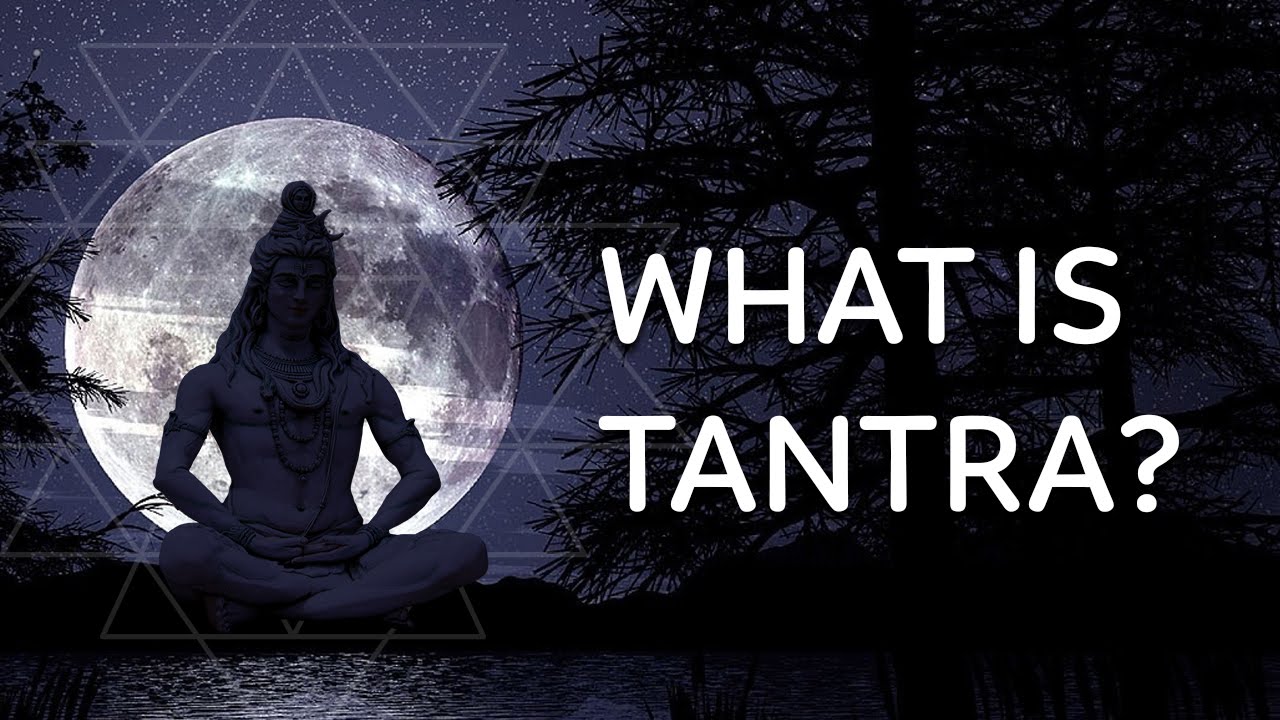
want some practical experience with what we're about to talk about that said what exactly is tantra let's get this out of the way right from the start no it's not a weird excuse to have wild sex parties sorry even if it were we should be able to still talk openly about sex rather than adhering to this weird social taboo we got going on sex is a natural biological thing and is an important part of most kinds of intimate relationships in actuality tantra is a complex hindu and buddhist philosophy that puts forward the idea that all
aspects of the material world are infused with a divine feminine power known as shakti around the 6th century a d in india a series of texts and manuscripts began to be written that outlined a bunch of different rituals for invoking one of the many powerful tantric deities usually written as a dialogue between a god and a goddess these texts known as tantras contained visualizations and yoga poses designed to grant cities worldly or supernatural powers we're talking everything from long life and immortality to flight as well as profound spiritual transformation and enlightenment the reason they began
to be viewed a bit uh overtly sexual though was that a lot of the rituals seemed to transgress existing social and religious boundaries the central philosophy behind the tantras profoundly taught that there were no real distinctions in our world everything was simply a polarity of the cosmic whole in other words everything in the material world was sacred including stuff that was traditionally considered profane and impure by orthodox hindu schools as such a lot of the rituals contained things that involved sexual rights alcohol and intoxicants and some rituals even dealt with human remains all of which
were big no-nos in hinduism at the time and to some extent still are today now this whole thing with sexual alchemy and transformation is a bit misunderstood not all of the tantras focus on sex but some of the ones that do explain that such an act could bring about tremendous change and even enlightenment through liberation and for the record we're not talking kama sutra style stuff here okay believe it or not that was written around 200 a.d way before the rise of tantra so it actually takes after hinduism texts like the vajram rita tantra have
the buddha explaining to a goddess that divine nectar and immortality can be accessed through pleasure including sexual union if both partners have internalized the tantric deities this is where the whole deal has been super misinterpreted since texts can be interpreted symbolically or literally depending on the reading if the teachings are taken literally a couple will assume the role of tantra deities during sex usually shiva and shakti where the woman is the focus of worship you know that whole divine feminine force thing on the other hand if we were to look at it symbolically the text
tells you to visualize the union of the deities within your own mind where they usually symbolize qualities like wisdom and compassion coming together to bring ascension what's very interesting though is that this isn't even really too different from orthodox hinduism see in hindu belief the universe's creation was a sexual act and product of divine union so kama desire was actually one of the four qualities of a righteous and fulfilling life along with dharma artha and moksha where tantra is distinct though aside from its whole transgressive nature is that rather than seeking pleasure as an end
unto itself it teaches practitioners to harness the body and sensuality in order to unite with divinity and attain transformational power in tantric texts women are said to be embodiments of shakti the divine feminine energy of the universe which practitioners can interact with through sex as such the genitals were often a focus of worship during rituals and i'm sure you can forgive us for not drawing that one from the 8th to the 14th centuries tantra went through its golden age and was super popular spreading throughout much of india and beyond with texts being written all over
the place and translated into tons of different languages but what made it so popular and revolutionary well to understand that we need to look at the context in which it emerged now india has a huge history which is pretty awesome so definitely learn more about it if you want but as far as we need to know here tantra starts popping up after the gupta and wakataka dynasties collapse which led to tons of smaller kingdoms appearing all across the map which also meant way more art and culture coming with them and of course as you might
imagine when you have a new philosophy emerging that incorporates sex enlightenment and freaking super powers you just know all the local rulers are going to be like gimme and that's pretty much what happened subcontinent rulers became attracted to tantra's promise of power and public temples started being built everywhere with tantra deities getting incorporated into established pantheons and what do we mean by tantric deities well deities that seem to be unique to the tantra movement and are called upon most often during tantric rituals one of the most popular gods was bhairava a kind of weird and
terrifying version of shiva long story short according to the myth one day the og hindu god brahma got a little big for his boots and thought he could do shiva's job better than him and started getting in his face about it so shiva did the only logical thing that anyone would do in that situation he threw his fingernail at him which then morphed into bhairava and decapitated brahma or like one of his five heads or something versions differ shiva then used brahma's skull as an alms bowl while wandering over the cremation grounds so metal in
fact followers of bhairava often tried to emulate him in rituals dressing up like him and carrying their own skull bowls and doing stuff in cremation grounds something that's arguably still present in the agory movement today but while this may sound overly gruesome or you know cool if you're into that sort of thing it actually has some symbolic value not only does the myth represent tantra's triumph over hinduism it's also symbolic of bhairava's role in killing the ego see in the myth brahma only gets too big for his boots because his ego gets overinflated so by
cutting off his ego's head bhairava silences it so brahma is like oh wow thanks man and they're super chill afterwards and there we have it a nice little allegory for how tantric ritual can silence the ego and bring you closer to ascension on a more human level one of the most famous tantrikas someone who practices tantra was this poet named karikel amayar she was a housewife who got sick of her husband and was like screw this and abandoned her role to become a follower of bhairava iconic mad respect but this is one of those things
about tantra that's so cool and what made it so super popular initiation was open to people from different social backgrounds and genders something that challenged the caste system of indian society and made tantra especially appealing to women and the socially marginalized coupled with the whole shakti thing female goddesses went through a popular phase which challenged all the traditional notions that women had to be passive or docile or womanly and replace them with empowering notions of erotica and strength speaking of strength though you might be surprised to learn that hatha yoga the most widely practiced form
of yoga today actually comes from tantra some of the earliest mentions of hatha yoga poses come from the buddhist texts like the amrita city which is a vajrayanic text vajrayana being a school of esoteric buddhism that came from buddhist monasteries in east india and tibet that studied and taught the tantras in fact the main goal of tantric yoga is to awaken your own inner shakti force that lies dormant at the base of your spine otherwise known as the kundalini speaking of which did you see our episode about the kundalini we'll make sure to put a
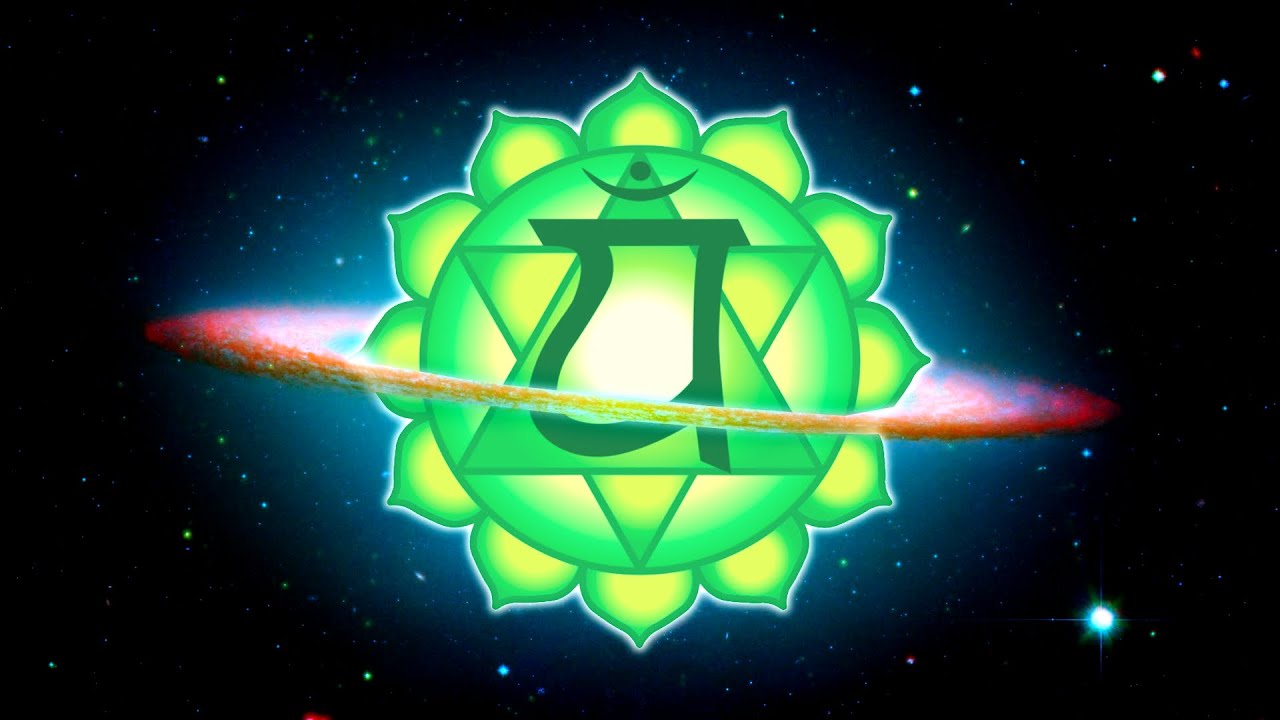
link in the description just in case you missed it in some schools of tantric yoga the chakras are symbolized as deities and as the kundalini moves through them she infuses them with power allowing you to reach higher spiritual planes in this case the crown chakra is often identified with shiva and as soon as the kundalini reaches him i.e your crown chakra they engage in a sexual union that triggers enlightenment and all those fancy cities we talked about as such the big thing that is different in tantric enlightenment as opposed to og enlightenment is that it's
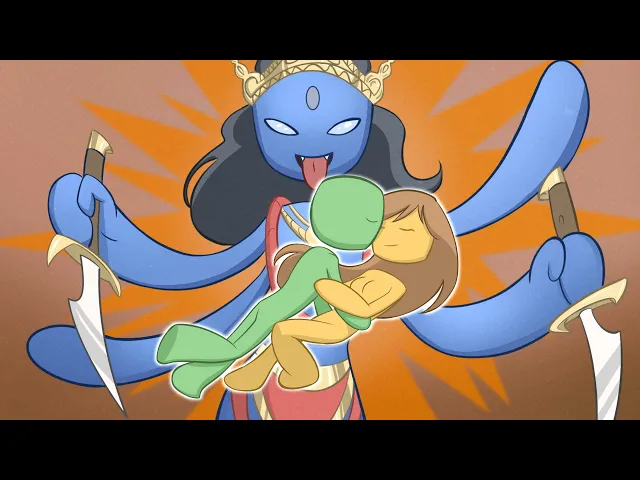
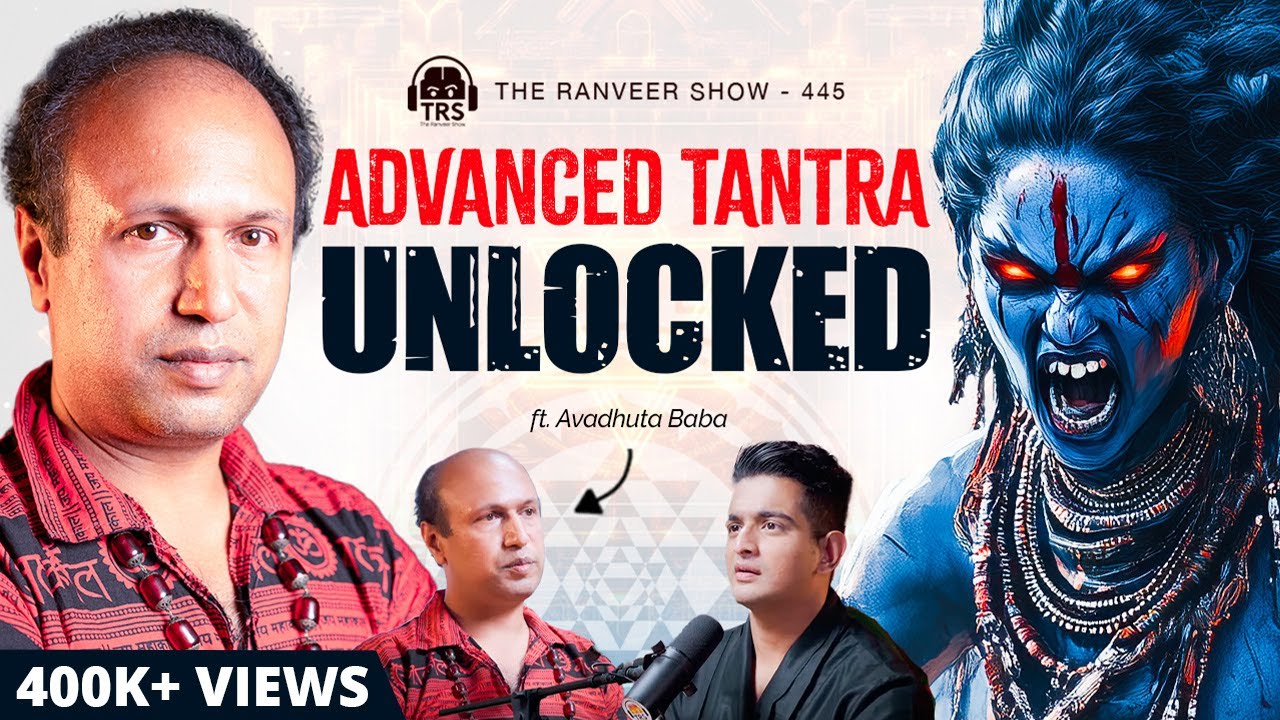
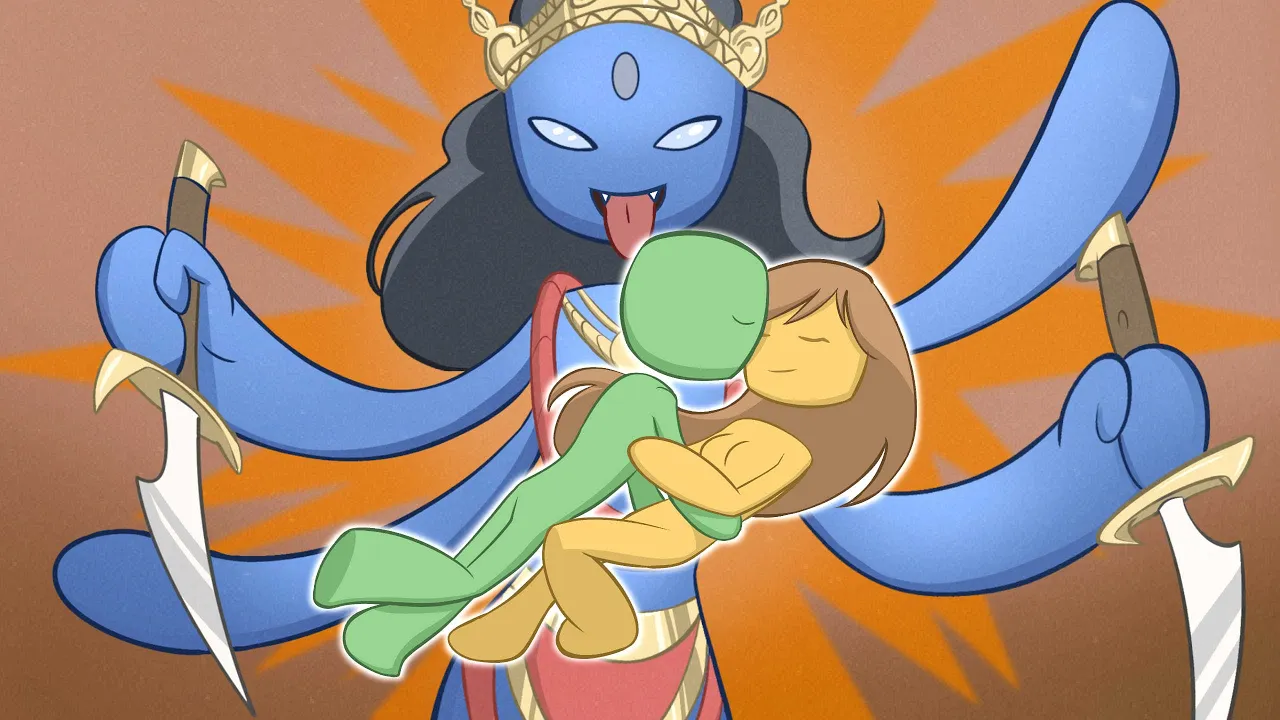
much more about transformation in this world via the body rather than transcendence of it because of this physical enlightenment tantra remained popular throughout most of india's history especially with rulers at india's courts between 1500 and 1800 a.d but what happened in the 1800s well that's right your favorite tea drinking posh-speaking empire came knocking on the door enter the british raj of all places bengal in eastern india was an early tantric center and cult hot spot for the goddess kali as well as being the center of british rule and kali isn't interesting goddess she's super angry
and likes decapitating people and dancing on their heads and drinking blood you know standard stuff as a result of the british having their hq next to her cult center whoopsie christian missionaries and colonial officials saw india as a country corrupted by black magic and worshipping weird pagan gods obsessed with sex more importantly though kali became a symbol of indian independence and culture that was rooted in tantric tradition and the indians knew the british thought she was creepy so they memed the hell out of it early bengali revolutionaries played on these anxieties and reimagined kali and
other tantric goddesses as figureheads of anti-colonial resistance which is where we get all those weird pictures of kali with blood on her face and dancing on people's heads it was mostly a meme all of this along with cultural and political changes culminated with india gaining independence from the british in 1947 once the country was free again south asian artists in the 1950s drew on pre-colonial ancient imagery and blended tantric philosophy with modern art movements like expressionism that focused on social inclusivity and spiritual freedom which gave birth to neo-tantra this ultimately laid the groundwork for the
groovy 60s and had an impact on the times counterculture where it was interpreted as a movement that could inspire anti-capitalist environmental and free love ideals through what we can assume was probably a mixture of the summer of love and enough lsd to make the beetles blush tantra was reimagined as a cult of ecstasy in the west that could challenge stifled attitudes to sexuality that helped define the free love and new age movement so naturally the 60s was a hotbed for this kind of stuff as it was a time where yoga and meditation were promoted as
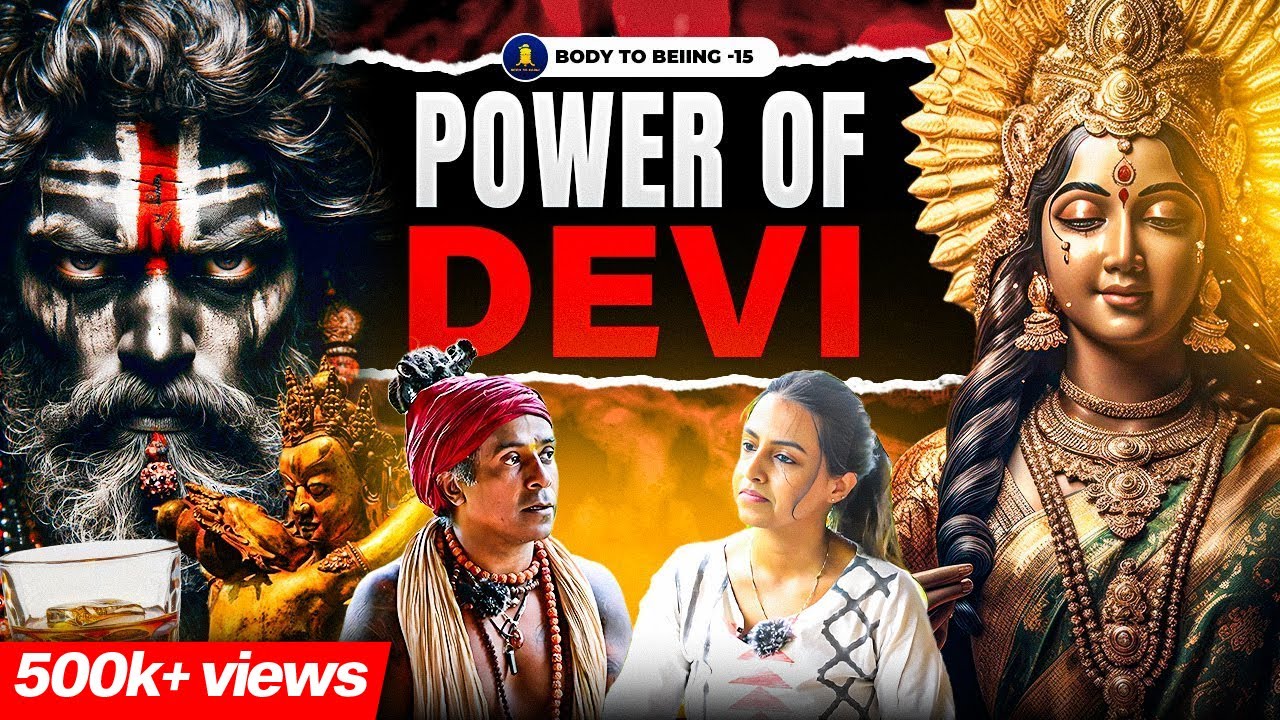
transformative practices to inspire minds and incite creativity in fact many tantric teachers and yogis became counter-cultural role models for the western audience today tantra is as alive as ever and embodied by the agori in modern india a central practice for the igori is to smear their body with human ashes after a cremation which in theory shatters society's cultural and mental conditioning allowing them to transcend ego-based emotions like fear and anger and instead nurture a non-judgmental attitude that draws on the repressed power of the taboo to trigger enlightenment and liberation in the end after centuries of
different interpretations and changing ideas there's a lot of misunderstandings about tantra ultimately it's a philosophical system within hinduism and buddhism not something independent of it while sexuality forms a part of many texts it isn't for the sake of it one of the main aims of tantric sex is to unite with divinity rather than to seek pleasure for its own sake it validates the body and senses and incorporates them into the search for enlightenment in a way you can think of tantra as a school for physical ascension that teaches us to find power in the traditionally
impure and repressed elements of society in order to confront them for our own betterment thus you are encouraged to read the tantras and find your own sense of empowerment whatever that means for you until next time toodles [Music] you