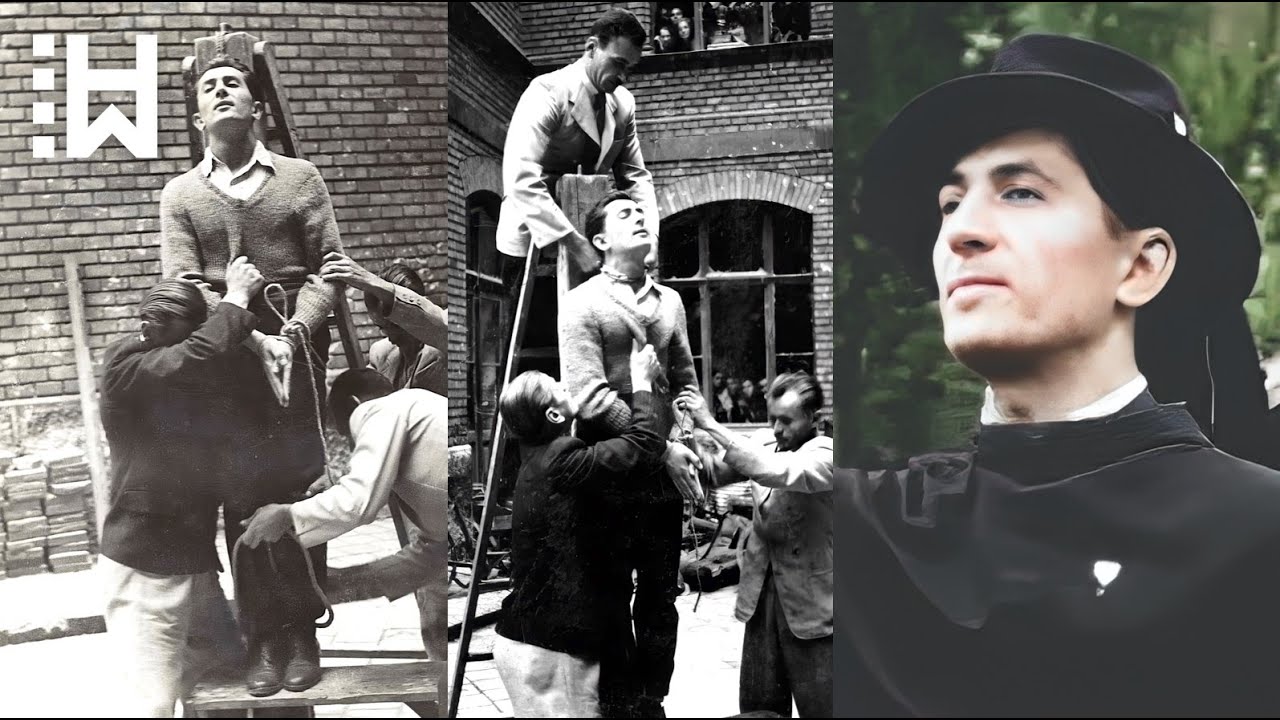
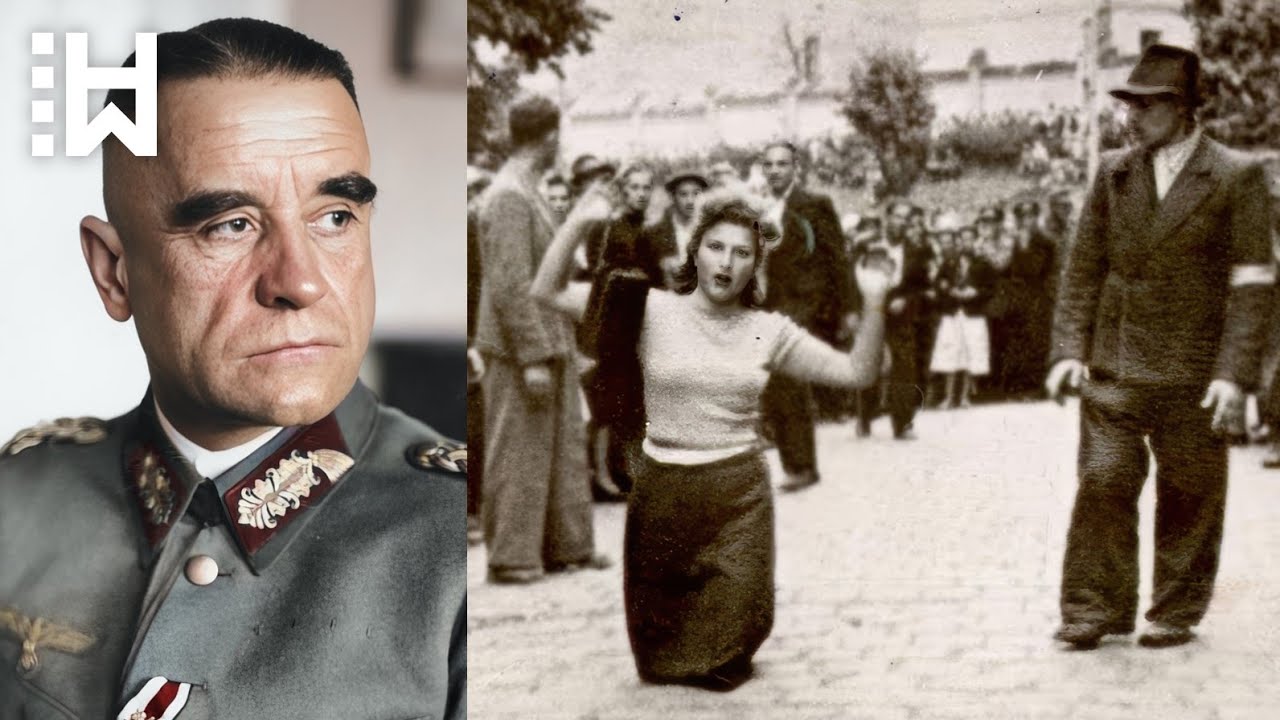
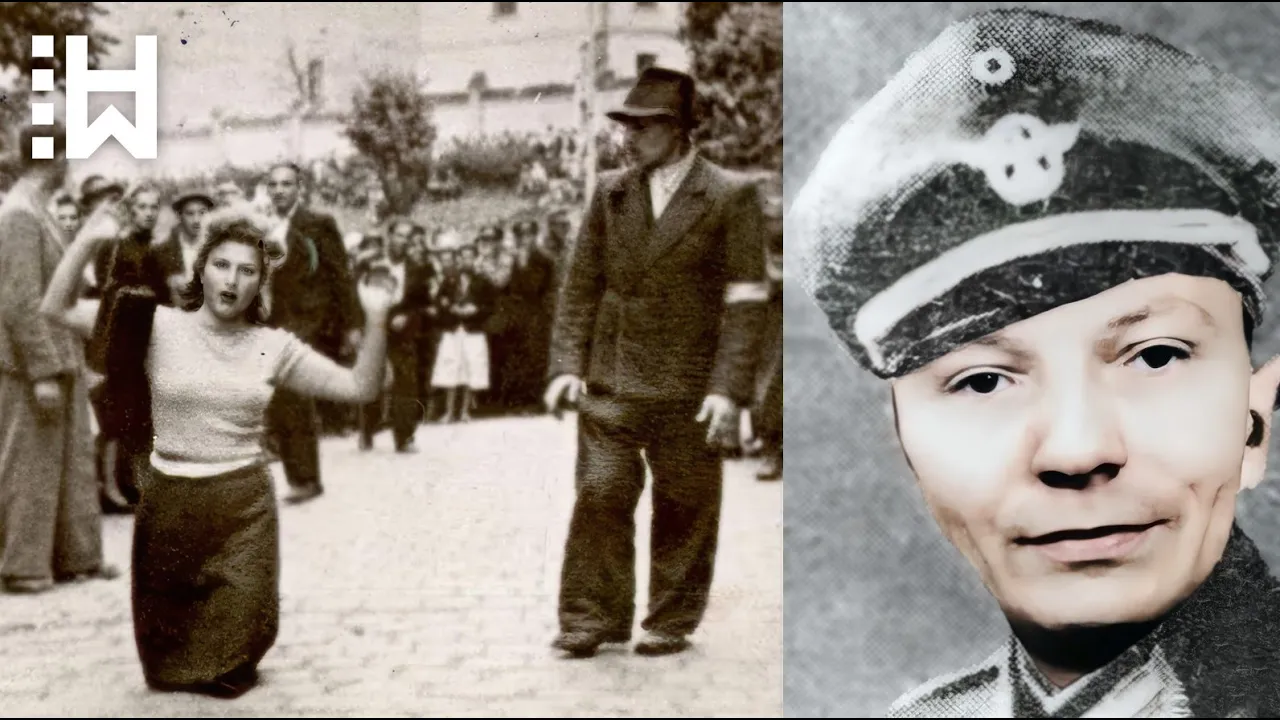
The 1st of September 1939: Nazi Germany invades Poland, which marks the beginning of the Second World War. After defeating the Polish army, Nazi officials conduct indiscriminate retaliatory operations in reprisal for resistance activities. One of many punitive measures designed by Nazi Germany to inflict terror on the civilian population is the so-called “pacification operations.
” Conducted in areas of partisan activity, these include mass arrests and executions of civilians. The number of Polish settlements targeted in these operations is approximately 825, and among the victims are children as young as 1. 5 years old, women, as well as fathers attempting to save their families.
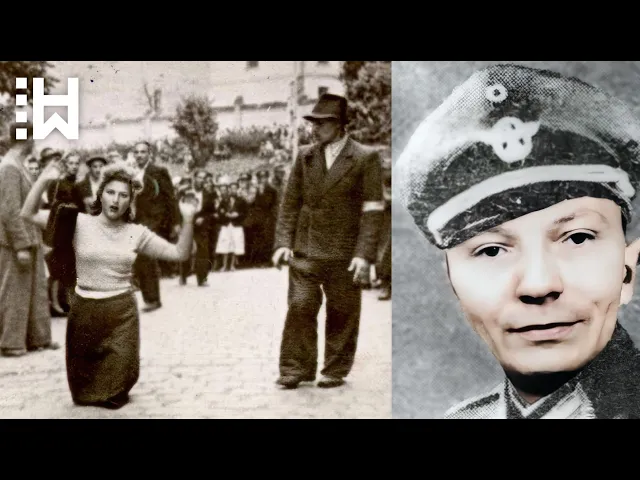
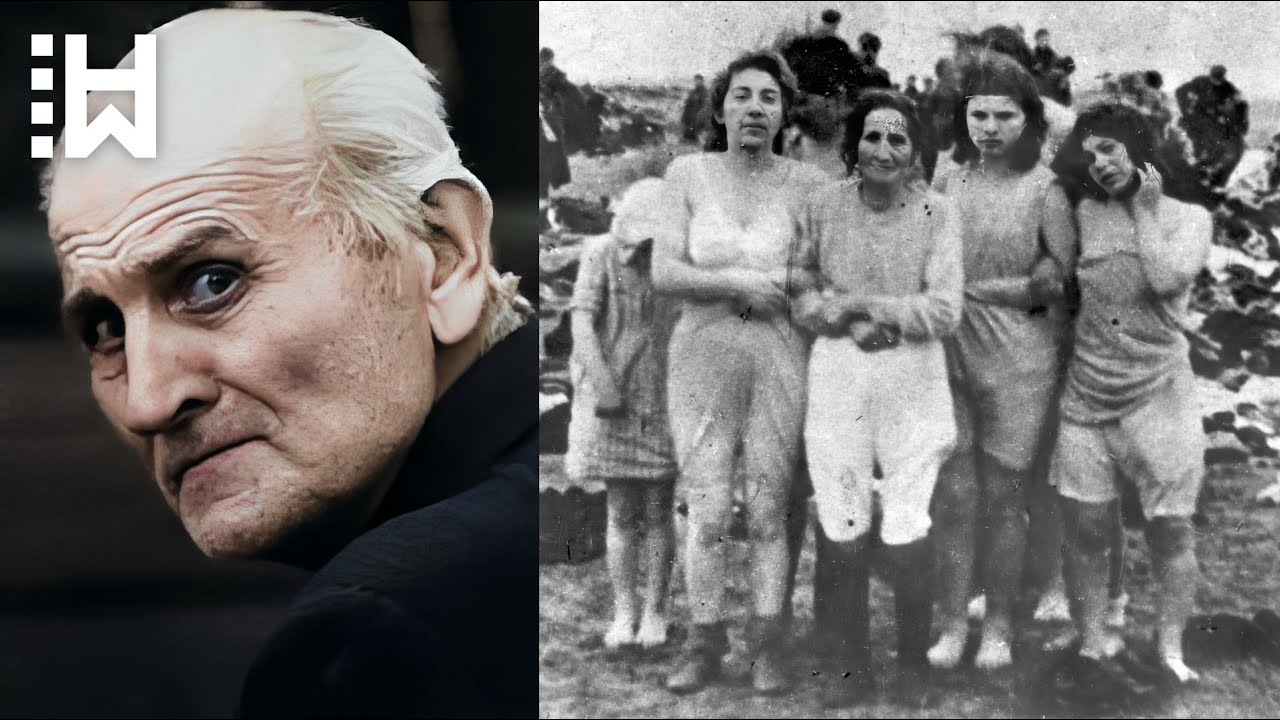
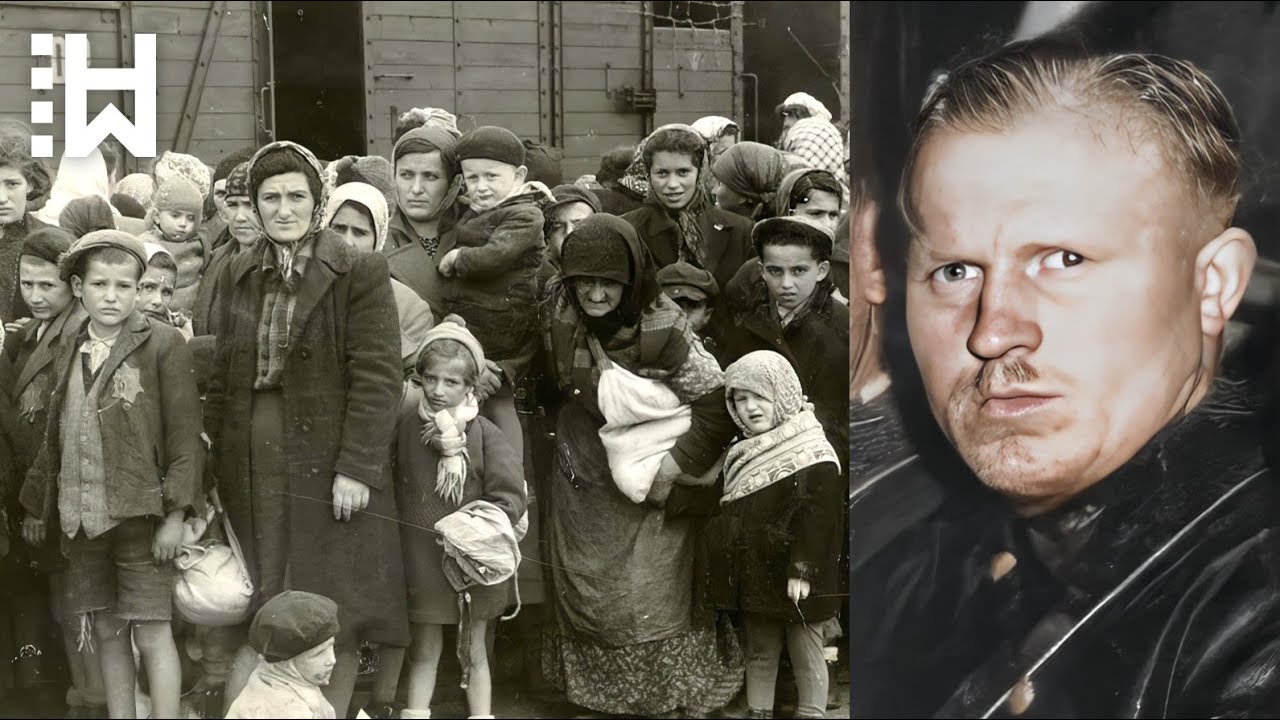
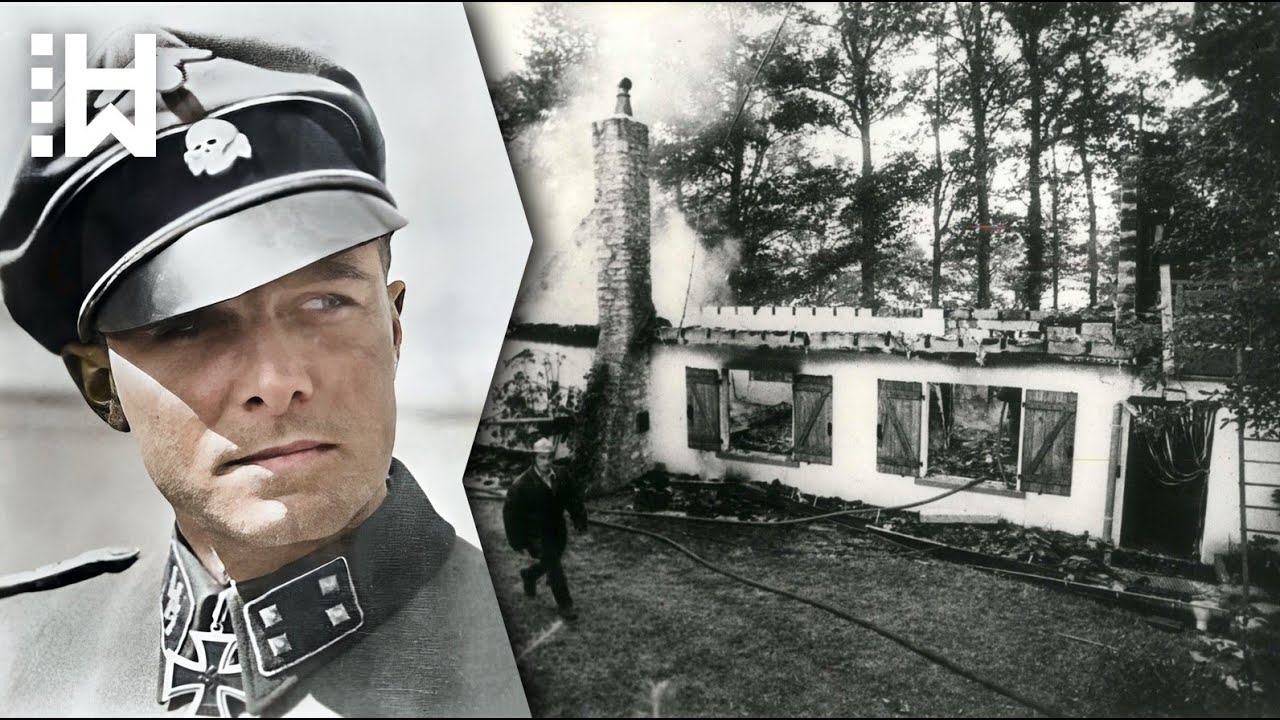
One of the main perpetrators of these atrocities is a German officer who, for his brutality, will become known as the “Butcher of Łysogóry. " His name is Albert Schuster. Albert Hugo Schuster was born on 13 February 1912 in Plauen, then part of the German Empire.
From 1926 to 1928, Schuster completed an apprenticeship as a bricklayer and carpenter. In 1929, the “Great Depression” began in the United States. This severe economic recession had far-reaching effects around the globe, especially in Europe.
Germany was no exception, and over the winter of 1929-30, the number of unemployed rose from 1. 4 million to over 2 million. Because his father became unemployed and could no longer support him financially, in 1931, the 19-year-old Schuster had to leave the State Construction School in Plauen, where he wanted to take the master builder exam.
By the time Hitler became Chancellor in January 1933, one in three Germans was unemployed, with the figure hitting 6. 1 million. By this time, Schuster had received his police training at the police academy in Meissen, and then he continued at the gendarmerie academy in Riesa.
On May 1, 1933, Schuster joined the Nazi Party and worked in the Schutzpolizei, which was the state protection police of Nazi Germany. In October of the same year, he was appointed to Wachtmeister, which was the British equivalent to corporal, and in October 1937, he was promoted to Oberwachtmeister, which was equivalent to sergeant in the UK army. After a six-month officer training course in Berlin-Köpenick, Schuster was promoted to lieutenant in the Schutzpolizei and Untersturmführer in the SS, which was equivalent to second lieutenant.
When the Second World War began on 1 September 1939, Schuster was working at a motorized traffic department in Berlin-Buch, where he remained until October 1940. He then served as adjutant to the police president in Plauen. From March until October 1941, he taught civil law at the Suhl Gendarmerie School.
From October 1941 to January 1942, he was the platoon leader of the gendarmerie platoon 7 at the Fraustadt Gendarmerie School, where he trained the members of the gendarmerie platoon in measures against the so-called “combating of gangs” and the extermination of partisan fighters designated as “bandits and bandit supporters” in the occupied “eastern territories. ” Schuster lost this position when he was sentenced by the Düsseldorf SS and Police Court to an indefinite prison term for insulting the commander of the Gendarmerie School. He served his sentence from January to March 1942 in a building in the commandant's area of the Buchenwald concentration camp, without having any contact with the inmates of the camp.
After serving his sentence, by order of the leader of the SS, Heinrich Himmler, Schuster was ordered back to the Fraustadt Gendarmerie School and began forming the Gendarmeriebataillons, to which he belonged until mid-April 1943 and with which he committed war crimes in many Polish towns. First, however, Schuster was deployed to Belarus with the task of fighting guerrillas and shooting Jews. It was in the spring of 1943 when he was sent to the Holy Cross Mountains in central Poland, where, for his brutality, he became known as the "Butcher of Łysogóry.
" Schuster commanded the 62nd Motorized Gendarmerie Regiment, and their main objective was the liquidation of partisan groups. The first pacification actions took place, immediately after the arrival of the gendarmes, as early as April 1943. The group used carts instead of motor vehicles so they could surprise attack their targets.
They were extremely active, practically every day combing the surrounding areas in search of "suspects. " Men, women, and children who were discovered by chance during a patrol were summarily executed. The pattern of pacification of villages carried out by Schuster's unit looked the same every time.
At night or early in the morning, soldiers and gendarmes surrounded the entire village. They would then round up the residents in one central location, dividing them into women with children and men. When a list of everyone was available, more names were read out, passing them on to Schuster's subordinates.
When someone was missing from the list, a random person was selected, often more than there were on the list. Schuster’s men then carried out the executions, usually by a single shot to the back of the head. The platoon commander primarily searched for people who had clothing similar to the uniforms or who were not exactly known by name.
Civilians were arrested as hostages for family members who could not be found and were later shot. After a failed attempt by partisans to destroy his post, Schuster moved to the monastery in the village of Saint Catherine, believing Poles would be less likely to shoot at a church. He tortured and murdered approximately 80 there, as well as hundreds of residents in the surrounding villages.
Victims had to dig their own graves. After the massacres, a so-called “final speech” was usually held about how necessary his action against the bandits was, and as a reward, he would order himself and the gendarmes to put out lunch. Afterwards, the villagers were ordered to thank Schuster for not killing them all and for freeing them from what the Germans called “bandits.
” On May 25, 1943, the pacification of the village of Wola Szczygiełkowa was carried out. The entire population was gathered in front of the local school. Schuster gave the assembled people 15 minutes to give information about the partisans.
Receiving no response, he declared that every 7th man would be shot. The execution was carried out on 21 people. On June 1, 1943, gendarmes organized a raid in Bodzentyn.
A public execution was carried out, shooting 39 men. At the end of June, the village of Debno was pacified — 28 people were killed, including 10 women. Between March and July 1943, Schuster and his men.
. . Murdered over 400 people.
On one occasion, he burned two children alive. In January 1944, Schuster went on a "rally of death" in the Opoczno area. Drving from village to village, he and his men kidnapped, robbed, tortured, and killed people who were unlucky enough to be in his way.
After being ambushed by a Home Army unit near the village of Ojrzeń, 12 of Schuster's men were killed, and Schuster himself lost an eye. Fifteen local people were killed in retaliation. In January 1945, Schuster left for Germany on sick leave.
World War II in Europe ended on 8 May 1945. By then, for killing innocent Jews and Poles, Schuster had been awarded the Iron Cross Second Class and the War Merit Cross First Class with Swords. After the war, Schuster was arrested on suspicion of war crimes but released due to a lack of evidence.
He then settled in Raschau, East Germany. Though in 1951 he was hired by the East German secret police – the Stasi – as an informant, he did not escape justice. The hunt for Schuster began in 1967 when a Polish war crimes commission conducted an investigation into his crimes.
It was completed a year later, and after the files were sent abroad, it turned out that Albert Schuster was still alive and living in the vicinity of today’s Chemnitz. After East German officials were officially informed about Schuster, the Stasi ceased contact with him, and in December 1970, Albert Schuster was arrested. Schuster's trial started in January 1973.
Schuster attempted to defer blame to the Gestapo for the shootings. At one point during his trial, Wacław Dziuba, a surviving witness who showed a bullet scar on his neck, said he had been saved by an unexpected act of mercy by one of Schuster's men. Dziuba had survived the initial massacre when the bullet only grazed his neck.
One of Schuster's men noticed he was still alive, but instead of finishing him off, whispered to him, "Lay still, everyone's dead. " When Schuster heard this, he suddenly stood up and shouted, "The witness is lying; it's impossible. My gendarmes were so disciplined that no one would allow himself to be so disloyal.
This is slander. This cannot be true, because my soldiers were exactly following their orders, killing those forest bandits. " The presiding judge responded by mentioning the name of one of Schuster's victims, Wanda Piwowarczyk.
Piwowarczyk was a two-year-old girl whom Schuster had personally executed as she was crying and hugging her mother. Schuster waited for Piwowarczyk's mother to recover from the shock of watching her daughter being murdered, then smiled at the woman and shot her in the head. She fell down while still holding her daughter in her arms.
Dziuba witnessed the entire chain of events. When the judge asked Schuster if Wanda Piwowarczyk was a bandit, he went silent. Albert Schuster was found guilty of participating in the rounding up and deportation of Jews in the Belarusian town of Novogrudok and the murder of at least 400 villagers in Poland and was sentenced to death.
On 31 May 1973, when Schuster was shot at Leipzig Prison, he was 61 years old. His body was cremated and buried in an unmarked grave. There were no tears shed for Albert Schuster.
Thanks for watching the World History Channel. Be sure to like and subscribe and click the bell notification icon so you don't miss our next episodes. We thank you, and we'll see you next time on the channel.