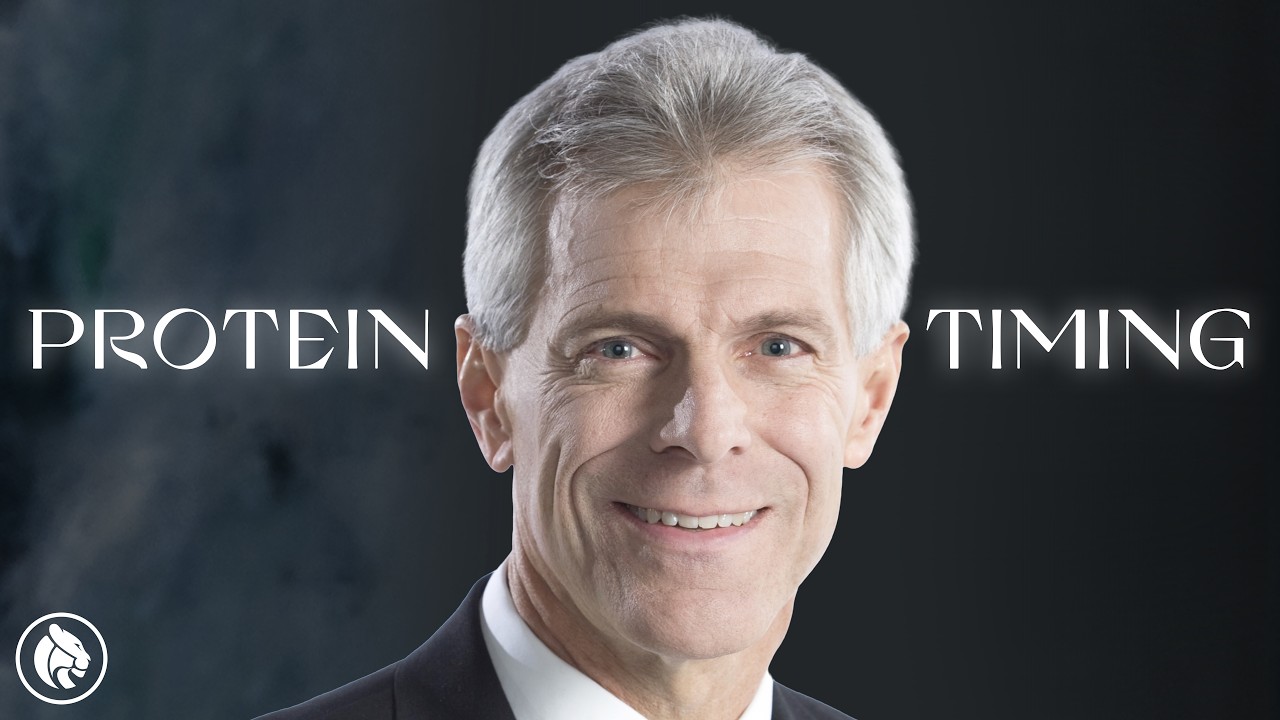
Hello and welcome to inside exercise I'm Emeritus Professor Glenn McConnell I just had a really great chat with Professor Stuart Phillips from McMaster University in Canada he is an absolute expert on protein and muscle so to give you an idea he's had several hundred peer-reviewed Journal articles and also its H index is 115. so what this means is that he's had 115 Journal articles that have been cited in other Journal articles 115 times or more this is really remarkable and easily within the top one percent of all scientists so we talked a lot about how
to increase your muscle mass and maintain your muscle mass and we talked about how this is especially important with aging so we talked about different types of exercise in terms of muscle mass different ways of training to increase your muscle mass and maintain your Muscle mass and we also talked a lot about the optimum dietary practices to increase your muscle mass so here interestingly Stewart said his opinion has changed over the years based on his research so initially he was very much of the opinion that you needed to get your protein at least in part
from meat but now he is fighting with his research that as long as you have a healthy um well-balanced diet you can get enough protein from plants and plant-based Diets um to increase your muscle mass and maintain your muscle mass so that was very interesting now the one caveat there was with aging you need to be a little bit more careful with what you eat to make sure you're getting enough protein now the other thing he mentioned was the timing of your protein intake is not that important so he's shown that for example exercise increases
protein synthesis for Around 48 hours so it makes very little difference that window of when you eat your protein he also said that most people do not need any sort of protein supplementation so if you have a normal healthy mixed diet then there is no need to supplement with protein so a very interesting chat I think like myself you'll get a lot out of this one so stick around hi Stuart how are you thanks for coming on I'm doing well Glenn thanks for having me on appreciate It yeah I mean you're you're a massive following
it's something I can only dream of to get a following like yours on Twitter um for inside exercise it's got his downsides as well believe me it means a lot of critics out there oh yeah but also you've managed to have I never heard of this to Marty gabala said at this Kardashian index where people have like a lot of followers but not many papers but you've actually got both so Yeah yeah it's uh John John Hawley actually uh teases me a little bit about the Kardashian index and they said I'm not even close to
where it becomes problematic so I said if I do I said then I'm getting out of Science and uh I should be on a talk show somewhere oh yeah because it's what the number of papers divide no the number of citations divided by the number of Twitter followers and you followers yeah yeah yeah I still think you've got way more Papers than maybe I'm still very happy with the range I still think I'm a scientist I suppose uh social media celebrity exactly and highly cited papers as well so okay so what I like to do
sometimes at the start is to say you know how did you get into exercise research because a lot of people like I was originally like a like a runner so I had the interest and then I became a researcher other people were scientists and then I became interested In exercise how did you get to doing what you're doing yeah yeah thanks you know it's interesting to hang around in this field and to talk to people a lot of whom were very very good athletes to start out with so I I would love to be able
to say I have a story like that but I was a very mediocre um but you know my sports I was a team sport guy growing up um uh I played rugby was my main sport and uh and Obviously like living in Canada ice hockey and you know everything else that went along with it but um uh playing rugby uh I uh I broke my leg at a pivotal moment in my academic career base basically my last year of University and I was convinced up until that time I was going to medical school and um
I as a result of breaking my like I couldn't play rugby and so I I took on a thesis project and it was one of those and I know it doesn't happen for Everybody and it wasn't really a true Epiphany but it really was an experience where I got in the lab and I was I was doing molecular biology and peroxisomes it was totally different and uh but but I I really loved being in the lab and I love school I I loved reading and discovering and I never really got tired of learning and so
when it came time to make a decision I said I'm going to do a masters and I did a masters and I did it with Mark Tonopolski who you know a lot of you know he's a Legend um and he really influenced how I thought about things and and I did it in athletes as well so I I got to combine my my love of exercise in athletics with nutrition and then biochemistry and and and it just kind of you know spiral that out of control from there and then I don't think it was until
the time when I actually got the job here at McMaster the same day that my colleague Dr Marty Gopala got hired actually we got hired on the same day and I was like like I literally was like holy like I guess here I am so I'm gonna be a professor but but all along and and people I said this to people and they and they say oh you're joking I said I had doubts about what I was going to do like I knew I I liked science and I liked research but I still I was
like I don't know if this is really gonna and then all of a sudden and then yeah this this year is 20 26 Years at McMaster so it's it's been a good run yeah you've stayed there the whole time I've noticed that with a few of the Canadian people they tend to stay at the same place the same well Marty Cabana yeah yeah yeah of course of course I was just thinking when I I ended up doing my masters with David costell at Ball State yeah I was thinking McMaster Flem McConnell Nick master I should
have done it yeah we had you here for a little bit didn't We we you you've spent some time here not funnily enough I've got around the place but I've never actually been I've driven through Ontario okay um Ontario estate but I've never actually gone to any of those universities I haven't even like dropped in there because what I did there that was before I you know I was like an academic so anyway well we both paid rugby I was like a fullback what were you Uh I started out because I was much smaller I
was a hooker but then I graduated but when I retired unofficially I was a flanker but I got out of the game of rugby when guys who were bigger than me were Wingers you know and you know the generation of that game where it just started to all of a sudden I was like I gotta get out of this well actually this is a good little intro to the topic right yes of how they got bigger and stronger but I guess okay So what we're going to talk about today with and everything around that of
course gaining muscle to combat losing muscle which which made me think a little bit is you know as people get older they start to take more of interest in like aging research and it is something and I had Michael Joyner on here which is great and and he was saying he wants to maximize maximalize his muscle mass before he gets to 70 because then after that he thinks it Won't so that maybe that's a good yeah sort of way to start talking about this why would you want to gain muscle to combat losing muscle yeah
yeah well the parallels are striking and I think this is sort of what we're beginning to realize now is that um you know the and and you know your description of uh making is you know sort of more aging is important um I I think you can characterize the First sort of half to two-thirds of my career here is really focusing on young healthy individuals and trying to maximize muscle mass from that end and then as I got a little older but also you know I'm the director of What's called the physical activity center of
excellence here and we've got 500 community members the average age of which is about 72 uh coming into exercise and so I started talking to these people and saying you know what is It that kind of keeps you going what do you why do you come here what's what's you know and um and then more of the tissue that we study which is muscle uh it just became apparent that uh there was this much to learn about preserving muscle to essentially buffer yourself against the decline as you age um and that then sort of gave
us another lease on on the research that we're doing now so I think the analogy with with osteopenia osteoporosis is pretty Similar it's not like the precipitous decline that you get in women after the menopause although there's probably some suggestions that muscles share some of the similar etiology because estrogen you know in women has some degree of muscle preservative properties but in men it's the same thing so age-related sarcopenia is this sort of slow decline but um yeah so start out as high as you can to buffer yourself Against some sort of probably I think
it's disuse event we we like referred to them as in hospitalization sickness that sort of thing and in that sense then I think muscle becomes a functional reserve and an ability to buffer yourself against covet stay and ICU on operation uh you know a cancer treatment lots of different things and you know an age uh unfortunately is the major risk factor for all of those types of chronic Disease and a full a full is a major yeah yeah yeah so I'm interested I guess because you know it's the same with VO2 max you know people
go oh you lose one percent per year or you know your heart function whatever it is but as you touched on then how much of that can you stop by continuing to to exercise yeah it's a good question it's a hard one to answer because you know interestingly enough um a lot of the data about the uh the Decline in VO2 max comes from longitudinal studies of you know of Masters of athletes uh and we don't have the same body of data in um people who are lifters uh for the most part and this is
an interesting sort of phenomenon that I've noticed is that if you lifted big heavy weights early in life if you didn't stop doing it at some point you're actually in a bit of a bad way later in life so you know that's been Part of the push that I've sort of said you know there's a time in your life to lift heavy and don't get me wrong when I was a young man that's all I wanted to do uh but at some point you got to back off on that because it's a it's not a
long-term solution and something that you could do day in and day out but we don't have the same type of data so if you lift weights you can slow it to this degree or whatever the assumption is based on observational cross-sectional Studies people who are stronger tend to live longer they don't get as much cancer they don't get as much heart disease they don't get as much type 2 diabetes interestingly enough everything that we're seeing now is that it's actually additive to cardiovascular fitness so Fitness reduce your risk like this and then strength and muscle
is another sort of knock so the two together really and you know that's the guidelines right so exactly exactly I Think I've so used to the Toyota someone sent a tweet the other day um you know that that people don't they kind of think more about the cardiovascular um well sorry the aerobic you know the need to keep doing aerobic type exercise and don't necessarily think about oh I I noticed on Twitter because I I didn't used to use Twitter as much and now I do you know with inside exercise yeah I see all sorts
of stuff and often it's like The other way it's like all they want to do is talk about doing weight training and they don't they you know don't do any you know yeah cardio yeah I mean I mean I think I think you know the ethos are the answer to the question of is is always do something because it's a lot better than doing nothing and it's you know taking people from nothing to something is the biggest reduction in risk it for everything we know that um the what of what you do uh is is
an Interesting question and and um that's become a little bit of one of my more recent I'll call it sideline obsessions is to try and begin to get people to realize that and I think this is probably true and I forget who who said this on Twitter uh but essentially Being cardiovascularly Fit gets you to let's call it old age whatever that is you know 60 65 without any sort of major chronic disease setting in uh but being stronger at a certain point in your life Particularly as you get older I think becomes the rate
limiting uh parameter for doing particular thing like standing up and getting out of a chair that's not a that's not a cardiovascular phenomenon going up and down stairs heart butt legs too so I I there's reason to believe that um doing both is is better for you and and the evidence is beginning to accumulate but you know I've done these talks at ACSM and lots of other places Where I've said if Ken Cooper from longitudinal aerobic study Ken Cooper were a lifter uh we we all know a lot more about lifting but he was he
was a runner uh and you know him and Stephen Blair and then Etc you know they've inculcated physical activity guidelines with aerobic fitness as they should um but I think we're beginning to appreciate the role at strength and muscle play a little bit more now okay So do we need to talk I I think we do need to talk about how to maximize your gains I guess people are going to be interested so you know how often and I know it's got a basic but how often how many stats reps yeah all that sort of
stuff but again as you said the main thing we wanted to do is get people to do exercise that's the difficult one because sometimes you just want to keep it simple because the more complicated you get they'll be like hang on it's Stuart Phillips say I should do three sets or two sets whatever and then it just gets so complicated they don't do it or you know what I mean so yeah yeah I think that there's sort of generic advice that um you know if you've got completely novice untrained people uh the guidelines have probably
probably got it right you know two sessions of strengthening exercise and and the type of strengthening exercise that I talk about and that most people in in the Field talk about it is weight lifting and I I do know that you know some people have a beef with the fact that when they classify certain activities of strengthening they might say oh you know Pilates is strengthening and it is to a certain degree but it's not the type of strengthening work that I'm talking about so it's resistive in nature trying to move a load that you
know an external load um that's heavier than you would Normally do or for a certain number of repetitions um then we get into the debate then becomes one of you know what are the maximum you know sets reps frequency uh type of you know free weights etc etc and and it gets very really complicated and and when I back out and take a like a bigger picture look at that I say to people that if you accept the fact that when people talk about Engaging in resistance exercise and self-report uh you've got about uh you
know I think it's pretty similar in Australia and probably most of Europe the UK Canada and definitely the us it's about 10 percent of the population so okay I so I'm talking about the 95 or the 90 or or whatever you want to call it I'm talking about most of the people and not the advanced trainers and periodization and you know these sorts of things where you begin to get into Very very subtle twists much like running right like running's good for you yes so go out and run or go out and walk but once
you've run a lot and if you want to be a better performer than you know just going out of running isn't enough you've gotta you gotta have a track working you have a threshold workout you gotta know how to you know get your volume period uh you know and and the complexity becomes I suppose as soon as you start involving equipment it Gets even more complex you know well that's it and you know running is running shoes but when you're talking about I it's interesting I'll I'll invoke John Hawley here one time we're both exercising
and he's riding on a stationary bike watching the U.S men's Olympic Marathon trials and I'm flitting around the gym lifting pushing you know doing all this and he says to me he goes I don't know how you do that he goes I Get bored and I'm like you sat on a stationary how much to Marathon trial I'm like but I totally get that because I could sit in a chair and watch a marathon trials yeah well but I mean I I think the point is is not right now to the to the point a lot
of people get confused you know what should they do how much should I do so we've begun to try and sort of Coach people particularly the older people in the facility we have to use effort as a Guide and and so you know rating a perceived exertion at the end are you at a 10 out of 10 and in the Red Zone I don't need you to be there but I'd like it if you could get to a 9 out of 10 uh in the yellow or in the orange or an eight out of 10
in the yellow and they go oh well how will I know I said keep doing it you'll get a sense and at the end and they're doing that it's one and they're like I could probably do a couple of more and I'm like you know so That becomes the repetitions you have in reserve and I'm like you're good you you don't need to do those two more like I don't I don't need a spotter to help you with that last one and do this sort of thing but if you're working in about an eight or
nine out of ten you you're getting a lot of the benefit that you want and the analogy I always use is you dip a cloth in water and you squeeze it and the first turn a Lot of water comes out and then you squeeze a little more a little less and then you squeeze it and that so on the fifth turn the cloth's turning in on itself and less and less water is coming out I like that one you've got the benefit right you've gone on the Steep part of the curve I'm like rest I'm
like you know we're not going to turn you into some you know world record holding power lifter but I want you to have a better quality of life I said I'm pretty Sure most of that comes with hitting that kind of sweet spot of you know seven or eight or nine out of ten uh and every now and again maybe you do the 10 out of 10 like it's and that's that maybe shares some parallels with you know the Marty gabala hit sort of every now and again it's good to push the ceiling don't do
it every day but it's not a bad idea that's good it's funny writing a perceived exertion came up again because we I had Samuel Um makora oh Mercury yeah sure now very different different uh concept but during that I said how David costell would you know back in 89 when I did my masters there he'd be um he liked the rpe because he said it brings together all the you know you lactate your heart rate your breathing it brings it all together and and it's just come up again which it hadn't really come in yeah
no it's uh it's a it's a simple concept but yeah I I agree 100 it's this talking to This type of everything at some point you know failure or you know momentary muscular failure fatigue whatever you want it's it means that you know if I go there then you know I'm definitely done and I don't need you to go there come close and and effort is a as a perceived exertion is a wonderful way of gauging uh it's probably find the research would show that as well that if you did you know you'd get most
of your gains probably get an RP of 7 out of ten Anyway and then a bit more eight and a bit more at night yeah I I would think so again that's for the 80 who are doing no weight lifting at all in the novices and everything you know you get more experienced I get it like I'm I'm never gonna suggest um you know everybody train that way and use it all the time but it's a very useful guide and I think it simplifies a lot of the you know people say free weight heavy or
or free weight uh Machine weight and I'm like actually doesn't matter like your muscle doesn't know the difference it that's not like you know unless you're doing something very specific and and then of course you know if you want to get good at you know to use the National Football League the NFL combine test as an example then you train for the combine you you don't practice lists that aren't done in the combine you you just do 225 pounds on a bench press for repetitions you know a Good score on that used to be like
10. now guys are doing 50. so it's nice it's not a test of strength anymore it's a test that's endurance for goodness sake so that's true that's true well actually just because you've touched on that there's there's sometimes a bit of confusion about you know muscular endurance versus endurance endurance and do you want to just explain that a little bit and even you know strength versus because even The definition of strength people don't quite quite get it do you want to just say strength versus endurance yeah yeah well I mean you know the the the
the older world not old and I think but it was that there was a strength endurance Continuum and you know at one end of it it was the heaviest weight that you could lift one time let's say or or you couldn't even you tried as hard as you but you couldn't lift it so it's it that that Would be isometric like you're trying to produce Force but your muscle is not getting shorter you can't push the bar off your chest or over your head or whatever it is uh and then at the other end is
something so light that you can do it seemingly forever quote unquote and so you know somewhere in there the closer to the things you could do forever that's endurance like activity and you get more mitochondria more capillaries you tend to get your Cardiovascular system into play and at the other end it requires you know neuromuscular coordination you got to activate all your muscle fibers and um at some point you're generating High forces that would never be part of the endurance end because those are very light forces turning a crank on a bike for example but
some people are very good at doing that and do doing it at a very high level and bringing it up to you know ridiculous levels of oxygen Uptake and other people tend to be very good at generating High forces and lifting heavy things um I tend to think that natural selection would favor the people that were fitter but there are some people and you know we know this we've done enough training studies and just natural phenomenons of nature people who lift weights and uh they get strong and they get strong fast And you know some
of them not all of them they get big they just grow muscle like and it's almost like you can watch them get bigger um and you know thank Mom thank dad and uh and the environment and everything else and uh you know you're a weight lifter you're uh you're a runner that's the way it goes actually the muscle endurance I just remembered I just pictured saying a video years and years and years ago so Sebastian Co I think You would know was you know 1500 meter 800 1500 meters absolutely uh gold medalist in the Olympics
world record holder yeah I saw a video of him back then I was like what is he doing because I just thought the gym was what you do you know eight to twelve reps he was doing leg press um he was doing 40 or 50 or maybe even 100 um leg presses so just you know naturally that's it's uh it's not trying To get explosive speed a force but just endurance and a weight you know that's harder than you would normally do sort of thing yeah yeah and it's interesting I I think probably when you
and I were were in school and we were like I was told you know when when we were getting training for rugby it was it was all about Fitness and it was you know you had to move around and and be ready to go for 80 minutes at a stretch and there was a little bit of you know physical Contact obviously strength was an issue but it was we we trained for fitness and then this sort of strength became part of it and you know a lot of Runners I'm sure we're told don't lift weights
it'll just make you slower and the interesting part is that you know some you know there's a watershed paper I remember in the Journal of Applied physiology around you know even 5 000 meter Runners who did some weight lifting got biomechanically more Efficient and so their oxygen costs are running at a certain Pace dropped a little bit but you know Andy Jones is given the example enough times a little bit multiplied by a long distance means a lot um and and I think that we you know people begun to realize is that you could be
fit and that was good and if you're a big guy and you were fit even better uh but if you're a big guy and you're a fit and you were strong and you Could you had power you could generate Force quickly all of a sudden and you know so no problem if you're a front row or a second row or back row was when those guys started showing up in the in the centers and and on the wing and I was like holy cow these now Jonah Lomo will be the prototypical oh my big man
Winger who was strong ran fast and just I just got to shiver up my spine because I just I'm I'm actually in New Zealand to her so Jonah and let me played rugby For New Zealand as you know yeah holy mackerel I still have a DVD I actually don't have a DVD player anymore but I'm going to do yeah I'm just alone my Mama gave me the Highlight like he was he he just broke the mold he he was the guy that combined all of the things and they think began you know for me anyway
as a physiologist to think like wow like you can be big and and fast and and fit and you know all of a sudden you put all of that in and and now you know I don't Know who it is and what sport but there are a lot of examples of athletes who have mastered the ability to combine all of those things into one package football NFL linebackers are a prototypical they're they're big they're strong they're fast you know it's crazy actually just that point there about the 5 000 meter Runner during during strength training
yeah I guess my old-fashioned thinking there was was that that would be for injury prevention Mainly but you're saying it does actually uh make you a little bit more efficient I wonder if you know just to touch it's it's not a huge effect like I said it but it was enough to improve the um the running economy of those individuals I I but I I don't disagree at all with the injury prevention and I think that that probably goes and you know you could get Keith Barr on here and talk about connective tissue properties and
um maybe not the the Muscle so much but definitely the uh ligament tendon uh issues and everything else that go along with that and I think that that's probably where a lot of uh Runners and and that sort of thing would say I have issues with this do a little weight training all of a sudden you find some of those issues tend to settle down so I guess it's also it's easy to see with cyclists where you know the movement they're doing is that Willie burns your quads you you feel like it Flies a bit
stronger I could go harder it really you could see that with cyclists right and it would make sense almost that each contraction would be less you know close to your maximum which has to help right right all right now I know people are probably going to be Keen for us to talk about protein and it is uh part of it um I've I've actually the thing I've had in my head for a long time and I think I tweeted about it at One stage and you may have liked it as well and it may be
totally wrong but I think it's a good place to start is I when I learned and this again this is like 1986 to 1989 was my undergrad I learned you know that 0.8 grams per kilogram per day of protein is what people need and then then the paper came out I can't remember who it was classic so it said 1.2 to 1.7 grams per kilogram per day if you're an athlete maybe 1.2 At the endurance end of 1.7 at the strength then and then and then it was like hang on but the average American gets
1.5 grams per kilogram per day anyway in their diet and the people that exercise more are going to eat more unless you're on the Hermann Ponce school which I had him on but you know generally you're going to eat more yeah so then I'm like hang on doesn't everyone get enough okay and I've seen you've tweeted about that sometimes Where where um anyway so why don't you tell us about that why don't you tell us about that uh yeah yeah it's a it's uh so I think you you know uh you and I we were
we were probably around the same same age when we were hitting undergrad and grad um yeah when I went the first when I did did my masters I worked with Mark Turner bolsky and it was probably Mark turnopolsky or Peter lemon's papers that you were reading nitrogen balance in Athletes and and they've actually found the higher requirements for protein we're endurance athletes and everybody was like what are you talking about that's crazy uh but endurance athletes you know they burn a lot of fuel right and even though protein is a small amount of the fuel
that they burn um a small amount multiplied by a lot of endurance exercise you begin to burn the protein you begin to so your needs for Protein so uh it's probably about 1.7 grams for the endurance athletes about 1.2 for the lifters now the lifters were big really big uh bodybuilders and we're in a very high state of training and when you look at their bare sort of needs I think that's probably right I think those messages are probably right I think the uh and it's a subtle difference to understand the difference between need and
then what you can take in to optimize your Adaptation um and the two are are well one it is ostensibly anyway easier need to measure than optimization and it's it's hard to sort of know where need becomes you know optimization becomes just you know more and more protein and you're not getting anything back um you know fast forward through probably about two decades worth of research and I was convinced that you know protein requirements were Definitely up here and you know people needed to pay attention to timing and all kinds of things and you know
things change in science people tend to get upset when um you change your mind but uh that's the way that science works and I wouldn't be a good scientist if I didn't look at some of our own data and sort of say you know what here's the deal um protein adds a little bit to muscle Mass gain how much it adds is is Trivial uh most of the gains that you get come from going to the gym and and lifting weights protein adds a thin slice on top uh yeah that's how much thin slice of
meat right yeah yeah well that's it people want to have syntax every two minutes yeah a thin slice on top yeah you know and and um that's the evidence I mean that's the the they're the data I think when you look at the endurance question Uh I think it's even probably a thinner slice into your point if these people are matching their energy intake with their energy expenditure which you know they are unless they're trying to lose weight uh then even if they're eating a a you know a standard sort of mixed diet they're getting
enough protein um and I I I had a uh I was on a podcast with Simon Hill and talking to uh Chris Gardner at his Stanford and we were both sort of I think Chris was like we don't Need that much protein and I was like no we don't and he was sort of like right and he makes the point and I think it's a valid one is that most um you know most North Americans are are getting enough I think uh the only population I worry about and and now with a focus on Aging
it is older people um who I we we now know and you know Luke Van Loon and and uh Phil Atherton Blake raspberry anybody that studies older people will tell you that they Become resistant to the normal anabolic effects of protein much like you know aging and insulin resistance if you want to draw an analogy and so you probably either need higher amounts of protein or better quality protein to make up for that or the other the only other degree of Freedom that you have is be as active as you can for as long as
you can because I'm I'm certain that some of that anabolic resistance because we can make it happen in young people by like Immobilizing one of their legs it becomes it looks it looks older and so you know the disuse is clearly a part of the anabolic resistance but I mean I think Mike and the 70 year old cusp is probably right like 70 and 75 and then pick your favorite Theory of Aging things just begin to unravel a little bit and it's not that you still can't do good for yourself it becomes hard you know
I don't mitochondrial dysfunction telomere shortening uh you know you you Name it right a lot loss of proteostasis I mean you know pick your favorite Theory um but up until then you can make some you know you can keep yourself in pretty good shape for sure so again with the pro the sort of resistance you're talking about as you say it's like the insulin resistance but you're saying again if you're Contracting the muscle then you're getting increased uh well I know is it is it Goma uh you may have Done the studies as well were
you mtor mtor activation yeah so where you exercise you increase yeah you increase the protein synthesis rate for like 48 hours or something yeah increase I mean yeah we showed that for you know and that was in young people big volume of exercise but happens for two days and so you know the the obsession around the timing of food the guys with the Shakers in the gym uh it's ridiculous you know I I should look this up because I quote it So many times but there's a group that wrote you know we used to talk
remember the the the window uh yeah the window so the anabolic window people say oh yeah I needed the I need the antibiotic window and they and they talk about the anabolic garage door like it's it's open it's huge and it's open for a long time you know just relax have a oh walk walk home have a meal and and everything so and then people go supplements what about supplements I said supplements are Convenient and that's sort of where the you know and and they are pure forms of protein so if you don't want to
worry about the carbs and the fat and maybe but then all the other nutrients that exist in food supplements are okay but are they necessary not at all not at all yeah well that's the thing I mean I just I hardly want to get you to repeat it over and over but maybe at the end we'll do take away messages Um because it must change you know a long time I had a lot of supplement people going yeah let's do Phillips he's talking he's great and then now I'm like supplements aren't necessary they're like I
hate that stupid Village guy you know and then everybody else is like but you said for so I said science you know this this is the science this is this is what it is and you know I know a lot of look not Everybody agrees I come you know I don't want to pretend like I'm it and and you know nobody else opposes me there's there's other people who disagree they're like they're certain that it's 2.2 grams or one gram per pound and you know you even your data and I said well even my data
uh so we've done two meta-analyzes now and we still see nothing you know so uh or a very thin it's it's very similar when I have um people talking about carbohydrate Metabolism yeah you know we have the same thing with you know oh you gotta have all these grams of carbohydrate per yeah per hour per day to maximize your glycogen and yeah we have the same sort of discussions like like if you're exercising like once a day even if you're exercising really hard do you need to have like maximum glycogen at every millisecond you don't
yeah you just have normal food yeah and um I remember I had a participant once and we Worked out that is 20 five percent of his dietary intake was carbohydrate drinks you know just just packing them in because he wanted to have it before the exercise during the exercise yeah after the exercise now as you say it's the same now with protein right oh do you have your shake um you know you do a search you know have you shake before the exercise during the exercise straight after like within a millisecond so you're actually Shaking
it just before you last set yeah intercept intercept you know just to prevent protein this is the the uh for a while it was you know uh but still is time restricted feeding intermittent fasting uh I'm doing a day and people would would worry about the proteolysis like the brake protein breakdown that would happen on the day when they weren't eating so they would say so I I take I I just ingest some branched chain amino acids so I'm like so you're you're Not fasting man and they go and in the US there's an FDA
Quirk that on the on the label it says you know with amino acids it says zero calories and they're like well they don't have any calories and I'm like you know that's a label cork of course they have calories but you know you're probably getting a rise in insulin and you know what I mean insulin is like the it's like the you know the devil these days because you know well what do you mean and I'm like Well protein gives an insulin response too well you know yeah people have sort of a mild you know
visceral reaction so yeah it's just Such a Pity that everything's become so commercialized I guess you know that that they think about supplements uh sports drink even even I did a study during my um my I did a study and I'd say the company but they they um they sponsored the study and I you know use their Carbohydrate drink but then I wrote an article saying how 99 of people don't need carbohydrate drinks because they're just going to the gym they're just working out 45 minutes an hour your glucose isn't going to drop that quickly
yeah um and if you do need it just make it yourself just get sugar and water and maybe a bit of cordial a bit of salt and then the company rang me like three times in like a space of two hours what Are you doing heretical you know yeah yeah yeah yeah you know it's it's it you see that too and it's it's again it's been a evolution of my understanding and just by hanging around with this is the fun part about you know the job that you know we do right is you get to
meet a lot of people and you get to just through osmosis listen to really smart people talk about things and and even though it's not your area just because you're there Um and you know I had the pleasure of sitting in lausanne Switzerland which is you know it's not a bad place to hang out right and being part of the ioc consensus statement that they the first time the ioc actually said you know yeah Sports supplements let's talk about them and you you shake the you know you shake the jar and you're waiting for you
know what comes out and you pull out oh creatine and then sodium bicarbonate like baking soda right and you're like We've known about that for about 70 years you know uh caffeine oh you know carbohydrate sports drink but but only a little bit of protein powders but only a little bit and then after that like man the list falls off really quickly and like it just just it defies logic to think that Rahman says it very well right uh if there's something that sounds too good to be true it probably is and if it is
too good to be true it's probably banned right so Okay uh I I can't put it any simpler but it it it it really irks people to hear that is if there is some unlocked supplement that is going to release something from the muscle that is you know just heretofore been undiscovered and you know uh and again like you said the main thing is to do the resistance training you know yeah that's that's you know we said before he came on here he said you know I stole your idea or something about you were thinking
you Know when I retire I can do a podcast but you know what I've I've been contacted several times and I don't even have that many you know views and things yet um people wanting me to to flog amino acids um during the podcast yeah you know absolutely could you imagine you would just go crazy like you yeah writing a podcast you would get so many people wanting you to do that yeah yeah no no and and look yeah I mean it's fair Fair of me to say like we've done some work where and I
have I have two patents and Mark tronopolski has a company and they own the patents and everybody's like oh look Phillips are sold out to the supplement company and you know you're probably doing this podcast from Tahiti and this is just a put on shirt and I'm like you know I have a good job and I enjoy my job but it's not like I'm making any in fact it's zero dollars zero point zero dollars right in the Same you know uh but people have made a huge issue over that but in the context where we're
or Mark's company is selling them I'm okay because it's always in combination with exercise and yeah the supplement contains creatinine go figure uh there you go funnily enough Creighton is one that probably does have some evidence yeah that yeah I think that that's it's probably it's like the a grade supplement like it's it came Eric Holtman and you know he did a lot of great work with it um you know Peter hessel's group a ton of great work um and time and time again yeah it there's something there and it works and now we're beginning
to see things like cognitive benefits and you know tarna polsky is the person who probably he he puts all of his neuromuscular disease patients on that supplement so I have a chat to him because I actually Asked him to come on the podcast but I haven't had any luck yet um all right I'll push him for you don't there you go so you mentioned um protein quality so with with aging and the natural question then becomes so another big one is do you need to be getting your protein from animal sources or uh you know
as plant-based diet okay Etc can we just talk about that one a little bit Yeah so this is another one um that my opinion has shifted over the Years you asked me this 20 years ago and and I would have given you the standard line uh animal Source proteins are higher higher quality uh they've got more essential amino acids their digestibility is better they're they're better for you they're better for muscle growth and everything else like that 15 years ago I'm like yeah pretty um holding true to that one 10 years ago I'm like I
don't know I think there might be and we began to get evidence That maybe it wasn't the case you do a few systematic reviews no difference between animal and plant protein in terms of muscle mass gain we collaborated with a group in Brazil we compared complete vegan vegetarians using soy protein oh okay so the best plant protein out there no difference versus omnivores um now in you know 2022 it's a situation where uh 23 now uh it's a situation where the Amount of products plant-based uh that are available uh and so and process plant-based Foods
I'll agree with that um that are the quality issue is is a non-issue and there are more now plant protein concentrates or isolates so the digestibility issue is completely uh removed uh that actually in our hands they're on par with animal-based proteins with respect to stimulating muscle protein synthesis um you know promoting muscle growth There's really much less difference so I I I used to think that that was a big deal uh I think less and less it's it's an issue I think you do have to be a little bit more judicious about how you
pick your foods but then lots of colleagues and Friends vegans say it's really not that hard and and I I I have to take their word for it because it's not how I plan my diet I'm not I'm omnivorous so I I worry less about the quality of The protein that I eat but I think if you're you're vegan now it's much easier to be a vegan even if you're an older person um and and still be in pretty good shape add exercise to that and look it's hard to argue with the observational data of
people who subsist on Purely vegan vegetarian diet Seventh-Day Adventists and a lot of other lifestyle factors people living in blue zones and yes I get a lot of other genetic factors they Tend to optimize their health and um you know again I know I'm gonna upset a lot of people by saying that but I think the differences are if they're there they're pretty small um if they are bigger than people claim then it's probably not to do with the quality of the protein at least in my opinion but more to do with a lot of
animal source of protein that we eat comes along with a lot of other nutrients calcium iron B12 zinc that we don't get or vegans maybe struggle to get and so that may be if there's any advantage that's the biggest one I think what about what about the growth maybe this is beat up but what about the growth factors they put in some of the meat yeah well you so I think that's that's stretching it uh to be honest with you yeah I I yeah yeah that's plenty of beat up it probably doesn't end up in
the meat you Know and people people talk about that but I again the answer to that question is always just show me some data like show me some decent data and the dairy the dairy um folks have done the best comparison of that with you know cows that were given uh hormones to increase lactation for longer um there's no growth factor that ends up in the milk but that's the point yeah okay the RBST you know uh anti-rbst uh Bovine cement tropin's uh Lobby in the United States has really beating that down and you're really
looking at about last I guess I think it was about less than 10 percent of dairies in the U.S and in Canada you can't use it I don't think you can use it in Australia or New Zealand either so cool all right so just just to tease that out a little bit there so um you were talking about the the isolates and things you can get the soy Isolates and things so so do you think just to take the next step I get it's just having normal food just food food and and doing weight training
do you feel like you would get the same adaptation same strength same um increase in muscle mass if you're like a vegan but again because I would have thought if they're eating beans and legumes and whatever you'd get enough protein or is that or is that not the case do you think you do need to be A bit careful here yeah I I I think it it sort of comes down to you know most most vegans that I know and it's not like it's like being an omnivore as well like you can be a good
omnivore and eat very healthy omnivorously um or you can be like just like you can be have a terrible diet and be an omnivore right like like most people do um you know Western diets whatever you want to call it but uh the Western eating pattern or you know food Cafeteria pattern it's Rife it's everywhere if there's an enemy in any of this it's it's not I don't think it's with animal Source protein versus plant Source protein it's the processed food that's in the middle it tastes great it's hyper palatable uh it's got you know
a mouth feel and a salt and a fat and you're like oh I mean the expression Moorish is is widely known in the food industry this is what you want to layer into a cookie a bar you know you name it And there are thousands of new processed food products every year every year so I you know when I talk to athletes and they sort what should I eat and everything I you know I I think I Go Everywhere I Go in the world and that's been a privilege of having the position I've had to
go to the grocery store and they're all laid out the same I know in Oz it's exactly the same as that around the outside of the store so usually Dairy meat produce or you know in some Order stay up there and and then like you'll be in good good shape go down the middle of the uh the chips the biscuits that you know chocolate everything yeah don't forget chocolate I'm a bad man about chocolate well I I and I if there's a Kryptonite in my world Glenn it's chocolate so let's be clear we can we
can all Shake Hands on that one but you know I I don't think um Anybody is is losing something by uh by being vegan and and especially like the trade-off is if it's the trade-off for the health benefits are associated with more fiber and everything else that's associated with being vegan and we will leave the environmental and everything issue aside um as opposed to oh you're you're giving up you know some amount of muscle mass if you're lifting weights that argument is Is carries no weight at all wow like it's like if you're lifting weights
you're getting 90 95 percent of the benefit and and to say that you're you're there's something you're not getting because you're not eating animal Source protein um I I think that that's a that's a complete you know there's no evidence to show that so and as you say there's so much junk that People eat and I know Raul beskos he was my postdoc at one stage he did a study to look at I think it was nitrates and vegetarians and it ended up there was no difference between the vegetarians and the non-vegetarians because the vegetarians
ate crap he assumed that the the vegetarians would have more nitrate in their diet you could be a bad vegetarian you know I I I I I not to stereotype but I have done my fair share of looking at you know diet And food records and uh man you know some cross-country Runners who for whatever reason they swear off eating you know I don't want to eat red meat I want to eat this so they would have you know uh like a you know peanut butter sandwich with uh with a Diet Coke and I'm like
they're like I'm vegan and I'm like you are that's still uh less calories than you need uh peanut butter is not a good source of protein uh and the white Wonder Bread that you're Eating and the diet coke like you know I mean you have to do yourself some benefit if you ate a full sugar Coke probably because you need the energy but and then they wonder why they get a stress fracture or they're anemic you know and you know so you can be you can be a craft vegan just like you could be a
crappy omnivore and not to be virtuous about the uh the choice I understand it for a lot of reasons Beyond just the food Choice itself but um I think the Same truism applies that's the other funny thing he's saying about having a Diet Coke because you see now these diet sports drinks it's like hang on I thought the whole idea is to to get the sugar in there and you know the other thing I just thought of is Oreos and I'm going to give Oreos a hard time yeah yeah they're actually vegan you could go
your whole day you eat uh you eat uh nothing but uh protein bars And and Oreos and uh and you're vegan I mean you're lacto because probably the the protein in the protein bar is is dairy derived but you know you're a vegan you're not eating healthy but but you're a vegan all right so if we just talk about um the way some of the ways you've studied these things so naturally what we've been talking about is the end point which is great because sometimes people want to do a study and they look At for
example uh muscle protein synthesis you could be looking at this yeah it's up or down but you're not actually looking at the end point of whether there's any difference in strength or size like a month later or whatever so we've actually been talking about the endpoint but then why don't you just talk a bit about um the methods you use and do the end points and the methods match up so you know your muscle protein synthesis if It's up yeah in the first few hours after exercise yeah does it does it always then translate to
if you kept doing that whatever it is supplement or different way of doing you know a different amount of weight training does it usually end up matching with the end point as well yeah so the way I explain this is that looking at muscle protein synthesis uh in terms of you feed a protein you get a synthetic response it's much like Looking uh at the glycemic response to a type of carbohydrate it's an it's an index of the availability in the case of the glycemic index of the sugar the glucose um we get a phenotype
big response in that we get muscle protein synthesis so that would be say muscle glycogen storage I think in parallels are pretty easy to grasp um the question of what what that does then to to Performance is you know There's a lot of steps in between um but it gives you an idea of what's going on we spent years measuring muscle protein synthetic responses and my sort of you know again programmed understanding was that became muscle accrual muscle accrual be greater um lo and behold you get better and better methods we now use deuterated water
we study people over weeks um and the measures don't quite play out quite as much but they're not bad but Then we do the training study and you leave people and you bring them into train but you're not watching what they eat too much and they're doing all of their regular things sleep stress blah blah blah blah and things tend to come out in the wash like it it this the protein synthetic response definitely exaggerates if you like the potential for the muscle to beget muscle growth uh the medium term durated water response I'm a
little bit more confident but the Training study is the only way to do it and and in that sense then there's not a great correlation between the acute protein synthetic response and the long-term outcome so uh it hurts me to say that we've studied it for years uh I think you know I still like the mechanistic stuff I still think that we're now we're now sort of re-going through another round of MPS studies with mostly with plant-based proteins um but the plant-based proteins are are Putting themselves up against you know animal-based proteins so if whey
is the ostensible gold standard highest quality easily easily digested what's a pea protein going to do what's a rice protein gonna do what's that and and there are some that that are not as good what does that mean from you know from that standpoint for the longer term outcome that's really a question that remains to be answered the only people For whom I gain I I would sort of say that there's some relevance to are are older people and that's a gain related to this issue of anabolic resistance but again if you get an older
person and you know I'll quote Mike Joyner on this since you've had him on the show good good friend really really great guy um and he said that exercises the forgiver of many sins so you know if it's a sin to eat a you know vegan vegetarian diet then just just exercise Because it makes the muscle more anabolically sensitive it's really the thing that's and I've had this argument with a number of people um I quote Jack LaLanne uh all the time you know um exercises King nutrition is clean put them together you've got a
kingdom and they and and now I've got Shona Olson to quote a famous Australian Tommy and sleep is the is the prince and I'm like okay fair enough um you know but but my point is is that Exercise and I do believe this like it's the heady hand in terms of driving the health benefit not that diet isn't um it just I think you can out exercise poor relatively poor dietary habits I don't want to get so far as you can see you can outrun a diet you know a bad diet but you know that's
been the rallying cry for years for people to say that it's all about weight loss and and you know if that's the lens then You know you could learn more from Herman Ponce than you could from uh for me for sure yeah that's an interesting one because I saw uh might you mentioned Mike Joyner he wrote an article I think it was with you right about yeah he and I wrote it yeah out running a bad diet and the funny thing I started reading the just in the abstract I was talking about to do with
weight loss but I I guess I I must have just got that wrong because I Always just thought for health yeah the title was out running bad diet like Beyond weight loss so everything other than weight loss okay um exercise is remarkably good for you like it the problem with you know the the weight loss only argument which is what really drove the anti-carb high fat sentiment that was you know in Vogue I think it had its Heyday it may still be around in certain things was was basically this is the only way you can
Lose weight or it's the only way that I found to lose weight yeah it still works through thermodynamics and and you know ponzer would definitely agree with that the problem had been is then like so you can out exercise a bad diet became the rallying cry for so why sort of almost like why bother exercising and you know um and you know my my point and Mike's Point in the paper was let's forget about you know the sort of mono lens on weight losses the outcome and the driver Of health and talk about everything else
that that exercise does geez so I must have blown that because I just looked the the abstract but if you read the title in the abstract and the idea was is to fish people in with the title because they're not I made the mistakes yeah I made the mistake of posting it on social reposting it on social media recently and you know like the yeah let's just say the hatred um was was vitriolic and I'm like read The paper I can't read p-wall and everything and I'm like there's lots of ways to get the paper
that's that aren't that actually don't go through the paywall so um I hate to I don't want to violate copyright by saying there's lots of ways to get the paper but at least read the paper like you know I think you know you know how everything today tells you how long it takes I want to say it's a four a four or five minute read and it's not Complicated language like it's actually written sorry so I'm on the Simon's there because I looked at it and I just because partly because I'm doing a podcast every
week and I did three and I've got three and I've got two one another one in two days time is sometimes I've actually am one of these people that just like reads the bottom you know the the last line the abstract which is not good but you might you must find like an and you know uh Twitter is Bad Facebook's a little better Instagram is the worst uh Tick Tock is I think is out to lunch but for the proliferation I call it the the proliferation and then the subsequent dilution of expertise there's so many
experts and and and what people classify I've done my research and I'm like you know what if you've done a lot of reading that's research of A Sort but it you know like when you're in the game and you're Reading grants and you're re reviewing papers and you're doing studies so I have data from from the hard-working crew of graduate students but I'm not it's not published yet but I know and I'm talking about that and people go there's no data for that I'm like well actually there is or you know wait there will be
uh like I don't get out there and say stuff just because there's that thing I can't remember the name of it but it's actually I Googled It it's a some um uh it's the concept that the people that no less are more definitive about it and yeah and also there's the one it's the one there's actually the one I'm thinking about is saying something that you throwing something out there without evidence is actually easier than saying something with evidence because then you could back it up or something Absolutely absolutely I mean there's there's all sorts
of names and logical fallacies that go into this stuff but I mean it's uh so so I you know all I do and people you know you you probably appreciate this is that a lot of my colleagues you know they go oh like all the time you spend on social media I'm like I don't spend as much time as you know this guy here that like his life is social media and uh I said I do it because I'm trying to promote good Science that's why I'm talking to you that's why I I value and
spend my podcast time listening to your podcast right so thank you very much but yeah no it's true but but you know it's not what a lot of people want to hear they they they would have to climb out of their Echo chamber and uh and and then you know uh it's an opportunity lost and it's much easier to just consume on this surface and Skip across And subscribe to only what you believe and that's that's The way things go okay just bringing back to something I thought of earlier I didn't say it so that
I've always thought about when you say how much amino acids how much protein do you need in your diet people tend to think ah you know I'm doing this weight training I need this protein now all right which we've talked about the timing thing but I also think about that you've got turnover right so remember yeah the thing the thing also would be like You've got to have it in this meal but as you as you say I would have thought what's happening is you do the exercise for example then you get the DNA it
gets you know you get messenger RNA produced you get the transfer RNA it goes out and goes right I need this amino acid oh it's not there now that amino acid that's in the blood is floating around not from just what you've eaten the last day or two but from breaking down turning over the protein you're gonna be Breaking it down it's going in the blood whatever is is that right and then does that sort of throw out the whole idea of this needing to have complementary proteins and having to have all the essential amino
acids in every meal you know what I mean yeah big big question I I'll see this and this is one thing that I don't think people talk about near enough is that the the gradient to charge a TRNA with an amino acid so This is the pool of TRNA like it's it's like this and then this is the free pool of amino acids like it's massive it's not like so there's always enough intracellular free amino acids to charge a TRNA oh so you also even inside the muscle cell so I'm talking about it being absolute
blood yeah it doesn't matter I mean yeah okay Marty gabala would you know and in another life he he talked about protein metabolism and amino acids and you know the Periodontics and everything uh I I I occasionally he does in our grad course we still do it but he'll make the point that says that you know until you elevate blood amino acids so you eat Protein that's the only time that you get an inward driving gradient for amino acids to be taken up into muscle every other time it actually favors net efflux of amino acids
and and as you know most of what comes out of muscle isn't all of the amino acids it's Mostly alanine and glutamine nitrogen carriers right so I think your point around that the turnover is you know is any is any uh amino acid ever going to become rate limiting um probably not uh but what we've begun to understand now is the key amino acid that for muscle anyway turns protein synthesis on is leucine and once you have that it's like the process you know the light switch is flicked and the rest of the amino acids
then are The Supporting Cast to continue the rate of protein synthesis you you probably do need inward flux into the muscle despite that massive gradient that I I talked about but the rest of the amino acids then are almost I I talk about them in a Supporting Cast role rather than being drivers of their bricks that are needed to be put into the wall but at a certain point even that process turns itself off like if it Didn't then all you need to do is eat protein and you you get huge right and we know
that doesn't happen so there's some feedback that says okay it's time to shut this off even when you're lifting weights and that's why not everybody who lifts weights and eats a lot of protein gets massive and the only way to circumvent that is you know as an anabolic steroid or some sort of preparation that removes the the normal biological lid which which is Uh in this you know this chokes people to hear me say this but it's a it's a genetically programmed ceiling why would it be any different than any other biological phenomena I like
you know I mean you probably had aspirations at some point of being a world-class Runner but at some point you realized [ __ ] I just don't have the right size heart I don't have you know and everything else and you you know you're Just like you're above average but my mediocre physiology I I wanted to be this and I realized as my dad once said he goes son you know and plus when I played rugby it was an amateur game but it just became professional he said Sonny goes the size of these blokes playing
over here now he said uh I'd start using your head a little bit more instead of bashing a hit against these big oh my gosh yeah I just remembered I've tried to make a bit of a comeback And ask another story but anyway the first tackle I did I got knocked out well my sons will tell you they were very young but they're they're much older now but they will tell you I tried to make a comeback too and I I not only uh separated but I dislocated my my shoulder and they they learned a
few new words that day was the physio on the sideline popped it back in believe it or not this was this was a guy who was who used to play international for Fiji And then he happened to be living in Melbourne so he was just playing for the local team you know and that was my first tackle yeah I um well now just just just thinking about you know some of the Bros might jump on something he said so should they all race out and buy leucine and they should they always out they have steroids
you know because you sort of said that's the that's yeah yeah look uh it was so you know most of all the things we've talked about apply with Respect to protein and quality whey leucine like it's it's Topsy you can't do any better um people talked for a while about and and to use the phrase that was Vogue at the time about pimping out your food like adding leucine to the top of it to kind of take it to the next level and you know the truth is again um the process is I like to
use the dimmer switch analogy so you know you can turn it on and then you can twist it A little bit more and then you can try and twist but you can't make the light any brighter so you can't turn protein synthesis on more than a certain capacity like it just tops out at a certain level um David sabatini's got a lab at MIT really big guy in this area cestron 2 is the protein that is the putative leucine binder that interacts with mtor and relieves its inhibition et cetera Etc um once it's saturated How
can you how can you turn the light you can't make proteins well you know it's a beautiful thing you're talking about saturated so remember your earlier one about squeezing out the sponge you could see the same thing you filled up with water they're not idle analogies Glenn they're not idled you fill it up with more water it's your point your point is spot on you're spot on like you just can't you can't squeeze anymore uh you know anabolic steroids What they do is essentially they they take the lid off of all the negative feedback loop
that is that is there for a reason I mean you know reproductive tissue cancers um like prostate cancer are driven by testosterone so you know treatment of um of um prostate cancer is to put guys on hormone uh there or basically hormone ablation therapy and knock their testosterone down that takes the cancerous growth driver away from the Prostate so you can see the analogy going in the opposite direction saying and you know and everybody's sort of oh I know a guy who took this and and this is sort of what debunks everything it's like the
the one the smoker who lives to 95 so it's okay to smoke you know and I'm like not not the rule the exception and so take anabolic steroids you get bigger The Perils of them are are very well documented uh I won't talk about you Know strong and testicles or you know you know that sort of thing but I'll talk about cancer and lots of other uh issues and you know bodybuilding is a sport an art whatever you want to call it uh I think it's it's well known when you get to the highest levels
the Diabolical things those people do it's it's insane that any of them survive to be honest with you all right now I'm going to stop I've got these Twitter questions uh let's see Yeah so we we um we exchanged some tweets this morning and uh uh Henning mockerhaga my uh good friend uh in Germany I was talking about you know and I get asked a lot about um what are the adverse effects of protein and for years you know when I first started this it was proteins would make your bones dissolve and you know because
they create acidity and then acidity leeches calcium out of your bones and everything and the complete Opposite is true so if as long as you've got calcium and vitamin D levels dialed in uh protein is actually a bone supportive nutrient you know 40 of your bone mass is actually protein it's it's collagen but but it's protein uh and then it was like okay so uh and and that's been thoroughly debunked meta-analyzes at the yin yang and the next one is protein causes your kidneys to fail uh ourselves other groups have looked for this evidence so
this is a I'd want to say it's about a 50 year old hypothesis now guy named Brenner came up with it and And I stress hypothesis protein leads to urea production urea is a solute solutes need to be filtered more urea kidney sort of you know it's almost like it's fatigued and tired out and you lose the functional units of your kidney and then the evidence that often gets cited in support of that is that people with kidney failure are put on low protein Diets and that prolongs their survival but it's that's a reverse corollary
right you can't say because you know the question is whether the protein cause the kidney failure in the first place so when you look for evidence observational or experimental Interventional uh there's no data right and and I think then people say well absence of evidence is an Evidence of absence and I'm like you're right but here we are 50 years after the hypothesis was made and still Searching for The Smoking Gun or whatever it is the the definitive piece of evidence that shows the causative role of protein in renal failure in fact these mendelian uh
studies randomization studies and you know I won't don't know enough to say uh I've actually shown it's it's it's the opposite if it's anything so I I digress so let's just say I can think I can put that one to bed but Henning asked and a lot of people ask these days about protein Turning on mtor and that then contributing to a reduction in longevity because longevity and over stimulation of the mtor pathway they're just not compatible and so when you deprive it uh fruit flies all the way up to to I won't say primates
because we've got conflicting data but short-lived inbred mammals rats and mice they live longer protein restrict you get the same types of effects so there are a lot of people talking about almost a an anti-aging Effect to do with protein restriction um the problem is is that in humans when you look at the observational data that's out there past a certain age restriction of protein actually predicts and and leads to Frailty or is associated with Frailty because of the muscle mass loss issued that we talked about the anabolic resistance so and then you look for
protein and Longevity studies and of course they're observational we haven't done the Randomized controlled trial but when you look at the observational data it's all over the place and I think the only truism that I can come up with is that plant-based protein and and I know I'm going to get hate mail for this is probably better in terms of longevity than animal-based protein you know so take away from that what you will but certainly there's no human data showing that a lifetime of protein restriction Allah what is put into the The uh rotten Mouse
studies um is associated with an increased longevity and you know so once again there's some data that I'm involved with it's another group that did the majority of the analysis but I'm the one who put them up to it we've been trying to get it published for so long now I I think I think it's fair to say it's almost impressed um that really turns a lot of this on its head and you know it really debunks The idea that protein restriction even before the age of 65 which certain scientists promote as being the sort
of the turning point if you want um it has no role in the promotion of the types of diseases that are supposed to be killing people associated with protein the possible exception and this is where you know I kind of draw a line because I think it's small is that protein is pretty consistently associated with an Increased risk of type 2 diabetes and that may be related to this whole Branch chain amino acid signature which Chris newgaard has promoted but whether it's causative or Association I I I can't say it's observational data of course so
um but let me say is that I I'm really unconvinced that the short-lived inbred rodent data that primarily drives the thesis uh the protein restriction extends lifespan it is actually translatable to to humans And there's lots of examples actually even outside of that with different species that show the the opposite so um that that's sort of my take on it's a long answer to which I think I got across in a few days to Henning and I think he's he subscribes to it um I just I'm not as convinced by this protein restriction Theory um
as a lot of other people add exercise in and I think you completely undo a lot Of the work that's been done in uh in rodents because it's not combined with exercise okay and and I'm assuming most of the rodent studies they're just sitting in a cage they don't have a running wheel so they're chronically connected thing and and even even the running wheel part is like that would be a start um what about you know allowing them to climb up a a ladder and do it like it's it's resistive in nature yeah um I
have A good friend colleague we're doing some work with them right now Troy hornberger who has a Mighty Mouse model where he gets these mice to climb up a treadmill and pull a big heavy sled and these mice literally look like like they are they're swole they're they're big mice and you know so what if you had those kind of people and and and then you gave them a running wheel as well I mean mice can run what is it it's like 10 kilometers a night yeah it's insane yeah So my point was that like
I'm assuming the studies of the shine the protein restriction this is beneficial in rats that are unphysiologically said just in a cage if you just had them on a running wheel at least they could be sort of normally active and then see if the same as well they could be active to the extent we think is a good idea whether that's normal I think in the human population is probably abnormal but but you get my point I I absolutely you know One of the things I do say is that particularly in old age this downward
sort of sarcopenic decline if we all age like that we probably would be okay but it's when you hit a a you know my late friend Doug Patton Jones a catabolic crisis you you get sick you get cancer you're in hospital you're in bed you get blue you get coveted you're in the you know something like that that catabolic crisis those are watershed moments for older people so I'd like to see our Protein restricted animal exposed to a couple of catabolic crises and see whether they have the functional Reserve which is their muscle uh to
withstand that my bet is that they probably wouldn't be in as good a shape okay so I've got another question from Twitter mark Friedman uh oh Lynn back um why is there like a like a difference in longevity between like endurance athletes and former endurance athletes so I think Insurance Um sorry endurance athletes live longer than weight trained athletes is that correct and why do you think yeah yeah yeah yeah yeah so that's it's interesting I mean I do think that you know I'll put the top levels I I think that uh you know Masters
athletes who are Runners cyclists that sort of thing I don't doubt that they are they are the uh epitome of of optimal aging aging successfully so lifetime Runners lifetime cyclists uh lifetime lifters uh Particularly if they adopt some of the more bizarre habits are associated with powerlifting Etc um bodybuilding in particular I don't think her models of Health I think though when you look at the population aggregated data on people who now self-report but adhere to the guidelines endurance wise adhere to the guidelines strength wise there's an additive benefit in lowering mortality risk across a
number of different health Conditions we've got a paper just got accepted it's I must admit we're all we're doing doing is reproducing other people's data in the paper but we got it out there mainly to try and get it to be more mainstream and understood but the athletic dichotomy is I think because of the specificity of the practice of a lot of associated poor habits that are basically found in lifetime power lifters so it doesn't surprise me yeah okay Okay so another one from Twitter uh anesthesios macros sorry if I've really butchered that some insights
into the emerging evidence showing that muscle hypertrophy is achieved through high and low uh resistance training and also some insights regarding your recent study the role of muscle capitalization on muscle hypertrophy yeah um I I think you know the high load low load uh you know High loads are Required for hypertrophy versus low loads are required for endurance uh I think when you take both of them to fatigue uh it's you know beyond debate now that they both work in the sense that they beget hypertrophy um my good friend Brad schoenfeld uh he's out there
a lot more than I am on social media he's performed several meta-analyzes uh it it's not it it's not not something you can dispute you know the the low loads you probably do a Certain uh rep range you know once you get Beyond 50 reps I doubt whether it's I hypertrophy anymore probably closer to endurance but you know if you're failing at 25 reps uh with a lighter load or you know four or five reps with a heavier load uh you're gonna grow muscle exactly the same and that's basically because close to fatigue or if
you drive people to Absolute fatigue you know the size principle says you're going to recruit all motor units you're going to activate All the muscle fibers and the growth stimulus just happens because that's turning on muscle fibers um the the capillary question is an interesting one and it was my colleague Johnny Parisi that uh in his lab um Aaron Thomas currently a PhD student me actually did the study and they showed that if you did a little bit of endurance work prior to doing hypertrophy work uh that you got a greater hypertrophy um As a
result they think uh of the their thesis was of the capillarization that you got as a result of doing the endurance work and so it comes back to this issue of blood flow but not bulk blood flow into a you know big femoral artery but the local capillary blood flow that is maybe delivering nutrients or facilitating um probably I mean I'm guessing here otocrine or paracrine signals within the Muscle itself and uh you know facilitating growth um I I would love to be able to give you more insight on that one but the truth is
I'm guessing so this is funny because I remember now years and years ago when I was a runner I used to go to the gym and then I used to go for a run after so I had it back to front maybe that's what your goal was right like if you wanted you should have done it that way but probably you know as a runner you're Doing it the right way but you know it's I and I think the other thing we remember the um the old sort of you know interference classic interference effect like
you know the two and now a lot of Studies have shown that probably particularly the way that you perform them and if you perform them like athletes in other words you lift here and run here or run here and lift here and have a period of recovery in between that classic interference effect that You know uh it's it's not there like it you're able to you know ostensibly get the best of both worlds through if you lift heavy and you do a lot you're probably not going to be the best long distance Runner and if
you um you know run and Sprint and don't do long distance you have the same type of thing but team sports athletes and the science of programming these sessions and how they do things that has come a lot a long way and I don't think the two Are quite as incompatible as we once you know sort of told everybody all the time that they were okay great all right well this has been great thank you very much um how about if we just think we've covered a lot of ground here if we just have I
don't know two three three four sort of take-home messages that you'd want people to take on board yeah I mean I think the the you know the biggest one from the from the health standpoint is um I think I think Resistance exercise and being strong is important particularly as you get older I think it's a a key part of aging well and probably needs as much attention as your aerobic fitness um the other one we talked about protein and I think most people are probably getting enough through their normal diet I don't think supplements are
necessary they're useful convenient if you like um as you get older I think people need to begin to pay attention a little bit More to their protein intake not massive amounts but you know don't just become the tea and toast and certain sweet food carbohydrate think a little bit about protein it's it's probably going to be more important than you realize uh and at the same time I I remain to be convinced through any sort of human data that is out there uh the protein is in any way affecting people's longevity or lifespan um protein
restriction study he's Predominantly from rodents really don't I don't think translate particularly well to humans but more work to be done I respect the science that's out there particularly those that do it intriguing um I'm just not convinced we can draw a straight line comparison over to people just yet okay great and I think another sort of takeaway I guess that I've picked up is that you've been willing to move you know you haven't just stayed with your Ideas and hopefully the Bros and various other people can move as well it's hard it's hard it's
been hard to you know you gotta choke it down right for years I I preached a different message and then when I first started saying I don't know this is the case people like what are you talking about you're just you're bowing to pressures you know what I I'm bowing to the science and I'll be honest you know um for as much experimental stuff that We've done Glenn it wasn't until we began to do some of these evidence-based syntheses and I saw the data come out and there was no difference and like or the difference
was like this tiny thin slice and I I just at that point I began to say I'm like geez you know a lot of what I've been telling people like it's not right or if it isn't in effect it's it's this effect I still stand behind lift some weights it's a good idea but the protein on top is um uh and I I've Contributed to that unwillingly uh now I'm trying to set the record straight and just tell people it's a it's a very very small difference I think you can find it great I think
this is a perfect example and a beautiful example of a so-called negative effect I've always had a gripe with people saying oh that's a negative effect you found no effect but I think what what you know what's more important to show oh a you know a plant-based diet is no Different to an animal diet when it comes to you know how's that a negative effect yeah yeah I don't know I I think it's just food and and exercise and you know like it's become not exercised as much but but food in particular is enormously polarizing
I think it's you know it's it's mostly it's almost politics these days and Everybody Eats so everybody's an expert and particularly if you find people with a with a weight loss story And and I understand for a lot of people like weight loss and Lasting weight loss that's an epiphany moment and and I don't want to tell people what to do or not to do if they've been able to achieve that but it doesn't mean it works for everybody and surely if there's an example in human evolution the reason why our species has been around
for as long as it has and you know we haven't been around for that long but we've we've evolved and Survived because we adapted and we're adaptable if we weren't we wouldn't be here exactly and we've been around longer than supplements have yeah yeah a little bit yeah yeah it's just a touch yeah yeah okay well thank you very much for your time I know you said you've actually gone a bit over and your son's waiting on the car so thank you yes probably yeah yeah yeah my pleasure Glenn thanks for having me on it
was fun Great it was fun yeah okay see you mate bye-bye take care I hope you enjoyed this podcast um please like subscribe pass it on to your friends and colleagues check out the other podcasts thanks again