hello my friends today is February 15th and this is Markets weekly now this past week another exciting week in markets pack with all sorts of events now it looks like the S&P 500 is just below its all-time highs I was thinking last week that maybe the highs for the year are in and I can be totally wrong that being said I am not bullish at all all right so this week first let's talk about the data we seem to have had a little bit of an inflation scare last week so let's talk about why that
came and went uh secondly let's talk about the big news from the Trump Administration reciprocal tariffs and lastly let's take a look at euroland where surprisingly it looks like European stocks are absolutely surging all right starting with um the data so this past week so as we all know the market has been really focused on inflation data because of course the FED has been focused on it and this past week we got CPI and PPI now CPI was expected to be you know okay modest 0.3% month over month but it totally totally blew past expectations
and printed at a very hot 0.5% month over month now the market took one look at that print and the bond market basically panicked and you can see the 10-year yield here absolutely surging by around 10 basis points on that day now that of course ring in those fears of a resurgent inflation wave maybe the FED not even can cut maybe they even have to start hiking and I know there are people on the internet who are afraid of that but as you can also see from the 10-year yield that inflation scare Faded Away really
quickly and why is that well shortly after well the day after we got PPI now PPI also seemed to be a bit higher than expected but again as we've talked about many times on this show what the FED cares about is not CPI it's not PPI it's not import prices export prices what it cares about is pce now if you know CPI and if you know PPI you can have a very good calculation of what pce will be now although PPI itself was relatively hot the underlying components within PPI that actually feed into pce were
were kind of cool and so the calculation for the expectation for pce this month is going to be okay right it's going to show year-over-year progress on inflation so that puts us back on track for the FED to at least be in a wait and see attitude now in addition to that we also got some economic data on Friday retail sales that was surprisingly weak and so that seems to have also kindled uh kindled some some concern about the strength of the US economy and on top of that we have you know stuff like tariffs
and so forth which which we're going to talk about shortly now one other thing that caught my eye this past week about the economic data was this really interesting piece in political by Ludwig who was formerly uh the controller of the currency uh decades ago the control of the currency is one of the uh one of three primary banking Regulators in the US and what he has done is that he's been looking at the data and just you know going out and talking to people and he's trying to reconcile this huge difference between the econ
omic data which everyone tells us is very good and does look pretty good and that feeling that the people have that you know the economy is not doing well and that that uh that big gap seems to be seems to seem be due to to a couple things one is that when you're looking at the unemployment for example Ludwick is thinks that you know a big problem is that the unemployment rate whereas it's pretty low say 4.1% it doesn't really cap capture the experiences of a lot of people uh he makes the claim that it
doesn't capture people who are looking for jobs but just totally discouraged and gave up and it doesn't capture the experiences of people who are working part-time not because they want to but because you know they just really can't get um a better job and so by his calculations and again this is there are many ways to look at this there's no right way is that the unemployment rate taking into account these things is uh hugely higher than the 4.1% again his number is you know 27% that that seems to be you know kind of a
bit exaggerated from my perspective but the second thing that he shows which I find to be much more interesting is his view on inflation now as we all know uh CPI year-over-year is you know say 3% now what he's saying is that the CP is a basket of goods that tracks 880,000 prices but in fact of course in our day-to-day lives we don't actually buy 880,000 Goods we only buy a small subset of these prices and when he's focusing on the small subset of prices that middle and lower class Americans buy you know like stuff
like eggs or shelter things like that he's saying that over the past few years the inflation rate has been much much higher than what's been portrayed in CPI and so basically CPI is not a good measure of the experience of the uh American middle class and that uh it might be one of the reasons why everyone feels so down about the economy so down about inflation it's because these indexes that are meant to capture Nationwide uh price levels over a wide range of goods just doesn't reflect accurately the experience of the typical American family and
I think that that that this is something that I feel that is much more reasonable than that huge unemployment rate that he has so that's something to think about and uh when when interpreting sentiment okay the second thing that I want to talk about is of course the big tariff news now this past week we had two new announcements on tariffs one of course was tariffs on steel and aluminum uh Trump is so thinking that steel and aluminum are something of an issue of national security so he's trying to protect these us Industries now looking
at the data it seems like this will largely impact uh countries like Canada and Mexico where the US Imports u a lot of Steel and aluminum um the second thing he is talking about is his big reveal that is his big plan for tariffs that he teased repeatedly and that is reciprocal tariffs now in a pre-recorded okay it wasn't live but it was a recorded press conference that was released after the fact it seems like he's going to start his big tariff plans in on April 2nd the markets took a look at this and just
totally surged it seems like the market is assuming that this is just kind of a negotiated employ because of course today is April February 15th and April is far away I think this is a very very Incorrect and can be fatal assumption for for the market because the reason that he is putting forth these tariffs starting in April has a lot to do with the legal framework that he's using now president Trump is doing a lot of things that are controversial right we have uh Doge being challenged in court and many other things being challenged
in court so in a in order to carry out his goals he needs to do things in a way that's legally defensible now tariffs when we talked about tariffs on Canada and Mexico he used something called aipa International economic emergency Powers whereas a president can himself declare an emergency and then impose tariffs now he was know claiming fentol and so forth which was totally valid for Mexico less so for Canada and using that to uh enact tariffs for his aluminum and steel tariffs he was actually relying upon a lot of paperwork done during his first
Administration in the executive order there's a whole bunch of citations from um proclamations and studies done in 2018 about steel and aluminum and using that as a justification to put on tariffs now in order to do these new round of tariffs that could be to raise revenue could be to reassure American manufacturing now that requires a lot of new studies to be done in order to use section 301 tariffs now that paperwork was set in motion on day one of his presidency through a series of executive orders and Howard look dunck um Secretary of Commerce
has been saying that these studies will be done on April 1st and so on April second the president will have uh the the sufficient paperwork to do these tariffs now there's been a lot of discussion on just how Trump wants to do tariffs some people talked about across theboard tariffs that would maybe slightly increase over month over month or targeted tariffs it seems like what he settled on is what he calls reciprocal tariffs that as something that is I guess politically more defensible basically uh for example the European Union tariffs American cars by 10% us
tariffs European cars much less and so we would just be re go and so the US will tarff European cards at 10% now um and this is something that that I think when played on TV would be a lot more politically palatable than than just putting on big tariffs on everyone after all you can just say that this is fair so we'll do this now an interesting Wrinkle In His executive order is that person Trump cons considers that value added tax to also be a tariff now now every every country has a different uh tax
system in the US we have things like sales tax we have things like income tax and a lot of other countries the European unit in particular they have something called a value added tax which um let's say that you are a manufacturer you buy raw goods for $10 and then you sell you add value to it and you sell it as a finished good for $20 so you add $10 in value added and so you have to pay $10 that on that value added portion it's basically something like a sales tax now the US doesn't
have that but when the US um so exports to other countries they they make um they make they put on a vat tax on this and the this this is you know just kind of like their sales tax but the the Trump Administration is thinking that this is kind of like a tariff again technically it's not the case but by interpreting this vet thing as a tariff it really opens the possibility of what kind of retaliation they can put on Europe now in addition to these reciprocal tariffs the executive order also mentions things like non-tariff
barriers maybe it could be regulatory or things like that a lot of times us farm products for example are perceived to be uh not safe by from other countries and so that could be construed as a non-tariff barrier and that could be subject to some retaliation as well now looking across the European Union you know it seems like the notable countries that that could be subject to some retaliation would be like Germany for example which you know exports machineries and cars to the US has a sizable current account Surplus in Goods now other concerns that
the Trump Administration may have with the European Union is something they call the Digital Services tax again the US has big Tech and big Tech sells all around the world and the Europeans have been you know trying to claw back some of that Revenue that that the big TCH make in Europe by imposing a digital Services tax which we don't do in the US and that might be making a trump upset as well so in any case it seems like the big tariffs are definitely coming they are delayed for legal reasons and they could be
happening in April and I think the big Focus right now uh for the European uh for the Trump Administration is is against Europe and so there will be room for negotiation but I think the market is misunderstanding this if it's just you know Trump bluffing laughing around and you know just goofing off because at least so far the the legal delays is is a legitimate concern and we'll see what happens um in the coming weeks that brings us to our third topic which is the absolute outperformance the surging of the European stock market now if
you look at this chart of the German stock market Dax against this P 500 you'll notice that the German stock market is absolutely surging far far outperforming the US which really hasn't been the case the past few years where the US particularly US tech has massively outperformed everyone in the world now you can think of this as pretty strange right as we all know uh the European economy has not been doing well their biggest economy there Germany basically has been tutoring on recession and to add to that we know that tariffs are coming but there's
also been another really important development in Europe or a couple actually that has been really beneficial first off it seems like the uh Russia Ukraine war is about to end now that has been something that's been hanging on the European economy for some time it's really bad because obviously if you are in a war zone a lot of investors don't want to invest there that there is you know heightened tail risk there and on top of that we know that Germany in particular has been uh historically Reliant upon Russian energy and during the Russian Ukraine
war they've trying to move away from that and that has caused electricity costs in Germany to absolutely surge making their manufacturing uncompetitive and further contributing to economic slowing so president Trump basically came out of the blue and said I had a 90 90-minute discussion with Putin and everything's going well we're going to meet in person in Saudi Arabia and we're probably going to end the war very shortly now ending the war very good for Europe and you see that reflected in the stock price you see that in a strengthening Euro as well now there's this
interesting stud uh there's interesting chart here of uh Energy prices in Europe and you can see them coming down and if there is peace on the eastern part in Eastern Europe and Germany goes back to buying gas from Russia you can see Nat gas prices come down significantly over there and that will um make Europe more competitive again it doesn't seem like it's going to have a big impact on oil as we all know Russia has continued to be to sell its oil on the markets notwithstanding sanctions huge amount of loopholes it seems like Russia
basically sells to India to China and so that hasn't been a problem it's been the NAT gas front that's more of a problem since n gas you know kind of locked into that infrastructure where they have a pipeline uh to Europe and now if peace goes well um maybe that uh can resume and so that is you know reduces a lot of downside risk for Europe now the second Tailwind for European socks seems to be the possibility that Europe will actually be doing more fiscal stimulus and you know re remilitarize itself again as we know
uh doing a lot of fiscal spending especially when your economy is depressed boost growth boost stock market and when your economy is depressed is not inflationary now there's a there's a I think there's a two things that happened the past week that seems to suggest Europe really is on the cusp of trying to rebuild its military first off was the was how the manner in which Trump reached a uh oh Trump is talking to Putin so basically just Trump just called Putin and didn't tell anyone else in NATO and so the European leaders there were
very upset and very shocked that they were basically left out in the cold and so in the Russia Ukraine war it's basically the ukrainians going out and in fighting and the US providing the line of financing and technology and weapons and and so forth so uh it it seems like the Europeans have been you know left out and they feel weak and so uh it feels like by they feel that since Trump kind of ignored them they got to be ready to take care ofs themselves right they can't be relied upon the us being um
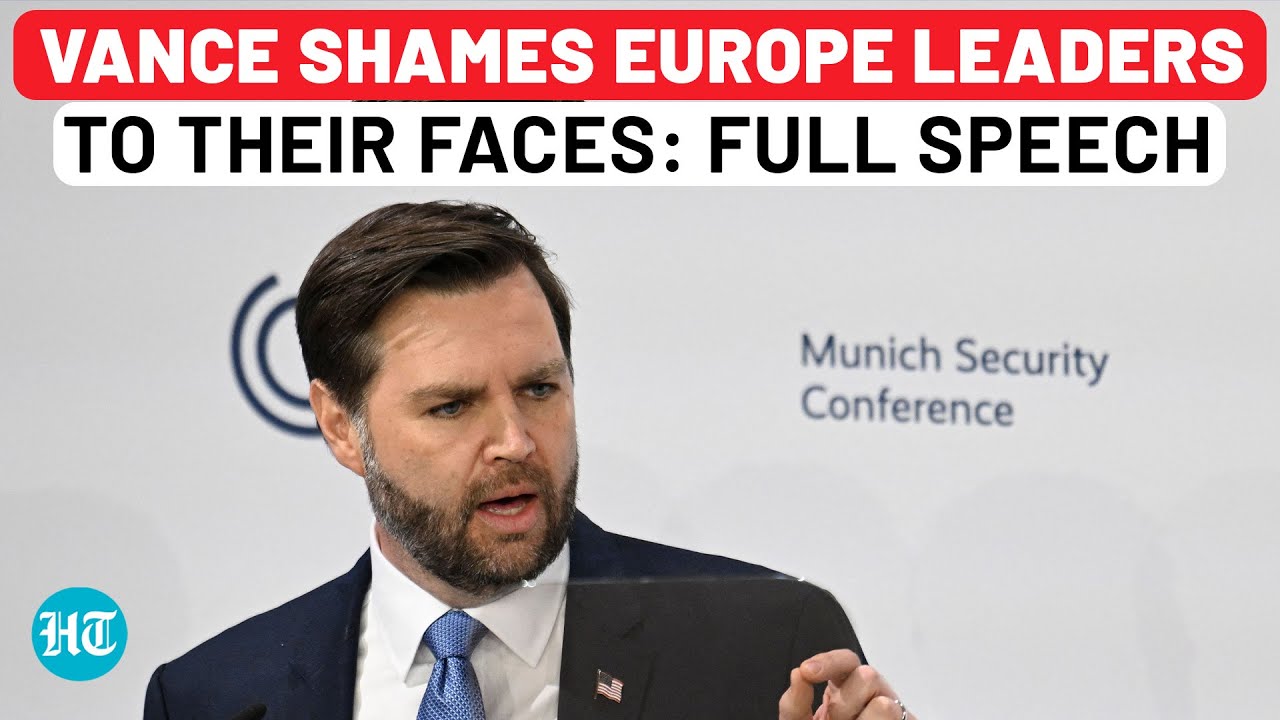
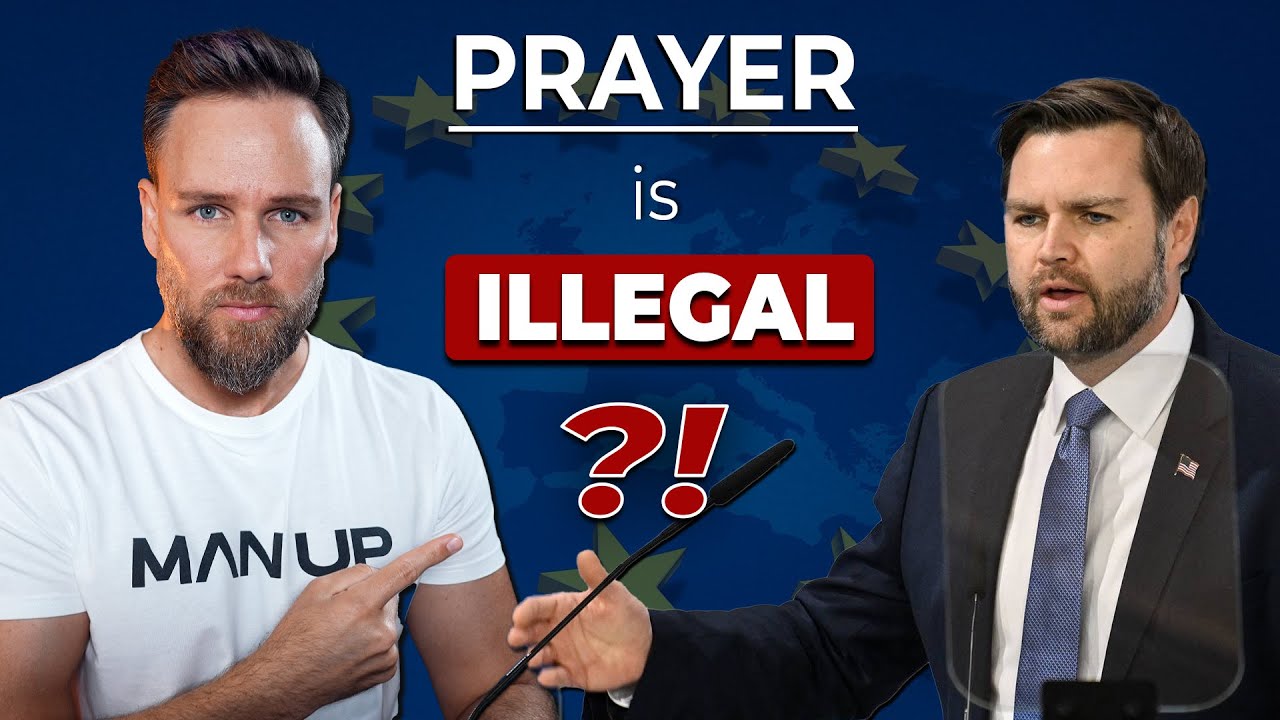
subord to them so there's more than ever uh kind of some will to to try to remilitarize and if you look at this chart of their spending on Military so recently it's been better but over the past 10 years they've really been underspending on Military relying very much on the US to defend them now the second thing that happened that is that JD Vance went to the Munich security conference and gave a speech that seemed to suggests that you know this NATO thing that this Alliance we have may not be as secure as it used
to be now I listened to the speech and I personally liked it and I know there are people on the internet who don't but the speech is basically saying that JD Vance goes to this huge security conference in Europe and saying that we are allies because we have shared values but lately we've been seeing some things on the continent that are troubling to us first we saw that there was election in Romania where the pro Russia candidate won and that election was basically celled and uh with the European Union claiming that there is Russia infiltration
and then you have this senior bureaucrat Theory Bretton basically go on TV basically say that you know if the right-wing populist party in Germany alternative for Dand wins in Germany now don't worry we have tools to uh to fix that as well so that there's that sense that you know the European Union not not super strong supporter of democracy and then JD Vance points out to many illustrations where seems that there's a lot of censorship in the U where the police in Germany for example can go raid people's homes for posting things that are perceived
to be anti-feminist and of course he didn't me did not mention this example but a famous recent example was where a German businessman called a European politician to be fat and here's a photo of her and there was a criminal investigation on him uh for saying that uh thankfully he did Prevail in that in that issue so and then JD Vance points out to the fact that you know a lot of people in Europe are troubled about Mass migration but the government doesn't seem to doesn't seem to respond and so what JD Vance said was
from from the perspective of Washington he's getting the sense that you know it seems like it's just a bunch of special interests here in Europe afraid of their own people the organizers of this very conference have banned lawmakers representing populist parties on both the left and the right from participating in these conversations now again we don't have to agree with everything or anything that people say but when people represent when political leaders represent an important constituency it is incumbent upon us to at least participate in dialogue with them now to many of us on the
other side of the Atlantic it looks more and more like old entrenched interests hiding behind ugly Soviet era words like misinformation and disinformation who simply don't like the idea that somebody with an alternative Viewpoint might Express a different opinion or God forbid vote a different way or even worse win an election you know the US doesn't really now if you're not you know to be super supportive of democracy or freedom of expression these are core values of the United States and so when we protect Europe we don't really know what we're protecting we don't really
know what the European Union stands for yes we know that we want protection from Russia but what does European stand for now that I think is a very strong statement that suggests that the US is not so supportive of of this NATO alliance and that would be consistent with President Trump's approach of of America first and so again this is making a lot of people in Europe mad but also urging them into action we got to spend more on defense do more deficit spending and so forth and that is good for the European economy so
that seems to be responsible for the huge surge in European equities but I would also take a step back and look and think that you know if a lot of people were moving money from Europe to the US to chase that us outperformance to run away from the war zone you know maybe some of them will repatriate back to to Europe especially now that if the war ends there's going to there's going to be a need to rebuild Ukraine and that's going to take a lot of money as well and also uh suggest a lot
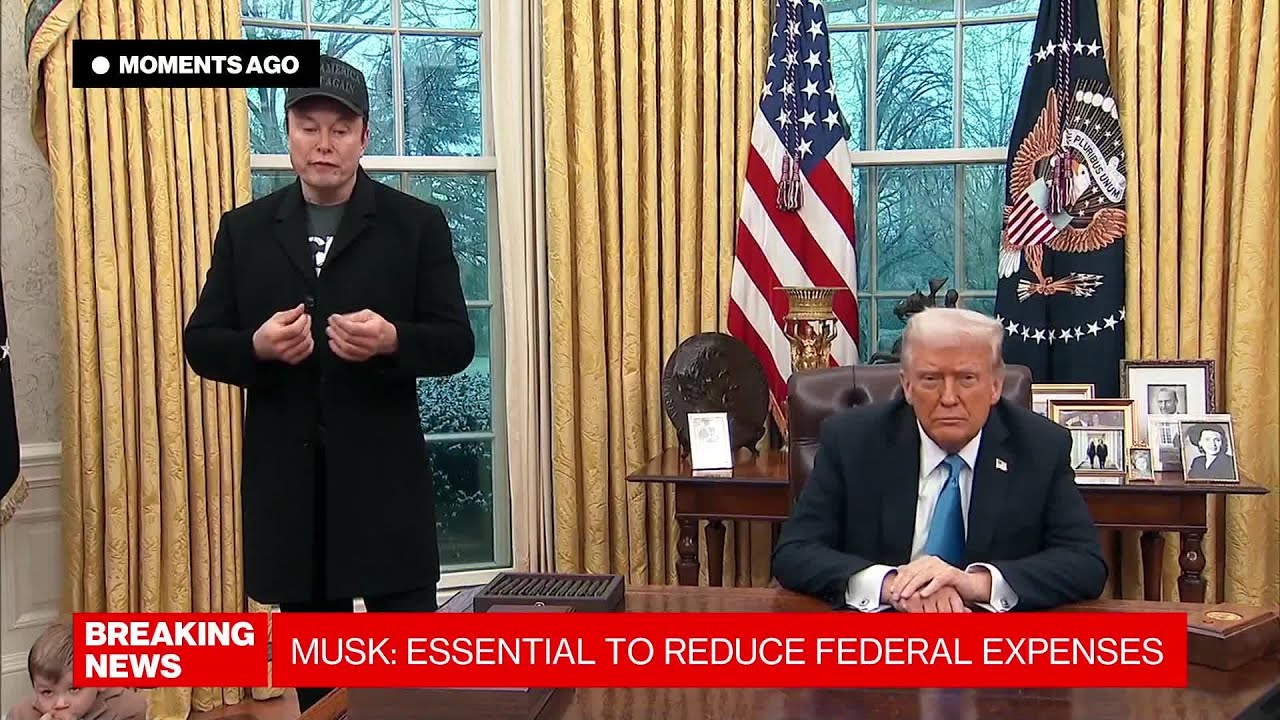
of opportunity for growth there okay so that's all I prepared for today exciting week the past week you know I think every week is going to be exciting I find myself watching Trump press conferences every single day to find out what well what happens in the markets and honestly the central banks seem more and more irrelevant uh as the day goes by which is something that I have been emphasizing to you guys uh for some time all right thanks so much for tuning in talk to you all next week