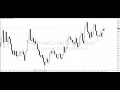
okay guys welcome to the sixth installment of the ICT sniper series and we're gonna be looking at a few things in this topic this is probably gonna be one of the most brief out of the series but I promise you were gonna have a gangbusters the last two episodes in this series this one's kind of important because it it really focuses on the risk aspect of trading and the element of reducing risk and controlling risk while we essentially can't remove entirely every aspect of the risk we can do our best to try to control it
as best we can and or mitigate the effects of risk over a period of time in this episode we're going to obviously look at every view of the previous episodes assignment projecting swing targets and I'm gonna be looking at some examples and projections an illustrative form and we're going to be giving a euro USD bullish example a euro USD bearish example controlling risk and effective stop loss placement okay we are we looking at the concept of limiting your trading to a defined risk percent of equity what is the industry standard what is ideal for most
speculators and when you're hot how high is high and we're gonna get stop-loss concepts and how many pips per risk per trade I get this a lot in email and how to remove risk in open positions trailing your stop-loss and watching your six okay we're looking at Risk Reduction vs. bailout and we'll have another homework assignment we're going to be studying the average number of pips intraday okay folks real quick just give you a quick example for a bush upside objective swing projection we have this high here down that is slow you see how we
have this price swing here now it's comprised of smaller price swings this is a daily chart but the overall swing is from this high down to this low and the 200 extension which we didn't give the actual level when I fib in this series what we did talk about the 200 being the pretty much the maximum level that we like to see which is a basically a measure move type of price phenomena from this high to this low that same range is the same thing from that high up to this fib level you can see
it pretty much nailed the high if we break this down you can go down into a 4-hour chart okay and what we're gonna look at here is that market moving lower here we have this swing up okay so there's going to be a fall chrome point right here okay and I'm gonna do I'm going to give you fib projection right here and the two hundred levels down here now we did wick through it a couple times getting a small little reaction here now but this is the overall price swing and then broke down here is
D 127 easily reached 162 easily reached and then went down below these market structure lows over here okay so you can see the complete fruition of the market maker cell model here we have the consolidation the breakout of it the first little pause in here and rally up failure swing and then subsequent optimal entries which we called this advance right here on Twitter and then slammed it down okay we were calling in advance this level here in this level in here as well you can find that on Twitter again it's all time and date stamped
now you could take this even further and go down to a 15-minute time frame okay and just simply looking at the fifth of them ever you can see that we have this swing here when it breaks this low here okay it's going to be a focal point right there so anything moving down in price will most likely be a fib level for downside objectives okay here's the 127 extension from this low to high it's 127 and 162 and then 200 extension here and as a result prices up here okay you can see just take these
other fibs off starting to blend well price is moving lower you can see this rally up once it takes the low that we're anchoring the Fed from out okay this being the fulcrum point you have your 127 your 162 and just fell short of that you want an extension here and again that's the reason why I don't really marry the idea that the 200 is always going to get hit I really like to 162 and I like going 127 obviously but we'll break it down further in the next video as to the other targets and
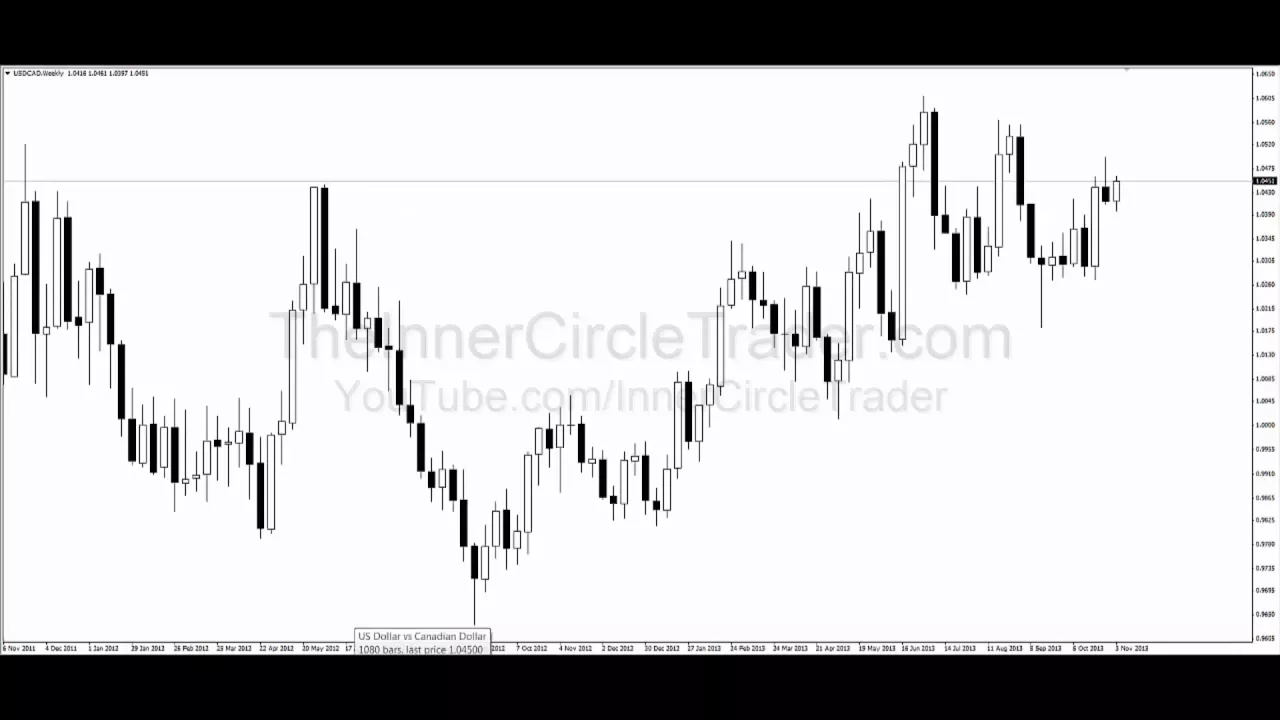
other means of looking for additional targets and multiple targeting and that'll be in part 7 and I know we've been dealing you know or at least attempting to move exclusively with the euro/usd pair for this teaching series but just for you know the sake of argument let's take a look at two other pairs we'll look at the Canadian dollar okay here's the Canadian dollar and let's go down to a chart okay and zoom out slope it all right we have the market trading lower into a level of support which I'm not going to outline here
but if you go out to your higher time frames you can find the order block where this reacted to but if you use this high here market structure shifts right there said this becomes a focal point right there trades up Kings bike comes back down fine support that same level if you pull a fifth from that point down to the lowest low okay you have your 127 easily reached 162 easily reached and then 200 very easily reached okay if you take your FID level here's the 50% level or fulcrum or equilibrium okay you can see
the 100 which is basically what you're getting with that 200% Fed level okay but I'm trying to teach you everything is based on like a 50% basis okay so it's like a 50% rule if it moves down this many pips once it breaks that high it should at least try to move this him number of pips up okay and when it does that we have what's referred to as market symmetry and trading patterns and setups become very very clean and very high probability when that occurs okay since we've taken out this low I'm sorry this
high rather here okay one could do this when high down this low you have 127 up here and you 162 up here which incidentally is an old high back here you zoom in you can see that is the case over here and again it's assuming we do have traction and continue to move to higher the next pair we're going to look at is the British Pound USD and you guys a nice order block and then a reaction of it this is put on the charts in advance and you can see the reaction of price afterwards
but we're gonna look at taking this fit off and we'll take the rectangle office see me a little bit okay now we have the same scenario here we have price moving down nice price leg here comes and rejects this low okay there's several of them in here that you can use obviously we will use this one here this swing when this high here we're anchoring gets broke to the upside you'll see the Fibonacci levels come into play here's the 127 easily reached 162 and then 200 extension here okay going back to this higher market structure
high here using that same reference low this is how you trade within a market structure so once this high is violated right here we would be looking for upside objectives 127 easily reached 162 easily reached 200 level easily reached okay let's go out to an hourly chart same pair okay it's scrolling a little bit and now as soon as I can get this fib okay we'll use this high here and price just reached the 127 extension here in the up side would be 162 and if you use this high here all we're doing is moving
out to the next successive market height so each one of these is a price swing you have a high down that low you have a high that same low okay these are all reference points for reactions okay you have 127 now here and you have this one here and there's a lot of liquidity sitting right above that these are all our early candles unable to make a higher high in here and we're about to blow that out right now while recording and then the 127 resides up there now with these levels in mind okay we're
gonna highlight that 162 to 127 and now while it is I'm going to reference this larger price swing because remember markets are fractal okay you have the high down to the lowest low you see what resides here here here's the 62% sweet spot in Senate Senate race my level there's a high probability the cable will reach up to these levels in here okay and it is Newt that right in there okay and that would be a good area to to hunt some scenarios we have a little Block in here that could be a factor if
we get through this area in here because this is a nice support level never been retested so we may come out to a 62% right retracing all around that 160 125 level 160 130 so we could tap up into that but any young calm blending a couple things here but the Fibonacci price projections but you hopefully got a few examples here you can see how useful they are and from the time we did our recording the last time let's just give a cell scenario we have this price rally up when this low is violated as
it is here just low becomes a fulcrum point and any price action from that point from that low up here once it's violated lower here's the 127 easily met 162 easily met 200% extension easily met okay and you could probably see Keo actually do that while recording this kind of tempted I like to keep it on there just to shake what it does but anyway you just watch on your charts and in retrospect but you can see obviously you know the fibs when you have it in the right direction they're very strong in terms of
looking for a high level upside and downside objectives we have this low made here from this high I'll just give you a Polish scenario on the cable I'm dragging in there as you can see the levels the reactions to the high it's a high down to that low 127 easily met once if you too easily met do you want an extension bang swept through it it's a few times in here again this is why we do not try to get all that we don't care that it does this okay if one is able to just
get a piece that you got it in here hang up to the 162 that's 210 pips nothing wrong with that and who cares about the remaining portion okay let the Cubs eat all right so hopefully it's been insightful to you guys okay guys we're going to be looking at how a stoploss plane placement is utilized in your trading we're gonna be looking at how risk percentage is an important factor to your trading but before we get into all that we're gonna be looking at how obviously looking at a bullish scenario here everything we talked about
in this example can be flipped 180 degrees okay and you'll see the opposite for selling scenarios okay so every roll you see here just reverse it and you'll get the understanding for selling short in the market and in how that control your stops and and such okay we're going to assume that we have a key level and our institutional order block identified on our charts and again we're gonna be looking at a daily chart for this example and the market has been showing in this crude example and hypothetical terms that price would be more or
less trading down to our line here of anticipation and as price starts to move aggressively down to that level we would be hopefully if we're not in front of our charts we would have our platform for trading alert us to the fact that prices getting to our specific higher timeframe price level as price trades to that level again because we are flexible we are not limiting our perspective simply to one line therefore it has to stop on that line turn on a dime okay there is a gray area in trading that we identified earlier in
the series and we come to hopefully by now terms with the fact that we can't get the perfection in the market place in terms of turning points okay we have rough ideas where price should turn but even the highest level key levels and support levels and institution order blocks have a little bit of gray areas where it could deviate just a little bit but more specifically we're gonna be highlighting obviously all of our trades around key levels round numbers institutional levels and a confluence of support and resist as factors with time of day okay so
you having time and price theory combined so as price goes down into this level that's when we are on the prowl for a buy scenario okay we're trying to buy during that event we don't want to be buying after the move has already turned around and everybody sees that it's a swing low and it's moved out for three or four days we want to be buying in a suppressed market environment we're going to be looking at bargain prices okay and we don't want to be buying at retail prices we want to be buying whole sales
okay so assuming that we used information we talked about earlier in this series in terms of framing a reactionary level to a trade we're going to assume that we anticipated at that key level that the market had turned okay and maybe retested and gave us an optimal trade entry on a lower timeframe now we're going to assume for this example that we were fortunate enough to catch a long position at that key level okay and it's not important that we have a specific price level in this example because really what we're going to be looking
at is how traders are always in my experience okay even when I was at earlier developing trader I felt the need to want to exit the trade immediately as soon as I saw some gains I had you know this overwhelming feeling that I had to hurry up and get out and close the trade if I was up several hundred dollars I wouldn't you know think wow this is good you know I've taken losses and a series of losses this feels good and I just would rather not leave the market with another loss after seeing these
gains when you have a sound entry many times those are the scariest trades to hold on to okay because the good trades don't spend their time very long at wholesale prices they immediately start to move to retail level pricing okay in other words if you're able to catch a very low price point and you're long in the market place you anticipate as a professional trader prices moving rather aggressively a away from that level okay and that's what we talked about earlier in our series that the more conviction that we see behind price moving away from
from a specific level that we hopefully predetermined in advance that is what we would anticipate seeing in our trades once we've entered it we don't want to see the market dragon its heels and and lethargically moving around because we're gonna be mentioning time stops in this in this episode - I'm not gonna beat it to the desk but I do use a time stop and I'll explain it as we get to that point but as the market starts to move in our favor okay we would be reaching for our predetermined price points like we discussed
in part 5 of this series where we looked at the fib to give the 127 and 162 extensions as possible upside objectives now again those with the confluence of supporting factors with support resistance maybe even pivot points something like an old high or low - to frame those upper level objectives not simply because the fib calls that level we want to be looking for other things as well again factoring the time and day of week phenomenon as well now again getting back to this crude example as we have here when the market is now moving
away from your entry point okay one of the closest things to insanity is when you have this environment you know unfolding for you profitably okay it's amazing how traders and I know this firsthand okay when I first began trading I would hold a losing trade forever and forever and forever and I'm sure you probably felt that same thing - and your trading because you really want to see it turn around you know it hope springs eternal not in forex not in speculation and certainly not in trading okay so the market doesn't have to go back
to your price point okay if you look at the Dow just look at anything from you know seven months ago it's been a while since impact there's levels okay so if you've been waiting for the market to get back to those levels you just gonna grind these pieces okay so don't do that have a predetermined area where you would expect to cut your losses short okay what is the industry standard for risk okay you commonly hear and I hear myself say it all the time in these videos because I want a more or less segue
into the majority of everyone's expectations and analysis but really what I try to do is say okay look everybody says 2% of your equity per trade okay and if you're a really really solid trader there's nothing wrong with that okay now I suggest that traders should work within the realm of 1% of their equity per trade now the reason for that is assuming that you had a ten thousand dollar trading account and you were risking 1% how much money would be at risk per trade 100 dollars against the standard 2% which would be 200 hours
per trade total risk the way you determine your pip size is you take that $200 if it's 2% or 1% at $100 total risk of assuming that you have a $10,000 trading account if it's a $1,000 trading account then it would be a $10 for 1% or $20 for 2% total equity risk per trade whatever that dollar amount is percentage-wise whether it be 1% or 2% ideally 1% or less I can then I know that probably sounds like wait and I can't make a lot of money with that that's right because if you're just starting
out you need to forget about making a whole lot of money because you guys a whole lot of learning to do so assuming that you did have a $10,000 account okay and you've worked with smaller accounts you've proven to yourself that you could be disciplined you have a track record of being consistent you control your risk you limit your losses you let your profits run and your targets started getting hit on a more consistent basis you have a risk of 100 hours per trade which is 1% $10,000 you take that $100 and you divide that
by the total pips okay needed to justify your trade okay and with the assumption that this is a daily chart here it could be very easily in the realm of 100 pips or more okay which would put you at very very low leverage for the trade which really in a way isn't that bad but I know a lot of you folks watching this really want to have a little bit more bang for your buck so using the concepts we used in the earlier videos if you move down to a lower timeframe you can reduce your
you do reduce your risk to less than you know 50 pips anywhere between you know 30 40 is about ideal I in my opinion because it allows the developing trader to have a little bit of a fudge factor where they're not expected to be so precise with their stops okay and gives you a little bit of flexibility because I know inherently that traders will rush the entry or they will look for confirmation in their eyes quote unquote confirmation by letting the trade start to move a little bit in their favorite and then chase it but
very close to their entry price but still within the you know the the risk parameters is permitted by their method or this concept so if you had that in mind okay you could have basically three dollars and thirty cents roughly per pip if you're treating a $10,000 account with one percent risk using a 30 pip stop okay the reason why the industry standard is 2% sometimes you hear in certain circles you could risk more than 2% okay because that's what the real traders and the real professionals are doing I can tell you the real professional
traders aren't doing that okay they're not risking a whole lot of their money for disclosures sake I do risk as much as much as three and a half percent that means I'm trading with the higher time frame weekly daily and for our all in the same direction things lined up with those three time frames and I have a weekly bias that's you know in the same direction and that will allow me based on my abilities and and experience trading I will risk up to and it's not a whole lot that it happens but up to
three and a half percent of my equity for one trade typically it'll be anywhere between one and one and a half percent because the time frames aren't always lined up like that you'll have a counter trend move going against one of the primary higher time frame time zone not time zones but time frame you know weekly daily and four hour so if I'm trading against that on a lower timeframe obviously one one and a half percent is a maximum for sure if I'm trading with a daily and four hour in the same direction I be
as much as two percent risk now how high is high okay I think if anybody's risking more than you know obviously three percent unless you're really really proficient you really know what you're doing and you know how to turn your equity losing string around because it's not just one trade that you lose on guys sometimes you get a couple of them in a row and even the best traders out there will suffer that and have suffer that regardless of what they tell you so assuming that's the case for you and you're human like everyone else
you have to have an idea of how to control that and the best way to do it is reducing your overall exposure as you take losses okay and I'll give you an example let's assume from it you settled in on the idea of taking 2% per trade if you take a loss you've lost 2% of you equity okay now if you dressed 2% on the next trade again thinking that well if I make the same amount of money I lost on my previous trade I'll get back to even that's where the cycle begins okay you
want to get back to that previous equity level that milestone net marker okay that comfort-zone internally as a trader and that's not a good game to play okay and what happens is is you're actually inviting more emotional response and triggers into your trading then you should have okay and by systematically and methodically reducing your risk in half okay for instance if you took a loss at two percent you only risk one percent on the next trade it may take you two or three trades to get back to that previous mile marker but it guess what
it's doing it's removing the rush factor to get back to that point and it's honing your patience with the added benefit of lowering your overall special exposure to the marketplace now think about it you're in a losing environment where you've had suffered a loss for developing trader that is very very hard to swallow regardless if it's a demo account or not because you are still working within the realm of psychological and emotional barriers that you just simply don't understand it until you've traded through it or you've experienced it and said this isn't for me and
I you know leave the market altogether and there's nothing wrong with that because trading is not for everyone and it would be irresponsible of me as a mentor to not at least suggest that to some of you because if you can't wrap your mind around doing this and assuming some level of risk this is absolutely not your cup of tea okay and that's one thing you can guarantee coming from me as you the gospel not everyone and on the planet isn't meant to do this and it takes a certain level of commitment and tenacity to
stick within a realm of rules and humans are typically very good rule breakers we don't like to you know follow the rules and you just think about if you walk down the street in a well groomed neighborhood and you see a sign says don't step on the grass what's the first thing you want to do step on the grass just look at a kid that's what they're going to do you know I had I made so many jokes as my children growing up that they were like heat sinking missiles okay we would get new carpet
in the home and my wife or guests would come over and he'd invariably have their their drink with them and in our dining area or a living room or a family room and our children would come in and being kids they would roughhouse you know just for a second and they won't fall away from the tables or fall away from the person the only person in the room with the drink they fall and land either on the drink or into the person that drops and goes all over the you know white carpet or at the
time you know we had a very light-colored tan carpet and you know they drink you caused havoc on it we had to get it cleaned so those things are going to happen so you have to prepare for it so you're gonna have that in your trading with wanting to do something you shouldn't do and you're gonna have that Murphy's Law scenario as well what can go wrong probably will go wrong okay so you have to have that that shield up in your defense and that's only going to come in the form of you controlling your
equity okay and if you take a loss don't be afraid to cut your risk on the next trade and if you had to do that continuously down to a half percent total risk of your equity that's fine there's nothing wrong with that okay remove from your mind right now that you want to make millions of dollars right now okay because that is the wrong perspective going in there's nothing wrong with having goals of doing that but initially you have to take the bite first okay and chew the elephant one bite at the time you just
can't go in there and try to swallow it all at once because you'll choke so with that in mind okay once these moves start to move in your favor okay you you obviously want to be able to remove the risk okay and at least during the move you know trading in your favor you want to be removing a little bit of the risk methodically until you get to the point where you have zero risk or quote unquote no risk exposure okay obviously anything that happen marketplace and you so can happen the market could gap because
of a you know a terrorist event or something unexpected and in the set or whatever and there'll be a massive movement and your your stop-loss you know experiences of slippage these are all things we understood when we signed up for this game so bottom line is is you know it can happen prepare yourself for it because you're gonna take losses and if you trade of any length of time you're gonna have a lot of losses okay and there's certainly nothing wrong with it it's a cost of doing business every successful business out there takes a
loss of some sort but you don't see those businesses collectively going out of business okay they they trim they put things you know up for sale just to get rid of inventories moving real fast and they bring in you the better movers okay and that's what you do for your trading if your trades aren't really panning out yeah cut the losses short okay or the mules that aren't really moving you know just get rid of them and then you keep your powder dry waiting for the next set up if you do that okay if you
do that I think you'll see a more streamlined increase in your equity and I think you'll remove a lot of that whipsaw you possibly have been seen in your equity curve when you're beginning balance and where you're at now time stops okay I have a premise that if the move doesn't start if I'm if I'm trading off of a daily timeframe and it really doesn't start to move in my favorite after three days okay I'm aggressively either removing the risk if possible or I'm taking half the position off okay and I'm watching my six the
military has an expression that you know wherever you're pointing your rifle okay or a firearm in front of you that's 12 o'clock you're six is behind you okay or watch your ass okay what you're looking at in the marketplace when you see trade it isn't moving in your favor right away and I think three days is enough time if it's still consolidating or still him hauling around not really moving I'm looking to either take half the position off and move my remaining position to either a break even or aggressively take it to half the initial
risk or even a quarter of the initial risk okay so I mean like the overall set up that still might be there but it could be iffy you know just watch your six take your in your position and cut it in half remove aggressively half the initial risk if possible or at least reduce it down to a quarter of the initial risk on the remaining half positions you leave on or simply bail out just collapse the trade okay and if you're underwater just by a few pips so what you know if you're risking thirty and
you're down 19 and you just see that it's really not moving and you've gone until Friday perhaps that's the worst scenario for me I will collapse it and just take whatever that is as a you know it's a modest loss you know you didn't get stopped out no you didn't get any air targets but you're getting rid getting rid of the dog or you getting rid of the slow-moving inventory and you want to get another hopefully more opportune set up with your equity behind it so that way you can recoup that and if you do
that you systematically I find that it all of those little tiny scratches it immediately gets smoothed out quickly with you moving my equity into a better more sound setup so time stops is something that you to me I think is beneficial there's a little bit of an art to it but I break it down like this if it's gonna be a trade that's based off with daily setup I give it about three days and if I'm trading off a four hour I'm really giving it about one day and one hour chart is I'm giving it
two sessions tops okay ideal either little London or New York session if it hasn't moved by then you know and so on an hourly basis I'm really looking to reduce the risk indoor collapse it and anything less than that I really have a time stopped for on outside of the intraday timeframes of London - London close blend open to London close rather so assuming obviously that we have our scenario that unfolded here hypothetically and we we bought long in this market whatever that market may be we'll just say this is the euro and the market
starts to move in our favor so we have some some paper profits right now our stops are still at an initial 30% I'm sorry 30 pips and we have not yet made our first profit objective so what do we do well you want to be systematically reducing your risk if you started with a 30 pips top move it down to only 20 pips and as the market moves and takes out your first target take your stop-loss move it to only 10% risk okay and as it moves it starts approaching your second target that's when you
go to break-even okay you do not rush your stop trailing okay this is one of the biggest mistakes traders make because of the natural volatility in the forex market it's so easy for just common volatility nothing behind it new market makers sneaking to get you it's normal volatility okay illiquid volatility okay where Marcus come down Phil Phil's market inefficiencies and they take the market down to a specific level to gather up any orders and then go the other way okay we're not talking about stop raise rates looking for common little intraday retracements okay if you
rapidly move your stop-loss up behind market pricing you're asking to get taken out of trade before it comes to fruition okay once you have the set up what you're doing is you're anticipating the market to start to move in your favor but this is a gray area because you don't know for sure it's going to do that okay yes the market could potentially can even continue to move in your favour or it could turn around and stop you out or could stay in this small little consolidation area for days and make no money for you
but a small private profit but you'll hold on to it thinking it's going to go to the moon I know you because everybody's the same way when they're developing we all think the markets are going to go like a rocket either up or crash down okay to the ground like I'm you know a meteor just plummeting to the earth it's they don't move in straight lines guys okay so while we would anticipate okay higher prices and we expect that hopefully okay hopefully that we see that again keeping in mind that's a gray area we're expecting
those price levels be reached on the upper side but they're not promised okay so inside of that that the gray area of anticipation we have an expected outcome and price action but we can effectively manage our stops within that move okay and there's a way that I do it but once you have your set up the way I manage my stop losses is I use a fifteen minute time frame okay and the 15 minute because this set up in this whole series have been really developed on finding one solid weekly setup where you can take
a really good setup for a weekly opportunity to make a consistent realm of pips anywhere between 30 to 60 pips I think is an ideal scenario for someone to you know try to carve out a consistent living and if you are consistently doing that there's certainly no reason why you can't you take a very handsome you know living out of this market place and not try to a whole lot of pairs either so why do I use the 15-minute time frame well there is very clear discernible dealing ranges and support resistance levels okay that are
clearly discernible on that time frame and it allows you to look at a whole weekly perspective perspective from Sunday to Friday's close perfect example pick any pair of your choosing load up a 15-minute chart condense your chart so it shows Sunday through Fridays close and you'll see how that time frame gives you all of this session highs and lows it even gives you a very clear snapshot of all of the the volatility for those particular sessions London New York Asia and you can actually see where the range highs and lows are very clearly and then
you see the small little quiet points of the marketplace in between those sessions also the notion of find the weekly high by Tuesday are no later than Wednesday is alone and open having that in mind ok expecting a specific outcome based on hard time frame direction on premise but that assumption here being bullish we will be looking for the Monday Tuesday or Wednesday London open session low making it for the weekly low by that time okay notice Bob Wednesday's London open to fair ladies typically got about 70 percent likelihood that the low is usually formed
by Tuesday's long and open just reverse that obviously forebears conditions but you know the way I manage my stops once they've moved to break-even I use a 15-minute time frame and I find the most recent swing low on a 15-minute basis and note that one and then I go back to the previous swing low prior to that one that swing lows where I take my stop and I just place it just on in bullish environments just beneath it by 10 to 15 pips okay 10 to 15 pips below this second most recent swing low I
want a 15-minute time frame and I trail the market like that I'm getting my market doing a little bit of opportunity okay to retrace but not come all the way back down if it comes back down that far I'm accepting the fact that you know the move is probably done I missed it ideal opportunity to get out or the markets reverse and my analysis was wrong and there's certainly nothing wrong with admitting that but by using the previous two swing lows okay what it's doing is its allowing successive 79 percent retracement levels okay and when
we look at an example so you'll see what I mean by that but it just it builds in a allowance for market structure to continue to make higher highs and higher lows okay plus it keeps it away from just the pure static volatility coming down and tagging you okay that's the reason why you want to be taking some profits okay initially okay it may be 20 pips maybe 30 pips and maybe getting one for one and let the remaining portion of your trade unwind okay and then reach for hard objectives there's nothing wrong with that
but there's gonna be a camp out there that listens to this and says well yeah you're risking 30 pips but then when you cut the position in half at 20 or 30 pips you're really not making you know any headway with doing it well I beg to differ okay if you have consistency on your side you are shielding yourself from the inevitable market turnaround while you're in the trade where it does have a small profit okay and there's nothing guaranteeing it's gonna even get to your first target objective or a second or move in your
favor at all okay that camp that believes that taking some partial profits has a fixation to thinking that they're always going to be right so therefore their trade should hold on to the maximum lots that were assumed at the beginning a trade for the full duration of the trade with the expectation of making maximum profit my goal was a professional trader and it should be yours as well your goal is to have the maximum protection from losing your money because the likelihood of you doing that is almost guaranteed versus the likelihood of you making money
consistently okay think about that for a moment if you didn't listen to it closely rewind this video for a second couple minutes and then go back and listen that person part again because it is worth its weight in gold it's so easy for us to think that we're gonna make more money if we hold more reach for higher price objectives or lower price ejections if we're short there's no guarantee it's getting there no guarantee and there's been so many times where I've been so close to the actual highs and lows of the particular market I
was trading okay and I'm talking weekly highs where the market turned around and then went months the other direction okay I have been so close where I've just been a partial I mean a piece of a pip not even a full pip and I didn't get my exit okay and to me I hate that feeling a lot of folks would say yeah that's that's cool crazy accuracy yeah but I didn't get out at that point so how accurate is it it's just cuz I said it was gonna go there or I had an order to
get out and it only trades a half a pip to that point and it doesn't activate you know the order that doesn't make me smart it doesn't make me an excellent trader it makes me a person that missed that move okay I didn't get my trade off like I wanted to and initially as a commodity trader I you know I would make that mistake and it would it would get close to my orders and I'm saying this when I started getting consistent that when I first started because I wasn't that accurate I didn't know anything
I was just fine you know flying but I see my pants the the notion of holding on to moves to get the last piece of the pie is you know it's a losers mentality you don't want to do that you just need a big portion of the move and I just think like a line you know to me I think he's you know he's it on the ona you know the terrain of you know the outback or you know not out back I guess the Africa's plane I guess as well I think you know but
uh you when they when they eat okay they eat a large portion of whatever was taken down by a lioness okay but they're not consuming everything and those are what the lion does okay he lets the lionesses do the work they chase down the prey they take it down they kill it okay they made me get in the nib or two okay but he comes over there and says okay look it's obvious this thing's dead I'm not wasting any effort okay gonna go over there and I'm gonna run them off I'm gonna eat what I
want and I ain't gonna consume it all I'll leave a you know a portion of 72 but he's getting the lion's share every move has a lion's share all you need is a portion of that are the lionesses starving no are the Cubs starving no everybody's gonna get their piece at a pie but you don't have to rush in there trying to get to very very low and get to very very high in other words you don't need to make the kill and it turns the market around and you don't have to make the apex
you know hi okay you don't have to find a very lowest point of the low okay you leave a little bit on there okay let those other traders try to chase all that stuff you don't need that and the same thing applies and it's applicable to your stops give it some room don't be afraid to have the market come back against you in some of the exercises that you need to be doing is to have a demo account and put your trades on and let them come all the way down to your stop okay don't
think about targets just think okay I'm gonna be buying today at you know eight GMT regards to wherever the prices going up at 30 pips top one and just watch what price does okay and just assume what you'd be feeling if you were in the market place at that time how the market trades down to your stop what it does after it hits it okay and then start applying it with your tools that we learned in these videos okay applying the price action study then using a 30 pip stop below the entry point at where
you enter that okay and watch the market move once it takes the first profit target that we could discuss that 127 extension or an old high did you pull your own fib from when you see that first target hit don't move your stop up okay do a couple trades like I do about 20 trades or so like that where you just go to break-even once the first targets hit and then wait for the second target if that be fulfilled do not move the stop either you get the second target or you get stopped out do
that for twenty trades okay and it's obviously easier and faster to do it on intraday basis like doing you know five minutes 15 minutes setups but some of you traitors and can't do that because you're you have jobs or whatever but and that's fine but they eventually then graduate to moving your stop-loss in the form that we just discussed now by having a 15-minute time frame use the most two recent swing lows for bullish scenarios 10 to 15 pips below the lowest or the most recent to swing lows okay and obviously just for clarity for
those that are selling short using your demo account yeah I got a pet in here I'm not trying to tell you do anything about the real money guys I'm not licensed to do that it's just ideas to stimulate you your decision-making the selling scenario you would just use the 15-minute most recent to swing highs and the highest of the two you would use your stop-loss 10 to 15 pips above it and you would trail that accordingly until it hits your ultimate target that's really the essential you know element to having stop-loss management there's nothing you
much deeper than that it's very simple I try not to complicate it I used to have all kinds of intricate ways of doing this and doing that and I found that you know just simply by taking a 15-minute chart use the most recent swing lows and highs whatever - whatever those two are whatever the lowest one is that's where I'm gonna have my stop you in relationship to where price is now okay guys in episode 7 we're looking at selecting multiple targets are we talking about setting limit orders at logical price levels for exits and
we're gonna be talking about the ICT split gains ratio leaving some for the just in case scenario principles for multiple time frame trading and we'll have the foundation to success that will be given to you in blue point format in the final episode in this series part 8 and I think you'll have a pretty good idea what should be done from the beginning to end stages and I'm using in a flow chart format for the part 8 series where you know if the condition is X then you go to this next condition once that condition
is met you go to the next so I mean I'm look I'm a computer programmer and I guess anyone that has computer programming experience you would understand that it's if then you know scenarios that we learned in computer programming if if you can't really build a mindset of trading after part eight I'm gonna readily admit that I've failed in in sharing some insight on how you could become more consistent trader I've put a lot of work and it may seem like there's been a lot of time between these individual videos but it's actually been a
whole lot of work on that last one because I've tried to give the blanket scenarios for in the common setups that we see you over and over and over again this very generic in the marketplace and it won't catch every single move guys and don't expect out of anything but I think you'll be pleasantly surprised how many opportunities it will give you and what to do and why and once you do it for a few months you won't need the flow chart format you'll just simply know you know by habit of what you should be
doing next in and what to do you know while the setups are you know you developing so hopefully this has been insightful to you guys and until the next time we should be looking to trading