summer 1492 after 3 months at Sea the Santa Maria the Pinta and the N anchor off the Bahamas Europe has found the Americas Next comes conquest and colonization by settlers who remake America in their image they advance and Destroy but there is another story about the animals and plants they bring here and the natural Treasures they find [Music] here and how the Americas are completely transformed it All Began 500 years ago [Music] [Music] it's 1491 a year from now Christopher Colum Columbus will set foot on this quiet beach what's here before he arrives is a
world of unbelievable natural wealth two vast continents teeming with life more than 600,000 mil of Coastline are surrounded by pristine Waters shs so dense they're said to slow the passage of [Music] ships countless species number in the tens of millions Inland from the Atlantic Shores great forests stretch in every direction this new world is a land of Stark contrasts from the Lush jungles of South America to the glaciers of the Arctic North and the Great Plains of the Midwest where gigantic herds Thunder across North America there is room for Caribou [Music] Antelope bison and the
giant grizzly in the sky above flocks of birds nearly block out the Sun as millions of pigeons ducks and geese cover the [Music] Horizon no one in Europe has dared Imagine The Magnificent Bounty that exists on the other side of the Atlantic [Music] Ocean [Music] in 1491 Christopher Columbus stands on the coast of Spain looking West he dreams of leading an expedition to find a new trade route to [Music] Asia success will mean glory and riches for himself and the Spanish monarchy [Music] in Europe the Nobles have grown Wealthy by trading with the East spices
and gold gemstones and silk are the most lucrative Goods but Europeans have lost the Silk Road to the Turks and foreign trade is in Decline the wealth of Kings is in danger Isabella queen of Spain is desperate to find new routs to India and she has a plan Isabella is the most powerful woman in Europe a continent of Expanding Horizons filled with competitive and inventive souls for 500 years they have been building castles palaces and centers of trade Kings and popes have raised armies to fight each other and their enemies on Europe's borders nowhere else
are rivalries so intense Gold Fever so widespread religious fervor and business expertise as tightly wound as in Europe in [Music] 1491 ideas are moving forward curiosity and the thirst for power pushes Europe's [Music] limits Europe is a busy and crowded continent trying to feed a growing population of 100 million people natural resources are already exploited as land becomes scarce and overworked most of the peasants are farmers working land that belongs to someone else owned by The Nobles or the church their main diet is bread and porridge both made from harvesting grains they plant Rye or
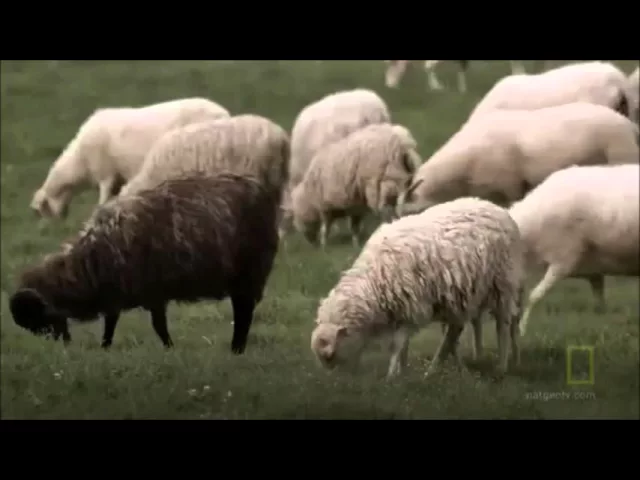
wheat in Winter oats or barley in the spring and every third year the field lies fallow to [Music] regenerate they've learned to harness water and wind for power it is hard work work but good for producing higher yields in smaller [Music] spaces this Agricultural Revolution allows the European population to [Music] grow with the help of one more important element domesticated [Music] animals horses pull plows cattle provide meat fur and [Music] hides the pig is a main source of meat and leather and so too a sheep and mules can pull a [Music] cart cows also give
them milk butter and [Music] cheese it is not only people that domesticate animals the Big Five Horses cattle goats pigs and sheep domesticate the European landscape they contribute to Europe's overcrowded conditions in 1491 the Americas too are a crowded and prosperous place but in a very different way the Andes cradle a vast Empire ruled by powerful God Kings meso America is densely populated and home to the most impressive civilizations on the continent the Atlantic coast is filled with smaller Villages and Fields and along the Great Rivers great cities are built around Monumental plazas it is
an ancient world inhabited by 100 million people hunters and gatherers fishermen and Farmers Kings slaves and soldiers down among the trees where the Missouri Illinois and Mississippi rivers merge lies one one of the largest civilizations on the continent the native mississippians are mound builders occupying a vast region from the great lakes in the north to Florida in the [Music] South The first explorers thought these great Mounds were natural carved by retreating glaciers now we know that they are the centerpieces of cities cities like Cahokia busy trading posts of Earth and wood with populations of up
to thousands of [Music] people no one knows what they called themselves or what language they [Music] spoke but we know why they were [Music] successful these mississippians are farmers their staple crop is fuel for the ever growing population it is a plant native to the Americas unknown to the rest of the [Music] world but corn is not a blessing from nature or a gift of the Gods this crop is the outcome of Man's first feat of genetic engineering once they learned how to grow it they could stay in one place this simple diet translated straight
into the energy to build a [Music] civilization the cultivation of corn is a key to flourishing cultures in the Americas before Columbus the staple crop in North America was was corn 6,000 years ago ears of corn were only about as long as a person's thumb and they were barely edible it took thousands of years to develop a more nourishing and larger hybrid and also a hybrid that could grow in cooler climates outside of meso America and it wasn't until about 1100 years ago that corn reached the Mississippi River Valley corn is the result of the
domestication of the wild teos cinti [Music] grass early Americans started with this spindly stock and over the centuries they developed it into today's giant cob archaeologists and biologists are still debating how corn was achieved out of a tiny grass corn is one of the keys to understanding American civilization wherever it flourishes so do great cultures yet the greatest American Empire of them all is found where corn cannot grow high in the Andes the Inca Empire stretches nearly 2,500 Mi down the west coast of South America Inca build palaces storehouses and castles in the tall mountains
in their realm of 6 million people they rely on manpower to transport stones without animals or the wheel and the energy for that is provided by another amazing food source they are famed for their gold but their true treasure is less [Music] glamorous a tuber native to the Americas and unknown in Europe cultivated here some 8,000 years ago in the region around Lake tiaka in today's Peru and Bolivia 12,500 ft up what is now a staple food in Europe was an American invention by the year 1491 the Inca grow thousands of variety domesticated from Wild
ancestors some poisonous some even carnivorous they preserve the tuber by mashing them into a substance called chuno after harvest potatoes are spread on straw and left out to freeze at night during the day they are exposed to the sun trampling them eliminates water and allows them to dry chuno can be stored for 10 years providing excellent insurance against possible crop failures the Inca carve step-like Terraces into the mountain sides to stop the soil eroding and create a flat surface for their crops Terraces absorb more sunlight than steep slopes so potatoes can grow at the highest
altitudes [Music] and all this is achieved by Manpower alone using wooden [Music] tools in North and South America in 1491 Farmers grow corn and potatoes to feed their people they have none of the domesticated animals that benefit Europe for Inca farmers in the Andes their Chief source of meat and transporting goods is the Llama this is the biggest domestic mammal in the Americas the llamas also offer dung for the soil and hides for clothes but they can't milk or ride them and the Animals can't pull a plow so they are no good for farming or
for travel but their wool is a true [Music] blessing it is warmer and lighter than sheep's wool and produces a greater yield the second principal domesticated animal of the Americas is much smaller for the Aztecs the turkey is vital even today for their descendants in Mexico and Guatemala the turkey is so important that they dedicate two religious festivals to it [Music] Native Americans have such few domesticated animals because the biggest native mammals in the Americas died out long ago at the end of the last ice age the megap in the Americas the giant bison and
the mastadons went extinct and the reasons for that are probably twofold first of all as the Ice Age was ending the climate became much hotter and drier and this killed the vegetation that these very large animals depended on secondly the arrival of hunters into North America crossed over the bearing straight land bridge from Asia coincided with the extinction of these animals and very likely these Hunters went after these large animals who were slow and had a lot of meat what this left in North America were animals such as bison deer and analou that are not
suited to domestication in 1491 Native American tribes hunt wild animals to survive but the village dwellers in the forests of the north east and Nomads on the plains develop methods to guarantee their meat Supply they can't domesticate these animals so they find a way of making their prey come to them in the years before Columbus Native Americans notice that Grass Grows better after being burned by lightning strikes so they start to burn the Prairies and plains themselves many tribes use this technique including the Sue cheyen Ki shashani and the black feet American 1492 was not
a pristine Wilderness that's a romantic myth it was in many ways a managed landscape natives regularly burned the forests and the prairie in order to attract game not only does burning create Lush grassland it keeps the forest open and makes hunting [Music] easier the new Rich pastures lure and increase the numbers of herbivores as well as the Predators that feed on [Music] them they domesticate the land in order to attract wild animals nomadic Central plane Indians are able to lure the biggest mammals in the Americas the Bison where wherever they roam bison are the main
source of food and clothing and of tools made from their bones but still the Bison Thrive by 1491 North America is home to perhaps 30 million they Reign on the Prairies from Montana to Texas pushed East by Native Americans along a path of Fire opening up the forest into virgin [Music] land the Bison gained a new habitat far beyond their original range Native Americans have no guns or horses they hunt on foot they dress in hides to get as close as possible and hunt with the bow and arrow or spears all made of wood and
leather bone and [Music] Stone hunting the Bison is essential for their survival in Europe hunting is no longer about survival nobleman hunt for sport for pleasure and prestige [Music] [Music] sh and only the Nobles are allowed to hunt if ever they catch a peasant hunting he will be punished for poaching unlike in America there's no room here for an abundance of wildlife for Endless herds in Europe the land is man-made Agriculture and cities push the wildlife [Music] back untamed land is now a [Music] rarity but they have one other major food source fish have long
been cheap and abundant for every social class in Europe Christianity the common religion all over Europe in 1491 approves a fish eating meat is banned on more than 100 days a year the demand for fish is [Music] huge but intensive agriculture is damaging the fish supplies once unlimited supplies in Europe are dwindling fast what happened to the fish stocks in Europe as people started to grow crops and cut back the Wild Woods this released huge amounts of sediment into the water courses which changed them from being fast clear flowing rivers and streams into slow turbid
rivers and streams and the the the freshwater fish found a problem with this particularly migratory species that came up from the sea to spawn in rivers animals like salmon and sturgeon there was another factor which also cut down the supplies of these migratory fish and that was that people started to build dams along rivers and when that happened the migration runs were blocked and the populations declined when supplies of fish dwindle in their polluted lakes and rivers they turn to the Sea for the first time they set up large scale sea fishing they find abundance
on a scale never seen before and they exploited Cod and Herring from the North Sea are the first to be fished every 5 years catches double by 1300 thousands of tons of dried fish are exported from Norway to Britain alone but this is 1491 Europe's rivers and lakes are now dirty and empty and surrounding seas are fast becoming depleted in the Americas before Columbus fishing is not an industry [Music] they don't need it fish are for the taking their rivers are not used for power and are not affected by [Music] farming Native Americans transport their
fish far away from the coasts and waterways into the interior high up into the mountains the Inca high in the Andes enjoy fish from the Pacific the mississippians trade with communities as far away as the Great Lakes to the North and the Gulf Coast to the South they even eat fish and seafood from the Atlantic here too there is space for abundance the waters team with Fish And with whales dolphins and [Music] melties [Music] wherever Native Americans troll their Nets they find a bounty of thousands of different species manh Haden channel catfish and sheep head
they never have to take more than nature can replace [Music] North and South America appear to be a primitive Untamed Paradise but looks can be deceiving [Music] the greatest numbers of freshwater fish live in the Amazon the largest river in the Americas and the most voluminous in the world to our eyes the Amazon rainforest is an almost untouched Garden of Eden but it was once a very different place than what we know [Music] today when the jungle was cleared in the 20th century for agricultural purposes people found the remains of a sophisticated civilization that once
managed this landscape in 1491 this area is home to thousands of people they tend Orchards with all kinds of fruits papaya mango cocoa nuts and Palms they speak many different languages and live in many different social systems their tightly packed settlements cover an area of over 46,000 square miles they are linked by raised causeways Bridges and canals much of this is natural Savannah created by annual flooding but they have expanded the grasslands regularly setting huge areas on fire by 1491 they have created an ecosystem of plant species adapted by fire that cannot exist in nature
eventually the jungle will reclaim it further north in what is now New Mexico another grand civilization has already come and gone it flourished in a place that today looks like no humans could ever have lived there the choco Canyon There is almost no vegetation no water and no animals to be seen and it was already like this in 1491 but once this area looked completely different this is the story of a civilization that developed as far as it could used its resources as well as it could and still declined [Music] choco Canyon was once covered
with Lush vegetation and forests of Pine and Juniper the fertile area was home to the Anasazi from the year 700 on the honest Sai built the highest and largest buildings in North America one is several stories high and has 600 rooms that Overlook The Majestic Canyon 1,000 people lived here they had no animals to transport materials thousands of filled trees were dragged down to the choco Canyon on men's bare backs there is no written account of their lives or of their disappearance but environmental historians can tell us what happened by counting tree rings and analyzing
rat [Music] nests Nathan English of the University of Arizona spends much time in the canyon looking for traces of the ancient nests our interest in choco Canyon is to learn more about how the ancestral Pin live and there's a number of ways we can do that we can do that through traditional archaeology where we dig up ruins and sights or we can also look at uh what the environment was like around the ancestral pins and the way we do that is uh look by looking at pack RP middens and each pack RP miden is like
a little snapshot in of the area around the mid itself so you could think of it like a picture uh and the mids uh can be up to 40,000 years old in some places and what the mid is is it's uh the the packrat makes a nest and it poops in that nest and then it only gets its water from eating uh plant vegetation so its urine is very thick and viscous that urine seeps into the pile of poop essentially and solidifies almost like Amber uh in the meantime the packrat is also collecting things uh
the plants around it also pot shards sometimes even corn or seeds of squash and those uh macro fossils are incorporated into the mid so we go out we collect the mid uh and then we examine the macro fossils in that midden to look at what the ecology around that midden was like at that time not only do rat middens hold information trees do too scientists count the rings of ancient logs to give the exact date when the very last tree was cut down the Anasazi used Juniper and pine for their Timber and fire too much
of it some think with the trees goes the soil the forest cannot recover because of erosion water drains down creating gullies on the way irrigation and agriculture are no longer possible this large population cannot feed itself [Music] anymore but did they destroy the forests or did the forests leave them we are on the edge of this pinion Juniper Woodland and so it's really possible that just natural climate change would have caused it to move back but it's also we know that the people were harvesting wood for fuel and for Timber and so it's likely that
a combination of the two things are what led to the to the loss of forest in this area the year 11:30 rolls around it is one of the driest of years the Anasazi have survived previous Stouts but the population has increased greatly and there is no suitable territory to expand into Without Rain it's impossible to grow enough food to support the population no agriculture means no culture the choco Canyon is [Music] abandoned these ancient Americans cut down the last tree and move on [Music] [Music] over in Europe in 1491 they are cutting down the forests
rapidly [Music] [Music] their growing population needs more food and more space in which to grow it and they badly need the wood they have the tools they have the means to transport it and they have the energy but they're beginning to run out of space and time only wood can help them to move forward the Middle Ages were the era of wood you find it wherever you look wood was the most important material for building for making tools and furniture and for burning it was the only fuel there was hardly any coal it is an
era of competition and Wars use up forests too whole armies are equipped with bows made from uwood the UT tree is almost exterminated in Europe armies need iron weapons and smelting oven burn day and night at the same time whole forests are used to satisfy another European craving for magnificent [Music] buildings the cathedrals in the cities are made of stone yet they require millions of logs for their bases and [Music] frames larches are needed for roof supports solid logs of Oak Alder and Elm are sunk into the ground to create [Music] foundations wood is indispensable
for pillars and ceilings posts and roof panels ax handles and car [Music] Wheels European castles Cathedrals monasteries and churches consume entire forests in Germany France Italy Spain and [Music] England no wonder that all the great social and economic struggles in the Middle Ages are fought in the forest around the forests and about the forests in this competition for Timber those who have money make the rules and the money is now in the cities perhaps the richest city of all is [Music] Venice it's built on wood literally piles sunk into the mud to create the platform
on which the great Stone facades can float but behind all this is Commerce and a great Maritime [Music] Republic the goods that are bought and sold are transported in wooden gallions Venice has denuded the forests all around them to build its Fleet the city's demand is insatiable and they start to deplete the Alps Spruce for masts Larch for planking Elm for cap stands Walnut for Rudders and most importantly Oak for hulls when that is not enough they cut a swath across Europe all the way to the [Music] Baltic the Europeans have exploited their natural resources
leaving a continent where there are few fish in their Rivers and less and less timber in their forests their towns are crowded with people and they don't know what to do with them rivalries between princes and kings have grown intense religious fervor curiosity and greed are widespread in 1491 and there is a constant hunger for new ideas the printing press is invented books and ideas [Music] spread but where do they go from [Music] here where can all this raw energy be [Music] channeled this is the time when when European Kings and Queens send explorers Beyond
the Horizon to expand and enhance their power some explorers go around Africa to find the sea route to India one has the vision to sail west to arrive in the East he is a seaman from Genoa Italy a fervent amateur who has the crazy idea of sailing into the unknown to reach India Christopher Columbus has spent 5 years trying to gain Royal support to finance his voyage Isabella queen of Spain finally agrees what does the Spanish Crown have to lose it doesn't cost much to finance three ships Spain has so much to gain from a
shortcut to India Treasures trade and land at first no one wants to board his ship finally he drags together a mly crew of 87 men many are illiterates Petty criminals even murderers who choose probable death at Sea in preference to The Gallows many are Soldiers with nothing to do since Spain expelled the Moors just months before now they are soldiers of for with his band of Desperados Christopher Columbus sets sail from the port of Seville it is the summer 1492 he promises the queen that his expedition will be a success and in a matter of
weeks he will change the course of history it is October 12th 1492 when Columbus sites land I saw neither sheep nor goats nor any other Beast all the trees were as different from ours as day from night and so the herbage the rocks and all things three Spanish ships sail west for three months in search of India then finally they arrive 87 men among them conquistadors Pig Farmers murderers but this is not Asia it is an island in the Caribbean they have no idea that they have come to a new world the air is hot
the water is warm they have survived the voyage and have found land for the Spanish crown and in the name of God they are exhausted tired but [Music] thankful what land is this where are the ports the cities the ships and Traders they expected the natives have seen many people arrive from the sea other tribes but no one like this spe speech [Applause] speech [Music] they will both soon discover that this is just the beginning Columbus and his men stay for 3 months in the Bahamas and have no idea that they're on the edge of
two great continents about 10 times bigger than [Music] Europe from the tropical Seas to the Arid [Music] deserts it is vast and there is space with room for every every possible landscape stretching from the northernmost to almost the southernmost points of the globe Spain's Royal monarchy made Columbus's Voyage [Music] possible it is 1493 and they've waited eagerly for seven months to learn of his [Music] discoveries upon his return he delivers the news in a report to Queen Isabella in a few pages Columbus describes the paradise he has found in her name land to conquer converts
for Christianity riches to exploit and [Music] gold in Europe no news stays local for long Traders armies and pilgrims carry news across the continent in weeks Columbus's letter is translated copied and becomes a besteller now many Europeans are aching for their share of the treasures a few months later in Spain men are moving towards the ports of the Atlantic and the Mediterranean men who have no land and no work they cross the barren Spanish regions that offer little to live off Desperados with nothing to lose men in need of a job and the queen needs
them anyone can come along anyone can be a conquistador even a pig farmer can win glory and riches in Far Away lands in 1493 17 ships arrive in the New World on an island in the Caribbean Sea carrying 1,200 Spaniards Columbus's second voyage begins a stampede of Spanish exploration and Conquest some will go south some to the Andes some along the Mississippi it is the conquest of the Americas driven by greed carrying weapons and with one animal that does not exist on this continent with the horse the Spanish are able to annihilate whole empires in
just a few decades within 40 years the Inca is in the Andes fall to pizaro and the Aztecs in Central America to [Music] Cortez where there were towns and cities inhabited by millions of people the Spaniards leave only ruins