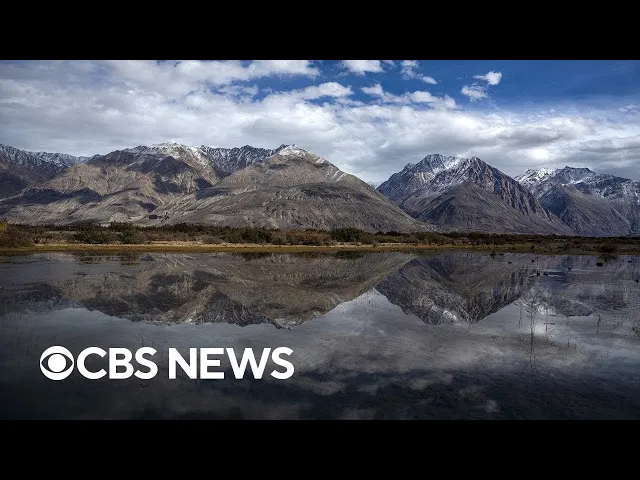
[Music] the world's tallest mountains are losing ice which could pose a serious danger to humanity that's according to a new report from the International Center for integrated Mountain development the agency which oversees the Hindu Kush Himalayas says changes to the glaciers snow and permafrost are unprecedented and largely irreversible the report also warns two billion people are at risk to discuss the report I am joined by Isabella cosgel the deputy director general of the agency that authored the report Isabella the two billion people either live in the region or are Downstream from the mountains what will
these melting glaciers mean in the next few decades thank you so yes the crisis is getting worse and it's getting worse fast that's why this report is so important it needs to trigger rapid and Urgent action even if this feels remote to us sitting far away from this region it is going to affect us all whether that's through the mass movement of peoples or through sea level rise I've lived I live and work in in Nepal I've traveled to India to Bhutan and to Bangladesh and I've seen how farmers are subject to changing weather patterns
and subject to complete crop failure because of increasing pests and diseases we have whole herds of yak which are mountain oxen that are wiped out overnight through an unexpected snowfall we have massive floods happening every year that wipe out homes that Wipeout whole communities that wipe out farmlands we've got new diseases coming up to these mountains which such as Dengue which are way again killing children killing the elderly there's a whole Cornucopia of complex extreme risks that are facing Us in these mountains today and let me go back to something you said before which was
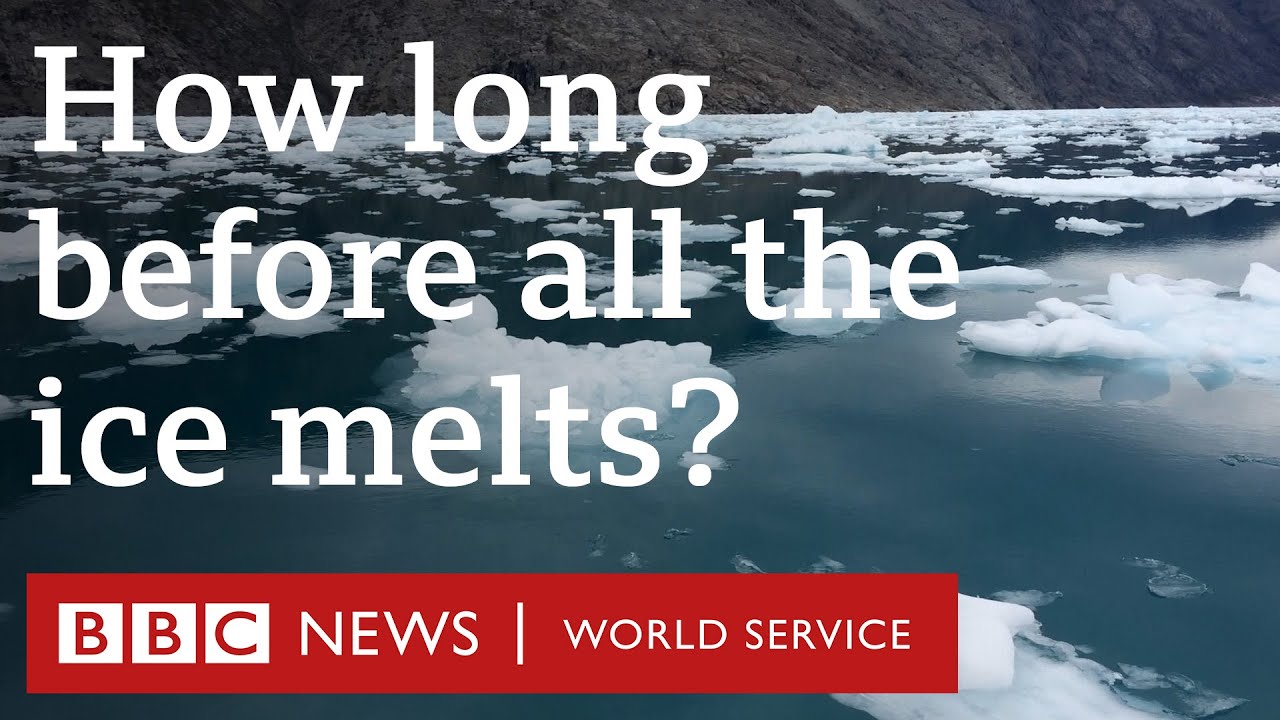
the risk internationally because Beyond just the geographical region in which this mountain range exists help us help us understand that a little bit better so the Himalayas are the third largest ice Mass on Earth when the glaciers in the Himalayas melt uh the the ice sheets in Greenland Arctic and Antarctica are also melting this means that there will be sea level rise there'll be quite dramatic changes in Ocean circulation as a result of increased fresh water into the oceans and this will have huge impact on us all equally the people who are losing their livelihoods
of which there are two billion that's a quarter of the world's population where will they go where will they go they they will have to go and find safer places to live in and we will have to offer those safer places to live in and Isabella the report though says that this is largely irreversible explain what that means so once the warming triggers the melting it is impossible to stop it so the the change that we are causing now will not stop even if we keep emissions at our current levels this warming has already triggered
the permafrost which is The Frozen Ground around the glaciers is already thawing once it starts thawing there is a Tipping Point and it keeps thawing once it thawed it also emits carbon dioxide and methane which can has the potential to wipe out any gains that we make from reducing carbon dioxide so is all hope lost or can anything be done to either arrest this or mitigate it or do something that all have if we commit seriously to decarbonate decarbonization now we still have an open window but let's keep that window open we need to seriously
commit to reducing greenhouse gas emissions and whatever investment we make now will be a benefit for the future we're better to invest in decarbonization now than we are to to protect and and prevent the disasters in the future we have a lot of climate Finance coming in from various countries uh but that Finance is Flowing too slowly we need to speed up the flow of the finance to help people on the ground we do a lot in terms of early warning in terms of bringing in um more climate resilient crops but we need to really
scale this up the Technologies are there we just need to get the money flowing to the right people right places and of course sorry before we run out of time many people will know this region uh because it encompasses Mount Everest and they know that because of of climbing what would the effect be on climbing well already we know that uh at least um a hundred meters of Glacier as reduced on Mount Everest over the last 60 years that's since almost since the last success the first successful Ascent of Everest but there are other effects
such as melting of the permafrost which will cause increased Rock 4 increased Avalanches we've had I think about 16 deaths on Everest already they are not all caused by climate change but some of them are caused by rockfall and Avalanche so it's very likely you're going to have a much more increased risks to Mountaineers and climbers and the Sherpas that go with them as we move forwards into the future Isabella cosgel deputy director General at the International Center for integrated Mountain development thank you so much for being with us thank you thank you