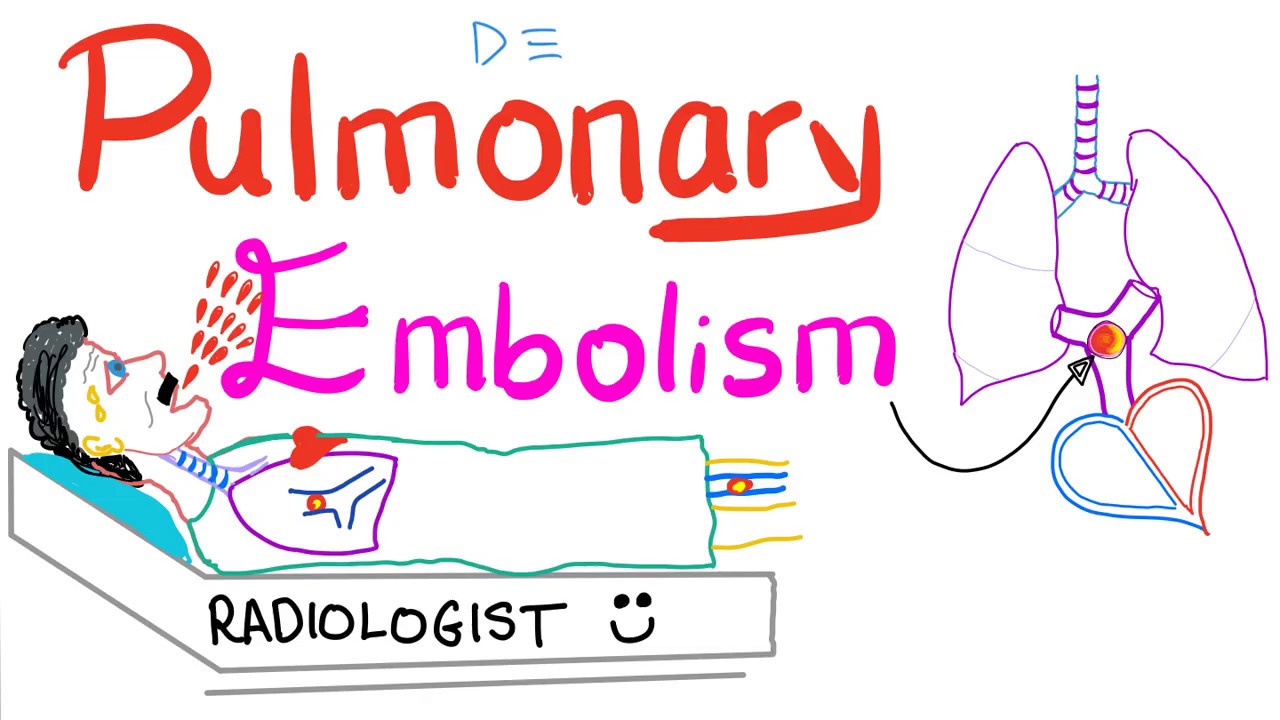
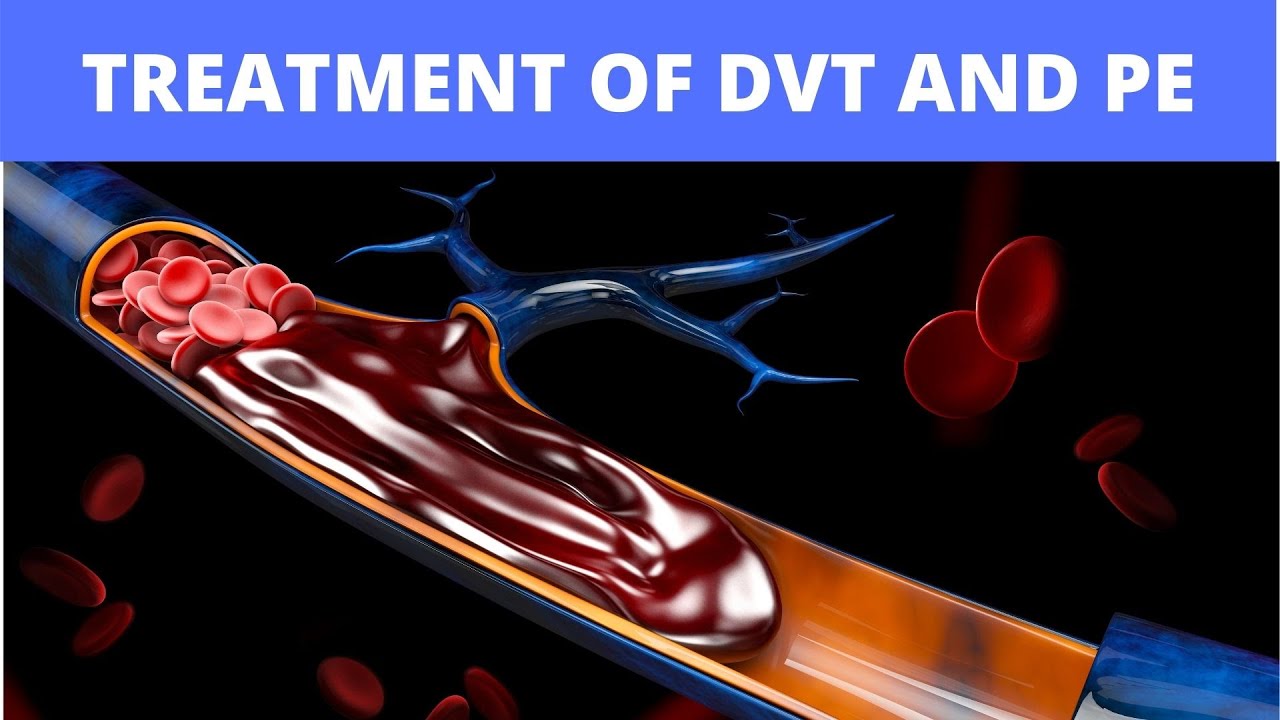
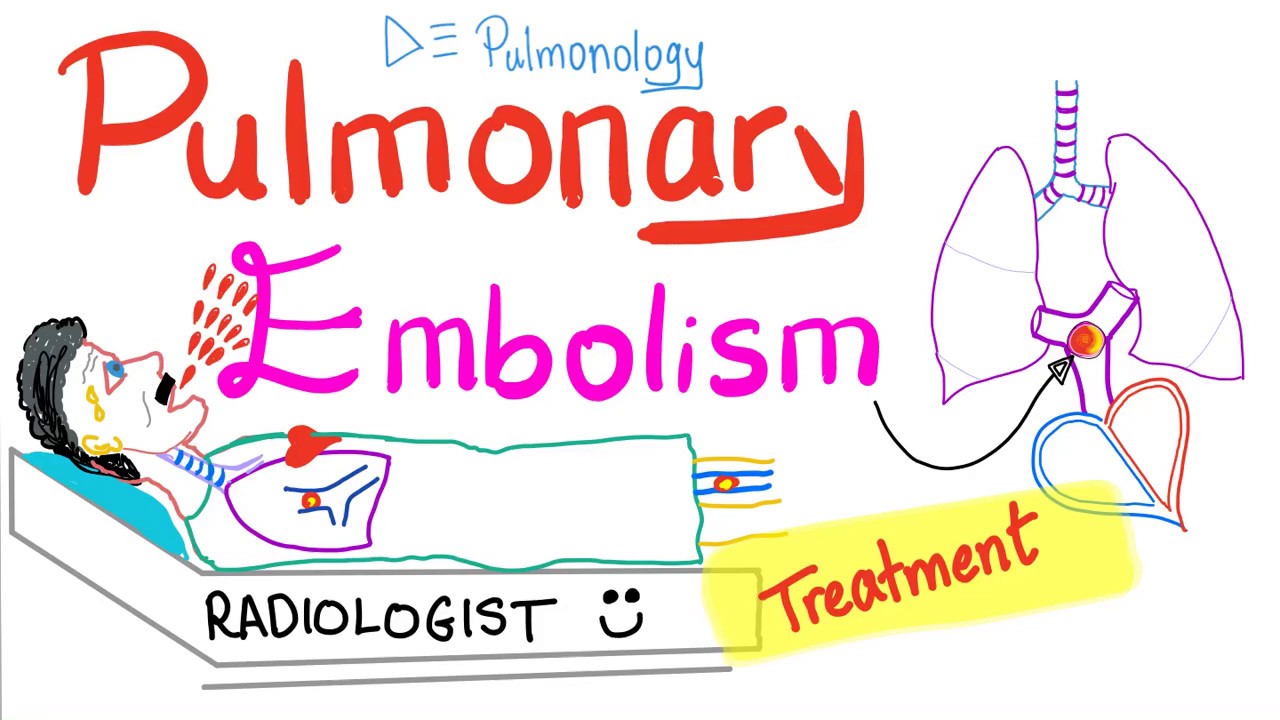
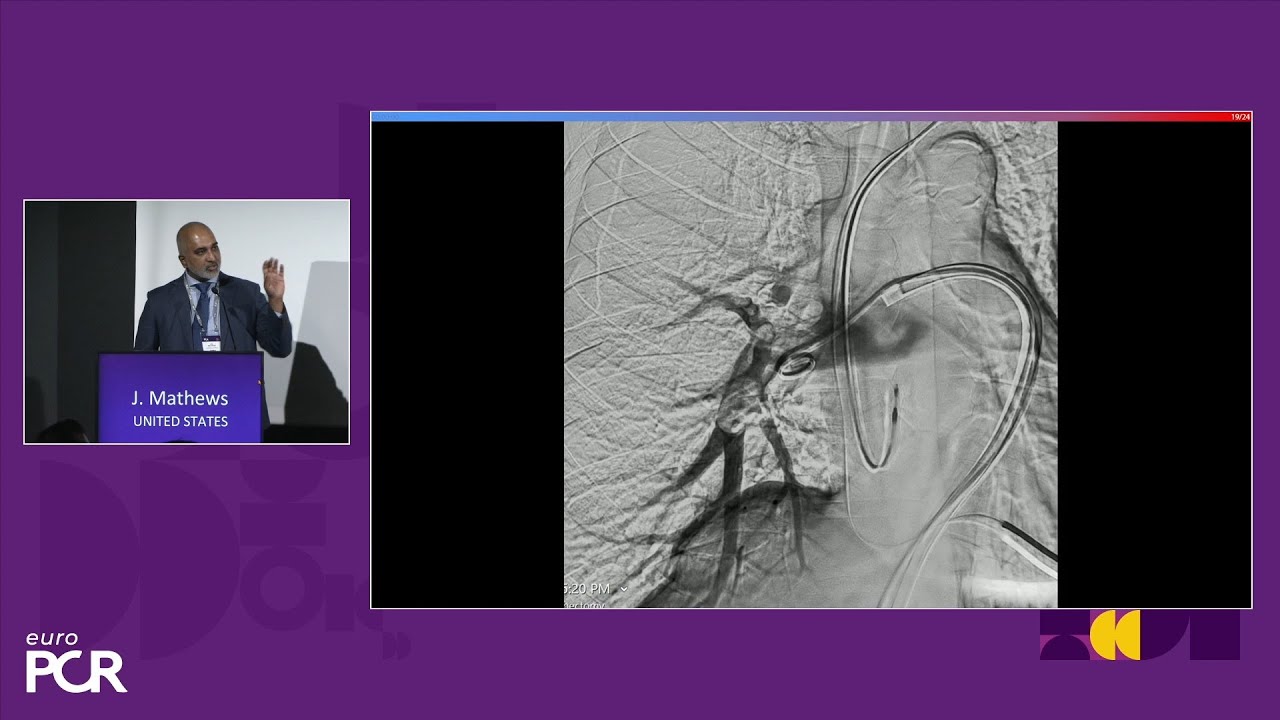
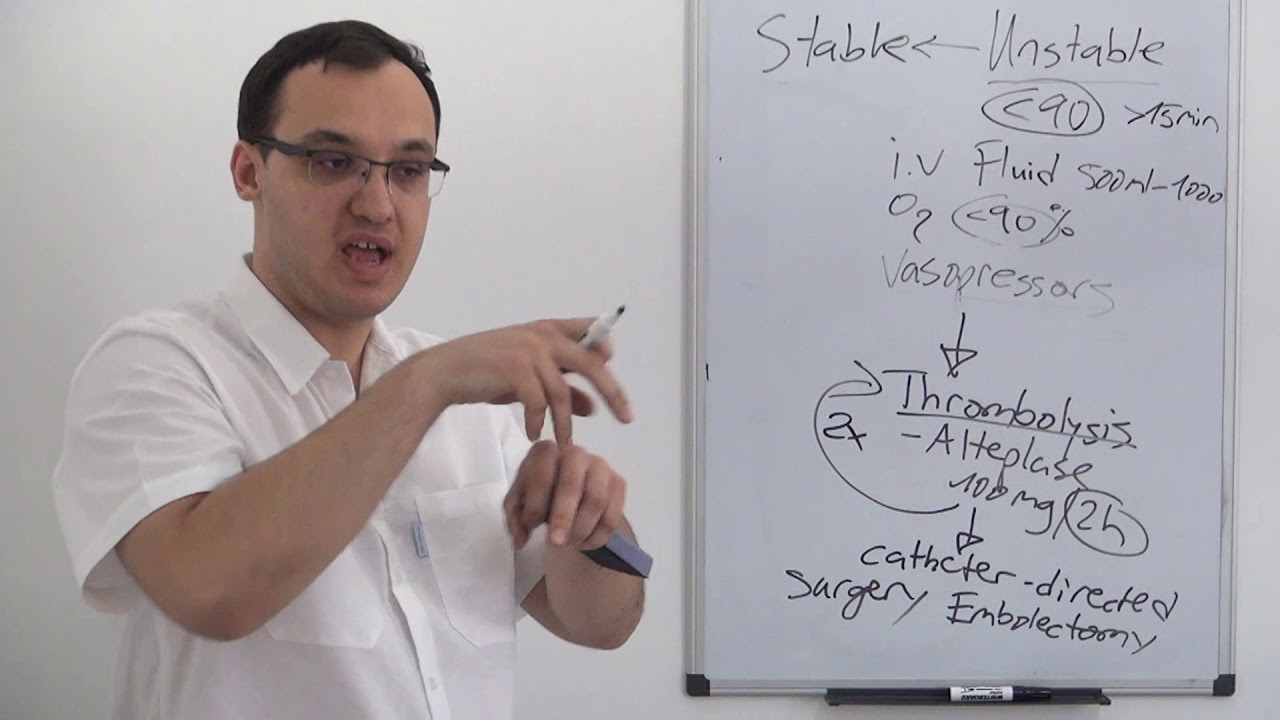
a pulmonary embolism is a life-threatening condition that occurs when a blood clot travels to the lungs blocking one or more pulmonary arteries this obstruction restricts blood flow to the lung tissues compromising oxygenation and potentially leading to fatal consequences which is what we're going to discuss in this video so keep watching to learn more a pulmonary embolism is a sudden blockage in one of the pulmonary arteries in the lungs it is most commonly caused by blood clots that travel to the lungs from the leg a condition known as deep vein thrombosis when the clot reaches the
lungs it can block the flow of blood leading to damage or destruction of lung tissue this is considered a medical emergency and requires prompt treatment factors like prolonged immobility surgery certain medical conditions and genetic factors can increase the risk of developing a pulmonary embolism now let's talk about its potential to become fatal the time frame for a pulmonary embolism to become fatal varies widely bed based on its size location and the individual's Health while small clots might resolve without harm larger ones can be fatal within minutes to hours therefore immediate medical attention is crucial as
prompt treatment can significantly reduce mortality risk a pulmonary embolism is potentially fatal because it involves a blockage in one or more of the pulmonary arteries in the lungs this blockage caused by a blood clot interrupts blood flow to a portion of the lung tissue to private it of oxygen the consequences of this Interruption include impaired oxygenation with reduced or blocked blood flow the affected lung tissue cannot effectively participate in gas exchange this can decrease the overall oxygen level in the blood compromising vital organ functions lung tissue damage the affected portion of the lung can become
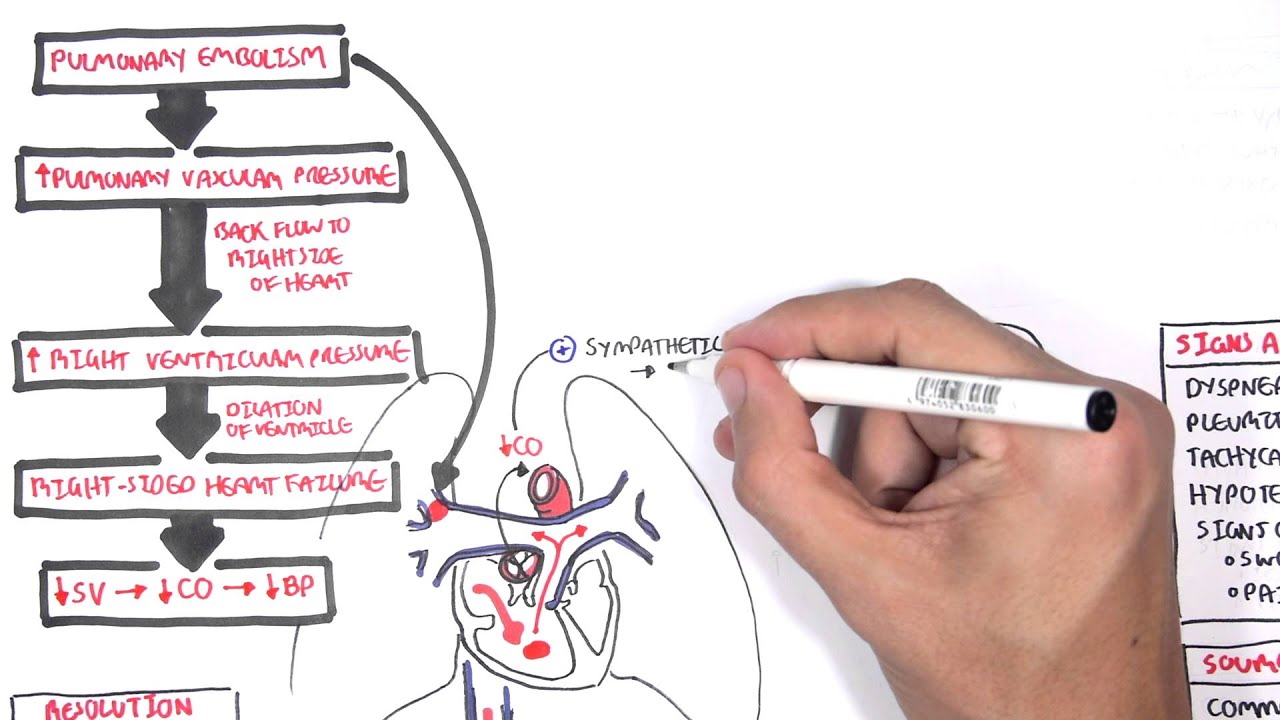
damage due to a lack of blood flow strain on the heart a pulmonary embolism increases resistance to blood flowing from the right side of the heart to the lungs this added strain can lead to right-sided heart failure known as core pulmonal systemic impact a significant drop in oxygen levels can affect other body systems leading to organ failure or shock and remember the size and location of the clot as well as the individual's overall health influence the severity of the pulmonary embolism and its potential to be fatal which is why immediate medical intervention is critical to
improve Pro outcomes and reduce mortality risk diagnosing a pulmonary embolism involves a combination of clinical assessment Imaging and laboratory tests initially doctors assess the patient symptoms in medical history dher blood tests can indicate the presence of clot degradation products but a negative result doesn't always rule out a pulmonary embolism the most definitive diagnostic tool is a computed tomography pulmonary angiography which is an Imaging technique that visualizes the pulmonary AR arteries a ventilation perfusion scan which examines air flow and blood flow in the lungs can also be used in some cases an ultrasound of the legs
can help detect a deep vein thrombosis which as previously mentioned May potentially lead to a pulmonary embolism pulmonary embolism is a serious condition and recognizing its warning signs can be life-saving some of the primary warning signs include shortness of breath chest pain cough rapid or irregular heartbeat Li headedness or dizziness excessive sweating clammy or bluish colored skin swelling in one leg leg pain or tenderness fever wheezing and feeling anxious or Restless a pulmonary embolism often presents as sudden and unexplained shortness of breath this difficulty in breathing may be accompanied by sharp stabbing chest pain that
can intensify with deep inhalations coughing or even eating however it's important to note that not everyone with a pulmonary will exhibit all of these symptoms and some might not show any symptoms at all but if you or someone else is experiencing these signs especially shortness of breath or chest pain it's crucial to seek emergency medical attention immediately now let's talk about how to prevent a pulmonary embolism preventing a pulmonary embolism often involves addressing its primary precursor which is a deep vein thrombosis here are some of the primary steps the first is to stay active regular
movement especially during long trips can prevent blood from pulling in the legs when flying or on long car rides flex and extend your ankles periodically and take short walks when possible exercise regularly aerobic activities like walking swimming or cycling can help maintain good circulation stay hydrated drinking adequate fluids can help prevent blood from becoming too thick and prone to clotting avoid prolonged immobility if you're bedridden or have limited movement due to surgery or another condition your doctor May recommend exercises or frequent position changes compression stockings these can help prevent swelling associated with DVT they gently
squeeze your legs promoting blood flow elevate your legs when resting or sleeping elevating your legs can improve circulation medications if you're at high risk for DVT or blood clots your doctor might prescribe anti-coagulants or blood thinners to prevent clots from forming limit certain medications and hormone therapies birth control pills or hormone replacement therapy can increase blood clot risk discuss Alternatives or risk management with your doctor stop smoking smoking affects blood circulation and increases the risk of DVT and blood clots maintain a healthy weight being overweight also increases the risk of DVT in blood clots regular
checkups regularly consult with your physician especially if you have conditions like cancer heart disease or inherited clotting disorders be aware during hospital stays hospitalized patients especially those who have just undergone surgery are at a higher risk ensure that the medical staff is taking measures to prevent DVT such as providing blood thinners or pneumatic compression devices avoid sitting for long periods if your job involves sitting for extended periods of time stand up stretch and walk around periodically by understanding the risk factors and adopting these preventative measures you can significantly reduce your chances of developing a pulmonary
embolism but always consult with a healthc care professional about your personal risks and the best strategies for prevention if you want to support the Channel please like And subscribe I would greatly appreciate it and there should be some other helpful videos popping up on your screen right about now that I think you will enjoy just a quick reminder we are not doctors this video is for informational purposes only thank you so much for watching have a blessed day and as always breathe easy my friend