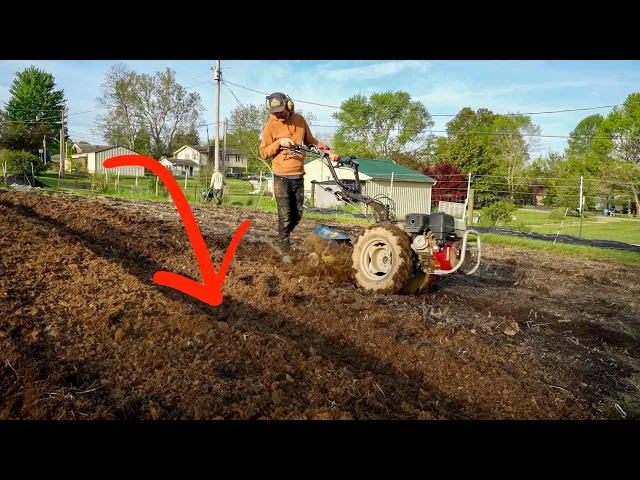
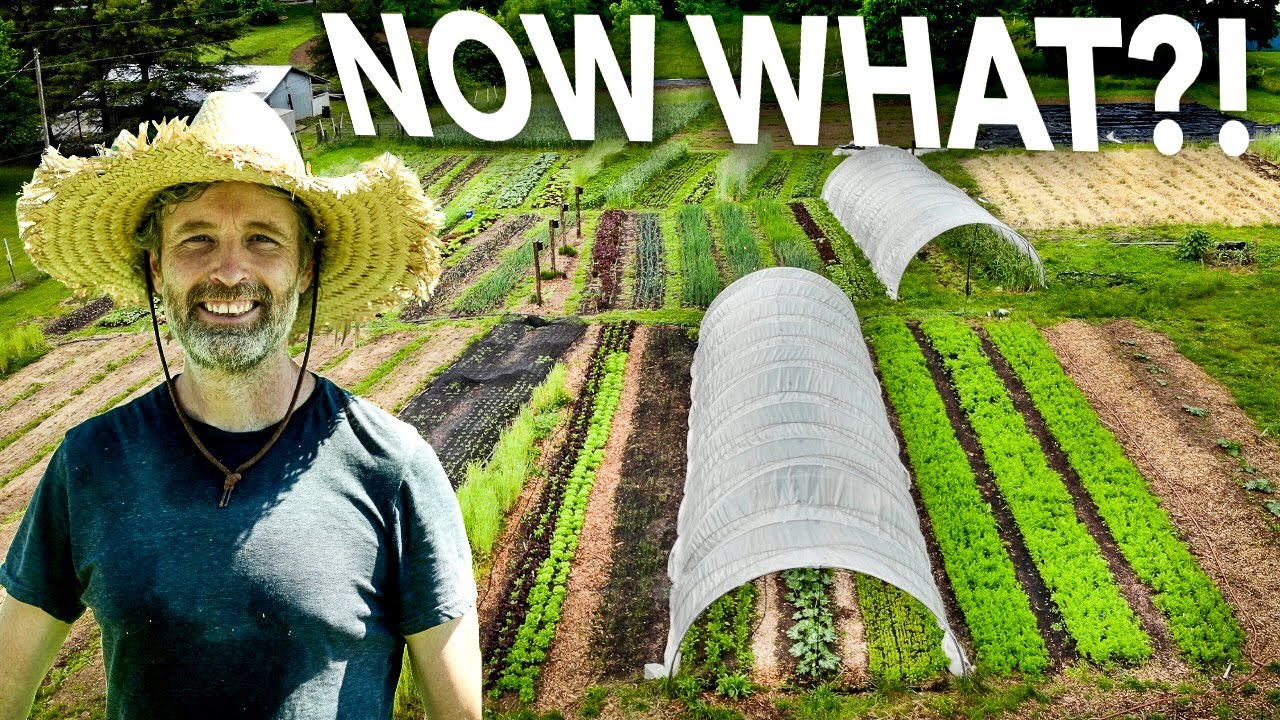
hey nerds farmer Jesse here so I know gardeners who get perfectly robust Gardens while using deep tillage with a mechanical tiller and they're sometimes like okay why would I not do this and I think that's a totally reasonable question so let's do it first I want to be clear that I do not judge anyone for how they grow food that is not the purpose of this video or this channel in fact I think people who use tillage often assume no till folks are like hopelessly dogmatic about tillage versus no tillage and that's just not really
the case for the vast majority of us one I know great Growers who still use tillage and have for a long time because they have developed systems around some of the things I'm going to discuss in this video also depending on your context and the condition of your soil tilling the soil before establishing a no till Garden especially where compaction is present is a common recommendation from us because it can be a very effective way to start a garden as we've discussed in many other videos quote unquote never till is not always the right approach
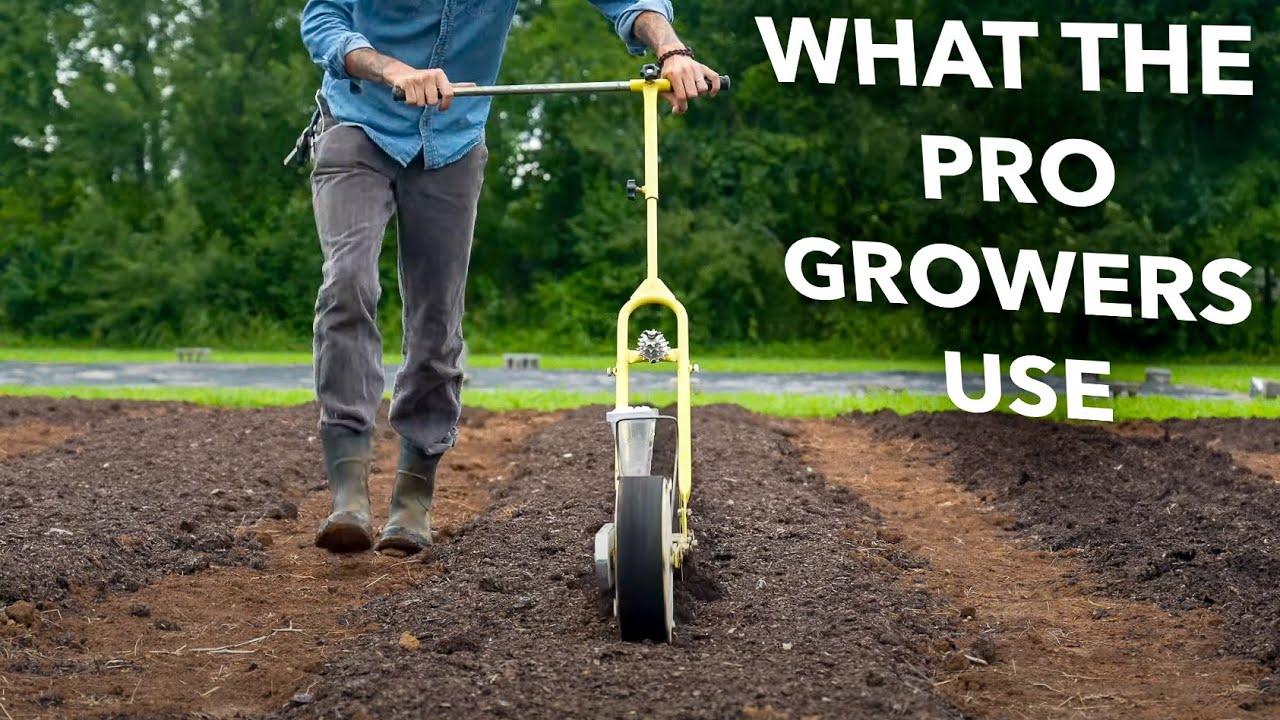
because like I always say if there's nothing there to protect in terms of soil organic matter and soil life which in compacted soils is often very much the case then put something where they're worth protecting and then protect it a lot of folks who practice no till will also sometimes or even regularly work the top 2 or 3 inches of the soil surface keeping the rizosphere the root Zone where the vast majority of soil life resides intact but creating a useful tilt for seeding or employing a tool like the paper pot transplanter or whatever indeed
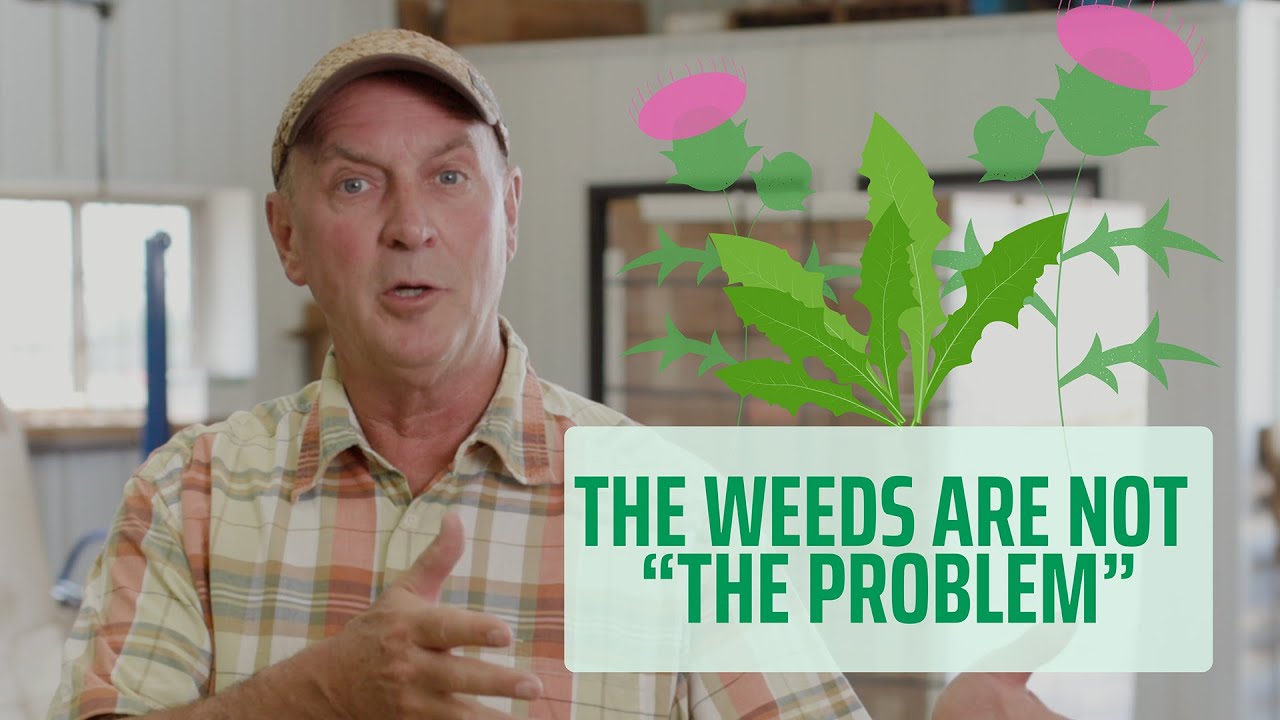
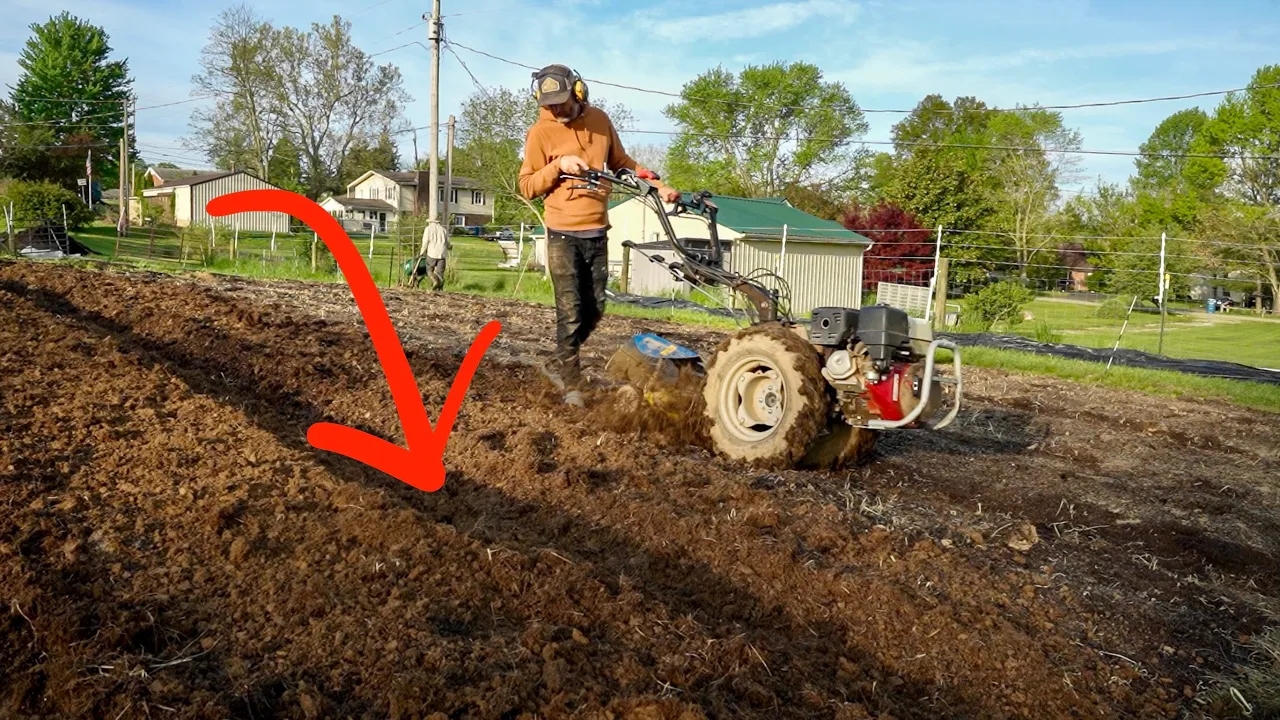
our main hope with this Channel and things like the living soil handbook which when you get it from noil grow.com helps to support this work is to Simply give you some other tools to work with that will reduce the need for heavy tillage and hopefully eliminate some of the significant challenges that come along with managing a garden with regular tillage apologies for this wildly big windup for this video but what challenges are those specifically so glad you asked the first challenge with regular tillage is weeds if you think tillage creates a fluffy planting or seeding
surface W buddy you should hear how excited weed seeds get about it tillage is ideal for weeds because one it brings up dormant weed seeds from deep in the soil so even if you do a good job of cultivating you effectively start that process over every time you till two it establishes a very low competition environment in which weeds can grow and three weeds are annual plants and considered recovery species so it is effectively their job to repair damaged soil and by job I just mean that somewhere in their evolution a bunch of annual species
discovered a niche growing quickly and spreading their progyny where a pack of bores roamed for instance or a tree fell or a bone plow flipped uh some sod or whatever event happened to expose some soil tillage is basically what they trained for for Millennia so a giant tilled Garden is the ultimate go time for Recovery species like most weeds tilling also breaks up Rous weeds like Bermuda grass Bermuda is that how you say like Bermuda grass or Johnson grass or bind weed and effectively replants them which is nice are all weeds bad no I mean
from the soil's perspective all weeds are fantastic A+ something to grow rapidly and replenish and cover the soil is basically all the soil ever wants I must be in quite the mood to anthropomorphize today but from a farmers's perspective the vast majority of weeds are going to cause problems depending on the crops you grow and what time of year for instance weeds dramatically slow down Harvest and spiny weeds can make that event quite miserable weeds can ruin air flow which can lead to diseases they can compete for nutrients and water and then they themselves can
replant quite rapidly tilling especially when not coupled with mulches is almost always going to lead to flushes of weeds kitty cat I know you're there I'll get to you in fact even those who just work the top two Ines of the soil will deal with more weed pressure than those who do not more disturbance is almost always going to equal more weeds of course there are ways to manage weeds like regular well-timed cultivations but that requires time Andor equipment and when it rains for a week straight and the entire Garden explodes and weeds in July
when you're already slammed and busy that can be tough to deal with so when we present different options for no or low tillage which there are videos all over this Channel about all of that stuff we are ultimately presenting options for reducing your labor especially in the peak of the season but also potentially increasing your yields and protecting your crops and again spiny weeds are the worst they just are tilling is also brutal to the soil ecology I've discussed this in other videos but a big portion of what makes soil healthy are the soil Aggregates
created by soil microbes wrapping up microscopic chunks of carbon inside of soil particles with various sticky enzymes that they create we call these soil Aggregates and they help not only trap carbon for a small amount of time in the soil but they help with water retention and movement uh provide food and food storage and housing for microbes on top of I don't know a million other things but when we till we effectively smash those Aggregates and release that locked up carbon while whipping a bunch of oxygen into the soil oxygen loving bacteria then consume the
newly released food stores the carbon and release it in the form of carbon dioxide similar to how we release carbon dioxide when we eat a sandwich or anything we eat doesn't have to be a sandwich of course this release of carbon dioxide is going on all the time in healthy soil it should be it's a good measure of healthy soil is the amount of carbon dioxide that comes out of it but the difference is that there are plants to recapture the carbon dioxide and put it back into the soil right in the carbon cycle but
obviously when you Till There is no plant there to just go ahead and recapture that carbon so it just escapes into the atmosphere so although you can get a burst of nitrogen which is reflected in plant growth there are diminishing returns there and all that hard work that your plants and microbes did fixing that carbon into the soil tillage undo that rapidly this is why it's important to avoid tilling that area around the rizosphere about 4 to 8 in down that is where a large percentage of these Aggregates and that soil life reside okay so
continuing down our Winding Road through reasons not to till those Aggregates also help keep the soil in place tillage is a huge issue when it comes to soil erosion from elements like wind rain getting hauled to the dump on plastic or getting washed down the drain when you're cleaning vegetables all those things erode soil can soil still erode in no and low till systems well most mostly no but I don't want to disregard the possibility because it depends on the system and the climate for instance if you are using something like a tilther to work
the top two or so inches of the soil and then you have a heavy rainfall you may notice uh some unfortunate erosion on your on the soil surface though you will also see that the area around the risos spere stayed mostly intact hopefully obviously you don't want to lose any soil ever but the more you can reduce the potential for heavy soil loss the better especially for things like earthworms in fact let's go down that hole for a second things like worms and other beneficial macro creatures not only get beat to death and chopped up
sorry that's literally what's happening in a tillage event but their infrastructure gets demolished as well tillages to the soil what it would be to a city in order to for citizens to return if you ran a giant tiller through a city which please don't do that I don't know where you'd get one but if you have one don't I wouldn't use it on a city you'd have to rebuild the infrastructure like electricity and water before you could really start building new structures same sort of idea applies to the soil sure you can load a bunch
of plants into to tilled soil a bunch of structures so to speak but their support is going to be limited because the infrastructure needs some time to be repaired properly to support them not that analogies are real life but this lack of proverbial established infrastructure means that plants and the soil don't have access to all the tools required to fully sustain themselves and that's one reason you may run into more Pest and disease issues on your plants in tilled systems I think of no till systems as a way to fully allow that infrastructure to be
built and built before you put in those buildings plants but that could also be a reason that no till systems can take a you know a year or more to really get going rebuilding infrastructure after tiller came through your city can take time one would assume another thing that I generally like about no till systems versus tillage systems is how much cooler the soil can be around the mulch and living plants in fact some Growers use tillage primarily because it warms the soil which can come in handy in the spring but in the summer no
till plots tend to keep a nice even temperature whereas tillage can lead to large and intense temperature fluctuations of course this depends on the type of noil system you are using compost mulch can obviously get pretty hot whereas lightly colored mulches keep the soil fairly cool instead of tillage in the spring I like those compost mulches and sometimes even using a tarp to help get the soil up to a good plantable temperature then in the summer I like to rely more on cover crop residue or other lightly colored carbonaceous mulches to keep the soil cool
and of course the living Pathways chip in a bit on the coolness I mean go stand in a lawn and then in a tilled field on a hot day and you can truly feel the difference that's definitely something to consider because when you till you have to cultivate and when you cultivate it will likely be hot not just on you but on the soil but it also on you it gets very hot obviously if you are going to till get the soil filled rapidly in plants and or mulch both of which have a cool in
effect on the soil and air around them indeed if you're tired of hotter and hotter Summers tillage is never really going to help more often not it just kind of adds to the problem okay let's do some quick hitters so I can get to harvesting this morning first one huge practical issue I have with tillage is that the soil has to be relatively dry to work it so basically there are Springs and even Summers here in Kentucky at least where you literally can't get into your Gardens before late April in many no till systems by
comparison you can be in the field planting while it's pouring if you want or just in the middle of winter I learned how to farm on a tillage farm and where we used to start our garden prep in March or April if we got a dry warm spell we can now start whenever we want because we don't have to work the soil it's one of the huge benefits of no till another thing about tillage in our rainy climate is soil being splashed onto plants from heavy rain can cause folar diseases it can also just be
a pain in the wash back said but folar diseases now if mulches down that's not going to be as big of an issue things like foler diseases though of course mulches can harble fungal diseases so harble Harbor fungal diseases so it's not a perfect comparison for a no till system plant roots are typically left in the soil and allowed to slowly decompose which limits nitrogen tie up but fer tillage systems the roots are smashed and immediately consumed which can tie up nitrogen and slow the Grower's ability to replant quickly which means that during bed turnover
that is going from one crop to another the grower has to wait a couple weeks to allow for that decomposition after a tillage event unless they just rip out all the plants and then go that way but then you lose a bunch of carbon it's kind of a lose lose in terms of planting whether tillage is faster or slower than no tillage is highly dependent on which no till system we are talking about and what the crop is for instance you're going to be able to plant a th000 lettuce plants by hand into tilled soil
faster than uh soil that's covered with straw for instance but do you make up for that planting Time by not having to cultivate that soil maybe is tillage more energy dependent yes maybe but also that depends on where your m came from and how they were produced objectively some mulches come from hay fields and hay is extremely energy intensive so maybe not again there is no point in being dogmatic about any of these things instead be considerate of your soil ecology your soil erosion your business and personal goals like for instance I don't want to
spend all of my time cultivating in the heat but maybe that's just me anyway totally unrelated to this video our buddy Dan Bree host of the seed farmer podcast just wrote a new book and it is on pre-order now at no to grow.com and it is amazing I read it I'm really love Dan's approach because it's all about how to incorporate seed production into the market Garden which I love more on that soon but let me know your thoughts on tillage or no tillage or any terms you like to use doesn't matter to me why
you would or wouldn't do one or the other in the comment section what did I miss or get wrong if you would like to learn more about the living soil and no till systems I highly recommend then check out the living soil handbook which you can also get from no tools.com it is also currently available in French and soon Italian and German which is wild yeah you can't get the translated versions from us at no till Growers you have to buy those in the countries that speak those respective languages anyways like this video If you
like this video If you're not subscribed to this channel hit the Subscribe button and if you are subscribed you're awesome I'm getting to you support our work at patreon.com Growers or just hit that super thanks button that works too otherwise thanks for watching we'll see you later bye [Music] there she is are you happy with yourself Kitty [Music]