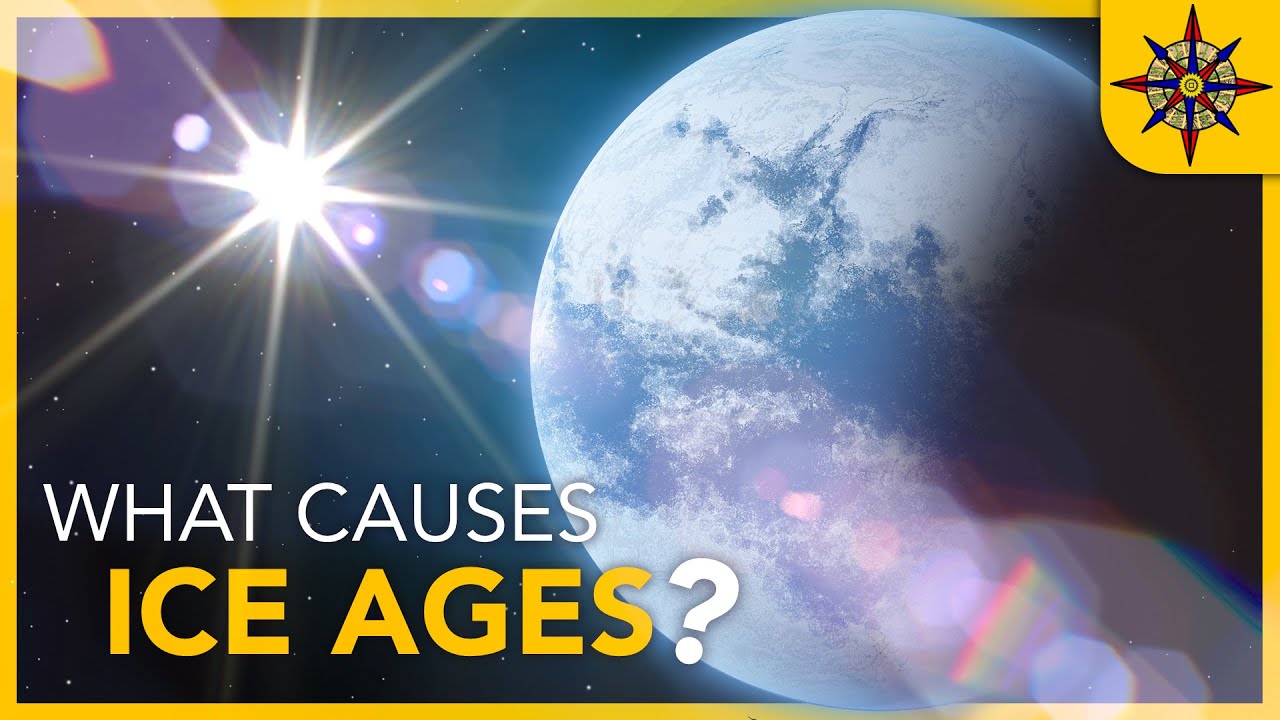
The current climate change is caused by the last interglacial cycle, Or not? The last glaciation in Earth's history, also popularly known as the "Ice Age," ended approximately 11,700 years ago and gave way to the Holocene, the time we are in today. This is also classified as the "INTERGLACIAL PERIOD.
" An interglacial period is a time interval of several thousand years during which global temperatures increase. This causes ice masses such as glaciers and polar ice caps to decrease and sea levels to rise temporarily until the next glacial period. Throughout history, there have been many glacial and interglacial periods; in fact, the Holocene or postglacial period in which we are is just one more.
But if the changes we observe today have always occurred during all interglacial periods of Earth's history, what role do humans play in climate change? Is human activity related to the changes we observe in the Earth's climate, or is it a natural process that has always occurred? ?
Stay with us to find out! Interglacial periods are warm climate intervals within an ice age in which global temperatures rise significantly, allowing ice masses to retreat and temperate ecosystems to expand. These periods contrast with glacial periods, in which the global temperature decreases, causing glaciers to advance and ice sheets to expand, affecting the distribution of species and modifying landscapes.
The discovery of glacial and interglacial cycles was revolutionary for climate and geological science. In the 19th century, geologist Louis Agassiz was the first scientist to identify these patterns. Agassiz proposed the existence of extensive glaciations in Earth's geological history based on observing geological formations in Europe, such as glacial valleys and moraine deposits.
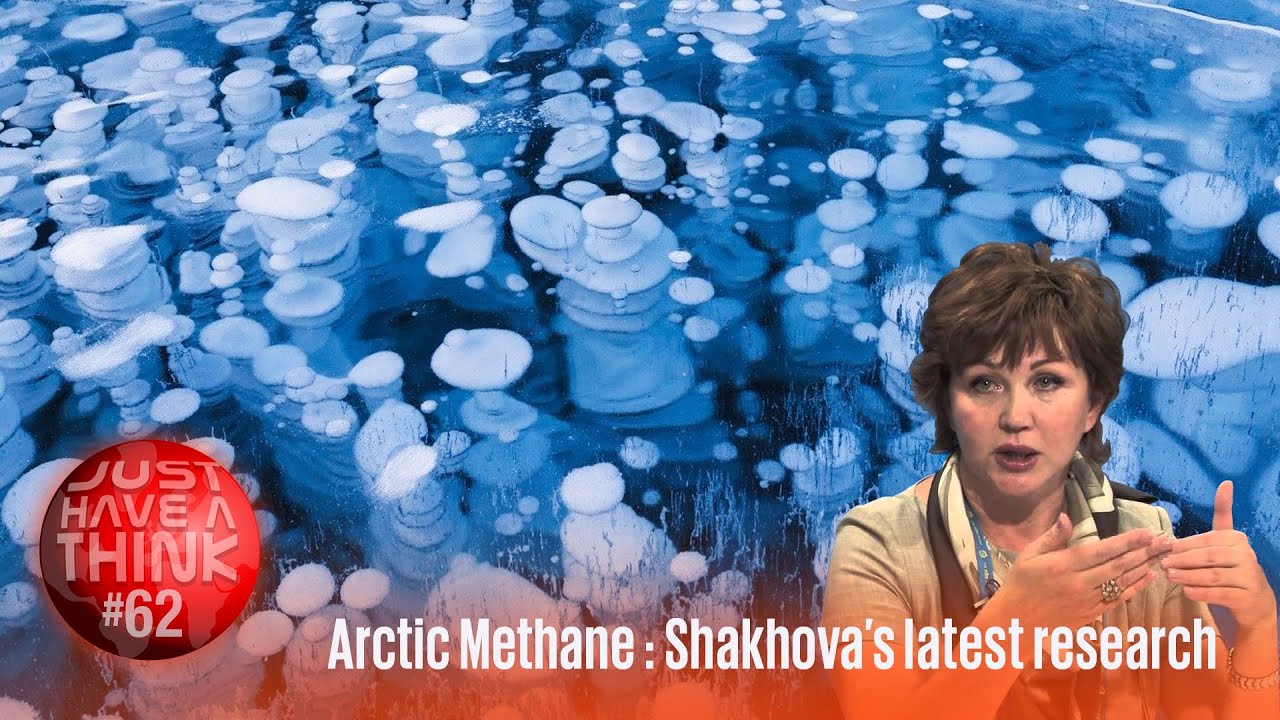
These observations led to the theory of glacial and interglacial cycles. The geological methods used to identify these cycles include analyzing ice cores and marine sediments, which provide a detailed record of fluctuations in temperature and atmospheric composition. Ice cores make it possible to measure the concentrations of greenhouse gases such as carbon dioxide (CO2) and methane (CH4) trapped in air bubbles, offering insights into past climate conditions in the Earth's atmosphere.
The current glacial-interglacial cycle began with the end of the last glaciation, known as the Würm glaciation, which peaked about 21,000 years ago and ended approximately 11,700 years ago. With the end of this glaciation, the Holocene began the interglacial period in which we are today. Throughout Earth's geological history, factors such as the Earth's orbit, greenhouse gas concentrations, and ocean dynamics have influenced glacial and interglacial cycles.
It is estimated that the current interglacial period, the Holocene, should last between 10,000 and 20,000 years. However, some studies suggest that the next ice age could have been delayed due to human intervention in the climate. But how can we identify the contribution of human activity in the current interglacial period?
Previous interglacial periods Before the Holocene, the Earth experienced several significant interglacial periods that marked the planet's climate. The three most recent before the current one were the Riss-Würm interglacial, the Mindel-Riss, and the Günz-Mindel, each of which left important traces in the planet's paleoclimatic records. The Riss-Würm interglacial, which occurred approximately 130,000 and 115,000 years ago, is fascinating because global temperatures were even higher today.
Yes, as you heard, the temperatures on our planet today are not the highest they have been in recent history. It has been estimated that during the Riss-Würm interglacial, the average global temperature was between 1 and 2°C higher than today, which caused the sea level to be up to 6 meters higher. This temperature increase was mainly due to changes in solar radiation received by the Earth (caused by orbital variations) and increased concentrations of greenhouse gases, CO2.
Evidence for these warmer temperatures comes mainly from oxygen isotope records in marine sediments and ice cores that allow us to reconstruct the Earth's past climate patterns. The French geologist Milutin Milanković was key to explaining these climatic cycles by developing the theory of Milanković cycles. This theory posits that changes in the eccentricity of the Earth's orbit, the tilt of the axis, and precession influence glacial and interglacial periods.
Paleoclimate studies have corroborated this theory, showing that changes in solar radiation are a major force behind Earth's warming and cooling cycles. If you would like to know more about how the Milankovitch cycles influence climate change, we recommend this video, in which we discuss it in more detail. "Note to the editor: at this time, place in the video the thumbnail of the past video on how the Milankovitch cyclos influenced the climate, and place a label in that minute of the video.
" The previous interglacial was the Mindel-Riss interglacial, which occurred about 300,000 to 230,000 years ago, and before that, we have the Günz-Mindel interglacial, which took place about 400,000 to 340,000 years ago. These two also showed similar patterns of warm temperatures and sea level rises. These periods reflect a pattern in which global temperatures increase after a glacial phase, affecting the cryosphere, sea level, and ecosystems globally.
Rising temperatures during interglaciers During interglacial periods, the Earth experiences an increase in global temperatures due to the combination of astronomical, atmospheric, and geological factors. One of the main drivers of these temperature increases is the Milanković cycles, which explain how variations in Earth's orbit modify the amount of solar energy that reaches the planet. These changes in solar radiation drive the expansion or contraction of glaciers and polar ice caps.
As glaciers melt, the Earth's surface reflects less solar radiation (That is, the albedo decreases. ), causing further warming. This process feeds on itself: less ice means more heat absorption, which, in turn, leads to more ice melting.
In addition, the release of greenhouse gases such as CO2 and CH4 trapped during glacial periods intensifies this warming. CO2 concentrations, in particular, tend to increase during interglacials due to the release of carbon stored in the oceans and soil, reinforcing the natural greenhouse effect. An essential aspect during these periods is the decrease in ice masses at both poles and mountain ranges.
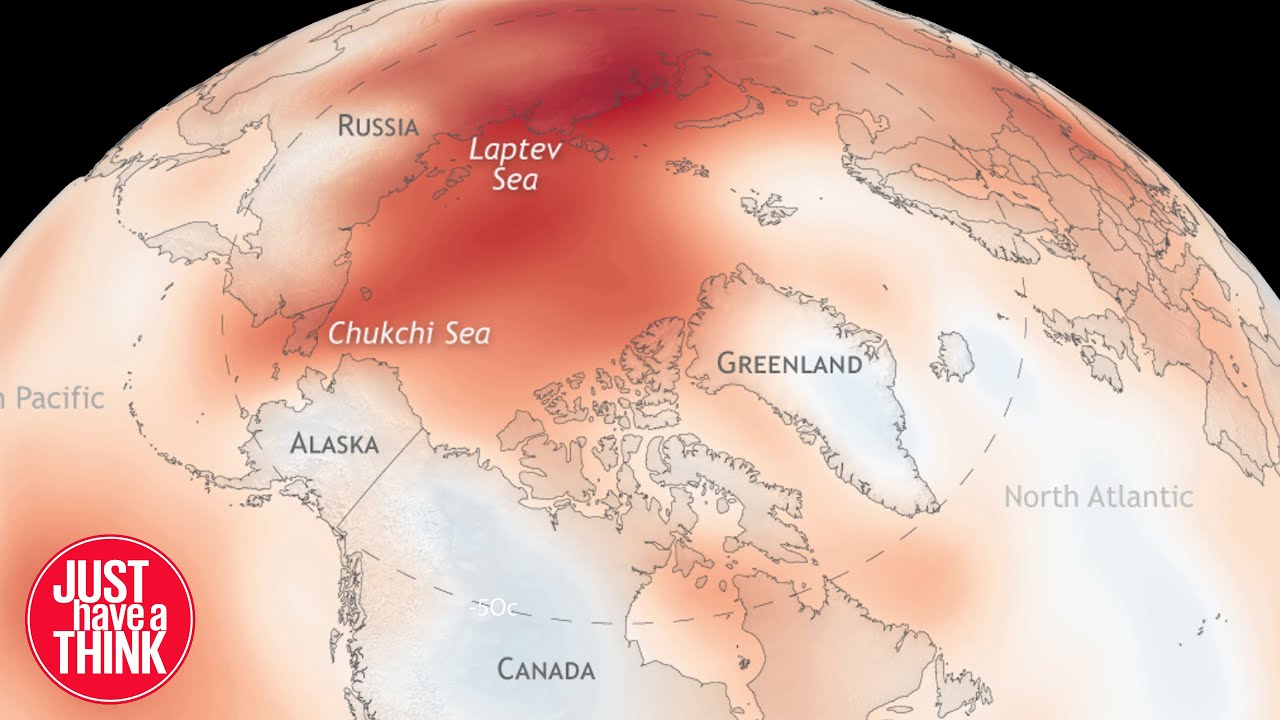
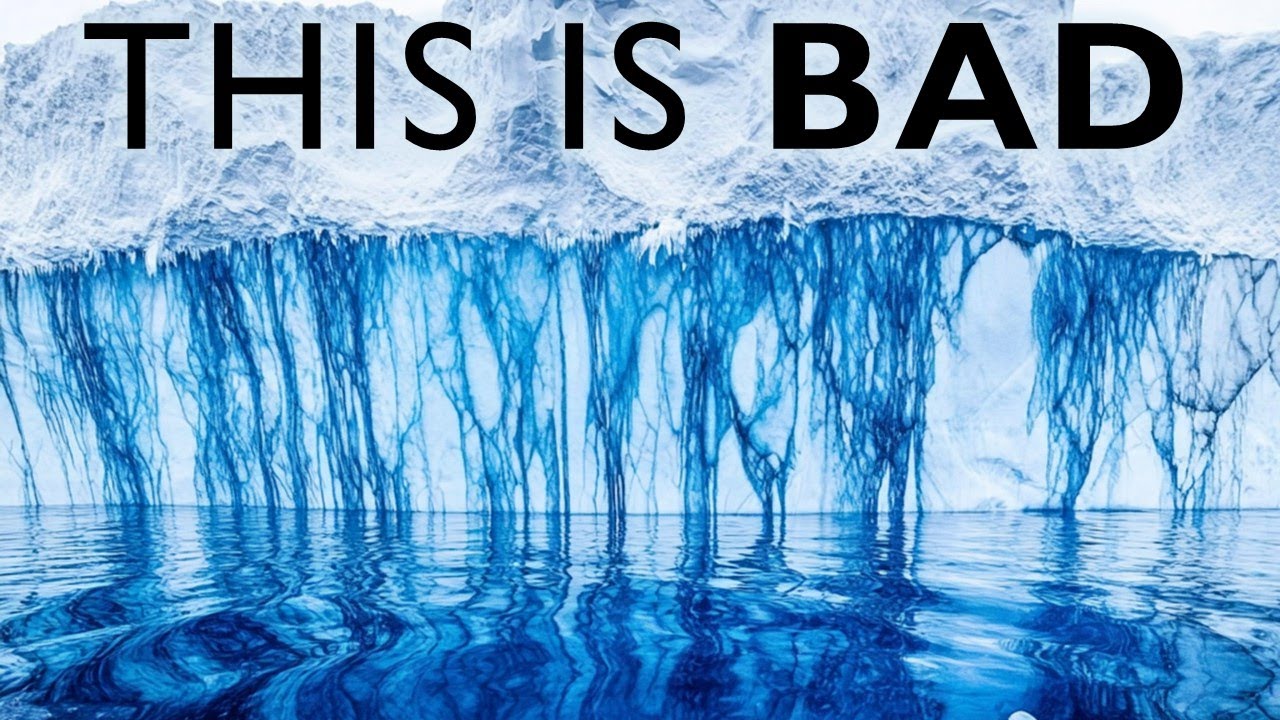
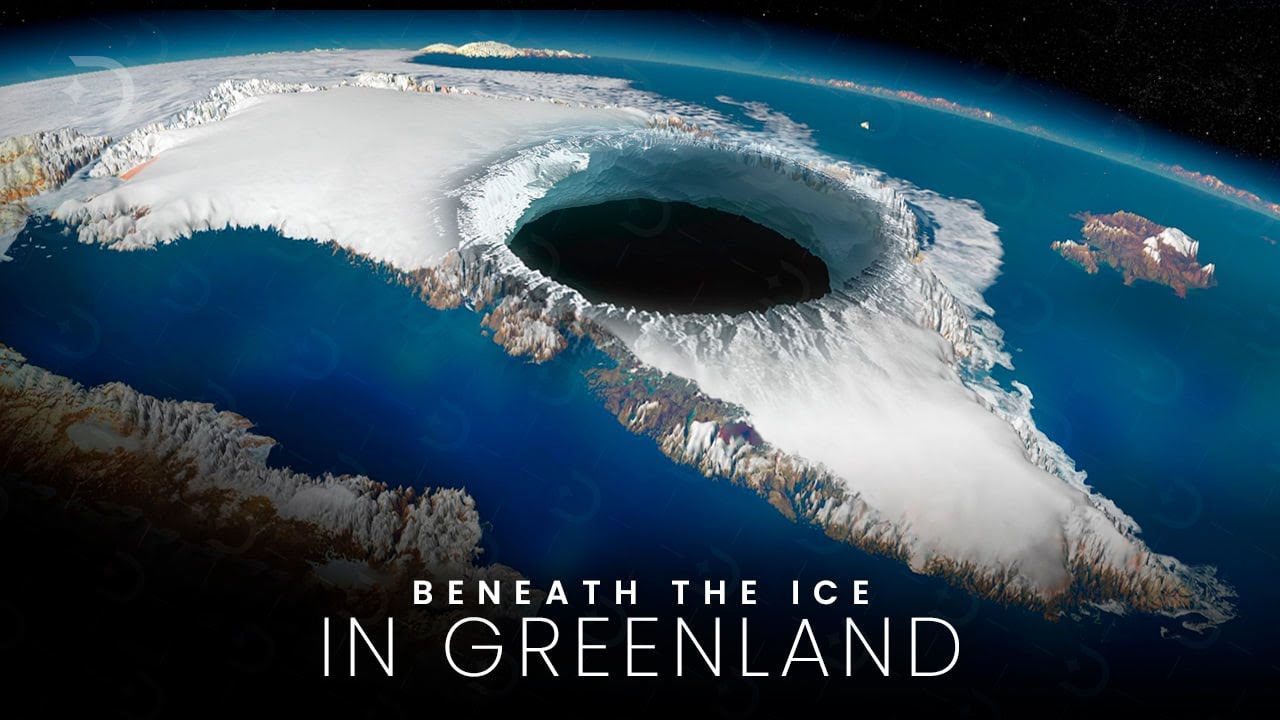
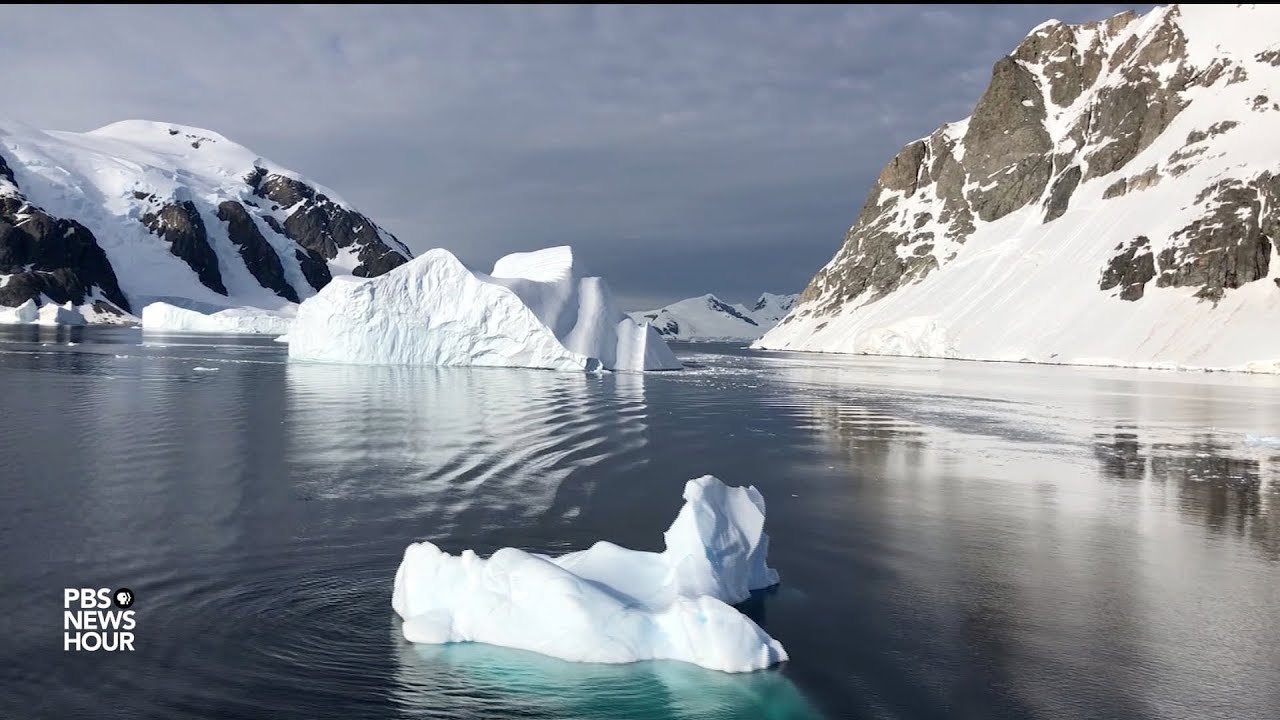
For example, the Arctic is experiencing a significant reduction in sea ice extent, while glaciers in Greenland and Antarctica are affected. This causes a rise in sea level, which can vary from a few meters to tens of meters depending on the magnitude of the warming. During the Riss-Würm interglacial, the sea level was 6 to 9 meters higher than it is today, flooding large areas of the current coastlines.
The atmosphere also plays a crucial role during interglacials, as changes in air circulation patterns influence the redistribution of heat globally. In addition, precipitation cycles are altered, which affects ecosystems and agriculture, and extreme weather events occur more frequently. Ey!
before moving on, be sure to like or dislike the video so that we can improve them for YOU, the viewer. Plus, Don't forget to subscribe to our channel by making sure to hit the NOTIFICATION BELL so you don't miss ANY of our daily videos! Do humans have anything to do with it?
So far, everything seems to indicate that the climate change we observe throughout the planet is part of a recurring event: the interglacial periods, which always occur between each glacial period, whether or not humans are present. However, this is not the case. Throughout the Holocene, the current interglacial period, human activity has significantly impacted the global climate, especially since the Industrial Revolution in the nineteenth century.
As can be seen in the graphs of the global temperature record of the last 2000 years: Since the human race began the Industrial Revolution in 1880, it has intensified the burning of fossil fuels (coal, oil, and gas). The release of greenhouse gases, particularly CO2 and CH4, has altered the natural cycle of interglacial periods. During the Riss-Würm interglacial period, although temperatures were up to 2°C higher than today, they slowly increased over thousands of years to reach those temperatures.
In contrast, in the current interglacial period, temperatures have increased significantly in less than 200 years, coinciding with the beginning of the Industrial Revolution. While it's normal for temperatures to rise during interglacials, the accelerated rate of warming that scientists have observed in recent decades is primarily attributed to human intervention. Paleoclimate studies show that the current temperature increase is much faster than expected naturally in an interglacial.
Multiple scientific studies and international bodies, such as the Intergovernmental Panel on Climate Change (IPCC), support this statement. Among the most prominent scientists in this field are the American climatologist James Hansen, the German meteorologist Stefan Rahmstorf, and the British paleoclimatologist Valerie Masson-Delmotte. These researchers have provided strong evidence of human activity accelerating global warming, primarily through increased greenhouse gas concentrations.
In addition, recent studies have shown that current temperatures are higher than at any other point during the Holocene, and an unprecedented increase in extreme weather events such as heat waves, prolonged droughts, and rising sea levels has been observed. This warming has also led to the collapse of delicate ecosystems such as coral reefs and intensified the melting of the polar ice caps, reinforcing concerns that human intervention is severely disrupting the natural cycle of the interglacial period. End of the Interglacial The Holocene, our interglacial period, will end sometime within the next few millennia, although it is difficult to predict exactly when.
Typical interglacial cycles last between 10,000 and 20,000 years, and since the Holocene began about 11,700 years ago, we may be nearing the natural end of this cycle. Without human intervention, the end of the Holocene would be expected to give way to a new glaciation in the coming millennia, following the historical pattern of glacial and interglacial cycles. Climate models based on the Milanković cycles suggest that the next ice age could begin within about 10,000 to 50,000 years, depending on Earth's orbital variations and other natural factors.
However, human influence has complicated these forecasts. Fossil fuel burning and deforestation have dramatically increased greenhouse gas concentrations in the atmosphere, leading to significant global warming. This phenomenon has altered the Earth's natural climate balance, potentially delaying the onset of the next ice age.
Some scientists suggest that if CO2 emissions continue at the current rate, we could prevent the next ice age from occurring, as high concentrations of greenhouse gases would keep global temperatures elevated indefinitely. If the Holocene were to end naturally, the Earth would enter a new glacial period in which global temperatures would drop significantly, leading to the expansion of the polar ice caps and glaciers. This would cause a drop in sea level, as large amounts of water would be trapped in the ice masses.
Temperate and tropical regions would experience dramatic changes in their ecosystems, and vast areas of the Northern Hemisphere would be covered by ice. Despite this natural trend, Earth's climate future is uncertain due to human interference in the climate system. The most recent studies suggest that CO2 emissions have already had such a significant impact that we are unlikely to see a new ice age in the times predicted by orbital cycles.
Instead of global cooling, we could face stabilization or even continued warming in the coming decades and centuries. The end of the Holocene and the transition to a new glaciation are processes that, if not for human influence, would probably occur in the coming millennia. However, the magnitude of greenhouse gas emissions has altered this cycle significantly, which could delay or even eliminate the next ice age.
The Earth's climate future will depend largely on the decisions that humanity makes in the coming years regarding climate change mitigation. Now we want to hear your opinion, tell us! Do you think that human beings can alter the climate of the planet we live on in such a significant way?
Is there still time to stabilize the current interglacial period? Let us know what you think in the comments!