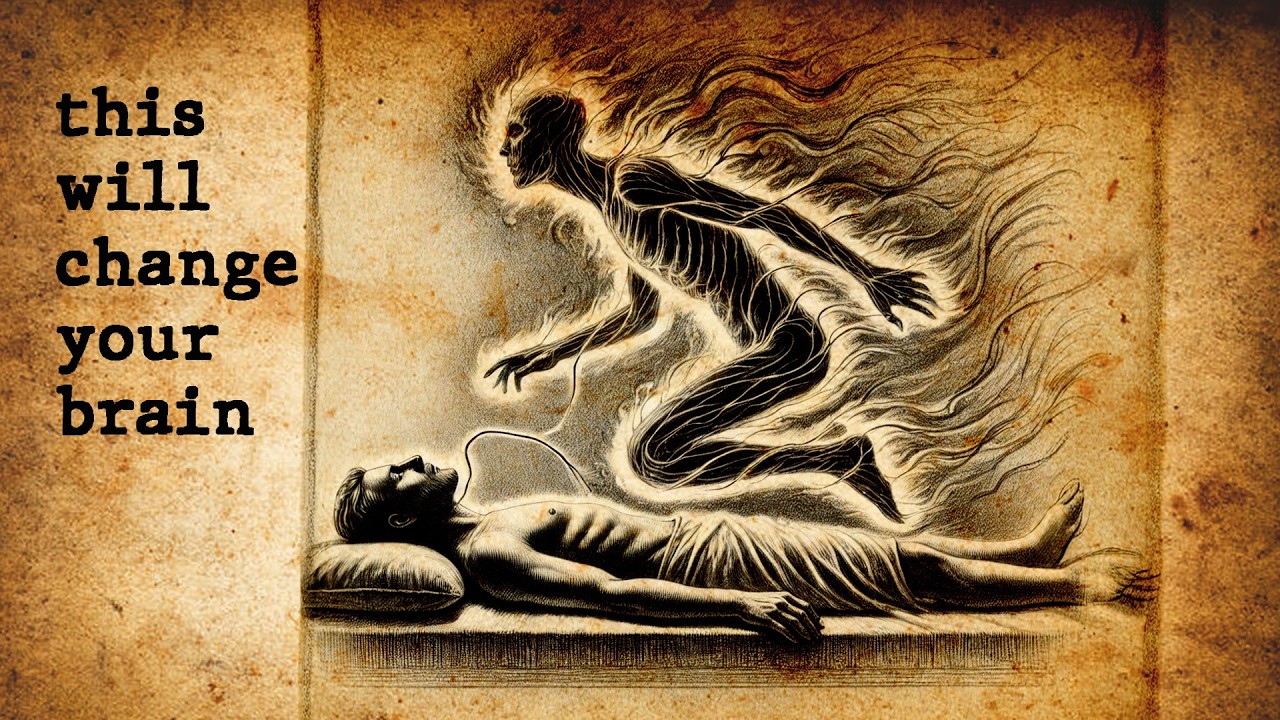
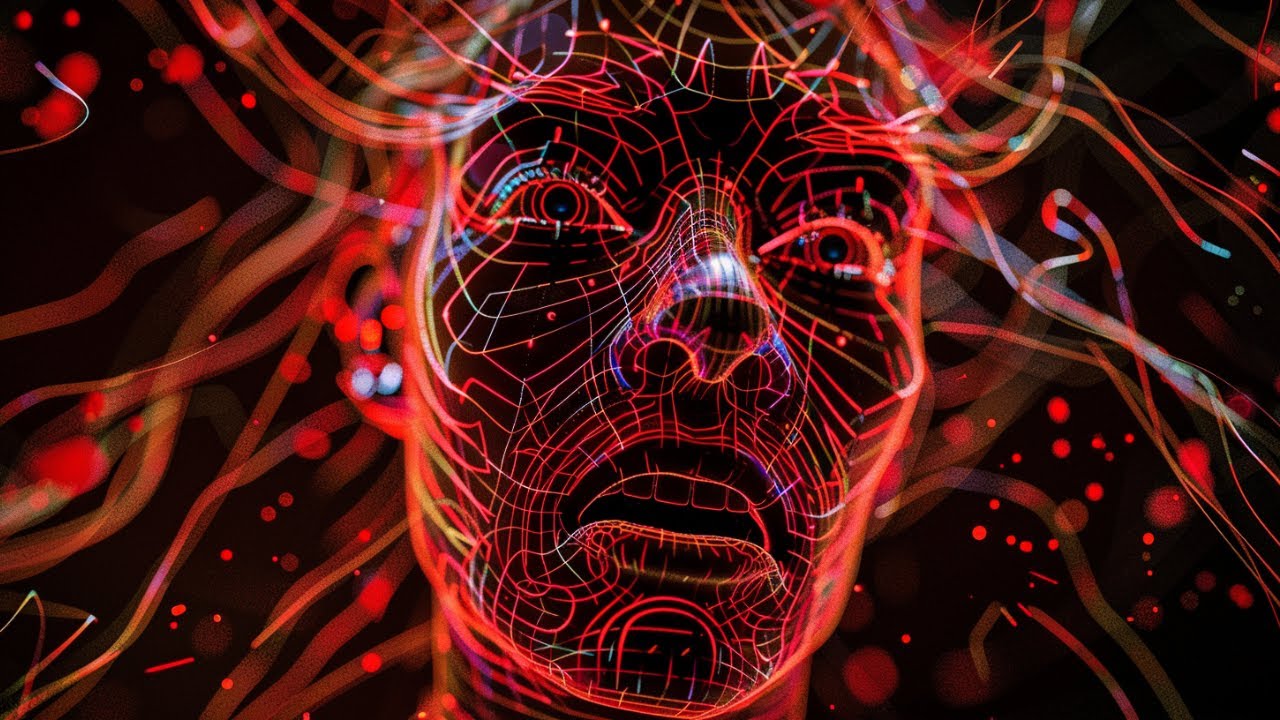
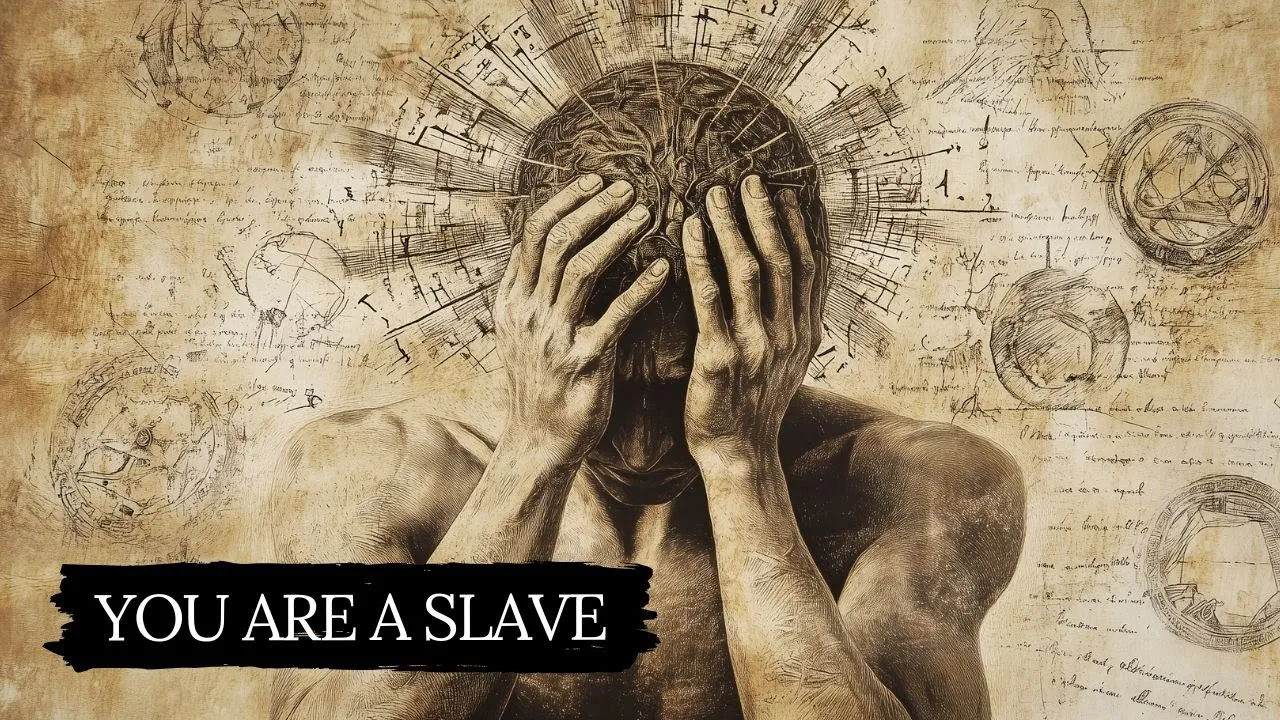
Imagine that within you there is a primal guardian, a silent entity that controls your life without you even realizing it. This guardian is the reptilian brain, the oldest part of our nervous system. a mechanism forged millions of years ago to ensure only three things: survival, reproduction, and territorial control.
While humanity has built civilizations, developed philosophies, and explored the mysteries of the cosmos, the reptilian brain has remained unchanged. It does not care about your spiritual enlightenment, personal growth, or search for meaning in life. It craves security, comfort, and predictability.
But what if you could transform your most basic instincts into a tool for power and evolution? In this video, we will dive into the workings of the reptilian brain, understand how it governs our emotions, and most importantly, learn how to master it. Because if you do not control this part of your mind, then it controls you.
Imagine walking through a dense forest at dusk. The sound of birds blends with the rustling of leaves and everything seems peaceful. But suddenly, a branch snaps behind you.
Your heart races, your muscles tense, and your breathing shortens. Your entire body prepares to run or fight before your conscious mind even has time to think. This is the manifestation of the reptilian brain.
The oldest part of our nervous system forged millions of years ago. Its sole purpose is to ensure your survival by responding to threats quickly and automatically. It does not think, it reacts.
The reptilian brain is the core of our nervous system, formed by the brain stem and the cerebellum. It is responsible for instinctive behaviors, those that occur without the need for reasoning. The reflex to pull your hand away from something hot, the chills when hearing a strange noise, the impulse to run from an imminent threat.
This structure is called reptilian because it is shared with reptiles, creatures that operate purely on instinct without complex emotions or logical reasoning. They hunt, flee, and mate through biological programming without questioning. In many ways, we still carry this programming within us.
The big question is that while our ancestors faced predators and enemy tribes, today our dangers are public speaking, tight deadlines, and social media. Our reptilian brain has not evolved to distinguish between a tiger and a negative comment. So, it reacts with the same primitive fear to modern situations that are not actual survival threats.
The reptilian brain has three automatic responses to danger. Fight. You feel anger, aggression, and impulsivity.
This reaction can be useful in extreme physical situations, but in daily life, it manifests as unnecessary arguments, defensive behavior, and resistance to change. flight. You procrastinate, avoid challenges and give up before trying.
The fear of rejection, failure, and the unknown stems from this mechanism. Freeze. You become paralyzed, unable to make decisions.
This happens when fear overwhelms the mind to the point of blocking any action. These responses were essential for survival in the wild, but in the modern world, they become invisible saboturs. They prevent us from growing, taking risks, and evolving.
The irrational fear of public speaking, the anxiety of trying something new, the procrastination in front of a goal. All of these are the reptilian brain trying to protect you from a danger that does not exist. Now, think about how many decisions you make daily out of fear rather than genuine desire.
Do you choose a path in life because you want to or because you fear failure? Do you avoid change because you truly enjoy your comfort zone or because you fear the unknown? Are you living or merely surviving?
The reptilian brain does not want you to evolve. It wants to keep you where you are because change means risk. It prefers routine, repetition, and predictability.
This is why so many people remain stuck in unhappy jobs, toxic relationships, and destructive habits. Not because they like them, but because the fear of the new prevents them from taking action. Carl Jung once said, "Until you make the unconscious conscious, it will direct your life and you will call it fate.
" If you do not recognize this mechanism within you, it will continue to dictate your life. But if you face it head on, you can begin to tame it. Fear is the most primal and powerful human emotion.
It was essential for our survival, keeping us alert to real dangers throughout evolution. However, in modern society, this same fear is often exploited as a tool of control. Those who understand how fear works can use it to manipulate the masses, direct behaviors, and keep people trapped in systems that do not necessarily serve their best interests.
Governments and media have always used fear as a tool for social control. By keeping people in a constant state of apprehension, it becomes easier to justify extreme measures and influence collective decisions. Economic crisis, terrorism, pandemics, wars.
All these situations are amplified to generate a feeling of vulnerability. When we feel fear, we seek protection in authorities and systems that promise security. This is why in times of crisis, the population tends to accept restrictions on freedom without questioning them, believing these measures to be necessary for survival.
The philosopher Michelle Fuko described this phenomenon as biopolitics, the use of fear to regulate society and reinforce power structures. The more a population fears the future, the less it revolts against the present. Fear is not only used at the governmental level, it is also exploited in many areas of daily life.
Many advertisements create fear to sell solutions. The fear of aging drives the beauty industry. The fear of getting sick fuels the excessive consumption of medications and supplements.
The fear of social rejection encourages compulsive shopping. Some religious doctrines use the fear of punishment, hell or negative karma to ensure that their followers remain faithful. This prevents questioning and reinforces dogmatism.
The fear of poverty or losing money makes people accept terrible jobs, avoid taking risks, and remain within systems that exploit them. The key to avoiding being controlled by fear is critical awareness. Whenever you feel fear, ask yourself, is this fear real or was it induced?
Many times when analyzing the situation calmly, we realize that we are reacting to an elusory threat. Practicing mindfulness helps reduce the impact of fear as it teaches us to observe thoughts without reacting impulsively. Additionally, cultivating knowledge and emotional independence strengthens the mind against manipulative narratives.
Fear can be a tool or a prison. Those who understand it and learn to master it become masters of their own destiny. Those who do not remain hostages to systems that profit from their insecurity.
Mastering the reptilian brain does not mean denying or trying to suppress it. This primitive part of the mind will always exist because it is part of the human biological structure. However, what can be done is to take control over its automatic reactions, transforming them into conscious responses.
The first step is to recognize when it is in control. Whenever we feel irrational fear, extreme impulsivity, or resistance to change, the reptilian brain is at work. It seeks the safest and most predictable path, even if that means keeping us trapped in limiting patterns.
When a person avoids an opportunity out of fear of failure, gets irritated over trivial things, or procrastinates in the face of a challenge, these are clear signs that they are being guided by primal instincts. The key to taming it is to create space between stimulus and response. If someone provokes us, the immediate instinct may be to retaliate.
But if we take a moment to pause, the rational mind has time to intervene. Deep breathing, observing our own reaction, and analyzing the situation before acting are fundamental practices to slow down this automatic response. Another essential aspect is exposure to discomfort.
The reptilian brain wants to avoid any form of suffering, but growth only happens outside the comfort zone. Since it always seeks the easiest path, the strategy is to train it to accept challenges. Small daily acts of resistance such as waking up early when you want to sleep in, completing a task without distractions, or facing situations that cause anxiety help rewire this part of the brain.
Additionally, reprogramming emotional associations can be a powerful ally in mastering the reptilian brain. Since it responds to fear, pleasure, and pain, it is possible to condition the mind to associate positive habits with rewards and negative behaviors with undesirable consequences. This way, over time, the brain starts to work in favor of evolution rather than against it.
Meditation and introspection also play a fundamental role in this process. The practice of observing thoughts without identifying with them allows for greater control over impulses. The more a person develops awareness of their reactions, the less they become a hostage to biological conditioning.
Mastering the reptilian brain does not happen instantly. It is a continuous training process where each conscious choice strengthens the rational mind over automatic instincts. True power is not in ignoring this primitive part of the mind but in using it as a tool for growth and evolution.
True human evolution is not just about technological advancement or the accumulation of knowledge, but about the conquest of the self. The one who masters their mind ceases to be a slave to automatic reactions and becomes the master of their own destiny. This is the great difference between those who live consciously and those who simply follow instinctive impulses, reacting to the world like puppets controlled by their reptilian brain.
History is filled with examples of individuals who transcended this primitive programming. The Japanese samurai practiced mushin, the state of an empty mind, where there was no fear or hesitation. Indian yogis spent centuries developing techniques to silence the impulses of the body and mind.
The stoics of ancient Greece such as Senica and Marcus Aurelius advocated mastering emotions as the path to true freedom. When a person reaches this level of self-control, they are no longer guided by fear. Challenges do not paralyze them.
Criticism does not shake them. and the temptations of the world lose their power to distract them from their goals. They begin to act with intention instead of merely reacting to external stimuli.
This stage of evolution does not mean eliminating emotions or instincts but understanding them and using them strategically. Anger when controlled can become fuel for action. Fear when observed with clarity can be transformed into prudence instead of paralysis.
Desire when directed can lead to achievement rather than enslavement to fleeting pleasures. Those who do not master this part of the mind remain easy prey for external manipulation. They are driven by fear, immediate gratification and the need for approval.
They are influenced by trends, ideologies, and impulses that are not truly their own. They live under the command of a mind programmed to repeat patterns. But the one who transcends the reptilian brain becomes the sovereign of themselves.
They do not seek external validation. They are not trapped by dogmas and they do not act out of fear. They choose their own paths because they have understood that true freedom does not come from the external world but from mastering one's own mind.
This is the final frontier of human evolution. Not just a physical or technological advancement but the rise of a truly conscious being capable of shaping their reality without being a hostage to the primitive impulses that still govern much of humanity. Comment on what you think about this and share the video if you enjoyed it.
Thank you for watching.