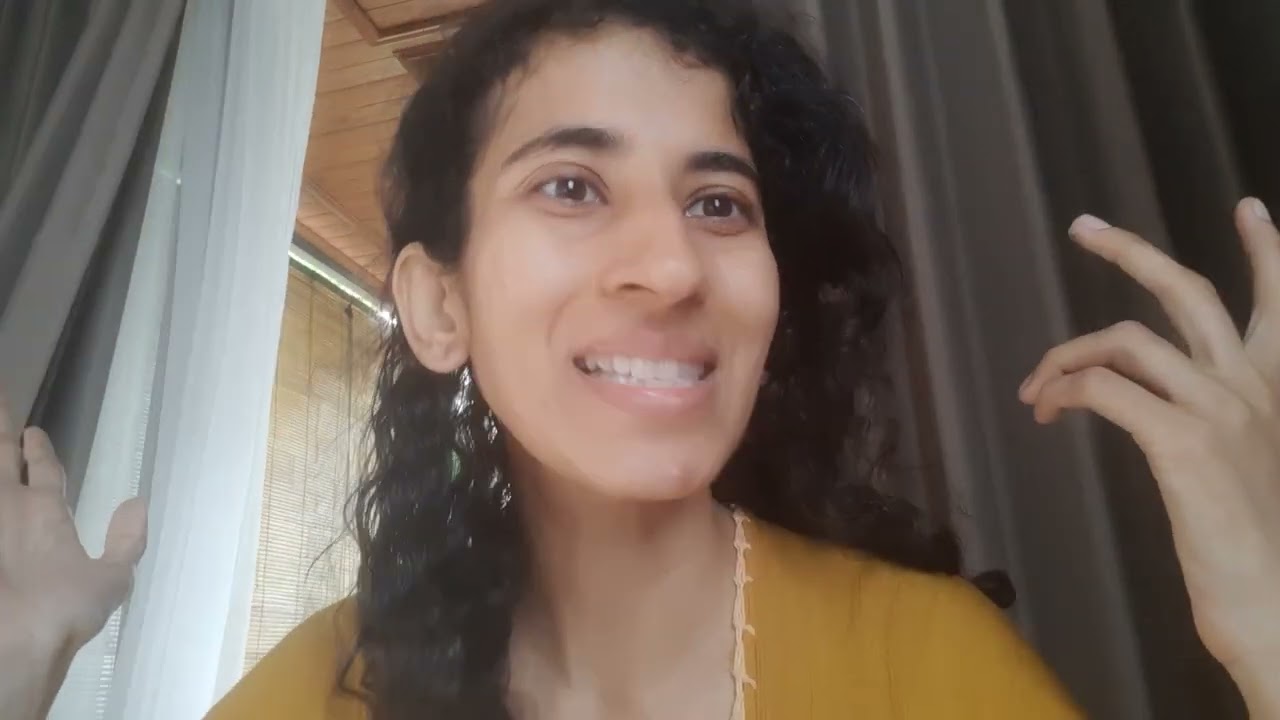
Hello, I am professor Fernanda Moura Vargas Dias and today I will introduce the course "Understanding Chronic Pain To Live Better". And who am I? I am a physiotherapist, specialist in epidemiology and, also, neuroscience, mindfulness and positive psychology.
I am a professor at the Federal University of Espírito Santo, I have a Master's, a PhD and I lead two projects here, one is Medita UFES and the other one is PILATESAR. Today we will start by understanding the objectives of the "Understanding chronic pain to live better" course. Its main objectives are to understand the neurophysiological mechanisms of pain and limiting beliefs.
Also, to demystify said limiting beliefs and to resignify the fear of pain, and teach you techniques to deal and cope with chronic pain. What is the reason for this course? Pain is the most common symptom among the clinical conditions of illnesses.
It affects the person, their family, the way the person interacts with others, it limits people's leisure and work activities. Did you know that one in three people experience chronic pain? Did you also know that it affects more women and that, in addition, the people affected are usually at working or older ages?
Moreover, most patients that experience chronic pain do not have any underlying illnesses that would justify it. Erroneous beliefs on chronic pain contribute to amplifying pain. Along with pain, there is fear, limiting beliefs, catastrophizing, avoidance, which strengthens the vicious cycles of pain.
But one positive aspect is that pain can be resignified. So, researchers have recently shown that beliefs, humor, the way patients face their health conditions can improve pain symptoms. Therefore, we need to look for alternatives to resignify thoughts and beliefs.
So, how can I contribute? Information on pain based on neuroscience has been proved to be beneficial in treating chronic pain. Also, incorrect and outdated information can hinder the rehabilitation process.
So, some aspects are worth highlighting, such as: if we are able to better understand pain, we can overcome it in more adequate ways. In addition, by knowing the processes of chronic pain, it is possible to help people to make better decisions regarding their treatment and, also, to seek healthier habits. So, how will I contribute by participating in this course?
Nowadays we know that the best and more updated pieces of information are in English and in the form of published academic articles. So I will try to minimize the distance between scientific knowledge and public knowledge. I intend to bring modern and updated information with simple language, in a way that is easy for everyone to understand, popularizing such important knowledge in order for people to understand chronic pain to live better.
And which topics will we tackle in this course? We will talk about what is pain; pain and limiting beliefs; new techniques to approach pain rehabilitation; pain treatment; and approaches related to life habits and to changing them to manage pain. I would like to welcome you and I wish that you enjoy this course.
To conclude this introduction, I would like to share a very important quote by Paulo Freire, "Education does not change the world. Education changes people. People change the world".
This way, I believe that, through this course, we can change the way people understand pain and contribute to people so they can live better lives. Thank you! [Thank you!
Keep on learning!