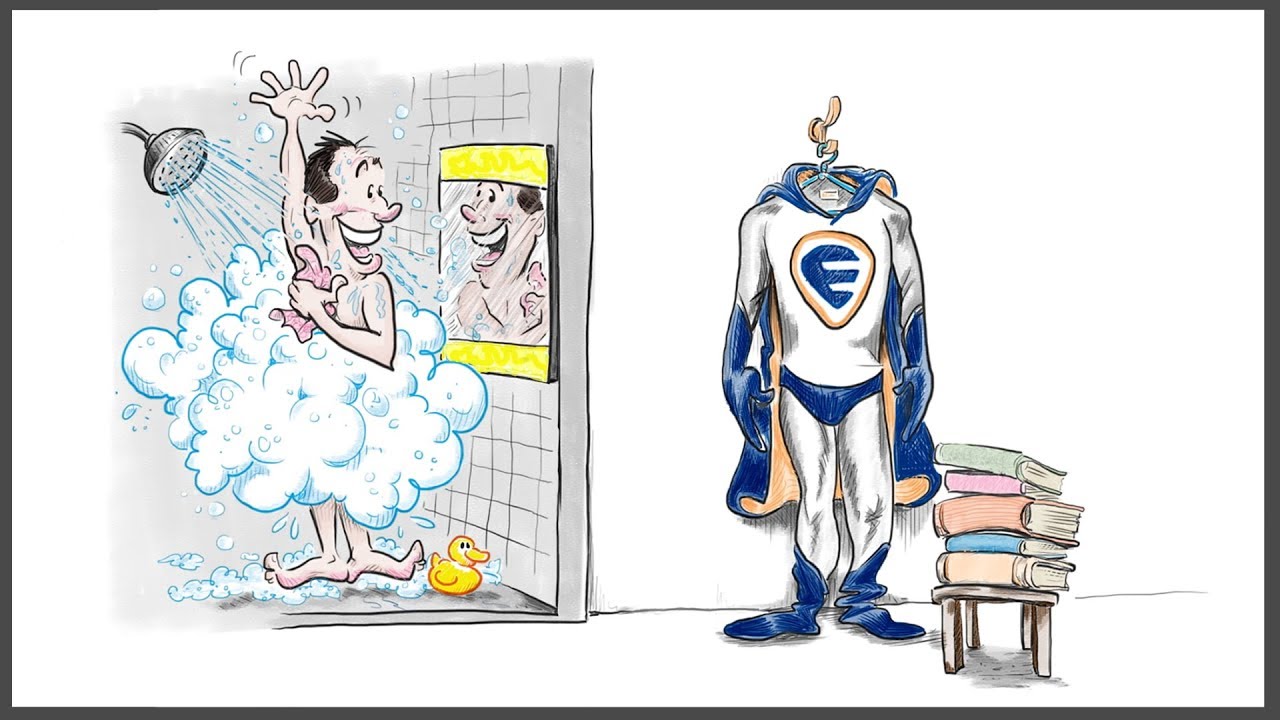
[Professor Robert Prentice] Moral Intent is the third step in being your best self. Most people wish to think of themselves as good people, but they also desire the benefits that can come with acting unethically. Therefore, substantial empirical evidence indicates that most people on most days lie a little and cheat a little.
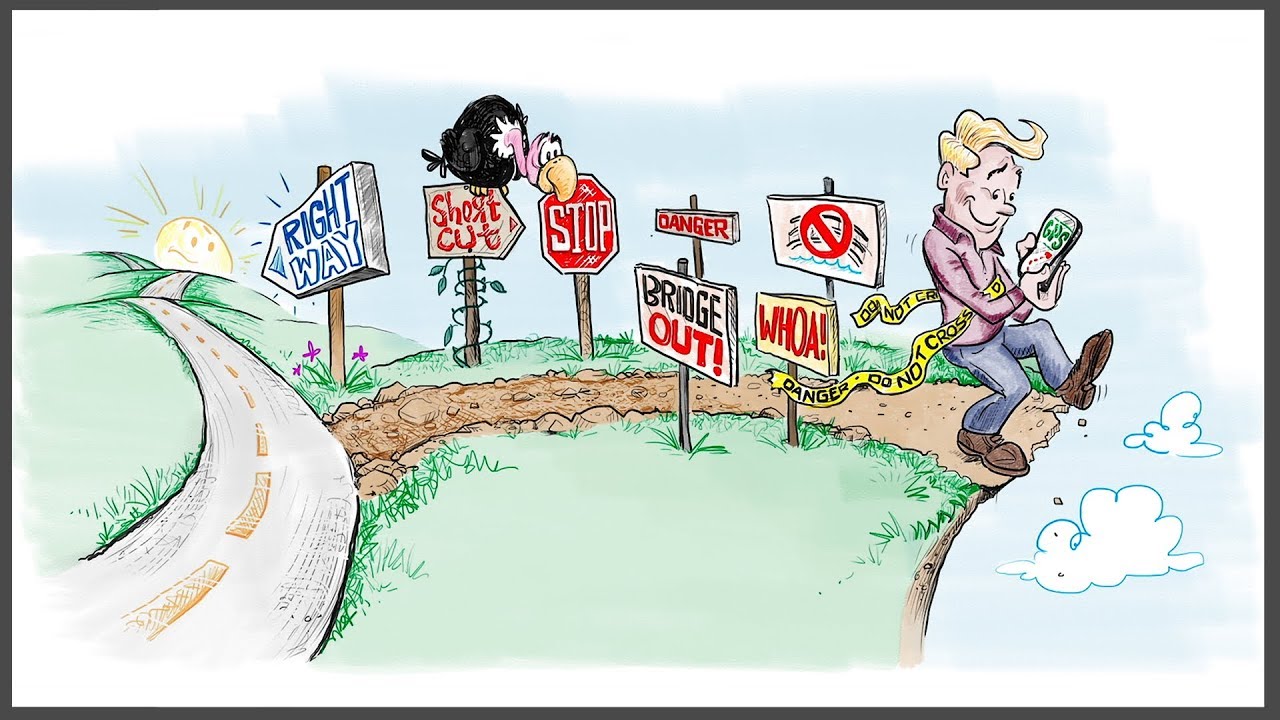
As psychologist Dan Ariely points out, we tend to lie and cheat, but only up to the level that allows us to retain our self-image as reasonably honest individuals. The human ability to rationalize is perhaps the single most important factor that enables good people to give themselves license to do bad things. Therefore, one of the best things we can do to preserve our moral intent is to monitor our own rationalizations.
[Kelly] I mean, I can basically rationalize anything; it's almost a talent. So like, whether or not it's not going to class because I'm like, "oh I'm so tired, I'm not going to listen anyway so I might as well not go. " [Scott] If you know prior to the rationalization that it's not right, that's pretty self evident that there's an issue.
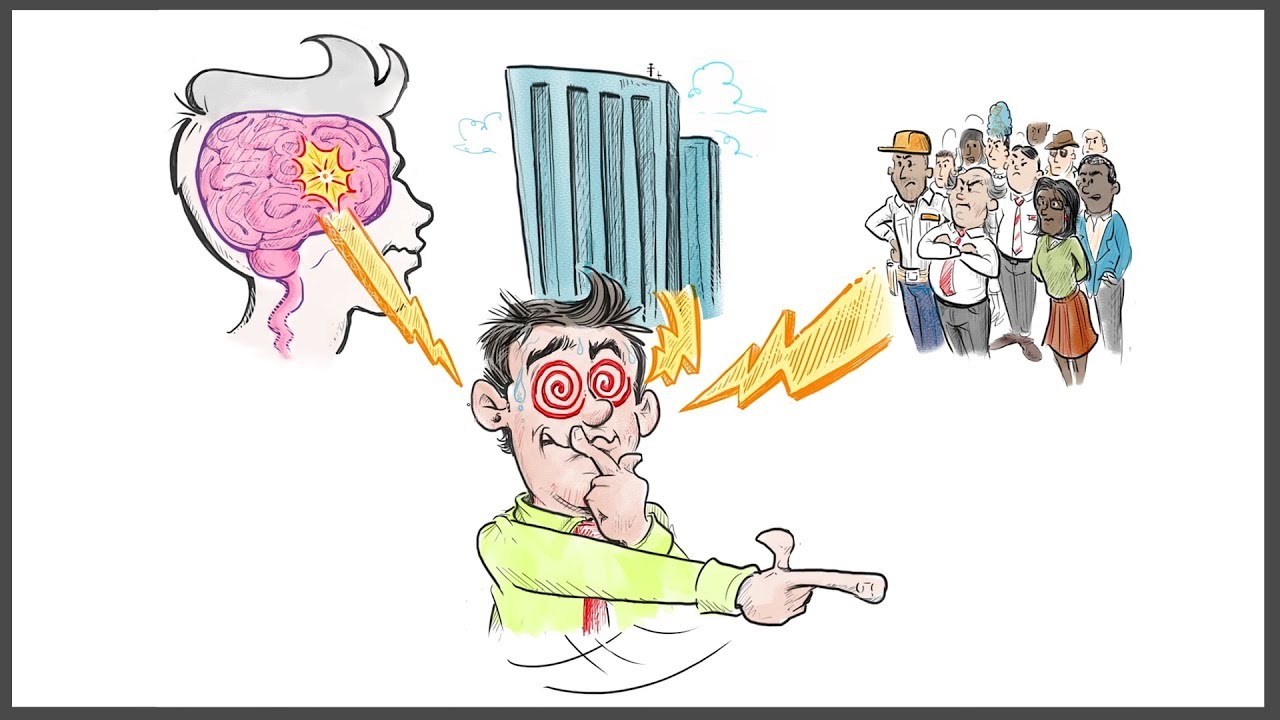
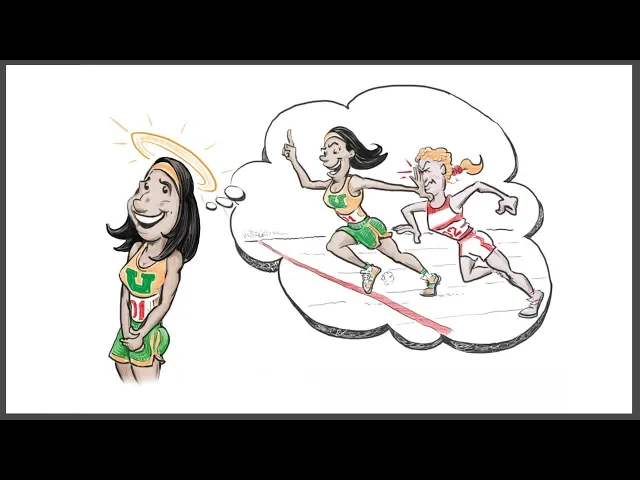
Professors Anand, Ashforth and Joshi studied the most common rationalizations and placed them into six categories. The first category is denial of responsibility, for we are consciously doing something unethical, but choosing to do it anyway because we can shift the responsibility to someone else, which substantially mitigates our feelings of guilt. So if you find yourself saying, "I know this is wrong, but my boss has ordered me to do it" A little alarm should go off in your head warning you that you are about to go off the ethical rails.
I remember in high school, me and my friends, we had a test bank. My friends were doing it so I was like, "Yeah I'll take the test for you, friend. " So after the test, my teacher was a little distracted so I just.
. . we had to put our test back down, like, by his desk, but I just slipped another one, like, as I walked out and I kinda just slid it across the table underneath my stuff and walked out.
I had just rationalized it like, "Oh, like, it's not cheating if it's not for me. It's cheating for Tori, like, it's cheating for this friend who's gonna use this test. " And I just remember being so scared once I did it.
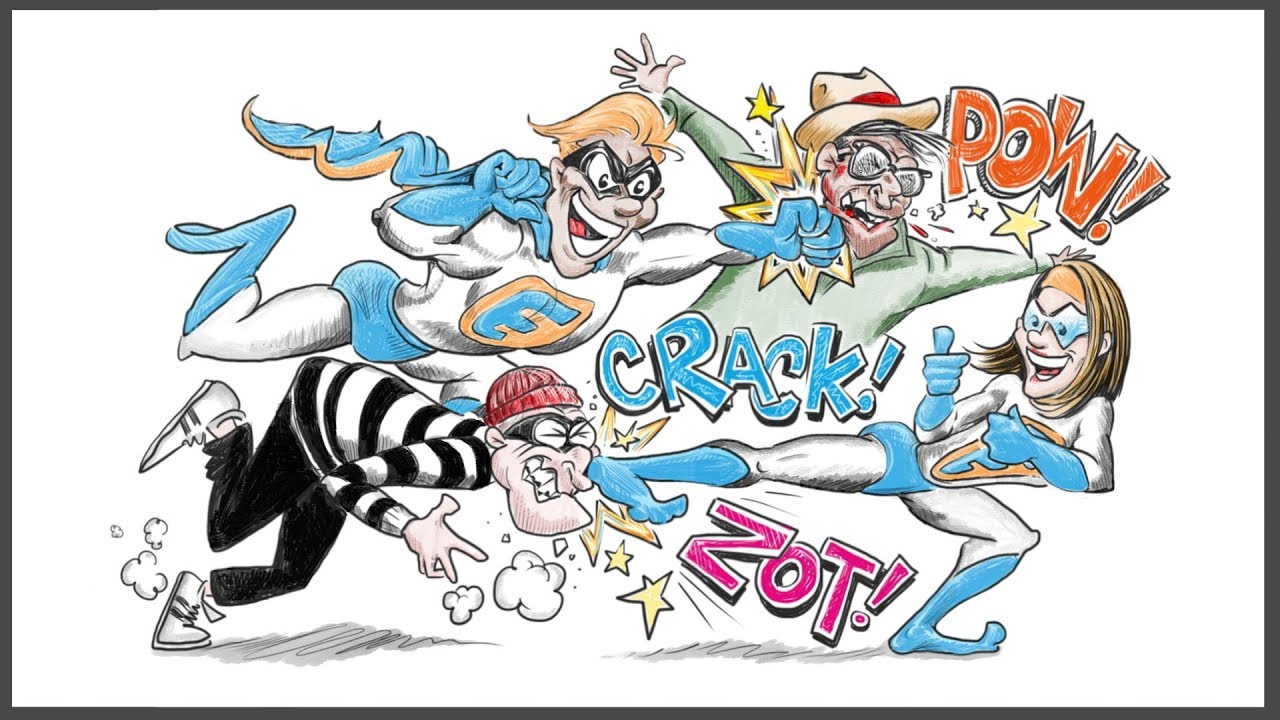
The second category is denial of injury, where we consciously choose do something wrong because the supposedly slight harm involved makes it not seem so bad. So, if you find yourself saying, "I know this is wrong, but shareholders have diversified portfolios, so no one will really be hurt by a small lie or a little earnings management," that alarm bell should again sound. The third category is denial of victim, where we choose to do something wrong because some fault we attribute to the victim makes it seem to us that the victim deserves the harm.
[Melissa] I worked at a big non-profit medical company, and one of my coworkers and me, we didn't get along. We pretty much had complete… all of our values were in complete opposition of each other. I had another coworker who was our coordinator and me and him were friends and him and her didn't get along and there was a lot of things that he did that I saw that I felt were.
. . my gut instincts were that they were unethical.
Me and him had a falling out and he kind of turned the spotlight on me and started doing the same things to me. And then that's when I realized, like, this is really wrong and I probably should have stopped him from doing that to her at the time. The fourth category is social weighting, where we consciously choose to do something wrong, but by weighing our bad actions against those of people who do even worse things, we can make ourselves appear almost heroic.
. . at least in our own eyes.
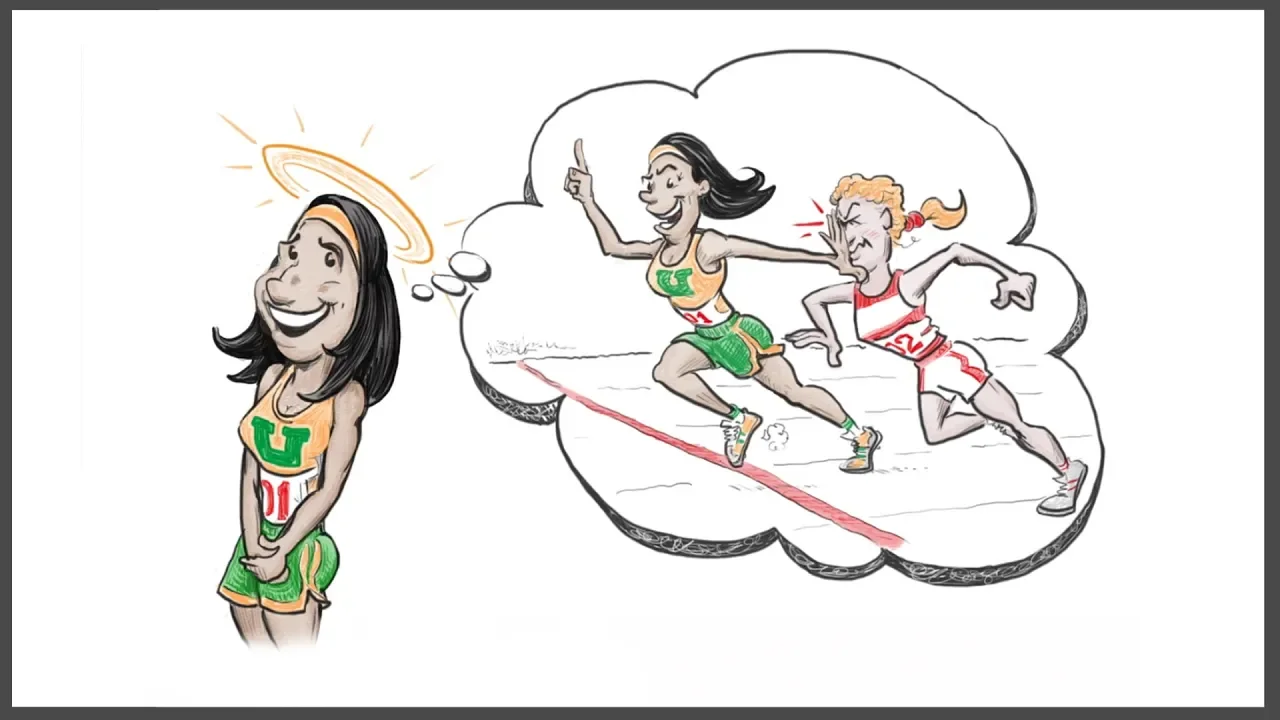
So, if you find yourself saying: "I know this is wrong, but my competitors do stuff that is way worse," then you should realize you are about to make a big mistake. The fifth category is the appeal to higher loyalties, where we consciously do something wrong but justify doing it just this one time by elevating loyalty to our firm or our family to a preeminent position. So, if you find yourself saying: "I know this is wrong, but I don't want to undermine my boss.
" Or, "I know this is wrong, but I've got a family to feed," it's time to rethink. Sixth and last in Anand and colleagues' categorization is the metaphor of the ledger. Here we do something that we know is wrong, but conclude that it is justified in this case perhaps because of our perceived mistreatment at the hands of our victim.
Feeling like you're more entitled at a job because you're getting paid less or you're overworked or you don't feel like you're a valued employee - I think that does cause you to think, "Oh ok, like, I think that I deserve this. " You know, take an extra long lunch and not tell anybody about it. A lot of times you might find yourself in a situation where you're reacting to somebody else's unethical behavior and so in turn you react with unethical behavior.
This doesn't exhaust the categories of rationalizations, of course. But if you will practice monitoring your own rationalizations and talk out your difficult decisions with a trusted confidant who can call you on them, you increase your chances of leading an honorable life by preserving your moral intent. You will be less likely to write yourself an ethical "hall pass" if the little alarm bell in your head goes off when you hear yourself rationalizing.
[Will] I mean, my instinctual first reaction is to sort of . . .
and maybe sometimes that's ok in little things, I don't know. [Arthur] I think those are questions, something that we need to be at least cognizant of, highly cognizant of, that rationalizations can sometimes come after the fact and aren't always 100% faithful to the truth, right? [Claire] I think, you know, focusing around having conversations maybe within your interpersonal groups that can really be authentic and to help people, you know, maybe admit those times when they haven't made great choices just with the knowledge that they can get better and that there's no judgment against them.









![Upbeat Lofi - Deep Focus & Energy for Work [R&B, Neo Soul, Lofi Hiphop]](https://img.youtube.com/vi/THh4fT0O7IY/maxresdefault.jpg)