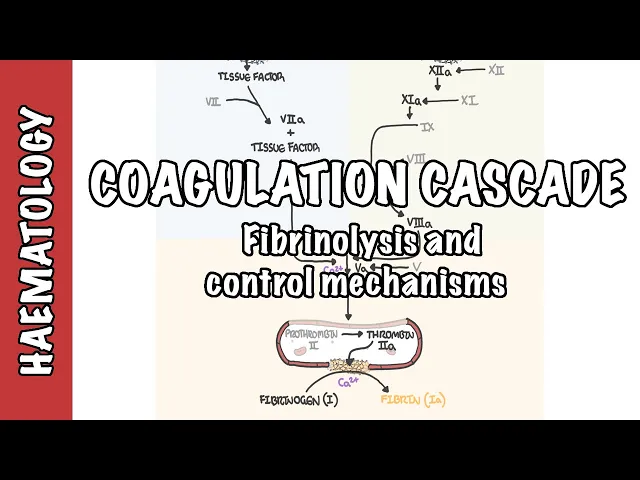
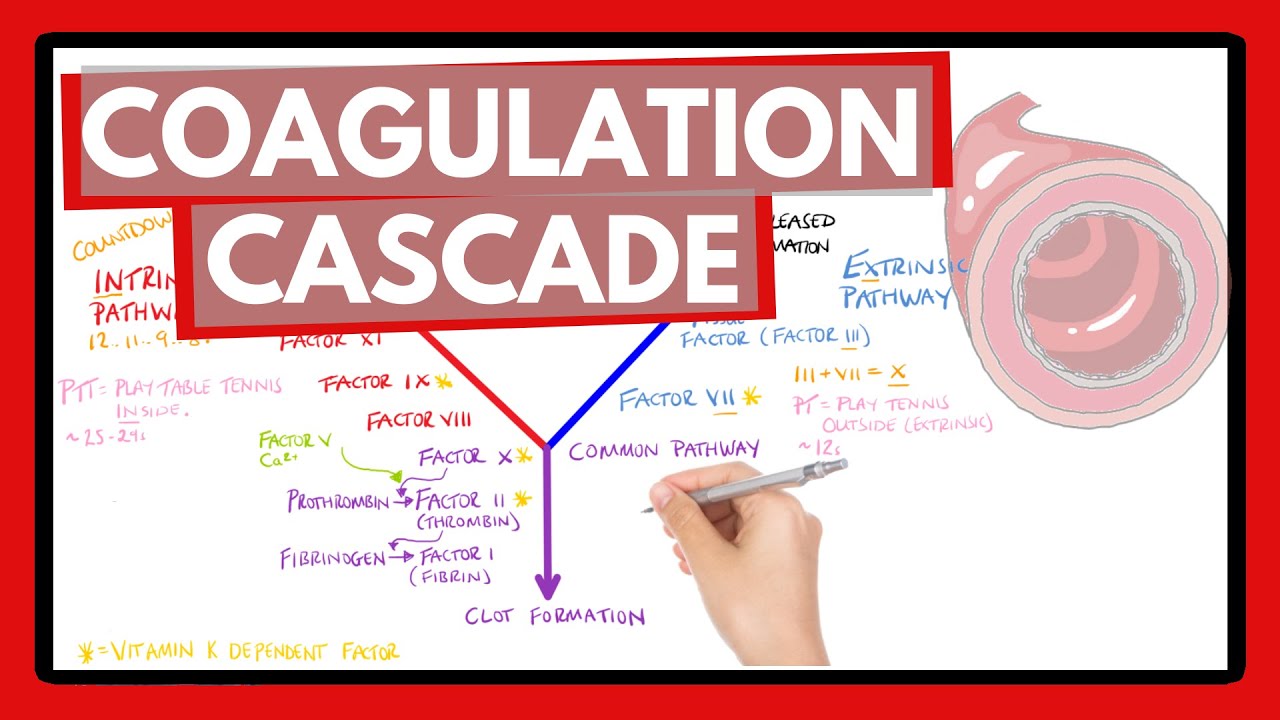
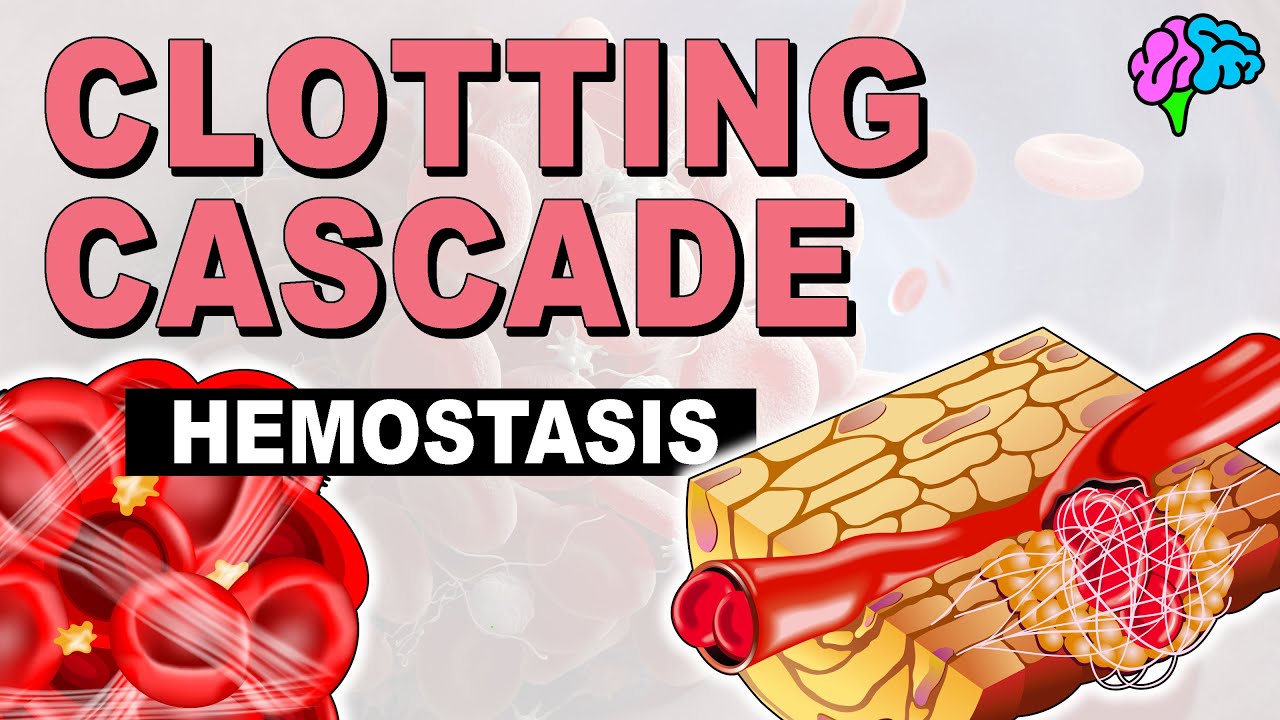
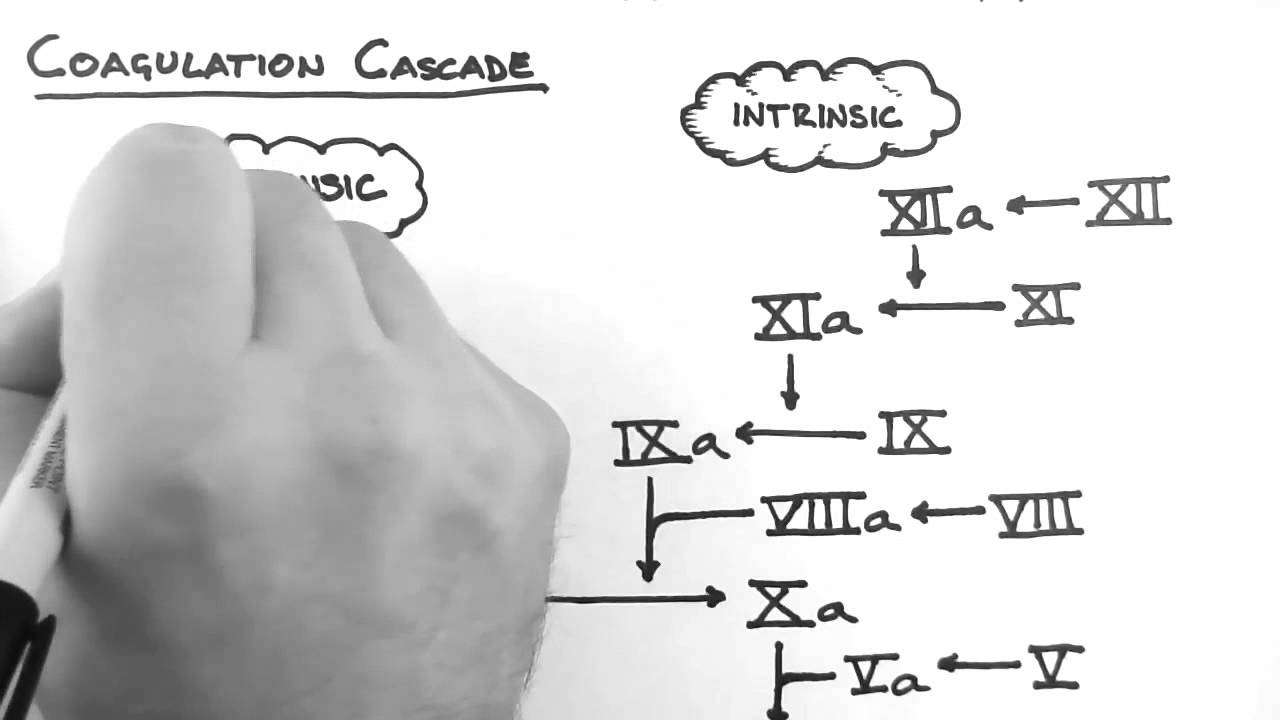
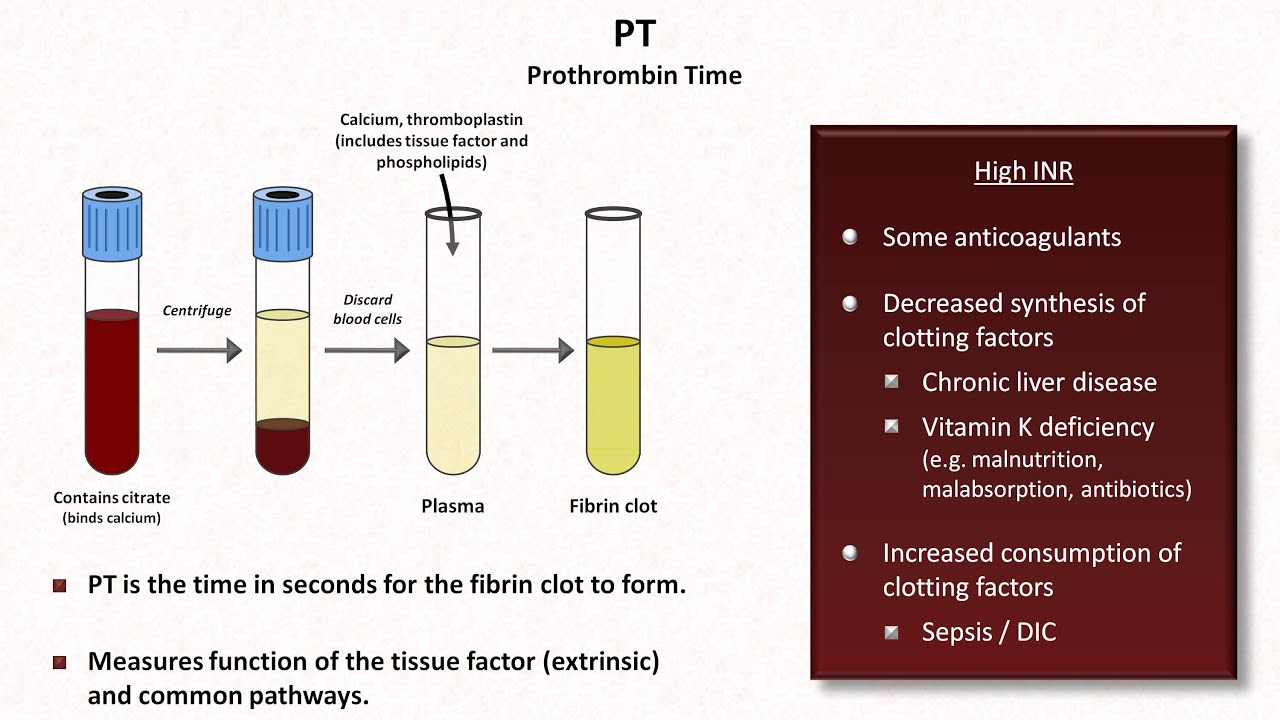
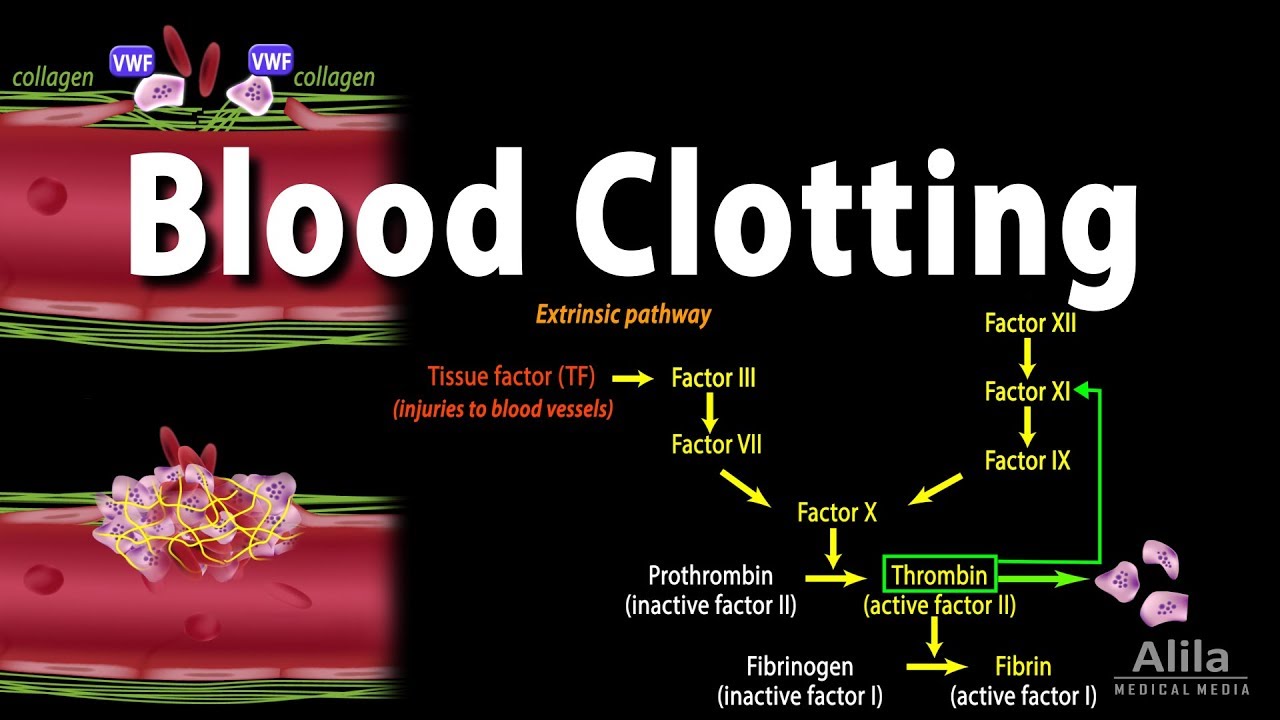
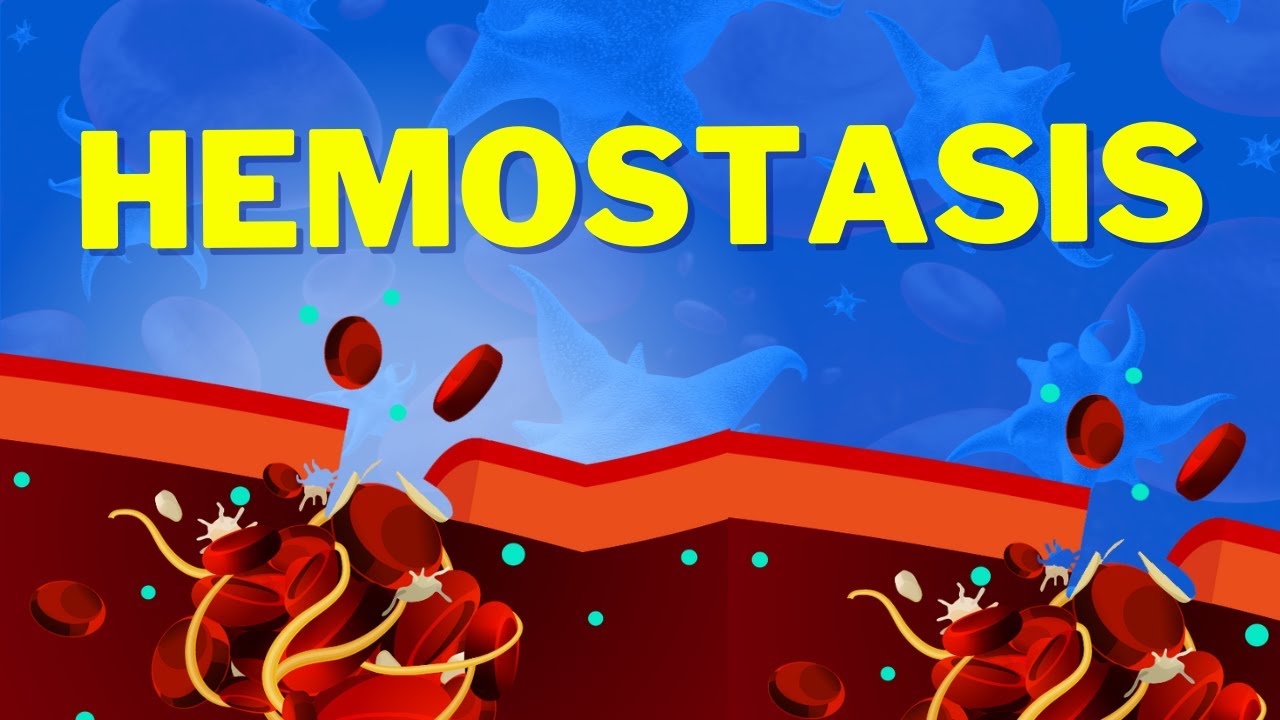
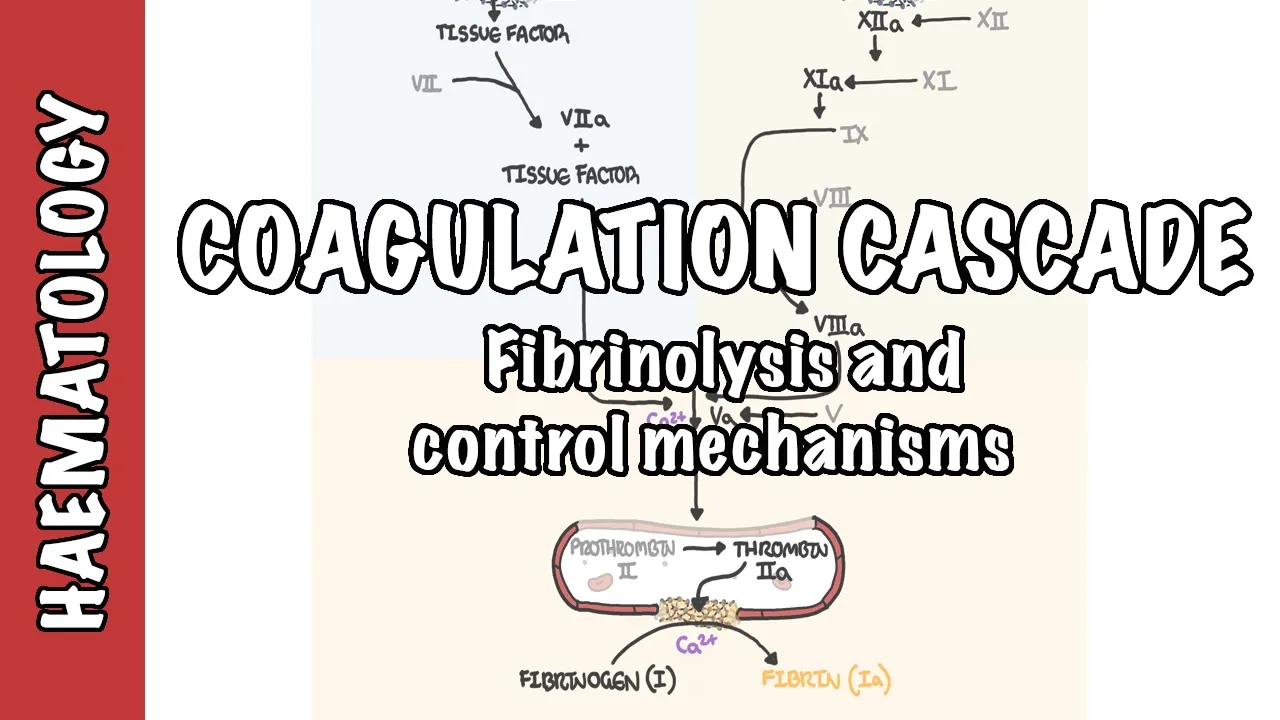
hemostasis is divided into primary hemostasis which involves platelet plug formation and secondary hemostasis which is the coagulation cascade the classic coagulation cascade is divided into the extrinsic pathway and the intrinsic pathways both of which lead to what is called the common pathway the hallmark of both the extrinsic and intrinsic pathways of coagulation is the sequential activation of a series of clotting factors clotting factors are shown as roman numerals and numerals followed by the alphabet represent an active clotting factor for example factor 10 becomes factor 10a 10a being the active factor so let's focus on the extrinsic pathway following platelet plug formation tissue injury causes expression of tissue factor which together with factor 7a will activate many molecules of factor 10 to become factor 10a the intrinsic pathway is initiated by the exposure of blood to a negatively charged surface which activates factor 12. this in turn activates factor 11 9 and then 8. factor activated factor 8 will activate factor 10.
the intrinsic and extrinsic pathways will activate factor 10. factor 10a and factor 5a make up the beginning of the common pathway factor 10a and 5a as the cofactor activates prothrombin to become thrombin which is our factor 2a the active form thrombin which are the factor 2a molecules then convert fibrinogen to fibrin fibrin is factor 1a local generation of fibrin in turn in meshes and reinforces the platelet plug which was formed from the primary hemostasis bleeding is successfully stopped it is important to know that calcium is involved in the cotton cascade in a few steps so this is the classical view of the chlorine cascade based on the extrinsic and intrinsic pathways the classical view is very useful in interpreting coagulation tests and identifying bleeding disorders based on the coagulation factors however physiologically the coagulation cascade is much more confusing there is a cell-based model for coagulation which involves three main steps the first is initiation it is now believed the generation or exposure of tissue factor from the extrinsic pathway at the wound site and its interaction with factor 7 a is the primary physiological event in initiating clotting leading to activation of thrombin this small initial amount of thrombin generated then activates factor 5 11 and 8 in a feedback manner leading to amplification of thrombin generation interestingly and on a side note factor 8 is carried usually by von willebrand factor because it increases the factors half-life factor 2 a release is factor 8 from von willebrand factor in summary step 2 is amplification where the small amount of thrombin generated from the extrinsic pathway activates vector 5 8 and 11.